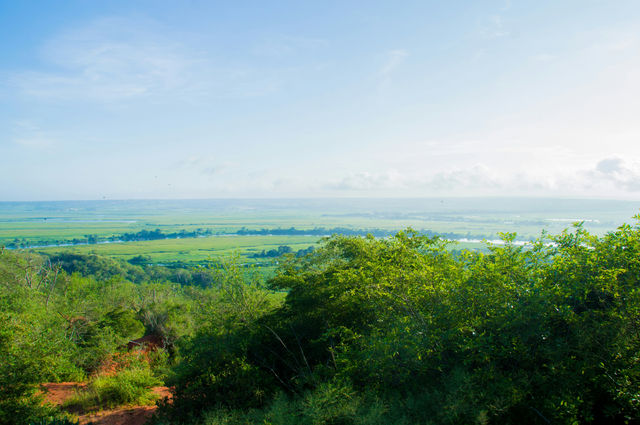
Angola — hero
← All destinations Country

Angola

Africa's raw, undiscovered frontier. Angola blends dramatic Atlantic coastlines, ancient Namib landscapes, and a vibrant post-renewal culture — for travellers ready to arrive before the crowds do.

  • Currency Kz Angolan Kwanza (Kz)
  • Language Portuguese
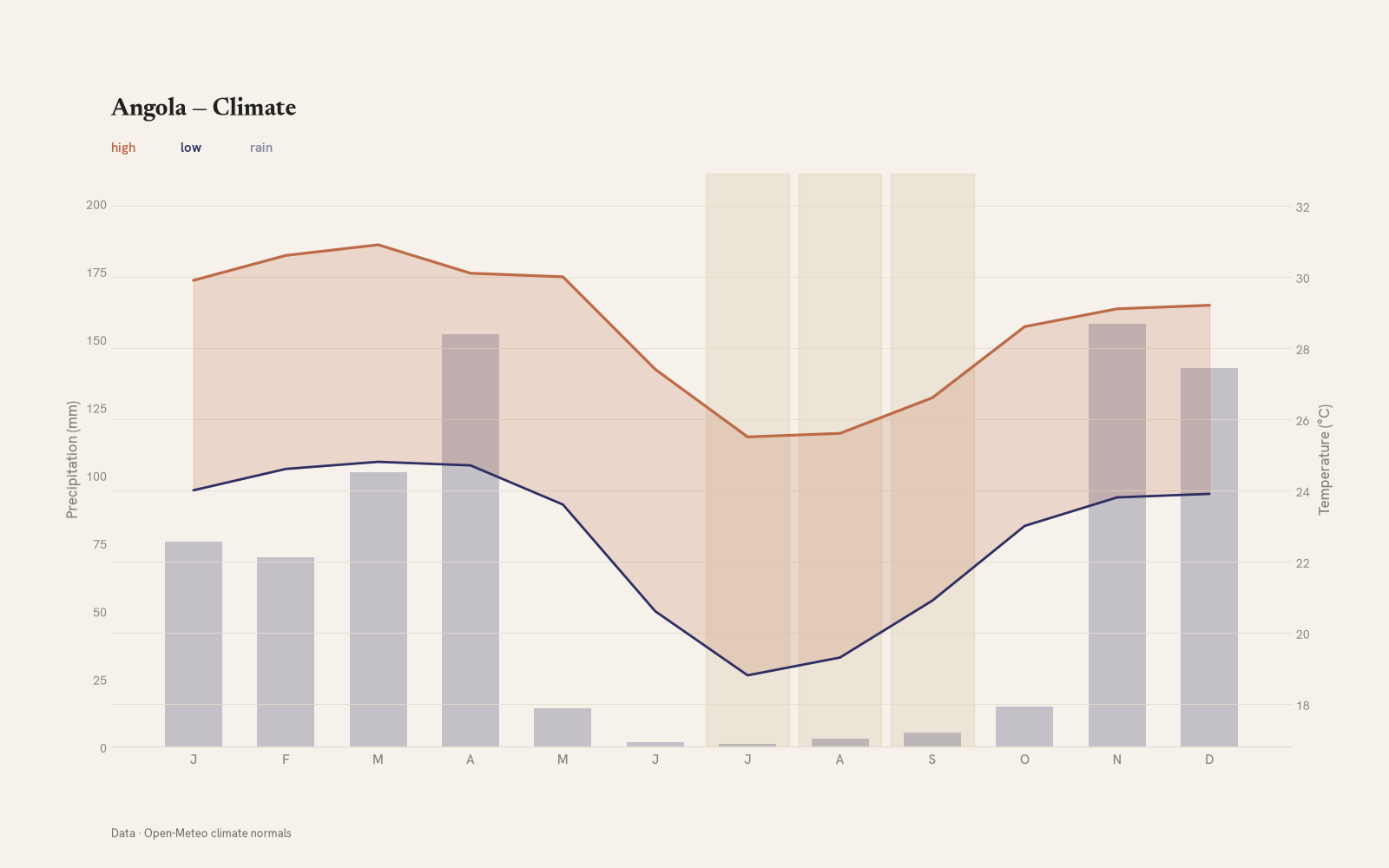
  • Best time May – October
  • Visa Visa-free for UK tourists for up to 30 days
Why visit

Why Angola

Africa's raw, undiscovered frontier. Angola blends dramatic Atlantic coastlines, ancient Namib landscapes, and a vibrant post-renewal culture — for travellers ready to arrive before the crowds do.

  • Kalandula Falls, one of Africa's largest waterfalls by volume, in Malanje
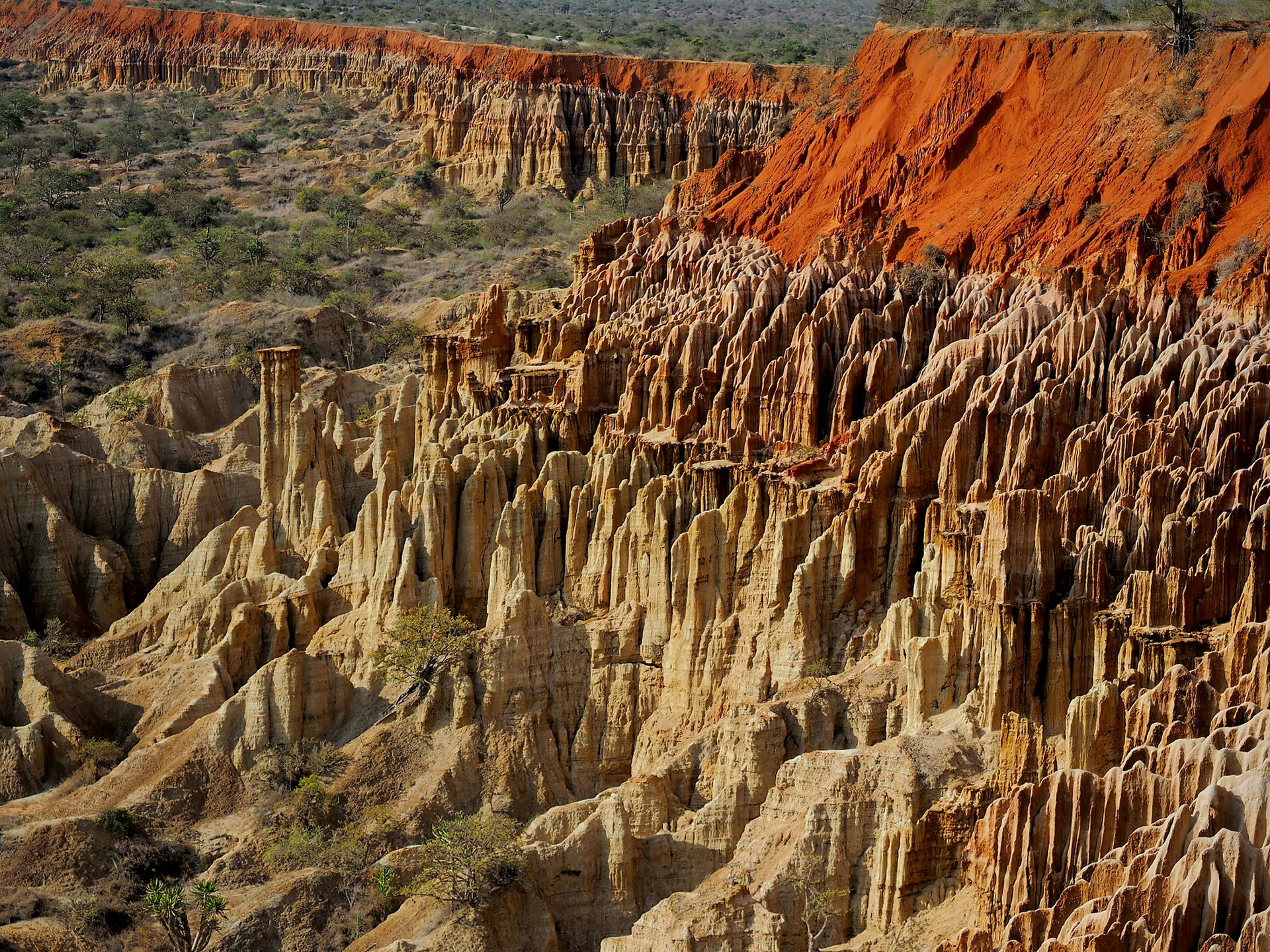
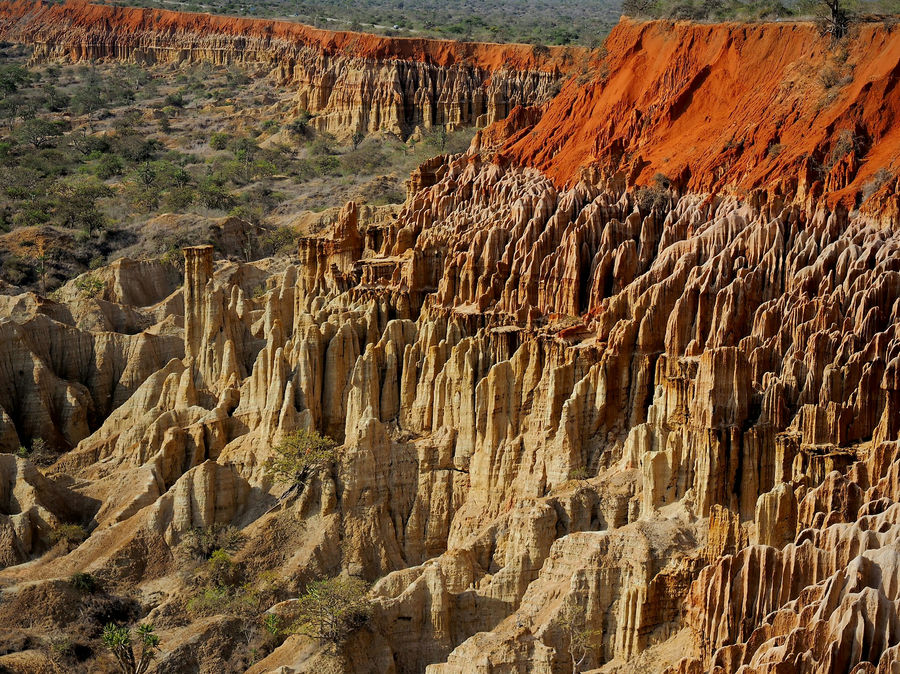
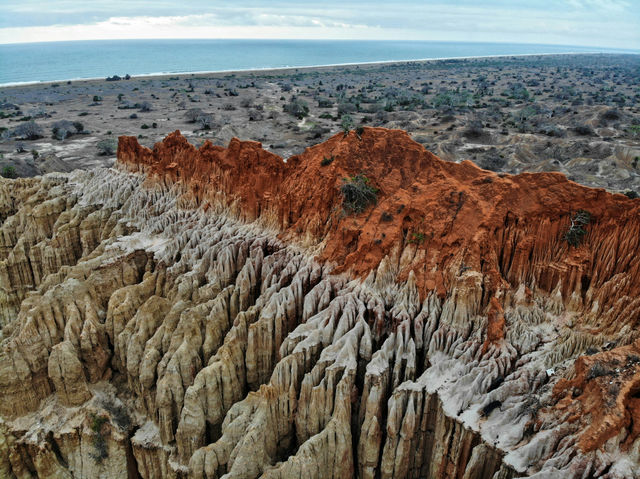
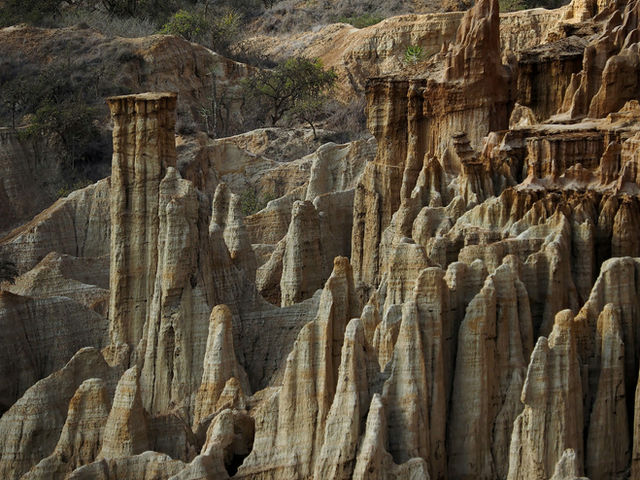
  • Kissama (Quiçama) National Park and the Miradouro da Lua 'moon landscape' near Luanda
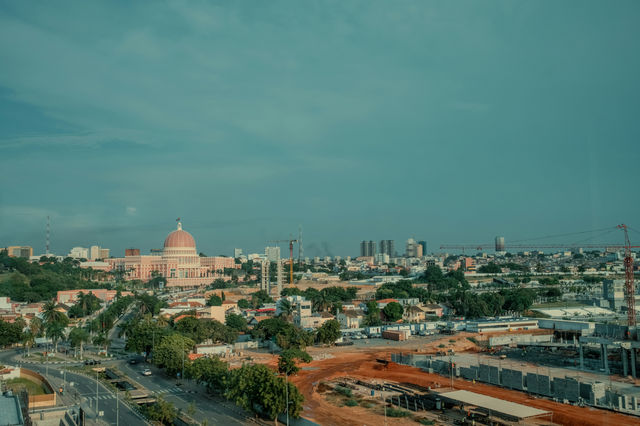
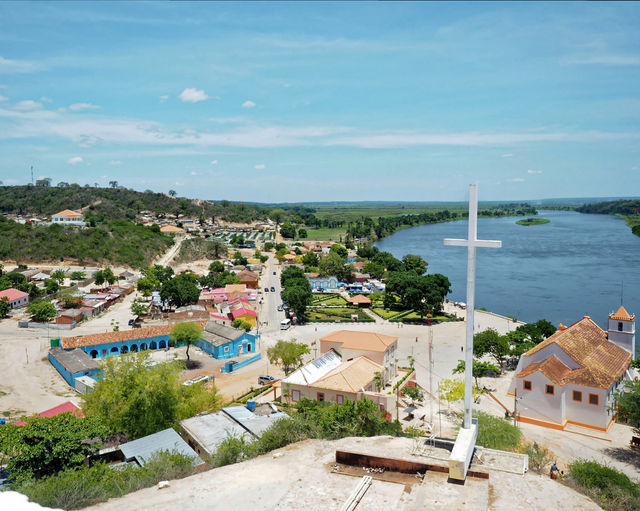
  • Luanda's Portuguese old town, Fortaleza de São Miguel and the Ilha waterfront
  • The Tundavala Gap escarpment and cooler highlands around Lubango
Read more

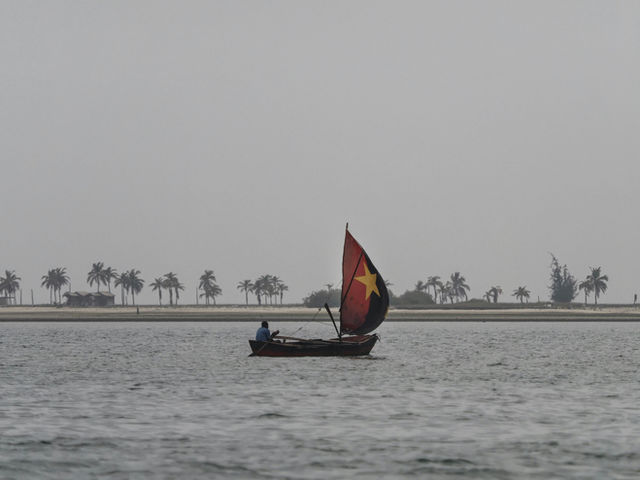
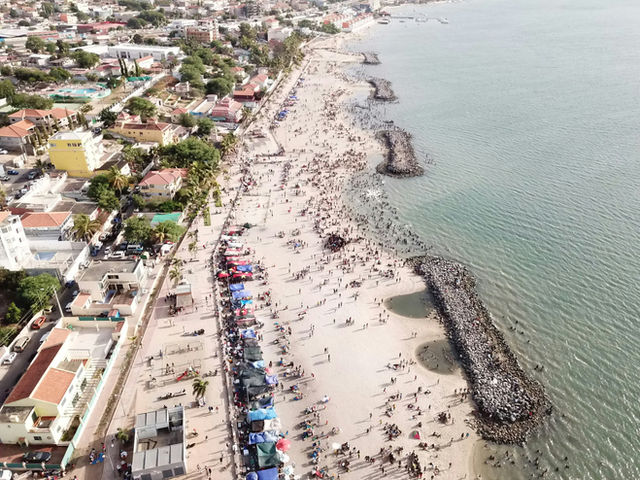
Angola is one of Africa's most compelling dupe destinations — a vast, scenically staggering country that rewards early-mover travellers willing to step beyond the obvious. From the surfer-friendly beaches of Cabo Ledo to the otherworldly red dunes of the Namib fringe, the landscapes are breathtaking and almost entirely your own.

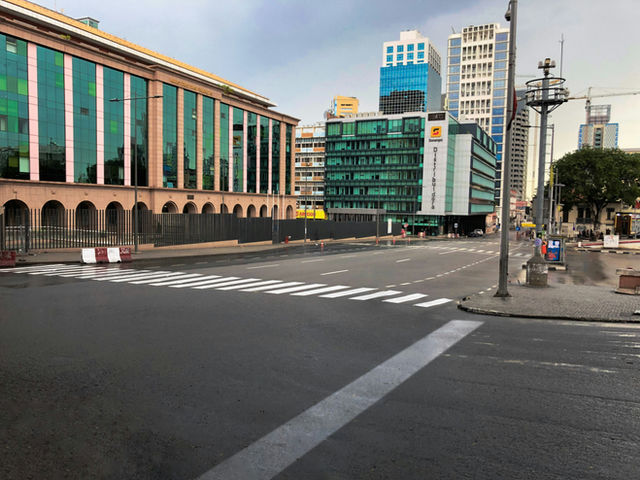
Luanda's fast-evolving restaurant scene and boutique hotels signal a city mid-transformation, making it a surprisingly strong base for bleisure travellers exploring southern Africa. Portuguese colonial architecture meets bold Angolan contemporary culture at every turn.

Inland, the highlands around Huíla and the Tundavala gorge offer genuine soft adventure — dramatic viewpoints, cool air, and encounters with communities keeping traditional craft and farming alive. Angola doesn't hand you the itinerary; it rewards the curious, and that is precisely the point.

A pillar, not a footnote

Eat your way through Angola

The single reason many travellers come back — the food culture worth reshaping a trip around, and the dishes to seek out region by region.

Angola

Palm-oil stews and grilled Atlantic fish over cassava funge — Lusophone Africa cooking with a Portuguese accent.

Angola cooks in red palm oil and Portuguese memory. The plate to know is muamba de galinha, chicken stewed with okra, chilli and deep-orange dendê palm oil until it's rich and glossy, ladled over funge — a smooth, almost elastic porridge of cassava flour that soaks up every drop. It's the national comfort dish, and Angolans will tell you theirs is the original.

The long Atlantic coast piles on seafood — mufete of grilled fish with beans, sweet potato and raw onion; lobster; palm-oil fish stews. Five centuries of Portugal show up in cabidela and in coconut-and-egg sweets like cocada amarela. To drink, a cold Cuca beer or, from the southern highlands, the fermented-maize kissangua. Just know that Luanda is one of the world's priciest cities to sit down and eat in.

Dishes to seek out
  • Muamba de galinha (chicken in palm-oil stew)
  • Funge (cassava-flour porridge)
  • Calulu (fish or meat with greens stew)
  • Mufete (grilled fish platter)
  • Cabidela (chicken cooked in its blood)
  • Cocada amarela (coconut-egg dessert)
  • Cuca (national lager)
Things to do

Nature, culture & hidden gems

Editorial content coming soon

We're hand-picking the standout places, hidden gems and can't-miss activities in Angola. Meanwhile, the cities above are a great starting point.

Plan your trip

Curated Angola itineraries

Browse all Angola trips →
When to go

Weather & timing in Angola RIGHT NOW 23° mostly clear

Best Jul–Sep · Shoulder May–Jun, Oct

  1. Jan / -4°
  2. Feb / -2°
  3. Mar 12° /
  4. Apr 18° /
  5. May 24° / 14°
  6. Jun 28° / 18°
  7. Jul 30° / 20°
  8. Aug 28° / 18°
  9. Sep 24° / 14°
  10. Oct 18° /
  11. Nov 12° /
  12. Dec / -2°

Best time to visit

May – October

Best for
  • Culture
  • Cuisine
  • Landscape
  • History
At a glance
Sunshine 7 hr/day (est.)
Rain days 8 days/mo (est.)
Wettest December · 60mm
Driest June · 10mm
Part of Southern Africa →
By season
Spring (Mar–May)

What to expect — Daytime highs average about 18°C with overnight lows near 8°C, and it stays largely dry.

What's best — May is comfortable, with thinner crowds.

Summer (Jun–Aug)

What to expect — Daytime highs average about 29°C with overnight lows near 19°C, and it stays largely dry.

What's best — Jul and Aug are among the best time to visit — good weather with manageable crowds. Jun also works well.

Autumn (Sep–Nov)

What to expect — Daytime highs average about 18°C with overnight lows near 8°C.

What's best — Sep is among the best time to visit — good weather with manageable crowds. Oct also works well.

Winter (Dec–Feb)

What to expect — Daytime highs average about 7°C with overnight lows near -3°C.

What's best — Cold and quiet; some mountain roads and sights run reduced hours.

A little context

A little history

To read what you're looking at — the empires and eras that shaped Angola's food, art and streets.

Powerful precolonial kingdoms of Kongo, Ndongo and Matamba (14th–17th centuries) — shaping Kimbundu and Kikongo culture and lending the name 'Angola' — reached by Portugal from 1483, with Luanda founded in 1576 as a major Atlantic slave-trading port, leaving the Portuguese language, Catholicism and a lasting food legacy of funge, cabidela and coconut sweets — independent on 11 November 1975 after nearly 500 years of rule — then locked in civil war between the MPLA and UNITA from 1975 to 2002, one of the Cold War's longest, whose landmine legacy still limits overland travel — and since the 2000s remade by oil and diamond wealth that rebuilt Luanda into one of the world's most expensive cities.
Before you book

Know before you go

The practical back-matter — safety, drones and the essentials, in one place.

Safety

Moderate — check FCDO advice FCDO advice →

Official UK Foreign, Commonwealth & Development Office guidance is the definitive source — check it close to your travel dates.

Drone rules (sub-250g)

  • Angola
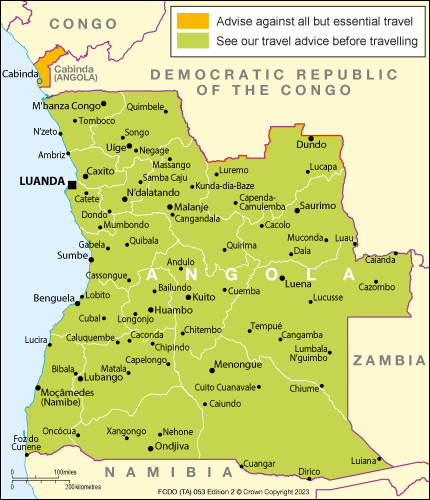
    No realistic path for a visitor: Angola has no clear civil drone framework, tourists can't register, and bringing one through customs risks questioning or seizure. Contact ANAC in advance if you must — otherwise leave it behind. ⚠ Expect bans near airports, government and military sites, the Cabinda oil installations and border zones; Cabinda and the Lunda Norte DRC-border strip are also FCDO advise-against-all-but-essential areas. Rules checked: Jul 2026

National parks, protected sites and religious/heritage venues often have their own rules and permits — always check the specific site before you fly.

The essentials

Plug & voltage Type C/F · 220V
Daily budget Expensive
Region Middle Africa