Iceland — hero
← All destinations Country

Iceland

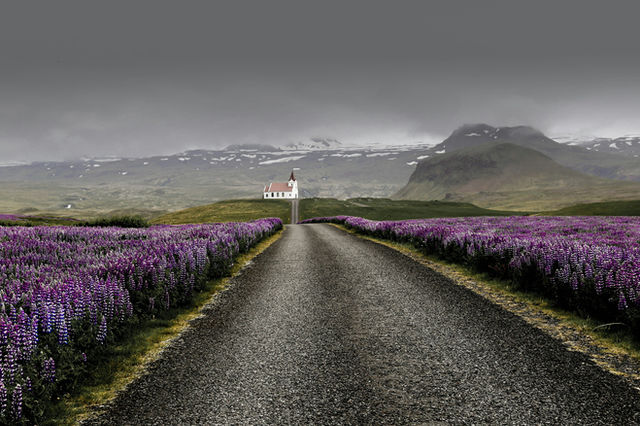
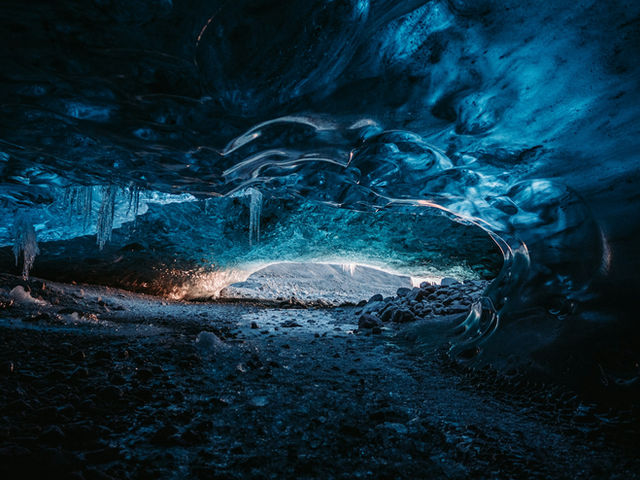
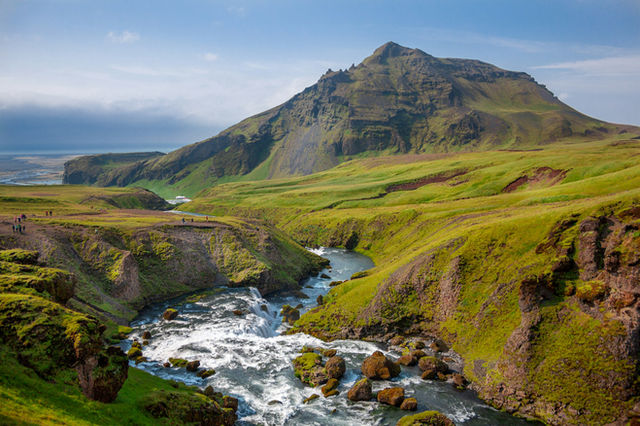
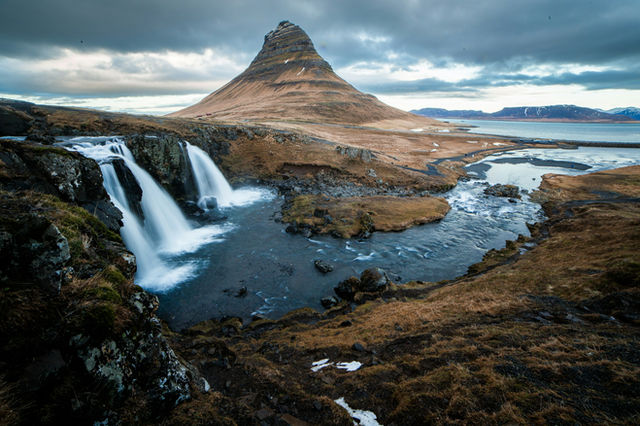
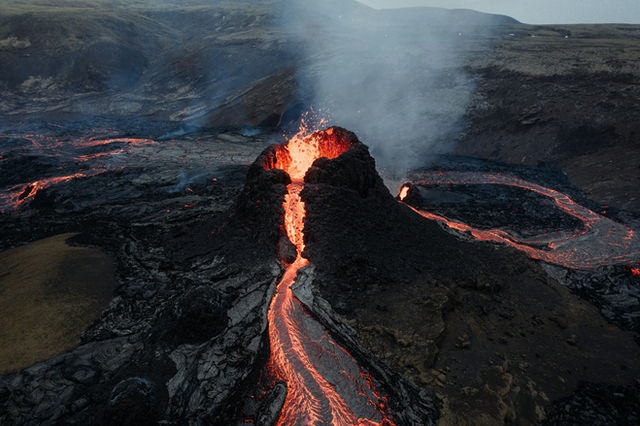
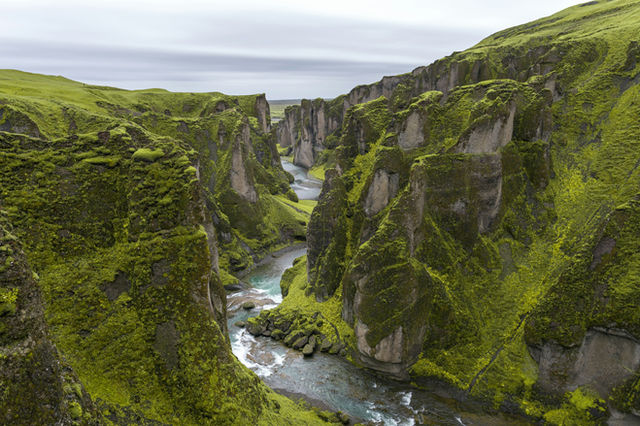
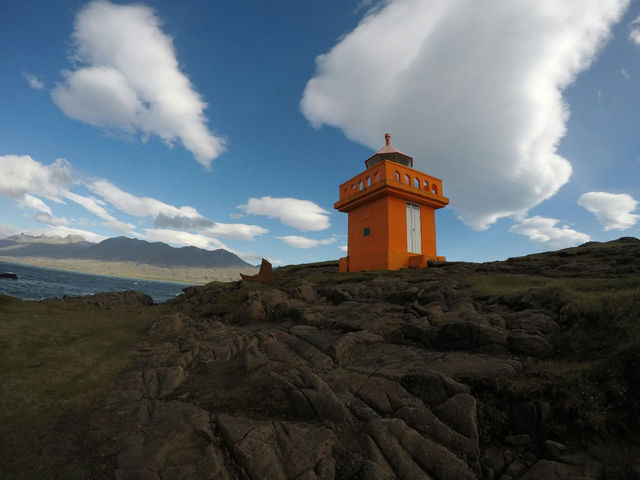
Geysers, glaciers and volcanoes on the edge of the Arctic. Iceland is a raw geological spectacle where the earth is still being made.

  • Currency kr Icelandic Króna (ISK)
  • Language Icelandic
  • Best time June – August (midnight sun), September – March (northern lights)
  • Visa Visa-free (up to 90 days; Schengen)
Why visit

Why Iceland

Geysers, glaciers and volcanoes on the edge of the Arctic. Iceland is a raw geological spectacle where the earth is still being made.

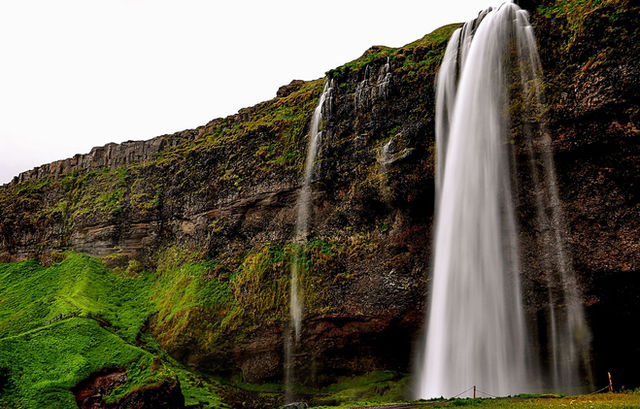
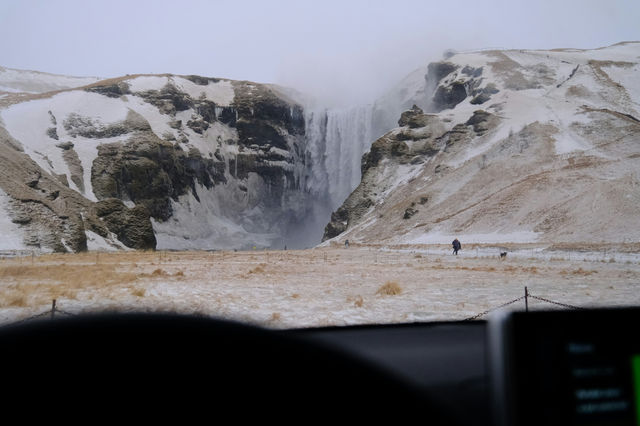
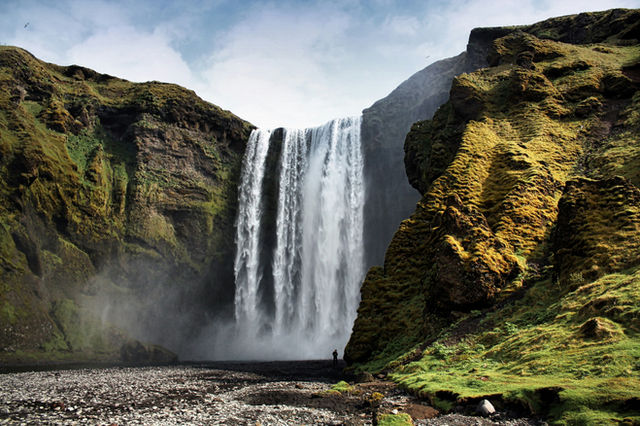
  • Golden Circle geysers & waterfalls
  • Blue Lagoon geothermal spa
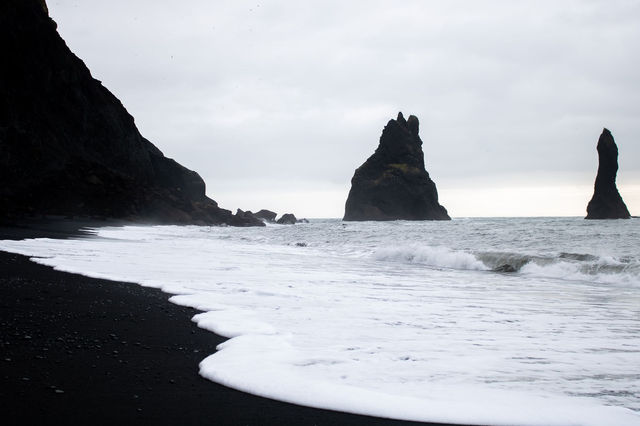
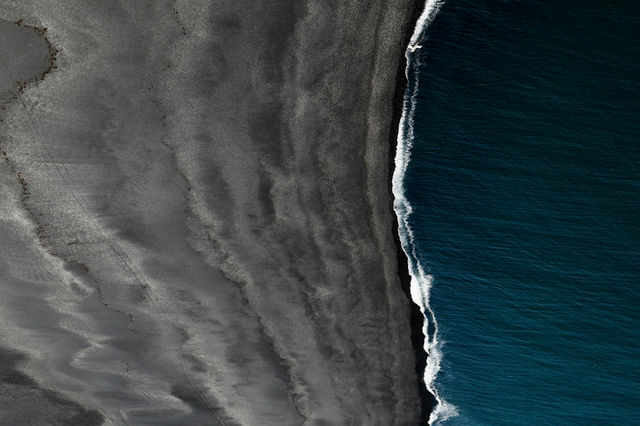
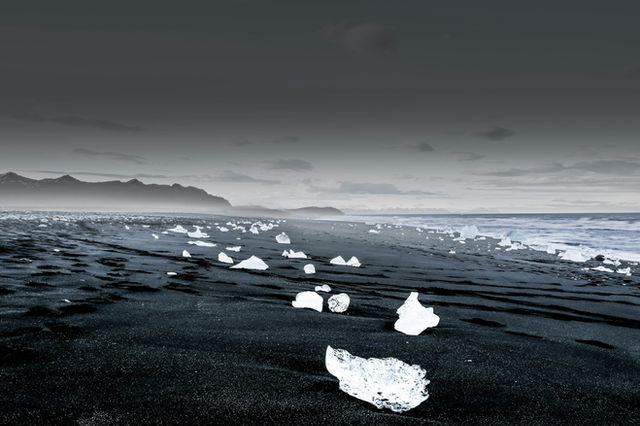
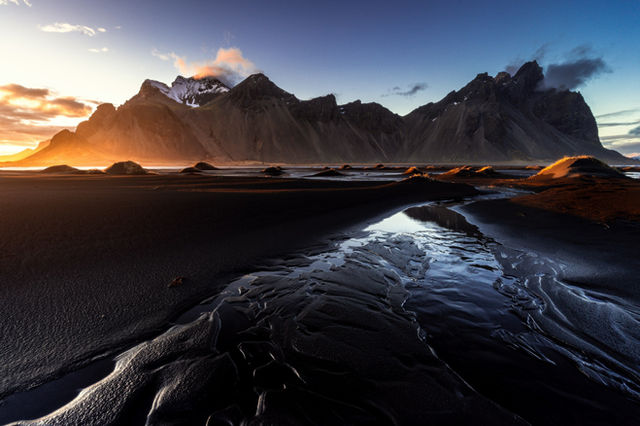
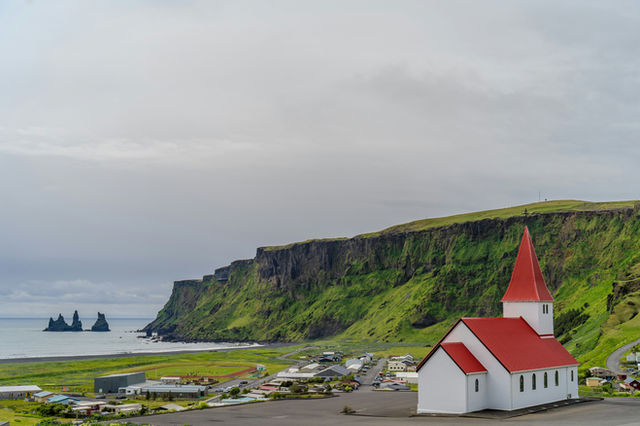
  • Reynisfjara black-sand beach
  • Whale watching from Húsavík
Read more

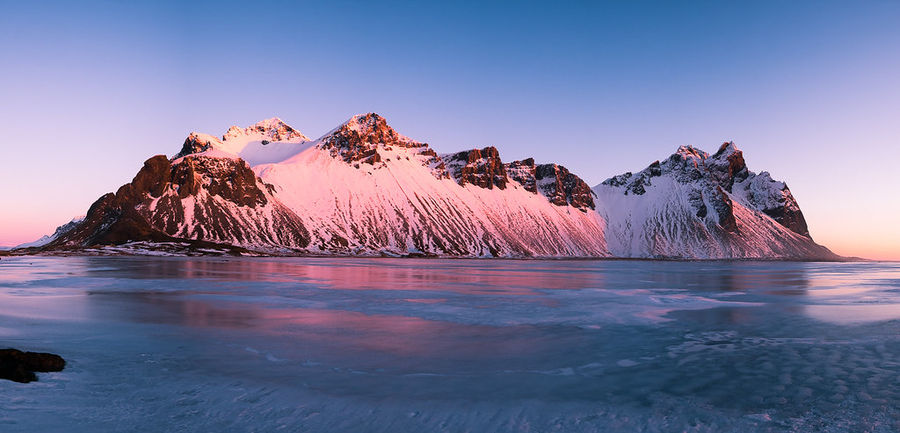
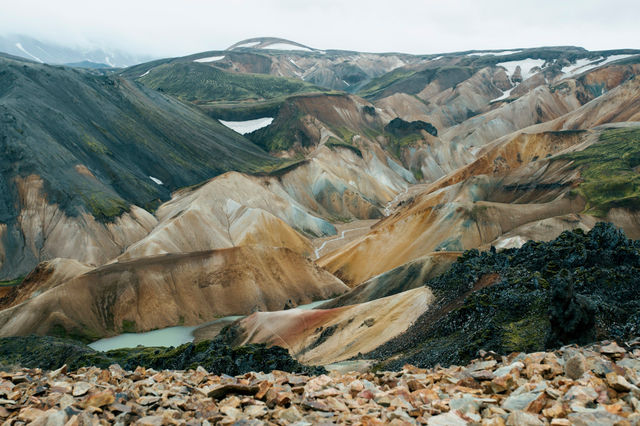
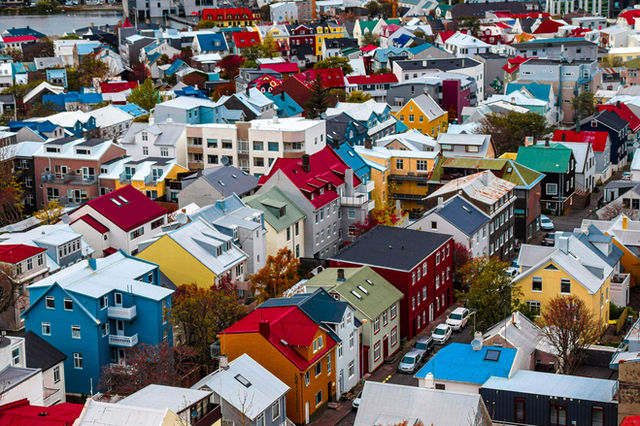
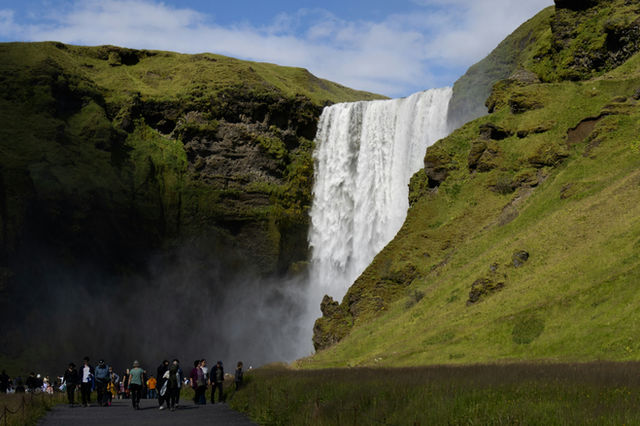
Iceland is a geological spectacle: erupting geysers, black-sand beaches, thundering waterfalls, glaciers and active volcanoes, all crammed onto one small, otherworldly island. Reykjavik anchors it with a surprisingly cosmopolitan food and art scene.

This is soft adventure at its most elemental, glacier walks, volcano hikes and geothermal hot springs, framed by the Midnight Sun in summer and the Northern Lights in winter. Everything remarkable sits within easy reach of the capital.

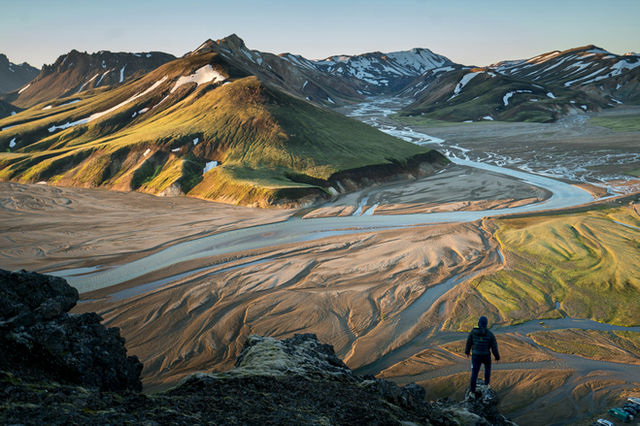
In 2026 Iceland leads on regenerative tourism, using smart visitor management to balance the Golden Circle against the wild interior highlands and protect its fragile volcanic ecosystems. It is true wilderness, thoughtfully preserved.

A pillar, not a footnote

Eat your way through Iceland

The single reason many travellers come back — the food culture worth reshaping a trip around, and the dishes to seek out region by region.

Iceland

Volcano-baked rye bread, wind-cured fish, and a fermented shark most locals dare each other to eat.

On a black-sand plain a cook kneels and lifts a pot of dark rye bread straight out of the ground, where the earth’s own heat has baked it slow and sweet overnight — this is a country that cooks with the volcano under its feet. Iceland’s larder was shaped by scarcity: an island of lamb and fish and long winters, where nothing edible could be wasted. So the lamb is smoked into hangikjöt, the fish wind-dried into harðfiskur and torn off in strips with butter, and the milk set thick and clean into skyr, eaten by the tubful.

The nerve of the place shows at midwinter, when the þorramatur trays appear — singed sheep’s head, cured ram, and hákarl, the fermented shark whose reek is chased down with a shot of caraway brennivín. Everyday nerve too: join the queue at a Reykjavík stand for a pylsa, a lamb hot dog buried in crisp and raw onion and sweet remoulade, washed down with the cleanest tap water on earth.

Dishes to seek out
  • skyr (thick strained yoghurt)
  • hangikjöt (smoked lamb)
  • harðfiskur (wind-dried fish)
  • rúgbrauð (geothermal rye bread)
  • pylsa (lamb hot dog)
  • hákarl (fermented shark)
  • brennivín (caraway spirit)
Things to do

Nature, culture & hidden gems

Editorial content coming soon

We're hand-picking the standout places, hidden gems and can't-miss activities in Iceland. Meanwhile, the cities above are a great starting point.

Plan your trip

Curated Iceland itineraries

Browse all Iceland trips →
  • 6 Nights

    The South Coast and Highland Valleys: An Icelandic Family Adventure

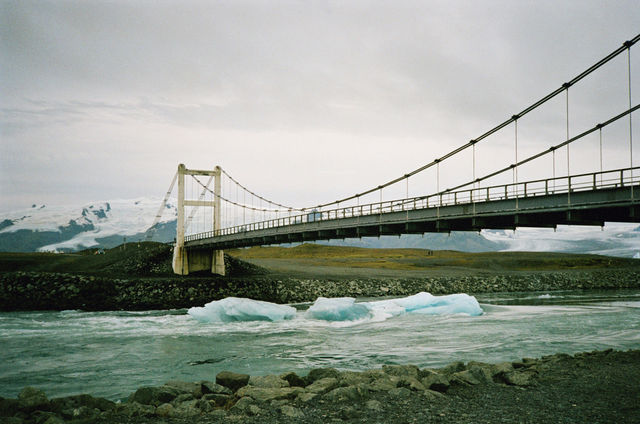
    Discover the elemental forces of Iceland on a flexible 7-day self-drive expedition tailored for active exploration in the height of the arctic summer. Journey from the colorful streets of Reykjavik through the geological wonders of the Golden Circle, across the dramatic waterfalls and black sands of the South Coast, to the floating icebergs of Jökulsárlón and the rugged tracks of the southern highlands.

    Price on enquiry

    View trip
  • 13 Nights

    The Ultimate Ring Road and Highlands Expedition: A 14-Day Icelandic Grand Tour

    Embark on a spectacular cross-country road trip circling Iceland's legendary Ring Road, combining iconic coastal wonders with rugged interior highland F-roads. Masterfully planned for late summer, this driving itinerary connects dramatic black sand beaches, iceberg lagoons, and geothermal fields with remote mountain tracks.

    Price on enquiry

    View trip
  • 6 Nights

    The Wild Interior: Southern F-Roads and Volcanic Valleys

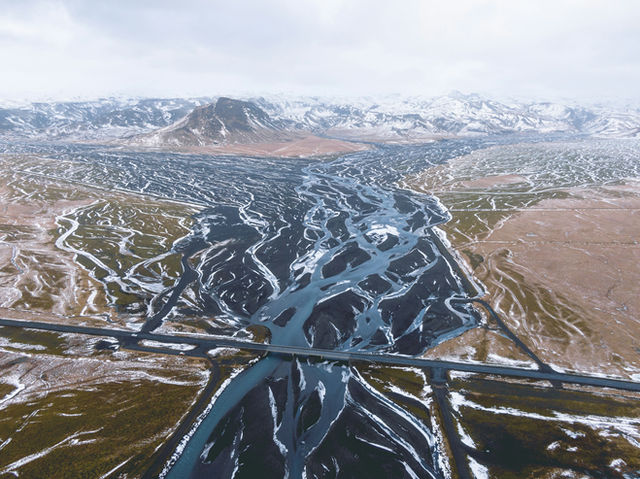
    Venture deep into Iceland's rugged volcanic core on an active, high-clearance self-drive expedition tailored for backcountry exploration. This route leaves the pavement behind to conquer the legendary southern F-roads, navigating glacial river crossings, black sand deserts, hidden mountain valleys, and dramatic basalt coastlines.

    Price on enquiry

    View trip
When to go

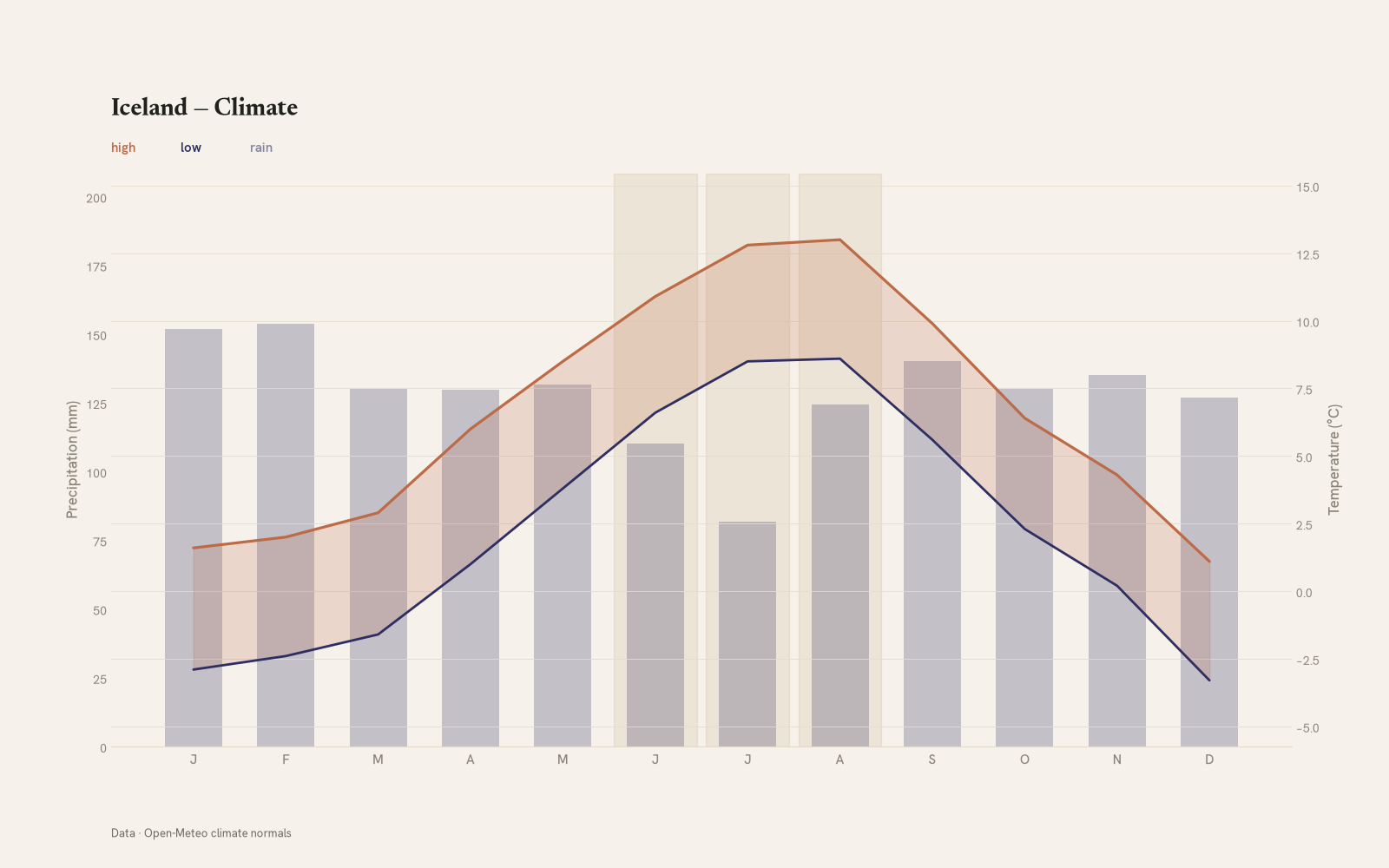
Weather & timing in Iceland RIGHT NOW 12° cloudy

Best Jun–Aug · Shoulder Apr–May, Sep

  1. Jan / -4°
  2. Feb / -2°
  3. Mar 12° /
  4. Apr 18° /
  5. May 24° / 14°
  6. Jun 28° / 18°
  7. Jul 30° / 20°
  8. Aug 28° / 18°
  9. Sep 24° / 14°
  10. Oct 18° /
  11. Nov 12° /
  12. Dec / -2°

Best time to visit

June – August (midnight sun), September – March (northern lights)

Best for
  • Northern Lights
  • Ring Road
  • Glacier Tours
  • Hot Springs
At a glance
Sunshine 7 hr/day (est.)
Rain days 8 days/mo (est.)
Wettest December · 60mm
Driest June · 10mm
Part of Nordic →
By season
Spring (Mar–May)

What to expect — Daytime highs average about 18°C with overnight lows near 8°C, and it stays largely dry.

What's best — Apr and May are comfortable, with thinner crowds.

Summer (Jun–Aug)

What to expect — Daytime highs average about 29°C with overnight lows near 19°C, and it stays largely dry.

What's best — Jun, Jul and Aug are among the best time to visit — good weather with manageable crowds.

Autumn (Sep–Nov)

What to expect — Daytime highs average about 18°C with overnight lows near 8°C.

What's best — Sep is comfortable, with thinner crowds.

Winter (Dec–Feb)

What to expect — Daytime highs average about 7°C with overnight lows near -3°C.

What's best — Cold and quiet; some mountain roads and sights run reduced hours.

A little context

A little history

To read what you're looking at — the empires and eras that shaped Iceland's food, art and streets.

Norse seafarers settled the empty island around 874, and the sagas they wrote still anchor the national identity
the Alþingi, founded at Þingvellir in 930, is the world's oldest surviving parliament
centuries of Norwegian then Danish rule ended with full independence in 1944
isolation and a harsh larder shaped the smoked, wind-dried and geothermal-baked food
Before you book

Know before you go

The practical back-matter — safety, drones and the essentials, in one place.

Safety

Low risk FCDO advice →

Official UK Foreign, Commonwealth & Development Office guidance is the definitive source — check it close to your travel dates.

Drone rules (sub-250g)

  • Iceland
    Register as an EU/EASA operator with the Icelandic Transport Authority (an existing EU ID is valid; non-EU visitors register free) — no insurance is required for recreational flying. Open countryside is genuinely flyable, but stay 8km from airports and check the no-fly zones before you launch. ⚠ Iceland’s national parks (Vatnajökull, Þingvellir, Snæfellsjökull) need a permit from the Environment Agency (Umhverfisstofnun), and as of May 2026 the agency refuses recreational drone permits across 25+ protected areas (Háifoss, Friðland í Fjallabak and more); Þingvellir’s core is closed to drones 09:00–18:00. Rules checked: Jul 2026

National parks, protected sites and religious/heritage venues often have their own rules and permits — always check the specific site before you fly.

The essentials

Plug & voltage Type C/F · 230V
Daily budget Expensive
Region Northern Europe