Japan — hero

Asia

Japan

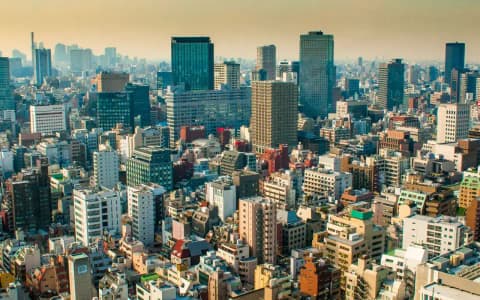
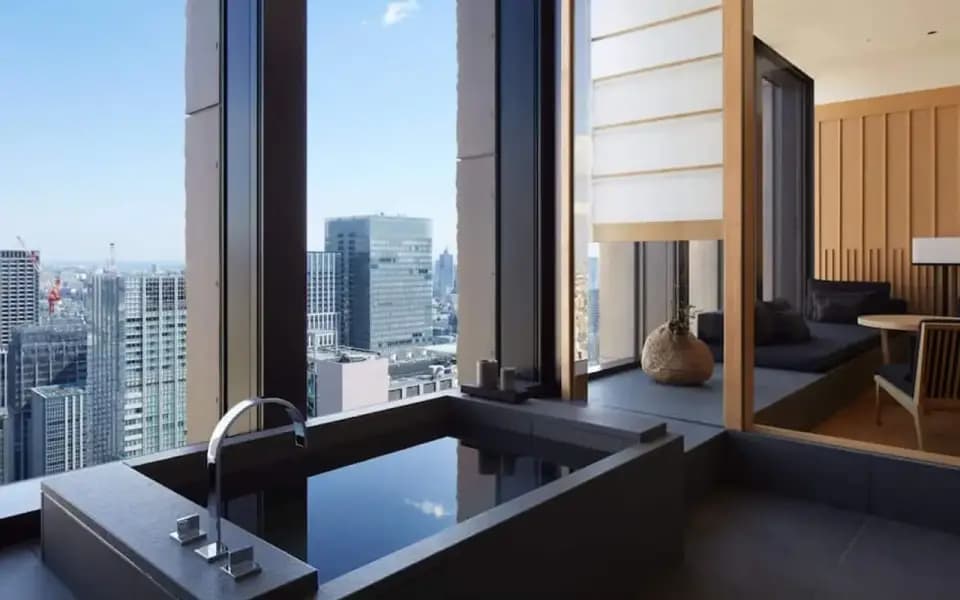
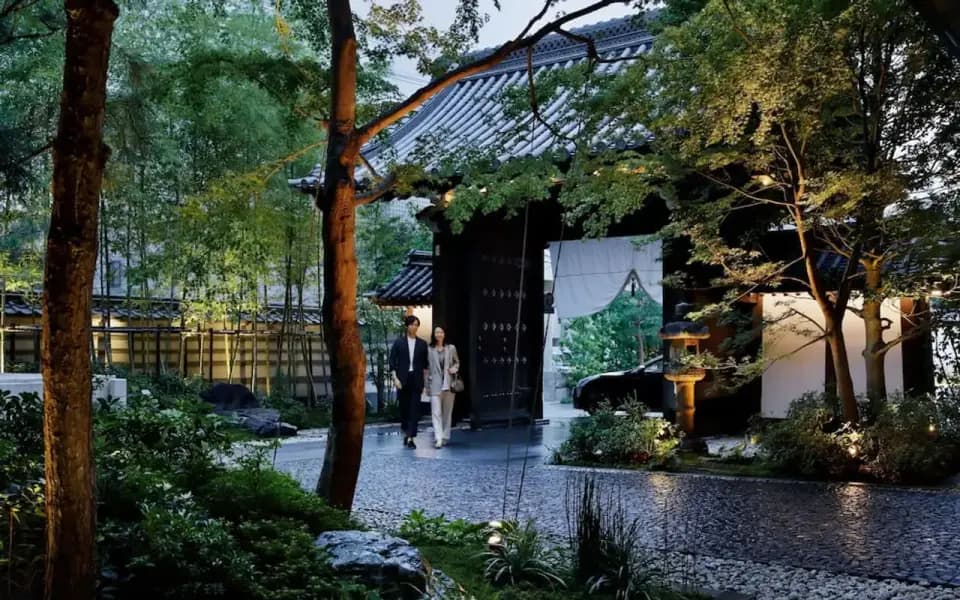
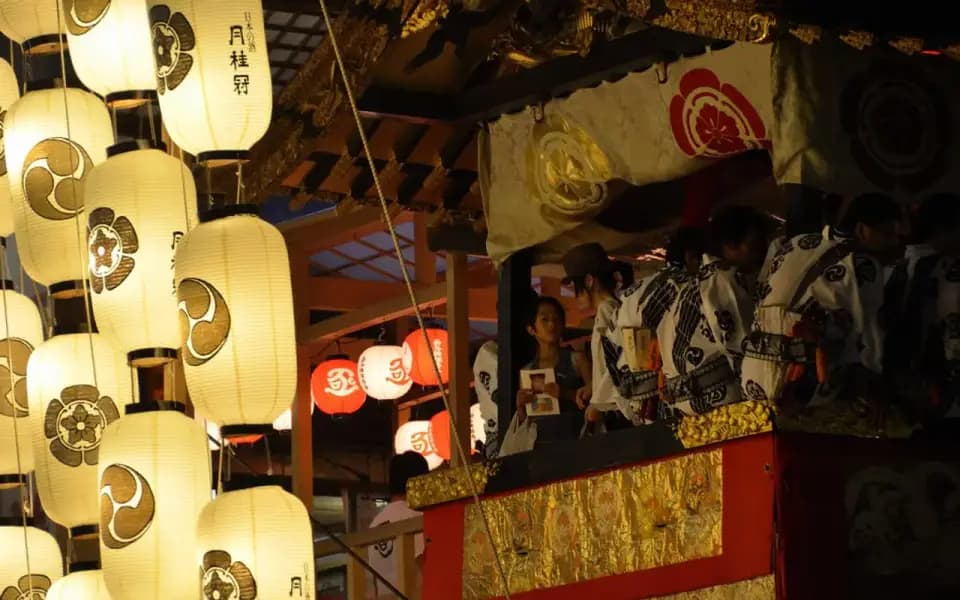
The ultimate bleisure and soft-adventure destination. Blend neon-lit Tokyo with mindful hikes through the Japanese Alps, serene Kyoto temples and world-class food.

Currency
Japanese Yen (JPY)
Language
Japanese
Best time
March – May (cherry blossom), October – November (autumn)
Visa
Visa-free (up to 90 days; passport valid for the length of your stay). Departure tax ¥3,000 per person from 1 July 2026, normally included in the air fare. No advance travel authorisation is needed yet.

The FCDO has no advisory against travel to Japan.

Still current at: 13 November 2026 Updated: 28 August 2026

Source: UK Foreign, Commonwealth & Development Office — the definitive source. Check it close to your travel dates.

Flight cancelled or delayed because of this? Your rights under UK261 / EU261 →

Why visit

Why Japan

The ultimate bleisure and soft-adventure destination. Blend neon-lit Tokyo with mindful hikes through the Japanese Alps, serene Kyoto temples and world-class food.

  • Kyoto's bamboo grove
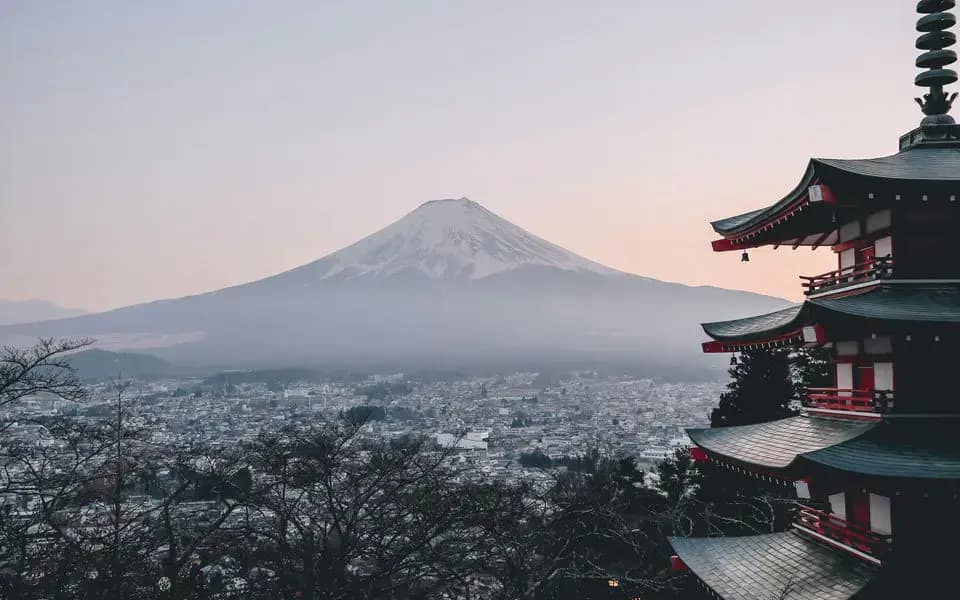
  • Bullet train to Mount Fuji
  • Tokyo Disneyland
  • Nara's bowing deer
Read more

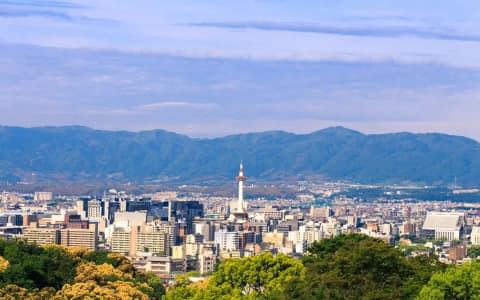
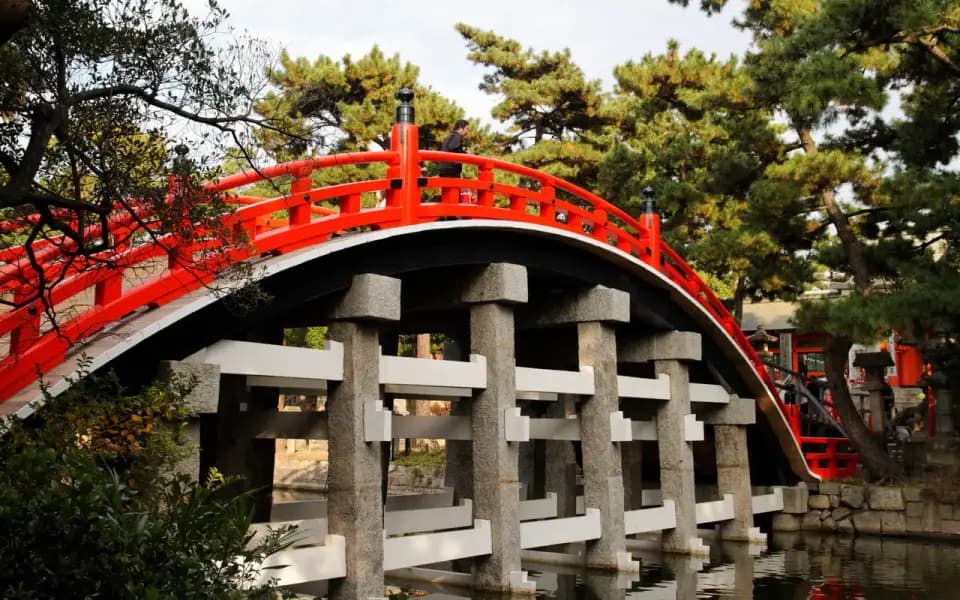
Japan runs on extraordinary contrasts: bullet trains threading past rice paddies, neon-lit Tokyo skyscrapers a short hop from ancient Kyoto temples. Few places reward the curious traveller so richly, or make it all feel so effortless.

For 2026, Japan is the gold standard for bleisure and seamless connectivity. High-tech cities offer everything a remote worker needs, while the shinkansen makes it simple to trade a morning of meetings for an afternoon in a hot-spring town or a mountain trail.

Its ryokan and hot-spring heritage anchors a nature-first, experiential style of travel, while soft adventure around Mt Fuji and the Alps opens the wild beyond the cities to almost anyone.

A pillar, not a footnote

Eat your way through Japan

The single reason many travellers come back — the food culture worth reshaping a trip around, and the dishes to seek out region by region.

Japan

Obsessive seasonality and craft — from a three-Michelin counter to the best bowl of noodles you’ll eat standing up.

Duck under the noren curtain of a counter that seats eight, order by pointing, and watch a bowl of ramen arrive that someone has spent years learning to make — the broth simmered overnight, the noodles cut to the shop’s own thickness, a soft egg halved to order. Japan treats its humblest food with the seriousness other countries keep for cathedrals.

It all rests on a few pure things: short-grain rice, the smoky-savoury stock called dashi, soy, and an almost devotional attention to the season — the first bonito of spring, autumn’s matsutake, winter crab. At a sushi counter the chef sets one piece in front of you at a time, the rice still warm, and expects you to eat it before the temperature slips. Eat where the locals do — the standing soba stall, the smoke-filled izakaya, the ramen shop with a line out the door — and let the country show how much can be said with rice, fish and restraint.

Dishes to seek out
  • sushi & sashimi
  • ramen
  • tempura
  • okonomiyaki (savoury pancake)
  • tonkatsu (breaded pork cutlet)
  • wagyu beef
  • matcha sweets
Places to go

Cities and regions worth your time

9 destinations in Japan — pick a base or link them into a route.

Browse by type

Tap a type to filter the list and the map — tap it again or “All” to see everything.

© OpenFreeMap · OSM · terrain Mapterhorn
Plan your trip

Curated Japan itineraries

Browse all Japan trips →
Where to stay

Hand-checked places in Japan

Browse all Japan stays →
When to go

Weather & timing in Japan Right now RIGHT NOW 19°C clear

Best Mar–May, Oct–Nov · Shoulder Sep, Dec

Units

Monthly figures are for Central (Tokyo); other regions of Japan vary. See every region, month by month →

Next 7 days · Central

Forecast · Met Office · Powered by Met Office data

Typical · climate data

Best time to visit

March – May (cherry blossom), October – November (autumn)

Best for
  • Cherry Blossoms
  • Bullet Trains
  • Cuisine
  • Ryokan Stays
At a glance
Sunshine 8.1 hr/day
Rainfall 134 mm/mo
Wettest July · 211.9mm
Driest December · 48.7mm
Part of East Asia →
By season

Units

Spring (Mar–May)

What to expect — Daytime highs average about 19°C with overnight lows near 10°C, with plenty of rain.

What's best — Wet.

Summer (Jun–Aug)

What to expect — Daytime highs average about 30°C with overnight lows near 22°C — the wettest stretch of the year.

What's best — Wet, then Hot.

Autumn (Sep–Nov)

What to expect — Daytime highs average about 23°C with overnight lows near 15°C, with plenty of rain.

What's best — Wet, then Shoulder season, then Mild. Nov is among the best months here (mild, sun and cloud).

Winter (Dec–Feb)

What to expect — Daytime highs average about 11°C with overnight lows near 1°C.

What's best — Cool & crisp, then Cold.

Live forecast map · Windy.com · temperature with wind, °C and km/h

When to go, region by region

Japan has 3 climate regions

Each month our cards and map show the region with the best weather that month: Jan–Apr South · May–Sep North · Oct South · Nov Central · Dec South.

Region JFMAMJJASOND
CentralTokyo · best Nov January: not ideal February: not ideal March: good April: good May: good June: good July: not ideal August: not ideal September: good October: good November: great, shown on the cards December: not ideal
NorthSapporo · best Jul January: not ideal February: not ideal March: not ideal April: not ideal May: good, shown on the cards June: good, shown on the cards July: great, shown on the cards August: good, shown on the cards September: good, shown on the cards October: good November: not ideal December: not ideal
SouthNaha · best Jan January: great, shown on the cards February: good, shown on the cards March: good, shown on the cards April: good, shown on the cards May: not ideal June: not ideal July: not ideal August: not ideal September: not ideal October: good, shown on the cards November: good December: good, shown on the cards

Great Good Not ideal Shown on our cards that month

A little context

A little history

To read what you're looking at — the empires and eras that shaped Japan's food, art and streets.

Kyoto's thousand years as imperial capital left the temples, gardens and the refined precision of kaiseki cooking
samurai shogunates ruled for centuries from castles like Himeji's white keep
250 years of self-imposed isolation until 1853 distilled a uniquely inward culture
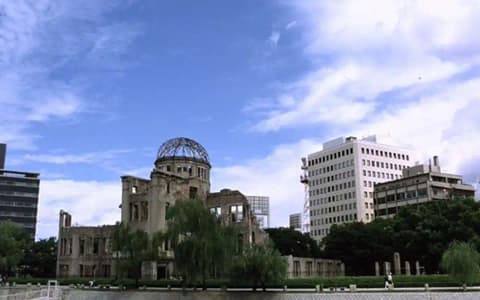
the 1868 Meiji opening and post-war reinvention built the neon, bullet-train nation that still keeps Hiroshima's memory
Formula 1

Grand Prix weekend in Japan

Formula 1 season calendar: every race →

Local events

What's on in Japan

See all Japan events →
Before you book

Know before you go

The practical back-matter — safety, earthquakes & tsunamis, drones and the essentials, in one place.

Safety

No FCDO advisory against travel FCDO advice →

Official UK Foreign, Commonwealth & Development Office guidance is the definitive source — check it close to your travel dates.

Earthquakes & tsunamis

Japan is in a major earthquake zone and has 111 active volcanoes; the Japan Meteorological Agency issues earthquake, tsunami and volcano warnings in English.

When the shaking starts

  • Drop, cover and hold on: get down low, protect your head and neck, and hold on until the shaking stops.
  • Expect aftershocks, and drop, cover and hold on again each time.
  • Then follow instructions from local authorities and your hotel staff.

Near the coast

  • If you are near the coast and feel shaking that makes it hard to stand, or a rolling quake that lasts a minute or more, move to high ground or as far inland as you can as soon as the shaking stops.
  • Do the same if the sea suddenly pulls back or rises, or you hear a loud, unusual roar from the water.
  • Don't wait for an official warning. Walk or cycle if you can, and stay away until the authorities give the all-clear.

Around volcanoes

  • Keep out of exclusion zones around active volcanoes: they can change at short notice, so check the latest local advice before you go.

On arrival When you check in, look at your hotel's evacuation map and note the nearest high ground or evacuation route.

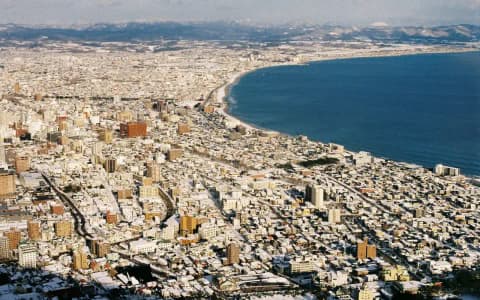
Coasts most exposed to tsunami Pacific coast, especially Hokkaido and Tohoku (Japan and Chishima trenches) and the Tokai-to-Shikoku coast facing the Nankai Trough

Official sources to follow
General guidance, not a live alert · Sources checked Nov 2026 FCDO advice for Japan →

Drone rules (sub-250g)

  • Japan
    Stricter than most: registration on MLIT’s DIPS with Remote ID starts at 100g, not 250g, so most “sub-250g” drones must still be registered — and foreign-visitor registration is slow and awkward (a passport plus an address document, up to two weeks). Rural flying is legal once registered; every city is effectively closed. ⚠ All densely-inhabited districts (DID) — effectively every city, including all of Tokyo’s 23 wards under a 24-hour ban since 2026 — plus airports, crowds, and the Imperial Palace and government sites are no-fly without special MLIT permission (10 working days’ lead). Rules checked: Jul 2026

National parks, protected sites and religious/heritage venues often have their own rules and permits — always check the specific site before you fly.

The essentials

Plug & voltage Type A/B · 100V
Daily budget Mid-range
Region Eastern Asia