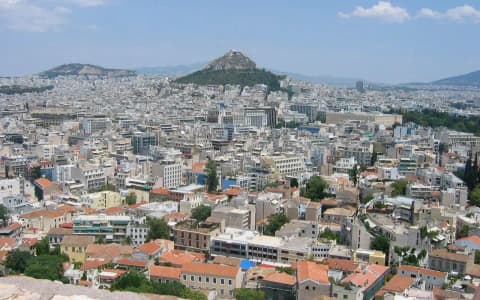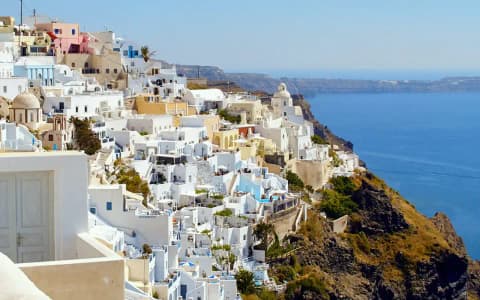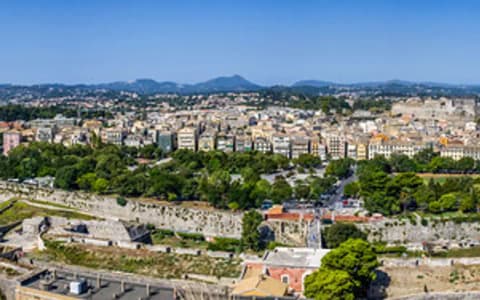
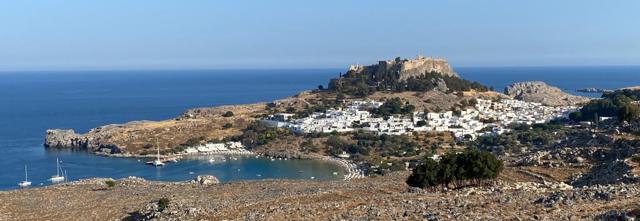
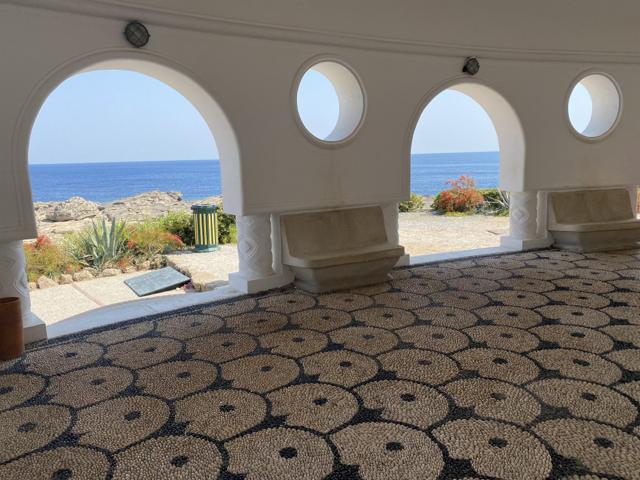
Greece — hero

Europe

Greece

The cradle of Western civilisation and thousands of sun-drenched islands: ancient wonders, whitewashed villages, world-class food and a wellness way of life.

Currency
Euro (EUR)
Language
Greek
Best time
May – June, September – October
Visa
Visa-free for up to 90 days in any 180 (Schengen). Since April 2026 your first entry is registered in the EU Entry/Exit System (fingerprints and a photo at the border, free). Passport must be under 10 years old on arrival and valid 3 months after you leave. ETIAS is not needed yet.

The FCDO has no advisory against travel to Greece.

Still current at: 13 November 2026 Updated: 3 November 2026

Source: UK Foreign, Commonwealth & Development Office — the definitive source. Check it close to your travel dates.

Flight cancelled or delayed because of this? Your rights under UK261 / EU261 →

Why visit

Why Greece

The cradle of Western civilisation and thousands of sun-drenched islands: ancient wonders, whitewashed villages, world-class food and a wellness way of life.

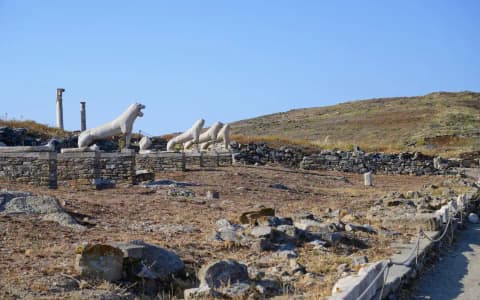
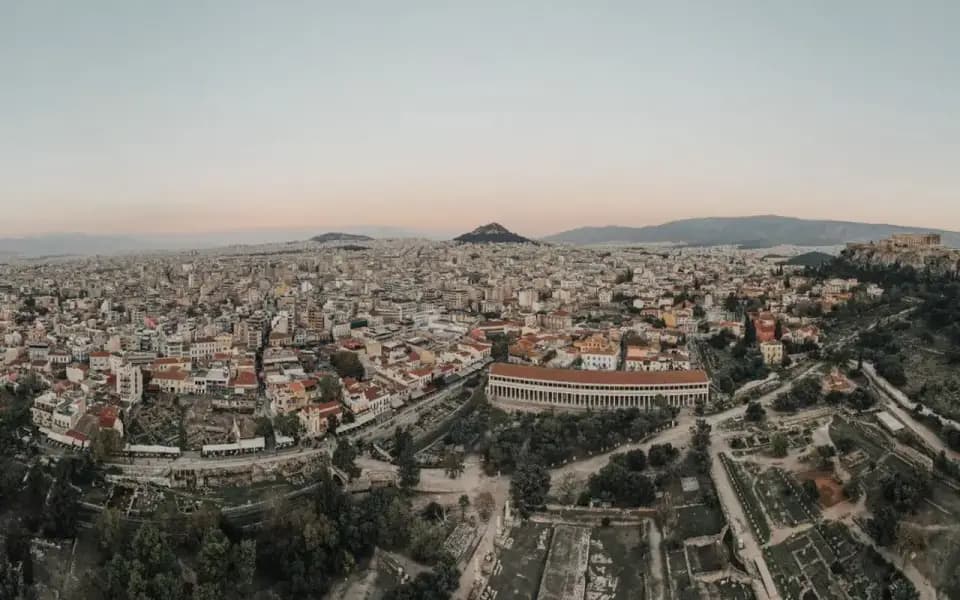
  • Athens' Acropolis & Parthenon
  • Santorini's caldera sunsets
  • Meteora clifftop monasteries
  • Knossos palace, Crete
Read more

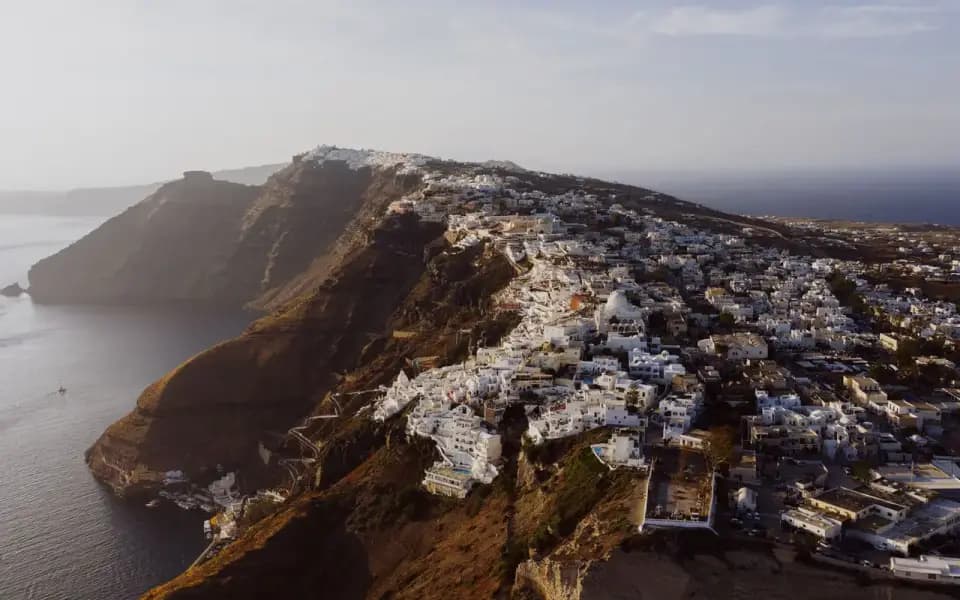
Greece balances a 7,000-year history with a coastline where you are never far from the sea. The cradle of democracy and Western civilisation, it pairs the Acropolis and countless ancient sites with thousands of islands scattered across the Aegean and Ionian.

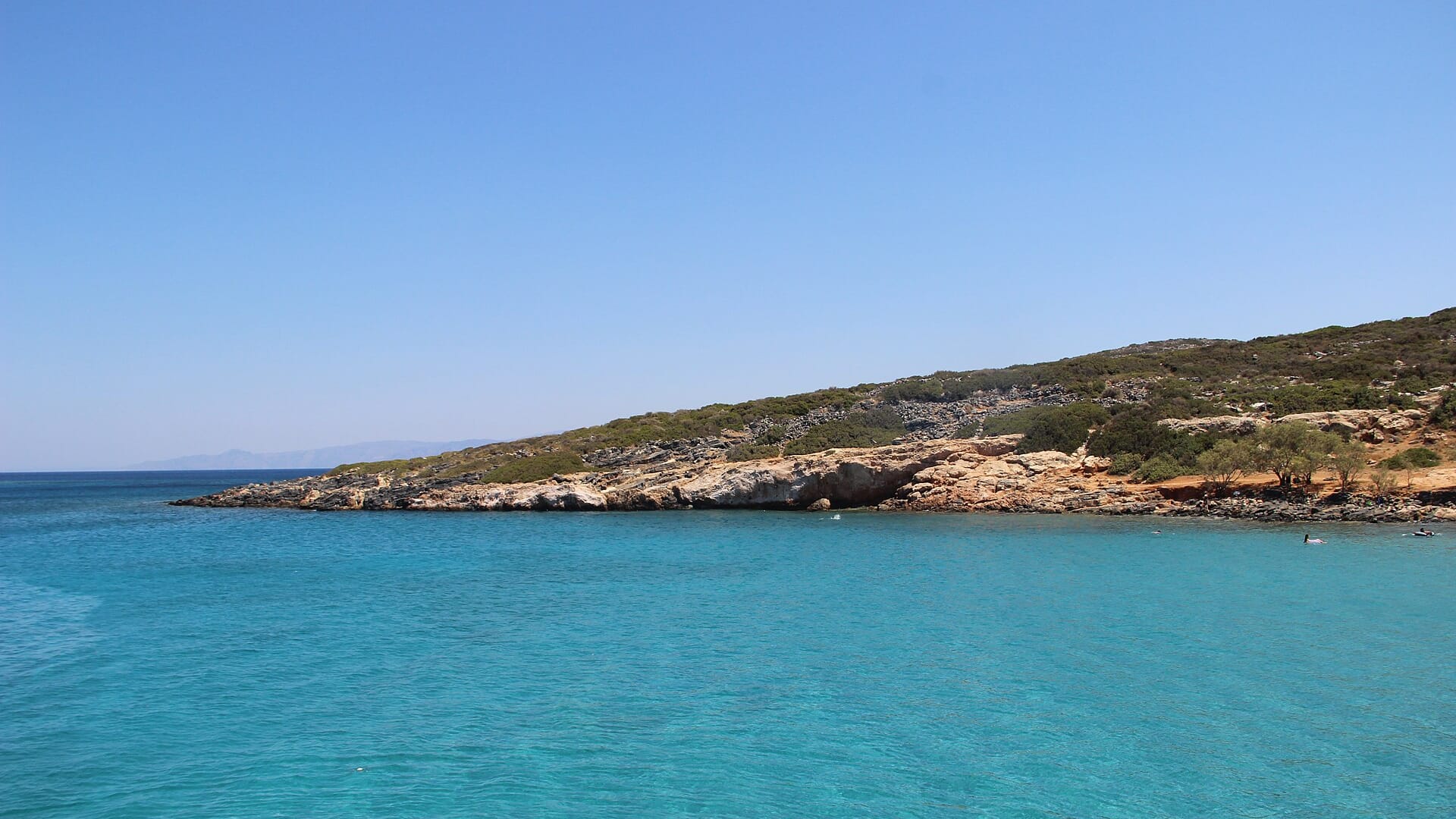
Its islands are the stuff of dreams, from the whitewashed Cyclades to the green Ionian and remote Dodecanese, each with its own dialect, customs and character. Beyond them lies a mountainous mainland of pristine nature and wine country.

For 2026, Greece leans into wellness, longevity and travel beyond barriers, dispersing visitors to lesser-known Epirus and Central Greece, and championing soft adventure, community-led tourism and its celebrated olive-oil cuisine.

A pillar, not a footnote

Eat your way through Greece

The single reason many travellers come back — the food culture worth reshaping a trip around, and the dishes to seek out region by region.

Greece

Sunlight, olive oil and the sea — cooking that trusts a few good things and a long lunch.

Lunch is a taverna with its feet almost in the water, a paper cloth clipped against the breeze and a table that fills faster than you can order. The waiter waves you into the kitchen to point at what you want — a tray of gemista, a fish on ice, a pot of something slow — and brings a carafe of cold house wine nobody asked the price of.

It’s a cuisine built on sunlight and restraint: olive oil by the tumblerful, tomatoes that taste of August, oregano crushed between your fingers, a slab of feta under a slick of oil. The mezze come first and never quite stop — tzatziki, charred octopus, dolmades rolled tight — before the shared plates land: moussaka baked until it sets, lamb kleftiko falling off the bone, a whole bream off the grill with lemon. Leave room for thick yoghurt drowned in thyme honey, and don’t be surprised when the owner brings it over himself, on the house, and pulls up a chair.

Dishes to seek out
  • moussaka (baked aubergine & lamb)
  • souvlaki
  • grilled octopus
  • Greek salad (horiátiki)
  • spanakopita (spinach & feta pie)
  • loukoumades (honey doughnuts)
Places to go

Cities and regions worth your time

13 destinations in Greece — pick a base or link them into a route.

Browse by type

Tap a type to filter the list and the map — tap it again or “All” to see everything.

© OpenFreeMap · OSM · terrain Mapterhorn
Things to do

Nature, culture and the outdoors

  • Elafonissi Beach

    Powder-pink sand and a warm knee-deep lagoon that kids can wade across to a dune-covered islet.

  • Navagio Beach (Shipwreck Beach)

    A rusted shipwreck on white sand walled in by sheer cliffs above glowing turquoise water.

  • Paleokastritsa Beach

    Emerald coves cut into steep wooded cliffs below a hilltop monastery, over unusually clear, calm water.

  • Sarakiniko Beach

    Blinding white volcanic rock carved into a lunar landscape that drops into deep navy water.

  • Tsambika Beach

    A wide sweep of soft golden sand beneath a clifftop monastery, warm and shallow far from shore.

  • Agios Prokopios

    Naxos’s blue-flag star: powder-white sand and glassy turquoise shallows.

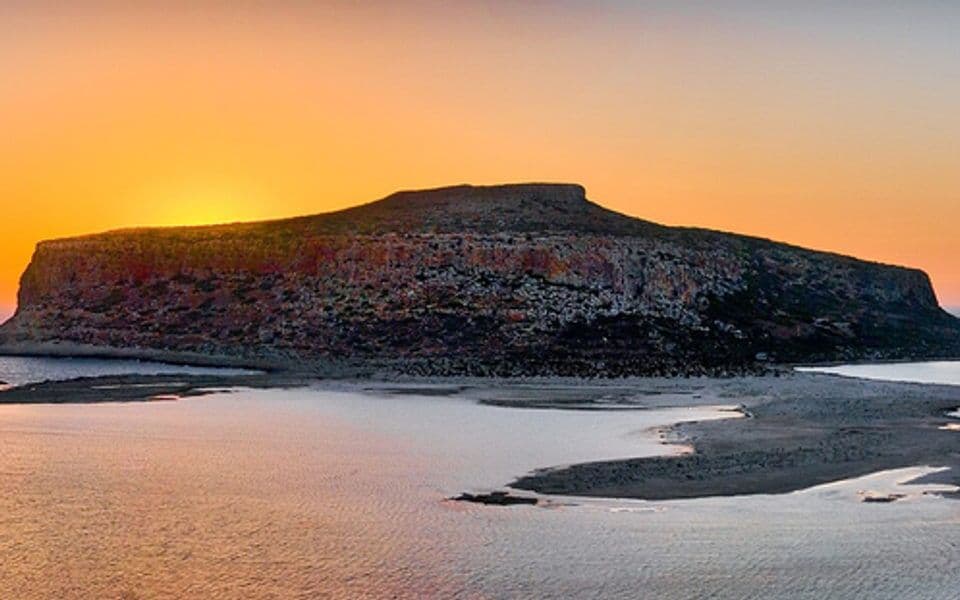
  • Balos Lagoon

    A shallow turquoise lagoon cupped between a wild peninsula and a rocky islet topped by a Venetian fort.

  • Kleftiko

    Sculpted white sea-cliffs and arches ringing turquoise water — a former pirate hideout reached only by sea.

  • Kolymbithres Beach

    Smooth granite boulders carve the shallows into a maze of natural swimming pools in clear turquoise water.

  • Paradise Beach (Bubble Beach)

    Golden Kefalos Bay sand where volcanic gas fizzes up through the warm shallows like natural champagne.

  • Porto Limnionas

    A narrow rocky fjord-like inlet where you leap from limestone ledges into deep, glass-clear water.

  • Porto Timoni

    Twin pebble bays meet back-to-back on a wild headland you reach by hiking down from Afionas village.

  • Red Beach

    Towering blood-red volcanic cliffs plunge into turquoise water — Santorini’s icon.

  • St Paul's Bay

    A near-landlocked twin cove ringed by cliffs, with the Lindos Acropolis rising straight overhead.

  • Super Paradise Beach

    Mykonos’ legendary party cove where beach clubs and DJs run from noon till dark.

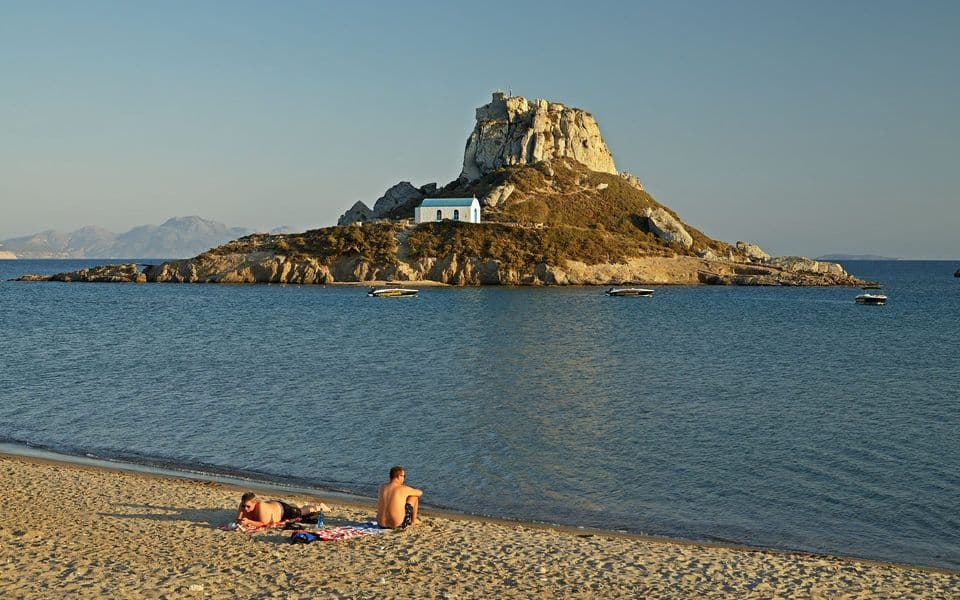
  • Agios Stefanos Beach

    Fine sand facing the chapel-topped Kastri islet, with early-Christian basilica ruins right ashore.

  • Anthony Quinn Bay

    Deep emerald water over rock and sea-grass makes this tiny pine-fringed cove the island's top snorkel.

  • Canal d'Amour

    Sea-carved sandstone tunnels and channels form sheltered pools ideal for masks and snorkels.

  • Elia Beach

    The island’s longest golden strand, sweeping and roomy with calm, clear water.

  • Falassarna Beach

    A kilometre of soft pale sand facing due west — Crete's benchmark for watching the sun sink into the sea.

  • Gerakas Beach

    Soft golden sand and warm shallow water backed by sculpted clay cliffs on the protected Vasilikos tip.

  • Kamari Beach

    Long black-sand strip with sunbeds, tavernas and calm shallows for easy family days.

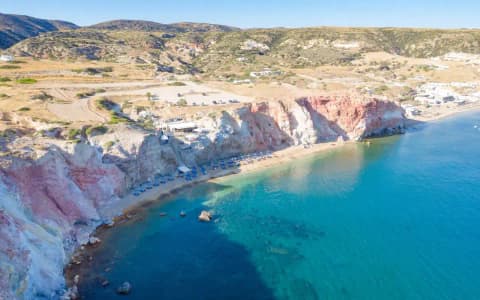
  • Paliochori Beach

    Colourful cliff-backed bay where underwater hot springs warm the shallows, with tavernas on the sand.

  • Plaka

    Endless 4km of dune-backed sand where there’s always room to spread out.

  • Santa Maria Beach

    Shallow turquoise coves and a rocky-fringed seabed make this the island's top spot for snorkelling.

  • Banana Beach

    Nearly a kilometre of fine golden sand with watersports, sunbeds and bars on the sheltered coast.

  • Firiplaka Beach

    A 600m sweep of pale sand and pebbles beneath striped volcanic cliffs, with a swim-through rock arch.

  • Glyfada Beach

    A long golden strand with real sand underfoot and shallow, gently shelving water backed by green hills.

  • Golden Beach (Chrissi Akti)

    A 700-metre sweep of pale golden sand where world-class windsurfers share the shallows with waders.

  • Mikri Vigla

    Wind-whipped headland that’s the island’s kitesurf and beach-bar capital.

  • Perissa Beach

    Buzzy black-sand sweep under the Mesa Vouno cliff — watersports, sunbeds, cheap eats.

  • Platis Gialos Beach

    Sheltered turquoise bay and south-coast hub for easy swimming and water taxis.

  • Prasonisi Beach

    A wind-scoured sand spit where two seas meet: calm lagoon on one flank, breaking surf on the other.

  • Therma Beach (Empros Thermes)

    A rock-walled sea pool where 45°C sulphur springs meet the Aegean, reached by a short cliff scramble.

  • Vai Beach

    Europe's largest natural palm grove crowds right down to a curving sandy cove of clear water.

  • Agia Anna

    Sheltered golden sand beside a fishing port ringed with seafood tavernas.

  • Agios Gordios Beach

    Wide sandy sweep framed by pointed rock stacks, with tavernas and shallow entry at its northern end.

  • Elli Beach

    Rhodes Town's own beach, where a tall diving platform lets you leap straight into deep, clear water.

  • Faragas Beach

    Three tiny wind-sheltered coves with calm, waist-deep water and a taverna right on the sand.

  • Ornos Beach

    Shallow, well-organised resort bay close to town, ideal for kids and easy days.

  • Preveli Beach

    A palm-lined river meets the sea below a gorge — swim in both salt water and cool fresh pools.

  • Tigaki Beach

    A long white-sand strip with water so shallow toddlers can wade far out, backed by easygoing beach bars.

  • Tsigrado Beach

    A tiny turquoise cove hemmed by tall cliffs, with fine sand and glass-clear water made for snorkelling.

  • Vlychada Beach

    Sculpted moon-white cliffs frame a quiet black-sand beach far from the crowds.

  • Xigia Beach

    A tiny pebble cove where cold sulphur springs turn the sea milky and cool — a natural, bracing spa swim.

  • Agia Agathi Beach

    A sheltered horseshoe of fine sand where the sea shelves so gently kids can wade out for metres.

  • Agios Sostis Beach

    Wild, unspoilt north-coast cove with no sunbeds or bars, just raw natural beauty.

  • Alyko

    Wild cedar forest, dunes and hidden coves far from the crowds.

  • Halikounas Beach

    Wild 3km dune beach between Korission Lagoon and open sea, a magnet for kitesurfers on windy days.

  • Kalogeros Beach

    An unorganised cove below clay cliffs whose mineral mud swimmers smear on as a natural spa.

  • Makris Gialos Beach

    A pocket-sized pebble cove backed by cliffs, with sea caves and clear water made for exploring by mask.

  • Marmari Beach

    Wide pale sand and steady afternoon breeze that draws windsurfers and glorious west-facing sunsets.

  • Perivolos Beach

    Santorini’s beach-club capital — DJs, cocktails and loungers on endless black sand.

  • Provatas Beach

    Small sheltered bay of soft golden sand with calm, shallow water and easy parking right behind it.

  • Seitan Limania Beach

    A slim fjord-like cove of vivid blue water wedged between towering limestone cliffs on Akrotiri.

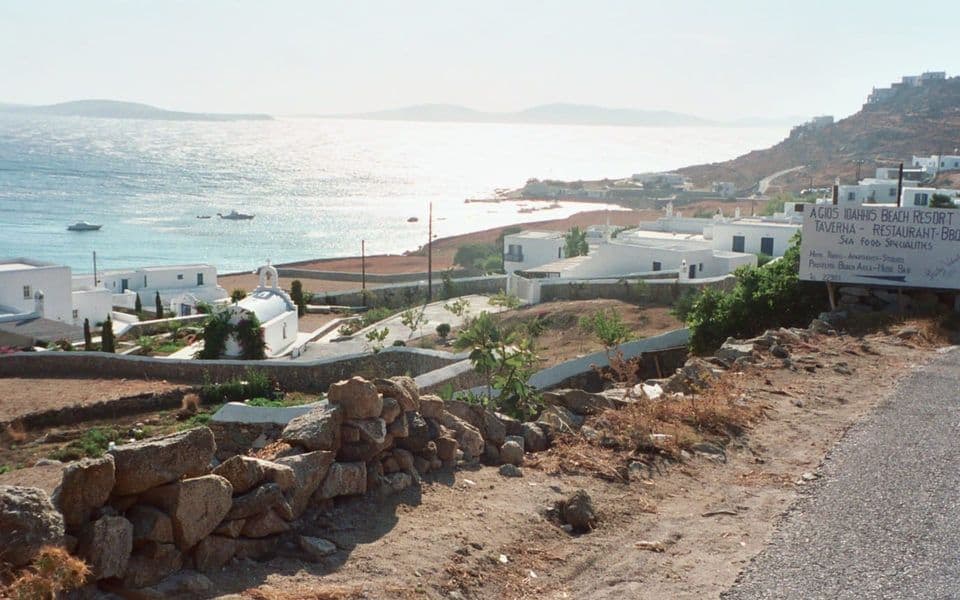
  • Agios Ioannis Beach

    The ‘Shirley Valentine’ cove with dreamy sunsets over Delos across the water.

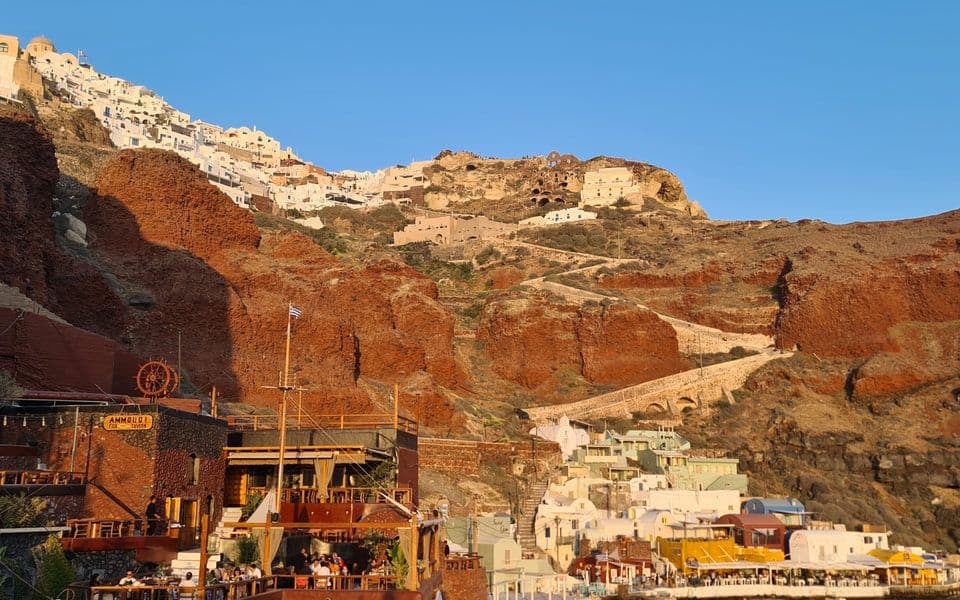
  • Ammoudi Bay

    Cliff-jump and swim beneath Oia, then watch Greece’s most famous sunset ignite.

  • Camel Beach (Kamila)

    A wild little cove below the cliffs, near-empty and sheltered, with just a few loungers and calm water.

  • Faliraki Beach

    A five-kilometre resort strand lined with water sports and beach bars that run well past sunset.

  • Kastraki

    Long, quiet white-sand strand with crystal-clear water made for snorkelling.

  • Laganas Beach

    A vast sweep of shallow sandy shore fronting the island's loudest strip of bars, clubs and tavernas.

  • Loggas Beach (Sunset Beach)

    A sliver of sand under towering ochre cliffs where clifftop bars serve Corfu's headline sunsets.

  • Matala Beach

    Golden sand beneath sandstone cliffs honeycombed with Roman-era caves, famous for its 1960s hippie era.

  • Parasporos Beach

    A wide crescent of soft sand just south of Parikia that glows as the sun drops into the sea.

  • Plathiena Beach

    Sheltered horseshoe of golden sand below Plaka, calm for swimming and famed for its evening light.

  • Acropolis Museum Entry Ticket — Athens

    History

    Athens' Acropolis Museum displays the surviving Parthenon sculptures on a top floor aligned with the temple you can see through the glass. Light, modern and walkable — book a timed slot in summer.

    Best First entry at 09:00 or the Friday late opening until 22:00, both markedly quieter than the midday peak. Reserve a timed ticket online in summer. →

More tickets & tours in Greece

Day trips and sights outside the cities we cover, booked through our partners.

Plan your trip

Curated Greece itineraries

Browse all Greece trips →
Guides

All our Greece guides

Where to stay

Hand-checked places in Greece

Browse all Greece stays →
When to go

Weather & timing in Greece Right now RIGHT NOW 19°C cloudy

Best Apr–May, Oct · Shoulder Jun, Sep, Nov

Units

Monthly figures are for Central (Athens); other regions of Greece vary. See every region, month by month →

Next 7 days · Central

Forecast · Met Office · Powered by Met Office data

Typical · climate data

Best time to visit

May – June, September – October

Best for
  • Beaches
  • Islands
  • Ancient Sites
  • Cuisine
At a glance
Sunshine 10.4 hr/day
Rainfall 41 mm/mo
Wettest December · 109.9mm
Driest July · 8.5mm
Part of Mediterranean Europe →
By season

Units

Spring (Mar–May)

What to expect — Daytime highs average about 20°C with overnight lows near 12°C.

What's best — Shoulder season, then Mild, then Warm & dry. Apr and May are among the best months here (mild, sunny).

Summer (Jun–Aug)

What to expect — Daytime highs average about 33°C with overnight lows near 23°C, and it stays largely dry.

What's best — Warm & dry, then Shoulder season. Jun is among the best months here (warm & dry, sunny).

Autumn (Sep–Nov)

What to expect — Daytime highs average about 24°C with overnight lows near 15°C.

What's best — Warm & dry, then Warm, then Mild. Sep, Oct and Nov are among the best months here (warm & dry, sunny).

Winter (Dec–Feb)

What to expect — Daytime highs average about 14°C with overnight lows near 7°C.

What's best — Cool & crisp.

Live forecast map · Windy.com · temperature with wind, °C and km/h

When to go, region by region

Greece has 4 climate regions

Each month our cards and map show the region with the best weather that month: Jan–Mar Crete · Apr–Jun Central · Jul Aegean Islands · Aug North · Sep–Oct Central · Nov Aegean Islands · Dec Crete.

Region JFMAMJJASOND
CentralAthens · best Apr–Jun, Sep–Nov January: not ideal February: not ideal March: good April: great, shown on the cards May: great, shown on the cards June: great, shown on the cards July: good August: good September: great, shown on the cards October: great, shown on the cards November: great December: not ideal
NorthThessaloniki · best Apr–Jun, Aug–Oct January: not ideal February: not ideal March: not ideal April: great May: great June: great July: good August: great, shown on the cards September: great October: great November: good December: not ideal
Aegean IslandsSantorini · best Apr–Dec January: good February: good March: good April: great May: great June: great July: great, shown on the cards August: great September: great October: great November: great, shown on the cards December: great
CreteHeraklion · best Feb–Dec January: good, shown on the cards February: great, shown on the cards March: great, shown on the cards April: great May: great June: great July: great August: great September: great October: great November: great December: great, shown on the cards

Great Good Not ideal Shown on our cards that month

A little context

A little history

To read what you're looking at — the empires and eras that shaped Greece's food, art and streets.

Classical Athens invented democracy, theatre and philosophy — the Acropolis and Delphi still anchor the idea of the West
a thousand years of Orthodox Byzantium left the domed churches and icons across the islands
four Ottoman centuries seeded the coffee, the mezze and the phyllo-and-honey sweets
independence in 1830 rebuilt a modern nation on top of the ancient one
Local events

What's on in Greece

See all Greece events →
Before you book

Know before you go

The practical back-matter — safety, earthquakes & tsunamis, drones and the essentials, in one place.

Safety

No FCDO advisory against travel FCDO advice →

Official UK Foreign, Commonwealth & Development Office guidance is the definitive source — check it close to your travel dates.

Earthquakes & tsunamis

Greece has frequent earthquakes and earth tremors, and strong undersea earthquakes can occasionally cause local tsunamis along its coasts.

When the shaking starts

  • Drop, cover and hold on: get down low, protect your head and neck, and hold on until the shaking stops.
  • Expect aftershocks, and drop, cover and hold on again each time.
  • Then follow instructions from local authorities and your hotel staff.

Near the coast

  • If you are near the coast and feel shaking that makes it hard to stand, or a rolling quake that lasts a minute or more, move to high ground or as far inland as you can as soon as the shaking stops.
  • Do the same if the sea suddenly pulls back or rises, or you hear a loud, unusual roar from the water.
  • Don't wait for an official warning. Walk or cycle if you can, and stay away until the authorities give the all-clear.

On arrival When you check in, look at your hotel's evacuation map and note the nearest high ground or evacuation route.

Coasts most exposed to tsunami Hellenic Arc coasts (Ionian islands, Crete, Dodecanese incl. Kos and Rhodes) and the Gulf of Corinth

Official sources to follow
General guidance, not a live alert · Sources checked Nov 2026 FCDO advice for Greece →

Drone rules (sub-250g)

  • Greece
    Register with the HCAA (an EU ID is valid) for any camera drone and check the official DAGR (Drone Aware GR) map before every flight. Islands and open countryside are flyable, but the rules are enforced hard near sites and military zones. ⚠ Every archaeological site — the Acropolis, Delphi and thousands more — is a no-fly zone without written Ministry of Culture permission, which is rarely granted; tourists have been fined and detained. Some island coasts near military zones are off-limits too. Rules checked: Jul 2026

National parks, protected sites and religious/heritage venues often have their own rules and permits — always check the specific site before you fly.

The essentials

Plug & voltage Type C/D/E/F · 230V
Daily budget Mid-range
Region Southern Europe