← Austria
AUSTRIA · CITY

Graz

Austria's second city — a red-roofed old town below a clock-tower hill, paired with an elegant baroque palace.

  • City
  • May to September — mild and green; autumn for the wine harvest
  • ~approx 2 days
  • Red-Roofed Old Town
  • Schlossberg Clock Tower
  • Design & Art
  • Styrian Food

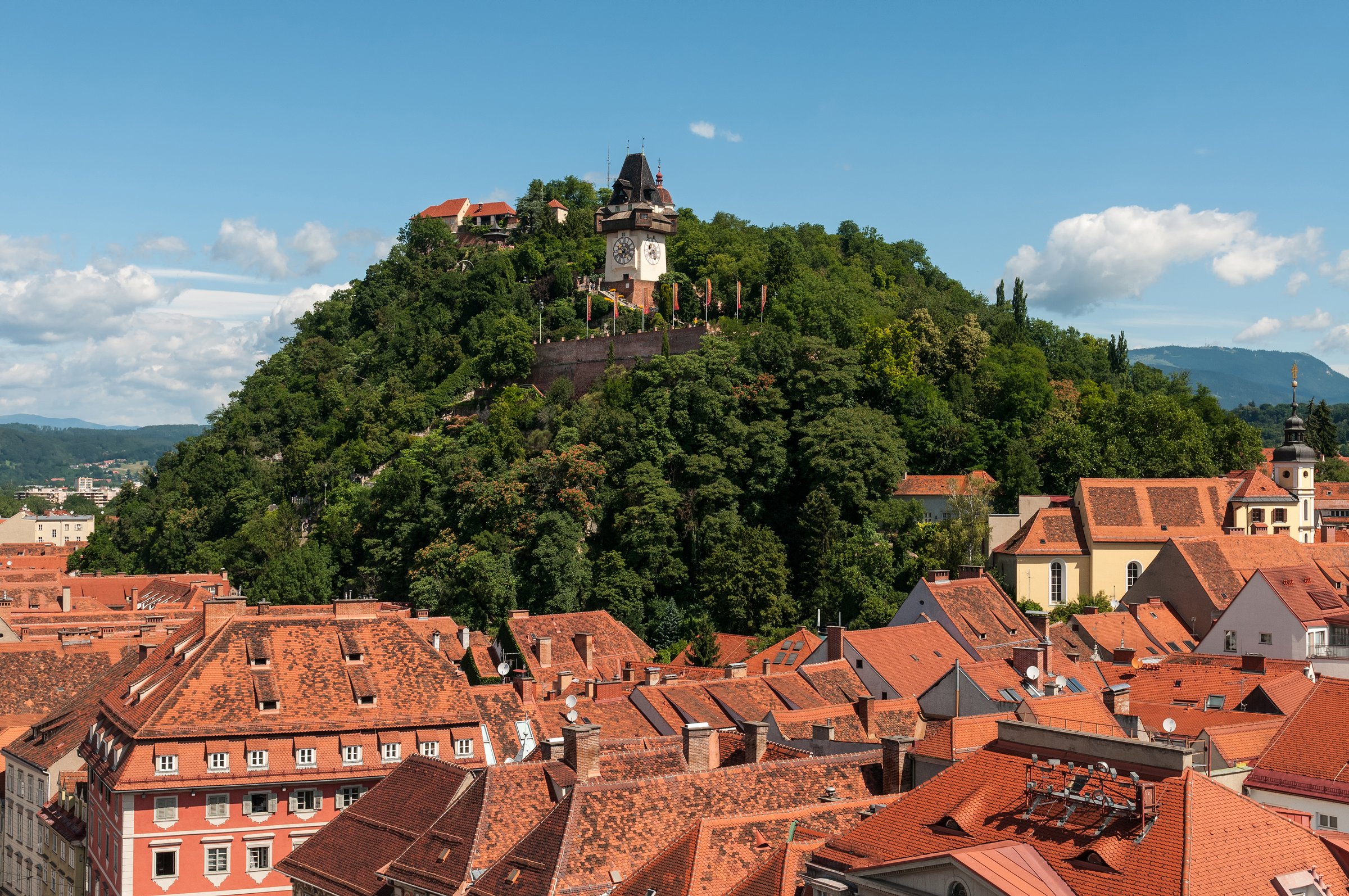
The lopsided Uhrturm clock tower looking down from the Schlossberg over a sea of terracotta roofs, a blue biomorphic art museum glowing on the far riverbank like a beached spaceship, and a glass of peppery Styrian white on a market square.

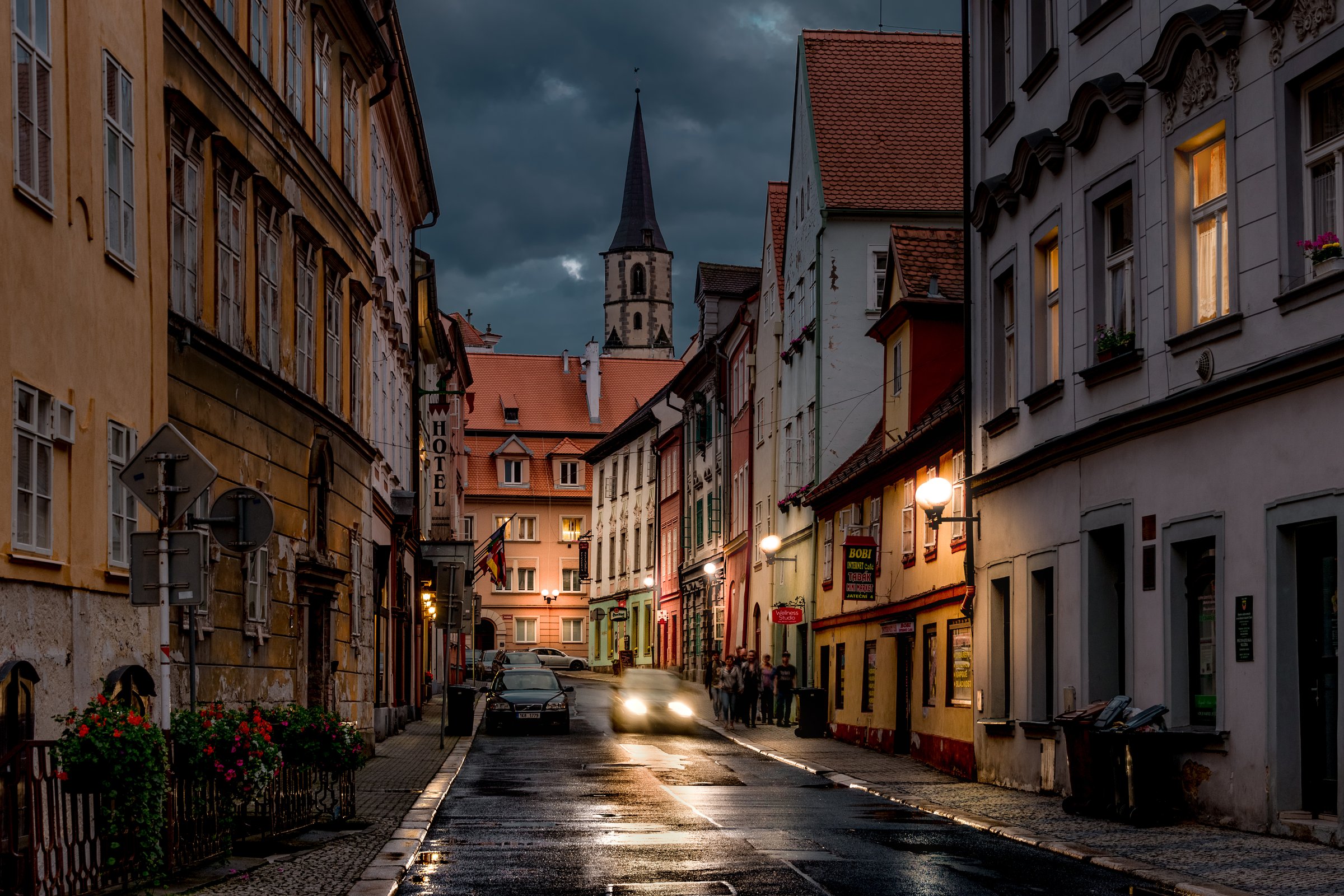
Graz is Austria's laid-back second city — a red-roofed Renaissance old town below a wooded castle hill, paired with bold modern design, a student buzz, and the rich food-and-wine culture of surrounding Styria.

Type
city
Ideal length
~approx 2 days
Getting around
on foot and by tram; a funicular and lift up the Schlossberg
Neighbourhoods
3 areas
Best season / months
May to September — mild and green; autumn for the wine harvest
Language
German (English widely spoken)
Currency
euro (€)
Budget level
moderate — affordable by Austrian standards
Good for
  • Culture
  • Design
  • Food and wine
  • Students
  • City breaks
▸ Discover

About Graz

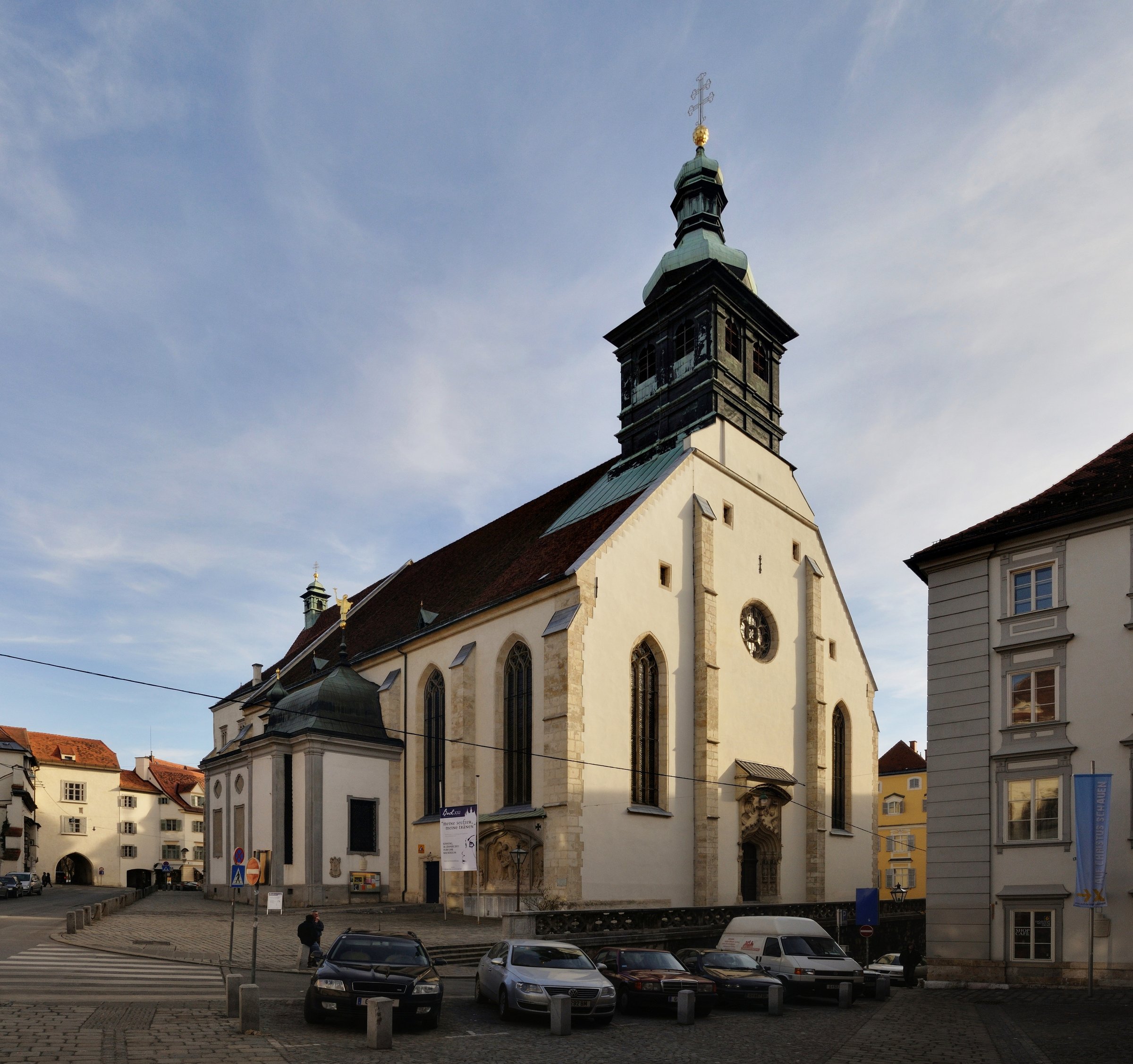
Graz sits on the Mur river in the southeast of Austria, capital of green Styria. Its old town — a UNESCO-listed jumble of Renaissance courtyards, arcades and red roofs — clusters below the Schlossberg, a wooded hill crowned by the emblematic clock tower and laced with tunnels and stairs. Across the Mur, the Lend and Gries districts have turned arty and hip, anchored by the bulbous Kunsthaus and the floating Murinsel island-café. West of the centre stands the palace of Schloss Eggenberg. It's a walkable, unhurried, good-looking city, younger and warmer than its size suggests, and a gateway to Styria's vineyards.

Why go

Graz offers a rare mix — one of central Europe's best-preserved historic centres, all Renaissance arcades and red roofs, set against genuinely daring modern architecture and a lively student and design scene. It's a UNESCO city with the emblem clock tower, a superb food culture built on Styrian pumpkin-seed oil and wine, and the grand Schloss Eggenberg. Relaxed, affordable by Austrian standards and easy to walk, it's an appealing, under-touristed alternative to Vienna and Salzburg.

Don't miss

  • The Schlossberg and Uhrturm — the castle hill and clock tower
  • The old town's red roofs and arcades — the Renaissance centre
  • The Kunsthaus Graz — the "Friendly Alien" art museum
  • The Murinsel — the floating island on the Mur
  • Schloss Eggenberg — the planetary Baroque palace

Signature experiences

The Schlossberg and the old town — The wooded Schlossberg rises straight out of the old town, and climbing it — by the zigzag stairs, the glass lift, or the little funicular — is the classic Graz move, rewarded by the emblematic Uhrturm clock tower (its hands famously "reversed") and a panorama over the red roofs. Below, the Altstadt is a pleasure to wander: arcaded Renaissance courtyards like the Landhaus, the cathedral, and the elegant Herrengasse. Do the hill and the old town together for the city's essence. **Bold modern Graz** — For a historic city, Graz has an unusually daring modern streak. The Kunsthaus, a bulbous blue biomorphic blob locals nicknamed the "Friendly Alien," houses contemporary art across the river; nearby, the Murinsel is a glass-and-steel island-café floating in the Mur, linked to both banks. The contrast with the red roofs is deliberate and delightful. Cross the river to Lend and Gries for the architecture, the galleries and the creative, multicultural scene. **Styrian food and wine** — Graz calls itself Austria's culinary capital, and Styria's larder backs it up. The signature is Kürbiskernöl, the dark, nutty pumpkin-seed oil drizzled on salads and even ice cream; add Backhendl (Styrian fried chicken), pumpkin dishes, and the region's crisp white wines and cloudy young Sturm in autumn. Graze the Kaiser-Josef and Lendplatz farmers' markets, and settle into a Buschenschank-style tavern. The vineyards of southern Styria are an easy trip out. **Schloss Eggenberg** — West of the centre, the Baroque palace of Schloss Eggenberg is a cosmos in stone — built to a symbolic plan of the year, with 365 windows and state rooms themed on the planets and zodiac, set in a park where peacocks strut and deer graze. Tour the opulent Planetary Room and the gardens for a grand, calmer half-day, an easy tram ride from the old town. It shares the city's UNESCO listing.

Neighbourhoods

Graz neighbourhood by neighbourhood — the character of each and who it suits.

  • The Altstadt

    The Renaissance old town below the Schlossberg — arcaded courtyards, red roofs, the main square and the elegant Herrengasse, all walkable and dense with cafés. The historic heart.

    Why go
    The old town, the Schlossberg above it, and the café-and-shopping streets.
    Best for
    Sightseeingcafé-sittingshoppingthe Schlossberg climb
    Known for
    The Hauptplatz and the Rathaus, the arcaded Landhaus courtyard and armoury, the cathedral and mausoleum, the Herrengasse shopping street, and the funicular and stairs up the Schlossberg to the Uhrturm.
  • Lend and Gries

    The arty, multicultural left bank across the Mur — the striking Kunsthaus, the Lendplatz market, and a scene of galleries, cafés, bars and immigrant food. Graz at its most creative and hip.

    Why go
    The Kunsthaus, the Murinsel, the markets and the alternative scene.
    Best for
    Modern artmarketscasual diningnightlife
    Known for
    The Kunsthaus Graz ("Friendly Alien"), the Murinsel floating island-café on the river, the Lendplatz and Kaiser-Josef markets nearby, and the galleries, bars and diverse eateries.
  • Eggenberg

    The western district built around Schloss Eggenberg, a grand Baroque palace of symbolic proportions in a deer-grazed park — a calmer, green edge of the city. The palace quarter.

    Why go
    Schloss Eggenberg, its state rooms and its gardens.
    Best for
    The palacegardensa quieter half-day
    Known for
    Schloss Eggenberg and its planetary-themed state rooms, the landscaped park and its peacocks and deer, the archaeological museum, and the tram ride out from the centre.

Views & hidden gems

Best views

  • The Schlossberg by the Uhrturm — the red roofs and the Mur below
  • The Kunsthaus from the old-town bank — the "Friendly Alien" across the river
  • The Murinsel — the floating island lit at night
  • Schloss Eggenberg's park and state rooms — Baroque grandeur

Hidden gems

  • The Landhaus courtyard and the Styrian Armoury (Landeszeughaus) — the world's largest historic arsenal
  • The Schlossberg tunnels and the slide inside the hill
  • The Lendplatz and Kaiser-Josef farmers' markets — Styrian produce and pumpkin oil
  • The Double Staircase (Doppelwendeltreppe) in the old Burg — an ingenious stone stair
  • The southern-Styrian wine roads a short drive out

Food & drink

Graz is a serious food city, powered by Styria's produce. The regional signature is Kürbiskernöl (pumpkin-seed oil), dark, green and nutty, drizzled over salads and even vanilla ice cream; the table also brings Backhendl (crisp fried chicken), pumpkin soups, Styrian beef, and hearty Austrian classics. The farmers' markets (Kaiser-Josef, Lendplatz) are the place to graze, and the wine is Styrian — crisp Sauvignon Blanc and Welschriesling, with cloudy young Sturm in autumn. Coffee-house culture rounds it out.

  • Kürbiskernöl — dark, nutty Styrian pumpkin-seed oil, on salads and more
  • Backhendl — Styrian breaded, fried chicken
  • Styrian pumpkin dishes — soups, seeds and oil in season
  • Käsekrainer / sausages — the market-stall staples
  • Sturm — cloudy, half-fermented young wine, an autumn treat
  • Styrian white wines — crisp Sauvignon Blanc and Welschriesling
Dietary notes

Vegetarians do reasonably well — pumpkin dishes, salads with Kürbiskernöl, cheese, dumplings and the diverse Lend eateries help, though many traditional mains are meat. Vegan options are growing in the student and Lend scenes. Halal is findable in multicultural Gries; kosher is limited. Gluten-free is increasingly understood in the city's cafés and restaurants, but dumplings, Backhendl coatings and breads are wheat — confirm.

Graz in photos

▸ Getting around

Getting around Graz

The old town is compact and walkable, with an efficient tram network for the wider city and out to Eggenberg; a funicular and glass lift climb the Schlossberg. A car is unnecessary in the centre, much of which is pedestrianised or tram-only.

The Altstadt and Lend/Gries face each other across the Mur, a short walk over the bridges or the Murinsel (~approx); Eggenberg is a tram ride west — plan the palace as a half-day.

▸ Plan your days

Suggested itineraries

Ready-made day plans for Graz — from a single day to a long weekend.

One day

Start on the Hauptplatz and wander the Altstadt — the Landhaus courtyard, the armoury, the cathedral and the Herrengasse — then climb the Schlossberg to the Uhrturm for the view over the red roofs. Cross the Mur via the Murinsel to the Kunsthaus and the Lend district for a market lunch, browse the galleries, and return for a Styrian dinner with pumpkin-seed oil and a glass of Sauvignon Blanc.

Two days

Give day two to the palace and the wine country. Take the tram out to Schloss Eggenberg for the planetary state rooms and the park, then head into southern Styria for the vineyards and a Buschenschank tavern lunch, or spend the afternoon on the Lend markets and galleries. Round off with the old town by night.

▸ What you'll do

Insider tips

  • Do the Schlossberg and the old town together, then cross the river for the Kunsthaus and the markets.
  • Try Kürbiskernöl (pumpkin-seed oil) — even on vanilla ice cream; it's the Styrian signature.
  • Take the tram out to Schloss Eggenberg and check the guided-tour times for the state rooms.
  • Visit in autumn for the Styrian wine and Sturm season, or December for the Christmas markets.
Explore

Explore the area

Interactive area map
Map coordinates coming soon

This place is missing lat/lng — waiting on the next Wix sync.

Do

Local attractions & tours

Skip-the-line tickets and small-group tours in Graz — compare across our partners.

We're still curating hand-picked tickets and tours for Graz. In the meantime, the map above and the nearby cities are a great place to start.

▸ Budget

What it costs in Graz

Backpacker
roughly €55–85 a day.
Mid-range
roughly €110–180 a day.
Luxury
€260 a day and up.
Cash vs card
Cards and contactless are widely accepted, though some markets, small cafés and taverns still prefer cash — carry a little.
Tipping
Tipping is customary — round up or add roughly 5–10% for good service in restaurants and cafés.
▸ When you'll go

When to visit Graz

May to September — mild and green; autumn for the wine harvest

Spring

What to expect — Mild and green, warming through the season with the odd shower, the parks and vineyards fresh. A pleasant, uncrowded time.

What's best — Comfortable walking weather for the old town and the Schlossberg, blossom in the parks, and café terraces reopening — a lovely, quiet season.

Summer

What to expect — Warm and lively, with long days, open-air events and busy terraces; occasional thunderstorms. The student city thins but visitors fill in. Comfortable heat.

What's best — Warm evenings on the squares and the Murinsel, open-air festivals and markets, and easy vineyard trips — a fine time for the outdoor city.

Autumn

What to expect — Crisp and colourful, cooling through the season, with the Styrian wine harvest and cloudy young Sturm on the tables. One of the best times.

What's best — The wine and pumpkin-oil harvest season, golden light on the red roofs, the vineyards at their best, and thinner crowds — a rewarding, flavourful window.

Winter

What to expect — Cold and often grey, with frost, the odd snowfall and short days, though the old town turns festive in December. Chilly but atmospheric.

What's best — The Christmas markets and lights in the old town, cosy coffee houses and taverns, and the Schlossberg dusted with snow — pack warm layers for the cold.

▸ Know before you go

Know before you go

Honest swaps

Skip the lift straight up the Schlossberg → climb the zigzag stairs (or funicular) for the changing views, and enjoy the hill park at the top.

Skip a tourist-menu dinner → eat at the Kaiser-Josef or Lendplatz markets, or a Styrian tavern with pumpkin-seed oil and Backhendl.

Skip staying only in the old town → cross to Lend and Gries for the Kunsthaus, the markets and the creative scene.

Skip a city-only visit → give an afternoon to the southern-Styrian wine roads.

Crowds & timing

Graz is rarely overcrowded, but summer festivals and the December markets draw visitors — book ahead then.

Schloss Eggenberg's state rooms are seen by guided tour on set days — check times before heading out.

Local rules & etiquette

Austrian dining is punctual and orderly; greet with "Grüß Gott," and tips are added to the bill by rounding up.

Sundays are quiet, with many shops closed — plan food shopping around it.

Respect the recycling and quiet-hours norms typical of Austrian cities.

Money

Cards work widely, but carry some cash for markets, small cafés and taverns.

Use bank ATMs and avoid the standalone tourist machines with poor rates.

After dark

The old town's squares and the Herrengasse hold the mainstream bars and café life.

Lend and Gries across the river run the hipper, later bar-and-club scene.

The student population keeps a lively, affordable nightlife going in term time.

▸ Ready to book your trip?

Getting there

Graz airport (GRZ) is south of the city, linked to the centre by train, tram-bus and taxi (~approx 15–20 min). Fast trains connect Graz to Vienna and beyond into the main station, a tram ride from the old town.

Book

Ready to book your trip?

Flights, airport transfers and car hire — search and compare without leaving the page.

▸ Trip extras
Book

More trip extras

Parking, holiday extras, and more — coming soon.

Coming soon

We're lining up parking, holiday extras and activities you'll be able to add to any trip from here.