← Austria
AUSTRIA · CITY

Salzburg

Mozart's baroque birthplace — domes and fortress above the Salzach, framed by Alpine peaks.

  • City
  • May, June and September for mild weather; summer for the festival; December for the markets
  • ~approx 2 days
  • Mozart's Birthplace
  • Baroque Old Town
  • Hilltop Fortress
  • Alpine Backdrop

A white fortress floating above baroque domes, wrought-iron guild signs hanging over a narrow lane, and the sound of a street violinist carrying Mozart across a river the colour of glacier melt.

Salzburg is a baroque jewel between the mountains — a compact old town of domes and squares beneath a great white fortress on a crag, the birthplace of Mozart and the backdrop of a film the world can't forget. It is impossibly pretty, and it knows it.

Type
city
Ideal length
~approx 2 days
Getting around
an entirely walkable old town; a funicular to the fortress
Neighbourhoods
3 areas
Best season / months
May, June and September for mild weather; summer for the festival; December for the markets
Language
German
Currency
euro (€)
Budget level
high — a popular, compact tourist city
Good for
  • Music
  • Culture
  • First-timers
  • Couples
▸ Discover

About Salzburg

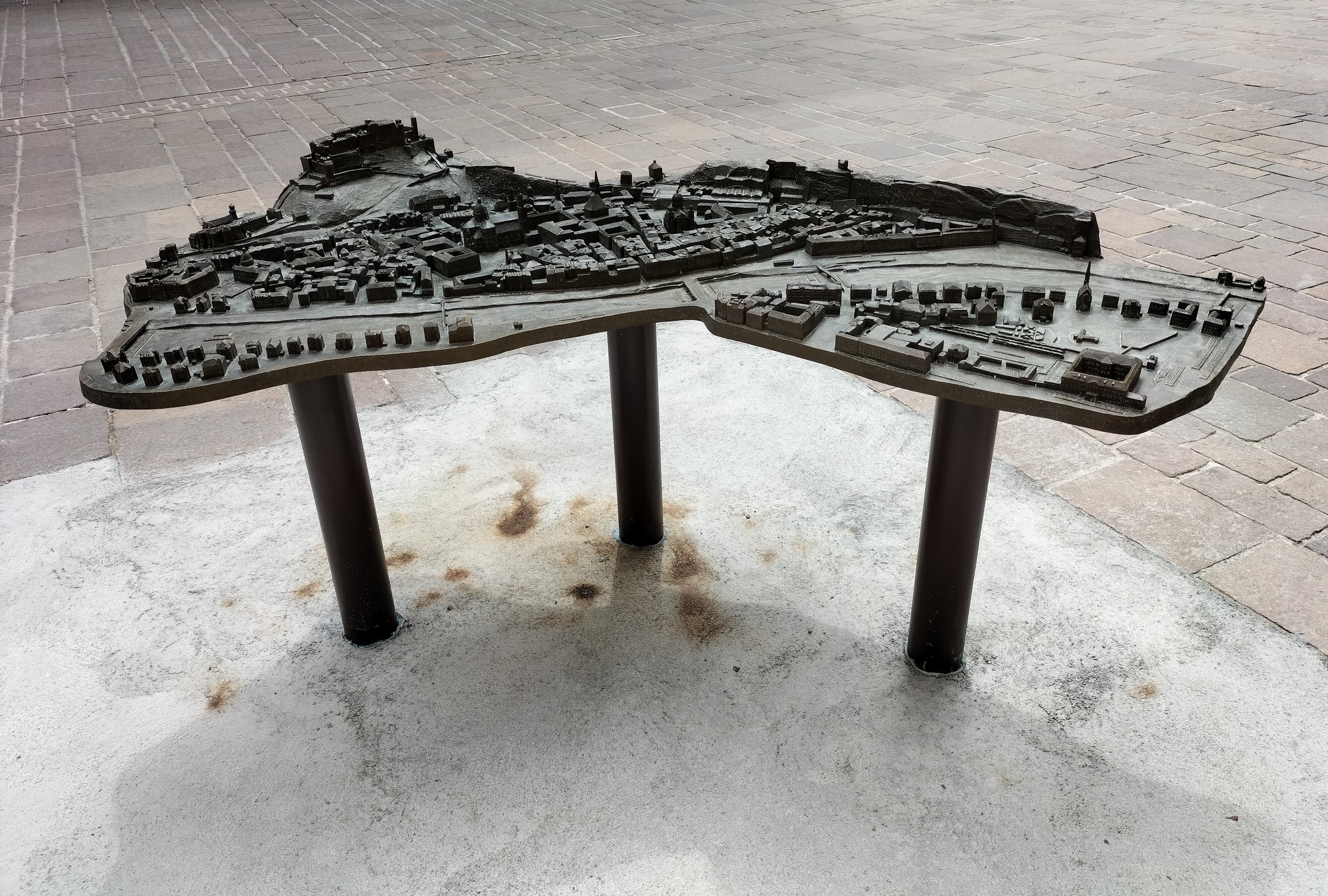
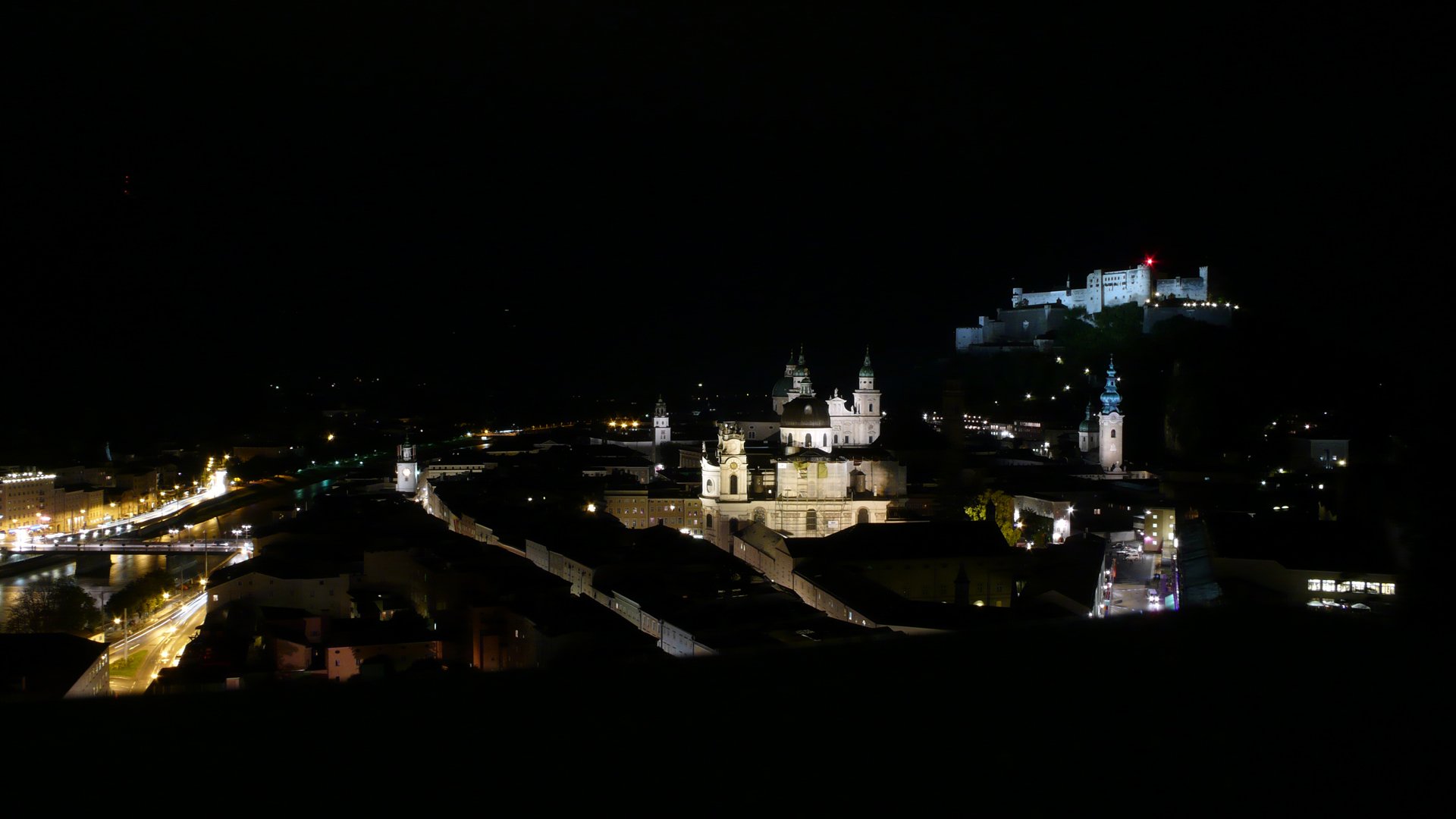
Salzburg sits in the far west of Austria, right against the German border and the edge of the Alps, the fast green Salzach river dividing it in two. On the left bank, beneath the cliff of the Mönchsberg, huddles the baroque Altstadt — domes, squares and the famous shopping lane of Getreidegasse — crowned by the Hohensalzburg fortress on its crag. On the right bank spreads the newer town around the Mirabell palace and gardens. It is small, walkable and ringed by mountains, and made for wandering on foot.

Salzburg’s historic core is inscribed on the UNESCO World Heritage List (as “Historic Centre of the City of Salzburg”, 1996).

Why go

Few small cities are this concentrated in beauty and culture — a baroque old town so intact it's a film set for real, the birthplace and shrine of Mozart, a summer festival that draws the classical-music world, and the Alps rising right behind. Add the Sound of Music connections, the fortress views, the coffee-and-cake culture and easy access to lakes and mountains, and Salzburg packs a great deal into a couple of walkable days.

Don't miss

  • The Hohensalzburg Fortress — the white castle on its crag
  • The Altstadt and Getreidegasse — the baroque old town and its guild signs
  • Mozart's birthplace — the yellow house on Getreidegasse
  • The Mirabell Palace and Gardens — the formal gardens across the river
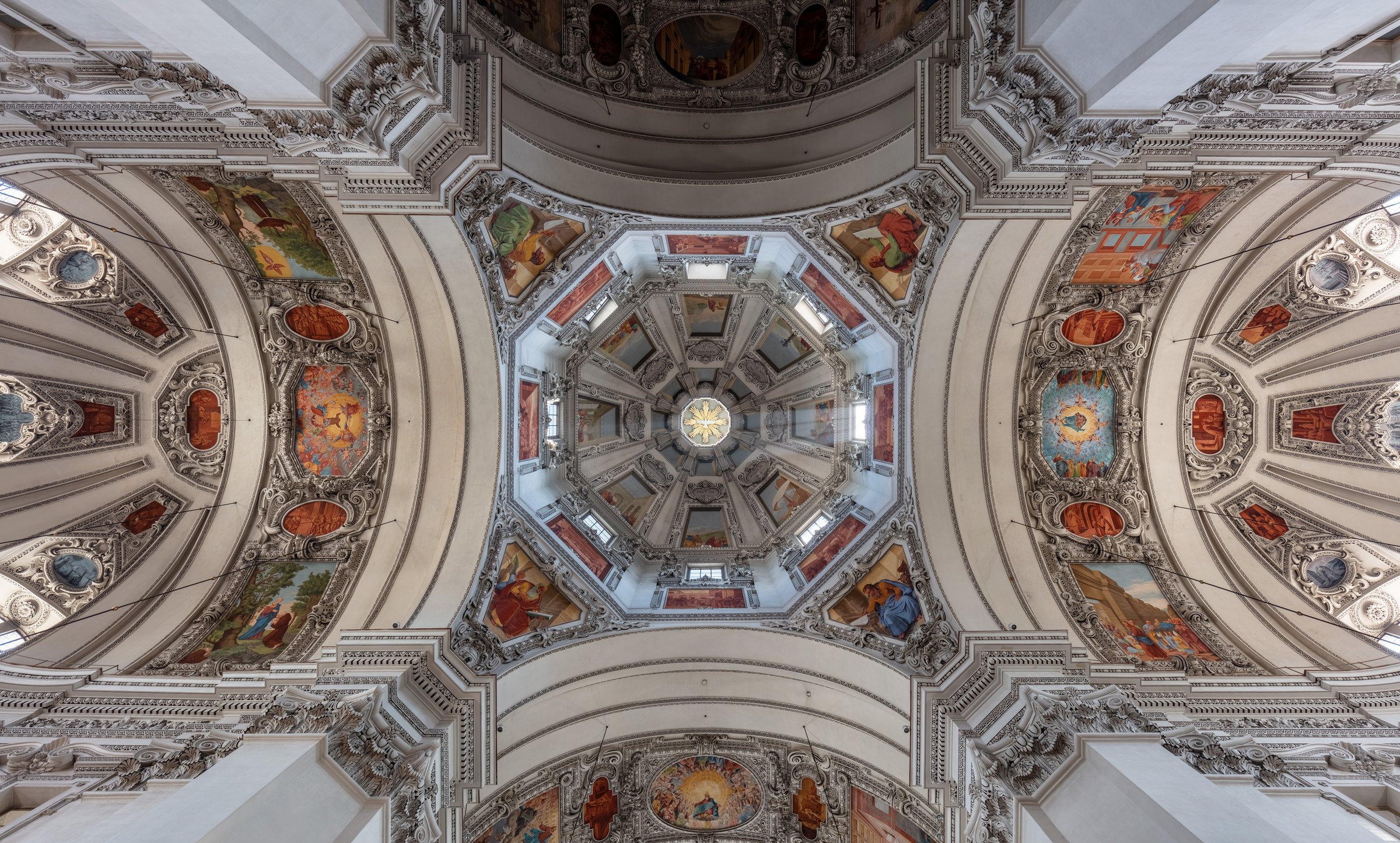
  • The Salzburg Cathedral and its squares — the baroque civic heart

Signature experiences

Mozart's city — Salzburg was Mozart's birthplace, and it never lets you forget it — his yellow birth-house on Getreidegasse and his later family home across the river are both museums, and his music is everywhere, from the festival stages to the street players. Beyond the marzipan-chocolate Mozartkugel and the souvenir kitsch, hearing a concert in a baroque hall or the Mirabell palace is the real tribute. **The fortress and the view** — The white bulk of Hohensalzburg has watched over the city for nearly a thousand years, and it is the classic climb — up by the funicular or on foot, for the ramparts, the old rooms and the finest view in Salzburg, out over the baroque domes to the Alps. It is the image of the city, and worth timing for the light. **The baroque old town** — The Altstadt is a compact masterpiece — the Cathedral and its linked squares, the domes and churches, and the famous Getreidegasse, a narrow lane hung with the wrought-iron guild signs that even the chain shops must use. Duck through the covered passages that thread between the courtyards; the whole quarter is a pleasure to wander. **The Sound of Music, honestly** — For much of the world, Salzburg is the film — the Mirabell Gardens, the lake palaces, the "Do-Re-Mi" spots — and a whole industry of tours follows the trail. It is fun if you love the film, and the gardens and hills are lovely regardless. The local twist: most Salzburgers are cheerfully indifferent to the movie, so enjoy it lightly, and give the real Mozart and the mountains their due too.

Neighbourhoods

Salzburg neighbourhood by neighbourhood — the character of each and who it suits.

  • The Altstadt

    The baroque old town on the left bank, beneath the fortress cliff — a dense weave of domes, squares, churches and the famous shopping lane, the heart of everything.

    Why go
    The single densest run of Salzburg's landmarks, all on foot.
    Best for
    First-time sightseeingMozart sitesshopping
    Known for
    Getreidegasse with Mozart's birthplace and its wrought-iron guild signs, the Cathedral and the Residenzplatz and Domplatz squares, the Festival Hall, and the passages linking the courtyards.
  • The Fortress and the Mönchsberg

    The cliff and crag rising above the old town — the great white fortress on top and the wooded Mönchsberg walking heights along the ridge, with the best views in the city.

    Why go
    The fortress, the ramparts and the panorama over the domes to the Alps.
    Best for
    Viewsthe fortressa hilltop walk
    Known for
    The Hohensalzburg fortress and its funicular, the Mönchsberg walking paths and the Museum der Moderne, and the viewpoints over the old town and the mountains.
  • The Neustadt and Mirabell

    The right-bank new town around the Mirabell palace — the formal gardens, the concert-and-shopping streets, and the leafy Kapuzinerberg hill above.

    Why go
    The Mirabell gardens, the palace concerts, and the fortress-and-old-town view across the river.
    Best for
    Gardensconcertsthe classic photo
    Known for
    The Mirabell Palace and its formal gardens (and a Sound of Music scene), the Kapuzinerberg hill, the Steingasse's old lane, and the shopping around Linzergasse.

Views & hidden gems

Best views

  • The Hohensalzburg ramparts — over the domes to the Alps
  • The Mönchsberg heights — the fortress and old town from the wooded ridge
  • The Mirabell Gardens — the classic view to the fortress across the flowers
  • The Kapuzinerberg or Hettwer Bastei — the old town from the right bank

Hidden gems

  • The Steingasse — a narrow, ancient lane on the quiet right bank
  • The Augustiner Bräustübl — a monastery beer hall where you draw your own stein
  • The Mönchsberg lift and its clifftop modern-art museum and café
  • The Petersfriedhof and its catacombs — a beautiful old cemetery under the cliff
  • The passages of the Altstadt — the covered courtyards linking Getreidegasse to the squares

Food & drink

Salzburg eats Austrian and alpine, rich and comforting, with a serious sweet tooth. The classics are the schnitzel, hearty roasts and dumplings; the local showpiece is the Salzburger Nockerl, a mountainous baked soufflé meant to echo the surrounding peaks. Coffee and cake in a grand café is a ritual, as it is across Austria, and the Mozartkugel — pistachio marzipan in dark chocolate — is the edible souvenir. The drink is beer, best of all in a monastery beer hall, and the wines of the east.

  • Salzburger Nockerl — a huge sweet baked soufflé shaped like mountains
  • Wiener Schnitzel — a thin breaded, fried veal cutlet
  • Bosna — a spiced sausage-and-onion street sandwich, a local snack
  • Kaspressknödel — fried cheese dumplings, often in soup
  • Mozartkugel — pistachio-marzipan chocolate balls
  • Augustiner or a local beer — best in a monastery beer hall
Dietary notes

Vegetarians manage with cheese dumplings, strudel, the cafés and the newer restaurants, though the traditional mains are meat-heavy. Vegan options are growing in the centre. Halal and kosher food are limited in a small city and best sought ahead. Gluten-free is understood in newer places, less so in traditional kitchens. The café-and-cake culture caters comfortably to most.

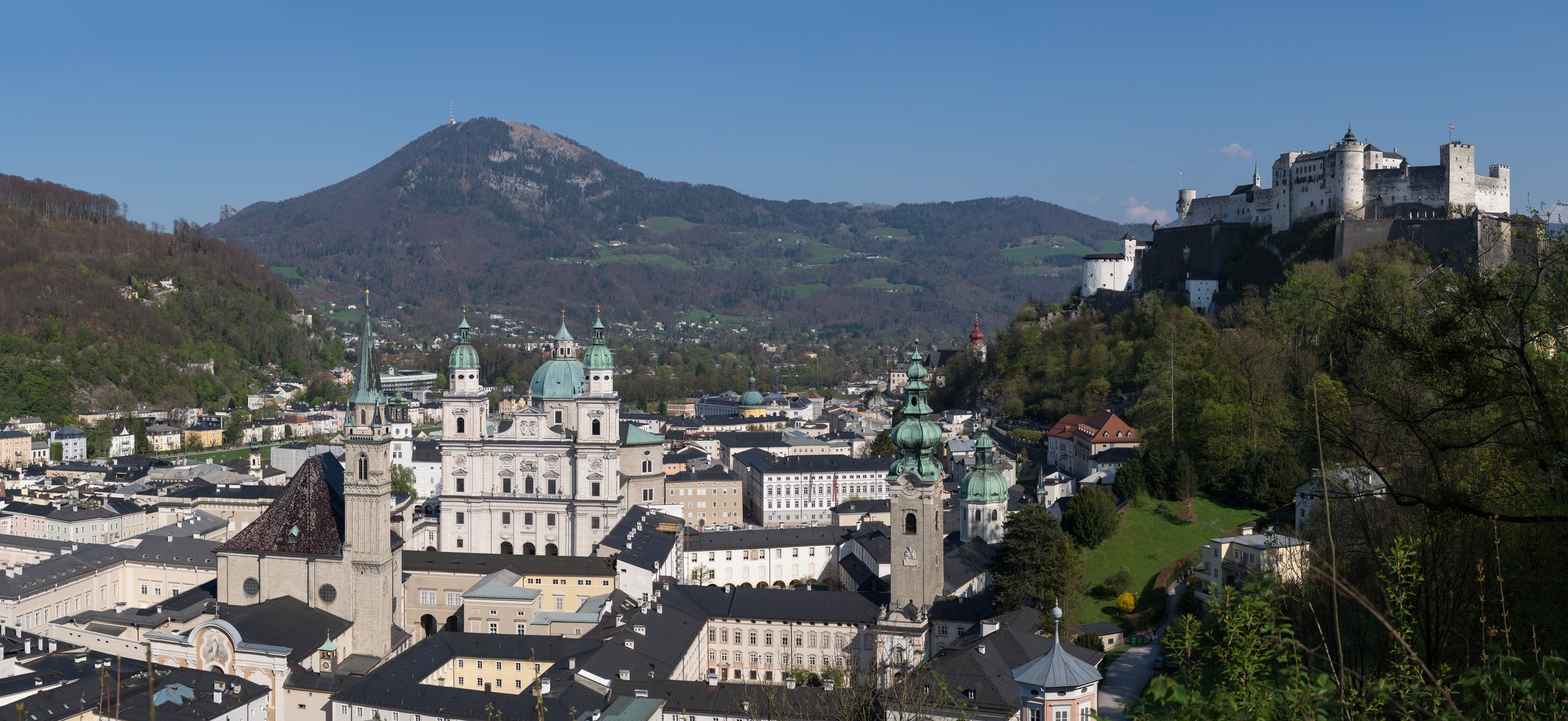
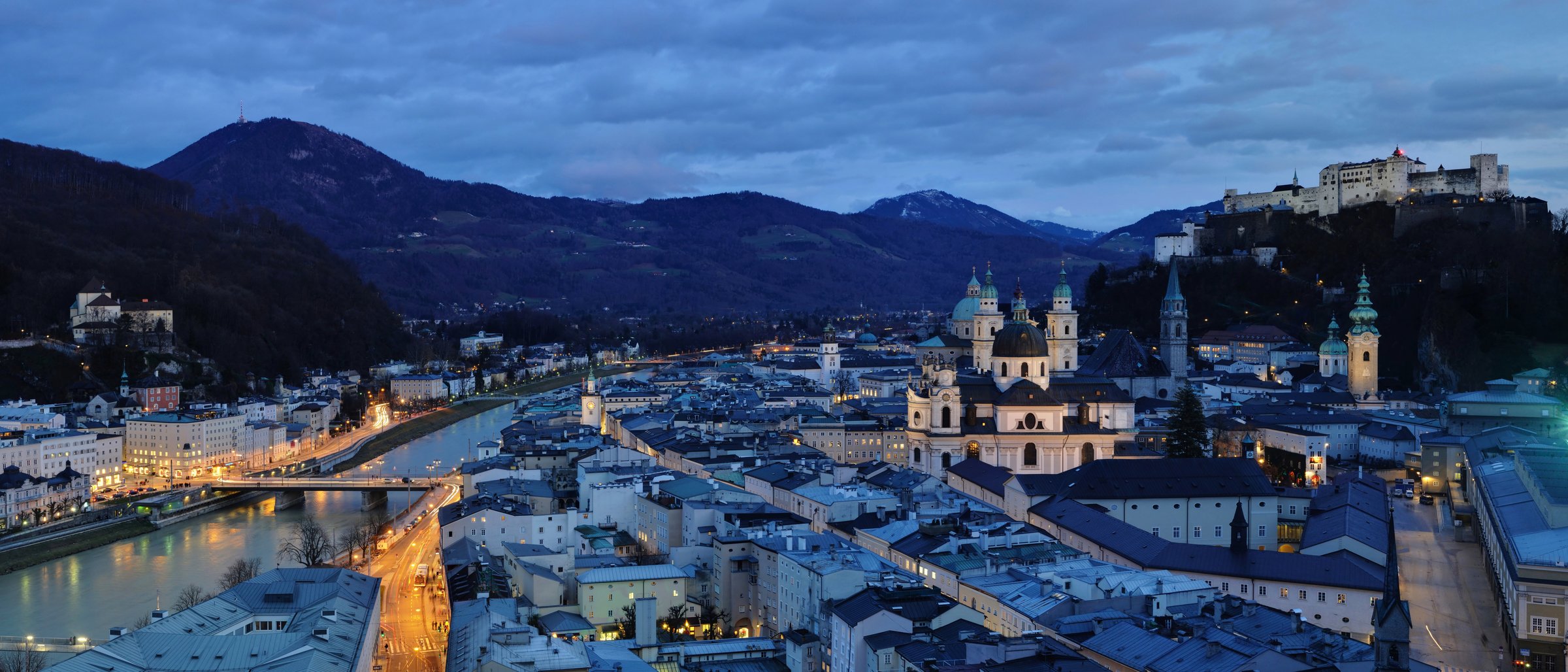
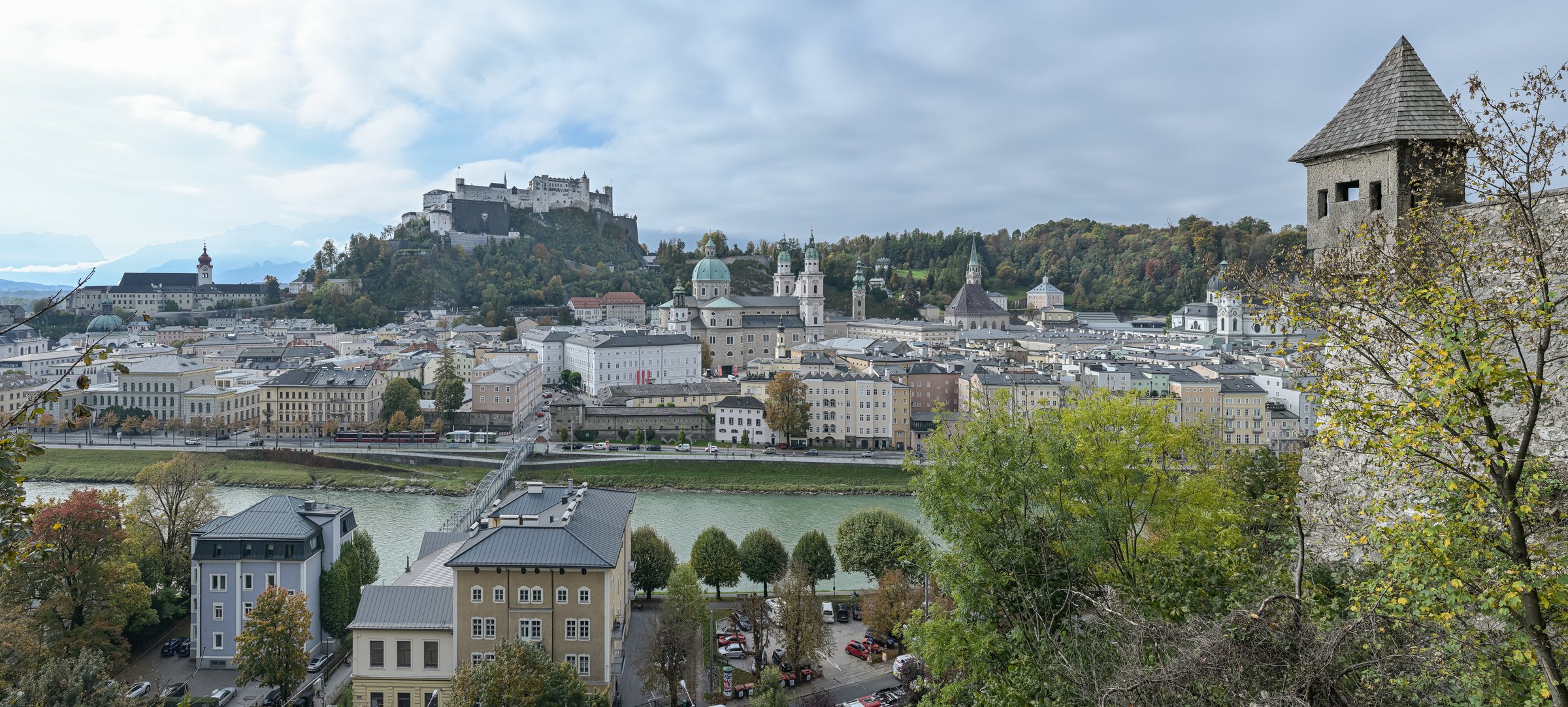
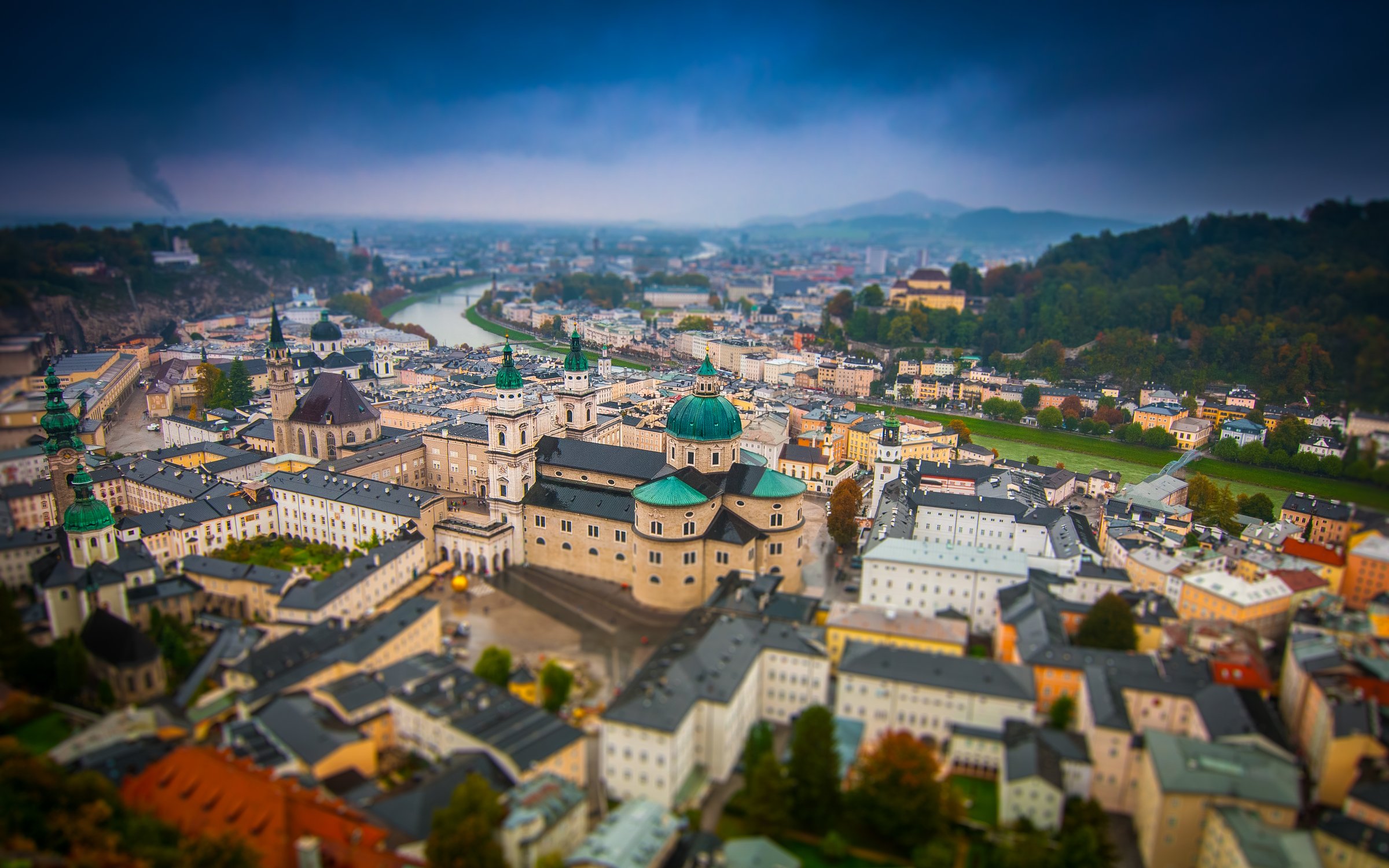
Salzburg in photos

▸ Where you'll stay

Where you'll stay in Salzburg

The Altstadt on the left bank is the atmospheric, convenient base — steps from the sights and the fortress, though pricey and touristy. The right-bank Neustadt around Mirabell is a short walk across the river, often better value, with the classic fortress view and the gardens. Both are central and walkable. Prices spike hard during the summer festival and around Christmas; book far ahead for those.

  • Budget
    The Neustadt / near the station budget hotels and hostels, a walk or short bus to the old town.
  • Mid-range
    Around Mirabell (right bank) comfortable hotels near the gardens, with the fortress view, a short walk in.
  • Luxury
    The Altstadt grand hotels in the baroque old town, steps from the Cathedral and Getreidegasse.
Stay

Hotels & rentals around Salzburg

Pan, zoom and compare live prices — every stay in one map.

▸ Getting around

Getting around Salzburg

The old town is small and entirely walkable — a car is a liability in the pedestrianised lanes. A funicular climbs to the fortress and a lift to the Mönchsberg; city buses link the station, the old town and the outskirts. Everything central is on foot.

The Altstadt, the fortress and the right-bank Mirabell area are all a short walk apart (~approx), linked by the bridges over the Salzach. The station is a ten-minute bus or twenty-minute walk from the old town.

▸ Plan your days

Suggested itineraries

Ready-made day plans for Salzburg — from a single day to a long weekend.

One day

Start on Getreidegasse with Mozart's birthplace and the guild signs, see the Cathedral and its linked squares, then ride the funicular up to Hohensalzburg for the fortress and the view over the domes to the Alps. Cross the river in the afternoon to the Mirabell Palace and Gardens, and end with a concert or a Nockerl in a café.

Two days

Give day two to the heights and the film trail. Walk the Mönchsberg ridge for the views and the modern-art museum, wander the quiet right-bank Steingasse, and — if the movie appeals — follow the Sound of Music spots around Mirabell and the lakes, ending at the Augustiner beer hall.

▸ What you'll do

Insider tips

  • Book far ahead for the summer festival or the Christmas markets, when the city fills and prices climb steeply.
  • Walk up the Mönchsberg for the fortress-and-Alps view for free, or take the funicular up and walk down.
  • The old town is tiny and entirely walkable — you won't need transport within it.
  • A chamber concert in the fortress or Mirabell palace is a lovelier tribute to Mozart than the costumed tourist shows.
Explore

Explore the area

© OpenFreeMap · OSM · terrain Mapterhorn
Do

Local attractions & tours

Skip-the-line tickets and small-group tours in Salzburg — compare across our partners.

We're still curating hand-picked tickets and tours for Salzburg. In the meantime, the map above and the nearby cities are a great place to start.

▸ Budget

What it costs in Salzburg

Backpacker
roughly €60–90 a day.
Mid-range
roughly €150–230 a day.
Luxury
€400 a day and up.
Cash vs card
Cards are widely taken, but Austria still likes cash — carry some for cafés, sausage stands, the beer hall and small shops.
Tipping
Rounding up or adding roughly 5–10% is the norm; tell the waiter the total as you pay rather than leaving coins.
▸ When you'll go

When to visit Salzburg

May, June and September for mild weather; summer for the festival; December for the markets

Spring

What to expect — Cool and changeable early, warming into pleasant, green weeks by May, the mountains still snow-capped behind. Some rain, gardens reopening.

What's best — Mild walking weather, the Mirabell gardens coming into bloom, snow on the peaks above a warm city, and lighter crowds than summer.

Summer

What to expect — Warm and often wet — the Alps bring afternoon showers — and the busiest season, above all during the world-famous summer festival, when the city fills and prices soar.

What's best — The Salzburg Festival's opera and concerts, long light, mountain and lake day trips, and the city at its liveliest. Book far ahead, or come in June to dodge the festival crush.

Autumn

What to expect — Warm easing to crisp, the summer crowds and festival gone, the light golden and the mountains clear. Comfortable and calmer.

What's best — Comfortable sightseeing, autumn colour on the hills, clear fortress views, and the coffee houses at their cosiest.

Winter

What to expect — Cold, often snowy and grey, with short days, but December turns magical with one of Austria's loveliest Christmas markets. Deep winter is quiet.

What's best — The Christmas markets in the baroque squares, snow on the fortress and domes, Advent concerts, and the alpine ski resorts an easy trip away.

▸ Know before you go

Know before you go

Honest swaps

Skip the overpriced costumed "Mozart dinner concerts" touted on the street → book a real chamber concert in the fortress or the Mirabell palace.

Skip the tourist cafés on the main squares → have your coffee and Nockerl in a quieter local Konditorei.

Skip buying Mozartkugel from the flashiest souvenir shop → the original makers and a good confectioner sell the real thing.

Skip a taxi up to the fortress → the funicular is quick, and the Mönchsberg walk up is lovely and free.

Crowds & timing

The fortress and Getreidegasse are busiest midday; go at opening for the light and the calm.

The summer festival and the Christmas markets pack the city and spike prices — book accommodation months ahead for those.

Local rules & etiquette

Cover shoulders and knees for the Cathedral and churches, and keep quiet inside.

Salzburgers are famously unbothered by the Sound of Music — enjoy the tours, but don't expect locals to share the enthusiasm.

Jaywalking is frowned on and can bring a fine — wait for the green man as the locals do.

Money

Cards work widely, but keep cash for cafés, sausage stands, the beer hall and small shops.

Use bank ATMs and skip the tourist-strip exchange kiosks.

After dark

The old town's squares and cellar bars have the mainstream evening scene, gentle and early.

The right-bank Steingasse and a few bars run a little later and more local.

The Augustiner monastery beer hall is the classic Salzburg night — long benches, big steins, and a garden.

▸ Ready to book your trip?

Getting there

Salzburg's small airport (SZG) is a short bus or taxi west of the centre; many visitors also arrive via Munich and a train (~approx 1.5 hours). Salzburg Hauptbahnhof, north of the old town, is a major rail hub on the Munich–Vienna line, a short bus or walk from the centre.

Book

Ready to book your trip?

Flights, airport transfers and car hire — search and compare without leaving the page.

▸ Trip extras
Book

More trip extras

Parking, holiday extras, and more — coming soon.

Coming soon

We're lining up parking, holiday extras and activities you'll be able to add to any trip from here.