← Austria
AUSTRIA · CITY

Vienna

The stately imperial capital of coffee houses, waltzes and world-class music — grand, gracious and endlessly cultured.

  • City
  • April to June and September to October — mild, and either side of the summer heat and crowds
  • ~approx 3–4 days
  • Imperial Palaces
  • Coffee-House Culture
  • Klimt & Music
  • The Ringstrasse

A tram sliding past the floodlit Opera, the smell of coffee and warm strudel drifting out of a marble café, and a waltz you half-recognise coming from an open window.

Vienna is an old imperial capital that never quite stopped acting like one — grand boulevards, gilded concert halls, and coffee houses where lingering all afternoon over one cup is a respected art. It runs on ceremony and cake.

Type
metropolis
Ideal length
~approx 3–4 days
Getting around
the U-Bahn and an excellent tram network, plus a very walkable centre
Neighbourhoods
7 areas
Best season / months
April to June and September to October — mild, and either side of the summer heat and crowds
Language
German
Currency
euro (€)
Budget level
moderate — pricier than eastern Europe, gentler than Paris or London
Good for
  • First-timers
  • Culture
  • Music
  • Art
  • Food
▸ Discover

About Vienna

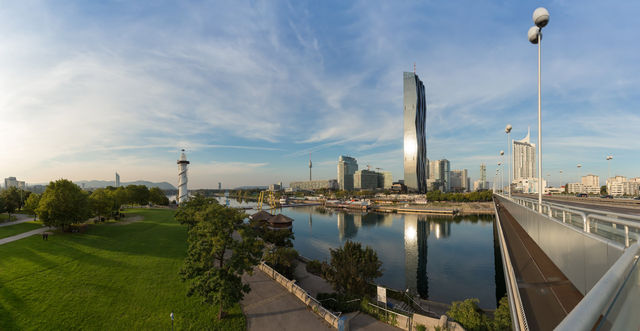
Vienna sits on the Danube in Austria's east, but the river is oddly peripheral — the city's heart is the old core, the Innere Stadt, ringed by the Ringstrasse, the wide boulevard built where the city walls once stood. Everything radiates out from there in numbered districts, a spiral of them, with the grandest palaces and museums clustered inside and just beyond the Ring. It is a walkable, orderly, low-rise city where the past is the main event, and the U-Bahn and trams tie the numbered districts together.

Vienna’s historic core is inscribed on the UNESCO World Heritage List (as “Historic Centre of Vienna”, 2001). It currently sits on UNESCO’s List of World Heritage in Danger.

Why go

Nowhere does imperial grandeur and high culture at this density and this level of preservation. You can see a Klimt, hear a world-class orchestra, tour a Habsburg palace and settle into a 150-year-old café all in one day, on foot. It is a city that takes its music, its coffee and its cake genuinely seriously, and rewards you for slowing down to its pace.

Don't miss

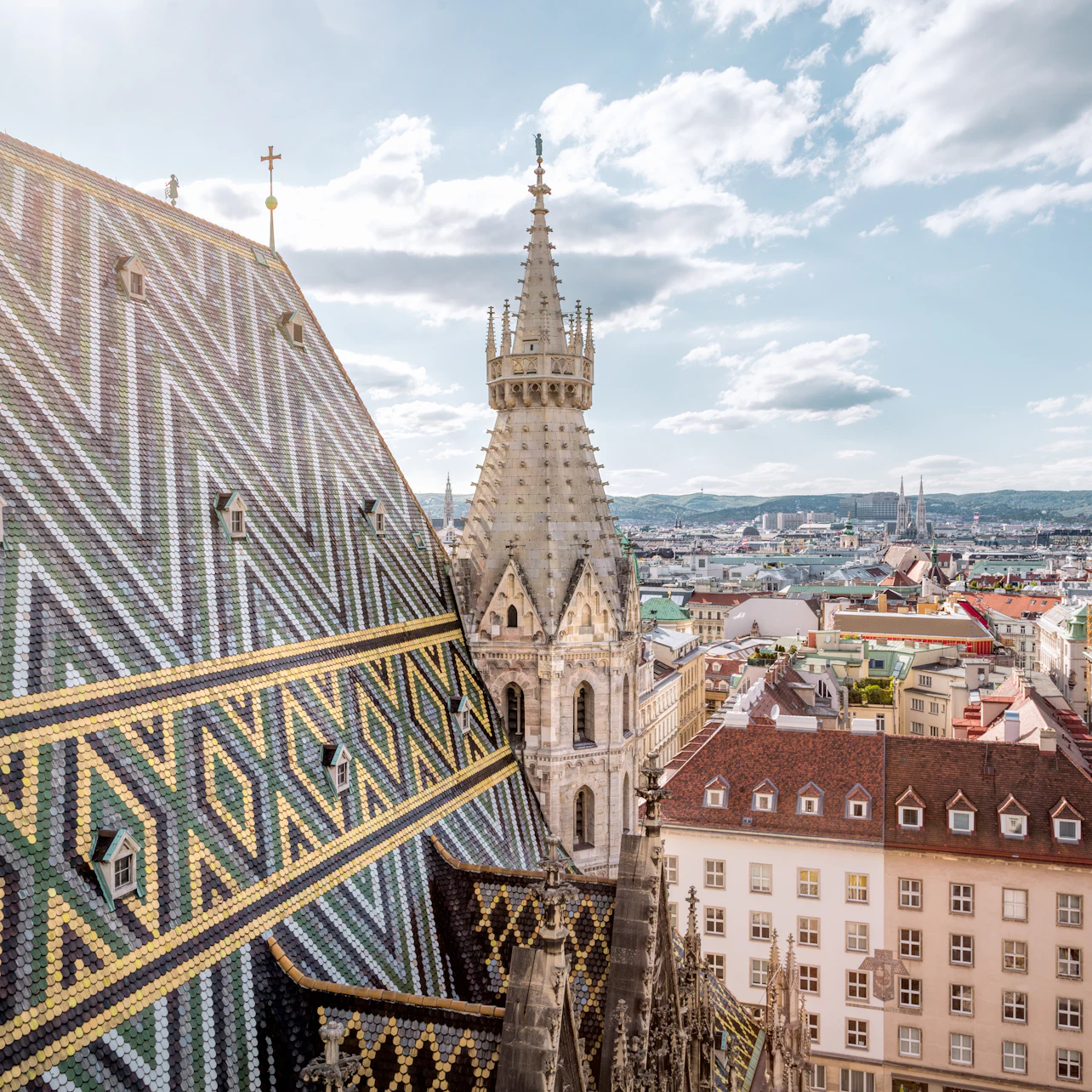
  • St. Stephen's Cathedral — the tiled Gothic spire over the old town
  • Schönbrunn Palace — the Habsburgs' vast summer palace and gardens
  • The Hofburg — the sprawling imperial winter palace
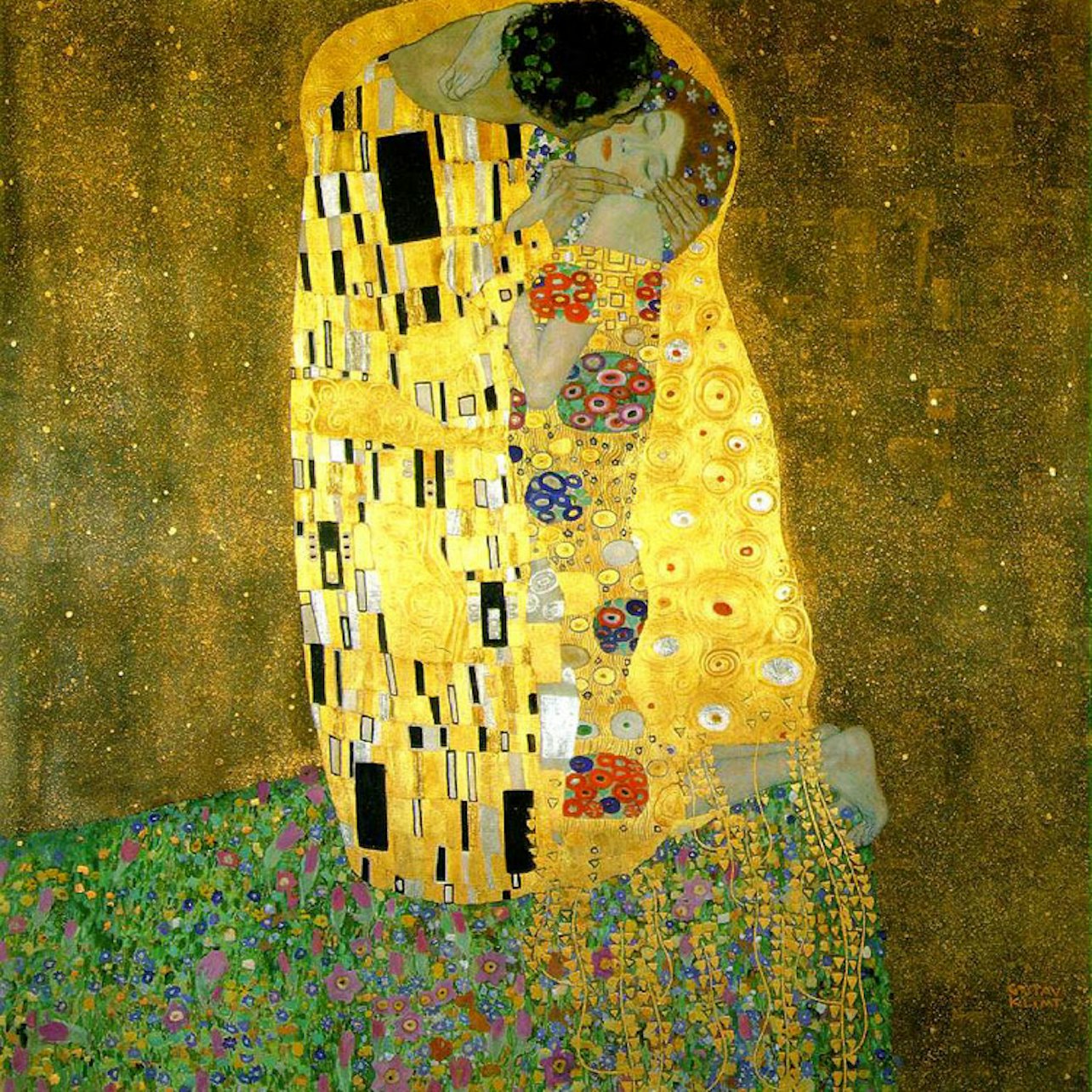
  • The Belvedere — Klimt's "The Kiss" in a baroque palace
  • The Vienna State Opera — one of the world's great opera houses

Signature experiences

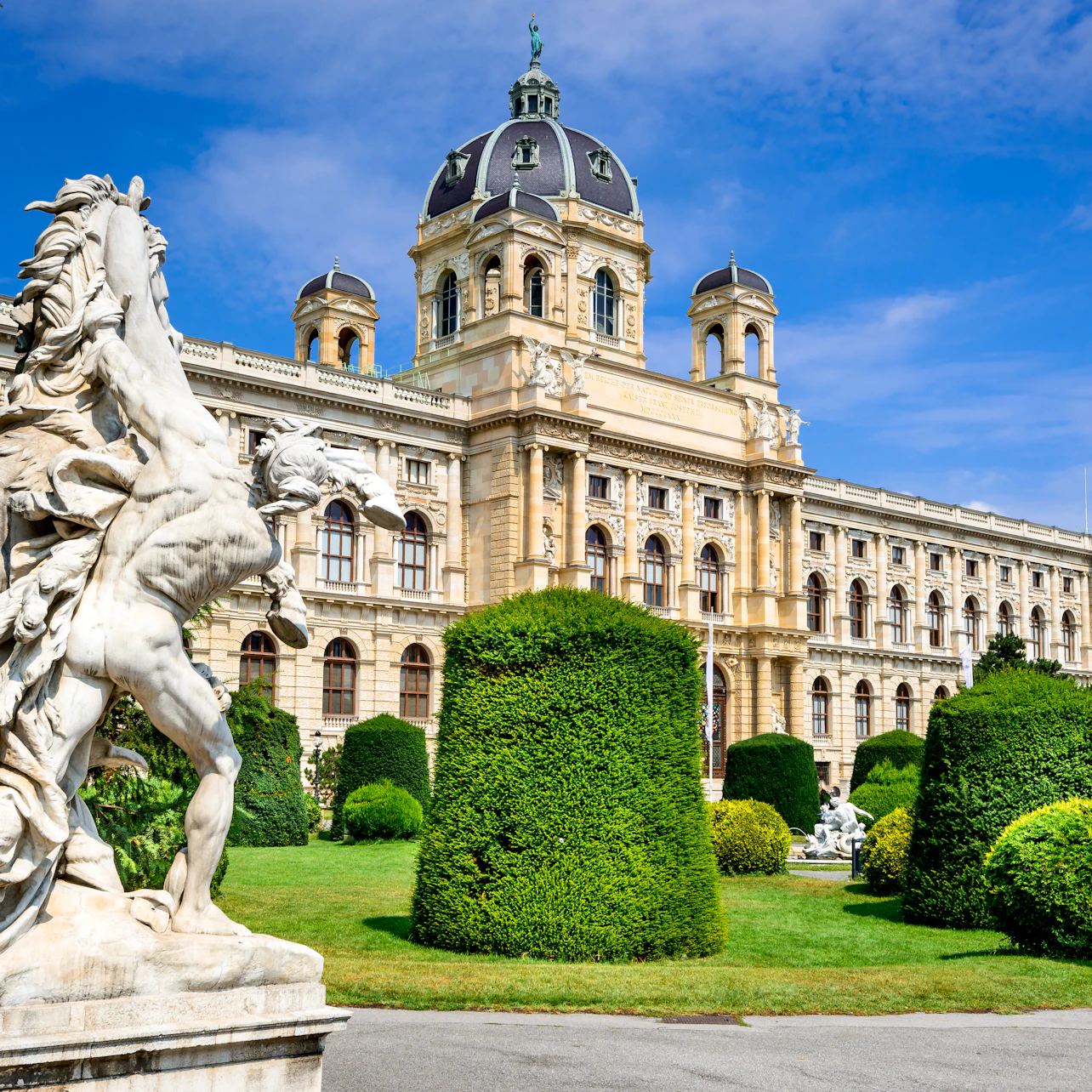
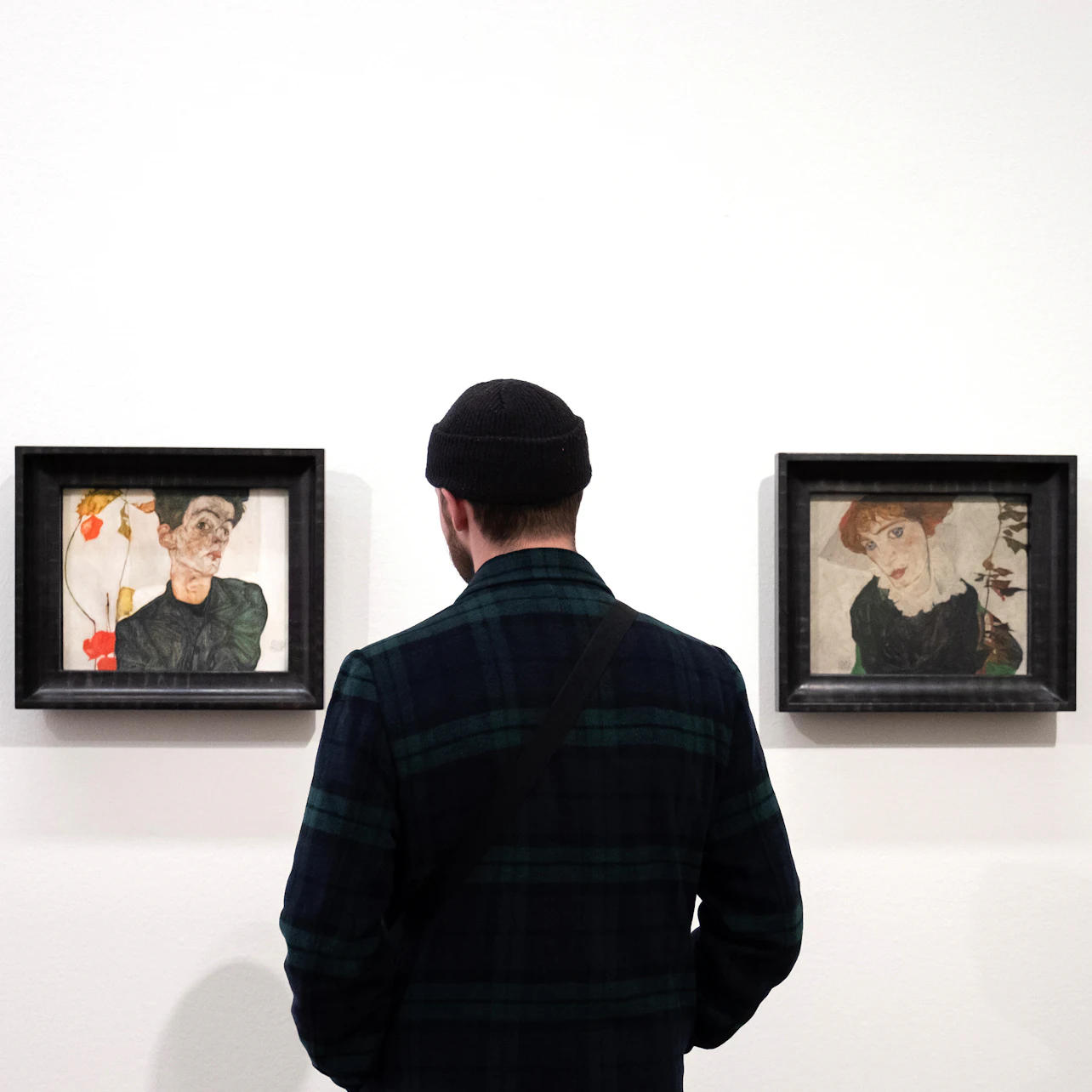
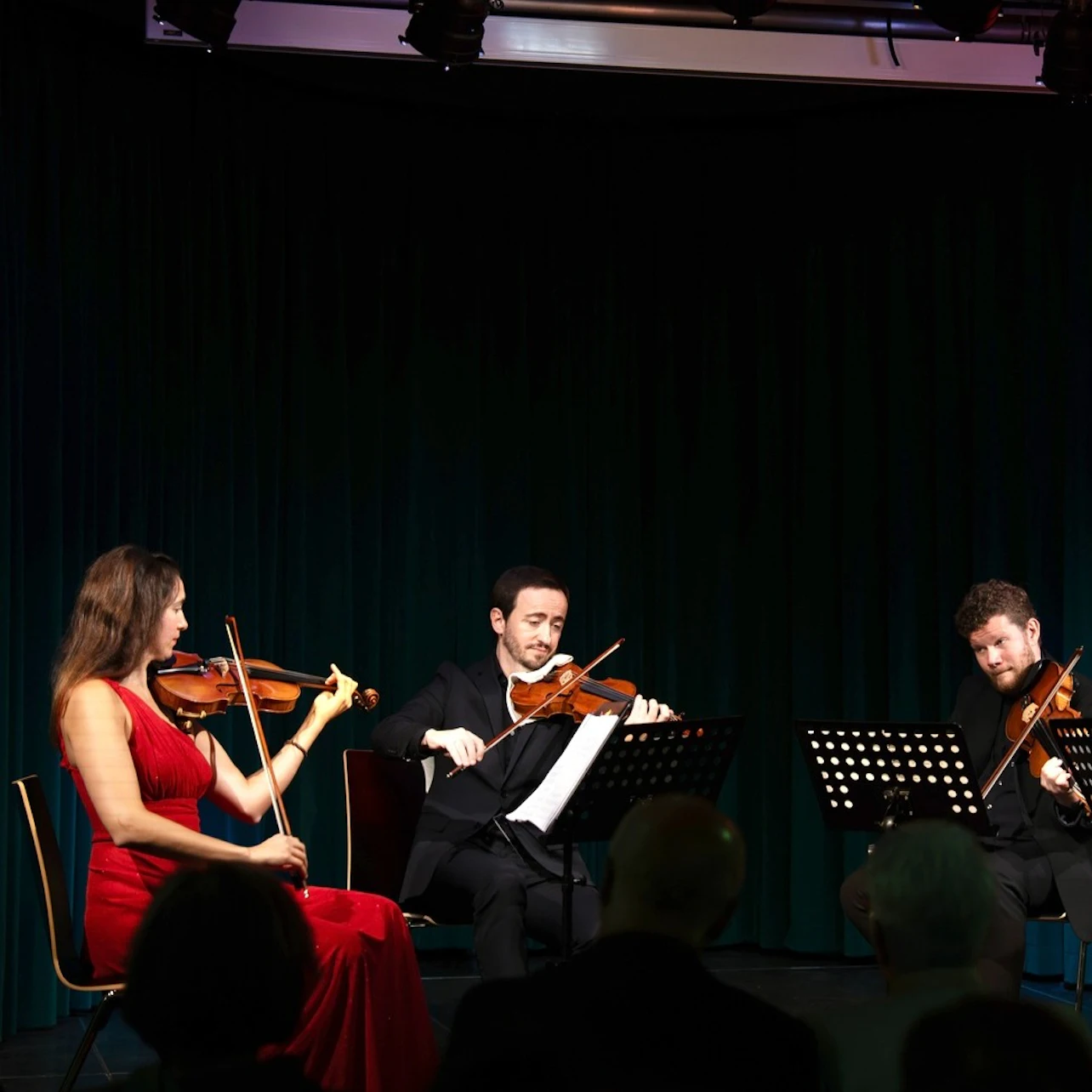
Palace days — Vienna was the seat of an empire for centuries, and the buildings prove it. Give a morning to the Hofburg in the centre, then a half-day to Schönbrunn out west, walking its gardens up to the Gloriette for the view back over the city. The Belvedere completes the set — baroque staterooms downstairs, and Klimt's "The Kiss" glowing gold upstairs. **Music, taken seriously** — This is the city of Mozart, Beethoven, Brahms and the Strauss waltz, and it still lives on live music. Catch a performance at the Vienna State Opera (standing tickets go for the price of a coffee if you queue), hear the Vienna Philharmonic at the Musikverein, or time a Sunday for the Vienna Boys' Choir singing Mass at the Hofburg chapel. **The coffee house** — A proper Viennese café is an institution, not a pit stop: marble tables, a waiter in a waistcoat, newspapers on wooden frames, and no one hurrying you. Order a Melange, a slice of cake and a glass of water, and stay as long as you like. Café Central and Café Sacher are the famous ones; half the pleasure is finding a quieter local one. **Art across the centuries** — The Kunsthistorisches Museum holds one of the world's great old-master collections under a dome worth the ticket alone. Across the Ring, the MuseumsQuartier runs from Klimt and Schiele at the Leopold to modern work at mumok, all around a courtyard that doubles as the city's living room in warm weather. **Wine at the edge of the city** — Vienna grows wine within its own limits, and the Heuriger taverns of the hillside villages like Grinzing serve the young vintage with cold platters and, often, a bit of accordion. Take a tram out, sit in a garden under the vines, and drink where the locals go when the weather turns warm.

Neighbourhoods

Vienna neighbourhood by neighbourhood — the character of each and who it suits.

  • Innere Stadt

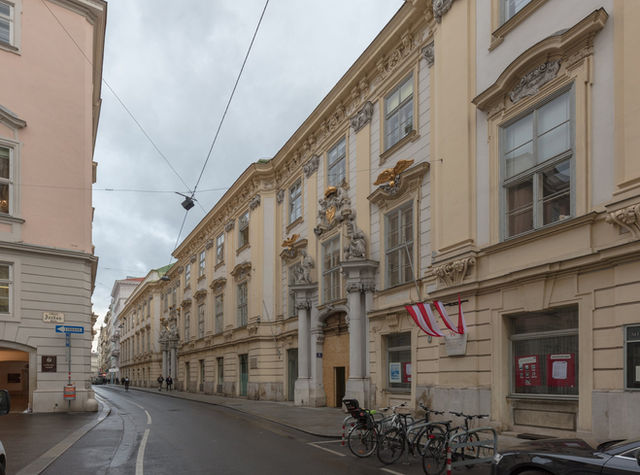
    The old imperial core inside the Ringstrasse — grand, formal, and dense with the sights everyone comes for. It can feel like a stage set, because in a sense it is.

    Why go
    The single richest concentration of landmarks in the city, all walkable.
    Best for
    First-time sightseeingpalacesoperacafé culture
    Known for
    St. Stephen's Cathedral, the Hofburg palace complex, the pedestrian Graben and Kohlmarkt, the Spanish Riding School's Lipizzaner horses, and the grand old coffee houses.
  • Leopoldstadt

    The 2nd district across the Danube Canal, once the Jewish quarter, now a mix of leafy park, market streets and a fairground that has run for centuries.

    Why go
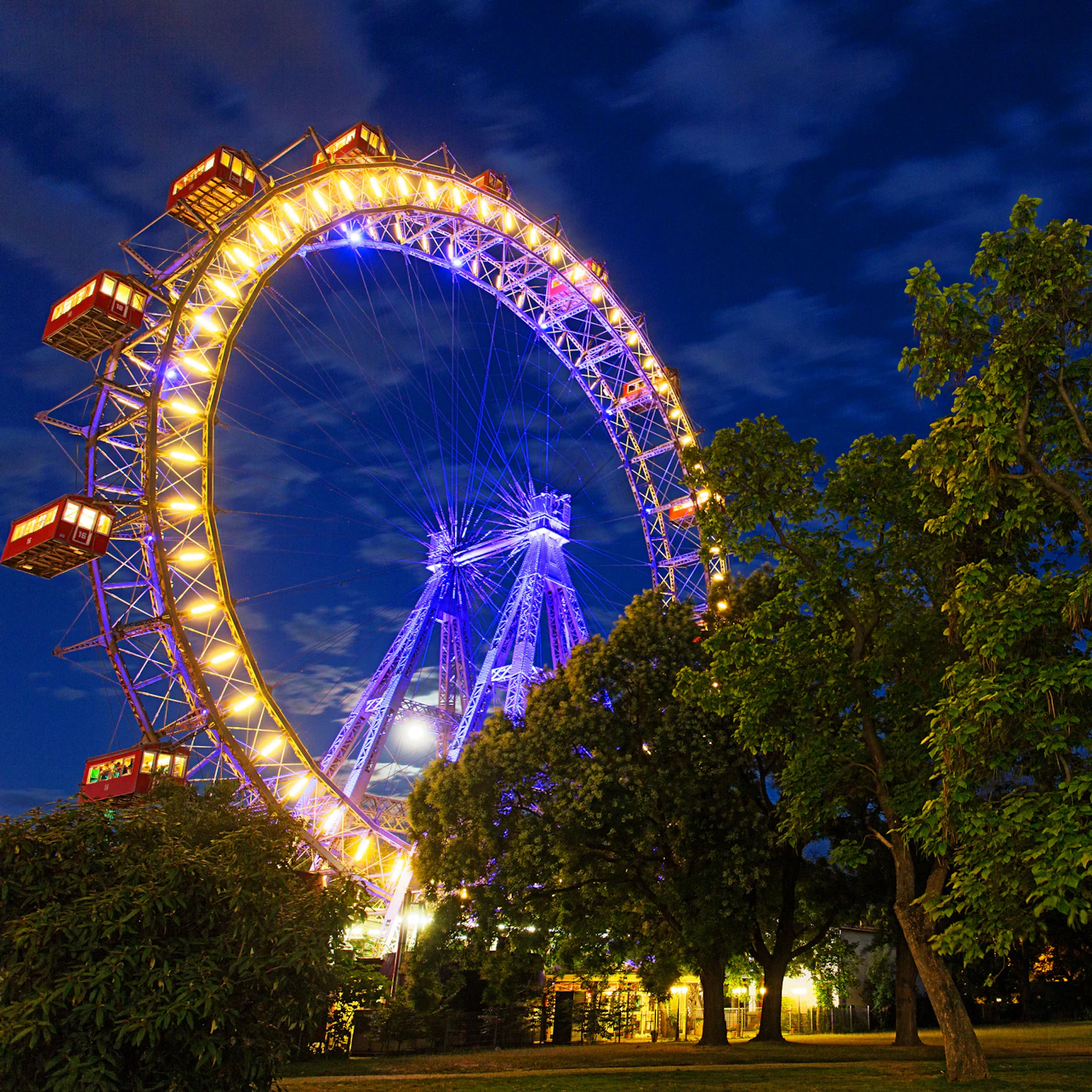
    The Prater park and its landmark ferris wheel, plus a more local, lived-in feel.
    Best for
    Parksthe Riesenradmarketsa break from the grandeur
    Known for
    The Wurstelprater funfair and the Riesenrad giant wheel, the vast green Prater itself, the Augarten park, and the Karmelitermarkt food stalls.
  • Landstrasse

    The 3rd district, home to one of the city's finest baroque palaces and a famously wonky, colourful apartment block that breaks all the imperial rules.

    Why go
    The Belvedere and its gardens, and a jolt of playful modern architecture.
    Best for
    Artgardensarchitecture
    Known for
    The Upper and Lower Belvedere palaces and their Klimt collection, the whimsical Hundertwasserhaus, and the Stadtpark just over the Ring with its gilded Strauss statue.
  • Wieden

    The 4th district, wrapped around the city's great open-air market — buzzy, mixed, and where locals actually shop and eat.

    Why go
    The Naschmarkt, the best single stretch of eating and grazing in Vienna.
    Best for
    Foodmarketsa Saturday morning
    Known for
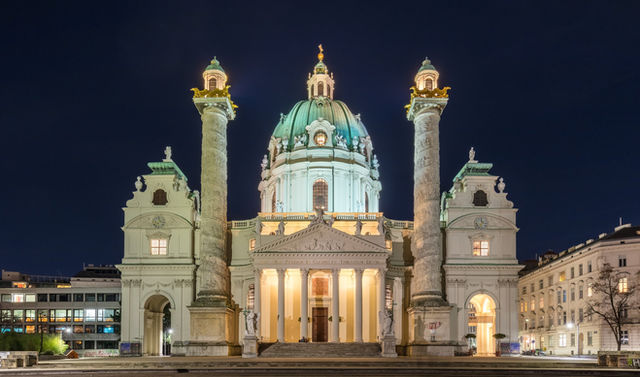
    The long Naschmarkt with its stalls and cafés (and the Saturday flea market at its end), the green-domed Karlskirche, and the Secession building with its golden dome and Klimt frieze.
  • Mariahilf

    The 6th district, defined by the city's main shopping street and a scruffier, younger energy up its side lanes.

    Why go
    High-street shopping on Mariahilfer Strasse and the cafés and bars behind it.
    Best for
    Shoppingcasual eatingpeople-watching
    Known for
    The long pedestrianised Mariahilfer Strasse, the Haus des Meeres aquarium in a wartime flak tower, and the small independent shops of the surrounding streets.
  • Neubau

    The 7th district — Vienna at its most creative and boutique-lined, all cobbled lanes, design shops and cafés, right against the big museums.

    Why go
    The MuseumsQuartier on its doorstep and the best independent shopping and coffee.
    Best for
    Museumsdesignthird-wave coffeeslow afternoons
    Known for
    The huge MuseumsQuartier courtyard with the Leopold Museum and mumok, the pretty Spittelberg lanes, and the concept stores and cafés along Kirchengasse and Neubaugasse.
  • Hietzing

    The green, genteel 13th district out west, built around the Habsburgs' summer palace and a grand old zoo.

    Why go
    Schönbrunn, the palace most visitors make a half-day of.
    Best for
    Palacesgardensa slower day out
    Known for
    Schönbrunn Palace and its terraced gardens, the Gloriette on the hill behind, the Tiergarten Schönbrunn (the world's oldest zoo), and the palm house.

Views & hidden gems

Best views

  • The Gloriette terrace above Schönbrunn — the palace and city laid out below
  • The Riesenrad giant wheel in the Prater — the classic slow turn over the rooftops
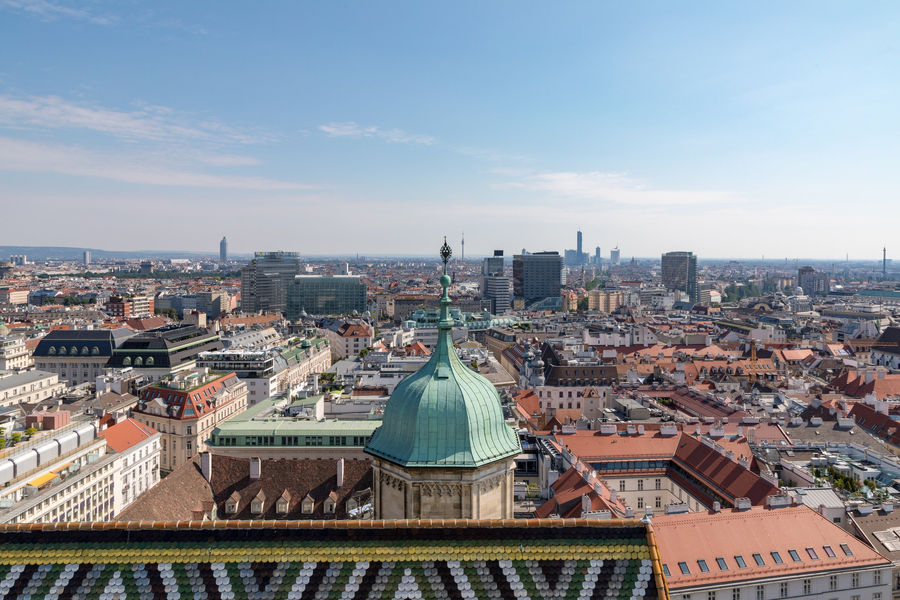
  • The south tower of St. Stephen's — a hard climb up a narrow stair to the old town's roofs
  • The Donauturm or the rooftop terraces near the Ring for the skyline

Hidden gems

  • The Kaisergruft — the Habsburg imperial crypt under the Capuchin church, rows of ornate emperors' coffins
  • The Zentralfriedhof — the vast central cemetery where Beethoven, Brahms and Schubert lie
  • The Loos American Bar — a tiny, perfect Adolf Loos-designed cocktail room off the Graben
  • Café Hawelka — a dim, smoke-stained old bohemian café that time forgot
  • The Third Man sewer tour and museum — for the film buffs, into the tunnels under the city

Food & drink

Vienna eats richly and traditionally, and it does dessert better than almost anywhere. The classics hold firm: the schnitzel pounded thin and fried gold, the boiled-beef Tafelspitz, and a whole cabinet of cakes and pastries built around the coffee house. The city's other great street food is the sausage stand — the Würstelstand — where a Käsekrainer with mustard and a roll is the honest late-night staple. Graze the Naschmarkt for everything from Austrian cheese to Middle Eastern mezze, and drink the local Grüner Veltliner white, best of all out at a Heuriger tavern in the wine villages.

  • Wiener Schnitzel — veal escalope, pounded thin, breaded and fried
  • Sachertorte — dense chocolate cake with apricot jam, under a dark glaze
  • Tafelspitz — boiled beef with horseradish and apple, an emperor's favourite
  • Apfelstrudel — warm apple strudel with flaky pastry
  • Kaiserschmarrn — a shredded, caramelised pancake with plum compote
  • Melange — the Viennese coffee with steamed milk, the café order
Dietary notes

Vegetarians do fine — strudel, cheese dumplings, and a strong café-and-bakery culture — though the classic mains are meat-heavy. Vegan spots cluster in Neubau and around the Naschmarkt. Halal is easy around the market districts and the outer boroughs with Turkish and Balkan communities; kosher options concentrate in Leopoldstadt, the old Jewish quarter. Gluten-free is widely understood in the city's cafés.

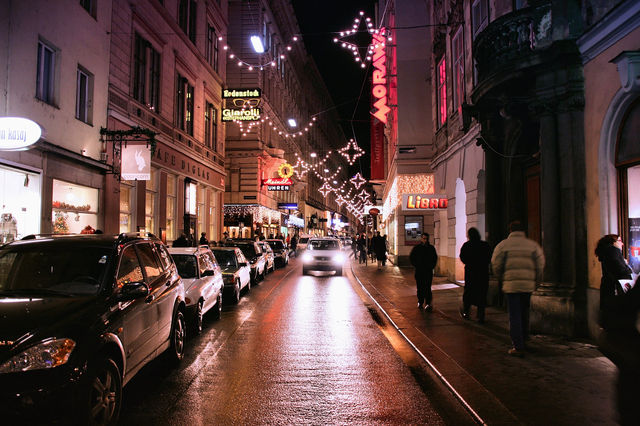
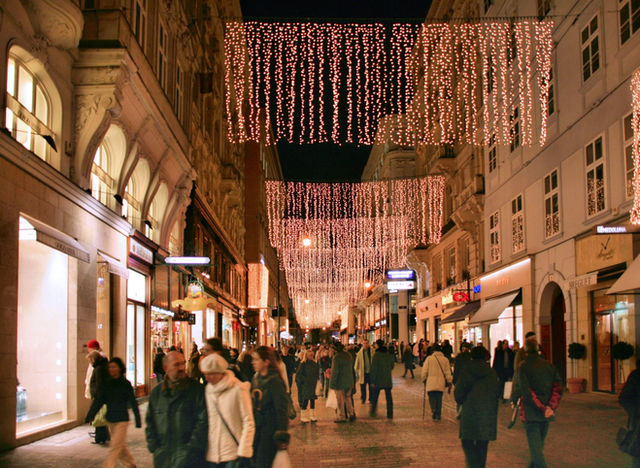
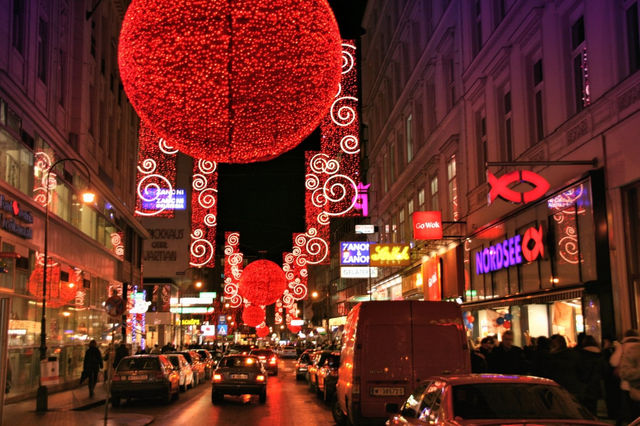
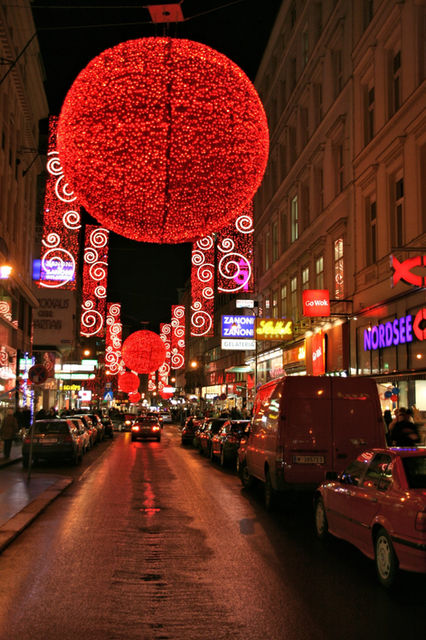
Vienna in photos

▸ Where you'll stay

Where you'll stay in Vienna

Base yourself by pace. The Innere Stadt puts you inside the Ring, steps from the cathedral, the opera and the cafés — the most convenient and the most expensive, and quiet at night. Neubau and Mariahilf, just outside the Ring, trade a short walk for better-value rooms, the main shopping street and the liveliest cafés and bars. Leopoldstadt across the canal is calmer and more local, with the Prater and quick U-Bahn links back in. For a green, genteel stay near Schönbrunn, the western districts work but put you further from the nightlife.

  • Budget
    Around Westbahnhof / Mariahilf budget hotels and hostels, on the U3, walkable to the shopping street.
  • Mid-range
    Neubau (7th) boutique stays by the MuseumsQuartier, cafés at the door, a short walk into the centre.
  • Luxury
    Innere Stadt (1st) grand old hotels inside the Ring, steps from the opera and the palaces.
Stay

Hotels & rentals around Vienna

Pan, zoom and compare live prices — every stay in one map.

▸ Getting around

Getting around Vienna

The backbone is the U-Bahn, five colour-coded lines (U1–U6, with no U5) that cover the city, backed by one of Europe's best tram networks and buses. The centre is small and best walked; trams 1 and 2 trace the Ringstrasse past most of the grand buildings, a sightseeing ride in themselves. A car is pointless in the centre. Buy a day or multi-day pass and validate it once.

Most inner districts are a short walk or one or two U-Bahn stops apart (~approx). The U-Bahn and the Ring trams connect the centre, the museums and the market districts; for Schönbrunn take the U4 west, and for the Grinzing wine villages a tram and bus out to the hills.

▸ Plan your days

Suggested itineraries

Ready-made day plans for Vienna — from a single day to a long weekend.

One day

Start at St. Stephen's Cathedral and walk the Graben and Kohlmarkt to the Hofburg, looking in on the Spanish Riding School. Cross the Ring to the Kunsthistorisches Museum or the MuseumsQuartier, break for coffee and cake in a proper café, then end at the floodlit State Opera — with standing tickets if there's a show.
Two days

Give day two to the palaces and the parks. Spend the morning at Schönbrunn and its gardens up to the Gloriette, come back for the Belvedere and Klimt's "The Kiss" in the afternoon, then graze the Naschmarkt for dinner and drinks around Wieden and Neubau.

Three days

Use day three to go local. Wander Leopoldstadt and the Prater, ride the Riesenrad, and browse the Karmelitermarkt, then take a tram out to the Grinzing wine villages for an evening at a Heuriger tavern — young wine, cold platters and the city lights below.

▸ What you'll do

Insider tips

  • The Vienna Pass and the transport day tickets can pay off if you're palace-hopping — do the maths against how much you'll actually see.
  • Many museums have one late-opening evening a week with smaller crowds — check before you plan.
  • Sunday closes most shops tight, but cafés, museums and restaurants stay open — plan groceries for Saturday.
  • Palace and opera tickets are much cheaper and easier booked online in advance than from the street sellers.
Explore

Explore the area

© OpenFreeMap · OSM · terrain Mapterhorn
Do

Local attractions & tours

Skip-the-line tickets and small-group tours in Vienna — compare across our partners.

Albertina Museum: E-Ticket

Vienna

from £17.75

4.8 (3.8k)
Book on Tiqets →

Kunsthistorisches Museum: Skip The Line Ticket

Vienna

from £18.69

4.7 (2.4k)
Book on Tiqets →

Kunsthistorisches Museum & Imperial Treasury: Skip The Line

Vienna

from £27.18

4.8 (365)
Book on Tiqets →

Leopold Museum: Fast Track Ticket

Vienna

from £16.14

4.7 (661)
Book on Tiqets →

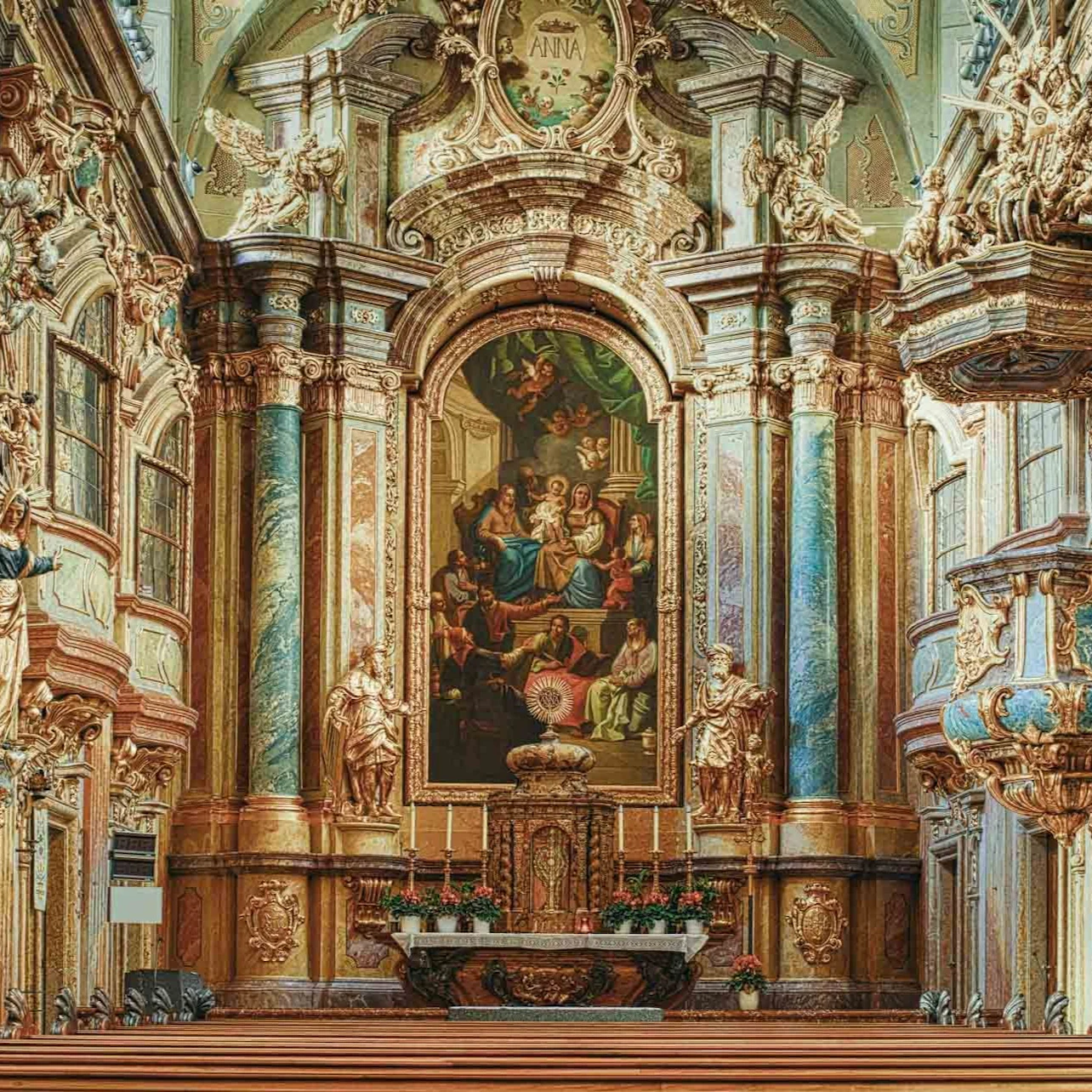
Vienna: Classical Concert at St. Annes Church (Annakirche)

Vienna

from £28.03

4.8 (252)
Book on Tiqets →

Votive Church Vienna: Light of Creation Immersive Light Show

Vienna

from £18.69

4.8 (210)
Book on Tiqets →

Haus der Musik Vienna: Mozart, Strauss & the Classical Masters

Vienna

from £19.2

4.8 (182)
Book on Tiqets →

Schönbrunn Palace & Gardens: Skip The Ticket Line + Guided Tour

Vienna

from £48.41

4.8 (113)
Book on Tiqets →
▸ Budget

What it costs in Vienna

Backpacker
roughly €70–100 a day.
Mid-range
roughly €160–240 a day.
Luxury
€400 a day and up.
Cash vs card
Cards and contactless are widely taken, but Austria still likes cash — carry some for cafés, market stalls, Würstelstände and Heuriger taverns, which may be cash-only.
Tipping
Rounding up or adding roughly 5–10% is the norm at restaurants and cafés; tell the waiter the total as you pay rather than leaving coins on the table.
▸ When you'll go

When to visit Vienna

April to June and September to October — mild, and either side of the summer heat and crowds

Spring

What to expect — Cool and changeable early on, warming into pleasant, blossom-filled weeks by May. Gardens reopen and the palace parks are at their best before the summer rush.

What's best — Mild walking weather, the Schönbrunn and Belvedere gardens in bloom, and lighter crowds than high summer.

Summer

What to expect — Warm to genuinely hot, with the busiest crowds and the fullest palace queues. Many locals leave, but the MuseumsQuartier courtyard and the Danube island fill with life.

What's best — Long evenings, open-air concerts and cinema, the Prater and the riverside beaches, and the Heuriger gardens in full swing. If the heat and crowds bother you, come in May or September instead.

Autumn

What to expect — Cooling, golden and comfortable, with the summer crush gone and the cultural season restarting. Reliable weather for walking and museums.

What's best — Crisp days, the new wine season at the Heurigen, turning leaves in the palace gardens, and opera and concert halls back in full programme.

Winter

What to expect — Cold, grey and often below freezing, with short days. December sparkles with Christmas markets; January and February are quiet, cheap and made for indoor culture.

What's best — The Christmas markets in front of the Rathaus and the palaces, the ball season in the grand halls, mulled wine, and the cafés and concert halls at their cosiest.

▸ Know before you go

Know before you go

Honest swaps

Skip the overpriced costumed "Mozart concert" tickets touted on the street → book a real performance at the Musikverein or standing tickets at the State Opera.

Skip the tourist-trap cafés ringing Stephansplatz → walk a few streets to Café Hawelka, Café Prückel or any quieter local coffee house.

Skip paying for a fiaker horse-carriage loop → walk the same old-town lanes, or ride tram 1 or 2 around the Ring for the price of a ticket.

Skip queuing for Sachertorte at the Hotel Sacher → the version at Demel or a good local Konditorei is just as fine, with a shorter wait.

Crowds & timing

Schönbrunn is busiest late morning; go at opening or late afternoon, and book a timed palace ticket ahead.

The State Opera's cheap standing tickets sell from the side entrance shortly before the show — queue early for the best spots.

Local rules & etiquette

Jaywalking is frowned on and can bring a fine — wait for the green man even on an empty street, as the locals do.

In a coffee house, wait to be seated, order at least something, and don't rush; the waiter won't hurry you or bring the bill until asked.

Escalators and doorways: stand right, let people out first, keep your voice down on public transport.

Money

Cards work almost everywhere, but keep cash for cafés, Würstelstände, market stalls and wine taverns, some of which don't take cards.

Skip the tourist-strip currency-exchange kiosks with poor rates; use a bank ATM or just pay by card.

After dark

The Innere Stadt is genteel and quiets early; the "Bermuda Triangle" of bars behind the cathedral is the old-town late-night pocket.

Neubau and the 6th and 7th districts run younger, with cocktail bars and cafés open late.

In summer, the Danube Island and the canal-side bars are where the city drinks outdoors.

▸ Ready to book your trip?

Getting there

Vienna's airport is Vienna International (VIE, Schwechat), southeast of the city. The City Airport Train (CAT) runs fast and non-stop to Wien Mitte (~approx 16 min), while the S7 suburban train takes a little longer for a lot less. The main long-distance rail hub is Wien Hauptbahnhof, with Westbahnhof serving some western routes; Vienna is a major rail crossroads for central Europe.

Book

Ready to book your trip?

Flights, airport transfers and car hire — search and compare without leaving the page.

▸ Trip extras
Book

More trip extras

Parking, holiday extras, and more — coming soon.

Coming soon

We're lining up parking, holiday extras and activities you'll be able to add to any trip from here.