← Belgium
BELGIUM · CITY

Bruges

A perfectly preserved medieval canal city — chocolate, belfries and swans, the 'Venice of the North'.

  • City
  • April to June and September — mild, and either side of the summer and Christmas crushes
  • ~approx 1–2 days
  • Medieval Canals
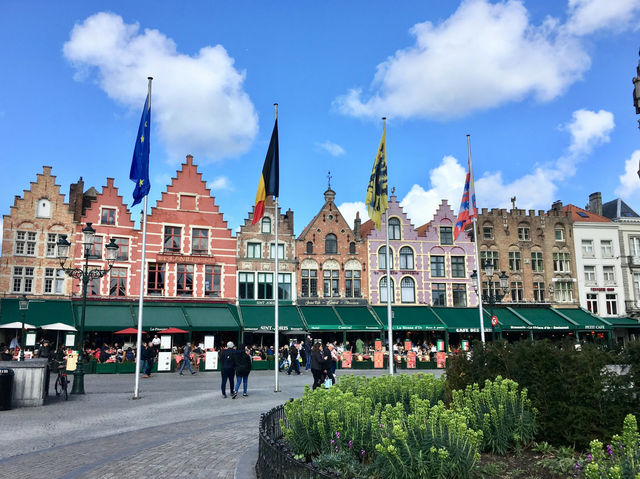
  • Belfry & Market Square
  • Chocolate & Beer
  • Flemish Masters

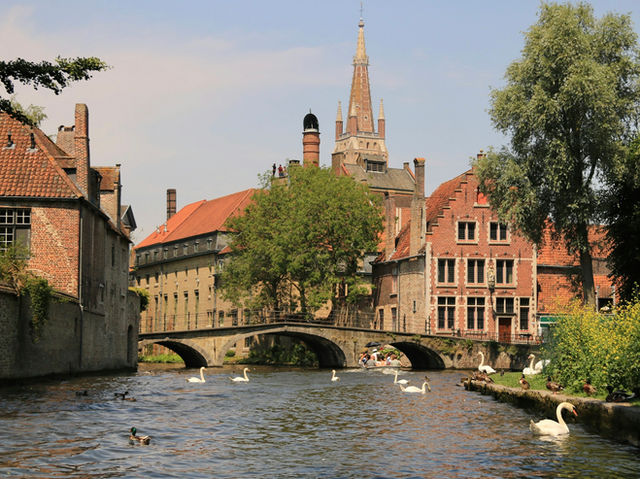
Swans gliding under a stone bridge on a still canal, the carillon of an ancient belfry ringing over red rooftops, and the smell of warm waffles and chocolate drifting across a cobbled square.

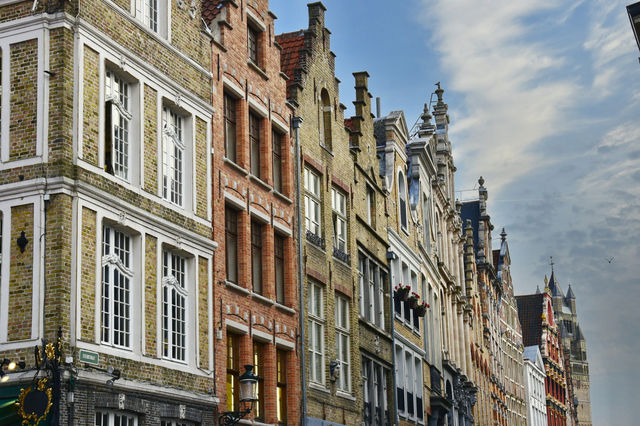
Bruges is a small, near-perfectly preserved medieval city of canals, cobbles and stepped gable-fronts, once one of Europe's richest trading towns and frozen in its golden-age looks. It is famously pretty and famously busy — but stay a night, and the fairytale is yours once the day-trippers leave.

Type
town
Ideal length
~approx 1–2 days
Getting around
an entirely walkable medieval centre
Neighbourhoods
3 areas
Best season / months
April to June and September — mild, and either side of the summer and Christmas crushes
Language
Dutch (Flemish); French and English widely used
Currency
euro (€)
Budget level
moderate to high — a popular, compact tourist town
Good for
  • First-timers
  • Couples
  • Art
  • Food
▸ Discover

About Bruges

Bruges sits in Flanders, in northwest Belgium, a compact medieval core ringed by the line of its old moat and threaded with canals. It grew rich on cloth and trade in the Middle Ages, then quietly stagnated as its harbour silted up — which is precisely why so much survives, the whole centre a weave of canals, brick gable-houses, market squares and churches barely changed in five centuries. It is small enough to cross on foot in twenty minutes, and best explored slowly, by lane and by boat.

Bruges is home to a UNESCO World Heritage Site — Historic Centre of Brugge — inscribed in 2000.

Why go

Bruges is one of the best-preserved medieval towns in Europe, and it looks it — a genuinely enchanting place of canals, belfries and Flemish-Gothic houses, with two of the finest small art collections in the country and a serious devotion to chocolate and beer. Yes, it is touristy and can feel like a film set by day; the answer is to stay over, wander the quiet edges, and let the crowds be someone else's problem.

Don't miss

  • The Markt and the Belfry — the great square and its climbable tower
  • The Burg and the Basilica of the Holy Blood — the civic and sacred heart
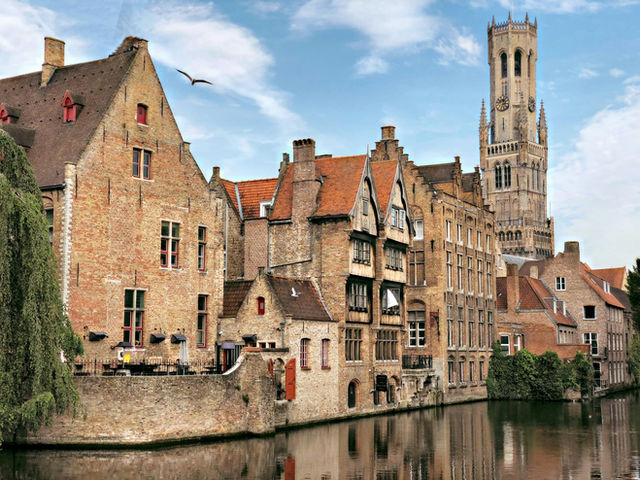
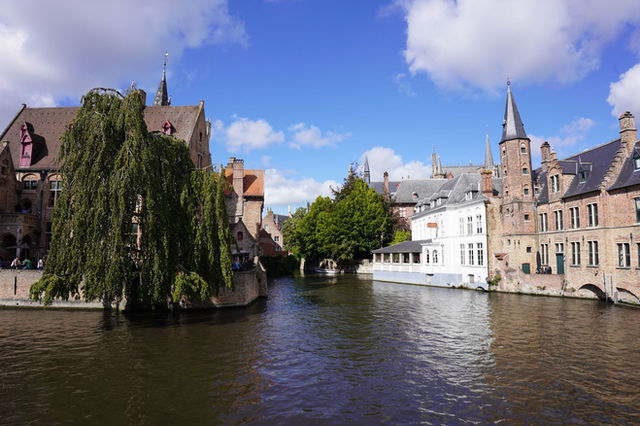
  • The canals — best seen from a boat and the Rozenhoedkaai
  • The Groeningemuseum — the Flemish Primitive masters
  • The Béguinage and Minnewater — the tranquil convent and the "Lake of Love"

Signature experiences

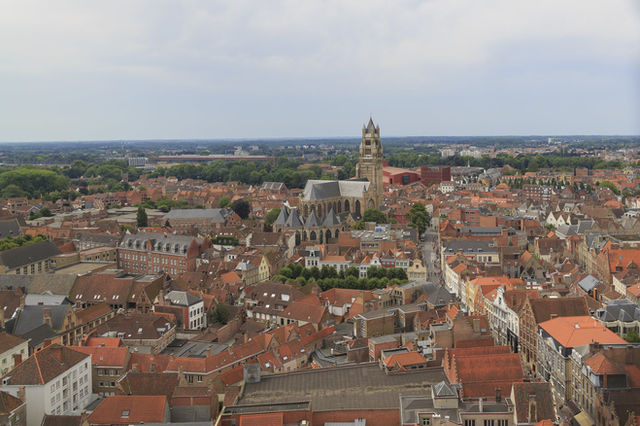
The squares and the belfry — Start where Bruges has always centred, on the Markt beneath the great medieval belfry — climb its 360-odd steps for the view over the red roofs and the carillon bells up close. Next door, the Burg holds the finest buildings in town, including the Basilica of the Holy Blood, which claims a relic of Christ's blood brought back from the Crusades. Between them run the cafés and the horse-carriages. **The canals, on foot and by boat** — Bruges earns its "Venice of the North" tag on the water — a boat trip glides you under low bridges past the backs of the gable-houses, and walking the quays, especially the Rozenhoedkaai and the Bonifacius bridge, gives the classic reflections. Early morning and dusk, with the day-trippers gone, are when the canals are most magical. **The Flemish masters** — For a small town, Bruges holds an astonishing art collection — the Groeningemuseum's Flemish Primitives, the jewel-like precision of Van Eyck and Memling, painted when the city was one of Europe's richest. The Church of Our Lady adds a rare Michelangelo, his Madonna and Child, one of the few of his works to leave Italy in his lifetime. **Chocolate and beer** — Bruges takes both seriously. The chocolate shops are everywhere and the good ones are very good; a tasting or a workshop is an easy pleasure. And Belgium's beer culture runs deep — a working brewery in the centre, Trappist and abbey ales to work through, and cosy old bars to drink them in. Waffles and frites fill the gaps.

Neighbourhoods

Bruges neighbourhood by neighbourhood — the character of each and who it suits.

  • The Markt and the Burg

    The two great squares at the town's heart — the vast market square under the belfry, and the older civic square beside it, ringed by the finest buildings in Bruges.

    Why go
    The single densest run of landmarks, all a few steps apart.
    Best for
    First-time sightseeingthe belfry climbthe squares
    Known for
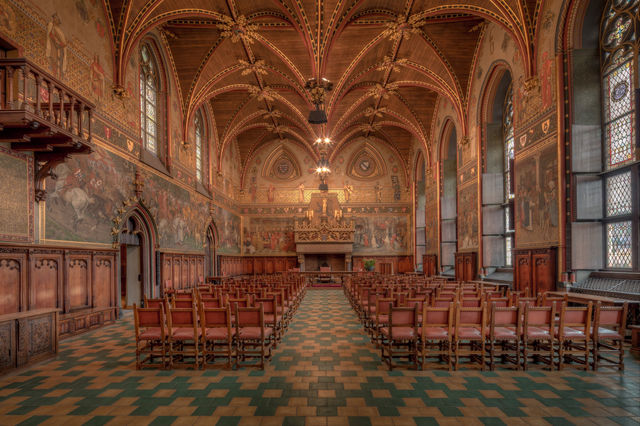
    The Markt with its belfry and gabled guildhalls, the Burg square with the Gothic town hall, the Basilica of the Holy Blood, and the horse-carriages and cafés between.
  • The Canal Quarter

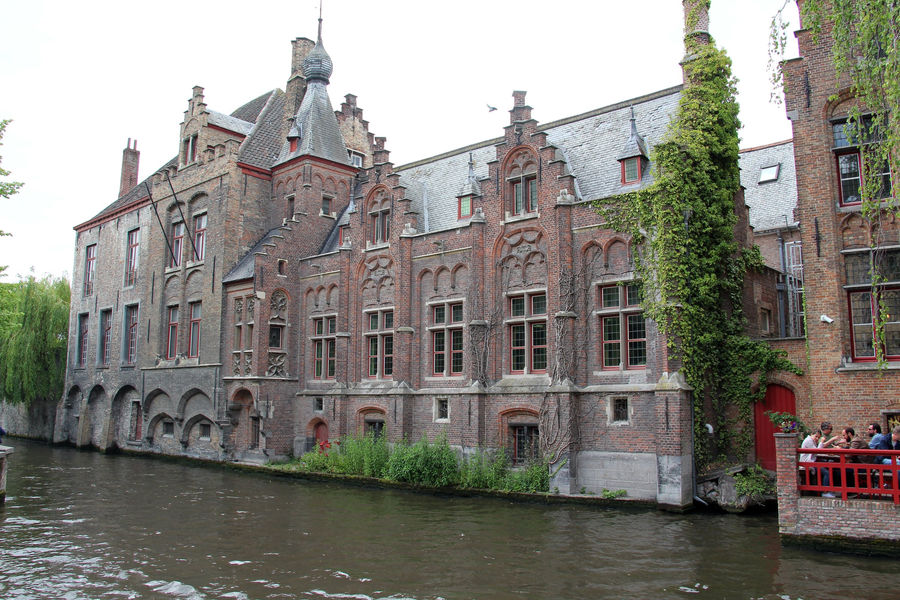
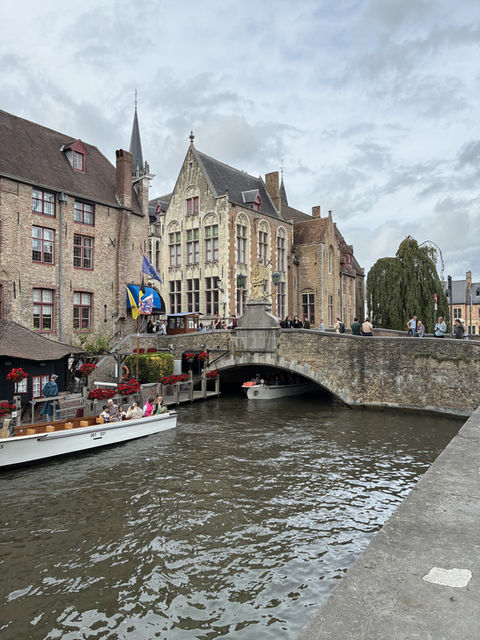
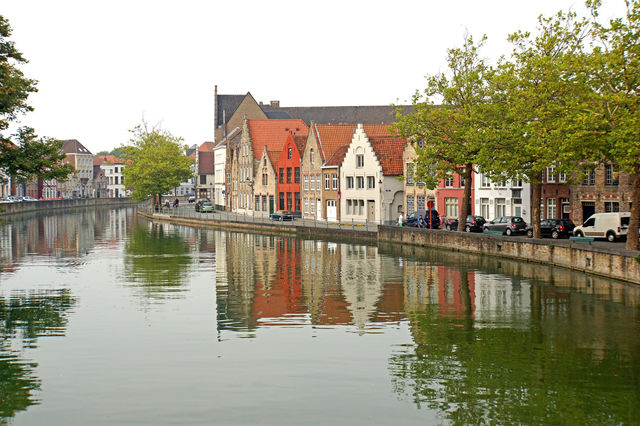
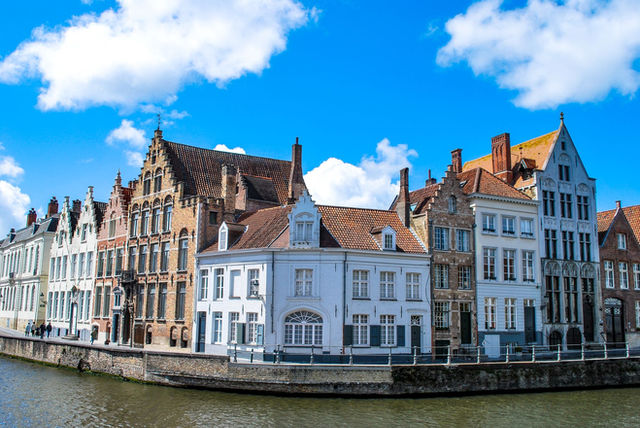
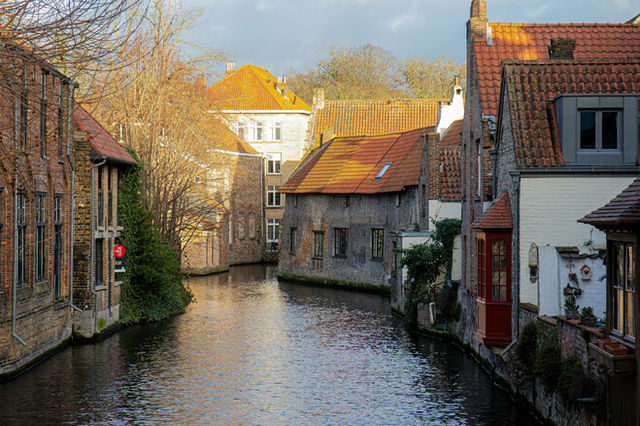
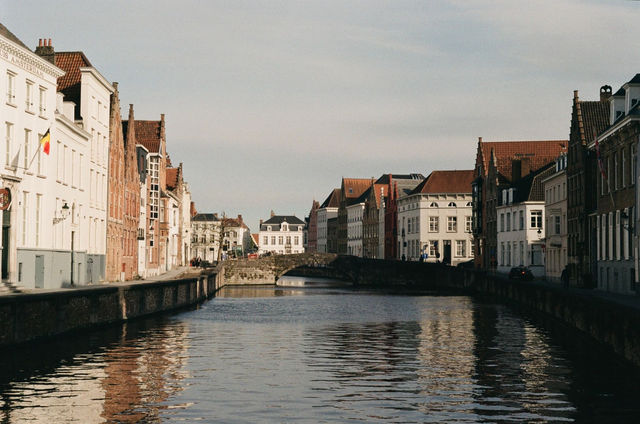
    The web of canals and stone bridges south and east of the squares — the postcard Bruges of reflected gable-houses, quiet quays and willow-hung water.

    Why go
    The canals, the boat trips, and the most photographed corners.
    Best for
    Canal walksboat tripsphotography
    Known for
    The Rozenhoedkaai canal view, the Bonifacius bridge, the Church of Our Lady with its Michelangelo Madonna, the Groeningemuseum, and the boat jetties.
  • The Béguinage and the South

    The quieter southern edge of the old town — a tranquil walled convent, a willow-lined lake, and the calmer residential lanes away from the day-trip core.

    Why go
    The peace, the Béguinage, and the Lake of Love.
    Best for
    A quiet walkgardenscalm
    Known for
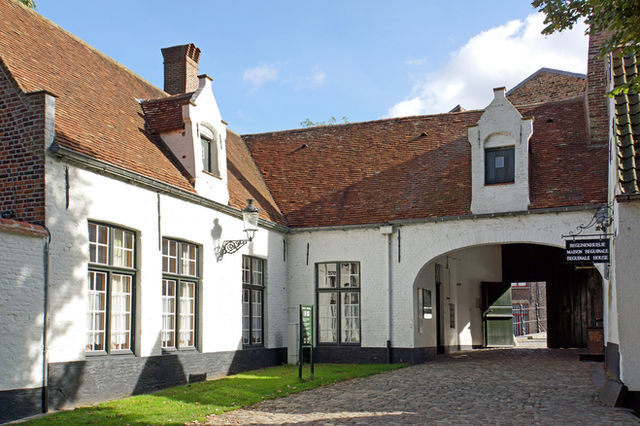
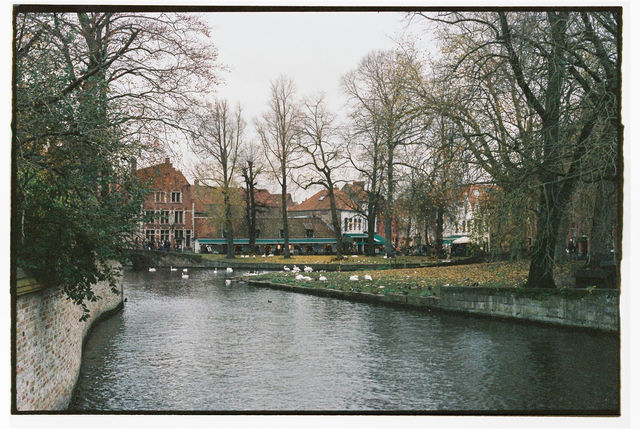
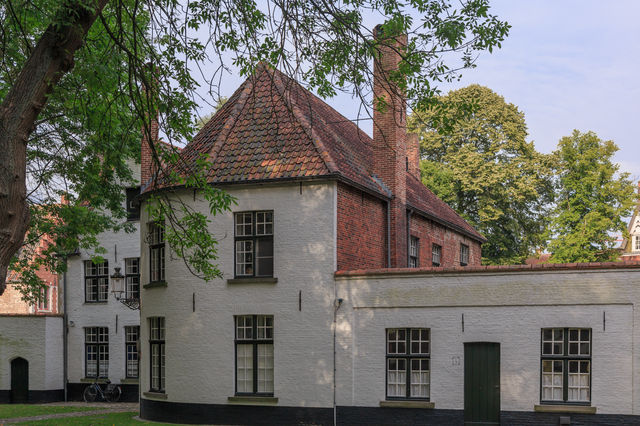
    The Béguinage (Begijnhof) and its white houses and daffodil courtyard, the Minnewater "Lake of Love" and its swans, and the almshouses and quiet lanes nearby.

Views & hidden gems

Best views

  • The Belfry tower — over the roofs and the squares
  • The Rozenhoedkaai — the most photographed canal view in the city
  • The Bonifacius bridge — a hidden stone bridge behind the Church of Our Lady
  • The Minnewater — the willow-lined "Lake of Love" and its swans

Hidden gems

  • The Béguinage courtyard — a tranquil walled convent, especially at daffodil time
  • The Sint-Janshospitaal — a medieval hospital with a fine Memling collection, often quiet
  • The De Halve Maan brewery — a working brewery with a rooftop and an underground beer pipeline
  • The almshouses (godshuizen) — tiny whitewashed charitable cottages down side lanes
  • The eastern canals around Sint-Anna — the town's quiet, un-touristed side

Food & drink

Bruges eats hearty Flemish food and drinks world-class beer. The classics are moules-frites (mussels and chips), the beef-and-beer stew stoofvlees, and shrimp croquettes from the North Sea coast; frites, done properly in a paper cone with mayonnaise, are a national point of pride. Then there is the sweet side — the waffles, and above all the chocolate, with pralines from the good chocolatiers worth the trip. The beer is the other headline: Trappist and abbey ales, and a brewery in the heart of town.

  • Moules-frites — mussels steamed with wine and served with chips
  • Stoofvlees — a rich beef-and-beer Flemish stew, often with frites
  • Garnaalkroketten — North Sea shrimp croquettes
  • Frites — twice-fried chips in a cone, with mayonnaise
  • Belgian chocolate — pralines from the town's chocolatiers
  • Belgian beer — Trappist, abbey and local brews, from a cosy bar
Dietary notes

Vegetarians manage with the frites, cheese croquettes, waffles and the newer restaurants, though the classics are meat- and seafood-heavy — ask. Vegan options are growing in the centre. Halal and kosher food are limited in a small town and best sought in larger cities nearby. Gluten-free is understood in newer places; frites (check the oil) and many stews suit it — confirm.

Bruges in photos

▸ Where you'll stay

Where you'll stay in Bruges

Staying overnight is the secret to Bruges — the day-trippers pour in and out, and the town belongs to those who stay once they leave. Anywhere in the compact centre is walkable; the canal quarter is the most atmospheric, the southern Béguinage end the quietest. Small canal-house hotels and B&Bs are the charm; rates rise in summer and around Christmas, when the market fills the square. Book ahead for the peak weekends.

  • Budget
    The town centre / near the station budget hotels and hostels, walkable to everything in the small centre.
  • Mid-range
    The canal quarter canal-house hotels and B&Bs in the prettiest lanes, steps from the squares.
  • Luxury
    Central Bruges / by the canals converted-mansion boutique hotels with canal views and gardens.
Stay

Hotels & rentals around Bruges

Pan, zoom and compare live prices — every stay in one map.

▸ Getting around

Getting around Bruges

The compact medieval centre is entirely walkable — you can cross it in twenty minutes, and a car is a genuine liability in the narrow, car-restricted lanes. Buses link the station to the centre and the edges, and canal boats offer the loveliest way to see the town. Rent a bike, as many locals do, for the wider ring and the countryside.

Everything in the old town is a short walk apart (~approx) — the squares, the canals and the Béguinage are all within fifteen minutes of each other. The station is a ten-minute walk or short bus from the Markt.

▸ Plan your days

Suggested itineraries

Ready-made day plans for Bruges — from a single day to a long weekend.

One day

Start on the Markt and climb the belfry for the rooftop view, then see the Burg and the Basilica of the Holy Blood next door. Take a canal boat trip, walk to the Church of Our Lady for the Michelangelo Madonna and the Groeningemuseum for the Flemish masters, and end at the tranquil Béguinage and the Minnewater as the day-trippers leave.

Two days

Give day two to the quieter pleasures. Wander the eastern canals and the Sint-Anna lanes away from the crowds, tour the De Halve Maan brewery, taste at an artisan chocolatier, and spend the evening over mussels and Belgian beer in a back-street bistro now the town is yours.

▸ What you'll do

Insider tips

  • Stay overnight — it is the single best thing you can do in Bruges, turning a crowded day-trip into a private fairytale once the coaches leave.
  • Book the belfry climb ahead in peak season, and go early; the tower's timed, narrow stair queues badly by midday.
  • The centre is tiny and entirely walkable — don't bother with transport, and leave any car at the edge.
  • Buy chocolate from an artisan, not the flashiest shop on the square, and consider a brewery tour for the beer side.
Explore

Explore the area

© OpenFreeMap · OSM · terrain Mapterhorn
Do

Local attractions & tours

Skip-the-line tickets and small-group tours in Bruges — compare across our partners.

We're still curating hand-picked tickets and tours for Bruges. In the meantime, the map above and the nearby cities are a great place to start.

▸ Budget

What it costs in Bruges

Backpacker
roughly €55–80 a day.
Mid-range
roughly €120–190 a day.
Luxury
€320 a day and up.
Cash vs card
Cards and contactless are widely taken; keep a little cash for frites stands, small cafés and the boat trips.
Tipping
Not expected — service is included; rounding up for good service is plenty.
▸ When you'll go

When to visit Bruges

April to June and September — mild, and either side of the summer and Christmas crushes

Spring

What to expect — Cool and changeable early, warming into mild, pretty weeks, with the Béguinage daffodils out and the canals fresh. Rain is never far away.

What's best — The daffodils in the Béguinage, mild walking weather, blossom along the canals, and the town before the summer crush.

Summer

What to expect — Mild rather than hot, long days, and the busiest, most crowded season, with the squares and canals packed by day and the boats queuing.

What's best — Long light for evening canal walks, café terraces, and the town at its liveliest — though you'll want to be up early or out late to escape the day crowds. Stay over to reclaim it.

Autumn

What to expect — Cooling, crisp and often golden, the summer crowds thinning, the light soft on the brick and water. Damp and shortening days later on.

What's best — Fewer crowds, atmospheric misty canals, cosy bars and the first cold-weather stews and beers. A lovely time for the town.

Winter

What to expect — Cold, grey and often damp, with short days, but December sparkles with one of Belgium's loveliest Christmas markets on the Markt. Deep winter is quiet.

What's best — The Christmas market and ice rink on the Markt, festive lights on the medieval fronts, cosy beer bars, and — outside the market weekends — a quiet, cheap, atmospheric town.

▸ Know before you go

Know before you go

Honest swaps

Skip judging Bruges by the midday crowds → stay a night and walk the canals early or late, when the town is yours.

Skip the tourist-menu restaurants on the Markt → eat mussels or stew in a back-street bistro a few lanes away.

Skip the mass-market chocolate shops → buy from a proper artisan chocolatier for the real thing.

Skip driving into the centre → park at the station or edge and walk; the old town is tiny and car-hostile.

Crowds & timing

The Markt, the belfry and the boat jetties are busiest midday with day-trippers and cruise groups — go early or in the evening, and book the belfry to skip the queue.

Summer weekends and the Christmas market fill the town; midweek and overnight stays are far calmer.

Local rules & etiquette

The Béguinage is a place of quiet — keep your voice down and stay on the paths in the courtyard.

Cover shoulders and knees for the churches, and mind photography rules around the Michelangelo Madonna and the Holy Blood relic.

The belfry climb is steep and narrow with timed entry in peak season — book ahead.

Money

Cards work almost everywhere; keep a little cash for frites stands and the boat trips.

Use bank ATMs and decline dynamic currency conversion.

After dark

The centre is gentle after dark — cosy beer bars and candlelit restaurants more than a nightlife scene.

't Zand and a few squares have the livelier bars; the canals are for a quiet floodlit stroll.

This is a town that goes early to bed — the evening is for beer, dinner and a canal walk.

▸ Ready to book your trip?

Getting there

Bruges has no major airport of its own — most visitors arrive by train, an easy ride from Brussels (and its airport) in about an hour, or from Brussels South Charleroi by bus and train. Bruges station sits a short walk or bus ride south of the medieval centre; the whole old town is then on foot.

Book

Ready to book your trip?

Flights, airport transfers and car hire — search and compare without leaving the page.

▸ Trip extras
Book

More trip extras

Parking, holiday extras, and more — coming soon.

Coming soon

We're lining up parking, holiday extras and activities you'll be able to add to any trip from here.