
Benin — hero
← All destinations Country

Benin

West Africa's best-kept secret. Ancient kingdoms, sacred forests, and the living roots of Voodoo culture — Benin rewards the curious traveller with depth, warmth, and almost no crowds.

  • Currency Fr West African Cfa Franc (Fr)
  • Language French
  • Best time November – February
  • Visa Visa required — apply for the e-visa at least 7 days ahead, collected at Cotonou; yellow-fever mandatory
Why visit

Why Benin

West Africa's best-kept secret. Ancient kingdoms, sacred forests, and the living roots of Voodoo culture — Benin rewards the curious traveller with depth, warmth, and almost no crowds.

  • The Royal Palaces of Abomey (UNESCO) and the Dahomey Agojie-warrior heritage
  • Ouidah's slave route — the Door of No Return, Python Temple and Vodun festival
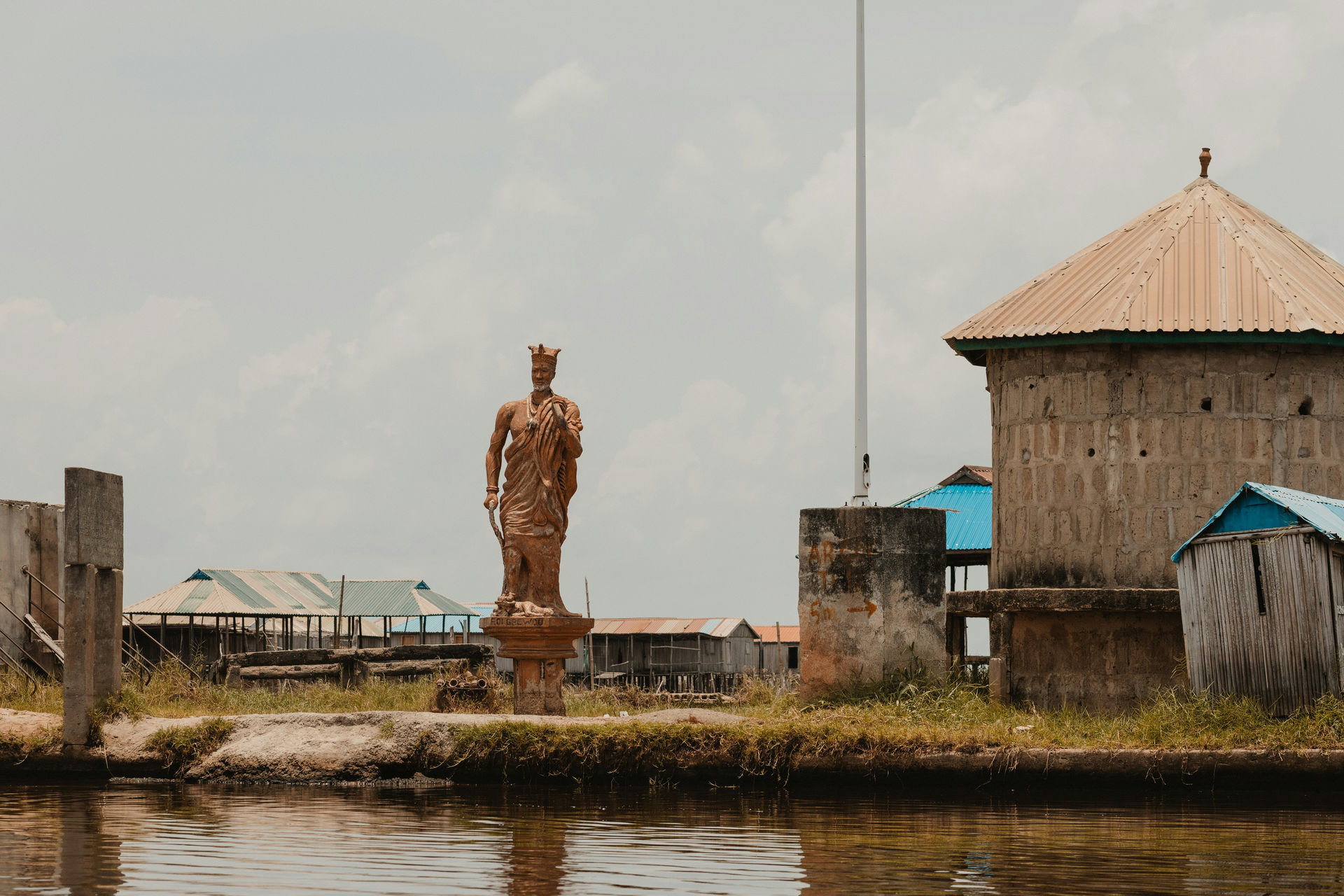
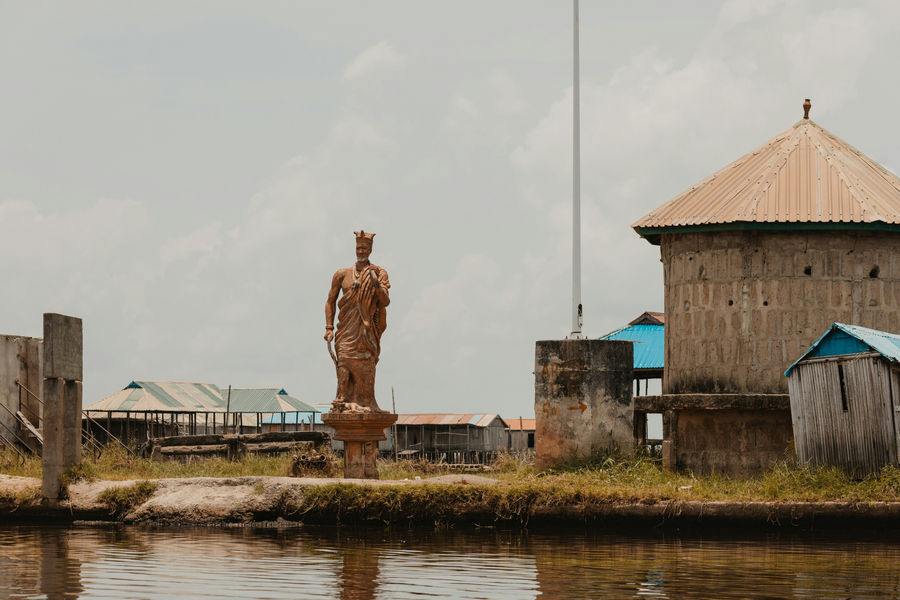
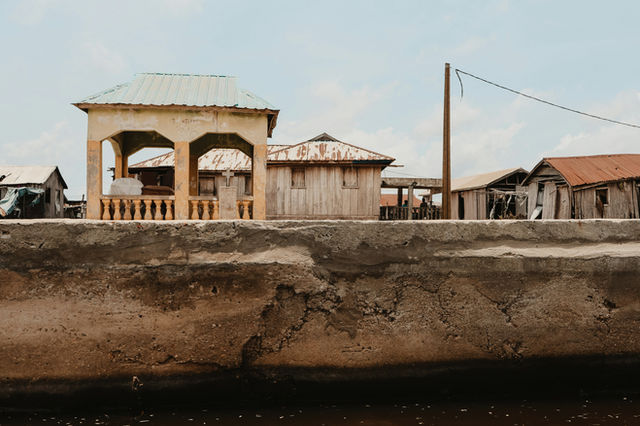
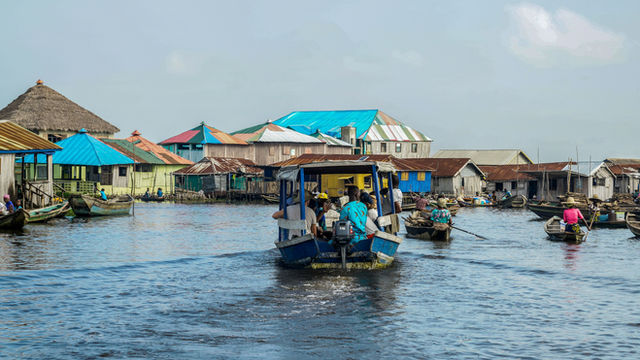
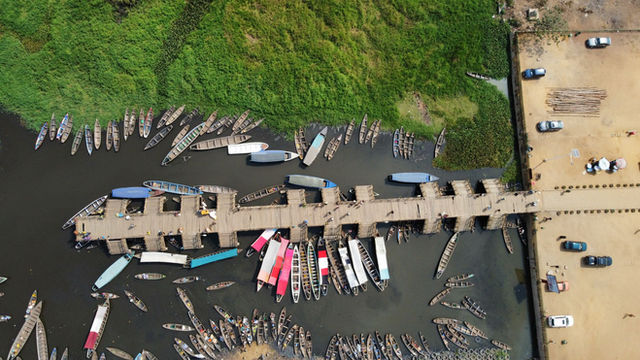
  • Ganvié, the stilt village on Lake Nokoué reached by pirogue
  • Pendjari National Park safari — elephants and lions — in the far north
Read more

Benin punches far above its weight for experiential and culturally immersive travel. The royal palaces of Abomey — a UNESCO World Heritage Site — tell the epic story of the Dahomey Kingdom with a power that no museum elsewhere can replicate. History here isn't archived; it breathes.

For families and soft adventurers, the Pendjari National Park in the north is one of West Africa's finest wildlife sanctuaries — lions, elephants, and hippos with refreshingly intimate safari crowds. Pair it with a pirogue trip through the stilt village of Ganvié, the 'Venice of Africa', and you have moments children simply never forget.

Benin is the undisputed spiritual homeland of Voodoo, and its community-led ceremonies and living traditions offer a rare window into a globally misunderstood culture — respectful, revelatory, and entirely authentic. A genuine dupe for over-touristed West African circuits.

A pillar, not a footnote

Eat your way through Benin

The single reason many travellers come back — the food culture worth reshaping a trip around, and the dishes to seek out region by region.

Benin

Maize-paste pâte and red amiwo under peanut and okra sauces — in the birthplace of Vodun and fiery sodabi.

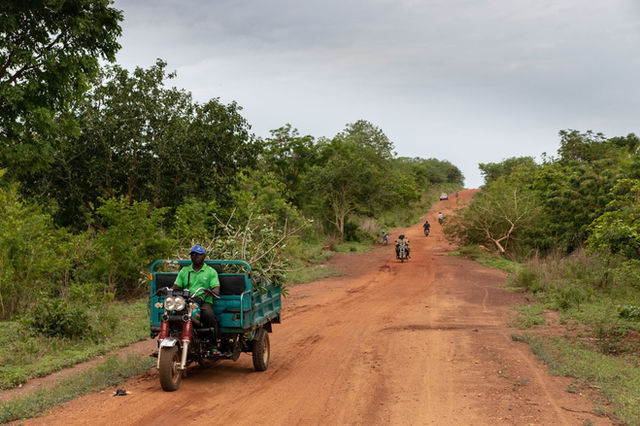
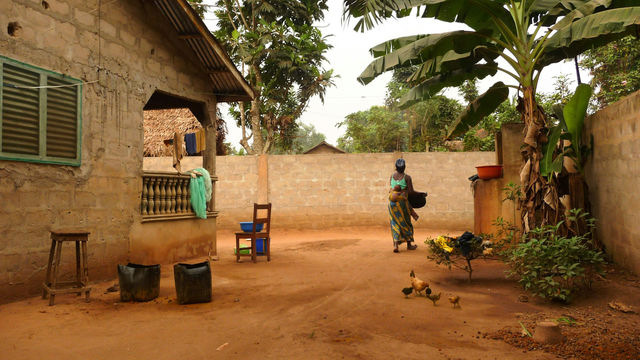
Benin builds its meals on maize paste and bold sauce. There's plain pâte, a soft cornmeal or yam dough, and its livelier cousin amiwo, the same paste cooked red with tomato, onion, palm oil and chilli. Around them go peanut mafé, slippery okra sauce, and poulet bicyclette — lean free-range 'bicycle chicken' grilled at the roadside — with aloko, fried ripe plantains, alongside.

Palm oil, chilli and fermented locust bean (afitin) are the pantry that ties it together, and kuli-kuli peanut sticks are the snack in every hand. This is the cradle of Vodun, and its fierce artisanal palm spirit, sodabi, is both a drink and a ritual offering. The north brings something else again: fried wagasi, the Fulani cow's-milk cheese. Bold, cheap, deeply West African eating.

Dishes to seek out
  • Pâte (corn
  • cassava or yam paste staple)
  • Amiwo (red maize paste in tomato sauce)
  • Sauce arachide (peanut-butter stew)
  • Poulet bicyclette (grilled free-range chicken)
  • Aloko (fried ripe plantains)
  • Wagasi (fried Fulani cheese)
  • Sodabi (palm-wine spirit)
Things to do

Nature, culture & hidden gems

Editorial content coming soon

We're hand-picking the standout places, hidden gems and can't-miss activities in Benin. Meanwhile, the cities above are a great starting point.

Plan your trip

Curated Benin itineraries

Browse all Benin trips →
When to go

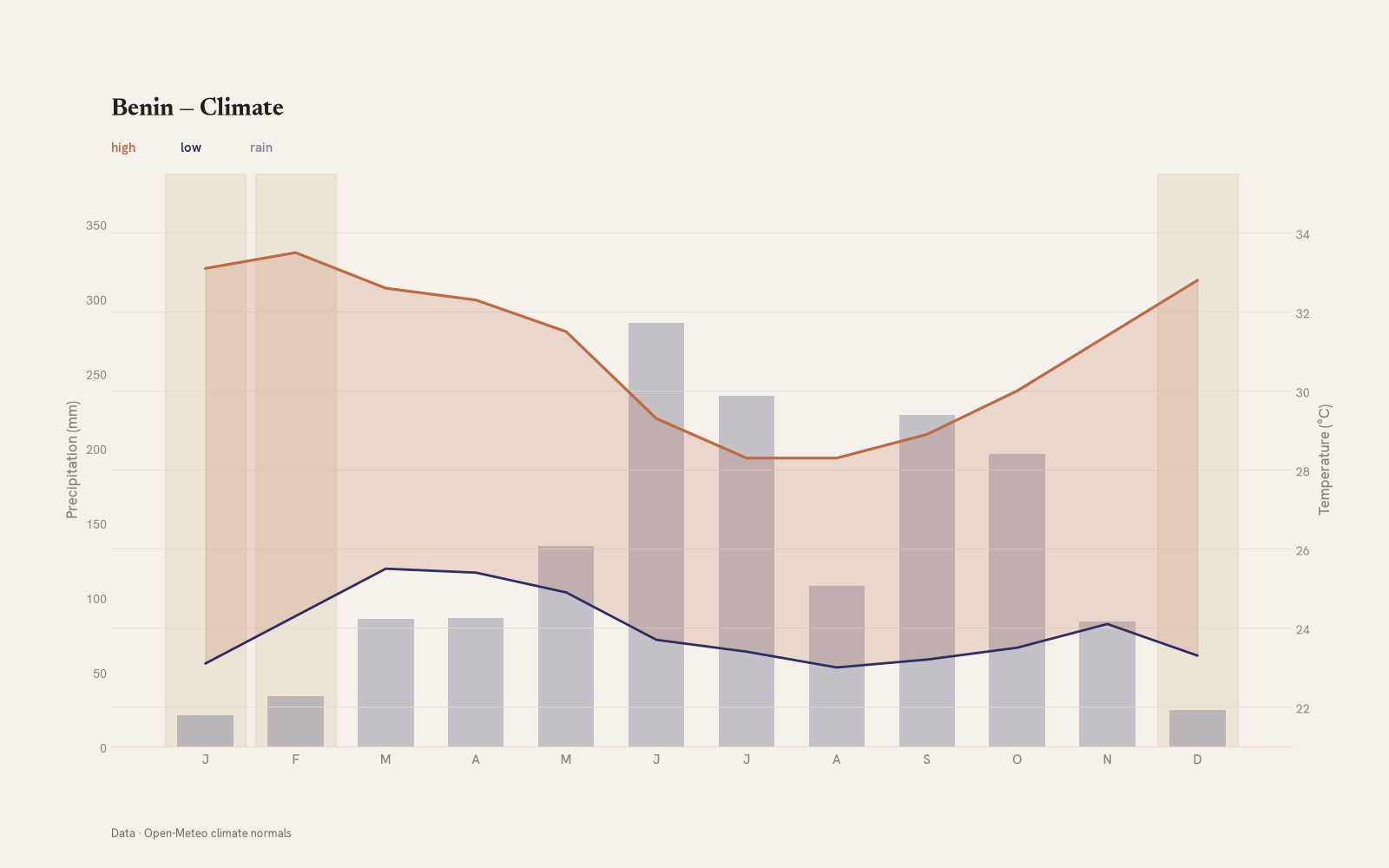
Weather & timing in Benin RIGHT NOW 28° clear

Best Dec–Feb · Shoulder Apr, Aug, Nov

  1. Jan / -4°
  2. Feb / -2°
  3. Mar 12° /
  4. Apr 18° /
  5. May 24° / 14°
  6. Jun 28° / 18°
  7. Jul 30° / 20°
  8. Aug 28° / 18°
  9. Sep 24° / 14°
  10. Oct 18° /
  11. Nov 12° /
  12. Dec / -2°

Best time to visit

November – February

Best for
  • Culture
  • Cuisine
  • Landscape
  • History
At a glance
Sunshine 7 hr/day (est.)
Rain days 8 days/mo (est.)
Wettest December · 60mm
Driest June · 10mm
Part of West Africa →
By season
Spring (Mar–May)

What to expect — Daytime highs average about 18°C with overnight lows near 8°C, and it stays largely dry.

What's best — Apr is comfortable, with thinner crowds.

Summer (Jun–Aug)

What to expect — Daytime highs average about 29°C with overnight lows near 19°C, and it stays largely dry.

What's best — Aug is comfortable, with thinner crowds.

Autumn (Sep–Nov)

What to expect — Daytime highs average about 18°C with overnight lows near 8°C.

What's best — Nov is comfortable, with thinner crowds.

Winter (Dec–Feb)

What to expect — Daytime highs average about 7°C with overnight lows near -3°C.

What's best — Dec, Jan and Feb are among the best time to visit — good weather with manageable crowds.

A little context

A little history

To read what you're looking at — the empires and eras that shaped Benin's food, art and streets.

The Kingdom of Dahomey (c.1600–1894), a powerful Fon state at Abomey with its female Agojie warriors and the Atlantic slave port of Ouidah — leaving royal palaces (UNESCO), the Ouidah slave-route memorials and Benin as the cradle of Vodun — conquered by France from 1894 as French Dahomey, making French the official language and shaping the cuisine — independent as Dahomey on 1 August 1960 — a Marxist-Leninist People's Republic under Mathieu Kérékou from 1975 to 1990, renamed Benin, before a landmark 1990 conference restored multiparty democracy — with Ouidah's role in the transatlantic slave trade leaving a living Vodun heritage and the 10 January festival that still defines cultural identity and draws heritage tourism.
Before you book

Know before you go

The practical back-matter — safety, drones and the essentials, in one place.

Safety

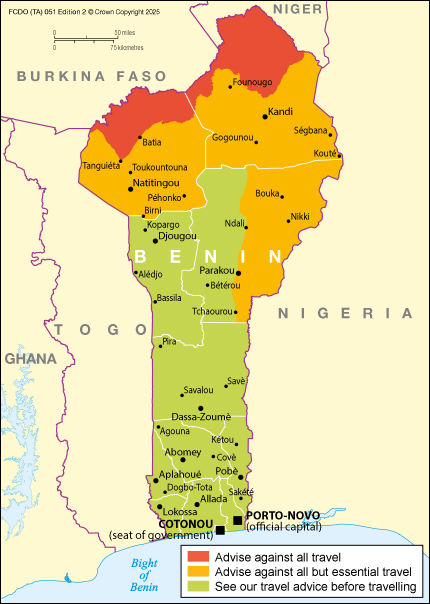
Moderate — check FCDO advice FCDO advice →

Official UK Foreign, Commonwealth & Development Office guidance is the definitive source — check it close to your travel dates.

Drone rules (sub-250g)

  • Benin
    Flyable with lead time: visitors must register the drone with ANAC, carry third-party insurance and get prior authorisation, lodged around 30 days ahead — then fly by day, within sight, under 120m and away from crowds and aerodromes. ⚠ Keep several kilometres from aerodromes and clear of government and military sites; the northern parks (Parc du W, Pendjari) and the Burkina Faso/Niger border belts are FCDO advise-against-travel zones and sensitive for aerial photography. Rules checked: Jul 2026

National parks, protected sites and religious/heritage venues often have their own rules and permits — always check the specific site before you fly.

The essentials

Plug & voltage Type C/E · 220V
Daily budget Budget-friendly
Region Western Africa