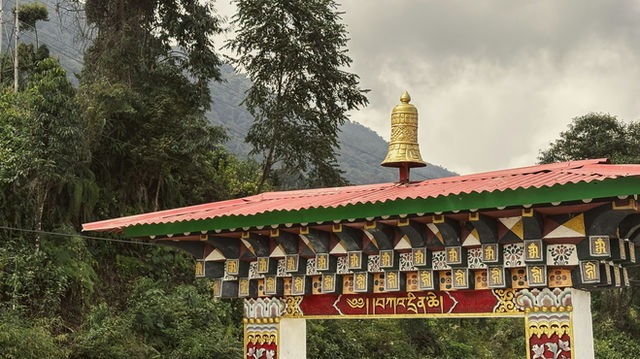
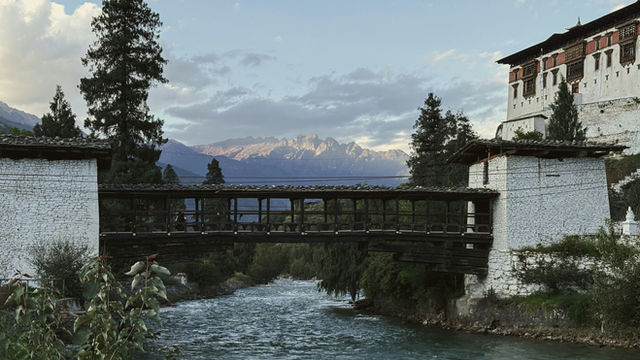
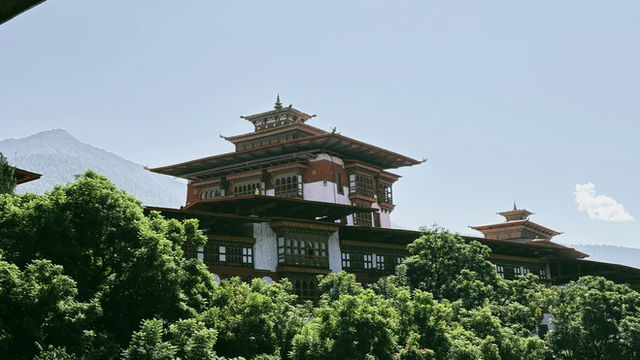
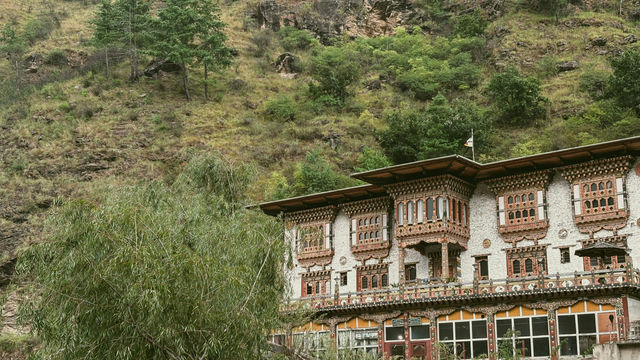
Bhutan — hero
← All destinations Country

Bhutan

The world's only carbon-negative kingdom. Bhutan rewards the mindful traveller with high-altitude treks, Vajrayana spiritual retreats, and a regenerative tourism model that genuinely gives back to the Himalayas.

  • Currency Nu. Bhutanese Ngultrum (Nu.)
  • Language Dzongkha
  • Best time October – March
  • Visa Visa required — US$40 + US$100/night Sustainable Development Fee
Why visit

Why Bhutan

The world's only carbon-negative kingdom. Bhutan rewards the mindful traveller with high-altitude treks, Vajrayana spiritual retreats, and a regenerative tourism model that genuinely gives back to the Himalayas.

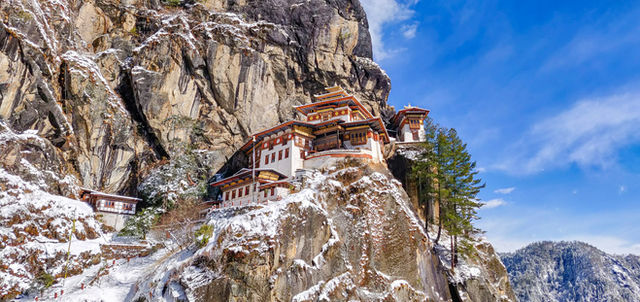
  • Tiger's Nest (Paro Taktsang) cliffside monastery
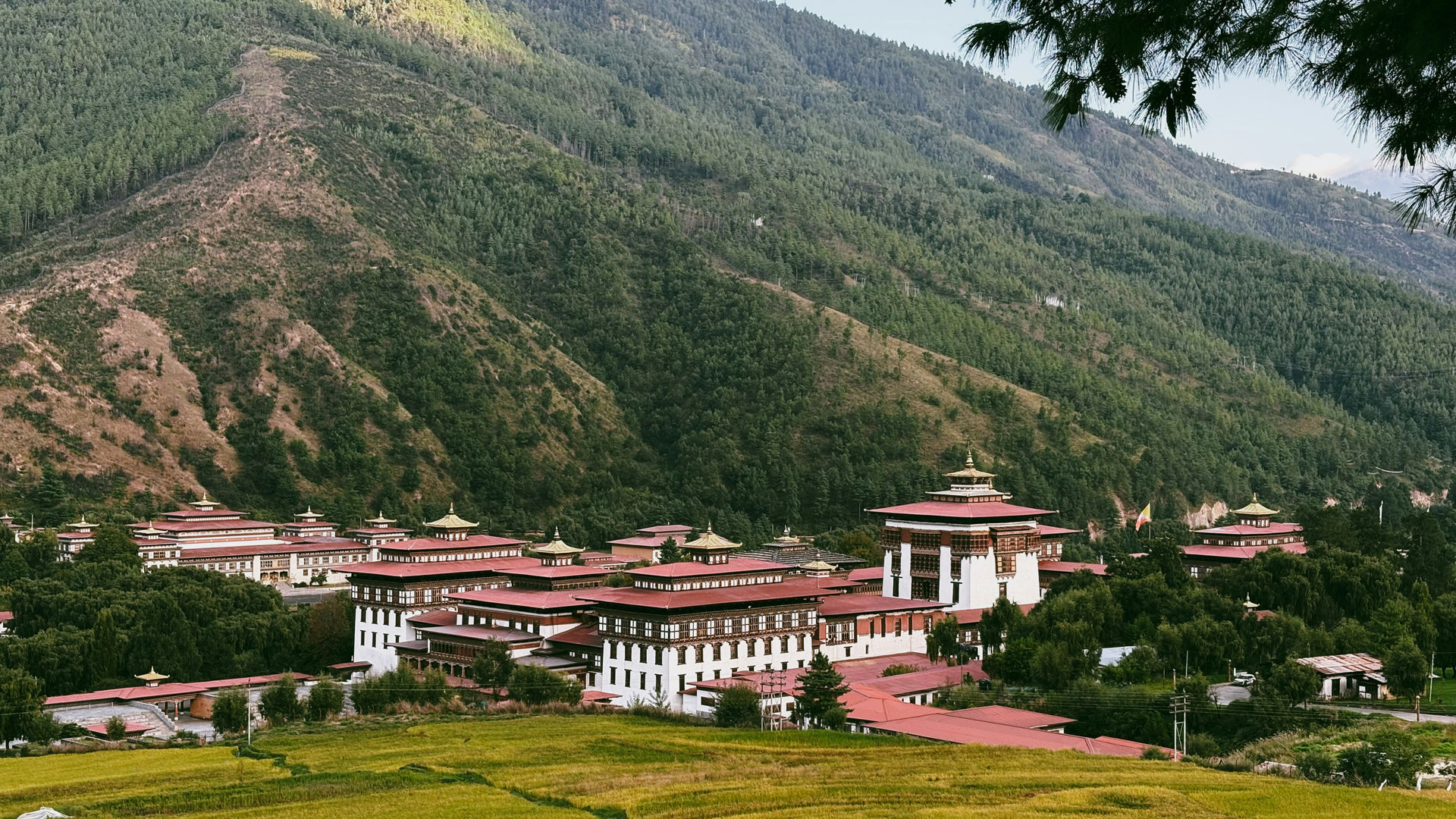
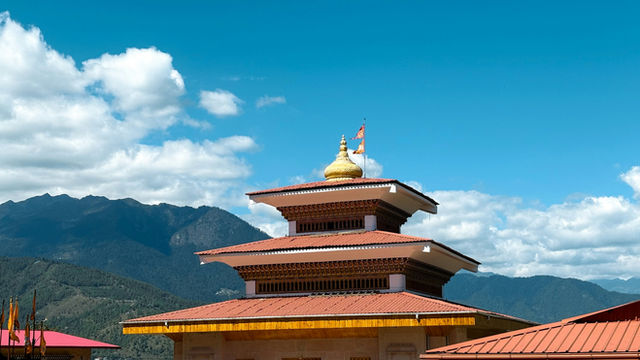
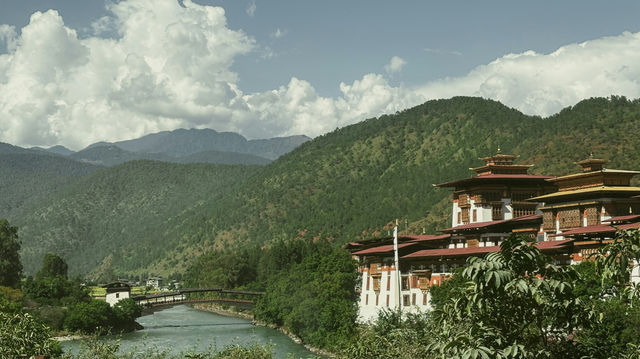
  • Fortress-monasteries (dzongs) and Himalayan valleys
  • Buddhist tsechu festivals with masked dances
  • Trekking through pristine, carbon-negative landscapes
Read more

Bhutan doesn't do mass tourism — and that's precisely the point. The kingdom's high-value, low-volume philosophy means every visit is curated, unhurried, and deeply meaningful. Trek to Tiger's Nest before 9 AM and you'll share the mist with monks, not crowds.

For families and remote workers alike, bleisure is quietly thriving in Paro and Thimphu, where boutique heritage lodges sit alongside surprisingly connected co-working spaces. It's the rare destination where a board meeting and a mountain monastery feel like natural neighbours.

Regenerative and community-led tourism is woven into Bhutan's DNA — visitor spending actively restores Himalayan forests and sustains local artisans in secondary valleys like Bumthang. Pair that with an extraordinary organic food culture and Bhutan becomes not just a destination, but a conviction.

A pillar, not a footnote

Eat your way through Bhutan

The single reason many travellers come back — the food culture worth reshaping a trip around, and the dishes to seek out region by region.

Bhutan

The only cuisine where chilli is the vegetable, not the spice — melted cheese, raw heat and red rice.

Bhutan is the one country that treats the chilli not as seasoning but as the main event. The national dish, ema datshi, is exactly that — fat green (or fierce red) chillies stewed in a sauce of melted local datshi cheese, ladled over nutty red rice and eaten until your ears sing. It is not a side; it is the meal, and Bhutanese eat it every day without blinking.

From there the pattern repeats, cheese meeting chilli over whatever the valley grows: kewa datshi with potato, shamu datshi with wild mushroom, cool goen hogay cucumber salad to take the edge off. There's smoky phaksha paa, pork belly simmered with dried chillies and radish, and Tibetan-style momos folded by hand. Wash it down with salty, buttery suja tea, or a fiery homemade ara spirit if a farmhouse offers. Simple, ferocious, mountain food — come with a tolerance for heat and a sense of humour.

Dishes to seek out
  • Ema datshi (chillies in cheese sauce)
  • Kewa datshi (potato & chilli cheese)
  • Shamu datshi (mushroom & chilli cheese)
  • Red rice
  • Phaksha paa (pork with red chillies)
  • Momos (Tibetan dumplings)
  • Suja (salty butter tea)
Things to do

Nature, culture & hidden gems

Editorial content coming soon

We're hand-picking the standout places, hidden gems and can't-miss activities in Bhutan. Meanwhile, the cities above are a great starting point.

Plan your trip

Curated Bhutan itineraries

Browse all Bhutan trips →
Where to stay

Hand-checked places in Bhutan

Browse all Bhutan stays →
When to go

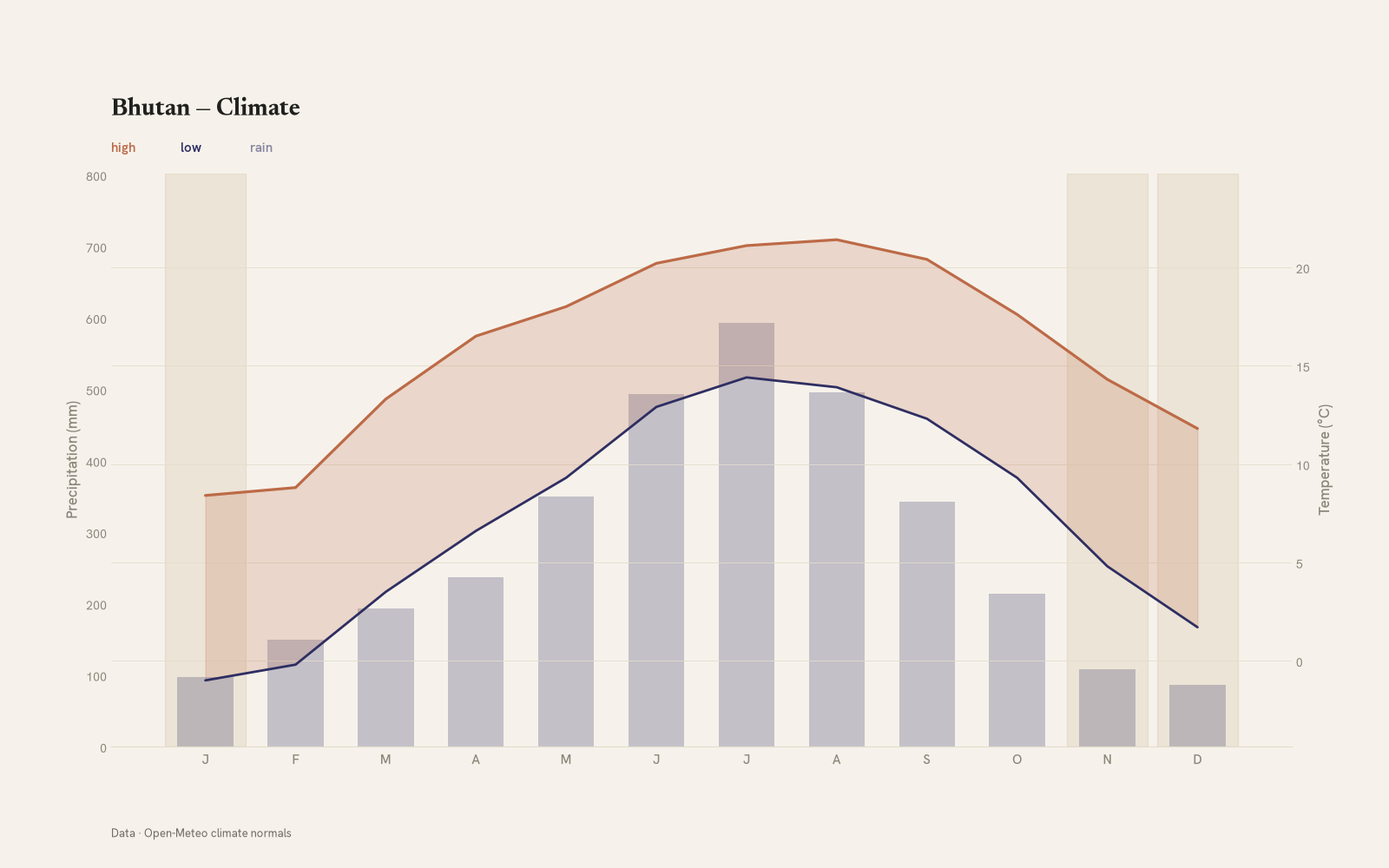
Weather & timing in Bhutan RIGHT NOW 21° drizzle

Best Nov–Jan · Shoulder Feb–Mar, Oct

  1. Jan / -4°
  2. Feb / -2°
  3. Mar 12° /
  4. Apr 18° /
  5. May 24° / 14°
  6. Jun 28° / 18°
  7. Jul 30° / 20°
  8. Aug 28° / 18°
  9. Sep 24° / 14°
  10. Oct 18° /
  11. Nov 12° /
  12. Dec / -2°

Best time to visit

October – March

Best for
  • Monasteries
  • Himalayan Views
  • Culture
  • Trekking
At a glance
Sunshine 7 hr/day (est.)
Rain days 8 days/mo (est.)
Wettest December · 60mm
Driest June · 10mm
Part of South Asia →
By season
Spring (Mar–May)

What to expect — Daytime highs average about 18°C with overnight lows near 8°C, and it stays largely dry.

What's best — Mar is comfortable, with thinner crowds.

Summer (Jun–Aug)

What to expect — Daytime highs average about 29°C with overnight lows near 19°C, and it stays largely dry.

What's best — Peak heat and the biggest crowds — many travellers prefer spring or autumn.

Autumn (Sep–Nov)

What to expect — Daytime highs average about 18°C with overnight lows near 8°C.

What's best — Nov is among the best time to visit — good weather with manageable crowds. Oct also works well.

Winter (Dec–Feb)

What to expect — Daytime highs average about 7°C with overnight lows near -3°C.

What's best — Dec and Jan are among the best time to visit — good weather with manageable crowds. Feb also works well.

A little context

A little history

To read what you're looking at — the empires and eras that shaped Bhutan's food, art and streets.

The Wangchuck dynasty was established in 1907, a monarchy still central to national identity under the popular fifth 'Dragon King'
never colonised by a European power, Bhutan preserved a distinctive Tibetan-Buddhist culture, the Dzongkha language and fortress dzong architecture largely intact
King Jigme Singye Wangchuck articulated 'Gross National Happiness' in the 1970s, now enshrined in the constitution and behind the high-value, low-impact tourism policy
the king voluntarily devolved power, and first democratic elections in 2008 made Bhutan a constitutional monarchy.
Before you book

Know before you go

The practical back-matter — safety, drones and the essentials, in one place.

Safety

Low risk FCDO advice →

Official UK Foreign, Commonwealth & Development Office guidance is the definitive source — check it close to your travel dates.

Drone rules (sub-250g)

  • Bhutan
    Banned for tourists outright. Under BCAA regulation drone use is restricted to government only — private individuals, tourists and companies may not own or fly them, and no recreational exemption exists at any weight. ⚠ The whole country is off-limits to private and tourist drones; a drone carried in is impounded at Paro airport customs on arrival and returned on departure, and a visitor's guide or tour operator can be fined if they fly. Rules checked: Jul 2026

National parks, protected sites and religious/heritage venues often have their own rules and permits — always check the specific site before you fly.

The essentials

Plug & voltage Type C/D/F/G/M · 230V
Daily budget Expensive (mandatory daily tourist fee)
Region Southern Asia