




Bolivia
Two kitchens in one country — Andean potato-and-chilli highlands, tropical lowland rice-and-beef.
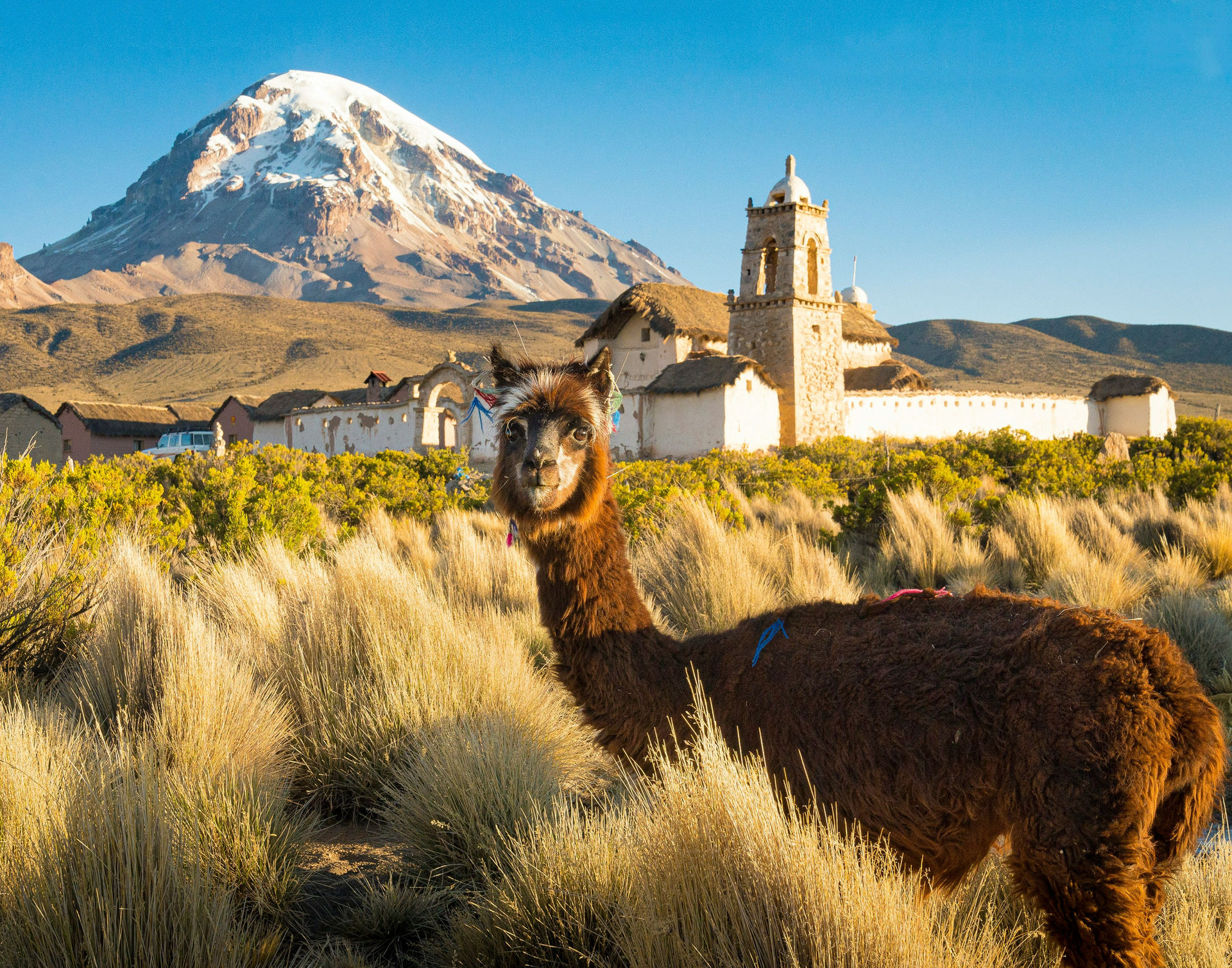
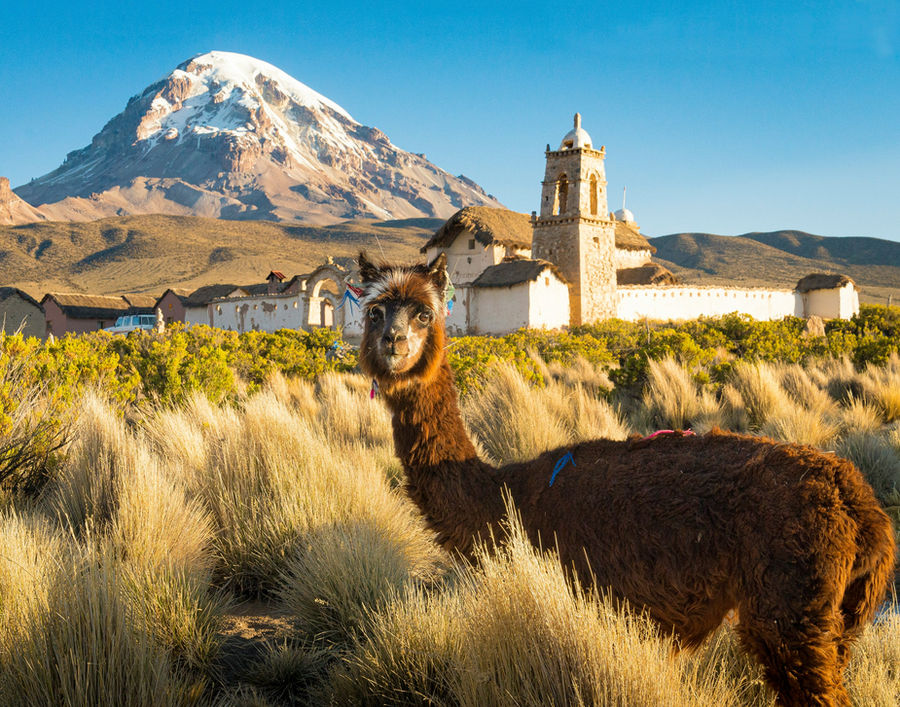
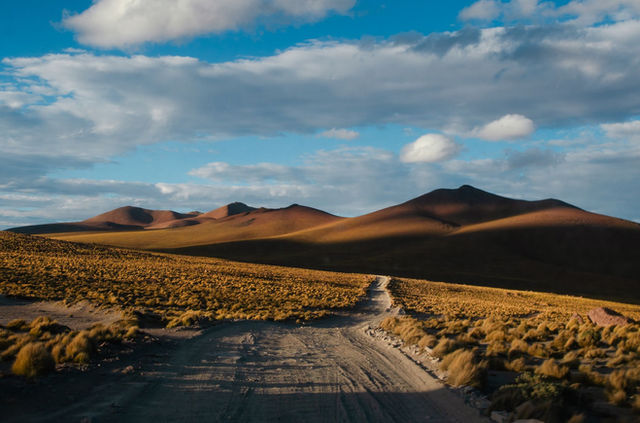
Bolivia is two culinary worlds stacked by altitude. Up on the cold Altiplano, cooking rests on the potato — hundreds of native varieties, plus freeze-dried chuño, quinoa and llama — bound by ají chilli pastes and a fiery llajwa table salsa. Down in the tropical Santa Cruz lowlands it swaps to yuca, plantain, rice and beef. The fixed morning ritual everywhere is the salteña, a baked pastry of juicy sweet-spicy stew, eaten standing up before noon while the filling's still molten.
The everyday anchor is the market almuerzo, a cheap multi-course set lunch ladled out at comedor counters inside the city mercados. Evenings bring charcoal anticucho carts grilling marinated beef heart onto the streets; a Cochabamba plate means a plate-sized breaded cutlet over rice and egg, the silpancho. Chase it with singani, the fragrant national grape brandy, or coca tea against the altitude.
- Salteñas (juicy baked meat pastries)
- Silpancho (cutlet over rice and egg)
- Pique macho (chopped beef over chips)
- Sopa de maní (peanut soup)
- Anticuchos (grilled beef-heart skewers)
- Chairo (chuño-and-lamb soup)
- Singani (grape brandy)