← Brazil
BRAZIL · CITY

São Cristóvão

A harmonious Franciscan colonial square in northeastern Brazil, framed by whitewashed baroque buildings.

  • City
  • September to March — the drier, warmer months; hot year-round
  • ~approx half a day to a day
  • Ancient Colonial Town
  • São Francisco Square
  • Baroque Churches
  • Sergipe Heartland

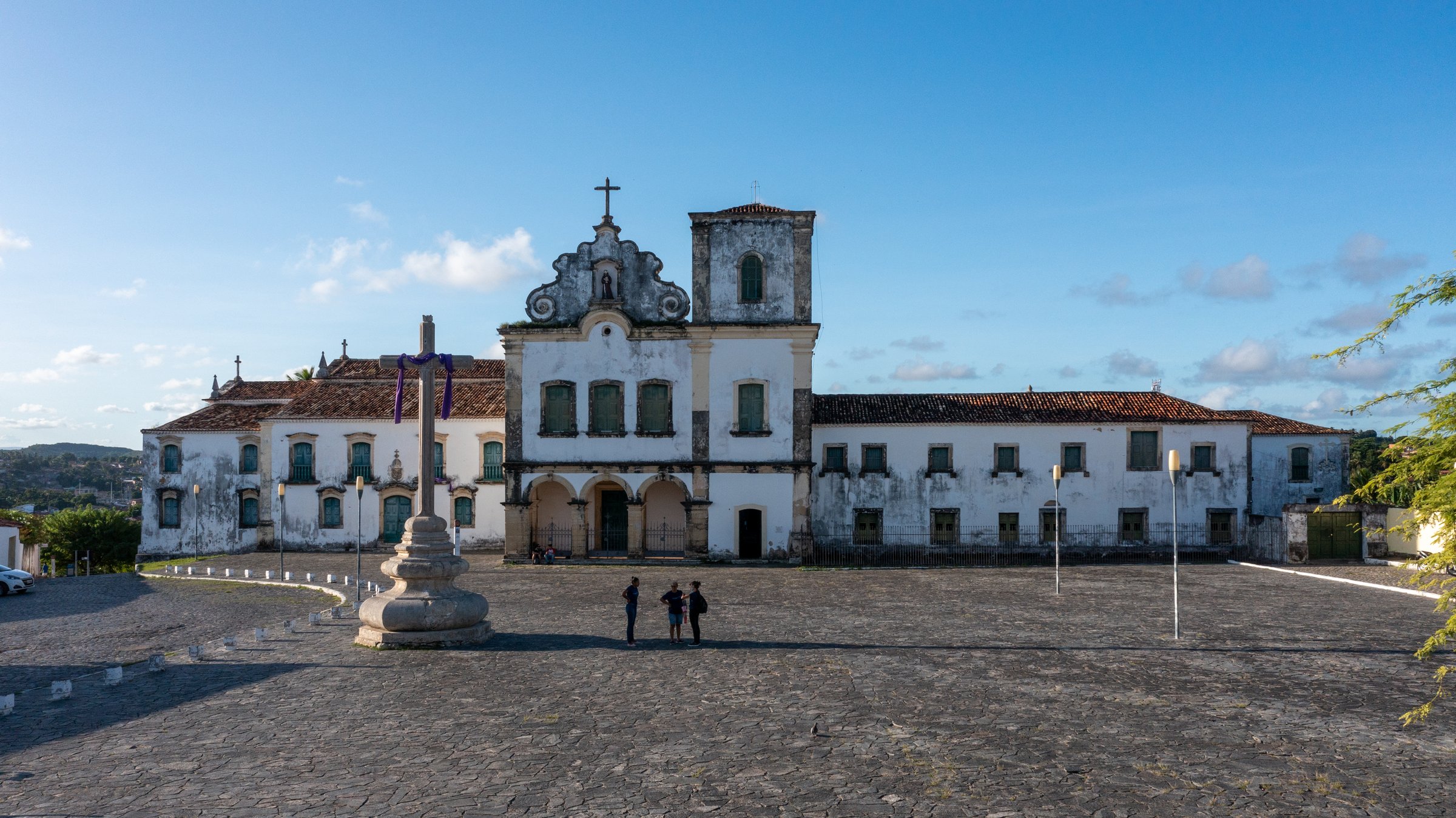
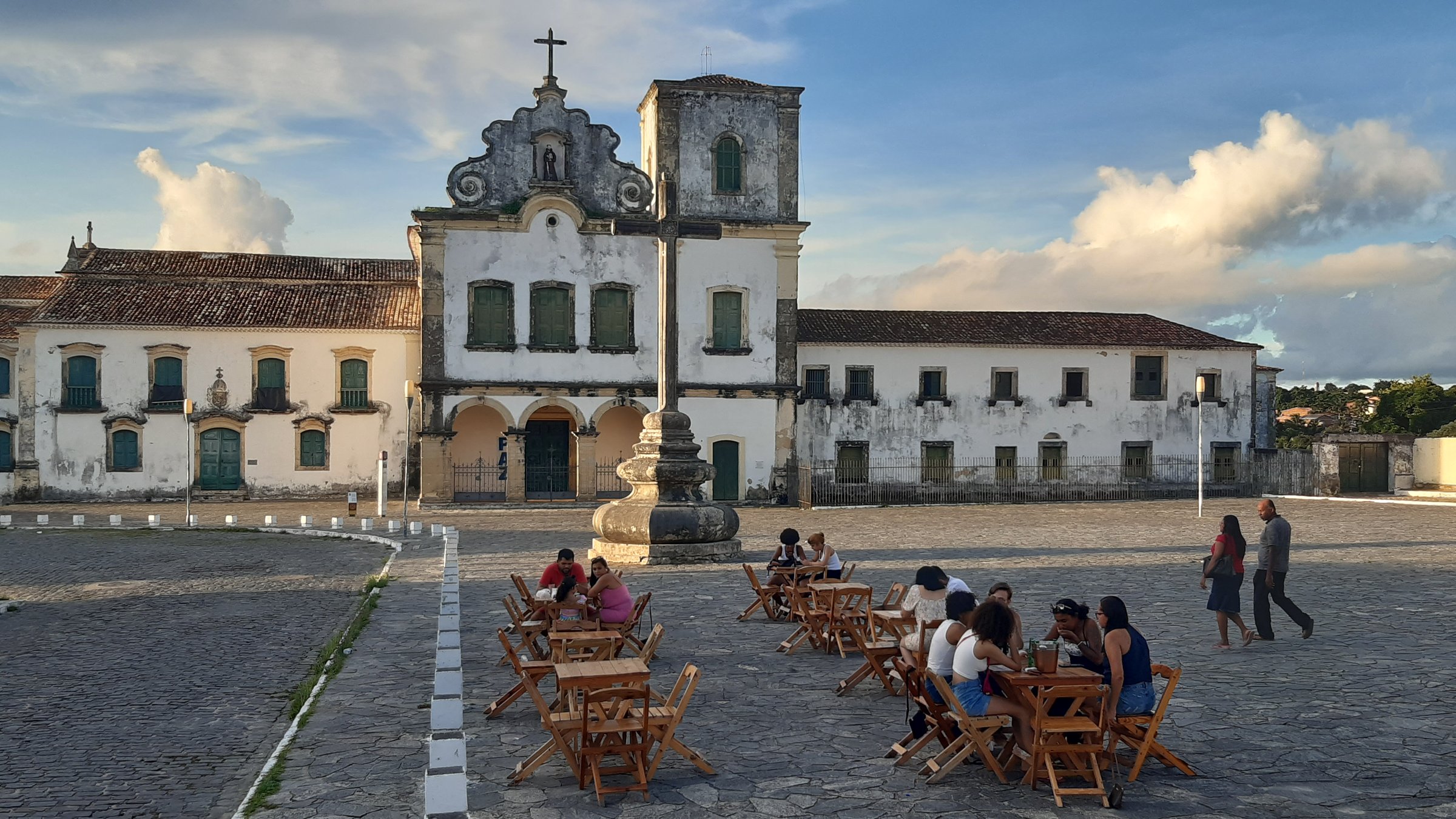
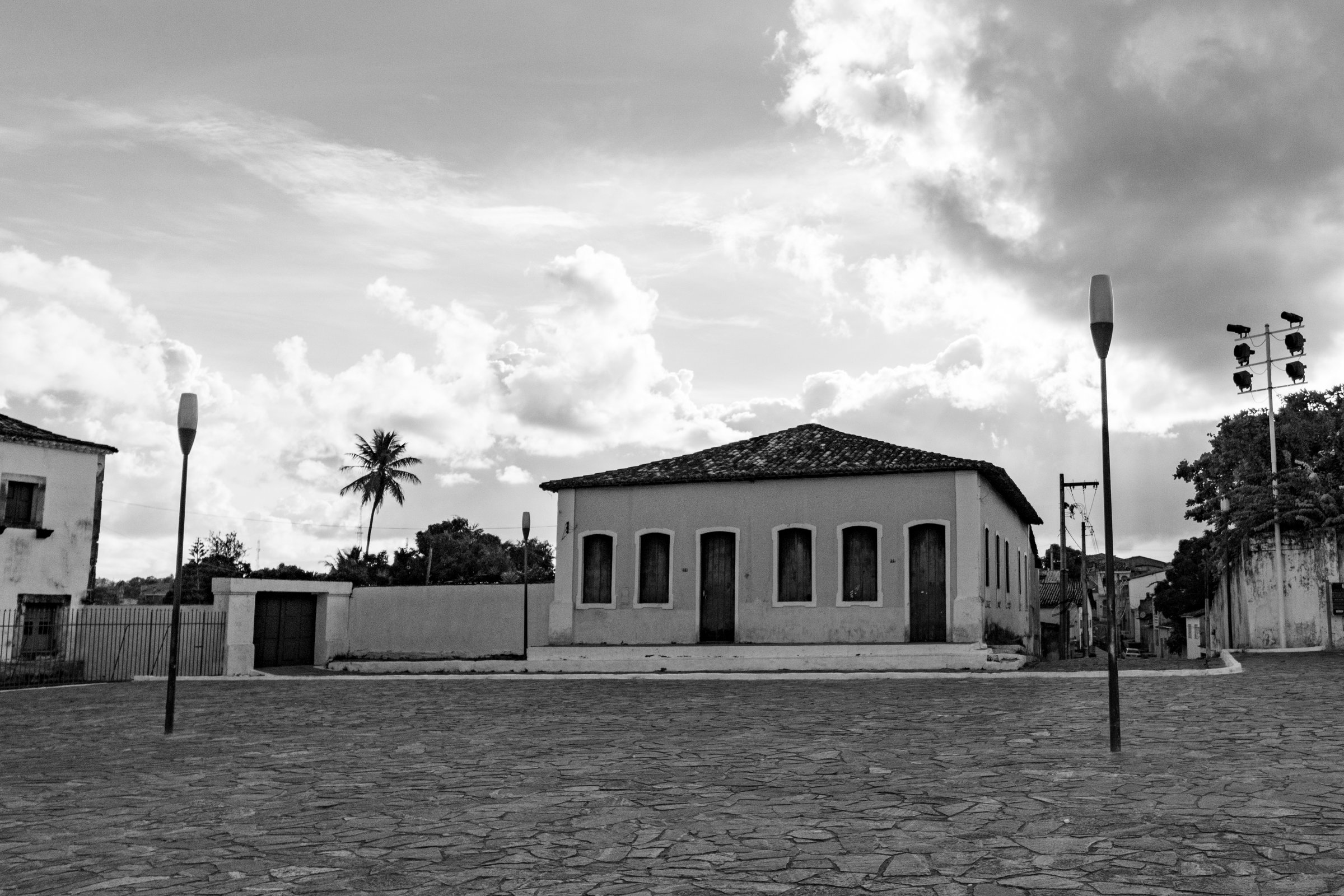
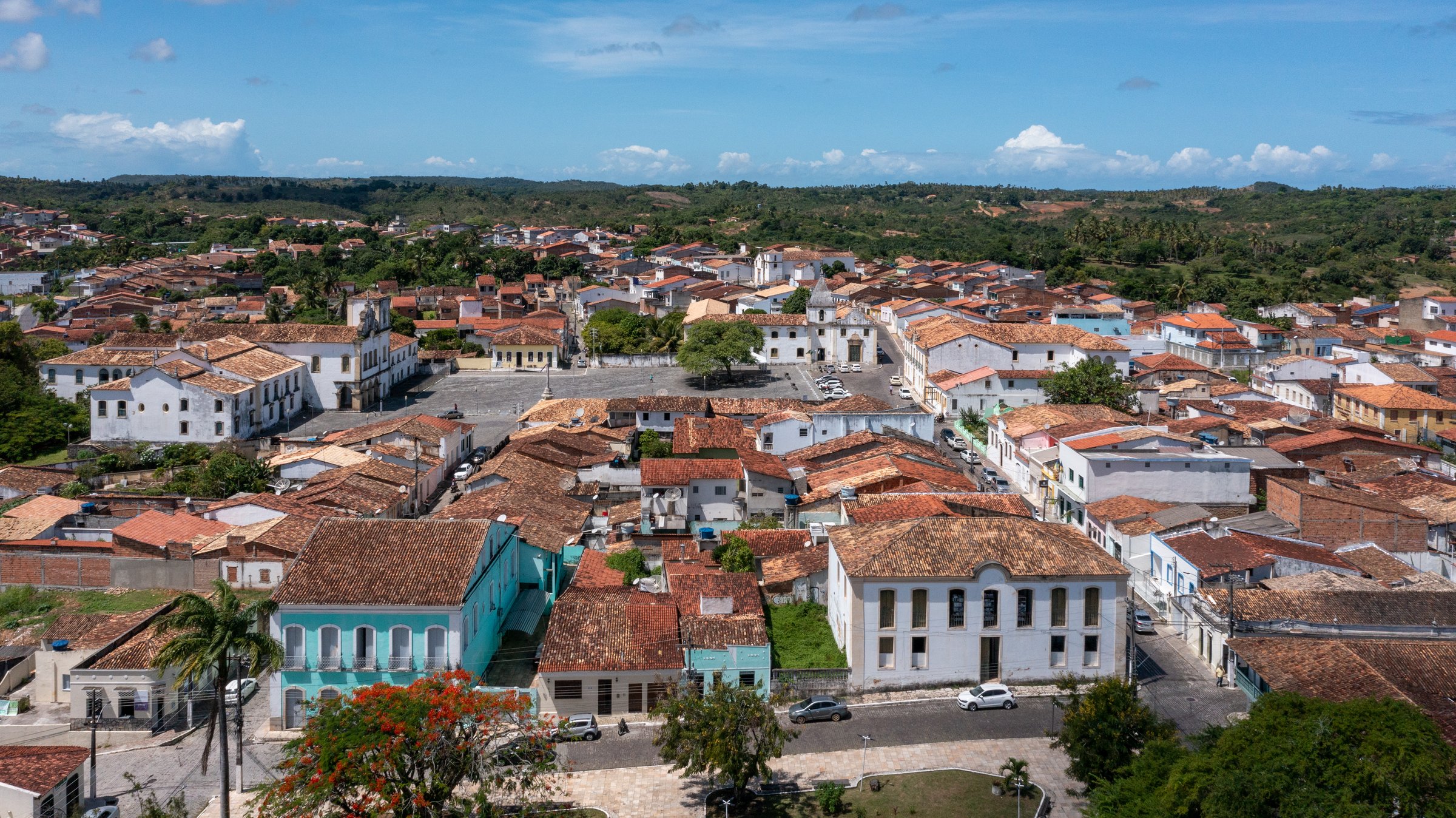
A wide, grassy square framed by a whitewashed Baroque church and convent, an old provincial palace and low colonial houses, drowsing in the northeastern heat, barely changed since the days when this hill town ruled a captaincy.

São Cristóvão is one of the oldest towns in Brazil — a small, sleepy colonial place in tiny Sergipe whose UNESCO-listed São Francisco Square, a serene ensemble of church, convent and old palaces around a grassy plaza, is a jewel of Iberian colonial town-planning.

Type
town
Ideal length
~approx half a day to a day
Getting around
on foot — compact and cobbled; a car or bus to Aracaju
Neighbourhoods
3 areas
Best season / months
September to March — the drier, warmer months; hot year-round
Language
Portuguese (little English)
Currency
Brazilian real (R$)
Budget level
low — very affordable
Good for
  • History
  • Colonial architecture
  • Off-the-trail travellers
  • Aracaju side-trips
▸ Discover

About São Cristóvão

São Cristóvão sits on a hill above a river near the coast of Sergipe, Brazil's smallest state, in the northeast, a short drive from the state capital Aracaju. Founded in 1590, it's the fourth-oldest town in Brazil and was long the capital of Sergipe. Its treasure — and its UNESCO listing — is the São Francisco Square (Praça São Francisco), a harmonious open space framed by the Church and Convent of São Francisco, the old Provincial Palace, a mercy house and colonial houses, a model of the Iberian colonial square. Around it, an old town of churches, cobbled streets and colonial buildings climbs the hill. Quiet, modest and atmospheric, it's an authentic, off-the-trail piece of colonial Brazil.

Why go

São Cristóvão offers a genuine, uncrowded encounter with colonial Brazil — one of the country's oldest towns, whose UNESCO São Francisco Square is a beautifully preserved example of the open, Iberian-planned colonial square, ringed by fine Baroque and colonial buildings. It has old churches, cobbled streets, a museum of sacred art, and the everyday life of small-town Sergipe, with the beaches and city of Aracaju close by. It's a modest, quiet place rather than a headline sight, but for lovers of colonial history and authentic, tourist-free interior Brazil, it's a rewarding stop.

Don't miss

  • São Francisco Square — the UNESCO colonial ensemble
  • The Church and Convent of São Francisco — the square's centrepiece
  • The Baroque churches — the old town's spires
  • The colonial streets — the hilltop old town
  • The sacred-art museum — the region's colonial treasures

Signature experiences

São Francisco Square — São Cristóvão's reason for its UNESCO listing, and the essential sight, is the Praça São Francisco — a wide, grassy colonial square framed by a harmonious ensemble of buildings: the whitewashed Baroque Church and Convent of São Francisco on one side, the old Provincial Palace, the mercy house, and low colonial houses around it, all serene and beautifully preserved. It's a textbook example of the open, Iberian-planned colonial square, and simply standing in it, taking in the proportions and the calm, is a quiet delight. Step into the church and its sacred-art museum for the region's colonial treasures. **The old town and its churches** — Beyond the famous square, São Cristóvão is a modest, atmospheric old town to wander — cobbled streets of colonial houses climbing the hilltop, more Baroque churches (Nossa Senhora da Vitória, the Rosário dos Homens Pretos, the Carmo), old squares, and the everyday life of one of Brazil's oldest towns. It's small and quiet, easily seen on foot in a few hours, and refreshingly free of crowds. The upper town holds the grand monuments; the lower town runs toward the river. **A living slice of old Sergipe** — Part of São Cristóvão's charm is its authenticity — this is a real, working small town in Brazil's smallest state, not a polished tourist showpiece, so you see genuine northeastern-interior life carrying on around the colonial stones: the market, the churches still in use, the local festivals (the town has a lively religious-and-folk calendar). For travellers who want the real, uncrowded Brazil and a sense of the colonial past woven into everyday life, it's a rewarding, honest place. **Sergipe food and the coast** — São Cristóvão eats northeastern Brazilian, with a Sergipe accent and plenty of seafood given the nearby coast — moqueca and fish stews, crab (the region is known for caranguejo), carne de sol (sun-dried beef), tapioca and cuscuz (couscous), and cassava dishes, with cold beer and cachaça. And the town is close to the state capital Aracaju, a modern coastal city with good beaches, a lively seafront and excellent seafood — an easy trip. Eat the local specialties, and pair the historic town with a beach afternoon in Aracaju.
Neighbourhoods

São Cristóvão neighbourhood by neighbourhood — the character of each and who it suits.

  • São Francisco Square and the Historic Centre

    The heart of it — the serene, grassy São Francisco Square and the colonial-and-Baroque streets around it, on the hilltop (the Cidade Alta), with churches, museums and old houses. The historic core.

    Why go
    São Francisco Square, the church and convent, and the museums.
    Best for
    Sightseeingthe squarethe museumswandering
    Known for
    The Praça São Francisco (UNESCO), the Church and Convent of São Francisco (with the sacred-art museum), the old Provincial Palace, the mercy house (Santa Casa de Misericórdia), and the surrounding colonial houses.
  • The Upper and Lower Town

    The wider old town — the hilltop upper town (Cidade Alta) with the main churches and squares, and the lower town (Cidade Baixa) toward the river, linked by cobbled streets. The old colonial fabric.

    Why go
    The other churches, squares and colonial streets beyond the main plaza.
    Best for
    Churchescobbled streetslocal life
    Known for
    The other Baroque churches (Nossa Senhora da Vitória, the Rosário, the Carmo), the upper- and lower-town squares, the cobbled streets, and the everyday small-town life.
  • The Surroundings and Aracaju

    The riverside and coastal country around, and the modern state capital of Aracaju a short drive away — beaches, the river and the wider Sergipe. The coastal-and-urban hinterland.

    Why go
    The beaches, the river, and Aracaju's sights and food.
    Best for
    BeachesAracaju day tripsseafoodthe river
    Known for
    The river and the nearby coast, the beaches and city of Aracaju, and the seafood and modern amenities of the state capital.

Views & hidden gems

Best views

  • São Francisco Square and its colonial ensemble
  • The Church and Convent of São Francisco
  • The colonial streets and church towers of the old town
  • The view from the hilltop over the river and country

Hidden gems

  • The sacred-art museum in the São Francisco convent
  • The other Baroque churches beyond the main square
  • The everyday market and small-town life
  • The nearby Aracaju beaches and seafood
  • The town's religious-and-folk festivals

Food & drink

São Cristóvão eats northeastern Brazilian, with Sergipe seafood from the nearby coast. The staples are fish and seafood stews (moqueca), crab (caranguejo, a regional favourite), carne de sol (salted, sun-dried beef with cassava), tapioca (cassava crepes), cuscuz (steamed couscous), and cassava (macaxeira) dishes. Cold beer, caipirinha and cachaça, and tropical-fruit juices refresh in the heat. Eat at the local restaurants and the market, and — with a hop to nearby Aracaju — the excellent coastal seafood.

  • Moqueca / fish stews — coastal seafood cooking
  • Caranguejo (crab) — a Sergipe regional favourite
  • Carne de sol — salted, sun-dried beef with cassava
  • Tapioca — cassava-starch crepes, sweet or savoury
  • Cuscuz — steamed couscous, a northeastern staple
  • Cold beer, caipirinha and cachaça — the local drinks
Dietary notes

Vegetarians manage with tapioca, cuscuz, cassava, beans, salads and tropical fruit, though seafood and meat feature — ask. Vegan is workable with tapioca, cassava, beans and fruit (check for butter). Halal and kosher are limited. Gluten-free is helped by tapioca and cassava (naturally gluten-free) and rice-and-bean dishes, but couscous and some items vary — confirm. It's hot and humid — hydrate.

São Cristóvão in photos

▸ Getting around

Getting around São Cristóvão

The historic town is small, cobbled and entirely walkable — the square, churches and streets are all on foot (wear sensible shoes, and pace yourself in the heat). A car or bus links São Cristóvão with Aracaju and the coast.

The São Francisco Square, the upper and lower old town are all a short walk apart (~approx); Aracaju and the beaches are a short drive out — plan the coast as a half-day.

▸ Plan your days

Suggested itineraries

Ready-made day plans for São Cristóvão — from a single day to a long weekend.

One day

Spend the morning on São Francisco Square — the church and convent, the sacred-art museum, the Provincial Palace and the colonial ensemble — then wander the old town's other Baroque churches and cobbled streets, upper and lower. Have a Sergipe seafood or carne-de-sol lunch, and in the afternoon head to nearby Aracaju for the beaches, the seafront and more seafood, returning (or staying) for the evening.

Two days

With more time, pair the historic town with the coast. Enjoy São Cristóvão in the quiet early morning and its festivals if timed, and give a day to Aracaju and the Sergipe coast — the beaches, the river, the crab and seafood, and the wider northeastern-interior landscapes. São Cristóvão is a jewel best set against the coast and city nearby.

▸ What you'll do

Insider tips

  • Give São Francisco Square and the church-and-convent proper, unhurried time — it's the UNESCO jewel.
  • Visit early or late to enjoy the quiet colonial town in the cooler, softer light.
  • Pair São Cristóvão with Aracaju's beaches and seafood, a short drive away.
  • Carry water and sun protection — the northeastern heat is strong.
What's on

While you're there

05
FEB
Rio Carnival 2027
Rua Tomás Rabelo 12, Cidade Nova, Rio de Janeiro - Rio de Janeiro, 20210, Brazil · carnival
Build a trip around it →
Explore

Explore the area

Interactive area map
Map coordinates coming soon

This place is missing lat/lng — waiting on the next Wix sync.

Do

Local attractions & tours

Skip-the-line tickets and small-group tours in São Cristóvão — compare across our partners.

We're still curating hand-picked tickets and tours for São Cristóvão. In the meantime, the map above and the nearby cities are a great place to start.

▸ Budget

What it costs in São Cristóvão

Backpacker
roughly €20–40 a day.
Mid-range
roughly €45–90 a day.
Luxury
€150 a day and up.
Cash vs card
Carry reais for small eateries, the market and entries; cards and Pix (mobile pay) work in shops and restaurants (more so in Aracaju).
Tipping
Tipping is modest — a service charge (around 10%) is often added to restaurant bills; small change for help.
▸ When you'll go

When to visit São Cristóvão

September to March — the drier, warmer months; hot year-round

Spring

What to expect — Hot and humid, generally the drier stretch approaching; warm days. Hot and mostly dry.

What's best — Drier, warm weather for the old town and the nearby beaches, and few crowds — a good window; it's hot year-round.

Summer

What to expect — Hot and humid (December to February), the warm peak season with warm seas at the coast; some rain. Steamy.

What's best — Warm beach weather at nearby Aracaju, the summer festivities, and warm days — but it's hot and humid, so sightsee the town early and hit the coast; hydrate.

Autumn

What to expect — Hot and often the wetter months on this northeast coast (around April–July the rains are heavier), with showers; the sea warm. Warm and rainy.

What's best — Warm seas, lower crowds, and lush green — but it can be the rainiest, so plan around showers; the drier months are more comfortable.

Winter

What to expect — Warm still (this is the tropics), but often the wetter, cloudier stretch (around June–August); pleasant when dry. Mild-tropical.

What's best — Fewer crowds and warm days between showers, and the June festival season (São João) with its music and food — a lively, quieter window; carry rain gear.

▸ Know before you go

Know before you go

Honest swaps

Skip a rushed pass → give São Francisco Square and the church proper time; the calm and proportion are the point.

Skip a tourist-menu meal → try Sergipe seafood and crab, and tapioca, at a local spot (or in Aracaju).

Skip staying only in the city → an early-morning or evening in the quiet colonial town is lovely.

Skip the town alone → pair it with Aracaju's beaches and seafood.

Crowds & timing

São Cristóvão is quiet and rarely crowded — an easy half-day; the town's festivals are the busy exception.

The old town is best in the cooler morning and evening; the heat is strong midday.

Local rules & etiquette

The town is cobbled and hot — wear sensible shoes, carry water and sun protection.

Dress respectfully inside the churches, which are working religious sites.

Respect the everyday small-town life; it's a real place, not a tourist showpiece.

Money

Carry reais for small eateries and entries; cards and Pix work (more widely in Aracaju); use bank ATMs.

The town is small, so carry cash for entries and stalls.

After dark

São Cristóvão is a very quiet, small town — the evening is a simple dinner and rest; nearby Aracaju has the nightlife and seafront.

The town's festivals bring music and life to the squares.

For evening options, Aracaju's seafront is a short drive.

▸ Ready to book your trip?

Getting there

Aracaju's Santa Maria Airport (AJU) is the gateway, around 30–45 minutes from São Cristóvão by road, with domestic flights; buses and cars run from Aracaju to the town.

Book

Ready to book your trip?

Flights, airport transfers and car hire — search and compare without leaving the page.

▸ Trip extras
Book

More trip extras

Parking, holiday extras, and more — coming soon.

Coming soon

We're lining up parking, holiday extras and activities you'll be able to add to any trip from here.