
← Brazil
BRAZIL · CITY

São Luís

A colonial Brazilian port of tiled facades and reggae rhythms, founded by the French on a northern island.

  • City
  • July to December — the drier season; hot and humid year-round
  • ~approx 1–2 days (plus the Lençóis)
  • Tiled Colonial City
  • French-Founded Island Port
  • Reggae Capital
  • Maranhão Culture

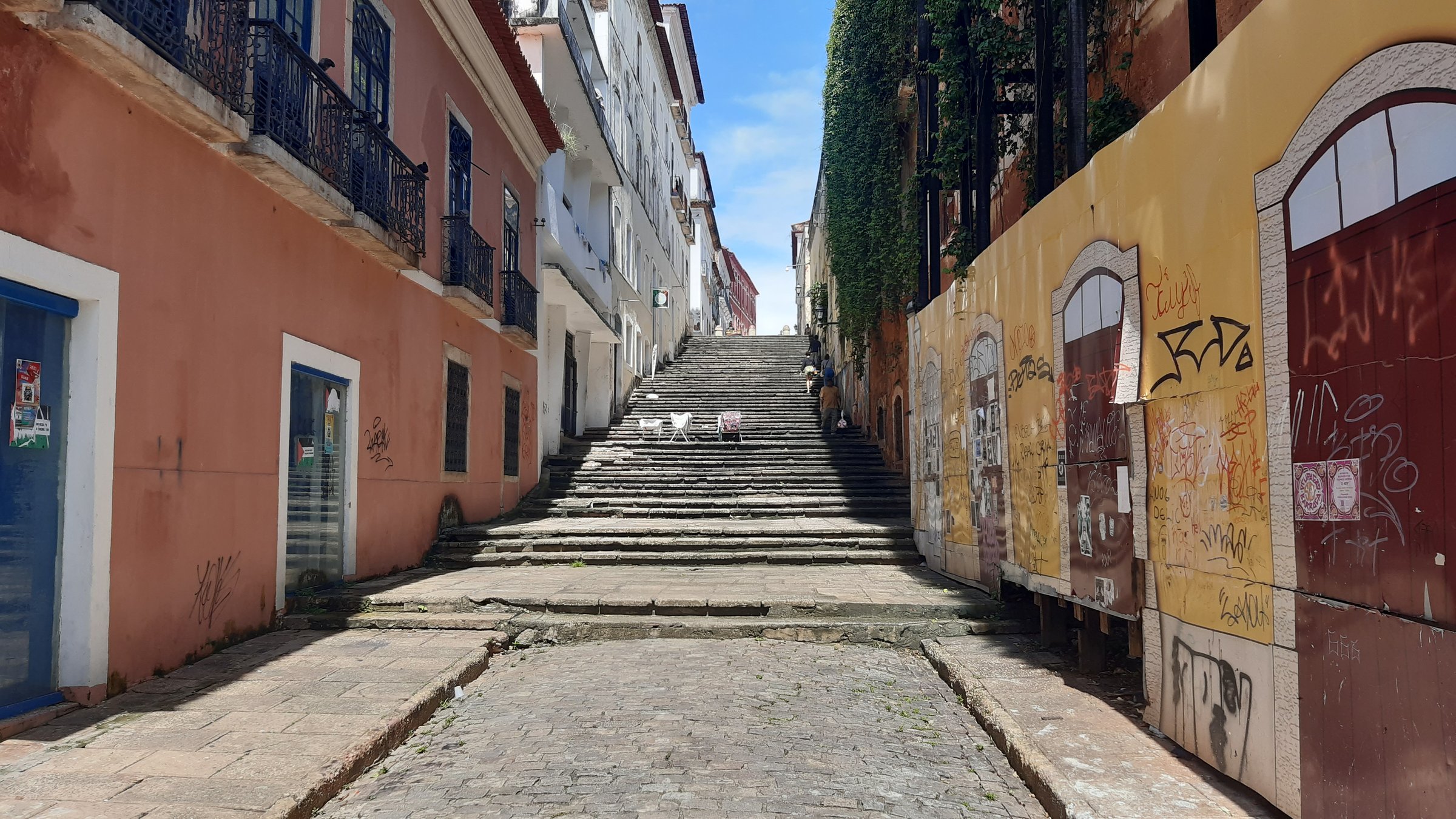
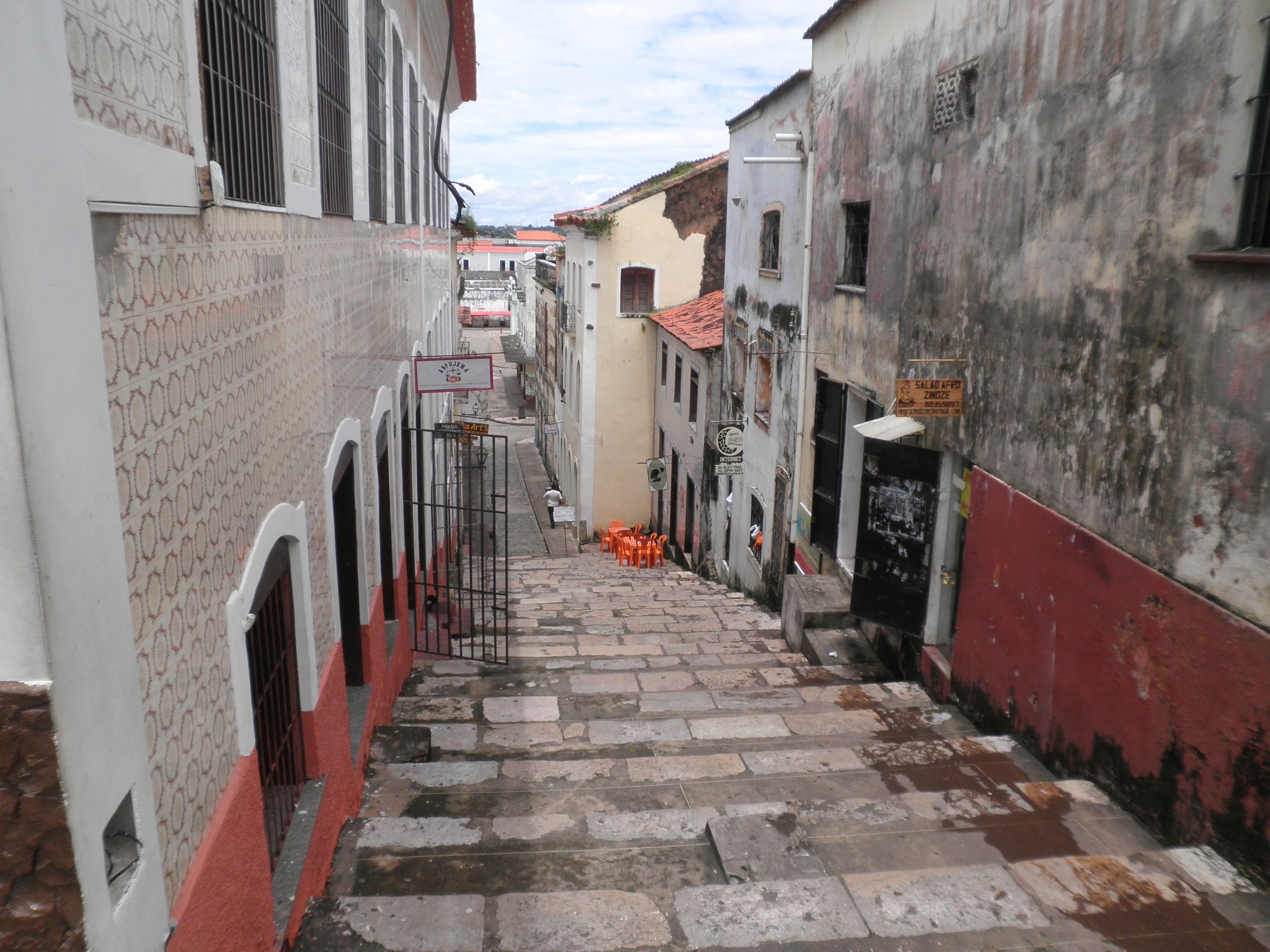
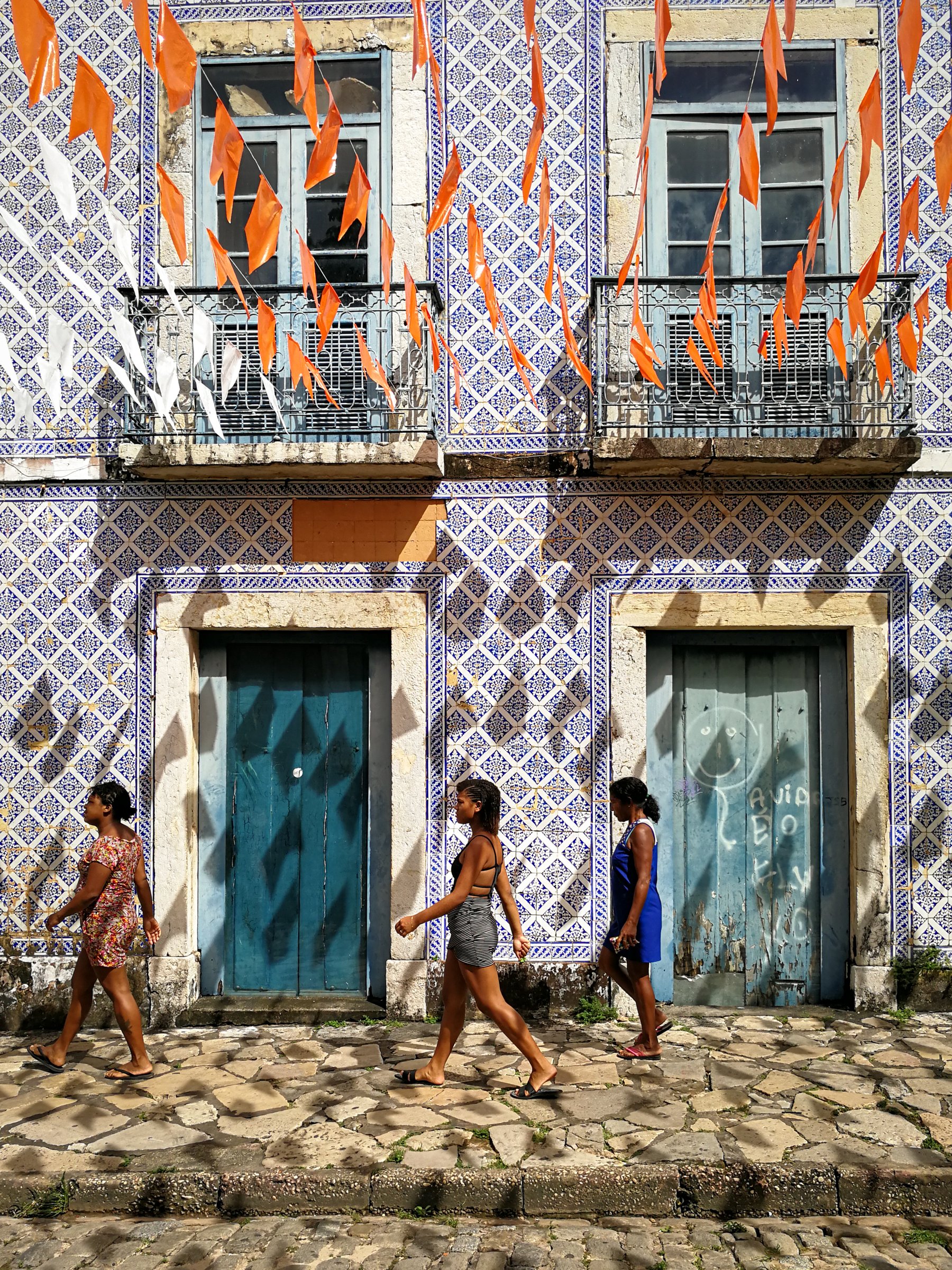
Street after street of grand colonial mansions faced in blue-and-white Portuguese tiles, some crumbling, some restored, in the tropical heat — and, come evening, reggae drifting from a bar as São Luís sways to a Jamaican beat all its own.

São Luís is Brazil's tiled treasure — an island city in the northeast whose UNESCO old town holds the largest ensemble of Portuguese azulejo-fronted mansions in Latin America, French-founded, faded and beautiful, with a surprising reggae soul and the great Bumba-meu-boi folk festival.

Type
city
Ideal length
~approx 1–2 days (plus the Lençóis)
Getting around
on foot in the old town; taxis and ride-hailing beyond
Neighbourhoods
3 areas
Best season / months
July to December — the drier season; hot and humid year-round
Language
Portuguese (some English in tourist spots)
Currency
Brazilian real (R$)
Budget level
low to moderate — affordable
Good for
  • History
  • Colonial architecture
  • Music and culture
  • Off-the-trail travellers
▸ Discover

About São Luís

São Luís sits on an island off the coast of Maranhão, in Brazil's northeast, between the Amazon and the northeastern sertão. Uniquely, it was founded by the French (named for King Louis XIII), then taken by the Portuguese and Dutch in turn, and it grew rich on cotton and sugar — wealth that faced its mansions with tens of thousands of Portuguese ceramic tiles (azulejos), the largest such collection in Latin America. Its atmospheric, partly-decayed UNESCO old town (the Praia Grande / Reviver district) is the draw. Add a strong Afro-Brazilian culture, a famous love of reggae, and the spectacular Bumba-meu-boi festival, and São Luís is one of Brazil's most distinctive and under-visited cities — and the gateway to the dune-and-lagoon wonderland of the Lençóis Maranhenses.

Why go

São Luís is unlike anywhere in Brazil — a UNESCO island city whose colonial old town is a remarkable, faded ensemble of tile-fronted mansions, the largest collection of azulejos in Latin America, French-founded and layered with Portuguese, Dutch and African history. It has a strong Afro-Brazilian and folk culture, a genuine passion for reggae (locals call it the "Brazilian Jamaica"), the extraordinary Bumba-meu-boi festival, and it's the gateway to the surreal Lençóis Maranhenses dunes and to colonial Alcântara across the bay. Atmospheric, cultural and off the trail, it rewards curious travellers.

Don't miss

  • The tiled colonial old town — the azulejo mansions (Praia Grande)
  • The Reviver district — the restored historic heart
  • The reggae bars — São Luís's Jamaican soul
  • The Bumba-meu-boi festival — the great folk celebration (June)
  • The Lençóis Maranhenses and Alcântara — the wonders nearby

Signature experiences

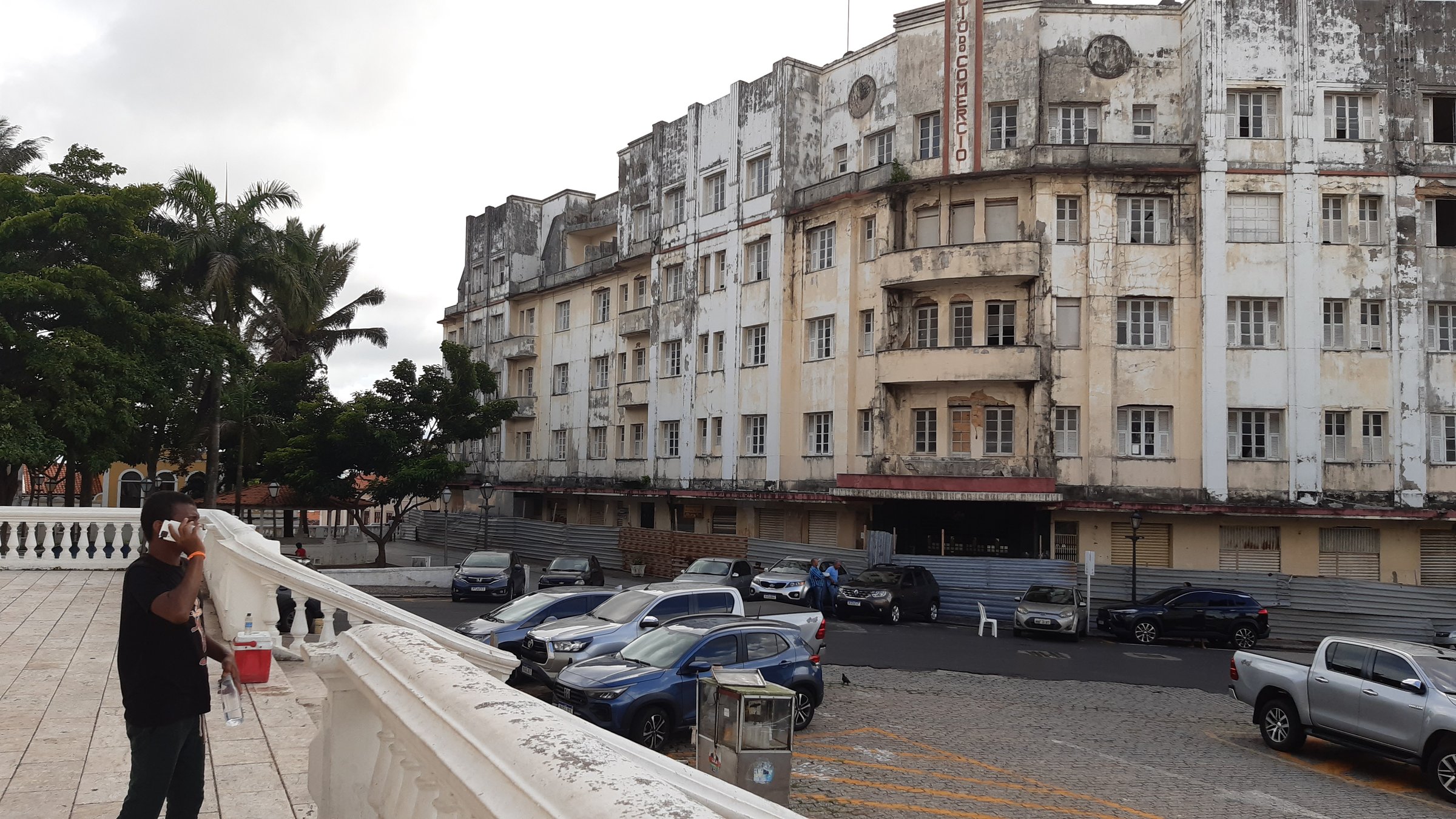
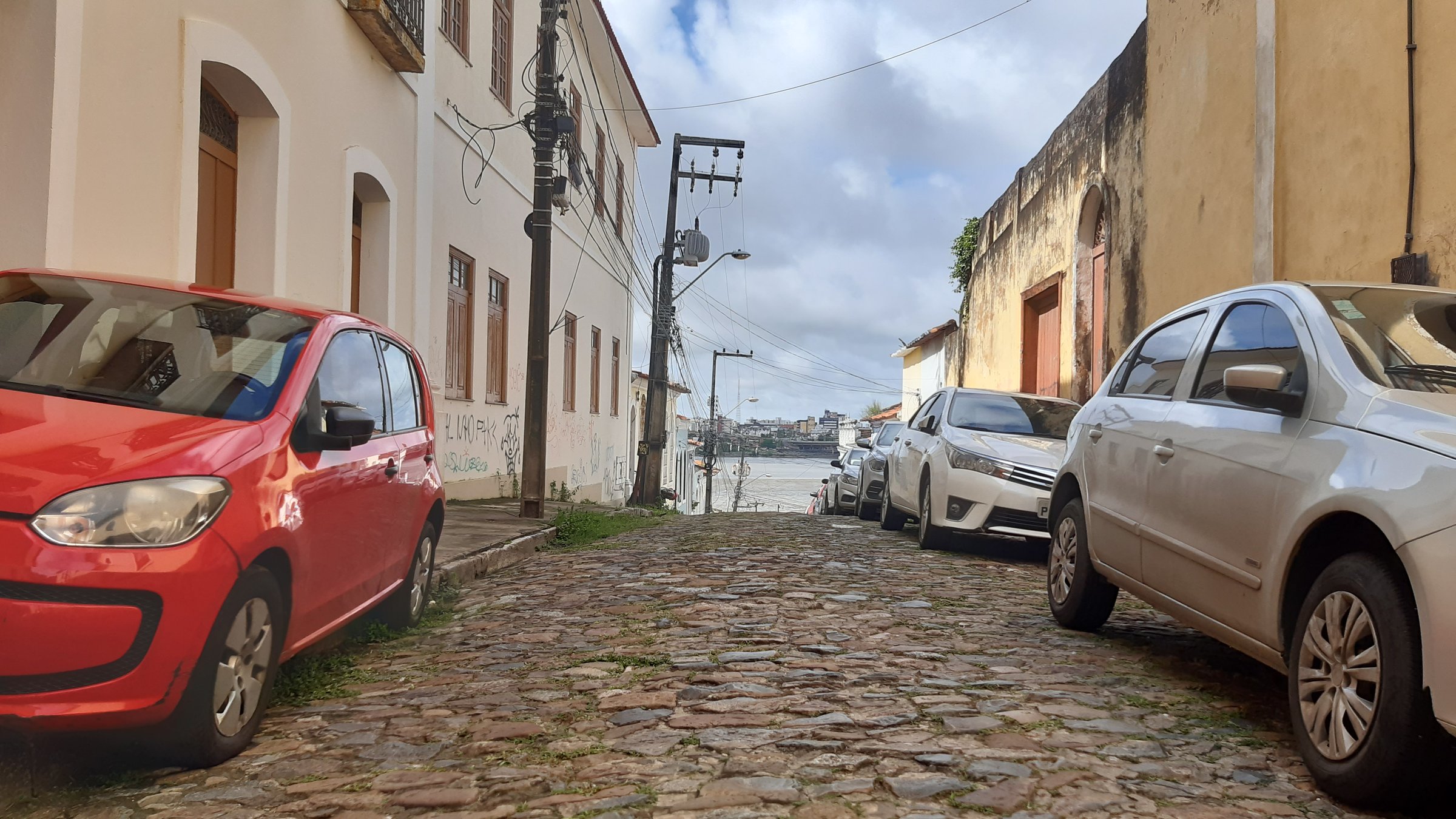
The tiled colonial old town — São Luís's wonder is its old town — the Praia Grande and Reviver districts, where street after street of grand colonial mansions are faced in Portuguese azulejo tiles in blue, white, green and yellow, the largest such collection in Latin America. Some are beautifully restored; many are romantically faded, weathered by the tropical heat, which only adds to the atmosphere. Wander the tiled streets (Rua Portugal, Rua do Giz), step into the churches and the azulejo museum, and soak up the layered French-Portuguese-Dutch-African history. The decaying-but-lovely tiled townscape is the essential experience. **Reggae and music** — São Luís has an unexpected and genuine soul: reggae. Locals call the city the "Brazilian Jamaica," and reggae is woven into its culture — bars and clubs playing classic Jamaican and local reggae on giant "radiola" sound systems, a dedicated reggae museum, and a whole scene of slow-dancing "agarradinho." Beyond reggae, the city's Afro-Brazilian culture runs deep in its music, dance and religion. Spend an evening at a reggae bar, and you touch something you'll find nowhere else in Brazil. **Bumba-meu-boi and folk culture** — São Luís is famous for Bumba-meu-boi, a spectacular Afro-indigenous-Portuguese folk festival centred on a comic-mythic story of a bull, performed with elaborate costumes, drumming and dance — reaching its climax in June around the São João festivities, when the city erupts in colour and music. It's one of Brazil's great folk traditions, and an extraordinary time to visit if you can. Year-round, the culture, crafts and music of Maranhão give the city a rich, distinctive character. **Maranhão flavours and the wonders nearby** — Maranhão's food is northeastern-with-Amazon touches — the signature is arroz de cuxá (rice with the tangy vinagreira/hibiscus leaf and shrimp), plus fresh fish and shrimp, torta de camarão, cassava dishes, and the cassava liquor tiquira, with plenty of seafood. But São Luís is also a gateway: across the bay lies Alcântara, a hauntingly beautiful colonial ruin-town, and a few hours east begin the Lençóis Maranhenses, a surreal landscape of white sand dunes cradling turquoise rain lagoons — one of Brazil's most extraordinary sights. Eat the local specialties, and use the city as a base for these wonders.

Neighbourhoods

São Luís neighbourhood by neighbourhood — the character of each and who it suits.

  • The Historic Centre (Praia Grande)

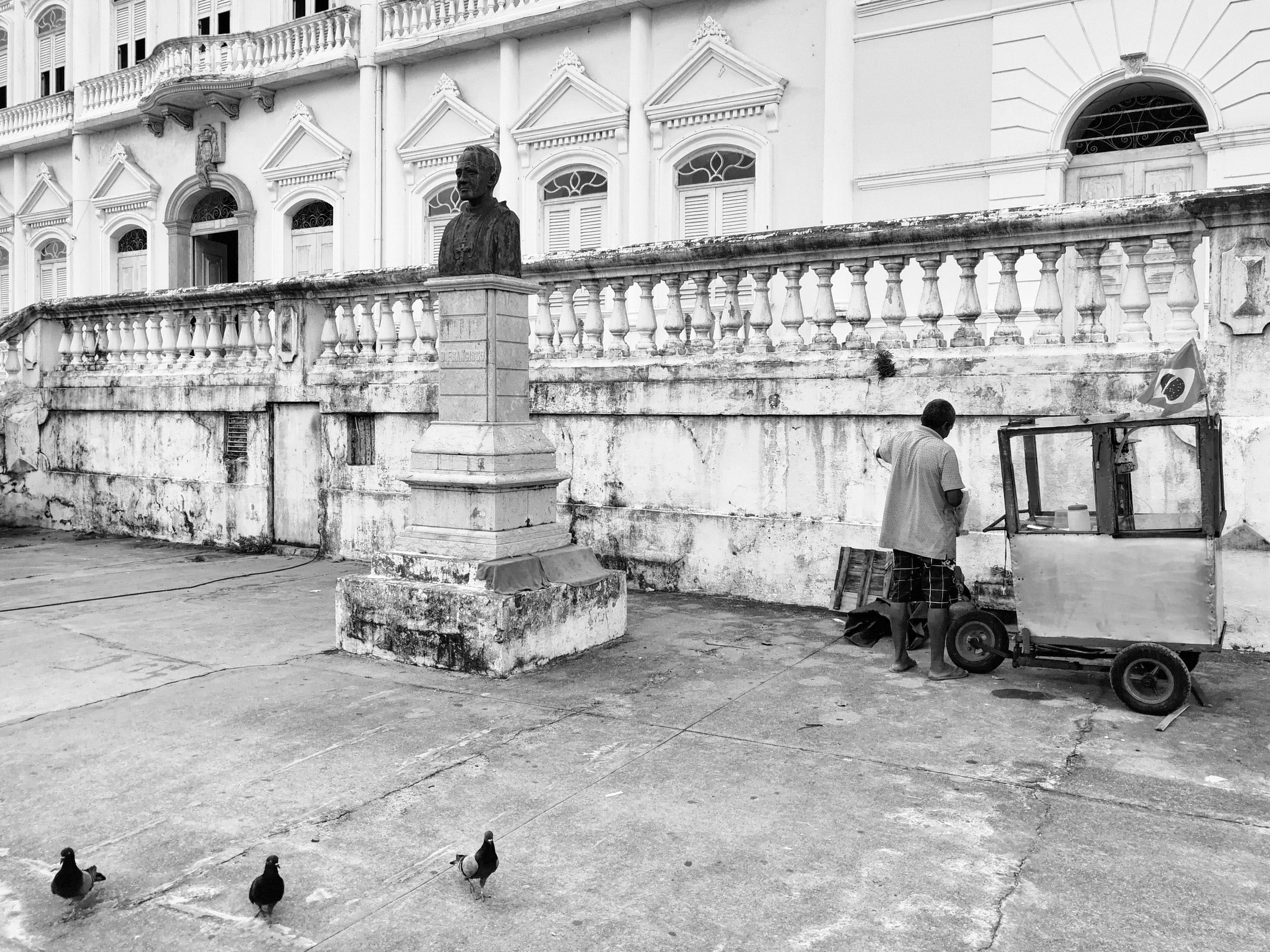
    The UNESCO old town — steep-ish streets of grand tile-fronted colonial mansions, some restored (the Reviver zone), some romantically faded, with churches, museums and the market. The atmospheric heart.

    Why go
    The azulejo mansions, the colonial streets and the museums.
    Best for
    Sightseeingthe tiled architectureculturewandering
    Known for
    The Praia Grande and Reviver districts and their tiled mansions, the Rua Portugal and Rua do Giz, the cathedral and churches, the Casa das Tulhas market, and the museums (azulejo and Maranhão history).
  • The Waterfront and Reggae Culture

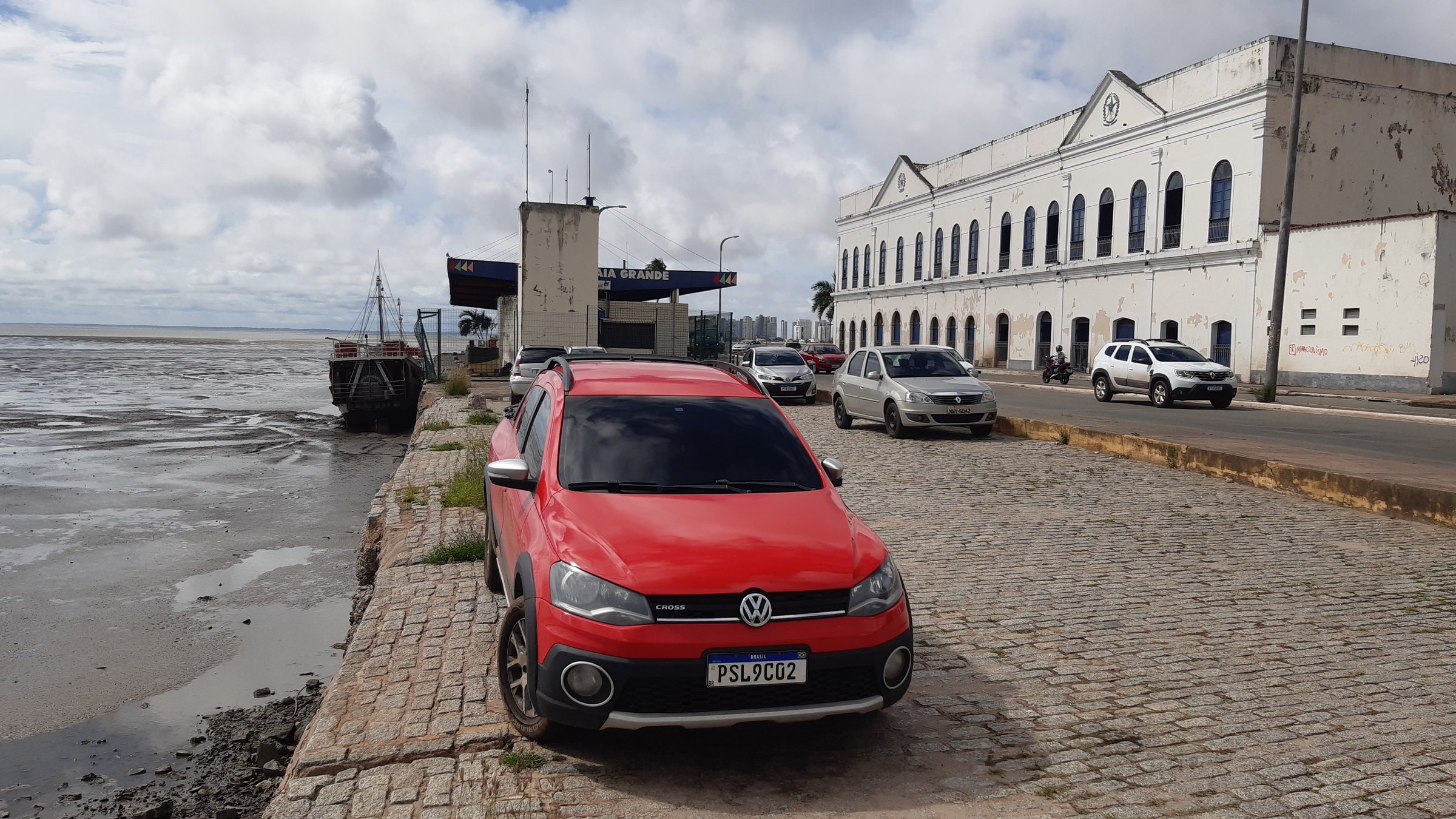
    The bay-front edge of the old town and the city's musical life — the port and waterfront, and the bars and clubs where São Luís's famous reggae culture plays out. The lively, musical side.

    Why go
    The waterfront, the reggae bars and the nightlife.
    Best for
    Reggaenightlifewaterfrontbars
    Known for
    The bay and port waterfront, the reggae bars and clubs (and the reggae "radiolas" sound systems), the live music, and the launch point for Alcântara across the bay.
  • The Beaches and Modern City

    The Atlantic beaches north of the old town and the sprawling modern city — the beach districts, the seafront, and the everyday city. The sun-and-sea-and-urban zone.

    Why go
    The city beaches, the seafront and the modern amenities.
    Best for
    Beachesseafrontmodern dininghotels
    Known for
    The Ponta d'Areia, São Marcos and Calhau beaches, the seafront avenues, and the modern hotels, malls and restaurants.

Views & hidden gems

Best views

  • The tiled azulejo mansions of Praia Grande and Reviver
  • The Rua Portugal and Rua do Giz
  • The bay and waterfront from the old town
  • The dunes and lagoons of the Lençóis Maranhenses (on a trip)

Hidden gems

  • The azulejo (tile) museum and the tiled interiors
  • A reggae bar with its giant "radiola" sound system
  • The Casa das Tulhas market for cuxá, tiquira and crafts
  • Colonial Alcântara's romantic ruins across the bay
  • The Bumba-meu-boi rehearsals and the June festival

Food & drink

São Luís eats Maranhão — northeastern Brazilian with Amazon and African touches, and lots of seafood. The signature is arroz de cuxá (rice with the tangy vinagreira/hibiscus leaf, dried shrimp and sesame), served with fried fish; there's torta de camarão (shrimp pie), fresh fish and shrimp, cassava (macaxeira) dishes, and the local cassava liquor tiquira (sometimes bright purple). Guaraná and cold beer, and juices of Amazon fruits, refresh in the heat. Eat at the Casa das Tulhas market and the old-town restaurants, and try arroz de cuxá.

  • Arroz de cuxá — rice with tangy hibiscus leaf, shrimp and sesame
  • Fried fish and shrimp — the coastal staples
  • Torta de camarão — a shrimp pie
  • Cassava (macaxeira) dishes — the northeastern staple
  • Tiquira — a local cassava liquor (sometimes purple)
  • Guaraná, cold beer and Amazon-fruit juices — the local drinks
Dietary notes

Vegetarians manage with cassava dishes, rice, beans, salads and tropical fruit, though seafood and shrimp are central (including in cuxá) — ask. Vegan is workable with cassava, rice, beans and fruit (check for shrimp/butter). Halal and kosher are limited. Gluten-free is manageable with rice, cassava and fish dishes (often wheat-free), but confirm. It's hot and humid — hydrate and take the food easy at first.

São Luís in photos

▸ Where you'll stay

Where you'll stay in São Luís

Stay in the historic centre (Praia Grande / Reviver) to be among the tiled mansions and the culture, in a pousada in a restored colonial house — atmospheric, though the old town can be gritty, so take care after dark. The beach districts (Ponta d'Areia, Calhau) have modern hotels for the sea. Take normal city precautions. The old town is the cultural base; the beaches the relaxed one. Book far ahead for the June Bumba-meu-boi festival.

  • Budget
    Near the old town / centre hostels and budget pousadas among the tiled streets.
  • Mid-range
    Praia Grande / Reviver pousadas in restored colonial mansions; or beach-district hotels.
  • Luxury
    The best restored-mansion pousadas / beach hotels high-end colonial stays or seafront hotels.
Stay

Hotels & rentals around São Luís

Pan, zoom and compare live prices — every stay in one map.

▸ Getting around

Getting around São Luís

The historic old town is compact and walkable — the tiled streets, churches and market are all on foot (take care after dark). Taxis and ride-hailing cover the beaches and the modern city; a car or tour is needed for the Lençóis, and a boat for Alcântara.

The historic centre and the waterfront are one walkable area (~approx); the beaches and modern city are taxi rides north — the Lençóis and Alcântara are trips out by road and boat.

▸ Plan your days

Suggested itineraries

Ready-made day plans for São Luís — from a single day to a long weekend.

One day

Spend the day in the tiled old town — wander Praia Grande and Reviver, the Rua Portugal and Rua do Giz and their azulejo mansions, the churches and the azulejo museum, and the Casa das Tulhas market. Have an arroz-de-cuxá lunch, explore more of the colonial streets and museums in the afternoon (taking care after dark), and spend the evening at a reggae bar for the city's musical soul.

Two days

Give day two to the wonders nearby. Take a boat across the bay to the romantic colonial ruins of Alcântara, or begin the trip east to the Lençóis Maranhenses — the surreal white dunes and turquoise lagoons (best around July–September, a multi-day trip in itself). Back in São Luís, enjoy more of the tiled town, the culture and the reggae. Time a June visit for Bumba-meu-boi if you can.

▸ What you'll do

Insider tips

  • Wander the tiled azulejo mansions of Praia Grande and Reviver — the largest such collection in Latin America.
  • Spend an evening at a reggae bar for São Luís's unique "Brazilian Jamaica" soul.
  • Use the city as a base for the Lençóis Maranhenses (lagoons fullest around July–September) and colonial Alcântara.
  • Try arroz de cuxá, and take normal city care in the old town after dark.
What's on

While you're there

05
FEB
Rio Carnival 2027
Rua Tomás Rabelo 12, Cidade Nova, Rio de Janeiro - Rio de Janeiro, 20210, Brazil · carnival
Build a trip around it →
Explore

Explore the area

© OpenFreeMap · OSM · terrain Mapterhorn
Do

Local attractions & tours

Skip-the-line tickets and small-group tours in São Luís — compare across our partners.

We're still curating hand-picked tickets and tours for São Luís. In the meantime, the map above and the nearby cities are a great place to start.

▸ Budget

What it costs in São Luís

Backpacker
roughly €22–45 a day.
Mid-range
roughly €50–100 a day.
Luxury
€170 a day and up.
Cash vs card
Carry reais for market food, taxis and small spots; cards and Pix (mobile pay) work widely in shops and restaurants.
Tipping
Tipping is modest — a service charge (around 10%) is often added to restaurant bills; small change for help.
▸ When you'll go

When to visit São Luís

July to December — the drier season; hot and humid year-round

Spring

What to expect — Hot and humid, generally the drier stretch of the year (the northeast's rains ease); warm days. Hot and mostly dry.

What's best — Drier, warm weather for the old town, the beaches and the Lençóis (the lagoons are lower but present), and fewer crowds — a good window; it's hot year-round.

Summer

What to expect — Hot and humid, with the wet season building or under way in the northeast (the heavier rains run roughly January–May here); showers and humidity. Steamy and wetter.

What's best — Warm seas and lush surroundings, and the Lençóis lagoons filling — but the wettest months make the old town and travel steamier; the drier season is more comfortable for the city.

Autumn

What to expect — Hot and often the wettest stretch (around February–May the northeast rains peak), with heavy showers; the Lençóis lagoons filling toward their fullest. Warm and wet.

What's best — The Lençóis lagoons filling up (they're fullest a bit later, around mid-year), and lush green — but the city is at its wettest, so plan around the rain.

Winter

What to expect — Hot still (this is near the equator), but drier and the peak season, with the June Bumba-meu-boi festival and the Lençóis lagoons at their fullest and best (around July–September). The best time.

What's best — The drier weather, the extraordinary June Bumba-meu-boi festival, and the Lençóis Maranhenses lagoons at their fullest (best around July–September) — the ideal window; book ahead for the festival.

▸ Know before you go

Know before you go

Honest swaps

Skip a rushed pass → wander the tiled old town slowly, faded mansions and all; the atmosphere is the point.

Skip a generic bar → spend an evening at a reggae bar for São Luís's unique musical soul.

Skip a city-only trip → use São Luís as the base for the Lençóis Maranhenses and colonial Alcântara.

Skip a tourist-menu meal → try arroz de cuxá and the local seafood at the market and old-town spots.

Crowds & timing

The June Bumba-meu-boi festival and São João pack the city — book far ahead; it's an extraordinary time.

The Lençóis lagoons are fullest around July–September — time a trip for then; the old town is best by day.

Local rules & etiquette

The old town is atmospheric but can be gritty — take normal city care, keep valuables discreet, and use taxis at night.

Respect the Afro-Brazilian culture, the reggae scene and the folk traditions.

Dress light for the heat and humidity, but modestly inside the churches.

Money

Carry reais for market food, taxis and small spots; cards and Pix work widely; use bank ATMs in secure spots.

Agree taxi fares or use ride-hailing apps, especially at night.

After dark

The reggae bars and clubs of the old town and waterfront hold the distinctive nightlife — reggae, live music and a slow-dancing scene.

São Luís's reggae culture is its nightlife signature — but take normal city care after dark and use taxis.

The June festival, of course, fills the streets with music and Bumba-meu-boi.

▸ Ready to book your trip?

Getting there

São Luís's Marechal Cunha Machado Airport (SLZ) is the gateway, a short taxi from the centre, with domestic flights; the Lençóis (via Barreirinhas) and Alcântara are onward trips by road and boat. São Luís's Marechal Cunha Machado Airport (SLZ) is the gateway, about 15 km from the historic centre by taxi or ride-hailing app, with domestic flights; Lençóis (via Barreirinhas) and Alcântara are onward trips by road and boat.

Book

Ready to book your trip?

Flights, airport transfers and car hire — search and compare without leaving the page.

▸ Trip extras
Book

More trip extras

Parking, holiday extras, and more — coming soon.

Coming soon

We're lining up parking, holiday extras and activities you'll be able to add to any trip from here.