← Brazil
BRAZIL · CITY

Diamantina

A remote baroque diamond-mining town in the Brazilian highlands, birthplace of a president and rich in colonial charm.

  • City
  • April to September — the drier season; mild-to-cool mountain climate
  • ~approx 1–2 days
  • Baroque Diamond Town
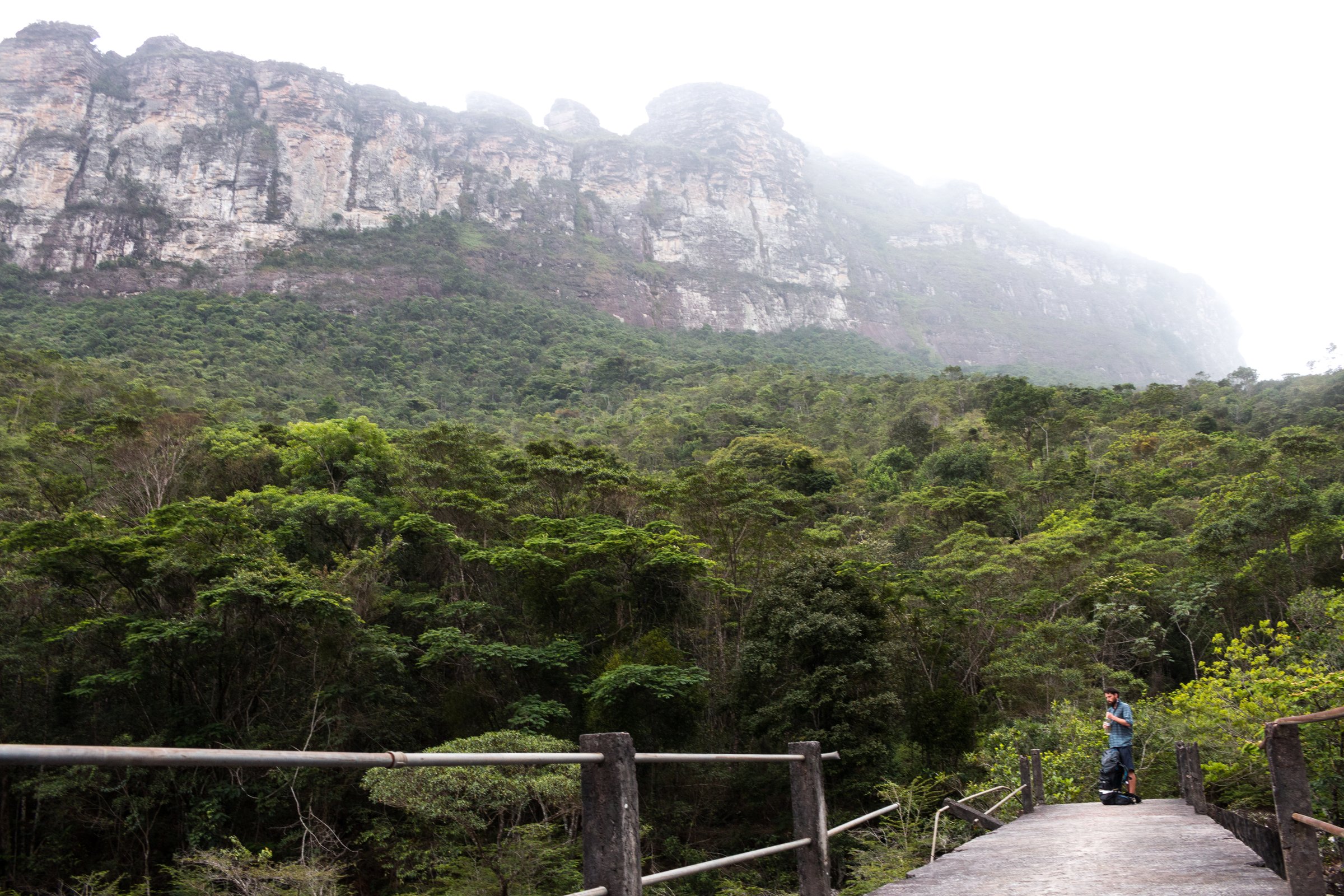
  • Remote Mountain Setting
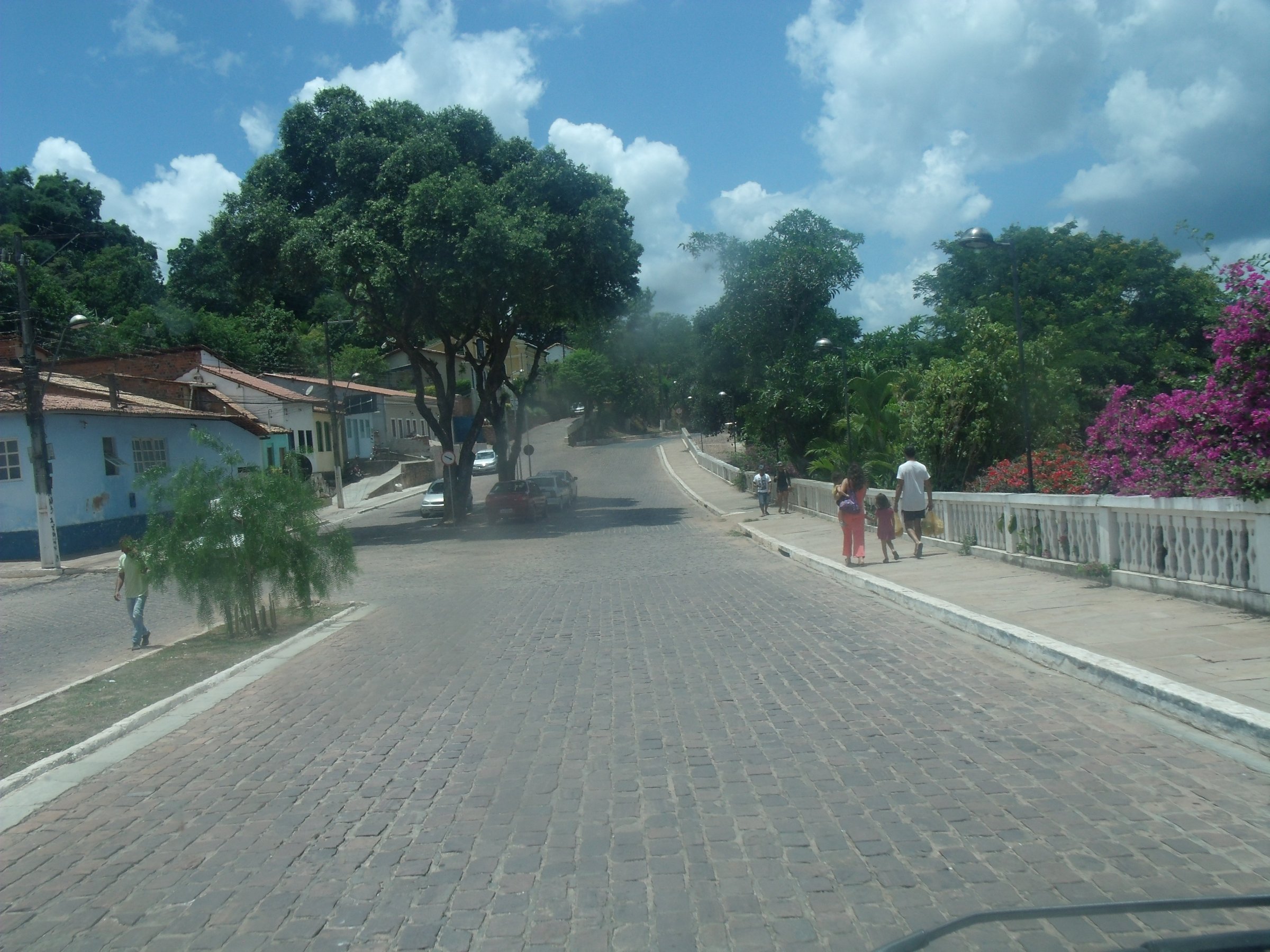
  • Cobbled Colonial Streets
  • Vesperata Serenades

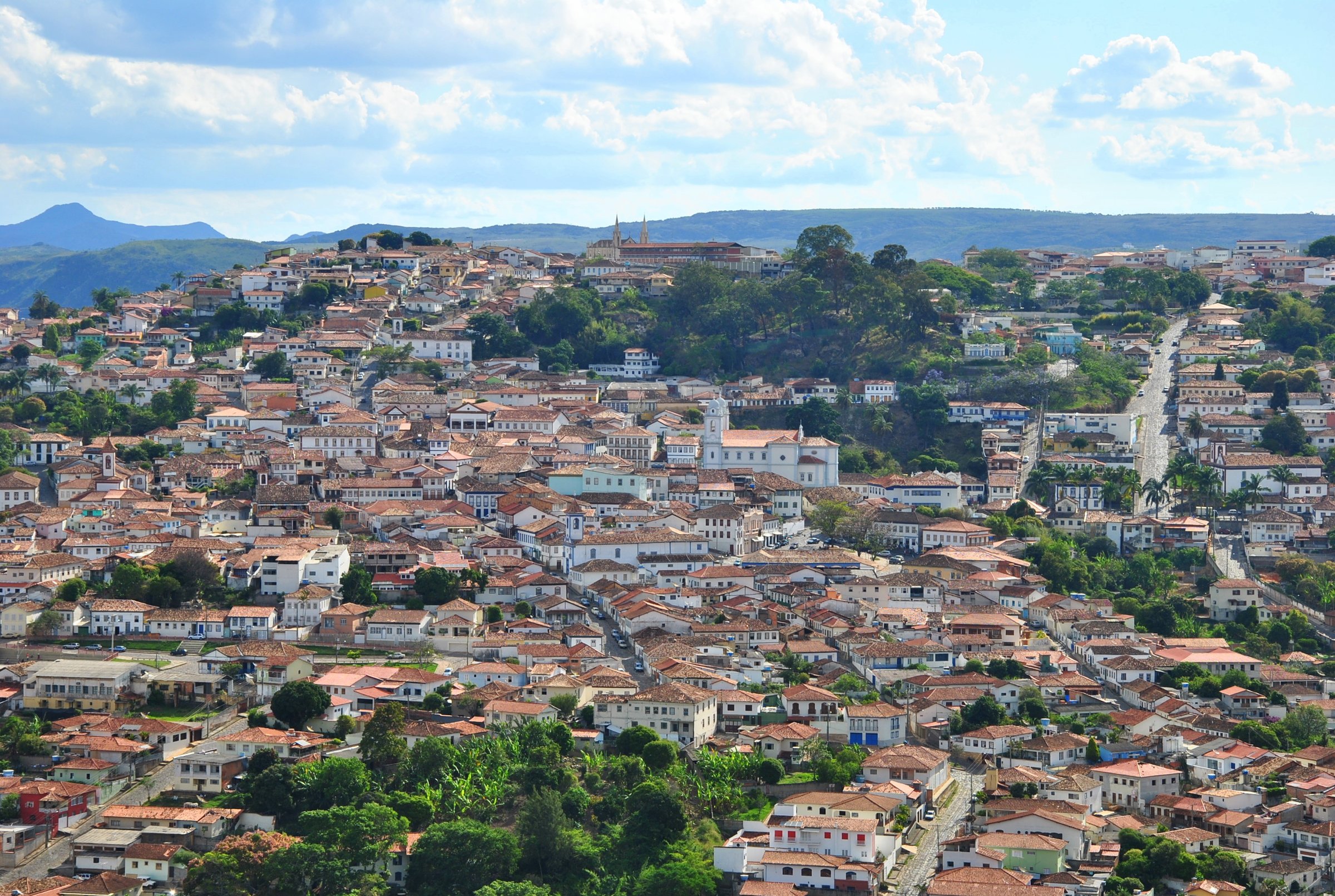
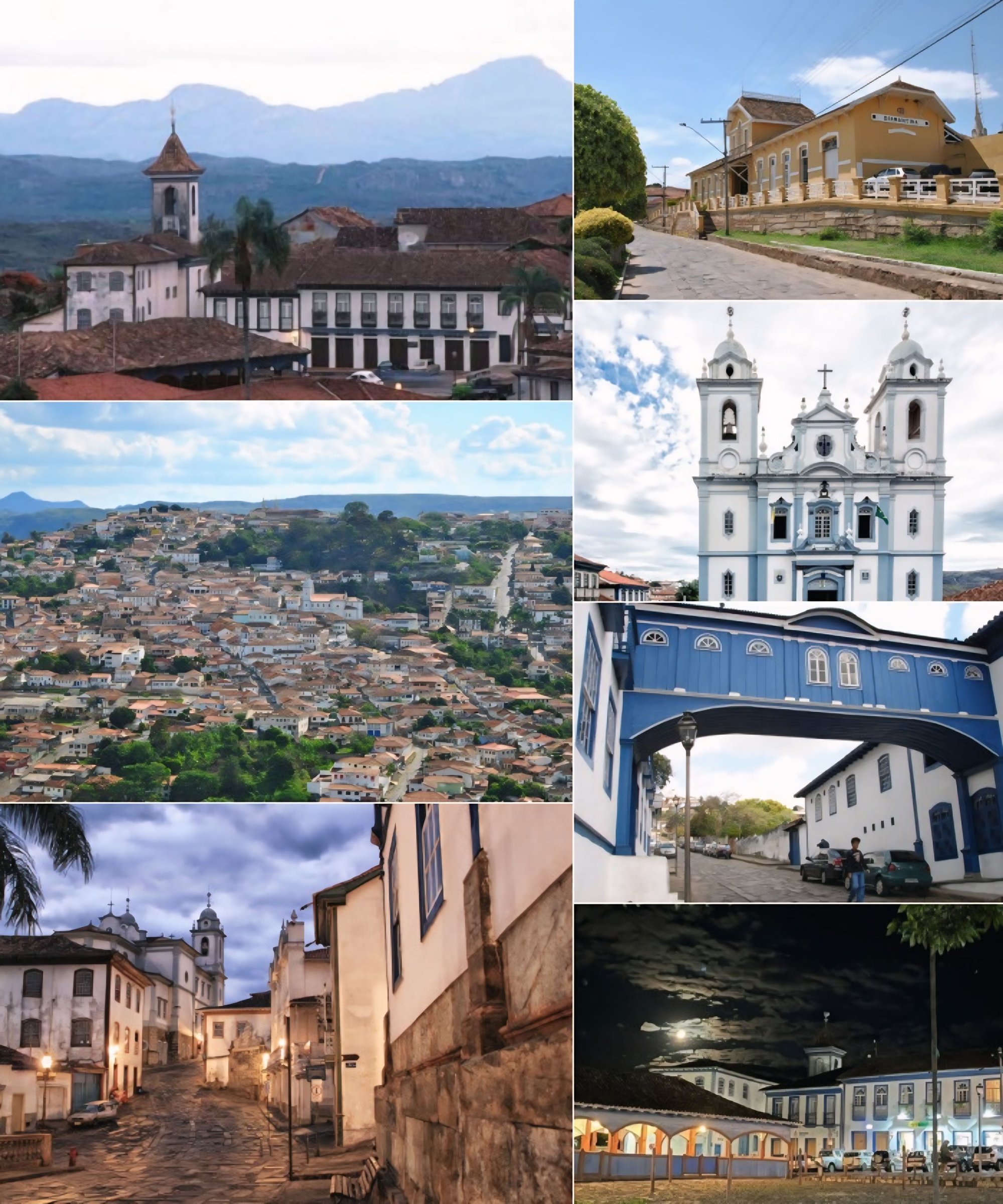
Whitewashed colonial houses with carved wooden balconies climbing steep cobbled hills to Baroque church towers, a covered wooden bridge slung between two mansions, and, on a Friday evening, brass and strings serenading the crowd from the balconies above the street.

Diamantina is a Baroque gem in the mountains — a UNESCO diamond-mining town high in the wild Espinhaço range of Minas Gerais, its steep cobbled streets and colonial mansions remote, atmospheric and alive with music, the birthplace of the president who built Brasília.

Type
town
Ideal length
~approx 1–2 days
Getting around
on foot — steep and cobbled; a car for the mountains
Neighbourhoods
3 areas
Best season / months
April to September — the drier season; mild-to-cool mountain climate
Language
Portuguese (some English)
Currency
Brazilian real (R$)
Budget level
moderate — affordable
Good for
  • History
  • Baroque architecture
  • Music
  • Mountains
  • Off-the-trail travellers
▸ Discover

About Diamantina

Diamantina sits high in the rugged Espinhaço mountains of Minas Gerais, in southeastern Brazil — remoter and starker than the gold towns to the south. In the 18th century, diamonds discovered here drew a rush and built a colonial town of steep cobbled streets, whitewashed mansions with carved balconies, and Baroque churches, its wealth and its brutal mining history (worked by enslaved labour) written into its stones. Spared and preserved, its historic centre is a UNESCO site. It's also the birthplace of Juscelino Kubitschek, the president who built Brasília, and famous for its "vesperatas" — evening street concerts serenaded from the balconies. Beautiful, atmospheric and surrounded by wild mountain country, it's a rewarding, less-visited Minas heritage town.

Why go

Diamantina is one of Brazil's finest and least-visited colonial towns — a UNESCO diamond-town of steep cobbled streets, carved-balconied mansions and Baroque churches, in a dramatic, remote mountain setting that gives it a wilder, quieter feel than Ouro Preto. It has a rich, complex history (diamonds, slavery, the legend of Chica da Silva, and the birthplace of Brasília's builder), the charming musical tradition of the vesperata serenades, hearty Minas food, and the wild Espinhaço mountains with their waterfalls and trails all around. For heritage, atmosphere and mountain beauty off the trail, it's a gem.

Don't miss

  • The cobbled colonial streets — the Baroque townscape
  • The Casa da Glória — the covered bridge between mansions
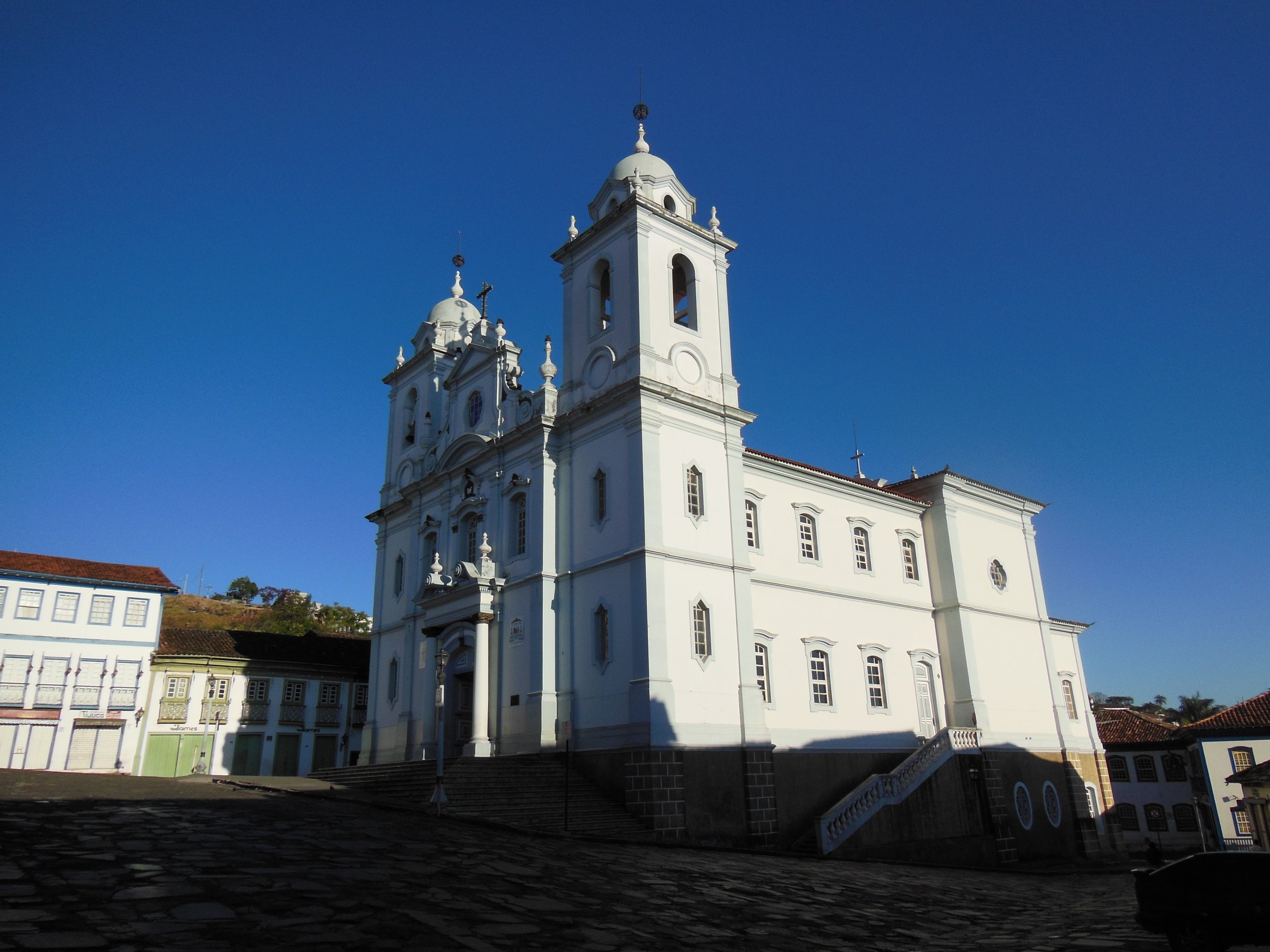
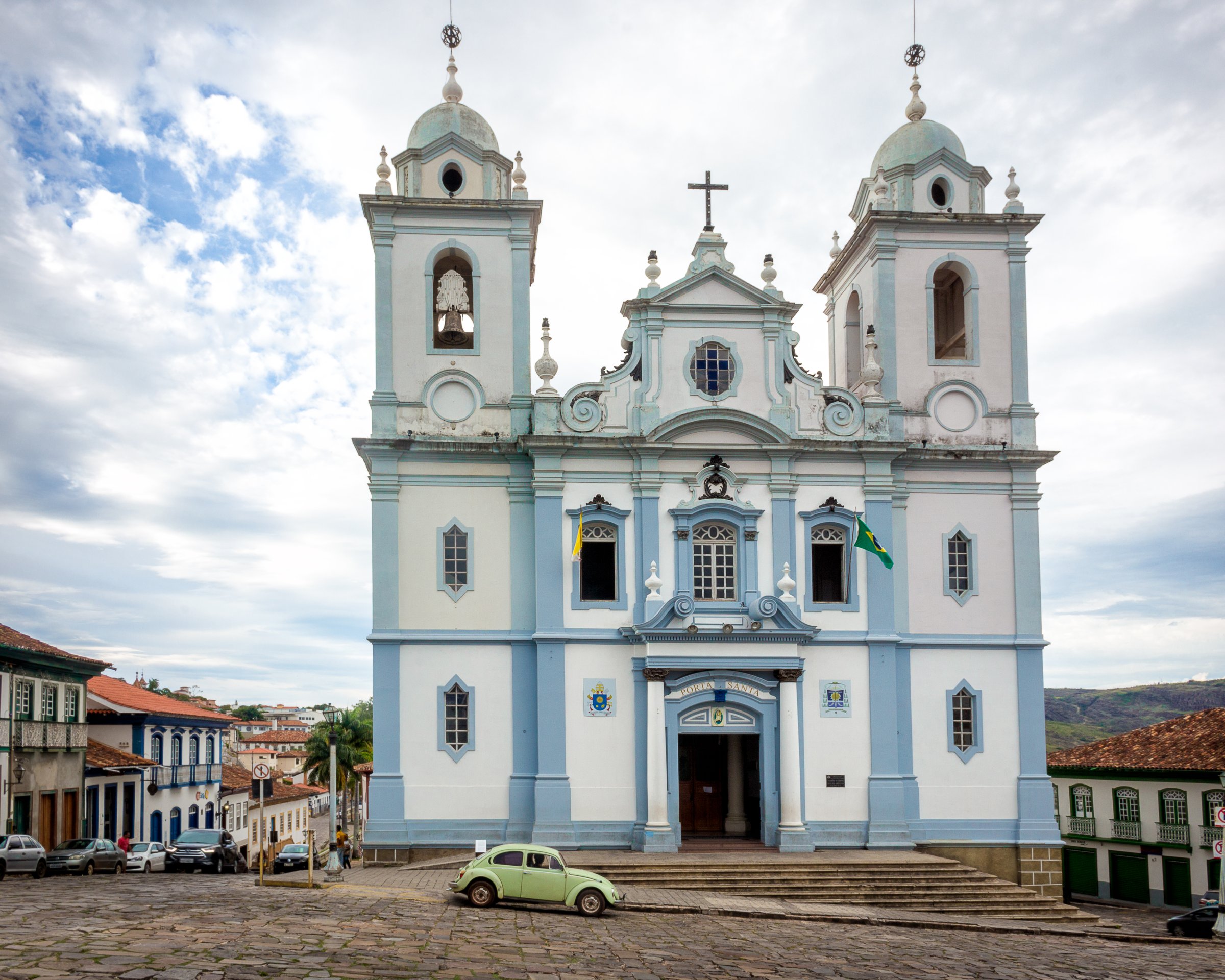
  • The Baroque churches — the town's gilded heart
  • The vesperata — the balcony serenades (on set evenings)
  • The Espinhaço mountains — the waterfalls and wild country

Signature experiences

The Baroque diamond town — Diamantina is a joy to explore on foot — steep cobbled streets of whitewashed colonial mansions with distinctive carved wooden balconies and lattices, climbing to Baroque church towers, in a townscape both grand and intimate. The signature sight is the Casa da Glória, a covered wooden bridge slung across a street to link two mansions, quirky and photogenic. Wander the lanes, take in JK's boyhood home and the town's diamond-and-slavery history, and enjoy the atmosphere of a beautiful, remote heritage town — starker and quieter than the gold towns to the south. **The vesperata** — Diamantina's charming musical tradition is the vesperata — on set evenings (often Fridays and Saturdays in season), musicians take to the balconies above a market square and serenade the crowd below with brass, strings and song, an atmospheric, communal street concert unique to the town. It's a lovely thing to time your visit for, and captures Diamantina's warm, musical spirit. The town has a strong musical and cultural life year-round, but the vesperata is its signature evening. **History, diamonds and Chica da Silva** — Diamantina's wealth came from diamonds, and its history is rich and complex — the rush, the royal monopoly, and the enslaved labour that dug the stones (traced in sites like the Caminho dos Escravos, the old slave road). It's bound up with the legend of Chica da Silva, an enslaved woman who became the powerful companion of a diamond contractor, her story a famous, complicated tale of the era. And it's the birthplace of Juscelino Kubitschek, the visionary president who built Brasília. The museums and houses bring these threads of the town's past alive. **Minas food and the wild Espinhaço** — Diamantina is deep in Minas Gerais, so the food is the hearty comfort cuisine of the state — pão de queijo, feijão tropeiro, frango com quiabo, queijo minas cheese, doce de leite, cooked on wood stoves, with good cachaça. And the town is ringed by the wild Serra do Espinhaço, a rugged high-mountain landscape of waterfalls, swimming holes and trails (the Biribiri park and the abandoned village nearby), perfect for a day in nature. Between a Minas feast and a mountain waterfall, the town balances heritage and the outdoors.

Neighbourhoods

Diamantina neighbourhood by neighbourhood — the character of each and who it suits.

  • The Historic Centre

    The colonial heart — steep cobbled streets of whitewashed mansions with carved wooden balconies, the covered Casa da Glória bridge, JK's boyhood home, and shops and cafés. The atmospheric core.

    Why go
    The colonial streets, the Casa da Glória and the historic houses.
    Best for
    Sightseeingthe mansionscaféswandering
    Known for
    The cobbled streets and carved-balconied houses, the Casa da Glória (a covered bridge linking two buildings), the boyhood home of Juscelino Kubitschek, the Chica da Silva house, and the museums.
  • The Market and Church Squares

    The squares and the old market at the town's heart — the Baroque churches, the plazas, and the wooden market hall (the Mercado dos Tropeiros), where the vesperata serenades take place. The social-and-devotional centre.

    Why go
    The Baroque churches, the market, and the vesperata evenings.
    Best for
    Churchesthe marketthe vesperataplaza life
    Known for
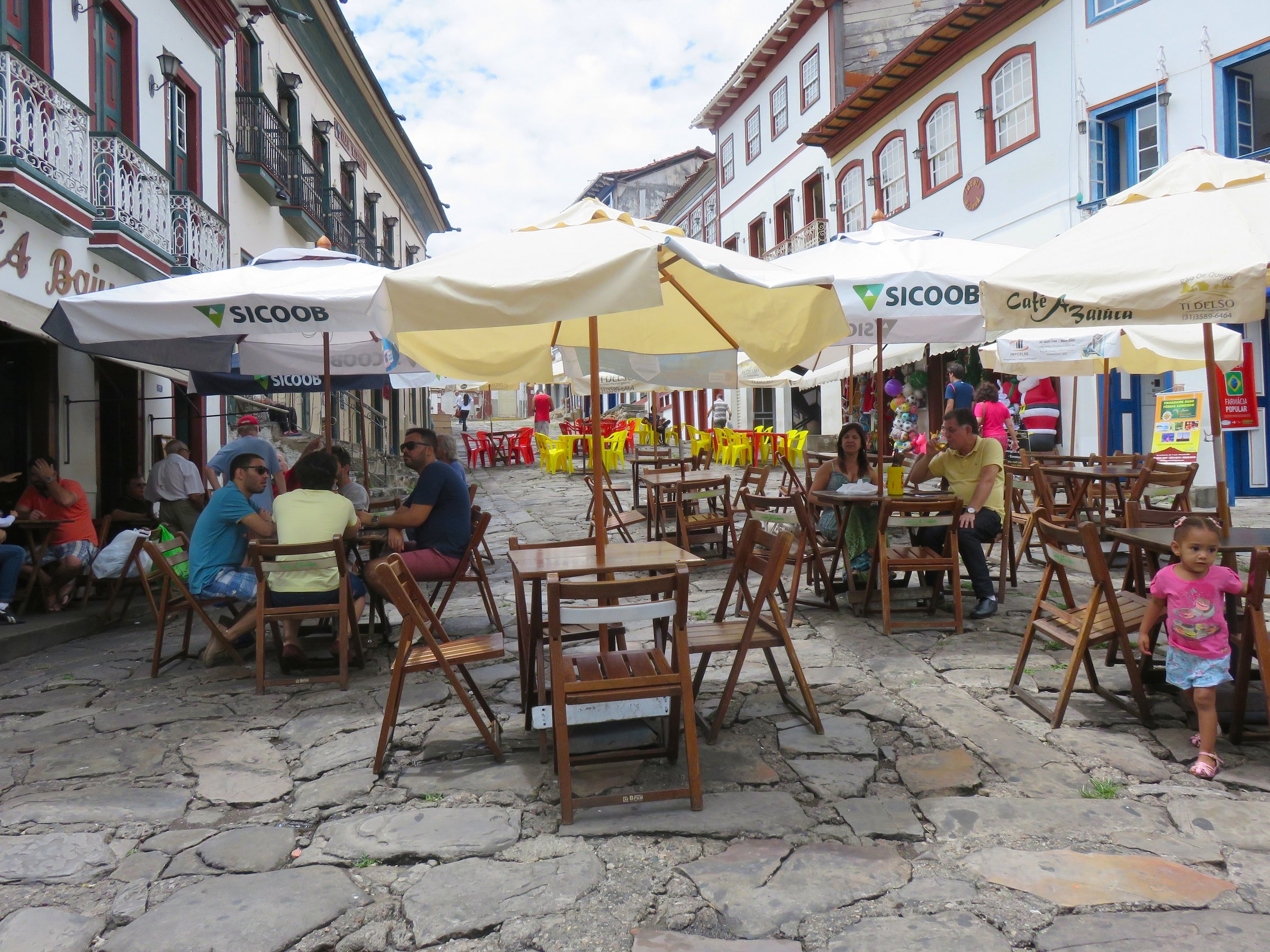
    The Baroque churches (Nossa Senhora do Carmo and others), the Praça and the wooden Mercado dos Tropeiros, the vesperata street concerts, and the cafés and bars.
  • The Espinhaço Mountains and Surroundings

    The wild, high mountain country around the town — the Serra do Espinhaço, waterfalls, old mining sites, the abandoned Biribiri village, and hiking trails. The natural, remote hinterland.

    Why go
    The waterfalls, the mountain trails and the mining and nature sites.
    Best for
    Waterfallshikingnaturemining history
    Known for
    The Serra do Espinhaço and Biribiri state park, the waterfalls and swimming holes, the old diamond-mining sites and the Caminho dos Escravos (slave road), and the mountain viewpoints.

Views & hidden gems

Best views

  • The Casa da Glória covered bridge over the street
  • The carved-balconied mansions and cobbled hills
  • The Baroque church towers over the town
  • The Espinhaço mountains and waterfalls

Hidden gems

  • A vesperata evening of balcony serenades
  • The Casa da Glória and JK's boyhood home
  • The Caminho dos Escravos (old slave road) and mining sites
  • The abandoned village and waterfalls of Biribiri
  • A Minas feast cooked on a wood stove

Food & drink

Diamantina eats Minas Gerais — the beloved comfort cuisine of the state. The staples are pão de queijo (cheese-bread balls), feijão tropeiro (beans with toasted cassava flour, pork and egg), frango com quiabo (chicken with okra), tutu de feijão (mashed beans), the mild queijo minas cheese, and doce de leite and goiabada for sweet, much of it cooked on a wood-fired stove. Minas is cachaça country, so sip a good one. Eat a hearty Minas plate in a traditional restaurant, and finish with cheese and guava paste ("Romeu e Julieta").

  • Feijão tropeiro — beans with toasted cassava flour, pork and egg
  • Pão de queijo — chewy cheese-bread balls
  • Frango com quiabo — chicken stewed with okra
  • Tutu de feijão — mashed beans with cassava flour and pork
  • Queijo minas with goiabada ("Romeu e Julieta") — cheese and guava paste
  • Cachaça and doce de leite — the local spirit and the sweet
Dietary notes

Vegetarians manage with pão de queijo, cheese, beans, rice and vegetable dishes and the cheese-and-sweet options, though pork runs through much Minas cooking — ask. Vegan is harder outside a modern spot. Halal and kosher are effectively unavailable. Gluten-free is helped by pão de queijo (usually cassava/tapioca flour, gluten-free) and rice-and-bean dishes, but confirm. The mountain climate is cool — the hearty food suits the evenings.

Diamantina in photos

▸ Where you'll stay

Where you'll stay in Diamantina

Stay in the historic centre to walk (steeply) to the streets, churches and the market where the vesperata plays — Diamantina has charming pousadas in colonial houses, atmospheric if hilly. It's a remote, compact, affordable town best on foot, with a car for the mountains. Book ahead for the vesperata-season weekends and festivals. The old town is the natural, characterful base.

  • Budget
    Near the centre hostels and budget pousadas among the cobbled streets.
  • Mid-range
    The historic centre charming pousadas in colonial houses near the churches and market.
  • Luxury
    The best restored-house pousadas high-end colonial stays, the top of a modest range.
Stay

Hotels & rentals around Diamantina

Pan, zoom and compare live prices — every stay in one map.

▸ Getting around

Getting around Diamantina

The town is compact but steep and cobbled — everything is on foot (wear proper shoes and pace yourself). A car is needed for the Espinhaço mountains, waterfalls and Biribiri; taxis help with the steepest hops and arrivals. A car is a liability on the narrow old streets.

The historic centre and the church-and-market squares are all a short (steep) walk apart (~approx); the mountains and waterfalls are drives out — plan those with a car or tour.

▸ Plan your days

Suggested itineraries

Ready-made day plans for Diamantina — from a single day to a long weekend.

One day

Wander the steep cobbled streets and the carved-balconied mansions, see the Casa da Glória covered bridge, JK's boyhood home and the Chica da Silva house, and the Baroque churches. Have a hearty Minas lunch (feijão tropeiro), explore the market and museums in the afternoon, and — if it's a vesperata evening — enjoy the balcony serenades in the square with a cachaça.

Two days

With an overnight, add the mountains. Give a day to the wild Serra do Espinhaço — the waterfalls and swimming holes, the abandoned village of Biribiri, and the old mining sites and slave road — and enjoy the town at dawn and dusk. Diamantina also pairs with the wider Espinhaço and the road toward Belo Horizonte and the other Minas heritage towns.

▸ What you'll do

Insider tips

  • Time a visit for a vesperata evening — the balcony serenades are Diamantina's signature.
  • See the Casa da Glória covered bridge and JK's boyhood home, and wander the carved-balconied streets.
  • Get out to the Espinhaço mountains and their waterfalls (Biribiri) for a day in nature.
  • Wear good shoes for the steep cobbles, and pack a warm layer for the cold mountain nights.
What's on

While you're there

05
FEB
Rio Carnival 2027
Rua Tomás Rabelo 12, Cidade Nova, Rio de Janeiro - Rio de Janeiro, 20210, Brazil · carnival
Build a trip around it →
Explore

Explore the area

© OpenFreeMap · OSM · terrain Mapterhorn
Do

Local attractions & tours

Skip-the-line tickets and small-group tours in Diamantina — compare across our partners.

We're still curating hand-picked tickets and tours for Diamantina. In the meantime, the map above and the nearby cities are a great place to start.

▸ Budget

What it costs in Diamantina

Backpacker
roughly €25–50 a day.
Mid-range
roughly €55–105 a day.
Luxury
€170 a day and up.
Cash vs card
Carry reais for small eateries, the market and entries; cards and Pix (mobile pay) work widely in shops and restaurants.
Tipping
Tipping is modest — a service charge (around 10%) is often added to restaurant bills; small change for help.
▸ When you'll go

When to visit Diamantina

April to September — the drier season; mild-to-cool mountain climate

Spring

What to expect — Mild and warming, the mountains greening, the drier season easing toward the summer rains; pleasant mountain days and cool nights. Comfortable.

What's best — Comfortable weather for the steep town and the mountains, green surroundings, and fewer crowds — a lovely, quiet season.

Summer

What to expect — The wet season (roughly November to March), warm and humid with afternoon rain and mountain mist; the waterfalls full and the country green. Showery.

What's best — The waterfalls in full flow, green misty mountains, and dramatic light on the Baroque town — but expect afternoon rain and slippery cobbles, so carry rain gear and good shoes.

Autumn

What to expect — The rains easing into the drier, cooler season by around April, with clear mountain days and cool nights. One of the best times.

What's best — Clear skies, comfortable days for the town and the trails, and the drought-free light on the Baroque streets — a rewarding window; check the vesperata calendar.

Winter

What to expect — The dry season (roughly May to September) — sunny, clear mountain days and cold nights (genuinely chilly at altitude). The best and clearest time.

What's best — The clearest weather for the town, the churches and the mountains, comfortable sunny days, and the vesperata season — the ideal time; pack a warm layer for the cold nights.

▸ Know before you go

Know before you go

Honest swaps

Skip Ouro Preto's crowds → Diamantina offers Baroque heritage in a wilder, quieter mountain setting.

Skip a tourist-menu meal → eat a proper Minas feast (feijão tropeiro) cooked on a wood stove.

Skip a town-only visit → get out to the Espinhaço waterfalls and Biribiri in the mountains.

Skip missing the music → time a visit for a vesperata evening of balcony serenades.

Crowds & timing

Vesperata-season weekends and festivals bring visitors — book ahead; the town is otherwise quiet and remote.

The vesperata runs on set evenings in season — check the calendar to catch it.

Local rules & etiquette

The town is steep and cobbled — wear proper shoes and pace the climbs (slippery when wet).

Dress respectfully inside the churches; note the town's difficult diamond-and-slavery history with respect.

The mountains are wild — go prepared, and use guides for longer trails.

Money

Carry reais for small eateries and entries; cards and Pix work widely; use bank ATMs (the town is remote, so stock up).

Many churches and museums charge a small cash entry — carry change.

After dark

The market and church squares, especially on vesperata evenings, and the town bars hold the gentle evening life.

Diamantina is a small, remote mountain town rather than a nightlife hub — the evening is a vesperata, dinner and a cachaça.

The lit Baroque town on its hills at night is lovely.

▸ Ready to book your trip?

Getting there

Diamantina has a small airport with limited flights; Belo Horizonte (CNF) is the main gateway, several hours away by road, with buses reaching the town. It's remote — plan the journey.

Book

Ready to book your trip?

Flights, airport transfers and car hire — search and compare without leaving the page.

▸ Trip extras
Book

More trip extras

Parking, holiday extras, and more — coming soon.

Coming soon

We're lining up parking, holiday extras and activities you'll be able to add to any trip from here.