


← Brazil
BRAZIL · CITY

Goiás

A tranquil colonial gold-rush town in Brazil's interior, with cobbled lanes and whitewashed churches.

  • City
  • May to September — the dry season; hot cerrado climate year-round
  • ~approx 1 day
  • Old Colonial Capital
  • Whitewashed Baroque Streets
  • Poet's Town
  • Cerrado Mountains

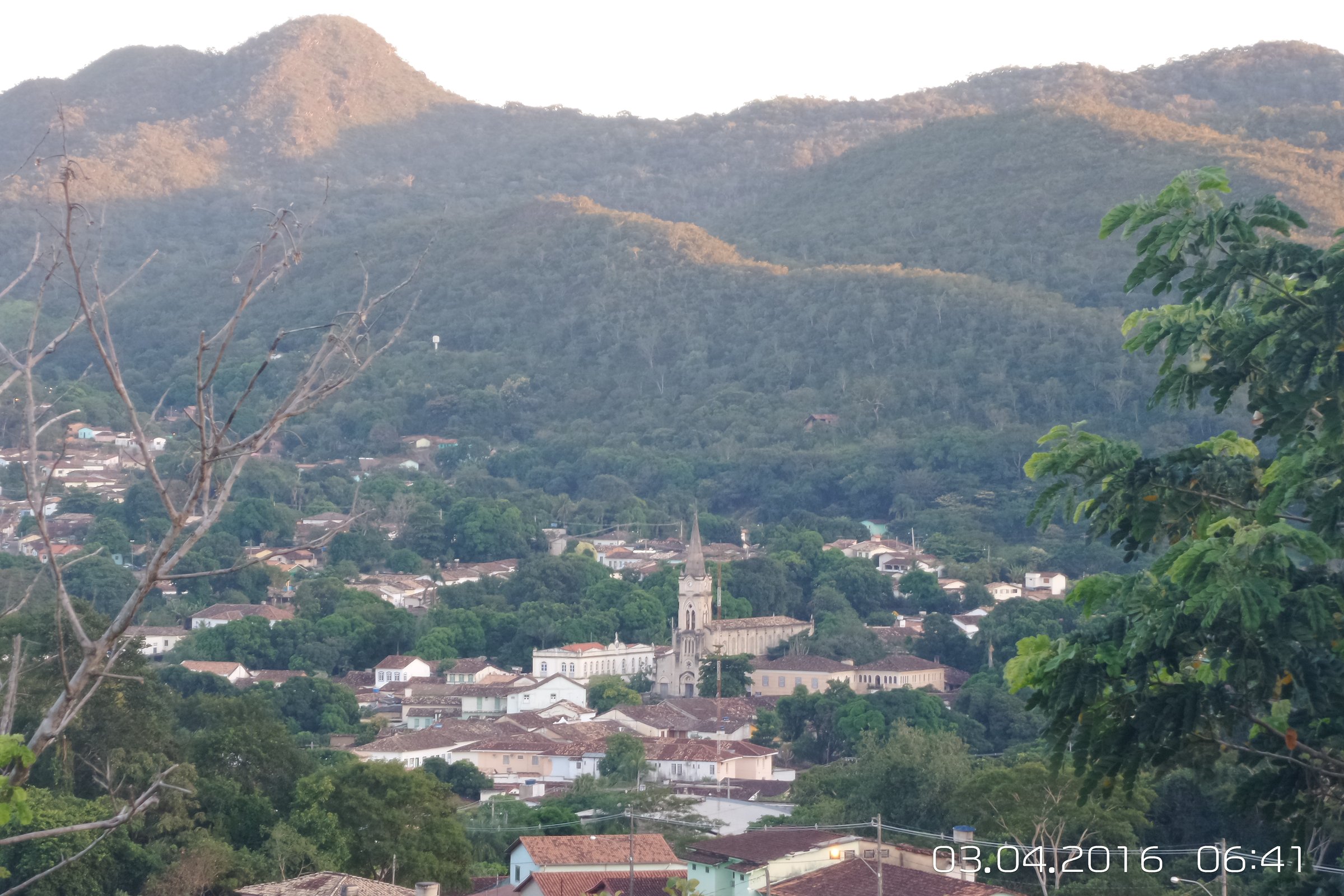
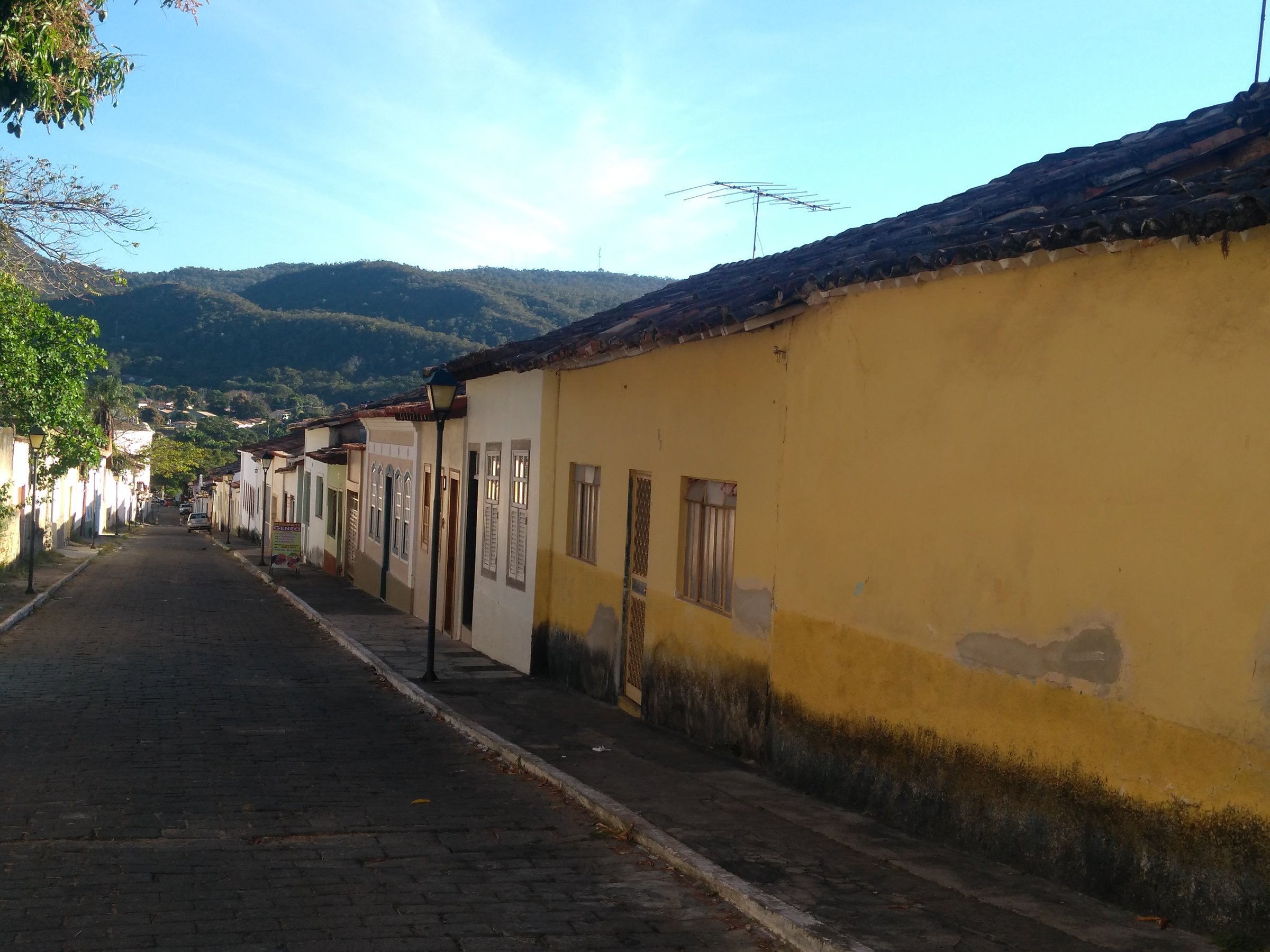
Whitewashed colonial houses and Baroque church towers baking under a big cerrado sky, a red river slipping under old stone bridges, and, on the Wednesday of Holy Week, hooded torch-bearers thundering through the dark streets in a centuries-old procession.

Goiás (Cidade de Goiás) is the sleepy former capital of Brazil's heartland — a UNESCO colonial town of whitewashed houses and cobbled streets by a red river in the cerrado, birthplace of the beloved poet Cora Coralina, and famous for a torchlit Holy Week procession like nothing else.

Type
town
Ideal length
~approx 1 day
Getting around
on foot — cobbled and compact; a car for the mountains
Neighbourhoods
3 areas
Best season / months
May to September — the dry season; hot cerrado climate year-round
Language
Portuguese (little English)
Currency
Brazilian real (R$)
Budget level
low — very affordable
Good for
  • History
  • Colonial architecture
  • Poetry and culture
  • Cerrado nature
  • Off-the-trail travellers
▸ Discover

About Goiás

Goiás — known as Cidade de Goiás or Goiás Velho to distinguish it from the modern state capital Goiânia — sits by the Rio Vermelho ("Red River") in the Serra Dourada hills of central Brazil, in the cerrado savanna. Founded on gold in the 18th century, it was the capital of Goiás state until the mid-20th century, and it left a modest, harmonious colonial town of whitewashed houses, cobbled streets and simple Baroque churches, unusually preserved. A UNESCO site, it's the hometown of Cora Coralina, one of Brazil's most cherished poets, and famous for the Procissão do Fogaréu, a dramatic torchlit Holy Week procession. Quiet, hot and atmospheric, ringed by cerrado mountains, it's a genuine, off-the-trail slice of interior Brazil.

Why go

Goiás is a lovely, under-visited colonial town — a UNESCO gem of whitewashed simplicity and harmony, the well-preserved former capital of Brazil's central heartland, by a red river in the cerrado. It has charming Baroque churches and cobbled streets, the moving house-museum of the poet Cora Coralina, the extraordinary torchlit Fogaréu procession at Easter, the distinctive food of the cerrado (pequi and all), and the Serra Dourada mountains and their waterfalls all around. For authentic interior Brazil, poetry, and a beautiful, quiet historic town, it rewards the curious.

Don't miss

  • The whitewashed colonial streets — the harmonious old town
  • The Cora Coralina house-museum — the poet's home
  • The Baroque churches — the town's simple spires
  • The Fogaréu procession — the torchlit Holy Week rite
  • The Serra Dourada and Rio Vermelho — the cerrado setting

Signature experiences

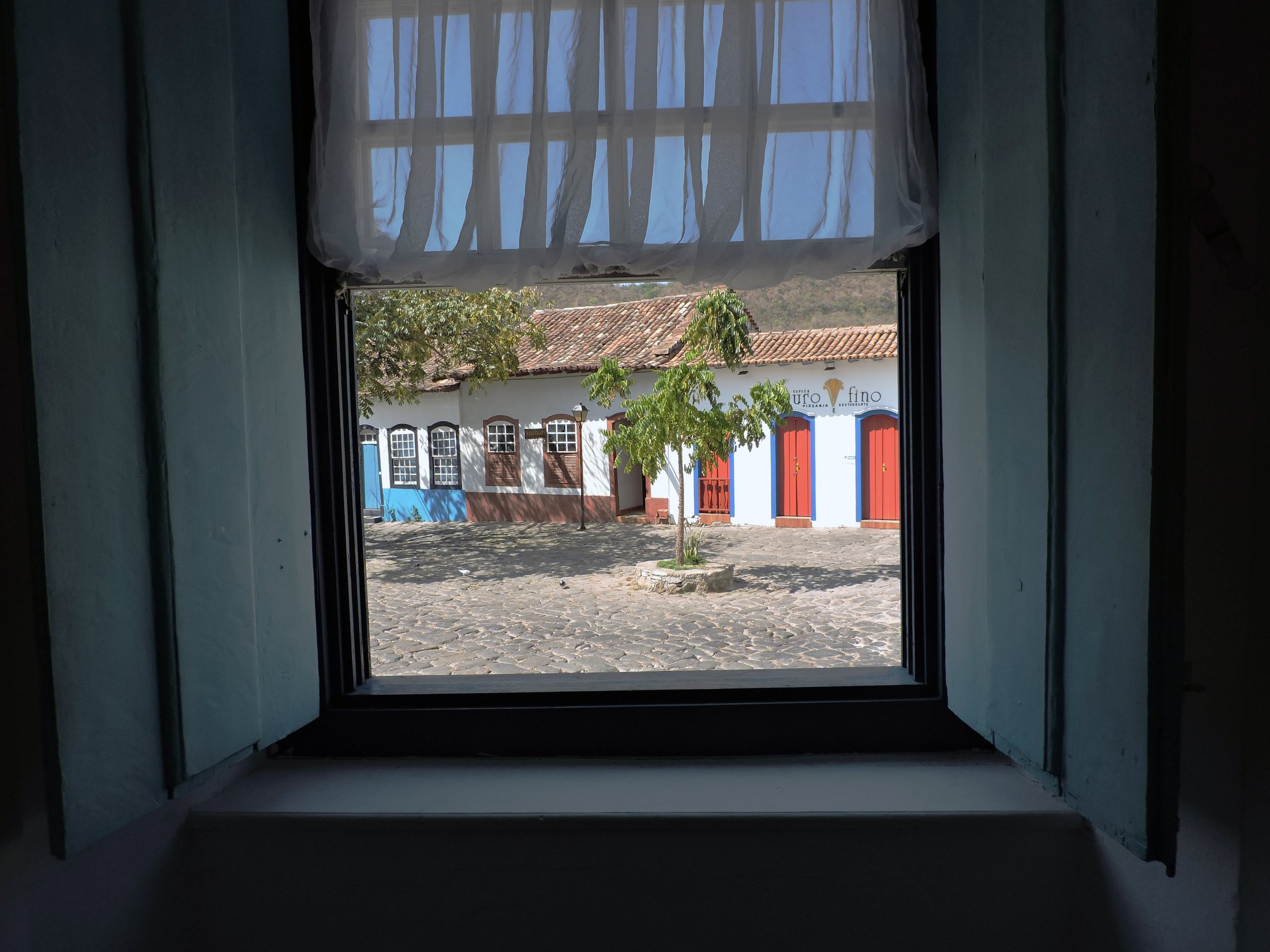
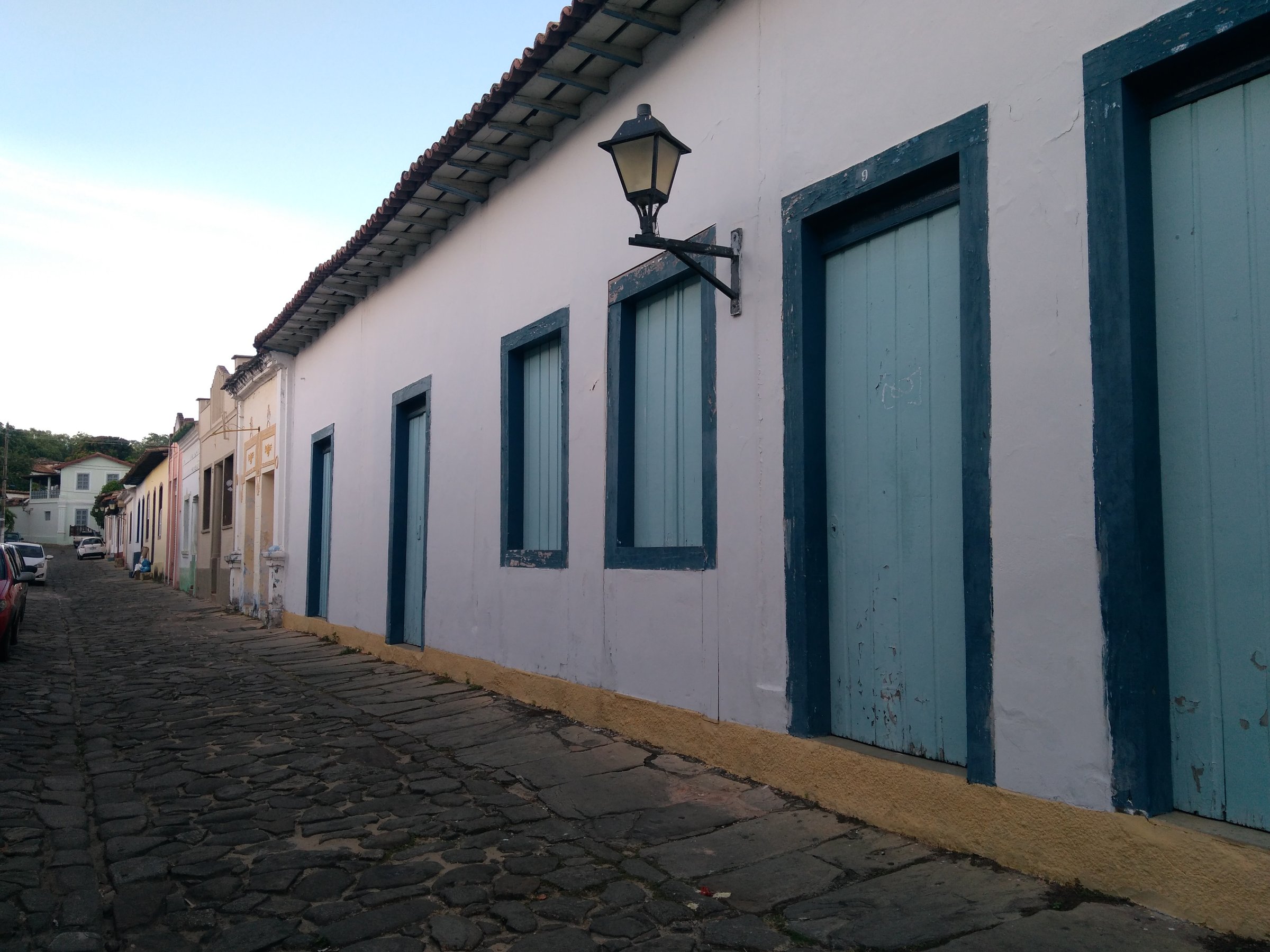
The whitewashed colonial town — Goiás is a gentle pleasure to wander — cobbled streets of low, whitewashed colonial houses and simple Baroque churches, harmonious and human-scaled, baking under the big cerrado sky, with the red river running through. It's less grand than the Minas gold towns, but beautifully preserved and atmospheric, especially in the softer light of morning and evening. See the churches, the old governor's palace, and the market, and enjoy the quiet, sun-warmed rhythm of a former capital that time gently passed by. **Cora Coralina's town** — Goiás is the beloved hometown of Cora Coralina, one of Brazil's most cherished poets, who lived and wrote here in a riverside house that is now a moving museum — her rooms, her belongings, her words, and her spirit of everyday wisdom and simple beauty preserved as she left them. For Brazilians, the pilgrimage to her house is deeply meaningful; for any visitor, it's a lovely, intimate window into the town and its most famous daughter. It gives Goiás a poetic soul that suffuses the whole place. **The Fogaréu procession** — Goiás's most extraordinary event is the Procissão do Fogaréu, a torchlit Holy Week procession on the Wednesday of Semana Santa — hooded figures (the farricocos) carrying flaming torches run through the darkened, silenced streets re-enacting the search for Christ, an eerie, dramatic, centuries-old rite unlike anything else in Brazil. If you can time your visit for it, it's unforgettable; even year-round, the town's strong religious and cultural traditions give it depth. It's the town's signature moment. **Cerrado food and the Serra Dourada** — Goiás sits in the cerrado, and its food is the distinctive cuisine of central Brazil, built around pequi — a strong-flavoured, spiny cerrado fruit that divides opinion — in dishes like galinhada com pequi (chicken and rice with pequi) and arroz com pequi; plus empadão goiano (a hearty savoury pie), pamonha (sweet corn parcels), and guariroba (a bitter palm heart). And the town is ringed by the Serra Dourada, cerrado hills of waterfalls, swimming holes and unique savanna flora, perfect for a day in nature. Try the pequi (carefully — never bite the spiny stone), and get out to a waterfall.

Neighbourhoods

Goiás neighbourhood by neighbourhood — the character of each and who it suits.

  • The Historic Centre

    The colonial heart — cobbled streets of whitewashed houses, simple Baroque churches, the poet's house, museums and the market, harmonious and low-key. The atmospheric core.

    Why go
    The whitewashed streets, the churches and the Cora Coralina house.
    Best for
    Sightseeingthe poet's housecaféswandering
    Known for
    The cobbled colonial streets, the Cora Coralina house-museum, the Baroque churches (São Francisco, the Rosário, the Boa Morte museum), the old governor's palace (Palácio Conde dos Arcos), and the market.
  • The Rio Vermelho and Riverside

    The "Red River" running through the town, crossed by old stone bridges, with riverside houses, the market and the everyday life along the water. The riverine edge.

    Why go
    The river, the old bridges and the riverside atmosphere.
    Best for
    River walksthe bridgeslocal lifethe market
    Known for
    The Rio Vermelho and its old stone bridges, the riverside houses and market, and the everyday life along the water (and its occasional floods).
  • The Serra Dourada and Surroundings

    The cerrado hills and savanna around the town — the Serra Dourada ("Golden Range"), waterfalls, swimming holes and old gold-mining sites, and the wild central-Brazilian landscape. The natural hinterland.

    Why go
    The Serra Dourada, the waterfalls and the cerrado nature.
    Best for
    Waterfallshikingnaturemining history
    Known for
    The Serra Dourada state park, the waterfalls and swimming holes, the cerrado savanna and its unique flora, and the old gold-mining sites.

Views & hidden gems

Best views

  • The whitewashed streets and church towers under the cerrado sky
  • The Rio Vermelho and its old stone bridges
  • The Serra Dourada hills and waterfalls
  • The Cora Coralina house by the river

Hidden gems

  • The Cora Coralina house-museum and her poetry
  • The Museu de Arte Sacra da Boa Morte
  • The Serra Dourada waterfalls and swimming holes
  • Galinhada com pequi and empadão goiano at a local restaurant
  • The Fogaréu procession (Holy Week Wednesday), if you can time it

Food & drink

Goiás eats cerrado — the distinctive central-Brazilian cuisine, defined by pequi, a strong, aromatic (and spiny-stoned) savanna fruit. The classics are galinhada com pequi (chicken and rice with pequi) and arroz com pequi, the hearty empadão goiano (a savoury chicken-and-more pie), pamonha (sweet corn parcels), guariroba (a bitter palm heart), and cerrado-fruit sweets and juices. Eat at the local restaurants and the market, and try pequi — but heed the warning never to bite into its spiny stone (eat around it). Cold beer, cachaça and cerrado-fruit juices refresh in the heat.

  • Galinhada com pequi — chicken and rice cooked with pequi fruit
  • Empadão goiano — a hearty savoury pie of chicken and more
  • Arroz com pequi — rice with pequi
  • Pamonha — sweet corn parcels steamed in husks
  • Guariroba — a bitter palm heart, in stews and pies
  • Cerrado-fruit juices, cachaça and cold beer — the local drinks
Dietary notes

Vegetarians manage with pamonha, rice, beans, cerrado-fruit dishes and salads, though chicken and pork feature in the mains (and pequi dishes often have meat) — ask. Vegan is harder outside a modern spot. Halal and kosher are effectively unavailable. Gluten-free is manageable with rice, pamonha and many dishes (often wheat-free), but empadão pastry is wheat — confirm. And never bite a pequi stone — the spines are nasty.

Goiás in photos

▸ Where you'll stay

Where you'll stay in Goiás

Stay in the historic centre to walk to the whitewashed streets, the churches and the poet's house — Goiás has charming pousadas in colonial houses, atmospheric and very affordable. It's a small, hot, quiet town best on foot, with a car for the Serra Dourada. Book far ahead for Semana Santa (Holy Week) and the Fogaréu procession, when the town fills. The old town is the natural, characterful base.

  • Budget
    Near the centre guesthouses and budget pousadas among the whitewashed streets.
  • Mid-range
    The historic centre charming pousadas in colonial houses near the churches.
  • Luxury
    The best restored-house pousadas modest higher-end colonial stays (luxury is limited here).
Stay

Hotels & rentals around Goiás

Pan, zoom and compare live prices — every stay in one map.

▸ Getting around

Getting around Goiás

The town is small, cobbled and entirely walkable — the streets, churches, poet's house and market are all on foot (wear sensible shoes, and pace yourself in the heat). A car is needed for the Serra Dourada waterfalls and the cerrado; taxis help with arrivals.

The historic centre and the riverside are one walkable area (~approx); the Serra Dourada and the waterfalls are drives out — plan those with a car or tour.

▸ Plan your days

Suggested itineraries

Ready-made day plans for Goiás — from a single day to a long weekend.

One day

Wander the whitewashed cobbled streets and the simple Baroque churches, visit the Cora Coralina house-museum by the river, and see the old governor's palace and the sacred-art museum. Cross the Rio Vermelho's old bridges, have a galinhada-com-pequi lunch, and explore the market and the town's quiet corners in the afternoon. End with dinner and a cachaça in the centre.

Two days

With an overnight, add the cerrado. Give a day to the Serra Dourada — its waterfalls, swimming holes and unique savanna flora — and enjoy the town at dawn and dusk. If your visit coincides with Holy Week, the torchlit Fogaréu procession is the unforgettable highlight of all.

▸ What you'll do

Insider tips

  • Visit the Cora Coralina house-museum — the poetic soul of the town.
  • Time a visit for Holy Week and the torchlit Fogaréu procession if you can.
  • Try galinhada com pequi, but never bite the spiny pequi stone — eat around it.
  • Get out to the Serra Dourada waterfalls, and carry water and sun protection in the cerrado heat.
What's on

While you're there

05
FEB
Rio Carnival 2027
Rua Tomás Rabelo 12, Cidade Nova, Rio de Janeiro - Rio de Janeiro, 20210, Brazil · carnival
Build a trip around it →
Explore

Explore the area

© OpenFreeMap · OSM · terrain Mapterhorn
Do

Local attractions & tours

Skip-the-line tickets and small-group tours in Goiás — compare across our partners.

We're still curating hand-picked tickets and tours for Goiás. In the meantime, the map above and the nearby cities are a great place to start.

▸ Budget

What it costs in Goiás

Backpacker
roughly €20–40 a day.
Mid-range
roughly €45–90 a day.
Luxury
€150 a day and up.
Cash vs card
Carry reais for small eateries, the market and entries; cards and Pix (mobile pay) work in shops and restaurants, but the town is small, so carry cash.
Tipping
Tipping is modest — a service charge (around 10%) is often added to restaurant bills; small change for help.
▸ When you'll go

When to visit Goiás

May to September — the dry season; hot cerrado climate year-round

Spring

What to expect — Hot and increasingly humid as the dry season ends and the rains approach; hot cerrado days. Hot and building to wet.

What's best — Still largely dry and warm, green cerrado returning, and few crowds — a good window before the rains; the cerrado heat is strong, so pace yourself.

Summer

What to expect — The wet season (roughly October to April), hot and humid with heavy afternoon rains; the cerrado green and the waterfalls full, and the Rio Vermelho can flood. Steamy and showery.

What's best — The green cerrado and full waterfalls, and warm days — but expect heavy rain and possible river flooding, so plan around the storms; the dry season is easier.

Autumn

What to expect — The rains easing into the dry season by around April–May, with warm, clearer days; the cerrado still green early on. Improving.

What's best — Warm, clearing weather for the town and the Serra Dourada, green surroundings, and — around March/April in some years — the extraordinary Fogaréu procession at Holy Week; a rewarding window.

Winter

What to expect — The dry season (May to September) — hot, sunny days and cooler nights, with dry cerrado and clear skies. The best (if hot) time.

What's best — The driest, clearest weather for the town and the waterfalls, sunny days, and comfortable cerrado exploring — the ideal time; it's still hot, so carry water and sun protection.

▸ Know before you go

Know before you go

Honest swaps

Skip a Goiânia-only trip → the old capital, Cidade de Goiás, is the atmospheric, historic one.

Skip a generic meal → try galinhada com pequi and empadão goiano (and pequi, carefully).

Skip a town-only visit → get out to the Serra Dourada waterfalls in the cerrado.

Skip missing the poetry → the Cora Coralina house is the soul of the town.

Crowds & timing

Semana Santa (Holy Week) and the Fogaréu procession pack the town — book far ahead; it's an extraordinary time.

The town is best in the cooler morning and evening; the cerrado heat is strong midday.

Local rules & etiquette

Never bite into a pequi's stone — its spines are nasty; eat carefully around it.

The town is cobbled and hot — wear sensible shoes, carry water and sun protection.

Dress respectfully inside the churches, and treat the Fogaréu and religious traditions with respect.

Money

Carry reais for small eateries and entries; cards and Pix work, but the town is small, so carry cash.

Use bank ATMs; the town is remote, so stock up.

After dark

The central squares and the town bars hold the gentle evening life; it's a small, quiet town.

Goiás is a sleepy interior town rather than a nightlife hub — the evening is dinner, a cachaça and a stroll.

Holy Week, with the Fogaréu, is the great exception, filling the streets.

▸ Ready to book your trip?

Getting there

Goiás has no major airport; Goiânia (GYN), the state capital, is the gateway, around 2–2.5 hours away by road, with buses reaching the town.

Book

Ready to book your trip?

Flights, airport transfers and car hire — search and compare without leaving the page.

▸ Trip extras
Book

More trip extras

Parking, holiday extras, and more — coming soon.

Coming soon

We're lining up parking, holiday extras and activities you'll be able to add to any trip from here.