← Brazil
BRAZIL · CITY

Olinda

A colourful baroque hill-town above Recife — cobbled lanes, golden churches and one of Brazil's wildest Carnivals.

  • City
  • September to March — warmer and drier; hot and tropical year-round
  • ~approx 1 day (or an overnight)
  • Colourful Hilltop Town
  • Baroque Churches
  • Artists' Quarter
  • Frevo Carnival

Sugar-coloured houses stacked up leafy hills to a hilltop cathedral, art spilling from every doorway, and — come Carnival — giant papier-mâché puppets bobbing above a crowd dancing the whirling, umbrella-spinning frevo through the lanes.

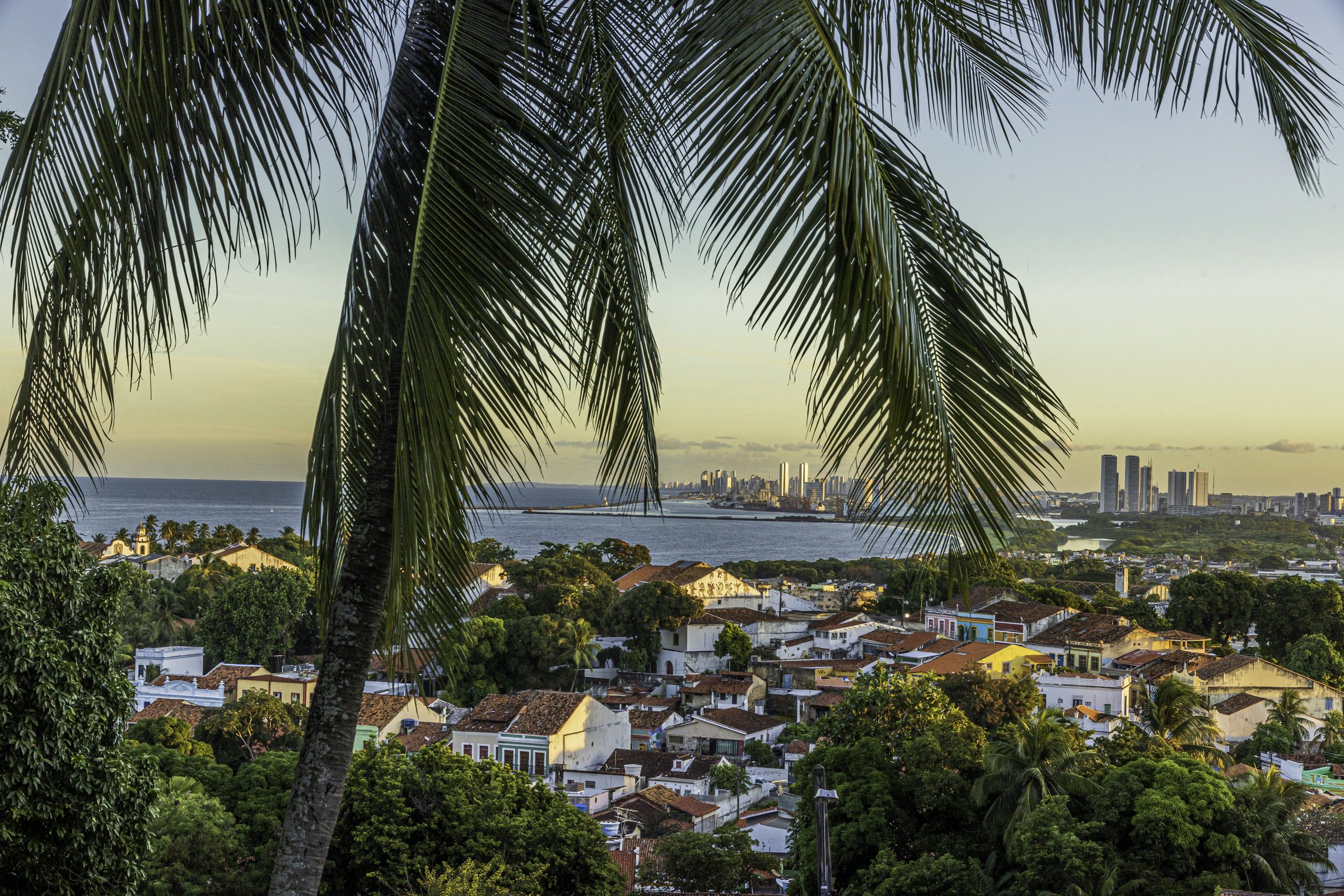
Olinda is a hilltop painting come to life — a UNESCO colonial town of brilliantly coloured houses, gilded Baroque churches and cobbled lanes on green hills above the sea in northeast Brazil, a haven of artists and the stage for one of the country's most joyful Carnivals.

Type
town
Ideal length
~approx 1 day (or an overnight)
Getting around
on foot — steep and cobbled; taxis to Recife
Neighbourhoods
3 areas
Best season / months
September to March — warmer and drier; hot and tropical year-round
Language
Portuguese (some English)
Currency
Brazilian real (R$)
Budget level
moderate — affordable
Good for
  • Art
  • Colourful towns
  • Culture and Carnival
  • Beaches
  • Photography
▸ Discover

About Olinda

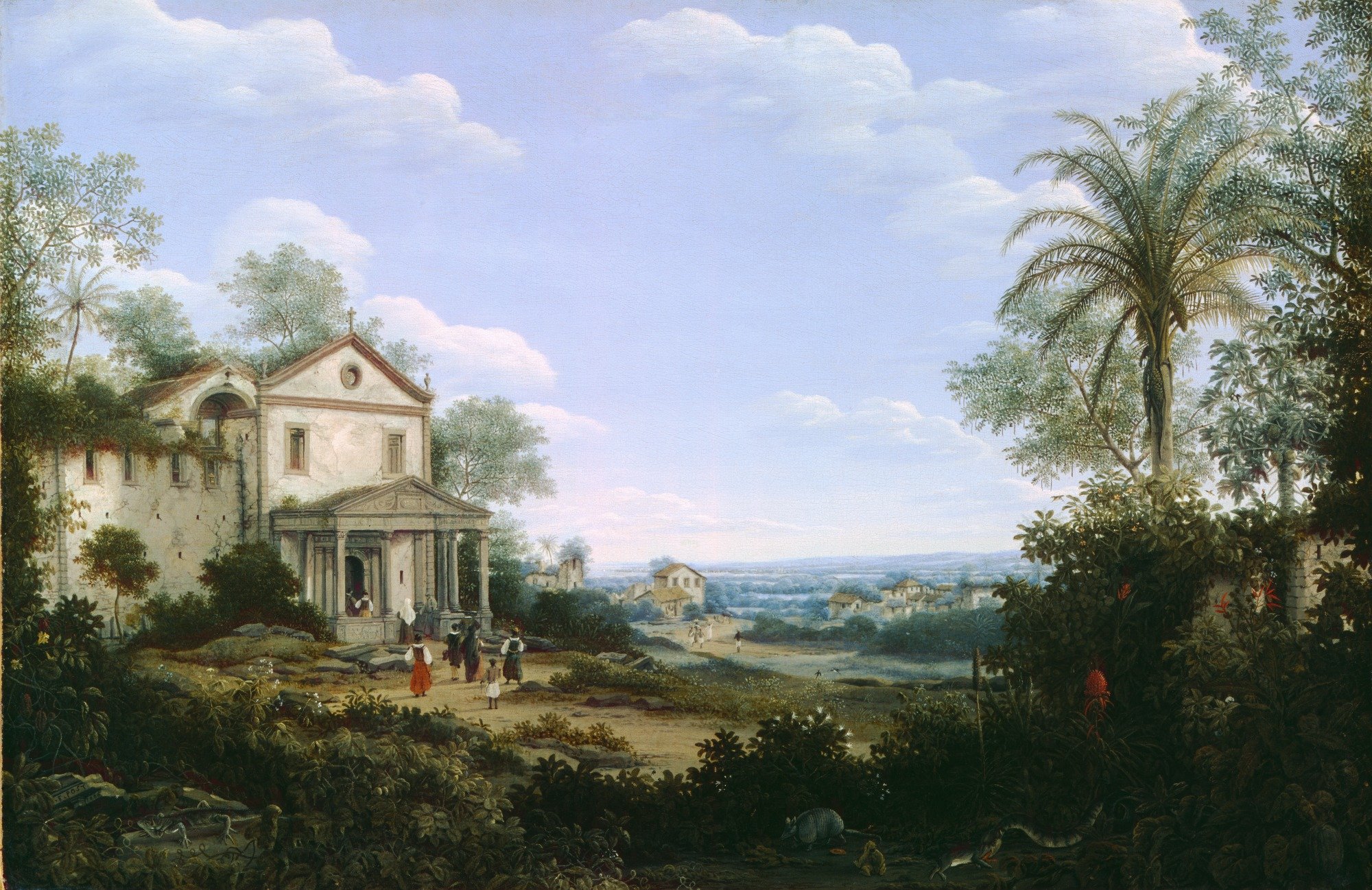
Olinda sits on a cluster of green hills right beside the big city of Recife, on the Atlantic coast of Pernambuco in northeast Brazil. One of the oldest towns in the country, founded in the 16th century, it grew rich on sugar and left a beautiful colonial townscape — brightly painted houses, gilded Baroque churches and monasteries, and cobbled lanes climbing to hilltop viewpoints over the sea and Recife's skyline. Spared and cherished, its historic centre is a UNESCO site. Today Olinda is an artists' town, full of galleries and workshops, and famous above all for its exuberant Carnival, danced to frevo beneath giant puppets. Colourful, creative and relaxed, it's the charming counterpoint to Recife next door.

Why go

Olinda is one of the prettiest and most artistic towns in Brazil — a UNESCO colonial gem of vividly coloured houses, gilded Baroque churches and cobbled hills with sea views, wrapped in a genuine artists'-and-bohemian atmosphere of galleries and workshops. It's famous for a Carnival unlike any other — democratic, street-based, danced to frevo beneath giant papier-mâché puppets — and it has the beaches and buzz of Recife right next door. Colourful, creative and easygoing, it rewards travellers with an eye for art, atmosphere and northeastern Brazilian culture.

Don't miss

  • The colourful colonial streets — the painted hilltop town
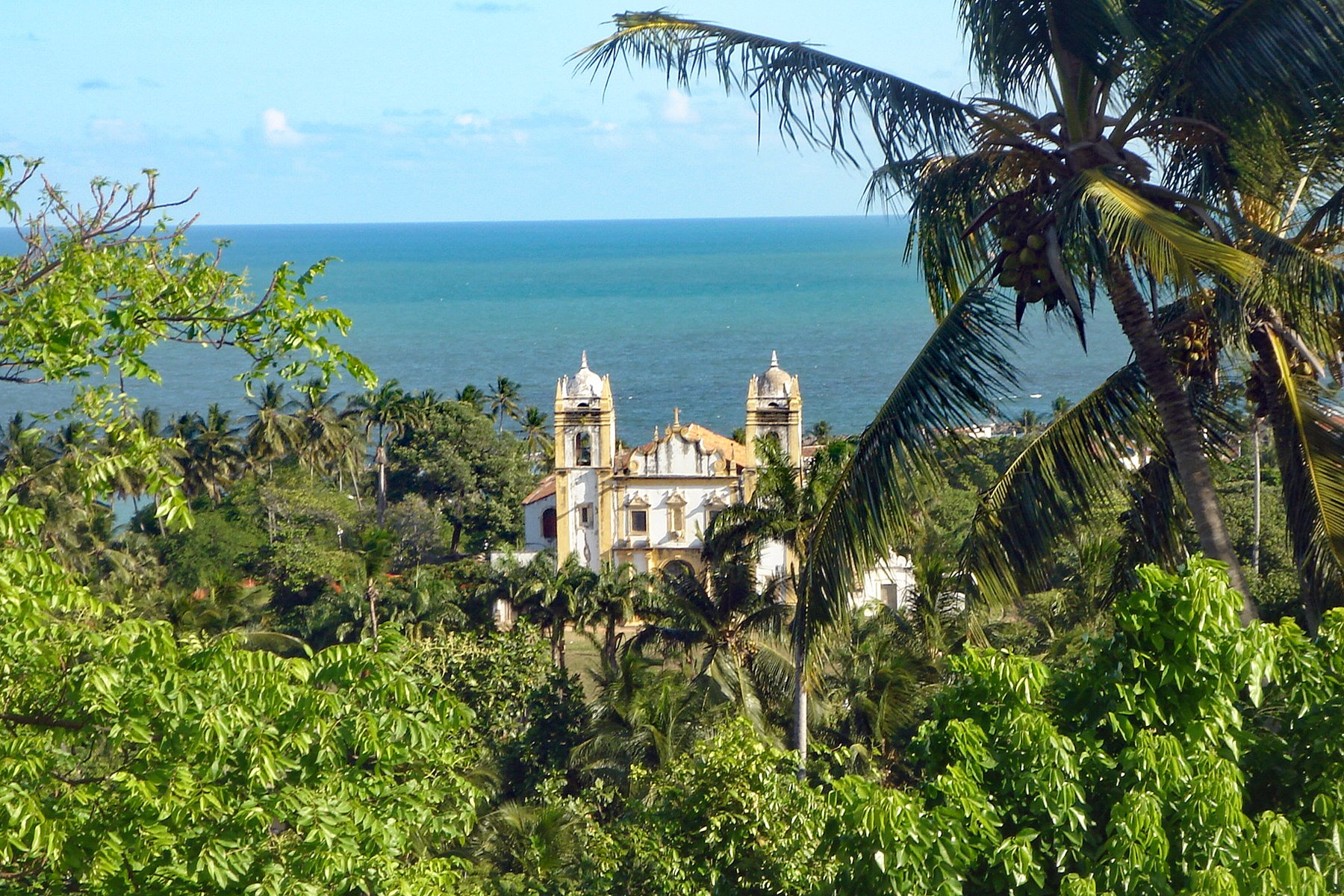
  • The Baroque churches — São Bento's gilded altar and more
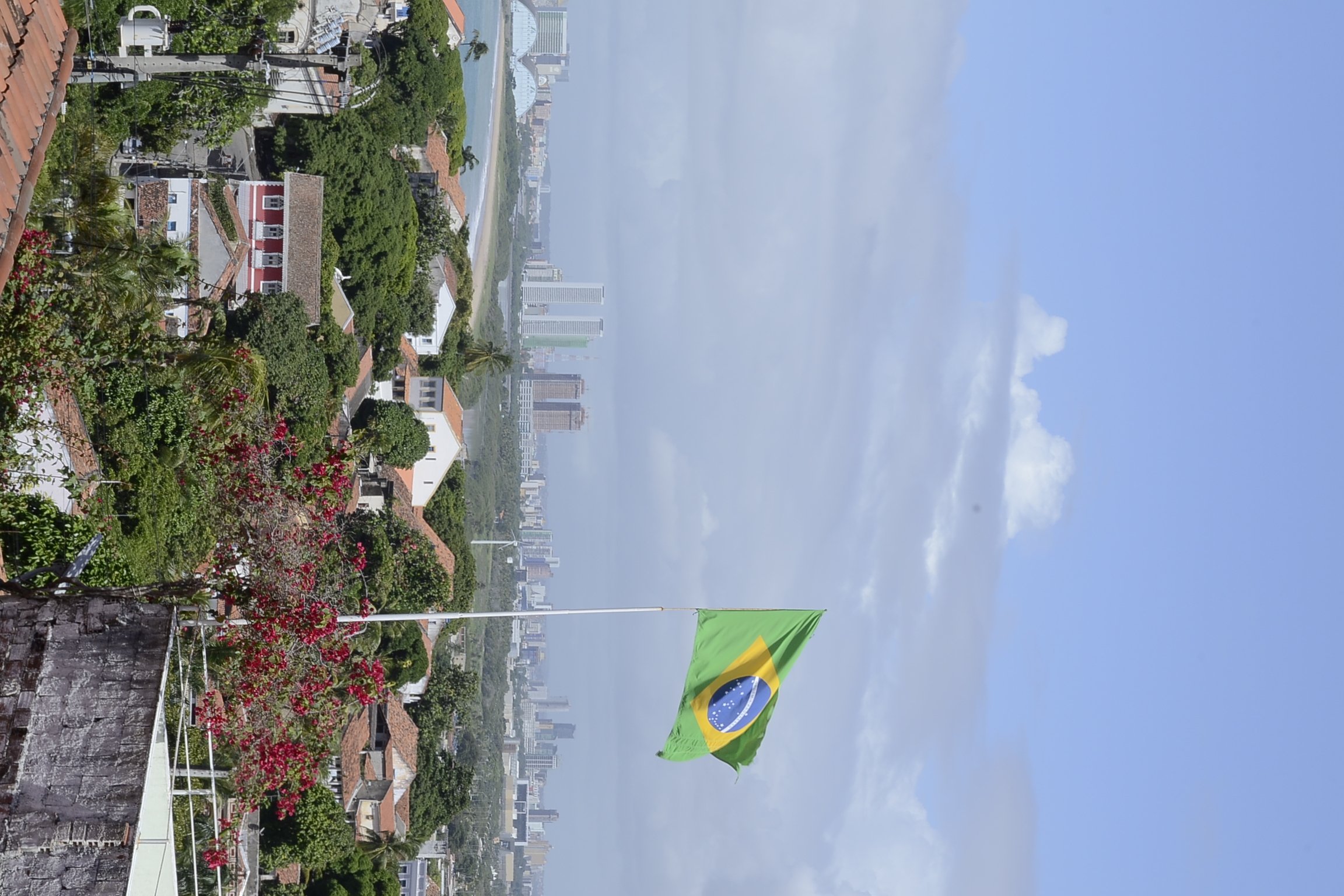
  • The Alto da Sé — the hilltop cathedral and viewpoint
  • The artists' galleries and workshops — the creative scene
  • The frevo Carnival and giant puppets — if you can time it

Signature experiences

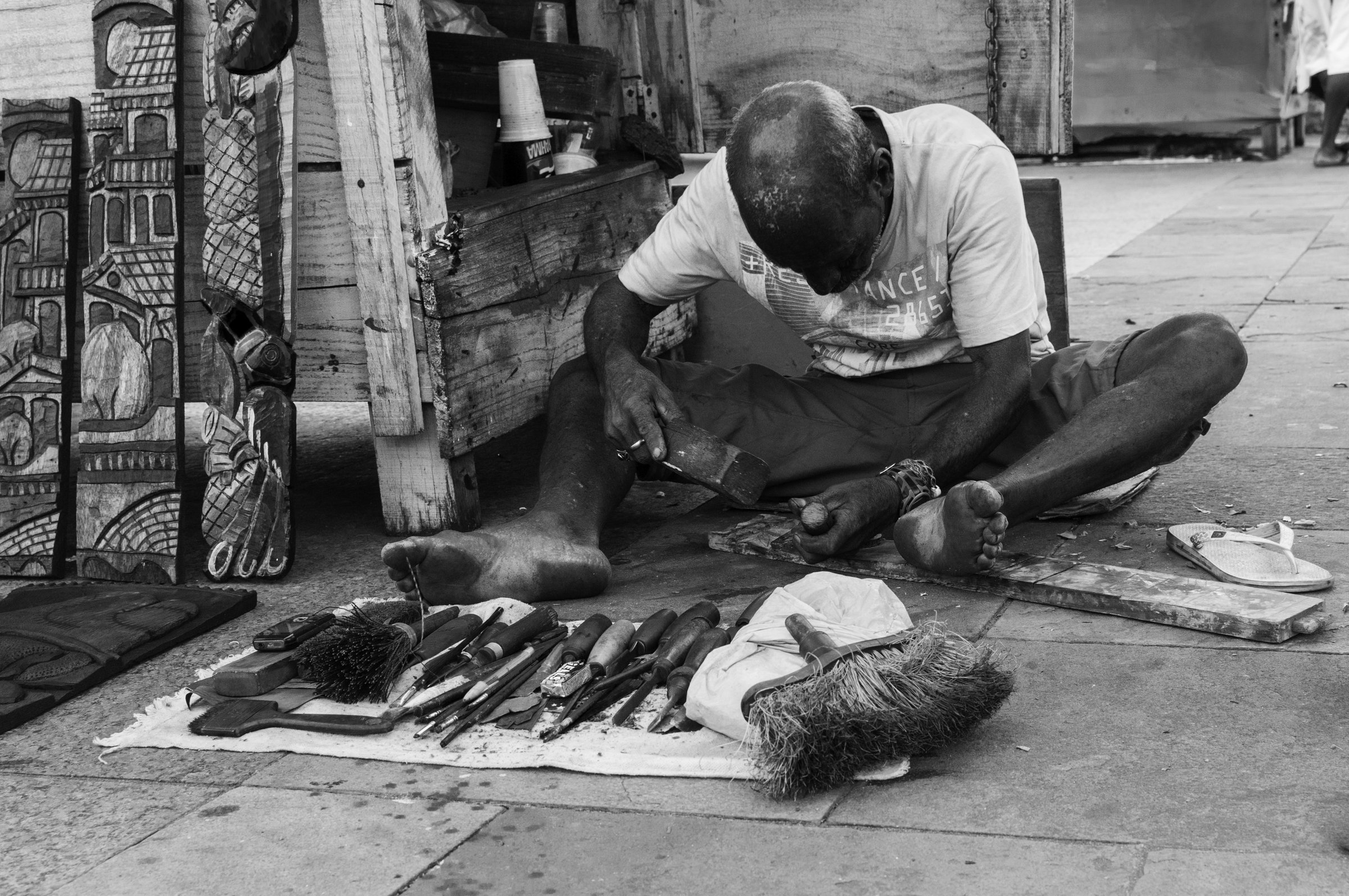
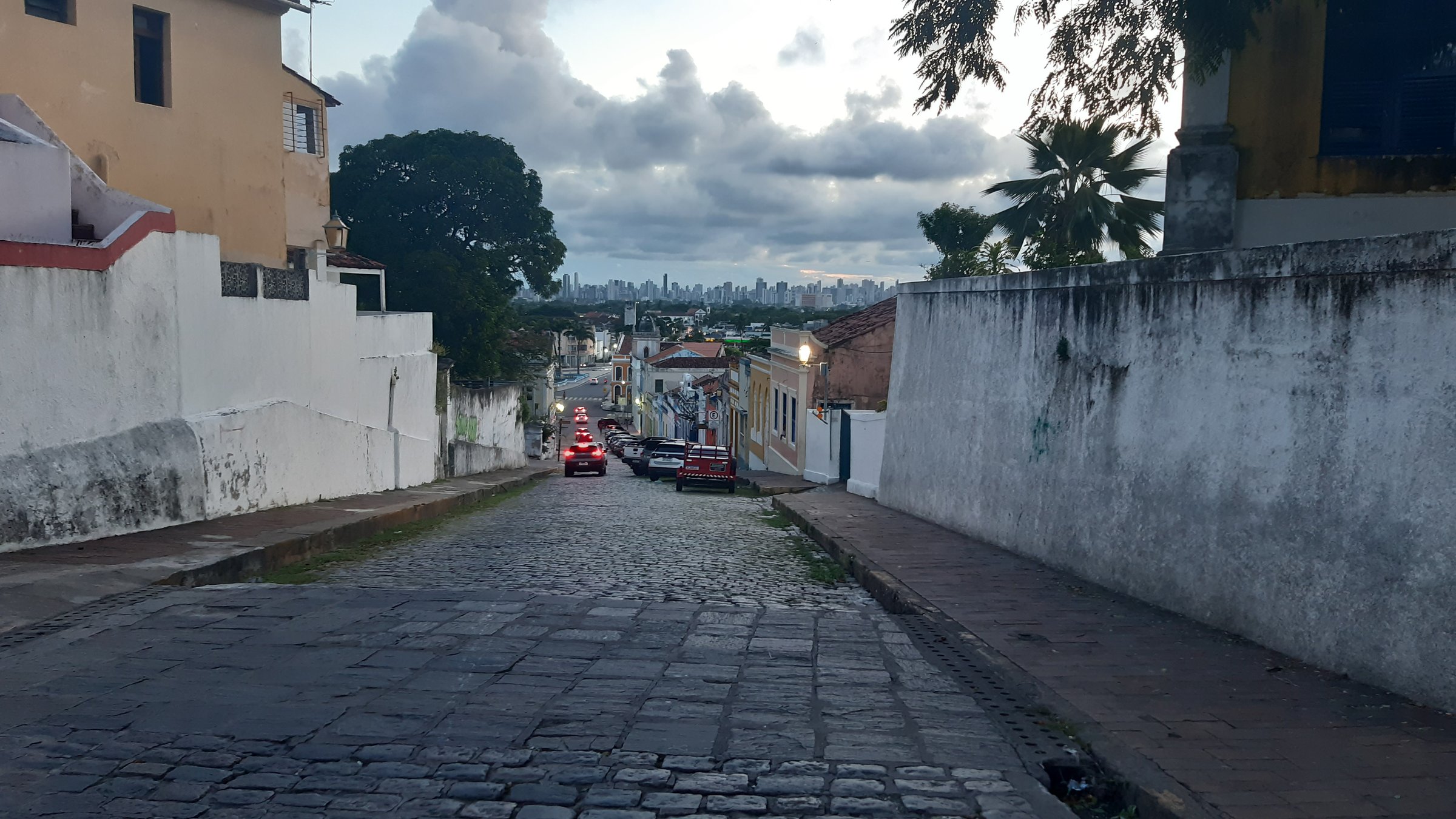
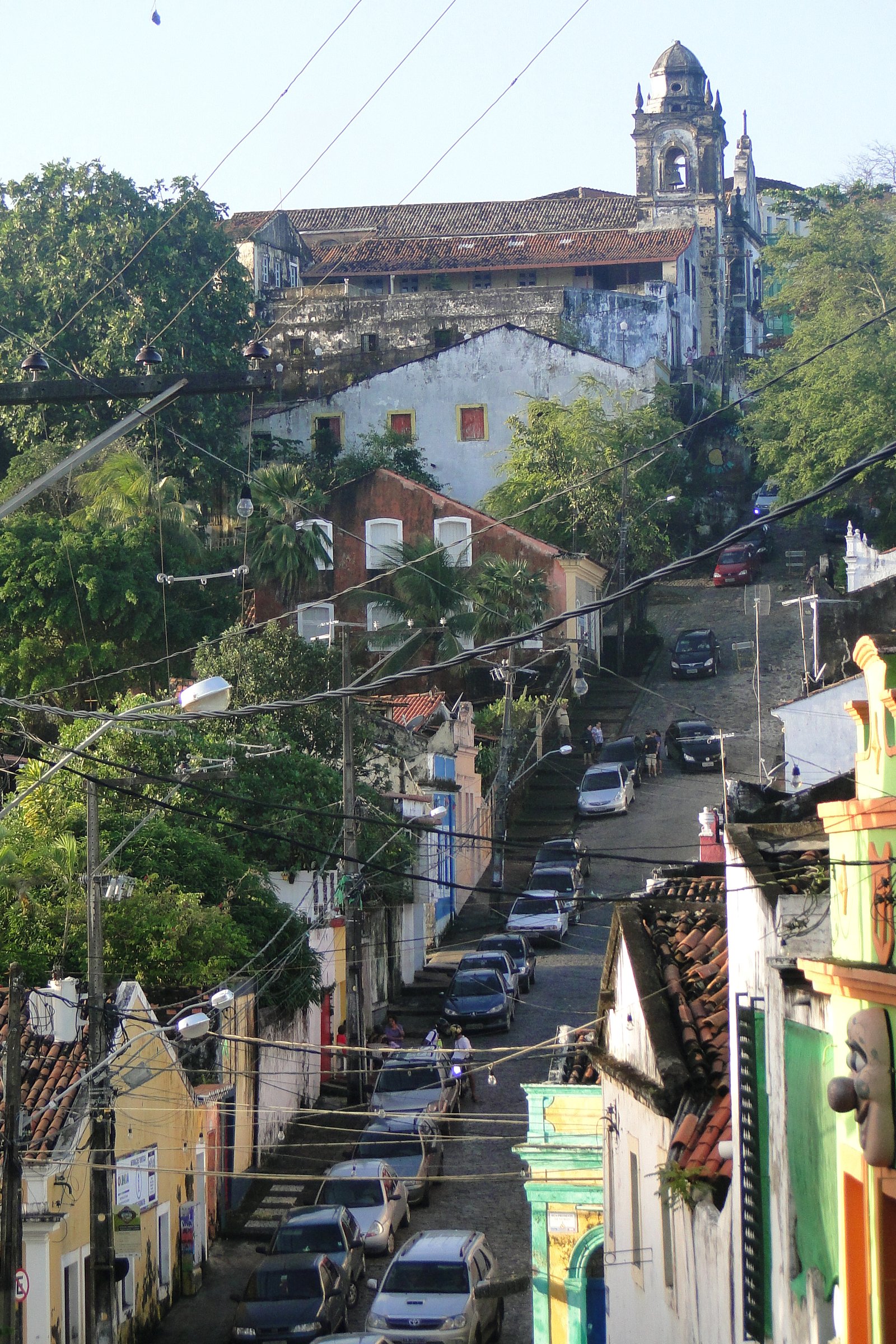
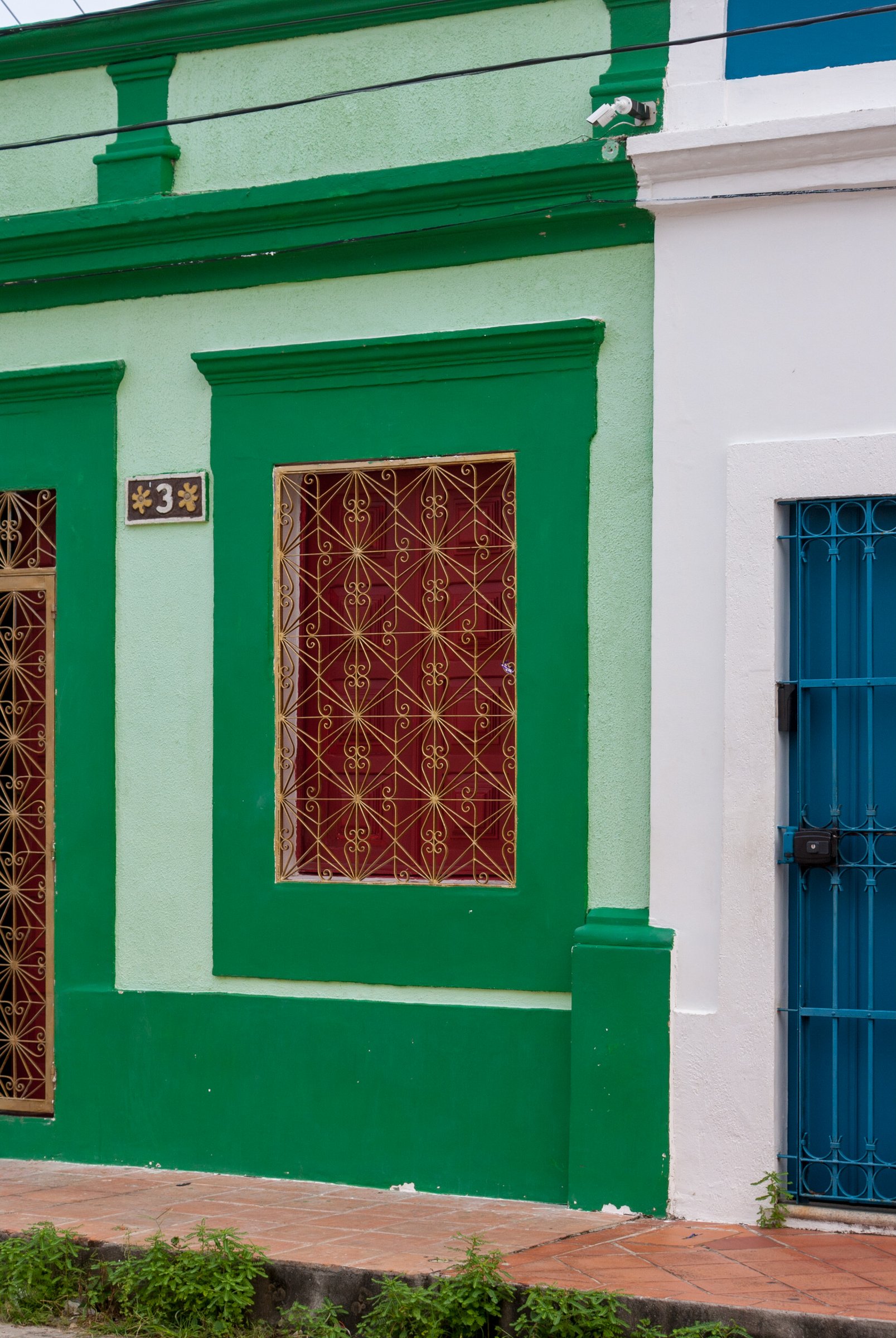
The colourful hilltop town — Olinda is a joy simply to wander — steep cobbled lanes of houses painted in brilliant colours (pink, blue, yellow, green), shaded by tamarind and mango trees, climbing the green hills to viewpoints over the sea and Recife's distant towers. The Alto da Sé, the highest point by the cathedral, gives the classic panorama, especially at sunset, with craft stalls and food. There's no fixed route; the pleasure is climbing and descending the coloured lanes, church to church, view to view. The town's beauty is in the whole, and it's lovely at every turn. **The Baroque churches** — For its size, Olinda's Baroque legacy is remarkable — sugar-and-slavery wealth built gilded churches and monasteries across the hills. The São Bento monastery has a spectacular carved-and-gilded golden altar (a masterpiece of Brazilian Baroque); the churches of the Carmo, the Sé and others crown the slopes. Between wandering the coloured streets, step into the cool, gold-lit interiors for the art and the calm. The churches are the historic anchors of the pretty town. **Art and the bohemian scene** — Olinda is one of Brazil's great artists' towns — its colonial houses are full of galleries, studios and craft workshops (including the makers of the giant Carnival puppets), and the atmosphere is creative and bohemian, with cafés, live music and a laid-back buzz. Browse the galleries and the handicraft markets, watch the artisans, and soak up the arty, easygoing mood. It's a place to linger over the art and the street life as much as to tick off the sights. **Carnival, frevo and northeastern flavours** — Olinda's Carnival is legendary and utterly distinctive — not the ticketed sambadrome of Rio, but a free, democratic street party, danced to the frenetic, umbrella-twirling frevo of Pernambuco and to maracatu drumming, beneath giant papier-mâché puppets (bonecos gigantes) that bob above the crowds through the lanes. If you can time your visit for it, it's unforgettable (and packed). Year-round, the food is northeastern Brazilian — tapioca crepes, carne de sol (sun-dried beef), macaxeira (cassava), the sweet bolo de rolo, and plenty of seafood — with cold beer and cachaça. Eat the northeastern specialties, and, if you're lucky, dance the frevo.

Neighbourhoods

Olinda neighbourhood by neighbourhood — the character of each and who it suits.

  • The Historic Hilltop

    The colonial heart on the hills — cobbled lanes of brightly painted houses, gilded Baroque churches and monasteries, climbing to the hilltop cathedral and the sea views. The picturesque core.

    Why go
    The coloured streets, the Baroque churches and the Alto da Sé view.
    Best for
    Sightseeingchurchesphotographythe viewpoint
    Known for
    The Alto da Sé (the hilltop cathedral and viewpoint over Recife and the sea), the gilded São Bento monastery church, the Nossa Senhora do Carmo and other Baroque churches, and the painted houses and cobbled lanes.
  • The Artists' Quarter and Streets

    The lanes and squares of the old town given over to art — galleries, studios, craft workshops, cafés and the bohemian scene woven through the colonial houses. The creative heart.

    Why go
    The galleries, workshops and the artistic, bohemian atmosphere.
    Best for
    Artcraftscaféswandering
    Known for
    The art galleries and studios, the craft and puppet workshops, the handicraft markets, the cafés and pousadas, and the bohemian street life.
  • The Coast and Recife

    The beaches below the town and the big-city neighbour of Recife just south — the seafront, and Recife's own old town, beaches and buzz, an easy hop away. The coastal-and-urban edge.

    Why go
    The beaches, and Recife's sights and nightlife next door.
    Best for
    BeachesRecife day tripsseafoodnightlife
    Known for
    The Olinda and nearby beaches, the road to Recife, Recife's old town (Recife Antigo) and beaches (Boa Viagem), and the seafood and nightlife.

Views & hidden gems

Best views

  • The Alto da Sé at sunset — over Olinda, the sea and Recife
  • The coloured houses climbing the cobbled hills
  • The gilded golden altar of São Bento
  • The giant Carnival puppets (in workshops or in the parade)

Hidden gems

  • The São Bento monastery's gilded altar (and its Sunday chants)
  • The giant-puppet (boneco) workshops
  • The galleries and studios in the colonial houses
  • Tapioca and northeastern snacks at the Alto da Sé stalls
  • The frevo and maracatu rehearsals in the run-up to Carnival

Food & drink

Olinda eats northeastern Brazilian, with plenty of art-town cafés. The staples are tapioca (a cassava-starch crepe, sweet or savoury), carne de sol (salted, sun-dried beef, often with macaxeira/cassava and cheese), caldinho (bean broth), and seafood from the coast, with the famous Pernambuco sweet bolo de rolo (a thin guava-rolled cake). Street snacks and the Alto da Sé stalls do tapioca and grills. Drink a cold beer, a caipirinha, or a good cachaça. Eat a tapioca and carne de sol, and try the bolo de rolo.

  • Tapioca — a cassava-starch crepe, sweet or savoury
  • Carne de sol — salted, sun-dried beef, with cassava and cheese
  • Caldinho — a bean or seafood broth, a street favourite
  • Seafood — from the nearby coast
  • Bolo de rolo — a thin guava-rolled Pernambuco cake
  • Cold beer, caipirinha and cachaça — the local drinks
Dietary notes

Vegetarians manage with sweet and cheese tapiocas, macaxeira, beans, salads and tropical fruit, though meat and seafood feature — ask. Vegan is workable with tapioca, cassava, beans and fruit (check for butter/cheese). Halal and kosher are limited. Gluten-free is helped by tapioca (naturally gluten-free) and rice-and-bean dishes, but bolo de rolo and some items are wheat — confirm.

Olinda in photos

▸ Where you'll stay

Where you'll stay in Olinda

Stay in the colourful historic centre in a pousada in a colonial house — many are lovely, with courtyards, art and hilltop or sea views, atmospheric if hilly. Olinda is a charming, artsy base, quieter and prettier than Recife next door, and an easy hop to the city's beaches and sights. Take normal city care after dark. Book far ahead for Carnival, when the town is packed and prices soar. The historic centre is the natural, characterful base.

  • Budget
    Near the centre hostels and budget pousadas among the coloured streets.
  • Mid-range
    The historic centre charming pousadas in colonial houses with courtyards.
  • Luxury
    The best boutique pousadas high-end restored houses with views, the top of a modest range.
Stay

Hotels & rentals around Olinda

Pan, zoom and compare live prices — every stay in one map.

▸ Getting around

Getting around Olinda

The historic centre is compact but steep and cobbled — everything is on foot (wear proper shoes). Taxis and ride-hailing link Olinda with Recife and the beaches; a car isn't needed in the pedestrian-friendly old town. Use taxis/apps at night.

The historic hilltop and the artists' streets are one walkable (steep) area (~approx); the beaches and Recife are short taxi or ride-hail rides — plan Recife as a half-day.

▸ Plan your days

Suggested itineraries

Ready-made day plans for Olinda — from a single day to a long weekend.

One day

Spend the morning climbing the coloured cobbled streets — the São Bento monastery's gilded altar, the Carmo and the other Baroque churches — up to the Alto da Sé for the view. Browse the galleries, studios and craft workshops (and the giant-puppet makers), and have a tapioca-and-carne-de-sol lunch. Enjoy the art and the bohemian scene in the afternoon, and return to the Alto da Sé for the sunset over Recife and the sea, with tapioca from the stalls.

Two days

With an overnight, add the coast and Recife. Give a half-day to Recife next door — its old town (Recife Antigo), the beaches (Boa Viagem) and the buzz — and the rest to more of Olinda's art, churches and coloured lanes, and the beaches below the town. Enjoy the art-town evenings and, if the timing suits, the Carnival build-up.

▸ What you'll do

Insider tips

  • Climb to the Alto da Sé for the sunset view over the town, the sea and Recife.
  • See São Bento's gilded golden altar and wander the coloured, art-filled streets.
  • If you can, time a visit for Carnival — a free, joyful street party of frevo and giant puppets.
  • Wear good shoes for the steep cobbles, and take normal city care after dark.
What's on

While you're there

05
FEB
Rio Carnival 2027
Rua Tomás Rabelo 12, Cidade Nova, Rio de Janeiro - Rio de Janeiro, 20210, Brazil · carnival
Build a trip around it →
Explore

Explore the area

© OpenFreeMap · OSM · terrain Mapterhorn
Do

Local attractions & tours

Skip-the-line tickets and small-group tours in Olinda — compare across our partners.

We're still curating hand-picked tickets and tours for Olinda. In the meantime, the map above and the nearby cities are a great place to start.

▸ Budget

What it costs in Olinda

Backpacker
roughly €25–50 a day.
Mid-range
roughly €55–110 a day.
Luxury
€180 a day and up.
Cash vs card
Carry reais for street food, taxis and the market; cards and Pix (mobile pay) work widely in shops and restaurants.
Tipping
Tipping is modest — a service charge (around 10%) is often added to restaurant bills; small change for help.
▸ When you'll go

When to visit Olinda

September to March — warmer and drier; hot and tropical year-round

Spring

What to expect — Warm and increasingly humid, with warm seas; the drier stretch approaching in parts. Tropical and pleasant.

What's best — Warm, often drier weather for the coloured town and the beaches, warm seas, and the build-up to the summer festivals — a good window; it's hot year-round.

Summer

What to expect — Hot and humid (December to February), the peak season, building to Carnival (usually February/March) with huge crowds and joy; warm rain possible. Steamy and festive.

What's best — Carnival — Olinda's unforgettable free street party of frevo and giant puppets — plus the beaches, the art and the summer energy; but it's crowded and pricey, so book far ahead.

Autumn

What to expect — Warm and often the wetter months in the northeast coast (around April–July the rains are heavier), with showers; the sea warm. Warm and rainy.

What's best — Warm seas, lower crowds and prices, and the lush green — but it can be the rainiest, so plan around showers; the drier months are more comfortable.

Winter

What to expect — Warm still (this is the tropics), but often the wetter, cloudier stretch (around June–August); pleasant when dry, showery when not. Mild-tropical.

What's best — Fewer crowds and warm days between showers, and the June festival season (São João) with its music and food — a lively, quieter window; carry rain gear.

▸ Know before you go

Know before you go

Honest swaps

Skip a Recife-only stay → Olinda's colourful hilltop town is prettier, artsier and calmer next door.

Skip a tourist-menu meal → eat tapioca and carne de sol, and try bolo de rolo.

Skip only the sights → soak up the galleries, the art and the Alto da Sé sunset.

Skip the Rio-Carnival expectation → Olinda's free, street-based frevo Carnival is its own joyful thing.

Crowds & timing

Carnival packs the town and sends prices soaring — book far ahead, or come another time for a calmer visit.

The Alto da Sé is best at sunset; the town is loveliest by day and in the cooler evening.

Local rules & etiquette

The town is steep and cobbled — wear proper shoes.

Take normal city care, especially after dark and toward Recife — keep valuables discreet and use taxis at night.

Dress respectfully inside the churches; support the artists by buying from the makers.

Money

Carry reais for street food, taxis and the market; cards and Pix work widely; use bank ATMs and keep cash discreet.

Agree taxi fares or use ride-hailing apps, especially at night.

After dark

The Alto da Sé and the art-town bars and cafés hold the gentle evening life, with live music and a bohemian buzz.

Recife next door has the bigger nightlife; Olinda is more relaxed — but take normal city care after dark.

Carnival, of course, is a nonstop street party; the run-up brings frevo and maracatu rehearsals.

▸ Ready to book your trip?

Getting there

Recife's Guararapes Airport (REC) is the gateway, around 30–40 minutes south of Olinda by taxi or ride-hailing, with domestic and some international flights.

Book

Ready to book your trip?

Flights, airport transfers and car hire — search and compare without leaving the page.

▸ Trip extras
Book

More trip extras

Parking, holiday extras, and more — coming soon.

Coming soon

We're lining up parking, holiday extras and activities you'll be able to add to any trip from here.