Burundi — hero
← All destinations Country

Burundi

Where UNESCO drumbeats echo across misty lake shores and rainforest ridges hide the Nile's secret source — Burundi is East Africa's most rewarding undiscovered sanctuary.

  • Currency Fr Burundian Franc (Fr)
  • Language French, Kirundi
  • Best time May – October
  • Visa Visa required — apply and pre-validate online before travel; one-month visa issued online or on arrival (~US$90)
Why visit

Why Burundi

Where UNESCO drumbeats echo across misty lake shores and rainforest ridges hide the Nile's secret source — Burundi is East Africa's most rewarding undiscovered sanctuary.

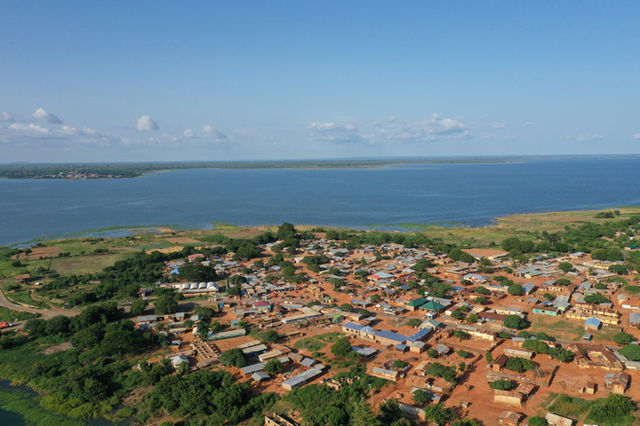
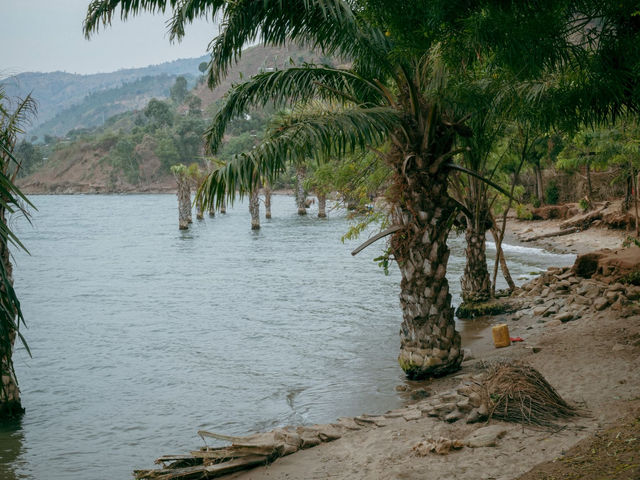
  • Beaches, fishing villages and boat trips on Lake Tanganyika near Bujumbura
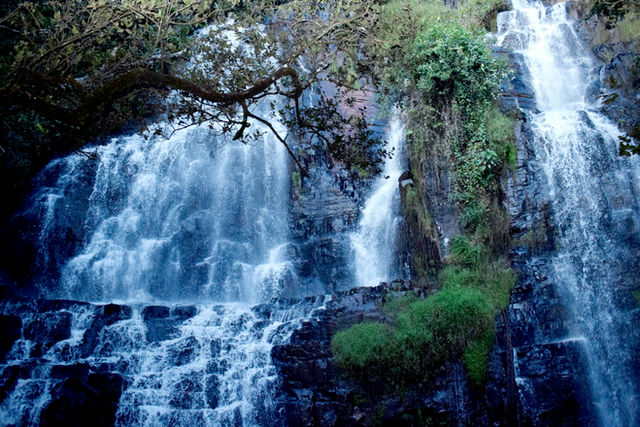
  • Kibira National Park rainforest and its chimpanzees
  • The Source du Nil monument, the Nile's southernmost source, near Rutovu
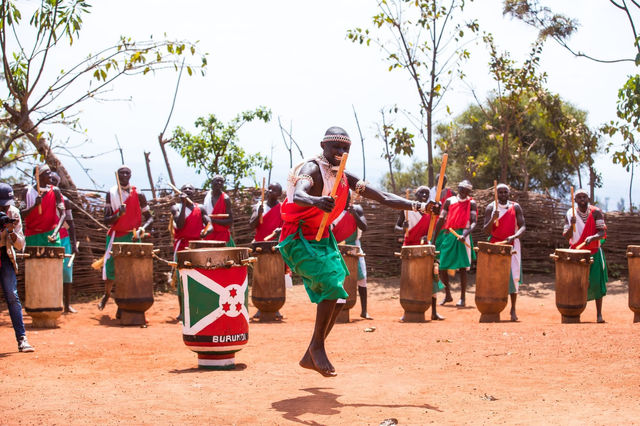
  • The UNESCO-listed Royal Drummers of Burundi (Abatimbo)
Read more

Burundi is the quietly extraordinary alternative for travellers who've moved beyond the obvious. On the shores of Lake Tanganyika, life moves at a different rhythm — unhurried, vivid, and genuinely off the tourist trail. This is a dupe destination at its most compelling: all the drama of East Africa's great landscapes, none of the crowds.

Culture here is visceral. The Royal Drummers of Gishora — a UNESCO-recognised Intangible Cultural Heritage — deliver a performance that resonates long after you've left. Nearby, a modest pyramid marks the southernmost source of the Nile, a discovery that rewards the curious traveller richly.

Beyond the iconic moments, regenerative and community-led experiences define the 2026 offer: mist-drenched Kibira rainforest treks, high-altitude Arabica coffee cooperatives, and lakeside wellness retreats that restore as much as they inspire.

A pillar, not a footnote

Eat your way through Burundi

The single reason many travellers come back — the food culture worth reshaping a trip around, and the dishes to seek out region by region.

Burundi

Charcoal skewers and grilled plantains by Lake Tanganyika, washed down with banana beer drunk through a shared straw.

Evenings in Bujumbura smell of charcoal and grilling meat. The ritual is brochettes — skewers of beef or goat turned slowly over open coals and handed to you with whole plantains (ibitoke) blistered black at the edges, eaten with your fingers at a lakeside table as the sun drops into Lake Tanganyika.

The lake sets the rest of the table: mukeke and sangala, fried crisp or stewed, come straight from its waters. Around them sit the staples a Burundian grew up on — fried kidney beans (ibiharage), stiff cassava ubugali, cassava leaves mashed soft with palm oil. And beer is taken seriously here: a shared bottle of Primus, or up in the hills the cloudy home-brewed banana beer urwarwa, passed round a circle and drunk together through long reed straws. Come for the grill; stay for the company.

Dishes to seek out
  • Brochettes (grilled beef or goat skewers)
  • Ibitoke (charcoal-grilled plantains)
  • Ibiharage (fried kidney beans)
  • Mukeke (Lake Tanganyika fish)
  • Ubugali (cassava or maize porridge)
  • Isombe (mashed cassava leaves)
  • Urwarwa (banana beer)
Things to do

Nature, culture & hidden gems

Editorial content coming soon

We're hand-picking the standout places, hidden gems and can't-miss activities in Burundi. Meanwhile, the cities above are a great starting point.

Plan your trip

Curated Burundi itineraries

Browse all Burundi trips →
When to go

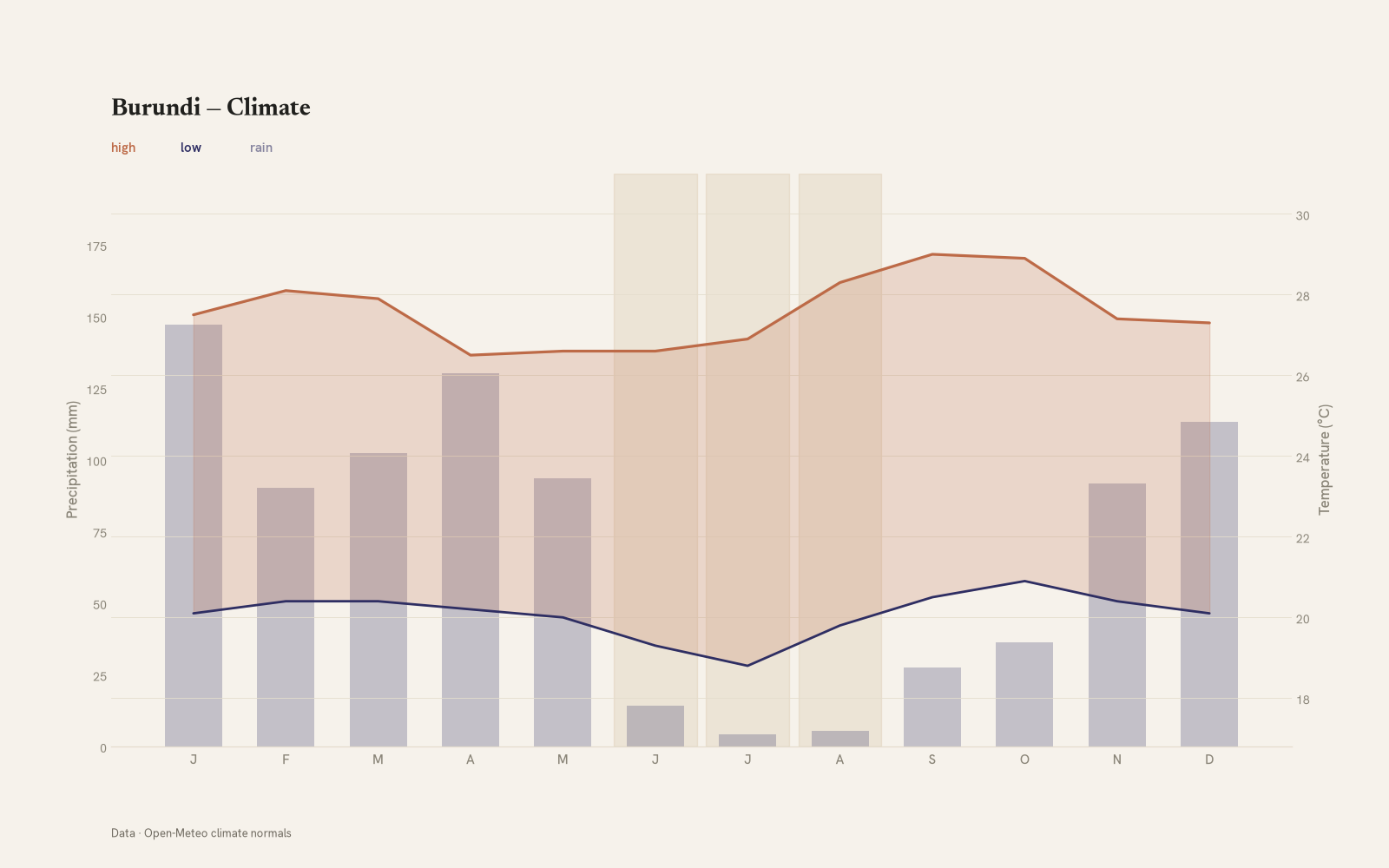
Weather & timing in Burundi RIGHT NOW 26° mostly clear

Best Jun–Aug · Shoulder May, Sep–Oct

  1. Jan / -4°
  2. Feb / -2°
  3. Mar 12° /
  4. Apr 18° /
  5. May 24° / 14°
  6. Jun 28° / 18°
  7. Jul 30° / 20°
  8. Aug 28° / 18°
  9. Sep 24° / 14°
  10. Oct 18° /
  11. Nov 12° /
  12. Dec / -2°

Best time to visit

May – October

Best for
  • Culture
  • Cuisine
  • Landscape
  • History
At a glance
Sunshine 7 hr/day (est.)
Rain days 8 days/mo (est.)
Wettest December · 60mm
Driest June · 10mm
Part of East Africa →
By season
Spring (Mar–May)

What to expect — Daytime highs average about 18°C with overnight lows near 8°C, and it stays largely dry.

What's best — May is comfortable, with thinner crowds.

Summer (Jun–Aug)

What to expect — Daytime highs average about 29°C with overnight lows near 19°C, and it stays largely dry.

What's best — Jun, Jul and Aug are among the best time to visit — good weather with manageable crowds.

Autumn (Sep–Nov)

What to expect — Daytime highs average about 18°C with overnight lows near 8°C.

What's best — Sep and Oct are comfortable, with thinner crowds.

Winter (Dec–Feb)

What to expect — Daytime highs average about 7°C with overnight lows near -3°C.

What's best — Cold and quiet; some mountain roads and sights run reduced hours.

A little context

A little history

To read what you're looking at — the empires and eras that shaped Burundi's food, art and streets.

A Tutsi-led Kingdom of Burundi ruled from the 17th century until the monarchy was abolished in 1966 — entrenching a Hutu-Tutsi hierarchy that still frames national politics — claimed by Germany in the 1890s, then administered by Belgium as Ruanda-Urundi from 1916, leaving a Francophone, Catholic imprint — independent on 1 July 1962 — and scarred by the 1993–2005 civil war, which shaped a security-conscious state and a large diaspora, while Lake Tanganyika and highland coffee still set both the table and the economy.
Before you book

Know before you go

The practical back-matter — safety, drones and the essentials, in one place.

Safety

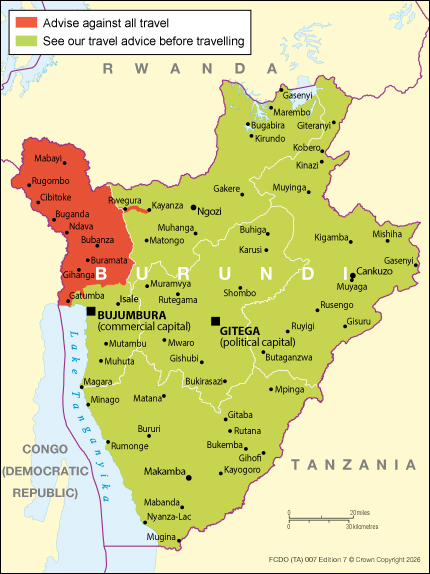
Moderate — check FCDO advice FCDO advice →

Official UK Foreign, Commonwealth & Development Office guidance is the definitive source — check it close to your travel dates.

Drone rules (sub-250g)

  • Burundi
    Allowed in principle but never casual: the AACB regulates drones yet publishes no rules and offers no tourist sign-up, so any flight needs written authorisation arranged well in advance — and in this security-conscious state that is rarely quick or certain. ⚠ Expect no-fly zones around Bujumbura's airport, government and military sites and the RN5 corridor, plus the tense DRC-border areas and Kibira National Park the FCDO flags — clear every flight with the AACB first. Rules checked: Jul 2026

National parks, protected sites and religious/heritage venues often have their own rules and permits — always check the specific site before you fly.

The essentials

Plug & voltage Type C/E · 220V
Daily budget Budget-friendly (limited tourist infrastructure)
Region Eastern Africa