Cabo Verde — hero
← All destinations Country

Cabo Verde

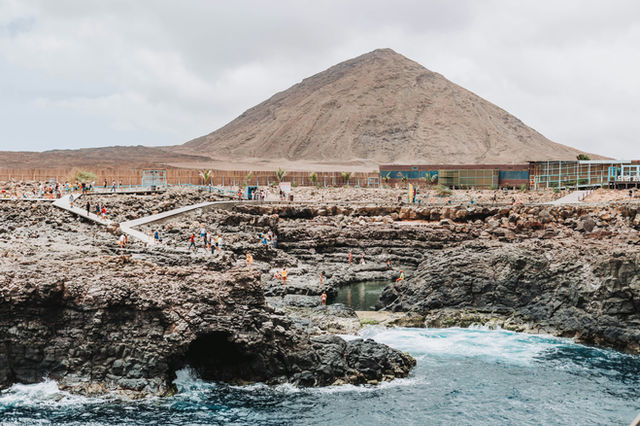
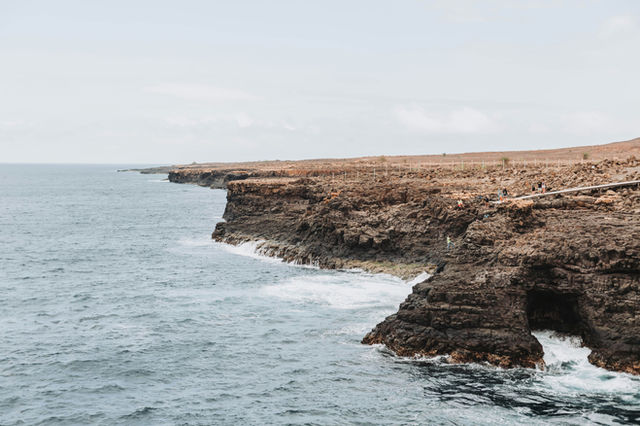
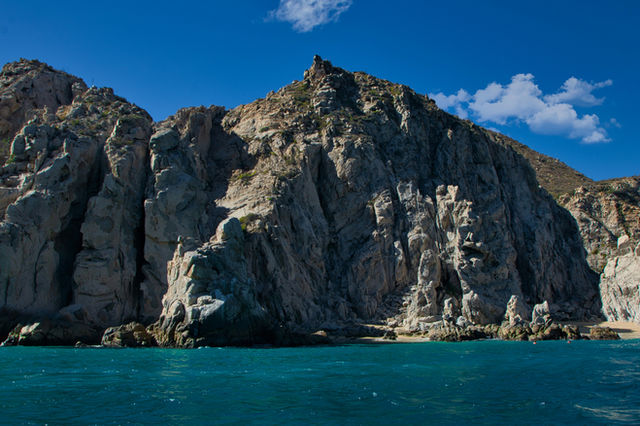
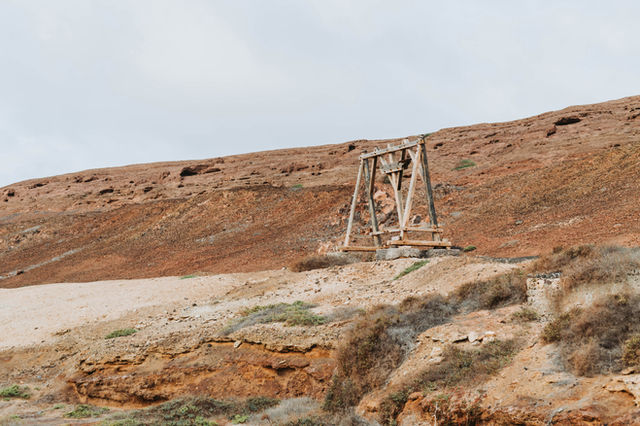
Ten volcanic islands where the Atlantic trade winds turn every beach, mountain trail and fishing village into an adventure. Africa's most soulful archipelago, and Europe's most underrated winter-sun escape.

  • Currency Esc Cape Verdean Escudo (Esc)
  • Language Portuguese
  • Best time December – April
  • Visa Visa-free for up to 30 days, but complete the online EASE pre-registration and pay the airport tax 5+ days ahead
Why visit

Why Cabo Verde

Ten volcanic islands where the Atlantic trade winds turn every beach, mountain trail and fishing village into an adventure. Africa's most soulful archipelago, and Europe's most underrated winter-sun escape.

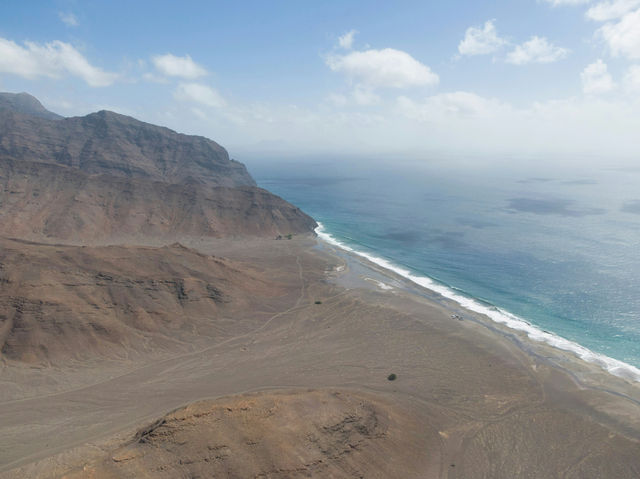
  • Sal and Boa Vista beach resorts with turtle nesting and kitesurfing
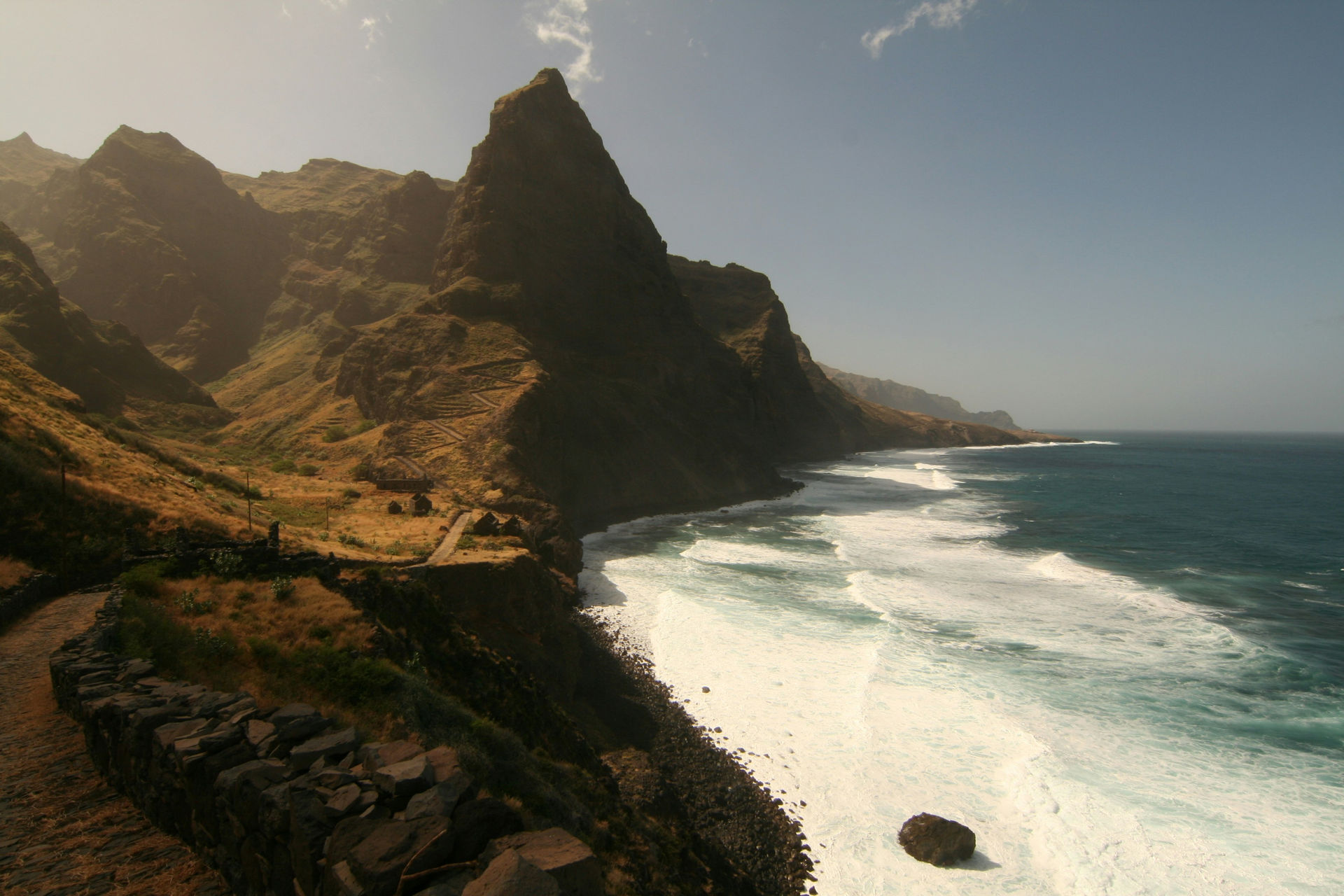
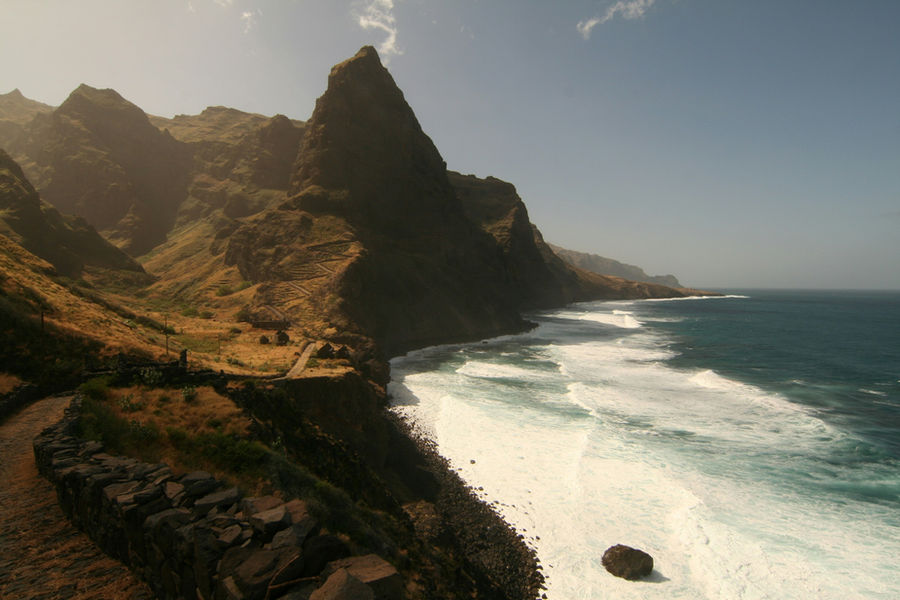
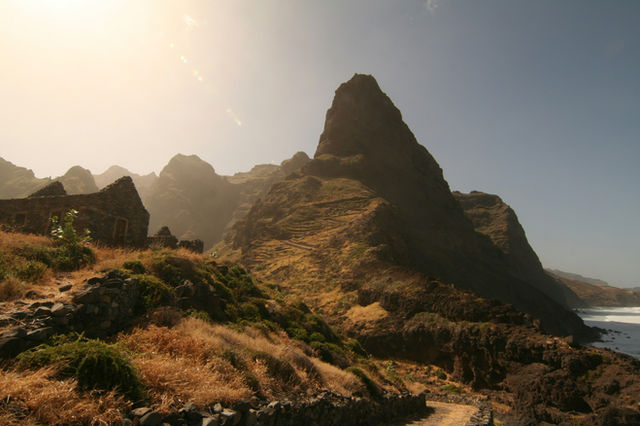
  • Hiking the volcanic ridges and Cova crater of Santo Antão
  • Climbing Pico do Fogo, an active volcano, and tasting Chã wine
  • Cidade Velha (UNESCO) and the morna live-music scene in Mindelo
Read more

Cabo Verde is the Atlantic's best-kept secret — a scatter of ten volcanic islands sitting just four hours from London, where Saharan light meets Afro-Portuguese soul. Each island wears its own personality: Sal and Boa Vista for white-sand beaches and kite-surfing; Santo Antão for dramatic ridge walks and levada trails that rival anything in Madeira.

This is soft adventure with serious substance. Hike the live caldera of Fogo, sail between islands on local inter-island ferries, or learn to cook cachupa with a family in São Vicente's port town of Mindelo — a genuine community-led, regenerative travel experience rooted in Cape Verdean creativity and resilience.

For families and remote workers alike, the islands offer reliable connectivity, a stable year-round climate, and an unhurried pace that makes it a compelling dupe destination for the Canaries — wilder, warmer in character, and far less crowded.

A pillar, not a footnote

Eat your way through Cabo Verde

The single reason many travellers come back — the food culture worth reshaping a trip around, and the dishes to seek out region by region.

Cabo Verde

Creole island cooking: slow-simmered cachupa, grilled tuna off the boat, and sugarcane grogue to finish.

Cabo Verde's cooking is Creole and unhurried, and it all comes back to one pot: cachupa, a slow stew of hominy corn and beans simmered for hours with fish, or with pork, sausage and morcela blood sausage when there's more to go round. Whatever's left is refried next morning as cachupa guisada, arguably the better breakfast — a small ritual of island thrift.

Around the cachupa: superb fish straight off the boat — tuna and wahoo grilled simply — plus lobster, garlicky lapas limpets, and the deep-fried pastel stuffed with spicy tuna. To drink there's ice-cold Strela lager, volcanic Fogo wine, and above all grogue, the fierce sugarcane spirit of the Santo Antão valleys, sweetened into ponche. Eaten with a big helping of morabeza — that untranslatable Cabo Verdean warmth.

Dishes to seek out
  • Cachupa (hominy-corn and bean stew)
  • Cachupa guisada (refried next-day cachupa)
  • Pastel (fried pastry with spicy tuna)
  • Grilled tuna / wahoo (fresh island fish)
  • Lapas (grilled limpets)
  • Grogue (sugarcane brandy)
  • Strela (national lager)
Things to do

Nature, culture & hidden gems

Editorial content coming soon

We're hand-picking the standout places, hidden gems and can't-miss activities in Cabo Verde. Meanwhile, the cities above are a great starting point.

Plan your trip

Curated Cabo Verde itineraries

Browse all Cabo Verde trips →
When to go

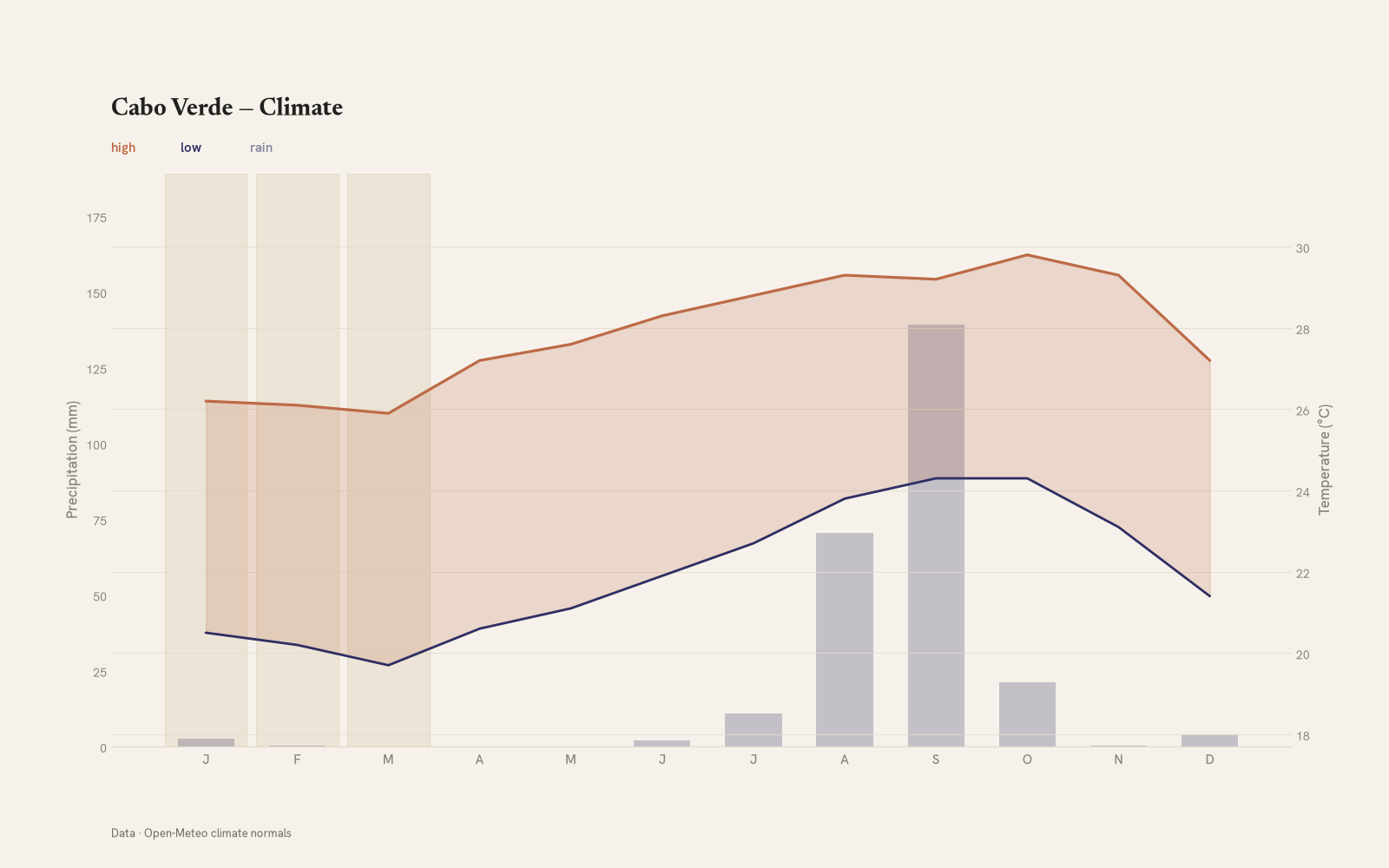
Weather & timing in Cabo Verde RIGHT NOW 29° cloudy

Best Jan–Mar · Shoulder Apr, Jun, Dec

  1. Jan / -4°
  2. Feb / -2°
  3. Mar 12° /
  4. Apr 18° /
  5. May 24° / 14°
  6. Jun 28° / 18°
  7. Jul 30° / 20°
  8. Aug 28° / 18°
  9. Sep 24° / 14°
  10. Oct 18° /
  11. Nov 12° /
  12. Dec / -2°

Best time to visit

December – April

Best for
  • Culture
  • Cuisine
  • Landscape
  • History
At a glance
Sunshine 7 hr/day (est.)
Rain days 8 days/mo (est.)
Wettest December · 60mm
Driest June · 10mm
Part of West Africa →
By season
Spring (Mar–May)

What to expect — Daytime highs average about 18°C with overnight lows near 8°C, and it stays largely dry.

What's best — Mar is among the best time to visit — good weather with manageable crowds. Apr also works well.

Summer (Jun–Aug)

What to expect — Daytime highs average about 29°C with overnight lows near 19°C, and it stays largely dry.

What's best — Jun is comfortable, with thinner crowds.

Autumn (Sep–Nov)

What to expect — Daytime highs average about 18°C with overnight lows near 8°C.

What's best — A quieter, less in-demand window than the shoulder months.

Winter (Dec–Feb)

What to expect — Daytime highs average about 7°C with overnight lows near -3°C.

What's best — Jan and Feb are among the best time to visit — good weather with manageable crowds. Dec also works well.

A little context

A little history

To read what you're looking at — the empires and eras that shaped Cabo Verde's food, art and streets.

Uninhabited until Portuguese settlement from 1462 at Ribeira Grande (Cidade Velha), the first European colonial town in the tropics and now a UNESCO site — made a major Atlantic slave-trade entrepôt from the 16th to 18th centuries, forging the mixed Kriolu language, cuisine and culture that define the islands — driven by recurring drought and famine to mass emigration, leaving a diaspora larger than the resident population — independent from Portugal on 5 July 1975 after the PAIGC struggle — and home to morna music, epitomised by Cesária Évora and UNESCO-listed in 2019, a cornerstone of a country now among Africa's most stable democracies.
Before you book

Know before you go

The practical back-matter — safety, drones and the essentials, in one place.

Safety

Low risk FCDO advice →

Official UK Foreign, Commonwealth & Development Office guidance is the definitive source — check it close to your travel dates.

Drone rules (sub-250g)

  • Cabo Verde
    One of Africa's easiest: no registration or permit needed for a tourist as long as you stay below 120m, in good visibility, within sight and clear of restricted areas. Authorisation is only required near airports or other no-fly zones. ⚠ Prior AAC clearance is needed near airports and military sites; keep off the ports and airport approaches on Sal, Boa Vista and Santiago, and away from crowds — Fogo's volcano park may set local limits. Rules checked: Jul 2026

National parks, protected sites and religious/heritage venues often have their own rules and permits — always check the specific site before you fly.

The essentials

Plug & voltage Type C/F · 230V
Daily budget Mid-range
Region Western Africa