
Cambodia — hero
← All destinations Country

Cambodia

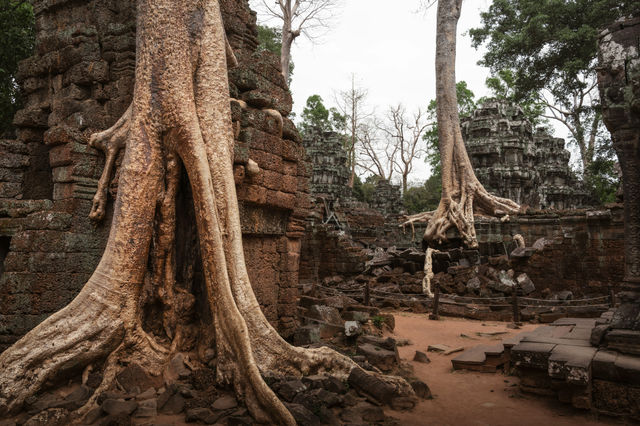
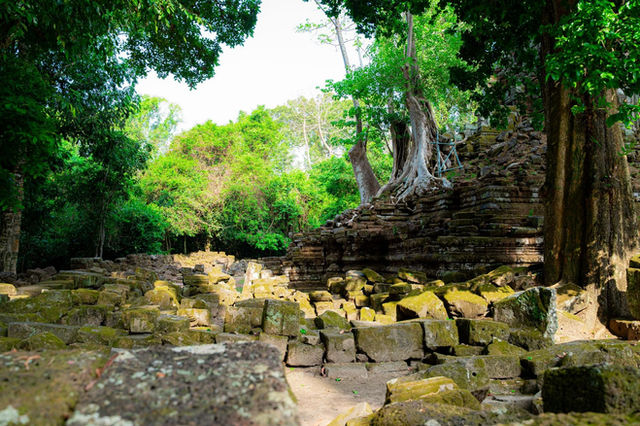
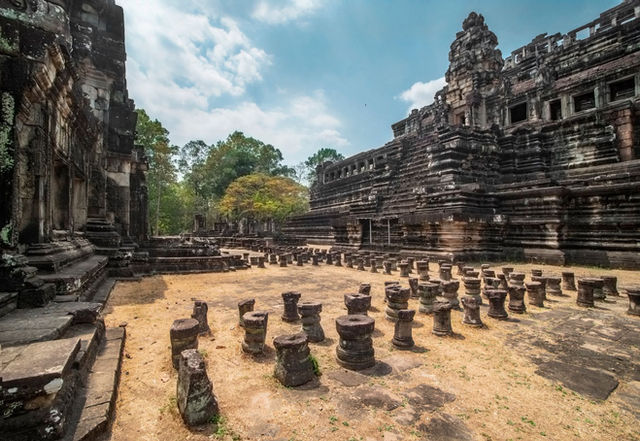
Home to Angkor, the largest religious monument on Earth. Watch sunrise over jungle-wrapped temples, then discover riverfront cities and untouched island beaches.

  • Currency ៛ Cambodian Riel (KHR) / US Dollar
  • Language Khmer
  • Best time November – April
  • Visa Visa on arrival or e-visa (up to 30 days)
Why visit

Why Cambodia

Home to Angkor, the largest religious monument on Earth. Watch sunrise over jungle-wrapped temples, then discover riverfront cities and untouched island beaches.

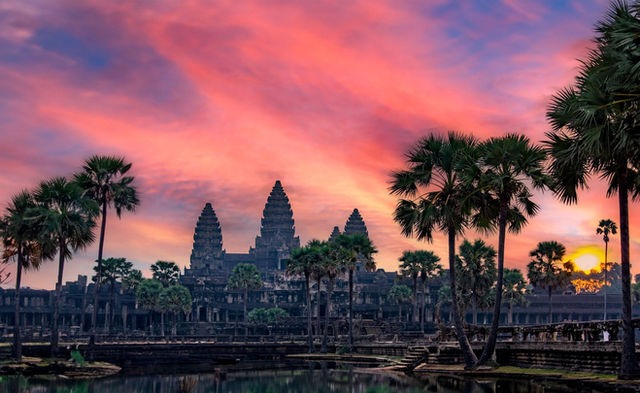
  • Angkor Wat at sunrise
  • Siem Reap temples
  • Tonle Sap floating villages
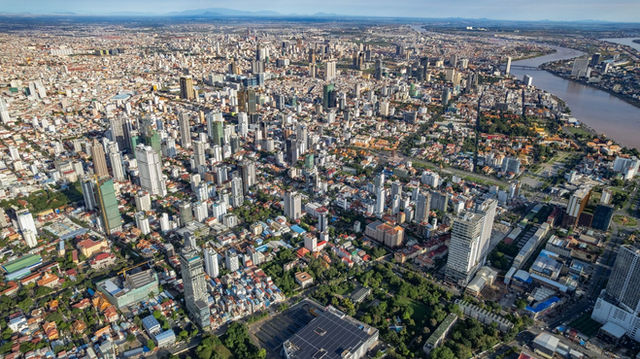
  • Phnom Penh
Read more

Cambodia is a country still being discovered. Its defining image is Angkor Wat at sunrise, but the 400-square-kilometre temple complex is only the beginning of what lies waiting in the jungle.

Beyond the ruins, Phnom Penh's colonial riverfront, the sleepy coastal retreat of Kep and the pristine sands of Koh Rong reveal a nation of gentle contrasts. Cambodian warmth and resilience turn every encounter into something memorable.

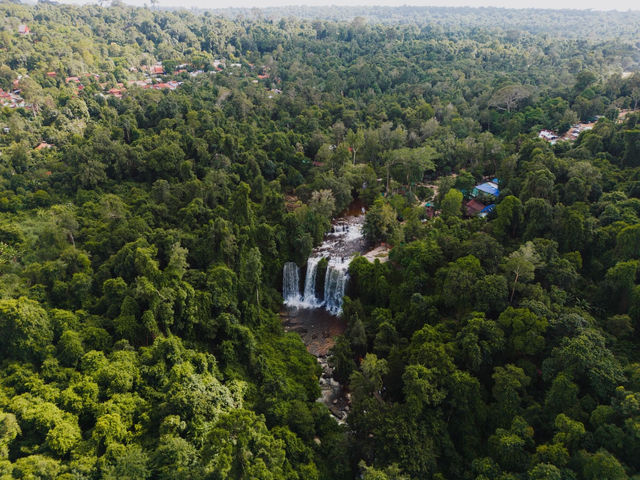
For 2026, Cambodia champions community-based, regenerative travel: village homestays, low-impact jungle hikes and smarter visitor management that spreads travellers across hundreds of lesser-known temples rather than concentrating them on one.

A pillar, not a footnote

Eat your way through Cambodia

The single reason many travellers come back — the food culture worth reshaping a trip around, and the dishes to seek out region by region.

Cambodia

Gentler and subtler than its neighbours — lemongrass curries, deep fermented-fish funk, and a French baguette on the side.

A proper amok arrives in a little cup of folded banana leaf: fish set soft and mousse-like in a coconut curry, perfumed with kroeung, the pounded lemongrass, galangal and turmeric paste that is the backbone of Khmer cooking. Cambodian food is quieter than its neighbours — less fiery than Thai, less sharp than Vietnamese — trading chilli heat for sourness and the deep, savoury funk of prahok, the fermented fish paste that underpins the whole cuisine.

Mornings start with nom banh chok, cool rice noodles doused in a pale green fish gravy, or a steaming bowl of kuytheav noodle soup fixed to taste at the table. Lunch might be lok lak, a French-colonial hand-me-down of quick-seared beef with a lime-and-black-pepper dip, and down in Kampot the celebrated local pepper perfumes fresh crab. The baguette, too, survives as num pang, a Khmer take on the banh mi. Round it off the local way, with a glass of strong, sweet iced coffee.

Dishes to seek out
  • amok (steamed fish curry)
  • nom banh chok (Khmer rice noodles)
  • lok lak (peppered beef)
  • kuytheav (noodle soup)
  • num pang (Cambodian baguette)
  • kroeung (lemongrass curry paste)
  • prahok (fermented fish paste)
Things to do

Nature, culture & hidden gems

Editorial content coming soon

We're hand-picking the standout places, hidden gems and can't-miss activities in Cambodia. Meanwhile, the cities above are a great starting point.

Plan your trip

Curated Cambodia itineraries

Browse all Cambodia trips →
When to go

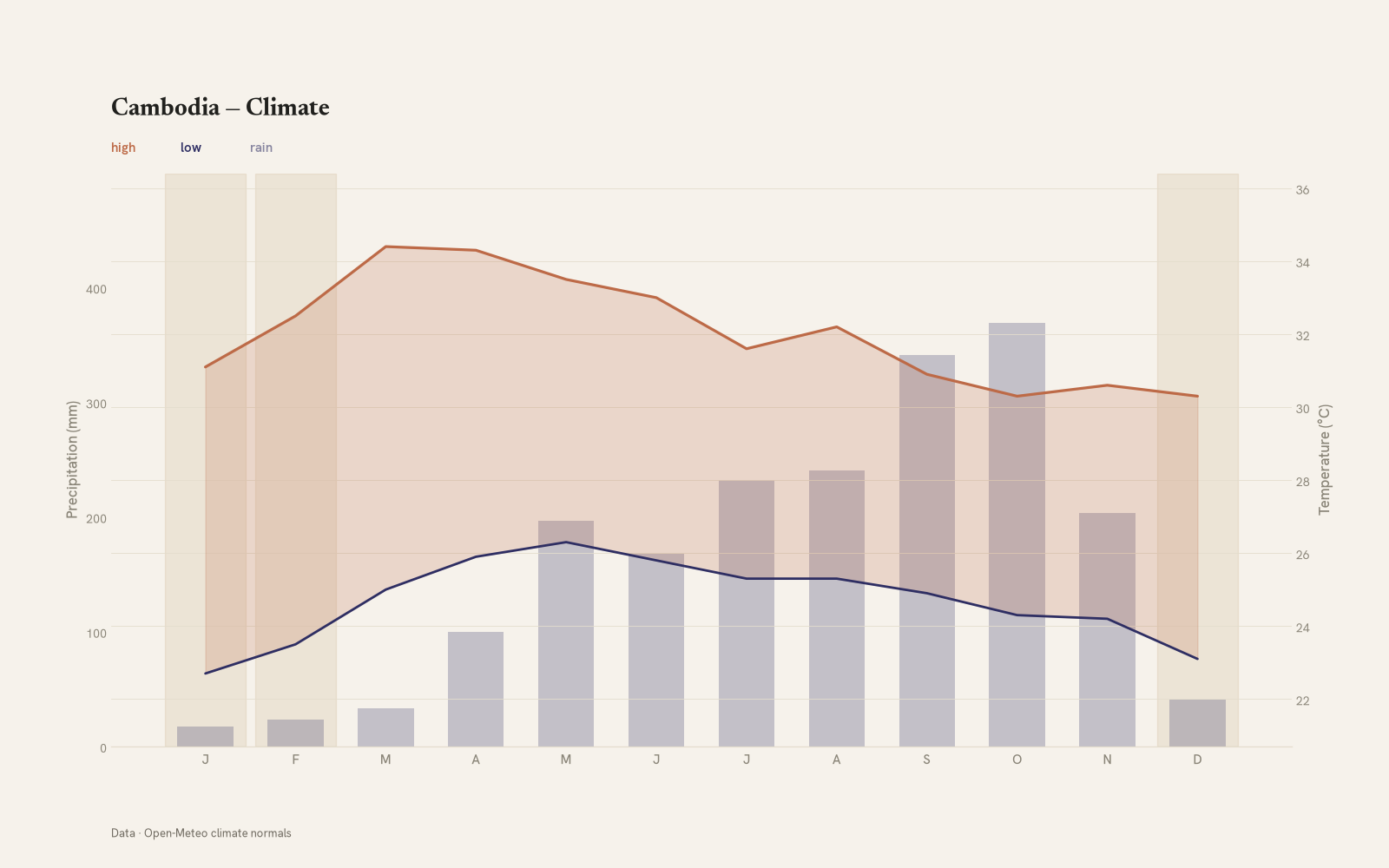
Weather & timing in Cambodia RIGHT NOW 30° mostly clear

Best Dec–Feb · Shoulder Mar–Apr, Jun

  1. Jan / -4°
  2. Feb / -2°
  3. Mar 12° /
  4. Apr 18° /
  5. May 24° / 14°
  6. Jun 28° / 18°
  7. Jul 30° / 20°
  8. Aug 28° / 18°
  9. Sep 24° / 14°
  10. Oct 18° /
  11. Nov 12° /
  12. Dec / -2°

Best time to visit

November – April

Best for
  • Angkor Wat
  • Mekong
  • Temples
  • Beach Islands
At a glance
Sunshine 7 hr/day (est.)
Rain days 8 days/mo (est.)
Wettest December · 60mm
Driest June · 10mm
Part of Southeast Asia →
By season
Spring (Mar–May)

What to expect — Daytime highs average about 18°C with overnight lows near 8°C, and it stays largely dry.

What's best — Mar and Apr are comfortable, with thinner crowds.

Summer (Jun–Aug)

What to expect — Daytime highs average about 29°C with overnight lows near 19°C, and it stays largely dry.

What's best — Jun is comfortable, with thinner crowds.

Autumn (Sep–Nov)

What to expect — Daytime highs average about 18°C with overnight lows near 8°C.

What's best — A quieter, less in-demand window than the shoulder months.

Winter (Dec–Feb)

What to expect — Daytime highs average about 7°C with overnight lows near -3°C.

What's best — Dec, Jan and Feb are among the best time to visit — good weather with manageable crowds.

A little context

A little history

To read what you're looking at — the empires and eras that shaped Cambodia's food, art and streets.

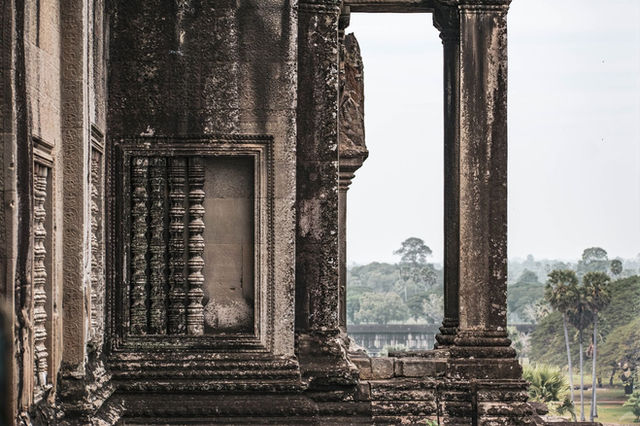
The Khmer Empire ruled much of Southeast Asia from Angkor, raising the vast temple-city of Angkor Wat in the 12th century
Theravada Buddhism and the old god-king tradition still shape the culture and the calendar
a century as a French protectorate left the baguettes, the coffee and the colonial shophouses
the Khmer Rouge genocide of 1975-79 remains a raw national wound, its recovery visible across the country today
Before you book

Know before you go

The practical back-matter — safety, drones and the essentials, in one place.

Safety

Moderate — check FCDO advice FCDO advice →

Official UK Foreign, Commonwealth & Development Office guidance is the definitive source — check it close to your travel dates.

Drone rules (sub-250g)

  • Cambodia
    Recreational flying is allowed but a drone must be declared and registered with the civil aviation authority (SSCA), and the star attractions — Angkor, Phnom Penh and historic temples — each need their own advance permit; flying without one risks confiscation. ⚠ Angkor Archaeological Park needs a permit from the APSARA Authority plus air-traffic clearance (the airport is close by) and can take weeks to arrange; start any permit application 2-3 weeks ahead, and expect fines or confiscation for flying at restricted sites. Rules checked: Jul 2026

National parks, protected sites and religious/heritage venues often have their own rules and permits — always check the specific site before you fly.

The essentials

Plug & voltage Type A/C/G · 230V
Daily budget Budget-friendly
Region South-Eastern Asia