Chile — hero
← All destinations Country

Chile

The world's ultimate soft-adventure road trip, 4,300km from the Atacama Desert to Patagonian ice. Premium, sustainable and utterly spectacular.

  • Currency $ Chilean Peso (CLP)
  • Language Spanish
  • Best time November – March
  • Visa Visa-free (up to 90 days)
Why visit

Why Chile

The world's ultimate soft-adventure road trip, 4,300km from the Atacama Desert to Patagonian ice. Premium, sustainable and utterly spectacular.

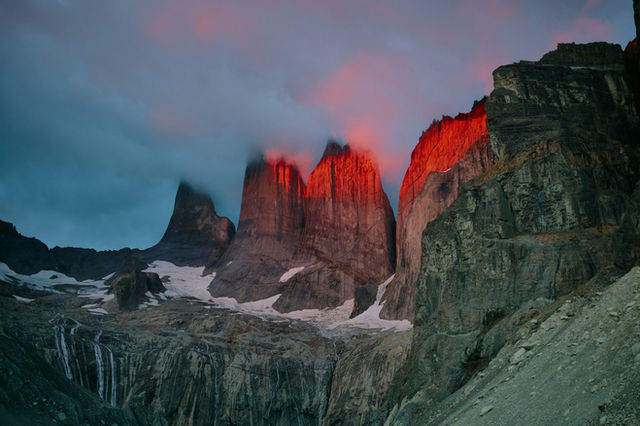
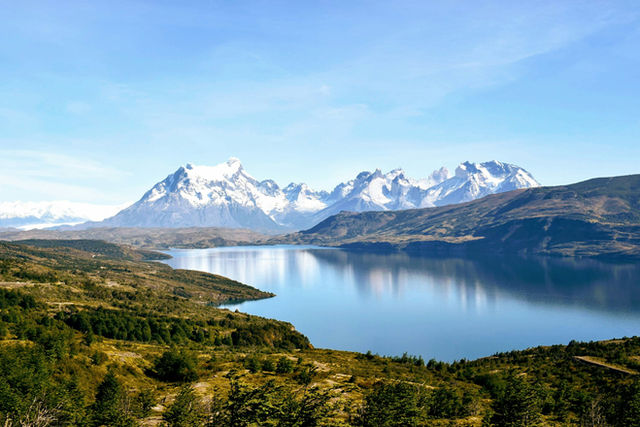
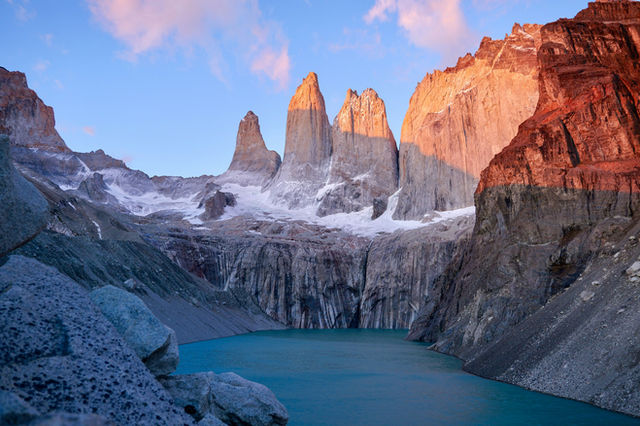
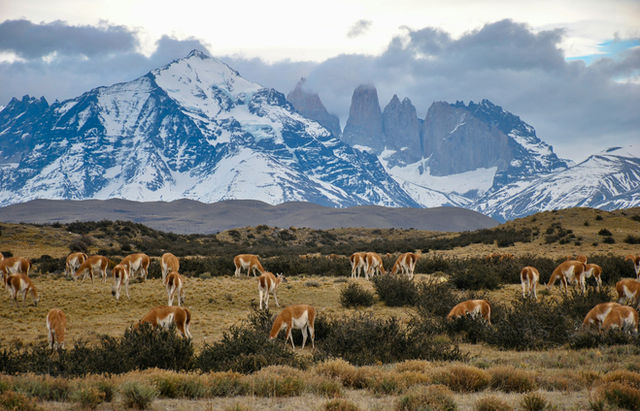
  • Torres del Paine & the W-trek
  • Atacama Desert stargazing
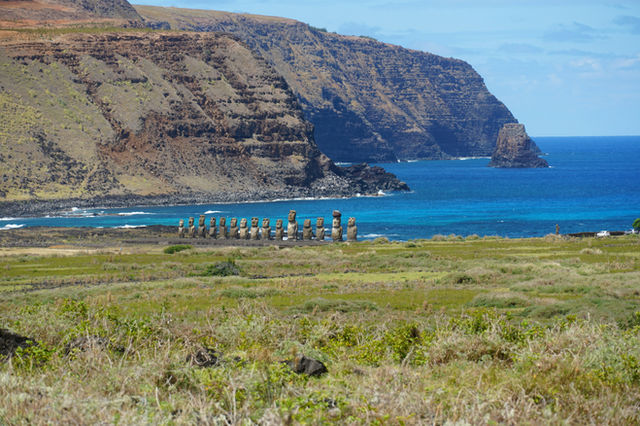
  • Easter Island moai
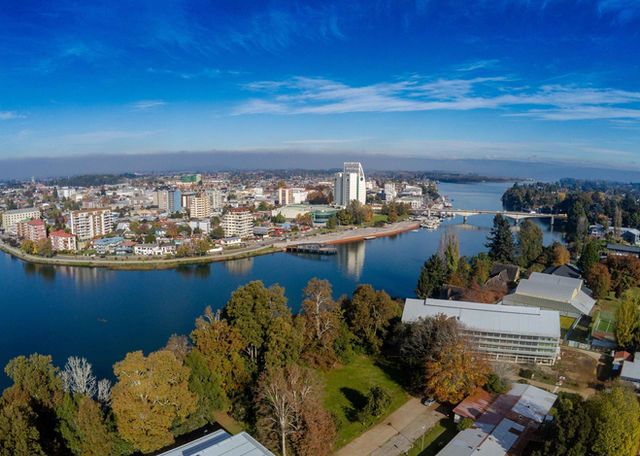
  • Valparaíso & the wine valleys
Read more

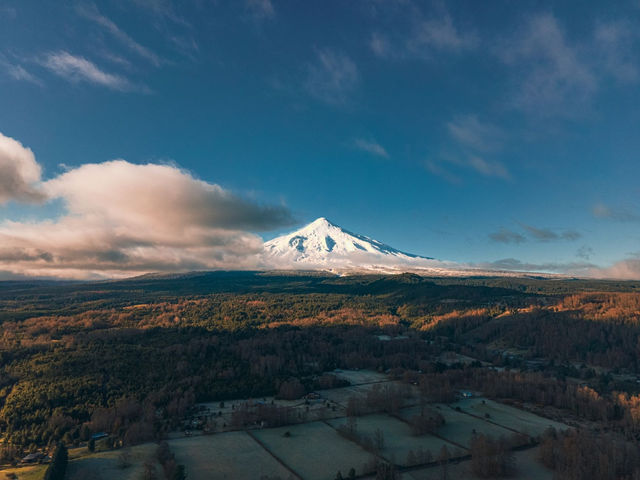
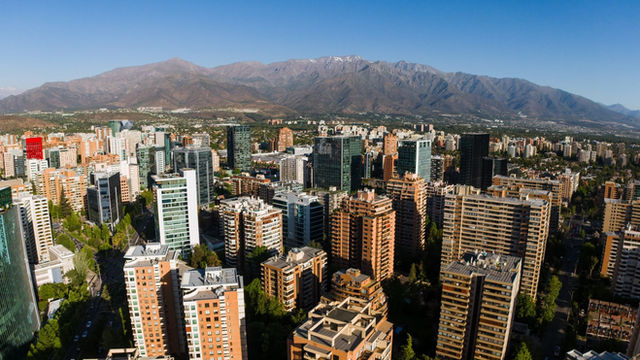
Chile is a country shaped like a coastline, stretching more than 4,300km from the driest desert on Earth to the glaciers of Patagonia. In 2026 it's the global benchmark for soft adventure, delivering premium, nature-first travel across some of the planet's most extreme landscapes.

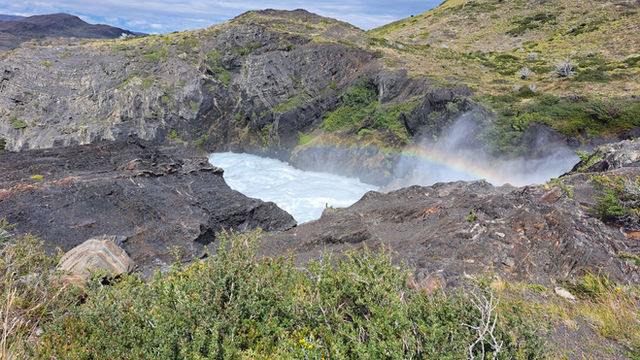
This is a destination built for epic road trips and regenerative tourism. Along the Carretera Austral and through Torres del Paine, Chile keeps its wild places pristine while offering deep, low-impact connection with nature and Indigenous cultures.

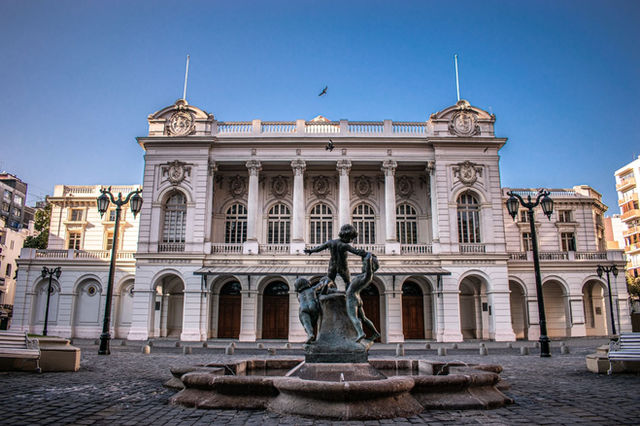
Base yourself in sophisticated Santiago for a bleisure blend of MICE-ready workspaces and world-class gastronomy and wine, then head south for the adventure of a lifetime.

A pillar, not a footnote

Eat your way through Chile

The single reason many travellers come back — the food culture worth reshaping a trip around, and the dishes to seek out region by region.

Chile

2,700 miles of Pacific seafood, Andean corn and a loaded avocado hot dog — plus pisco sour and rediscovered Carménère.

Chile is a 2,700-mile ribbon of coast, so seafood is never far — razor clams baked with parmesan, mussels and mote, ceviche in the dry north — but the country's comfort food is built on corn and beef. Bite into an empanada de pino and mind the olive inside its minced-beef, onion, raisin and egg filling; dig into pastel de choclo, a sweet-savoury corn casserole baked over the same mixture, and you've tasted the everyday Chilean table.

Down south in Chiloé they cook curanto in a pit of hot stones, layering shellfish, meat and potato breads under leaves. In the cities the quick fix is the completo, a hot dog buried under mashed avocado, tomato and mayonnaise. And everywhere there's wine and pisco: a tart pisco sour to start, then a glass of Carménère, the lost Bordeaux grape that turned up thriving here in 1994 and became the national red.

Dishes to seek out
  • Empanada de pino (beef
  • onion
  • egg & olive pastry)
  • Pastel de choclo (corn-topped meat pie)
  • Cazuela (meat & vegetable stew)
  • Curanto (pit-cooked seafood & meat)
  • Completo (loaded hot dog)
  • Machas a la parmesana (razor clams & parmesan)
  • Pisco sour
Things to do

Nature, culture & hidden gems

Editorial content coming soon

We're hand-picking the standout places, hidden gems and can't-miss activities in Chile. Meanwhile, the cities above are a great starting point.

Plan your trip

Curated Chile itineraries

Browse all Chile trips →
Where to stay

Hand-checked places in Chile

Browse all Chile stays →
When to go

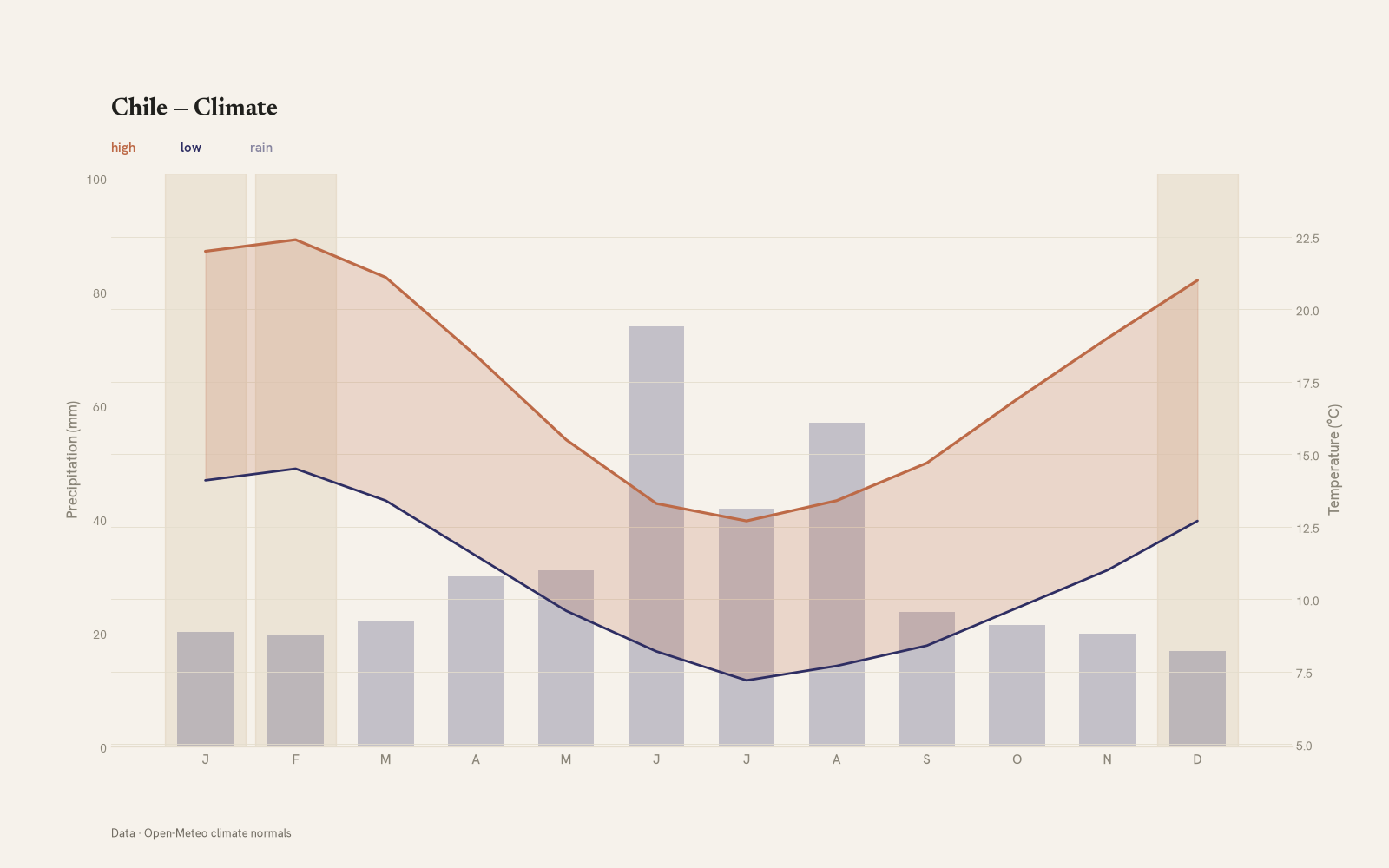
Weather & timing in Chile RIGHT NOW 10° cloudy

Best Dec–Feb · Shoulder Mar–Apr, Nov

  1. Jan / -4°
  2. Feb / -2°
  3. Mar 12° /
  4. Apr 18° /
  5. May 24° / 14°
  6. Jun 28° / 18°
  7. Jul 30° / 20°
  8. Aug 28° / 18°
  9. Sep 24° / 14°
  10. Oct 18° /
  11. Nov 12° /
  12. Dec / -2°

Best time to visit

November – March

Best for
  • Atacama
  • Patagonia
  • Wine
  • Easter Island
At a glance
Sunshine 7 hr/day (est.)
Rain days 8 days/mo (est.)
Wettest December · 60mm
Driest June · 10mm
Part of Southern Cone →
By season
Spring (Mar–May)

What to expect — Daytime highs average about 18°C with overnight lows near 8°C, and it stays largely dry.

What's best — Mar and Apr are comfortable, with thinner crowds.

Summer (Jun–Aug)

What to expect — Daytime highs average about 29°C with overnight lows near 19°C, and it stays largely dry.

What's best — Peak heat and the biggest crowds — many travellers prefer spring or autumn.

Autumn (Sep–Nov)

What to expect — Daytime highs average about 18°C with overnight lows near 8°C.

What's best — Nov is comfortable, with thinner crowds.

Winter (Dec–Feb)

What to expect — Daytime highs average about 7°C with overnight lows near -3°C.

What's best — Dec, Jan and Feb are among the best time to visit — good weather with manageable crowds.

A little context

A little history

To read what you're looking at — the empires and eras that shaped Chile's food, art and streets.

The Mapuche resisted Inca and then Spanish conquest for centuries, holding the south into the 1880s
Spanish colonial rule shaped the central valleys, the church and the wine
independence came in 1818
the 1973 coup installed Pinochet's 17-year dictatorship; a return to democracy in 1990 and copper wealth built modern, relatively prosperous Chile
Before you book

Know before you go

The practical back-matter — safety, drones and the essentials, in one place.

Safety

Low risk FCDO advice →

Official UK Foreign, Commonwealth & Development Office guidance is the definitive source — check it close to your travel dates.

Drone rules (sub-250g)

  • Chile
    Effectively impractical for tourists. The DGAC's no-permit exemption applies only to sub-750g foam craft, so a metal camera drone (a DJI Mini, say) must go on the RPAS registry, and flying in any populated area also needs a DGAC pilot credential requiring a Chilean ID or tax number a visitor can't easily get. ⚠ National parks (CONAF land) like Torres del Paine prohibit drones; Easter Island's archaeological sites and Santiago's airspace are heavily restricted. Guides report the DGAC tells tourists they effectively can't get authorisation — assume any camera-drone flight needs prior clearance. Rules checked: Jul 2026

National parks, protected sites and religious/heritage venues often have their own rules and permits — always check the specific site before you fly.

The essentials

Plug & voltage Type C/L · 220V
Daily budget Mid-range
Region South America