Beijing
China's imperial capital: 3,000 years of dynasty, seven UNESCO sites, and a modern city that never stops surprising families.
- City
- 5–7 days
Where you'll stay in Beijing
<h4>Dongcheng — Forbidden City and hutongs</h4><p>Staying in Dongcheng places you within walking distance of the Forbidden City, Jingshan Park, Nanluogu Xiang alley and several of the best hutong neighbourhoods. There are plenty of family-friendly hotels in the mid-range to upscale bracket here, as well as boutique courtyard hotels (yuanshu) that are among the most atmospheric places to stay anywhere in Asia. It is my first recommendation for families who want to feel the character of old Beijing alongside the headline sights.</p><h4>Wangfujing and around</h4><p>The area around Wangfujing — Beijing's main pedestrianised shopping street — is central, well served by metro and stocked with reliable international and mid-range hotels. It lacks the hutong character of Dongcheng's quieter lanes but is extremely convenient, with restaurants at every price point and the Wangfujing Snack Street nearby for the kids. Families who prioritise ease of access over neighbourhood atmosphere tend to be very happy here.</p><h4>Sanlitun and Chaoyang</h4><p>East of the centre, Sanlitun is Beijing's most international district — full of embassies, global restaurant chains, the Taikoo Li shopping complex and a lot of Western-facing mid-range and business hotels. It is a sensible base if your family wants familiarity alongside the sightseeing: menus in English are the norm, and Uber-equivalent apps are widely used here. It is a 20–30 minute metro ride from most imperial sights, which is worth factoring in.</p><h4>How to choose</h4><p>For a first visit, I consistently recommend Dongcheng — the balance of atmosphere, access to the UNESCO sites and family-friendly practicality is hard to beat. If budget is the priority, look for mid-range chain hotels near major metro stations in Xicheng or along Line 2; the metro will get you anywhere in 20–30 minutes for very little money.</p>
Hotels & rentals around Beijing
Pan, zoom and compare live prices — every stay in one map.
Getting around Beijing
Metro/subway
Beijing's metro is one of the world's great urban transit systems — 27 lines, 490+ stations and growing, running clean, air-conditioned trains at 2–5 minute intervals during peak hours. Fares are distance-based and extremely cheap by London standards (typically equivalent to 25–60p per journey). I use the metro for almost everything; it reaches the Forbidden City (Tiananmen East/West), Temple of Heaven (Tiantan Dongmen), the Summer Palace (Beigongmen) and most of the city's major sights directly. Download the Metro Man Beijing app or use Google Maps for route planning — both work well. Tap in and out with a transit card (available from any station vending machine with a refundable deposit) or use a linked Alipay or WeChat Pay account.
Buses
The bus network is vast and fares are even cheaper than the metro, but route signs and announcements are primarily in Mandarin, which makes navigation harder for first-time visitors. For families, buses are most useful on specific well-known routes — the 快速公交 (BRT) corridor routes are fast and manageable. For most sightseeing purposes, the metro is simpler and almost as quick.
Taxis and ride-hailing
DiDi is China's dominant ride-hailing app and the equivalent of Uber for foreign visitors — the English-language version of the app works well, accepts foreign payment cards through WeChat Pay or Alipay, and is safe and metered. Regular metered taxis are plentiful and inexpensive but communication is easier with DiDi's in-app translation. I always recommend having your destination written in Chinese characters (your hotel can print a card) as a backup — most taxi drivers do not speak English.
Walking
Parts of central Beijing are very walkable — the hutong neighbourhoods, the area around the Forbidden City and Jingshan Park, and Sanlitun are all pleasant on foot. The city is flat, which helps. However, Beijing's main boulevards are wide and traffic is heavy; pedestrian crossings are formal and respected, but always use them — crossing mid-block is genuinely hazardous. In summer, heat makes long walks tiring by midday; plan sightseeing for morning and early evening and retreat to air-conditioned spaces or the metro in the hottest part of the afternoon.
Cycling
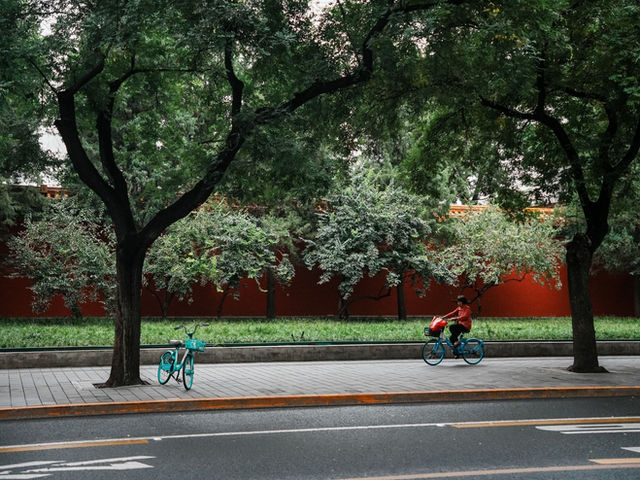
Shared e-bikes from Meituan and Hello Bike are widely available in hutong areas and around parks, and Beijing has an extensive cycle lane network on its wider boulevards. Cycling is a genuinely enjoyable way to explore the hutong neighbourhoods and Houhai lake area. Helmets are not provided by bike-share systems; the pace of traffic on main roads means cycling is best kept to quieter lanes and dedicated paths.
Insider tips
The Forbidden City (Palace Museum)
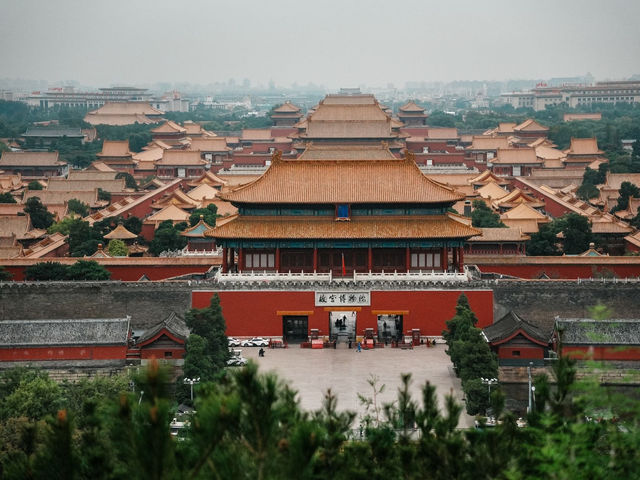
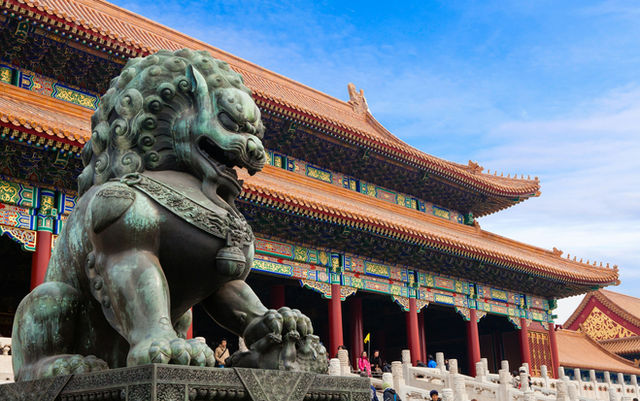
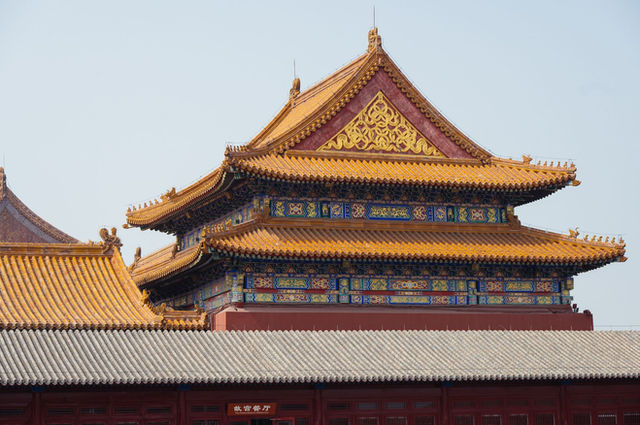
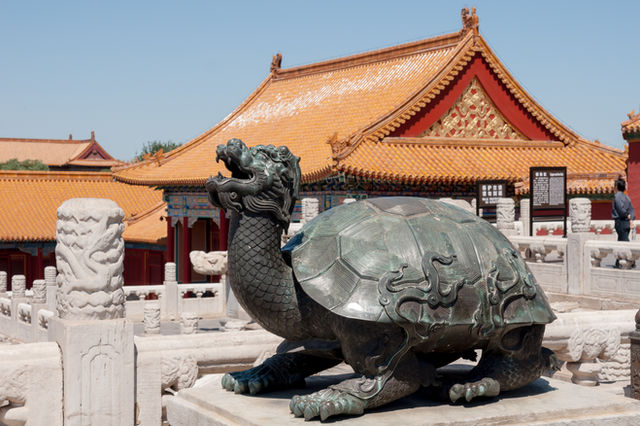
The Imperial Palaces of the Ming and Qing Dynasties — the UNESCO-listed heart of Beijing — should anchor at least one full day of your trip, and ideally a day and a half. The Forbidden City (now the Palace Museum) was the exclusive home of 24 emperors across five centuries, and walking its sequence of courtyards, gates and ceremonial halls is genuinely overwhelming in the best possible sense. I always recommend booking timed-entry tickets in advance through the official Palace Museum website — daily visitor numbers are capped and peak-season slots sell out weeks ahead. The Treasury (Zhen Bao Guan) and the Clock Exhibition Hall are unmissable highlights beyond the main axis; teenagers tend to be hooked by the scale and the sheer density of gold and lacquer.
The Great Wall at Mutianyu
Of all the restored Wall sections accessible from Beijing, Mutianyu (about 90 minutes from the city centre) is the one I recommend most consistently to families — it has enough restored battlements to feel magnificent, a cable car for the ascent and a toboggan slide for the descent that teenagers will talk about for years. Jiankou and Simatai are more dramatic but require more hiking and some sections are unrestored. Book a driver or join a morning tour to avoid getting stranded; the Wall in early morning light, before the coaches arrive, is something I will never forget.
The Temple of Heaven
The Temple of Heaven complex is a UNESCO World Heritage Site in its own right and one of the most perfect pieces of imperial architecture in China — the circular Hall of Prayer for Good Harvests (with its triple-tiered blue roof) is the most reproduced image in Beijing for good reason. Go in the morning when elderly Beijingers use the surrounding park for tai chi, calligraphy and group singing; it is one of the most unexpectedly warm and human scenes the city offers. The walk along the Imperial Vault of Heaven and up the Circular Mound Altar is short enough for all ages.
The Summer Palace
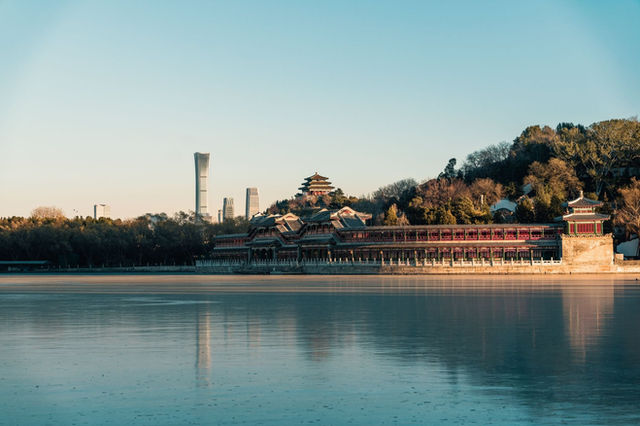
The Summer Palace — another UNESCO site — is a landscape garden on a grand imperial scale: Kunming Lake, the Long Corridor painted with over 14,000 scenes, and Longevity Hill combine to make it one of the most beautiful parks in Asia. It rewards a full half-day minimum; rent a rowing boat on the lake if the weather is good. For families, it is a welcome change of pace from the density of the inner city, and children who have run out of patience for palaces almost always respond to the open water and garden scale.
The Beijing Central Axis
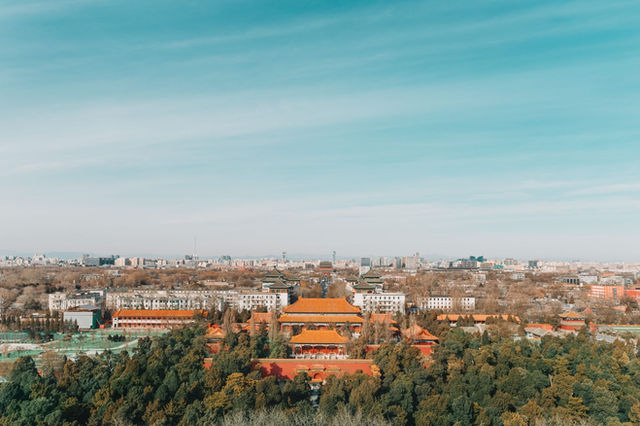
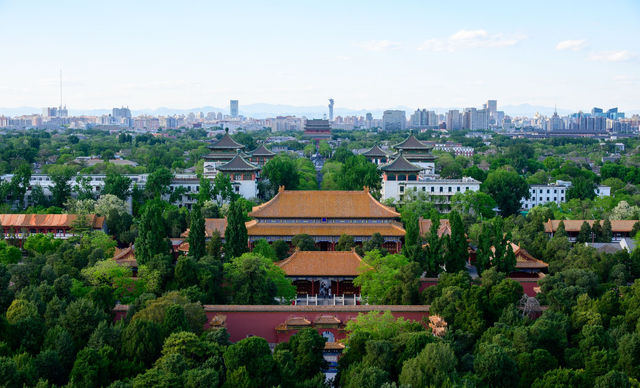
The Beijing Central Axis — inscribed as a UNESCO World Heritage Site in 2024 — is the 7.8-kilometre north–south spine that has defined Beijing's urban plan since the Yuan Dynasty. It runs from the Bell and Drum Towers in the north through Jingshan Park, the Forbidden City and Tiananmen Square to the Temple of Heaven. Walking even part of this axis (the section from the Drum Tower to Jingshan takes about an hour) gives a completely different perspective on how coherently the whole city was designed. It is a wonderful half-day structure walk for curious teenagers.
Hutong neighbourhood walks
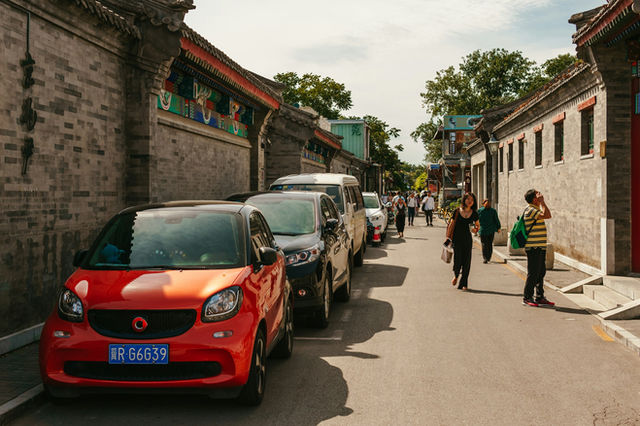
Beijing's hutong alleyways — the narrow lanes of traditional courtyard housing that survive in Xicheng and Dongcheng — are a world away from the monumental sights and one of the things I love most about the city. The area around Nanluogu Xiang, Mao'er Hutong and Shichahai lake is compact, walkable and increasingly filled with independent coffee shops, dumpling restaurants and craft studios. A rickshaw tour is a good introduction for younger children; older teens tend to prefer exploring on foot or by shared e-bike.
The National Museum of China
The National Museum on the east side of Tiananmen Square is one of the largest museums in the world and admission is free (advance online registration required for non-Chinese nationals). The Ancient China gallery is staggering in scope — bronzes, jade, ceramics, calligraphy — and teenagers interested in history, art or archaeology will find a full morning here completely absorbing. The museum is well signed in English and air-conditioned, making it an ideal option in peak-summer heat.
Frequently asked
How many days do I need in Beijing?
I recommend a minimum of five full days for a first family visit — one day for the Forbidden City and Tiananmen area, one day for the Great Wall, one for the Summer Palace and hutong exploration, one for the Temple of Heaven and the National Museum, and a fifth day for the Central Axis walk, the Bell and Drum Towers and any remaining hutong wandering. Seven days allows a much more relaxed pace and time for day trips to the Ming Tombs.
Is the UNESCO site worth it for teenagers?
The Forbidden City — the centrepiece of the UNESCO Imperial Palaces inscription — tends to land extremely well with teenagers, particularly if you brief them on the Five Elements cosmology behind the colour choices, the eunuch system, and the specific emperors who lived and died there. The sheer scale (it took 14 years to build and employed a million workers) is genuinely staggering. Pair the visit with the Palace Museum audio guide or an app-based tour and most teenagers will be absorbed for the full morning.
Do I need a visa to visit Beijing?
UK passport holders can enter China visa-free for up to 15 days (as of 2024–2025 policy) for tourism purposes — but check current visa rules on the Chinese Embassy in the UK website before booking, as policies change. For stays longer than 15 days, or if you plan to travel to regions outside the major tourist circuit, a standard tourist visa (L visa) should be applied for in advance.
What apps do I need before I leave the UK?
The most important is WeChat Pay or Alipay — both now accept foreign bank cards and are essential for paying for almost everything in Beijing, including metro tickets, DiDi rides, restaurant bills and market stalls. VPN apps are also useful as Google, WhatsApp and many Western social media platforms are blocked in China; install and test your VPN before departure (it cannot be downloaded inside China). Download offline maps via Maps.me or Baidu Maps for navigation without data reliance.
Is it safe to drink the tap water in Beijing?
No — tap water in Beijing is not safe to drink without boiling. Bottled water is cheap, widely available and sold in every convenience store, hotel and tourist site. Your hotel room will almost certainly provide a kettle and bottled water. This is one of those practical points worth explaining to teenagers before arrival so they are not caught out.
What is the best way to visit the Great Wall from Beijing?
For families, Mutianyu is the consistently recommended section — it has an excellent cable car, well-restored ramparts stretching across several ridges, and the famous toboggan descent. Most family-friendly tours from the city run in the morning and return by mid-afternoon, which is the right pace. Badaling is closer to Beijing but significantly more crowded; Jinshanling and Simatai are more dramatic but involve harder hiking. Book Mutianyu through a reputable day-tour operator or arrange a private driver through your hotel for the most relaxed experience.
How much does a family trip to Beijing cost?
Beijing is genuinely affordable by London standards once you are there. Metro fares, street food, noodle restaurants and admission to most parks are all cheap. The main costs are flights (~£450–£900 per person return from the UK), accommodation (budget hotels from ~£40/night, mid-range courtyard hotels from ~£80–£140/night) and admission to the Palace Museum (moderate, timed-entry tickets). A mid-range daily budget for a family of five once in the city runs to roughly ~£120–£200/day including meals, transport and main attractions — lower if you eat local, higher if you add private drivers and duck restaurants every night.
While you're there
Explore the area
Local attractions & tours
Skip-the-line tickets and small-group tours in Beijing — compare across our partners.
Not seeing offers? Try or — some destinations have thinner inventory on Tiqets.
Day cruises, catamarans and multi-hour excursions — we're wiring up Viator next.
Not seeing offers? Try or — some destinations have thinner inventory on Viator.
Small-group and local-host experiences — GetYourGuide is on the way.
Not seeing offers? Try or — some destinations have thinner inventory on GetYourGuide.
Best time to visit Beijing
Seasons overview
Spring (April–May) is one of the most pleasant times to visit — temperatures rise from around 12°C in early April to 25°C by late May, skies are bright, and the parks and hutong gardens are in blossom. Sandstorms can briefly sweep in from the Gobi Desert in March and April, but they rarely last more than a day or two and are far less common than they once were.
Summer (June–August) is hot and humid — daytime highs of 30–35°C are common in July and August, with occasional heavy rain. It is still perfectly manageable; the Summer Palace and Beihai Park are beautiful on overcast days. Mornings at the Great Wall are cooler and much less crowded than afternoons.
Autumn (September–October) is widely considered the best season in Beijing — temperatures are ideal (18–25°C), skies are typically clear blue after summer rains have washed the air, and the trees in the hutongs and imperial parks turn gold and rust. The city's parks in October are exceptional.
Winter (November–March) is cold and dry — temperatures often drop below 0°C in January, and the city can be icy. Air quality is most variable in winter. That said, the Forbidden City under light snow is genuinely stunning, and crowds are at their thinnest.
Best months for families
I recommend late September through early November as the prime window — comfortable temperatures, clean air, autumn colour and manageable crowds. Late April and May are an excellent second choice. Avoid the national Golden Week holiday periods (first week of May and first week of October) when domestic tourism peaks sharply and popular sites are packed.
Getting there
By air
Most UK families fly into Beijing Capital International Airport (PEK), around 25 km northeast of the city centre. Direct flights from London Heathrow are operated by British Airways and Air China, with journey times of approximately 10–11 hours outbound. Return flights typically take around 9–10 hours due to favourable jet stream. Return fares from London in economy class range broadly from ~£450–£900 per person depending on season and how far ahead you book; school holiday periods push prices toward the upper end of that range. I recommend booking at least three months ahead for summer travel. The airport express rail (Airport Express Line) connects PEK to Dongzhimen metro station in around 25 minutes for a flat fare — fast, air-conditioned and very easy for families with luggage.
Beijing Daxing International Airport (PKX), around 46 km south of the centre, opened in 2019 and handles a growing number of routes. The Daxing Airport Express connects to the city in around 20 minutes but the interchange to central Beijing metro lines adds transfer time. Check which airport your airline uses when booking.
By train
High-speed rail from other Chinese cities is excellent and worth knowing about if you are combining Beijing with a wider China itinerary. The Beijing–Shanghai high-speed line covers roughly 1,300 km in 4.5–5.5 hours — a genuinely impressive and comfortable journey. Beijing South Station is the hub for these services. The Trans-Siberian Railway via Moscow is a legendary overland option from Europe, but at 6+ days it is a trip in its own right rather than a practical family journey to Beijing specifically.
Ready to book your trip?
Flights, airport transfers and car hire — search and compare without leaving the page.
More trip extras
Parking, holiday extras, and more — coming soon.
We're lining up parking, holiday extras and activities you'll be able to add to any trip from here.