← China
CHINA · CITY

Macao

A fascinating East-meets-West enclave — Portuguese churches and cobbled squares beside China's glittering casinos.

  • City
  • October to December — mild and dry; hot humid summers
  • ~approx 1–2 days
  • Portuguese-Chinese Fusion
  • Ruins of St Paul's
  • Egg Tarts & Casinos
  • East-Meets-West

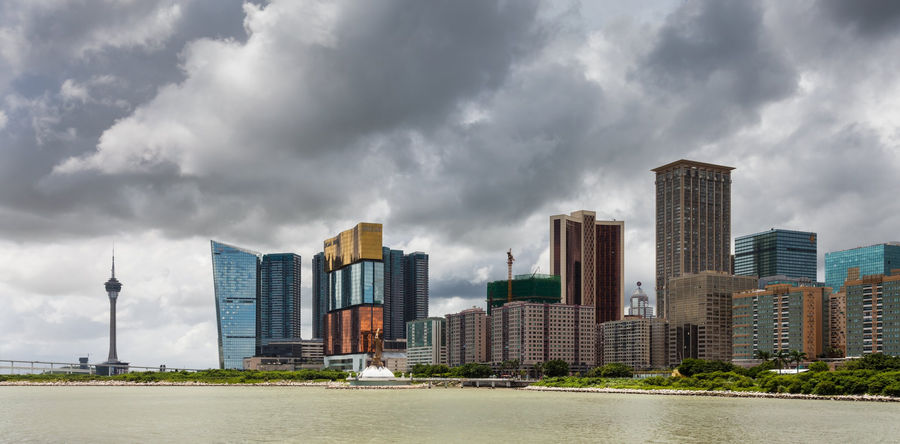
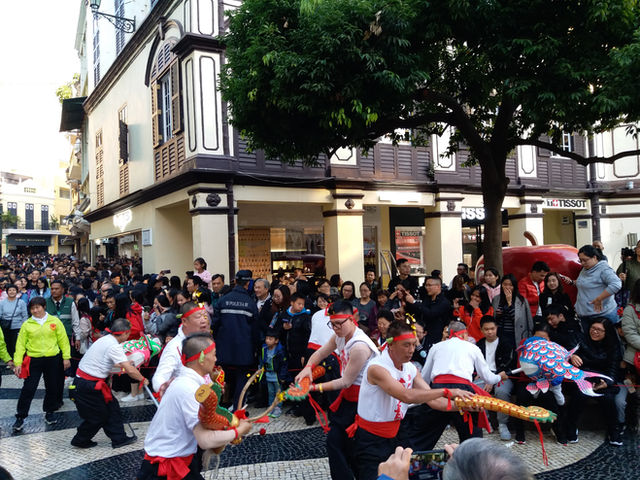
The soaring stone façade of a ruined Baroque church standing alone at the top of a grand staircase, a wave-patterned Portuguese-tiled square below full of Cantonese shoppers, and, across the water, a skyline of neon casinos rising from reclaimed land.

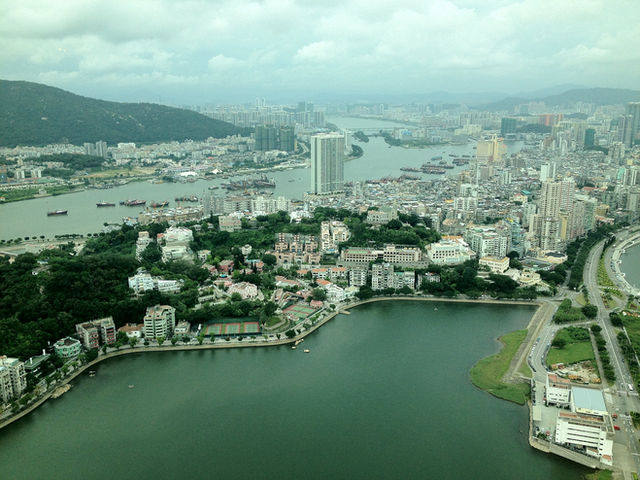
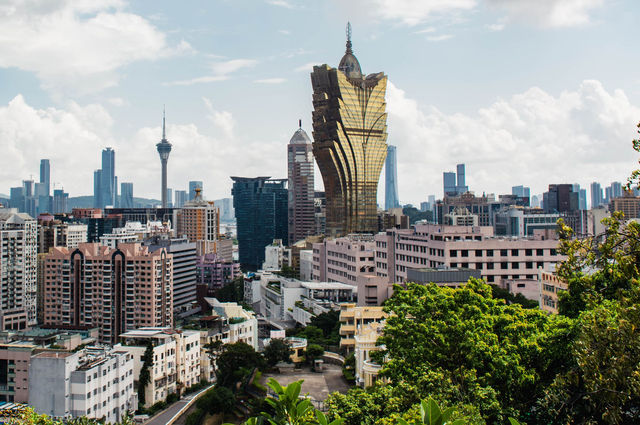
Macao is where Portugal met China and never quite left — a UNESCO old town of tiled squares, Baroque churches and Chinese temples on a peninsula off southern China, famous for its egg tarts, its Macanese fusion food, and the glittering casino strip that made it the gaming capital of the world.

Type
city
Ideal length
~approx 1–2 days
Getting around
on foot in the old town; buses, taxis and casino shuttles
Neighbourhoods
3 areas
Best season / months
October to December — mild and dry; hot humid summers
Language
Cantonese and Portuguese (both official); Mandarin and some English
Currency
Macanese pataca (MOP) — Hong Kong dollars widely accepted
Budget level
moderate — affordable heritage, pricey resorts
Good for
  • History
  • Food
  • East-West culture
  • Casinos and shows
  • Hong Kong side-trips
▸ Discover

About Macao

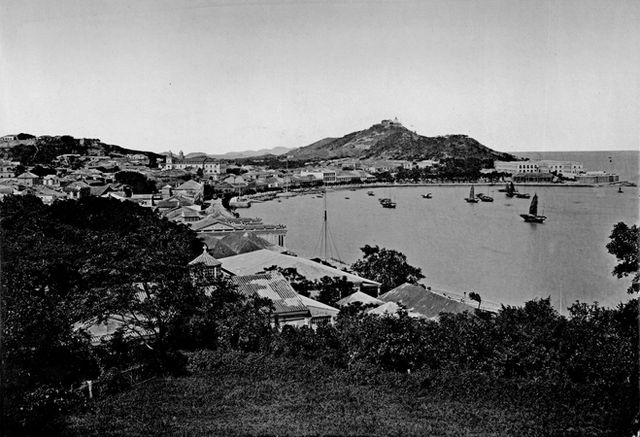
Macao (Macau) is a small Special Administrative Region of China, on the Pearl River delta an hour from Hong Kong. A Portuguese trading colony for over four centuries until 1999, it fused two cultures like nowhere else — its UNESCO Historic Centre is a walkable ensemble of Portuguese-tiled squares, Baroque churches, forts and Chinese temples, crowned by the iconic Ruins of St Paul's. That heritage sits beside a very different Macao: the Cotai Strip, a Vegas-scale expanse of colossal casino-resorts that has made the tiny territory the world's biggest gambling hub. Add a unique Macanese cuisine, the villages of Taipa and Coloane, and the famous egg tarts, and Macao is a fascinating collision of old and new, East and West.

Why go

Macao offers a unique East-meets-West experience found nowhere else — a UNESCO old town where Portuguese Baroque churches, tiled plazas and forts stand among Chinese temples and shops, crowned by the unforgettable Ruins of St Paul's. It has a one-of-a-kind Macanese fusion cuisine (and the world-famous egg tarts), the charming village lanes of Taipa and Coloane, and, for a total contrast, the spectacular casino-resorts and shows of the Cotai Strip. Compact, easy from Hong Kong, and endlessly photogenic in its cultural collisions, it's a rewarding, quirky city break.

Don't miss

  • The Ruins of St Paul's — the iconic Baroque façade
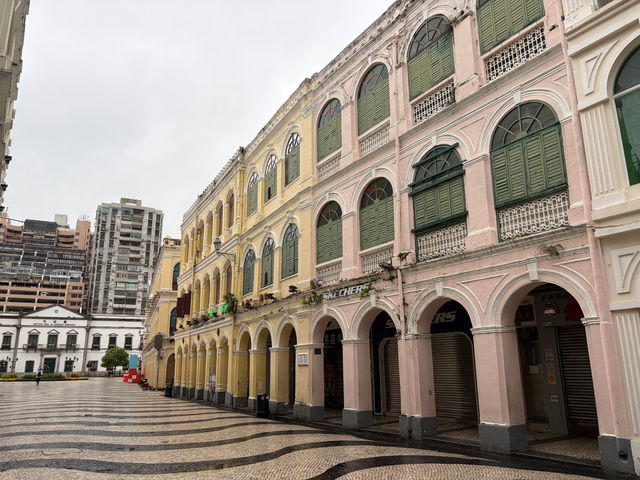
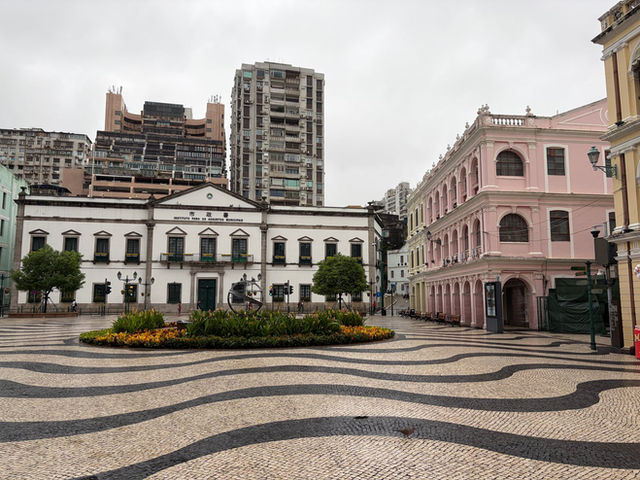
  • Senado Square — the tiled Portuguese-Chinese heart
  • The Macanese egg tarts — the famous pastéis
  • The A-Ma Temple and the old forts — the heritage sites
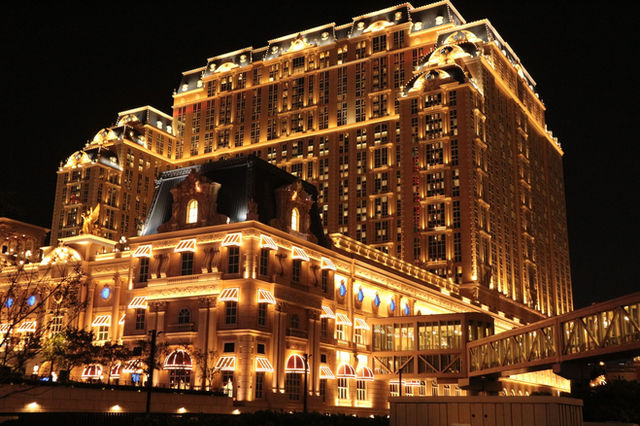
  • The Cotai casino strip — the world's gaming capital

Signature experiences

The Ruins of St Paul's and the old town — Macao's icon is the Ruins of St Paul's — the towering, richly carved stone façade of a 17th-century Baroque church, all that survived a fire, standing dramatically alone atop a grand staircase, a symbol of the city. From there, the UNESCO old town unfolds — the wave-patterned Portuguese paving of Senado Square, the Baroque St Dominic's and other churches, the Mount and Guia forts, and Chinese temples like the ancient A-Ma. Wandering the compact old town, where every corner mixes Portuguese and Chinese, is the essential Macao experience. **Egg tarts and Macanese food** — Macao's food is a highlight and a fusion like no other. The famous export is the Macanese egg tart — a Portuguese-style pastel de nata with a caramelised, blistered top — bought warm from the shops (Coloane is its spiritual home). But the deeper treasure is Macanese cuisine itself, a centuries-old blend of Portuguese, Chinese, African, Indian and Malay flavours: minchi (a comforting minced-meat hash), galinha à africana (African chicken), bacalhau, pork-chop buns, and serradura. Eat egg tarts on the go and a proper Macanese meal in Taipa Village; the food is unique. **Old villages and heritage** — Beyond the busy peninsula, the islands keep a quieter, older Macao — Taipa Village, with its Portuguese houses, painted shrines and a food street of Macanese restaurants and shops, and green Coloane, with its village square, the little St Francis Xavier chapel, and a black-sand beach. Wandering these village lanes, with their Portuguese-Chinese blend, is a lovely, calmer counterpoint to the peninsula and the casinos. The heritage here feels lived-in and gentle. **The Cotai Strip and the spectacle** — For a total contrast, Cotai is another world — a strip of colossal casino-resorts built on reclaimed land between the islands, themed on Venice (with canals and gondolas indoors), Paris (with a half-scale Eiffel Tower), and more, that has made tiny Macao the biggest gambling market on earth. Even for non-gamblers, the sheer scale and spectacle — the resorts, the shows, the shopping, the neon — are worth seeing. Whether you play, catch a show, or just gawp, the Cotai Strip is the audacious modern face of Macao.

Neighbourhoods

Macao neighbourhood by neighbourhood — the character of each and who it suits.

  • The Historic Centre

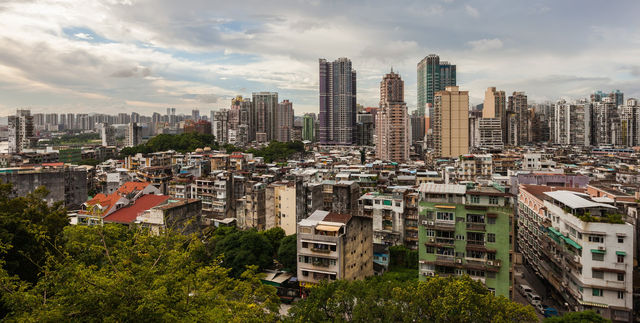
    The UNESCO old town on the peninsula — a walkable ensemble of Portuguese-tiled squares, Baroque churches, forts and Chinese temples, with shops, cafés and the famous ruins. The heritage heart.

    Why go
    The Ruins of St Paul's, Senado Square, the churches and the temples.
    Best for
    Sightseeingthe heritage sitesegg tartswandering
    Known for
    The Ruins of St Paul's and Mount Fortress, Senado Square (Largo do Senado) and its wave-patterned paving, the A-Ma Temple, St Dominic's Church, the Guia Fortress and lighthouse, and the egg-tart and almond-cookie shops.
  • Taipa and Coloane

    The islands south of the peninsula — Taipa Village with its Macanese-Portuguese lanes and food, and quiet, green Coloane with its village, beach and old chapel. The village-and-food heart.

    Why go
    The village lanes, the Macanese food and the calmer, older atmosphere.
    Best for
    Macanese foodvillage wanderinga quieter sidethe beach
    Known for
    Taipa Village's food street and Portuguese houses, the Macanese restaurants, Coloane Village and its St Francis Xavier chapel and egg-tart fame, and the Hac Sa black-sand beach.
  • Cotai and the Casinos

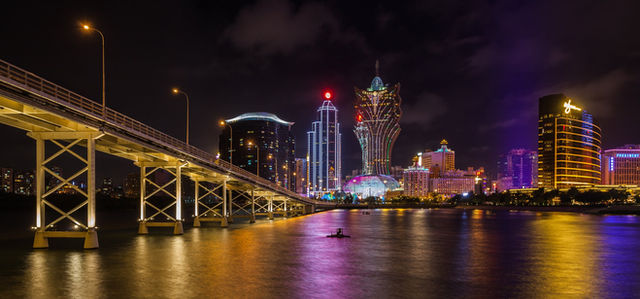
    The reclaimed land between Taipa and Coloane, filled with colossal casino-resorts — the Cotai Strip, a Vegas-scale expanse of themed mega-resorts, shopping, shows and gaming. The glittering modern face.

    Why go
    The casino-resorts, the shows, the shopping and the spectacle.
    Best for
    Casinosshowsluxury shoppingspectacle
    Known for
    The Cotai Strip's giant casino-resorts (themed on Venice, Paris and more), the gaming floors, the shows and entertainment, the luxury malls, and the neon skyline.

Views & hidden gems

Best views

  • The Ruins of St Paul's façade atop the staircase
  • Senado Square's wave-patterned Portuguese paving
  • The Guia Lighthouse and the old town from Mount Fortress
  • The Cotai casino skyline at night

Hidden gems

  • A warm Macanese egg tart from a Coloane shop
  • Taipa Village's food street and Portuguese houses
  • The ancient A-Ma Temple by the harbour
  • Coloane Village and its chapel and black-sand beach
  • Macanese specialties (minchi, African chicken) in a proper restaurant

Food & drink

Macao's food is a unique East-West fusion. The famous treat is the Macanese egg tart (a pastel de nata with a caramelised top), bought warm. But Macanese cuisine — a centuries-old blend of Portuguese, Chinese, African, Indian and Malay — is the real treasure: minchi (minced meat with potato over rice), galinha à africana (spicy African chicken), bacalhau (salt cod) dishes, the beloved pork-chop bun, and serradura ("sawdust") pudding. There's Cantonese food and dim sum too, and Portuguese wine and egg-tart-friendly coffee. Eat egg tarts on the go and a proper Macanese meal in Taipa Village.

  • Macanese egg tart — a caramelised-top Portuguese-style custard tart
  • Minchi — minced meat with potato and soy over rice, the comfort classic
  • Galinha à africana — spicy grilled "African chicken"
  • Pork-chop bun — a beloved fried-pork-chop sandwich
  • Bacalhau dishes — Portuguese salt cod, Macao-style
  • Serradura and almond cookies — the sweets, with Portuguese wine
Dietary notes

Vegetarians have options in the Cantonese and modern-café scenes (vegetable dishes, tofu, dim sum), but Macanese cuisine is meat- and fish-heavy — ask. Vegan is workable with care in the bigger restaurants. Halal food is limited but findable; kosher is effectively unavailable. Gluten-free is manageable with rice dishes, but egg tarts, buns and soy sauce contain gluten — confirm.

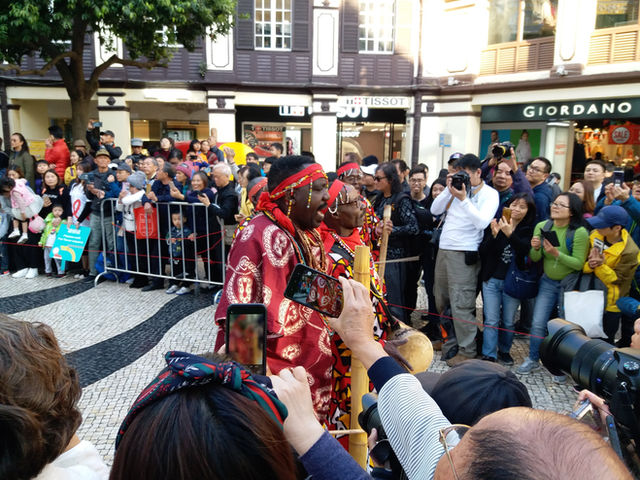
Macao in photos

▸ Getting around

Getting around Macao

The historic centre is compact and walkable — the old town sights are all on foot (some steep). Buses and taxis cover the wider territory, and the casino-resorts run free shuttle buses that are handy for getting around Cotai and the town. A car isn't needed.

The peninsula historic centre, Taipa and Cotai are linked by bus, taxi and free casino shuttles (~approx); Coloane is a little further south — plan the islands and Cotai with the shuttles.

▸ Plan your days

Suggested itineraries

Ready-made day plans for Macao — from a single day to a long weekend.

One day

Start in the historic centre — Senado Square, St Dominic's and the churches, up to the Ruins of St Paul's and Mount Fortress, and the A-Ma Temple by the harbour — with warm egg tarts along the way. Have a Macanese lunch (minchi, African chicken), then cross to Taipa Village for the Portuguese lanes and food street. In the evening, take in the Cotai Strip — the casino-resorts, a show, and the neon skyline.

Two days

With an overnight, go deeper and calmer. Give more time to the old town's churches, forts and museums, and to the quiet villages of Taipa and Coloane (the St Francis Xavier chapel, the black-sand beach, more egg tarts). Explore Cotai's resorts and shows at leisure, and enjoy the Macanese food scene. Macao also pairs easily with Hong Kong, an hour away.

▸ What you'll do

Insider tips

  • See the Ruins of St Paul's and the fusion old town, and eat egg tarts and a Macanese meal in Taipa.
  • Give the quiet villages of Taipa and Coloane time — the calmer, older Macao.
  • Use the free casino-resort shuttle buses to get around Cotai and the town.
  • Check entry/immigration requirements (Macao is a separate SAR), and know the gambling age is 21.
What's on

While you're there

05
JAN
Harbin International Ice and Snow Festival 2027
150028, Songbei Qu, Ha'erbin Shi, Heilongjiang, China · festival
Build a trip around it →
Explore

Explore the area

Interactive area map
Map coordinates coming soon

This place is missing lat/lng — waiting on the next Wix sync.

Do

Local attractions & tours

Skip-the-line tickets and small-group tours in Macao — compare across our partners.

We're still curating hand-picked tickets and tours for Macao. In the meantime, the map above and the nearby cities are a great place to start.

▸ Budget

What it costs in Macao

Backpacker
roughly €35–65 a day.
Mid-range
roughly €80–160 a day.
Luxury
€300 a day and up.
Cash vs card
The Macanese pataca is used, but Hong Kong dollars are widely accepted (at par); cards and mobile pay (including Chinese apps) work in shops and resorts, and cash is handy for small vendors.
Tipping
Tipping is modest — a service charge is often added at restaurants; round up for good service.
▸ When you'll go

When to visit Macao

October to December — mild and dry; hot humid summers

Spring

What to expect — Mild and increasingly humid, with some rain and fog on the delta; warm days. Warm and a bit damp.

What's best — Mild weather for the old town between showers, and fewer crowds than the autumn peak — a decent window; carry an umbrella for the delta damp.

Summer

What to expect — Hot, humid and wet, with the rainy season and the risk of typhoons on the Pearl River delta; sticky heat. Steamy.

What's best — The casino-resorts and museums are cool refuges, and there are summer events — but expect heat, humidity and possible typhoons, so plan around the weather; the cooler months are better.

Autumn

What to expect — Mild, drier and clearer as autumn sets in — the best weather, with comfortable days and less humidity. Settled and pleasant.

What's best — The most comfortable weather for the old town and the villages, clear days, the Macao Grand Prix (November) and food festival, and the resorts — the ideal time; book ahead.

Winter

What to expect — Cool and dry, sometimes grey, with mild days and cooler evenings; comfortable for sightseeing. Cool but pleasant.

What's best — Cool, dry, comfortable weather for the old town and the villages, festive lights and Chinese New Year celebrations (around Jan/Feb), and fewer crowds outside the holidays — a good window; pack a light layer.

▸ Know before you go

Know before you go

Honest swaps

Skip a casino-only trip → the UNESCO old town and the Macanese food are the deeper Macao.

Skip a chain café → eat a warm egg tart on the go and a proper Macanese meal in Taipa Village.

Skip the peninsula only → the quiet villages of Taipa and Coloane are a lovely, calmer counterpoint.

Skip a rushed day → give the fusion old town and the food the time they deserve.

Crowds & timing

Weekends and Chinese holidays pack Macao with visitors from the mainland and Hong Kong — go on weekdays and book ahead.

Senado Square and the Ruins of St Paul's are busiest midday; go early for the photos and calm.

Local rules & etiquette

Macao is a Chinese SAR with its own rules — you generally need to clear immigration (and, for the mainland, a Chinese visa is separate); check entry requirements. Gambling is legal and central, but know the risks; the minimum gambling age is 21.

Dress respectfully inside the churches and temples.

Money

The pataca is official, but Hong Kong dollars are widely accepted at par; cards and mobile pay (including Chinese apps) work in shops and resorts — carry some cash for small vendors.

Casino-resort shuttle buses (free) are a handy way to get around.

After dark

The Cotai casino-resorts, their shows, bars and restaurants are the big after-dark draw; the old town and Taipa have restaurants and a gentler evening.

Macao's nightlife centres on the casinos, shows and dining — lively and glossy at Cotai, calmer in the heritage areas.

The lit Ruins of St Paul's and the neon casino skyline are both worth seeing at night.

▸ Ready to book your trip?

Getting there

Macau International Airport (MFM) on Taipa has flights from around Asia; many arrive via Hong Kong (by ferry or the sea bridge) or from mainland Zhuhai across the border. You clear immigration — check entry/visa rules.

Book

Ready to book your trip?

Flights, airport transfers and car hire — search and compare without leaving the page.

▸ Trip extras
Book

More trip extras

Parking, holiday extras, and more — coming soon.

Coming soon

We're lining up parking, holiday extras and activities you'll be able to add to any trip from here.