← China
CHINA · CITY

Xi'an

Ancient capital of 13 dynasties and home to the Terracotta Army — China's most awe-inspiring archaeological site for families.

  • City
  • 3–4 days
▸ Where you'll stay

Where you'll stay in Xi'an

<h4>Walled City (City Centre)</h4><p>Staying inside or immediately adjacent to the ancient city walls is the most convenient base for first-time visitors. The Bell Tower area and the South Gate neighbourhood put you within walking distance of the Muslim Quarter, the city wall itself, and excellent transport links to the Terracotta Army site. Mid-range family-friendly hotels cluster around this area and offer comfortable rooms at reasonable rates for China.</p><h4>Muslim Quarter Area</h4><p>The streets immediately surrounding the Muslim Quarter and Drum Tower are lively, full of food stalls and within easy reach of the city's main historic sights. It is noisier than the quieter walled-city streets nearby, but the atmosphere — especially in the evenings — is wonderful for teens who respond to street food and market energy. Look for mid-range hotels on the quieter side streets rather than directly on the main tourist drag.</p><h4>High-Tech Zone / South of the Walls</h4><p>The southern and south-western districts beyond the walls have good international chain hotel options — useful if you prefer predictable family facilities (pools, reliable English-speaking staff, in-house dining). The trade-off is a longer metro or taxi ride to the historic core and the Terracotta Army, but the Subway Line 4 extension has made this much more practical.</p><h4>Near the Terracotta Army</h4><p>Lintong District, where the Mausoleum site sits, has accommodation options aimed at tour groups — functional but less atmospheric than staying inside the city walls. I'd only recommend basing here if you plan two full days at the site itself, which most families don't need.</p><h4>How to choose</h4><p>For most UK families, the walled city centre wins on convenience and atmosphere — you're close to the Muslim Quarter for evening food, the wall for morning cycling, and a direct metro or tour bus to the Terracotta Army. If budget is a priority, the Muslim Quarter area offers excellent value without sacrificing location.</p>

Stay

Hotels & rentals around Xi'an

Pan, zoom and compare live prices — every stay in one map.

▸ Getting around

Getting around Xi'an

Metro/subway

Xi'an's metro network has expanded significantly and now covers the most useful routes for visitors. Line 2 runs north–south through the city centre; Line 4 links the high-speed rail station (Xi'an North) to the university district and southern areas; Line 16 serves the airport. Fares are very low by UK standards — typically 2–7 RMB per journey depending on distance. The network is clean, fast and well-signed in English at major stations. A rechargeable transit card (available at any station) speeds up boarding and offers a small discount.

Buses

Xi'an's bus network is extensive and cheap, but the English signage is limited and routes can be confusing for first-time visitors. The dedicated Tour Bus Line 5 (306) runs directly from central Xi'an to the Terracotta Army site and is widely used by independent travellers — it departs from near the East Gate and the journey takes 50–70 minutes. For the Terracotta Army specifically, this bus is an excellent and inexpensive option alongside the metro Line 9 combination.

Taxis & ride-hailing

Taxis are metered and generally reliable within the city, though drivers rarely speak English — have your destination written in Chinese characters (hotels will provide cards). The ride-hailing app DiDi operates in Xi'an and is the most practical option for families: you can set your destination in the app, the fare is shown upfront, and payment is cashless. A typical journey within the city walls costs 20–40 RMB. Avoid unmarked private cars at the Terracotta Army — there have been overcharging incidents.

Walking

The historic core inside the city walls is very walkable — the Bell Tower to the Drum Tower is a five-minute walk; the Muslim Quarter lanes are best explored on foot. The city walls themselves are a walking (or cycling) destination in their own right. Outside the walls, distances to major sights grow quickly, so metro or DiDi fills the gap. Footpaths are generally well-maintained in central areas.

Cycling

Within the city walls, hire bikes are available at the main gates for wall cycling. Shared bikes (Meituan and Hello Bike docking schemes) are widely available for city streets and require a Chinese phone number to register — less practical for short-stay UK visitors. The wall cycling circuit is the one hire option families can access without an app account.

▸ What you'll do

Insider tips

Terracotta Army & Mausoleum of the First Qin Emperor (UNESCO)

This is the reason to come to Xi'an, and it earns every superlative. The Mausoleum of the First Qin Emperor — a UNESCO World Heritage Site covering the entire burial complex of Qin Shi Huang, China's first emperor — is one of the most remarkable places on earth. Pit 1 alone contains over 6,000 warriors in battle formation, each with distinct facial features; Pit 2 holds cavalry and archers; Pit 3 is the command centre. I found that teenagers who arrive sceptical leave genuinely awestruck. Allow at least 3–4 hours and book tickets in advance online — queues at the gate can be significant in peak season. The on-site museum contextualises the discovery and the emperor's extraordinary life.

Xi'an City Walls (Ming Dynasty)

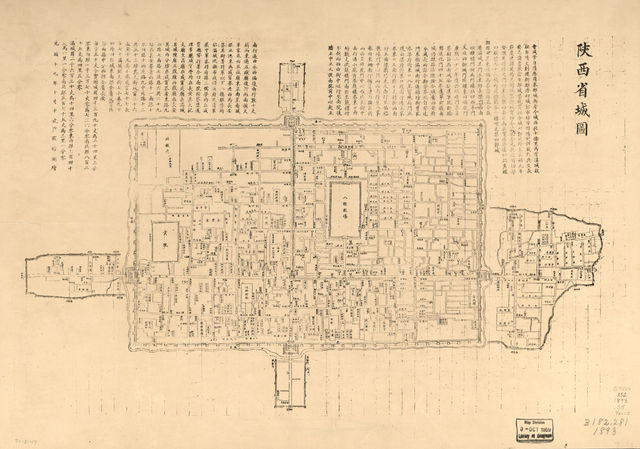
The 14km circuit of Xi'an's Ming-era city walls is one of the best-preserved ancient fortifications in the world, and cycling along the top at sunset is one of the great simple pleasures of travel in China. Bikes are available to hire at several gates, including the South Gate and North Gate. The wall takes about 90 minutes to cycle the full circuit; you can also walk sections. Teens who are cycling-inclined love this activity, and it offers superb views over the old city and beyond.

Muslim Quarter (Huimin Jie)

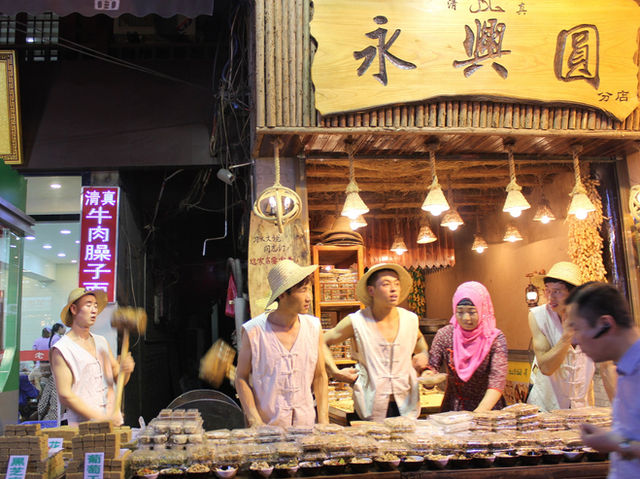
The Muslim Quarter is Xi'an's most atmospheric neighbourhood — a maze of narrow lanes and street food stalls that reflects the city's centuries-long role as the eastern terminus of the Silk Road. The Hui Muslim community has been part of Xi'an since the Tang Dynasty, and their food culture (lamb skewers, pomegranate juice, roujiamo flatbread sandwiches) is deeply embedded in the city's identity. Evenings are the best time to visit — bring the teens and eat your way down the main lane.

Big Wild Goose Pagoda

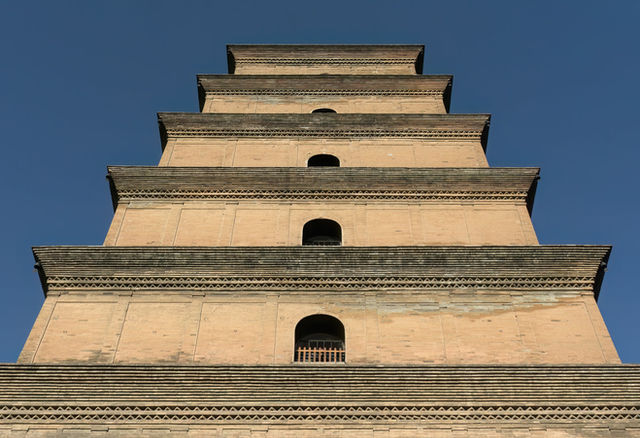
Built in 652 CE to house Buddhist scriptures brought from India by the monk Xuanzang, the Big Wild Goose Pagoda is a Tang Dynasty landmark that offers a manageable climb and genuinely beautiful city views from its upper levels. The surrounding park has a large musical fountain show (evenings) that families enjoy. It's a good half-day outing that pairs well with the nearby Tang Paradise cultural park if you want a full day in the southern part of the city.

Shaanxi History Museum

One of China's finest provincial museums, the Shaanxi History Museum holds an extraordinary collection spanning 1.17 million artefacts from the Neolithic period through the Tang Dynasty. Free entry (book ahead — numbers are limited) makes this a no-excuse stop. The Tang-era gold and silver artefacts and the Han Dynasty frescoes are highlights. Allow two hours and visit mid-morning to avoid the worst queues.

Huashan Mountain (day trip)

About 120km east of Xi'an, Huashan is one of China's Five Sacred Mountains and features dramatic knife-edge ridge trails, vertical cliff-face plank walks, and stunning views across Shaanxi Province. The famous North Peak cable car makes the ascent accessible for families who don't want a full trek. This is a full-day excursion best suited to teens and physically active families — the plank walk sections are genuinely vertigo-inducing, which most teenagers find thrilling.

Tang Dynasty Show

Xi'an's Tang Dynasty music and dance performances are well-suited to families with no prior knowledge of Chinese classical arts — the costumes are spectacular, the choreography is visually engaging, and the shows (typically 90 minutes) are held in modern purpose-built theatres near the Big Wild Goose Pagoda. They are tourist-oriented but enthusiastically produced and a genuinely enjoyable evening out. Book in advance, especially May–October.

Frequently asked

How many days do I need in Xi'an?

Three to four days is the sweet spot for most families. Day one: city walls and Muslim Quarter. Day two: Terracotta Army (full day). Day three: Shaanxi History Museum, Big Wild Goose Pagoda, and a Tang Dynasty show. If you add Huashan Mountain, budget a fourth day. Xi'an rewards a slower pace — rushing it in two days means skipping too much.

Is the Terracotta Army worth it for teenagers?

In my experience, absolutely yes — and teenagers often respond to it more strongly than younger children. The combination of the sheer scale (thousands of individually crafted warriors), the detective-story of their discovery by farmers digging a well in 1974, and the ongoing archaeological work happening in front of you makes it engaging on multiple levels. The UNESCO designation reflects just how significant this site is globally: it is the burial complex of the man who unified China, and the warriors were never meant to be seen. That sense of secret history revealed lands very well with teenagers.

Do I need a visa to visit China?

UK citizens currently benefit from China's visa-free entry policy for short stays — as of mid-2026, UK passport holders can enter for up to 15 days without a visa under the mutual visa exemption arrangement. For stays longer than 15 days, a tourist visa (L visa) is required and should be arranged before travel. Visa policies can change with limited notice — always verify the current rules on the Chinese Embassy UK website before booking.

How do I get from Xi'an to Beijing or Shanghai?

High-speed rail is the best option for both. Beijing is about 4.5 hours from Xi'an North station on the G-class express; Shanghai is around 6–7 hours. Trains are comfortable, punctual, and affordable compared to flights once you factor in airport time. Book tickets via the official 12306 app or website, or through a reputable third-party agent — booking opens 15 days in advance.

Is the food in Xi'an suitable for families with dietary restrictions?

Xi'an is one of the more dietary-friendly Chinese cities for families with restrictions. The large Muslim Hui community means that halal food is widely available and clearly marked throughout the Muslim Quarter. Vegetarian options are available but less prominent than in, say, Buddhist-influenced cities — look for restaurants near temples or ask for dishes without meat (meiyou rou). Severe allergies are harder to manage given the language barrier and shared cooking environments — carry a translated allergy card and use it consistently.

What is the best way to book Terracotta Army tickets?

Book online in advance at the official Qinshihuang Mausoleum site website or via a reputable booking platform. Daily visitor numbers are capped, and in summer and during Chinese national holidays, same-day tickets can sell out. Guided group tours that include transport from the city are a practical option for families — they handle the logistics and most include an English-speaking guide, which genuinely adds depth to Pit 1 in particular. Alternatively, take Tour Bus Line 5 (306) independently and hire an audio guide at the site.

Is WeChat really necessary?

For a smooth trip, yes. WeChat Pay is the dominant payment method in China — many street food vendors and smaller shops don't accept cash or international cards. Setting up WeChat before you arrive (you can link a foreign bank card) makes daily purchases far easier. The app also doubles as a useful translation and navigation tool. If you'd rather not use WeChat, ensure your international debit or credit card is accepted at your accommodation and major sites, and carry enough RMB cash (easily obtained at the airport) for street food and small purchases.

What's on

While you're there

05
JAN
Harbin International Ice and Snow Festival 2027
150028, Songbei Qu, Ha'erbin Shi, Heilongjiang, China · festival
Build a trip around it →
Explore

Explore the area

Do

Local attractions & tours

Skip-the-line tickets and small-group tours in Xi'an — compare across our partners.

Not seeing offers? Try or — some destinations have thinner inventory on Tiqets.

▸ When you'll go

Best time to visit Xi'an

Seasons overview

Spring (March–May) is one of the most pleasant times to visit. Temperatures climb from around 10°C in March to a comfortable 22–25°C by May, with long days and manageable crowds before the summer school holidays. Occasional dust blown in from the Loess Plateau is the main nuisance — a light scarf helps.

Summer (June–August) brings Xi'an's hottest and busiest period. Temperatures regularly reach 35–38°C with high humidity, and the Terracotta Army pits can feel stifling by midday. If you visit in summer, arrive at Pit 1 before 9am and plan outdoor activities for the early morning and evening only.

Autumn (September–November) is arguably the finest season. The heat breaks in September, foliage around the Huashan mountain area turns spectacular in October, and crowds thin noticeably after Golden Week (first week of October — avoid this peak). Average temperatures of 15–22°C make outdoor sightseeing genuinely comfortable.

Winter (December–February) is cold (often below freezing at night, averaging 2–7°C by day) but offers the most uncrowded experience of the Terracotta Army. The site is fully enclosed and heated, making it a reasonable winter visit if you layer up for walking between pits.

Best months for families

I'd recommend April, May, September or October for UK families. The weather is kind, the light for photography is excellent, and — outside Golden Week — the crowds at the Terracotta Army are more manageable. Avoid the Chinese national holidays in early May and early October entirely if you can.

▸ Ready to book your trip?

Getting there

By air

The main gateway is Xi'an Xianyang International Airport (XIY), located approximately 47km northwest of the city centre. There are no direct flights from the UK to Xi'an as of 2026 — the most common routings from London are via Beijing Capital (PEK), Shanghai Pudong (PVG), or Guangzhou Baiyun (CAN). Total journey time from London is typically 13–16 hours including the connection. Return fares from London vary considerably — budget roughly ~£600–£1,000 per person for economy class in mid-range booking windows, with business class running ~£2,000–£3,500+. Airlines commonly used for this routing include Air China, China Eastern, British Airways, and Cathay Pacific via Hong Kong. From the airport, the Xi'an Metro Line 16 connects to the city centre in approximately 35–40 minutes and is the most straightforward option for families with luggage.

By high-speed train

Xi'an is extremely well connected within China's high-speed rail network, making it an ideal stop on a wider China itinerary. Direct high-speed services run from Beijing West (approximately 4.5 hours on the G-class trains), Shanghai Hongqiao (around 6–7 hours), and Chengdu East (around 3.5 hours). Xi'an North Railway Station is the main high-speed hub and is connected to the city centre by Metro Line 4. For families combining Xi'an with Beijing, Shanghai, or Chengdu, the train is often more convenient than flying domestically.

Book

Ready to book your trip?

Flights, airport transfers and car hire — search and compare without leaving the page.

▸ Trip extras
Book

More trip extras

Parking, holiday extras, and more — coming soon.

Coming soon

We're lining up parking, holiday extras and activities you'll be able to add to any trip from here.