Comoros — hero
← All destinations Country

Comoros

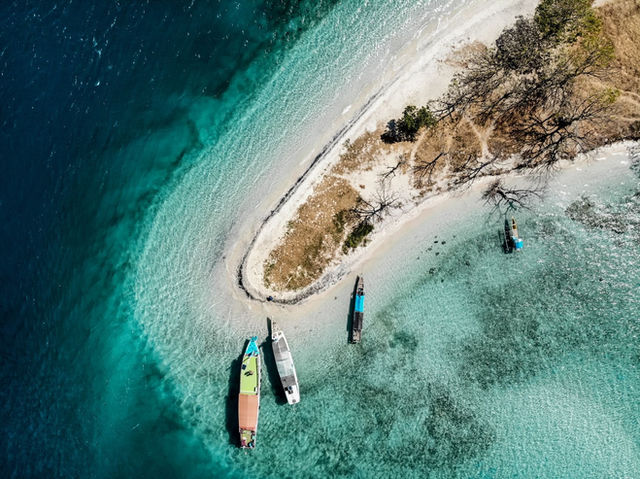
Africa's secret archipelago, raw and remarkable. Volcanic peaks, coral reefs, and ylang-ylang plantations await on the Indian Ocean's most beautifully overlooked islands.

  • Currency Fr Comorian Franc (Fr)
  • Language Arabic, French, Comorian
  • Best time June – November
  • Visa Visa on arrival for UK visitors (~€30) at Moroni airport; passport valid 6 months
Why visit

Why Comoros

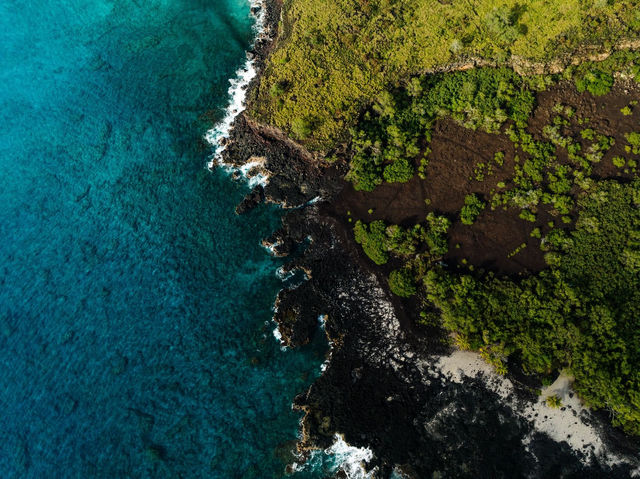
Africa's secret archipelago, raw and remarkable. Volcanic peaks, coral reefs, and ylang-ylang plantations await on the Indian Ocean's most beautifully overlooked islands.

  • Climbing Mount Karthala, one of the world's largest active volcanic calderas, on Grande Comore
  • Diving and snorkelling the reefs and coelacanth waters
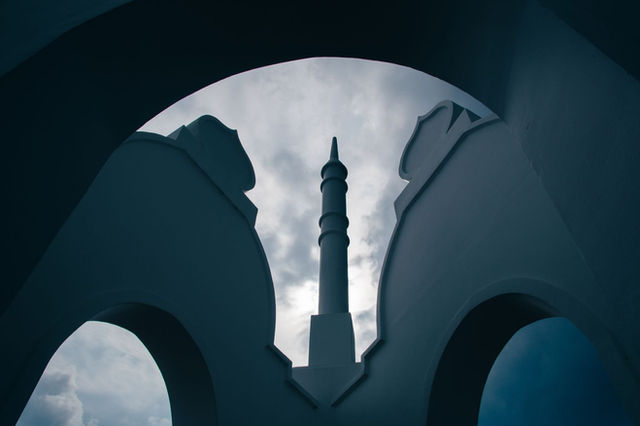
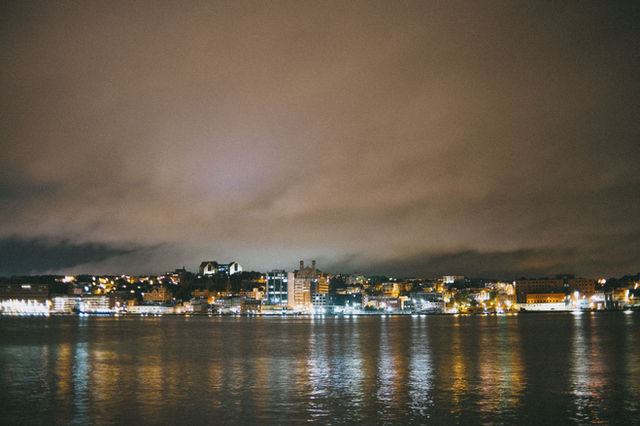
  • Moroni's old medina and former sultans' palaces
  • Ylang-ylang and vanilla plantations and empty beaches on Mohéli and Anjouan
Read more

Wedged between Madagascar and Mozambique, the Comoros archipelago rewards the genuinely curious traveller with unspoiled soft adventure on a scale most of Africa can only dream of. Hike the lunar crater of Mount Karthala — one of the world's largest active volcanoes — then descend to snorkel reefs that see barely a fraction of the crowds found across the channel in Zanzibar.

This is a compelling dupe destination for those craving authentic East African island life without the Instagram queues. Local fishing villages, hand-harvested ylang-ylang and vanilla estates, and a rich Swahili-Arab cultural heritage make every encounter feel genuinely community-led.

Infrastructure is improving, with connections via Moroni easing regional access, but Comoros remains refreshingly raw — a place where mindful, slow travel is less a lifestyle choice and simply the natural rhythm of the islands.

A pillar, not a footnote

Eat your way through Comoros

The single reason many travellers come back — the food culture worth reshaping a trip around, and the dishes to seek out region by region.

Comoros

Vanilla, cloves and coconut folded into the day's catch — the perfume islands cook the way they smell.

These are the islands that scent the world's perfume — ylang-ylang, cloves and vanilla grow up the volcanic slopes — and the cooking tastes of them. The dish to find is langouste à la vanille, reef lobster simmered in a sauce built on the islands' own vanilla, sweet and heady at once and unmistakably Comorian.

Everything else leans on the sea and the coconut. Fishermen go out every day, so grilled tuna and reef fish are the everyday protein, eaten with rice, cassava and green banana softened in coconut milk — madaba, cassava leaves cooked down the same way, alongside. Snack on mabawa, charcoal-grilled chicken wings, and fish sambusa from a Moroni stall; wash it down with tangy tamarind juice, since this is a Muslim archipelago where alcohol stays scarce. Spice-island cooking — and you can taste every clove.

Dishes to seek out
  • Langouste à la vanille (lobster in vanilla sauce)
  • Mabawa (grilled chicken wings)
  • Madaba (cassava leaves in coconut)
  • Pilao (spiced rice with meat)
  • Sambusa (fish samosa)
  • Mkatra foutra (fried flatbread)
  • Tamarind juice
Things to do

Nature, culture & hidden gems

Editorial content coming soon

We're hand-picking the standout places, hidden gems and can't-miss activities in Comoros. Meanwhile, the cities above are a great starting point.

Plan your trip

Curated Comoros itineraries

Browse all Comoros trips →
When to go

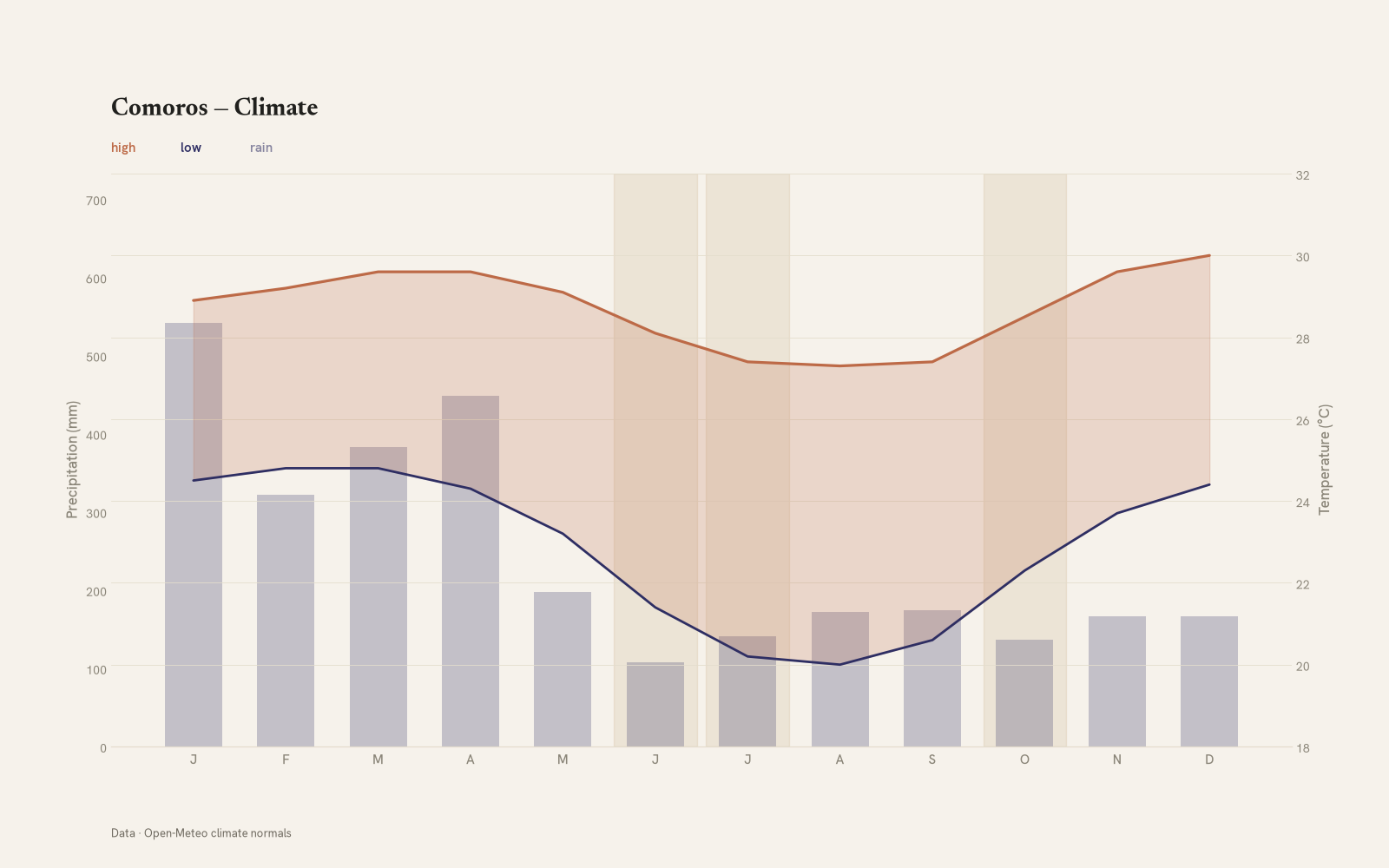
Weather & timing in Comoros RIGHT NOW 25° rain

Best Jun–Jul, Oct · Shoulder Aug–Sep, Nov

  1. Jan / -4°
  2. Feb / -2°
  3. Mar 12° /
  4. Apr 18° /
  5. May 24° / 14°
  6. Jun 28° / 18°
  7. Jul 30° / 20°
  8. Aug 28° / 18°
  9. Sep 24° / 14°
  10. Oct 18° /
  11. Nov 12° /
  12. Dec / -2°

Best time to visit

June – November

Best for
  • Culture
  • Cuisine
  • Landscape
  • History
At a glance
Sunshine 7 hr/day (est.)
Rain days 8 days/mo (est.)
Wettest December · 60mm
Driest June · 10mm
Part of East Africa →
By season
Spring (Mar–May)

What to expect — Daytime highs average about 18°C with overnight lows near 8°C, and it stays largely dry.

What's best — A quieter, less in-demand window than the shoulder months.

Summer (Jun–Aug)

What to expect — Daytime highs average about 29°C with overnight lows near 19°C, and it stays largely dry.

What's best — Jun and Jul are among the best time to visit — good weather with manageable crowds. Aug also works well.

Autumn (Sep–Nov)

What to expect — Daytime highs average about 18°C with overnight lows near 8°C.

What's best — Oct is among the best time to visit — good weather with manageable crowds. Sep and Nov also work well.

Winter (Dec–Feb)

What to expect — Daytime highs average about 7°C with overnight lows near -3°C.

What's best — Cold and quiet; some mountain roads and sights run reduced hours.

A little context

A little history

To read what you're looking at — the empires and eras that shaped Comoros's food, art and streets.

Shirazi (Swahili-Arab) sultanates traded across the Indian Ocean from the 15th century — leaving an Islamic, Swahili-speaking Bantu-Arab-Malagasy culture — colonised piecemeal by France from 1841, which kept French as an official language — independent on 6 July 1975, when three islands broke away while Mayotte stayed French, fuelling the still-live Comoros–Mayotte dispute — and unsettled by some twenty coups since, even as world-leading ylang-ylang, clove and vanilla crops perfume both the export trade and the cooking.
Before you book

Know before you go

The practical back-matter — safety, drones and the essentials, in one place.

Safety

Low risk FCDO advice →

Official UK Foreign, Commonwealth & Development Office guidance is the definitive source — check it close to your travel dates.

Drone rules (sub-250g)

  • Comoros
    Effectively off-limits for a visitor: Comoros has no drone law at all and no way to register, and the aviation agency (ANACM) points only to ICAO guidance — bring one and it may be questioned or seized at customs. Contact ANACM before you travel. ⚠ No published zone rules, but keep well clear of Moroni's port and airport, government buildings and the active Karthala volcano; any flight needs case-by-case ANACM permission. Rules checked: Jul 2026

National parks, protected sites and religious/heritage venues often have their own rules and permits — always check the specific site before you fly.

The essentials

Plug & voltage Type C/E · 220V
Daily budget Mid-range (limited tourist infrastructure)
Region Eastern Africa