Congo (DR) — hero
← All destinations Country

Congo (DR)

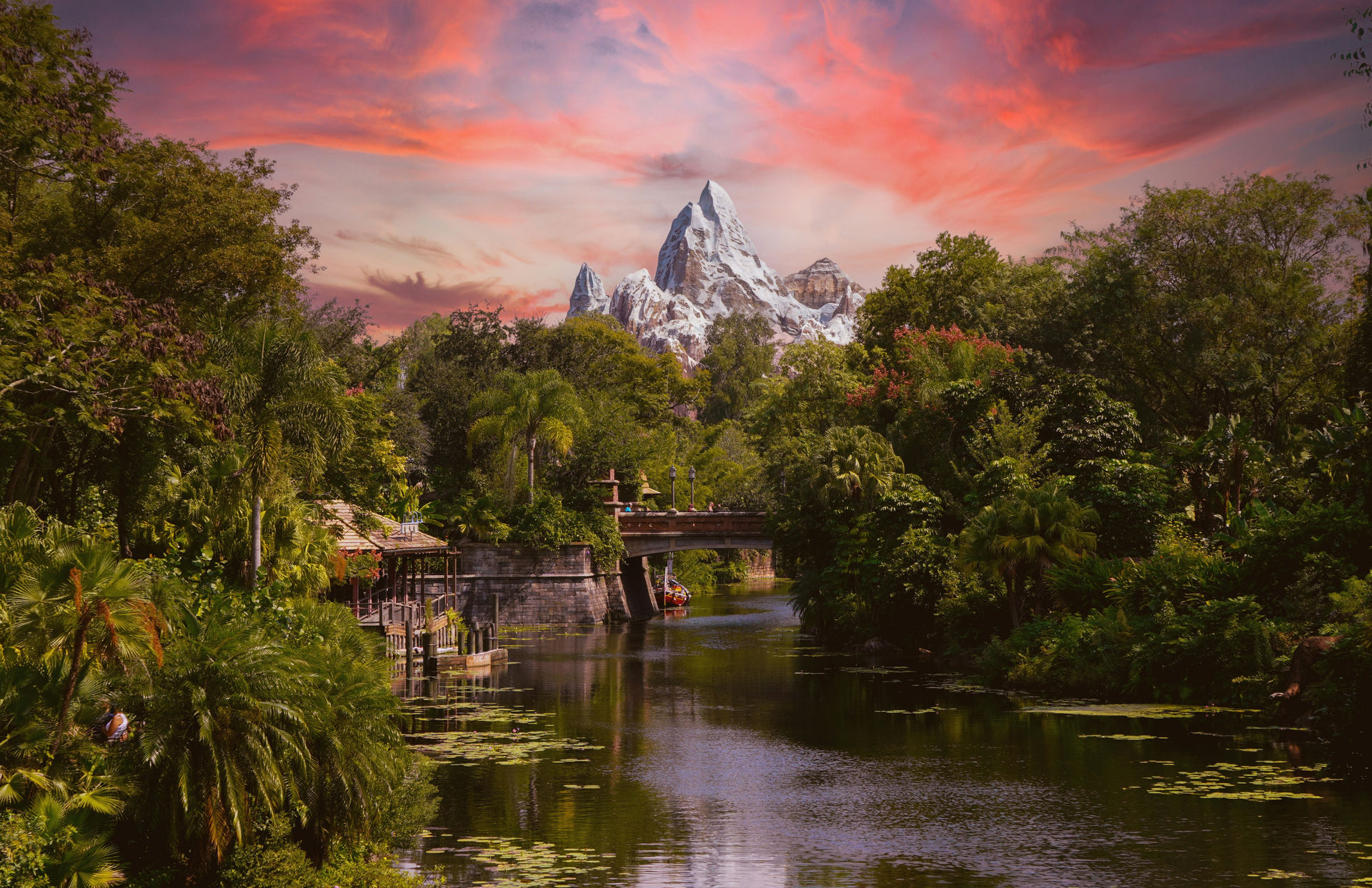
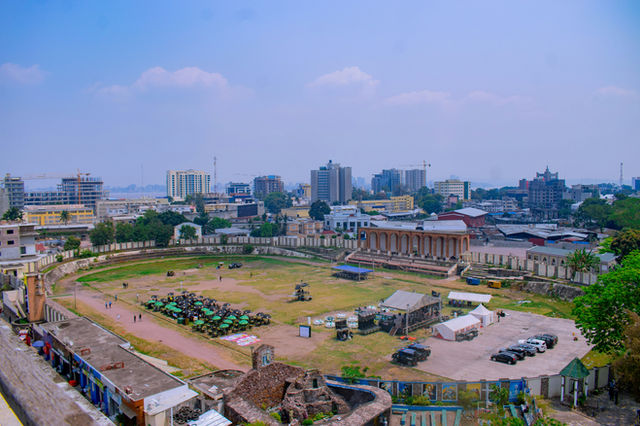
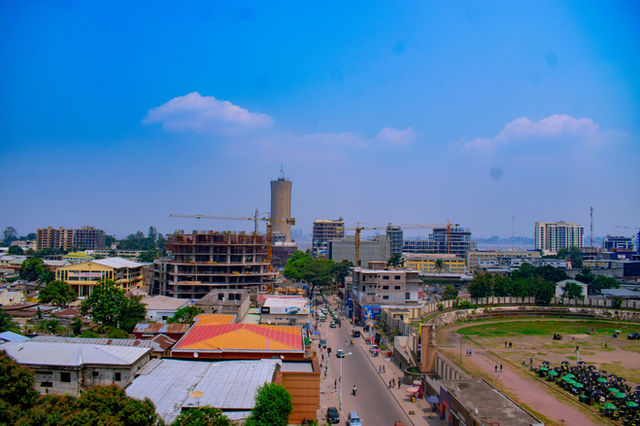
Earth's final great wilderness. The Congo plunges families and soft adventurers into a world of lowland gorillas, river journeys and forest communities found nowhere else on the planet.

  • Currency FC Congolese Franc (FC)
  • Language French, Kikongo, Lingala, Tshiluba, Swahili
  • Best time May – October
  • Visa Visa required in advance from the DRC Embassy in London (allow 2–3 weeks)
Why visit

Why Congo (DR)

Earth's final great wilderness. The Congo plunges families and soft adventurers into a world of lowland gorillas, river journeys and forest communities found nowhere else on the planet.

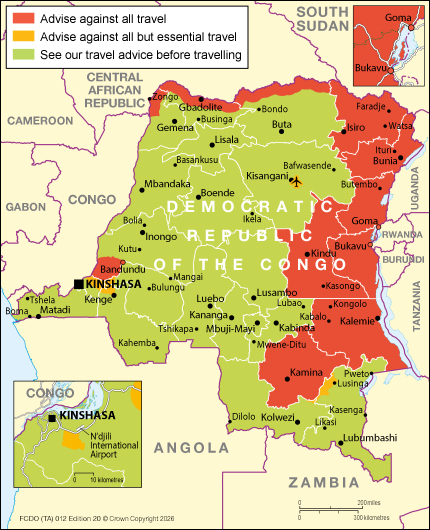
  • Virunga National Park — mountain gorillas and Nyiragongo's lava lake (eastern DRC; FCDO all-travel zone)
  • The Congo River, the world's second-largest by flow, and the Zongo Falls near Kinshasa
  • Lola ya Bonobo bonobo sanctuary outside Kinshasa
  • Kahuzi-Biega National Park for eastern lowland gorillas (also an eastern all-travel zone)
Read more

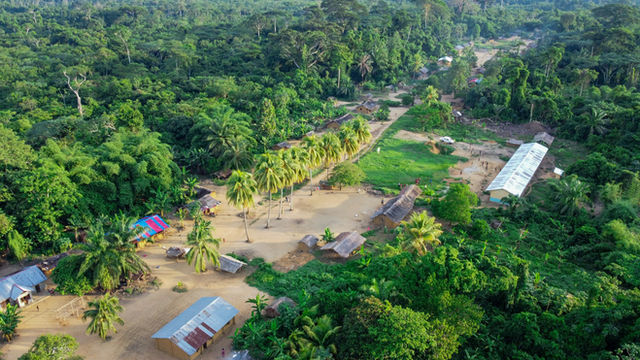
The Democratic Republic of Congo is one of the last places on Earth where true wilderness still commands the horizon. The Congo Basin rainforest — the planet's second lung — shelters okapi, forest elephants and mountain gorillas in Virunga, offering encounters that redefine what experiential travel means.

For families and soft adventurers ready to go beyond the brochure, community-led conservation camps around Virunga and Kahuzi-Biéga place you alongside rangers and local guides whose knowledge of this landscape is generational — authentic regenerative tourism at its most raw and rewarding.

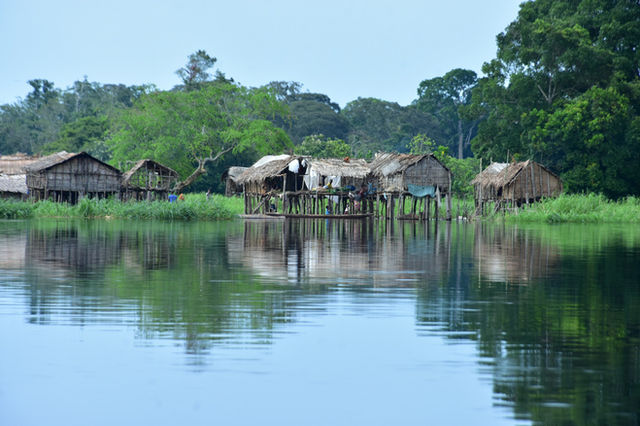
The mighty Congo River threads everything together, a living highway through equatorial forest. Reaching Kinshasa requires planning and specialist operators, but those who commit discover a destination of staggering biodiversity and genuine human warmth — a journey that stays with you permanently.

A pillar, not a footnote

Eat your way through Congo (DR)

The single reason many travellers come back — the food culture worth reshaping a trip around, and the dishes to seek out region by region.

Congo (DR)

Cassava in every form — as fufu, as leaf, as loaf — under rich palm-butter moambe from the great river.

In the DRC, cassava is the whole culture. It's fufu, a soft dough rolled and dipped by hand; it's chikwangue, a dense fermented cassava loaf steamed in leaves; and it's pondu (saka-saka), the cassava leaves themselves pounded and stewed into the country's everyday greens. Over it goes the national dish, moambe chicken — poultry or fish in a deep, nutty palm-butter sauce named for its eight traditional ingredients.

The vast Congo River sets the table with fish: tilapia and capitaine grilled over coals, or seasoned and steamed in a tight banana-leaf parcel — liboke, the signature technique. Peanuts thicken fumbwa wild-spinach stew; a Primus or a dark Tembo washes it all down. One friendly warning locals will give you: steer well clear of cheap backstreet 'gin', which can carry a real methanol risk.

Dishes to seek out
  • Moambe chicken (chicken in palm-butter sauce)
  • Fufu (cassava-flour dough staple)
  • Pondu / saka-saka (pounded cassava-leaf stew)
  • Liboke (fish steamed in leaf parcels)
  • Chikwangue (fermented cassava loaf)
  • Fumbwa (wild-spinach and peanut stew)
  • Primus (national lager)
Things to do

Nature, culture & hidden gems

Editorial content coming soon

We're hand-picking the standout places, hidden gems and can't-miss activities in Congo (DR). Meanwhile, the cities above are a great starting point.

Plan your trip

Curated Congo (DR) itineraries

Browse all Congo (DR) trips →
When to go

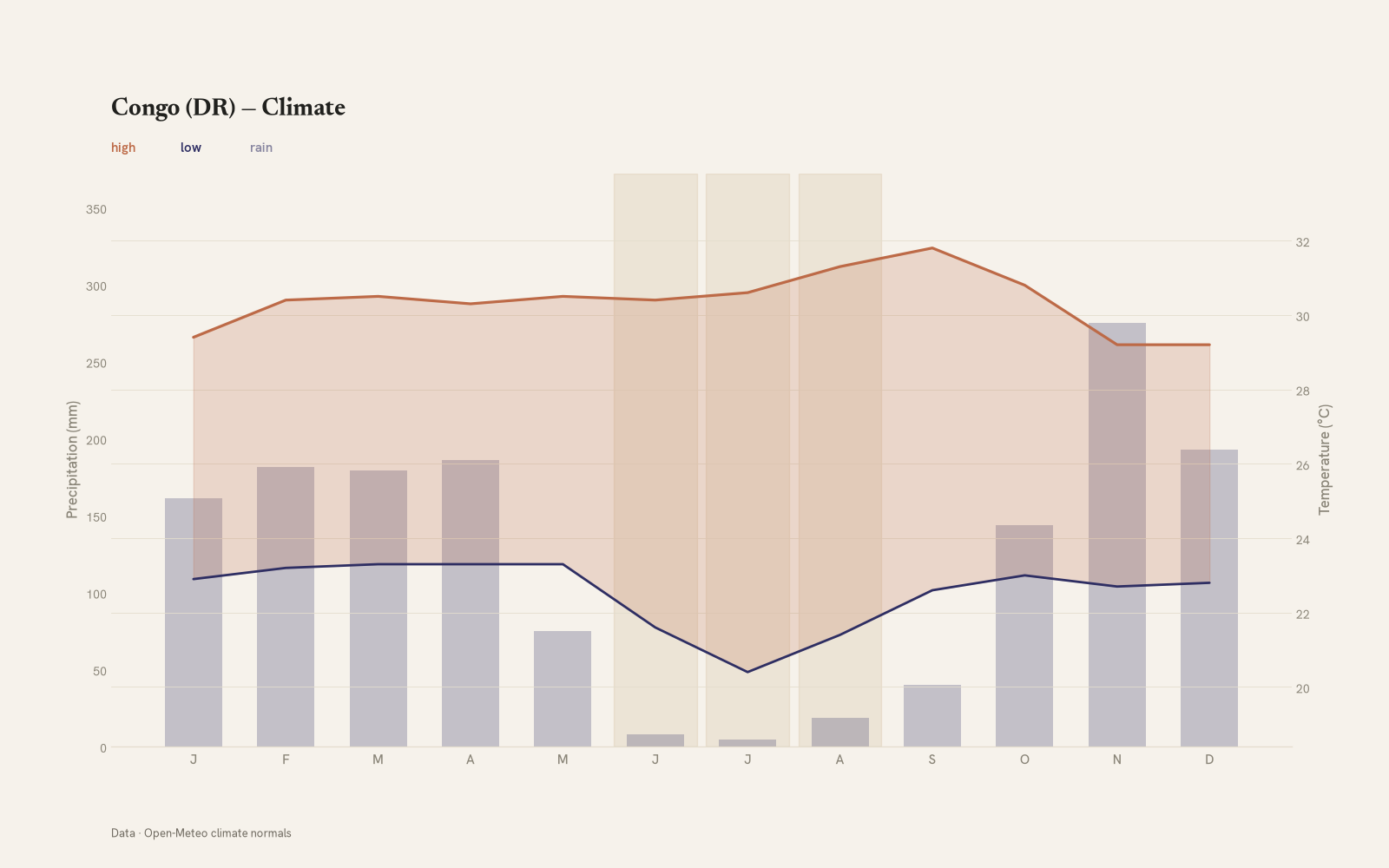
Weather & timing in Congo (DR) RIGHT NOW 28° partly cloudy

Best Jun–Aug · Shoulder May, Sep–Oct

  1. Jan / -4°
  2. Feb / -2°
  3. Mar 12° /
  4. Apr 18° /
  5. May 24° / 14°
  6. Jun 28° / 18°
  7. Jul 30° / 20°
  8. Aug 28° / 18°
  9. Sep 24° / 14°
  10. Oct 18° /
  11. Nov 12° /
  12. Dec / -2°

Best time to visit

May – October

Best for
  • Culture
  • Cuisine
  • Landscape
  • History
At a glance
Sunshine 7 hr/day (est.)
Rain days 8 days/mo (est.)
Wettest December · 60mm
Driest June · 10mm
Part of West Africa →
By season
Spring (Mar–May)

What to expect — Daytime highs average about 18°C with overnight lows near 8°C, and it stays largely dry.

What's best — May is comfortable, with thinner crowds.

Summer (Jun–Aug)

What to expect — Daytime highs average about 29°C with overnight lows near 19°C, and it stays largely dry.

What's best — Jun, Jul and Aug are among the best time to visit — good weather with manageable crowds.

Autumn (Sep–Nov)

What to expect — Daytime highs average about 18°C with overnight lows near 8°C.

What's best — Sep and Oct are comfortable, with thinner crowds.

Winter (Dec–Feb)

What to expect — Daytime highs average about 7°C with overnight lows near -3°C.

What's best — Cold and quiet; some mountain roads and sights run reduced hours.

A little context

A little history

To read what you're looking at — the empires and eras that shaped Congo (DR)'s food, art and streets.

Powerful precolonial kingdoms of Kongo, Luba and Lunda (14th–19th centuries) — shaping the Kikongo, Lingala and Swahili cultural map and the region's name — seized in 1885 as the Congo Free State, King Leopold II's personal rubber-extraction regime whose brutality caused mass death before it became the Belgian Congo in 1908 — independent on 30 June 1960, with French the official tongue over 200-plus ethnic groups — held from 1965 to 1997 by Mobutu Sese Seko, who renamed it Zaire — and since the First and Second Congo Wars (1996–2003) still unstable in the mineral-rich east, whose cobalt and coltan shape both the economy and the conflict.
Before you book

Know before you go

The practical back-matter — safety, drones and the essentials, in one place.

Safety

Moderate — check FCDO advice FCDO advice →

Official UK Foreign, Commonwealth & Development Office guidance is the definitive source — check it close to your travel dates.

Drone rules (sub-250g)

  • Congo (DR)
    No legitimate route for a visitor: the DRC's drone permit is built for locally based, trade-registered operators, and any camera use also needs security-ministry sign-off. Importing one draws customs and security scrutiny — leave it at home. ⚠ Camera-drone use nationwide needs security-ministry approval; above all avoid the eastern conflict provinces (North and South Kivu, Ituri and beyond) — all FCDO advise-against-all-travel zones, where Virunga and Kahuzi-Biega parks also sit. Rules checked: Jul 2026

National parks, protected sites and religious/heritage venues often have their own rules and permits — always check the specific site before you fly.

The essentials

Plug & voltage Type C/D/E · 220V
Daily budget Expensive
Region Middle Africa