Costa Rica — hero
← All destinations Country

Costa Rica

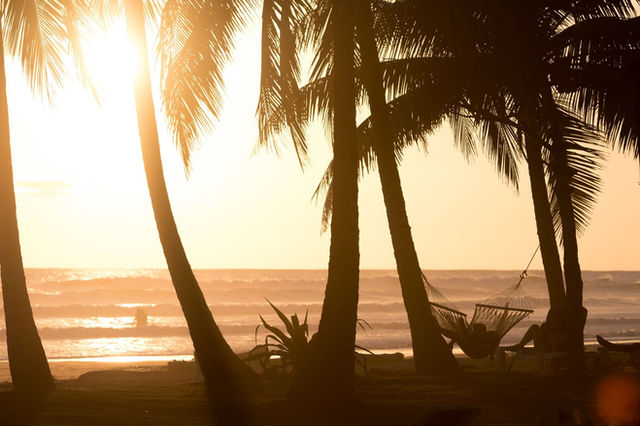
The gold standard for regenerative travel. Live 'pura vida' among cloud forests, volcanoes and two coastlines, with sloths and toucans as your neighbours.

  • Currency ₡ Costa Rican Colón (CRC)
  • Language Spanish
  • Best time December – April
  • Visa Visa-free (up to 90 days)
Why visit

Why Costa Rica

The gold standard for regenerative travel. Live 'pura vida' among cloud forests, volcanoes and two coastlines, with sloths and toucans as your neighbours.

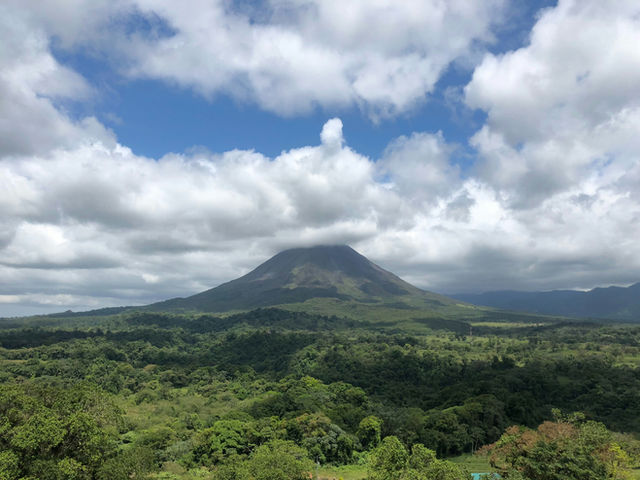
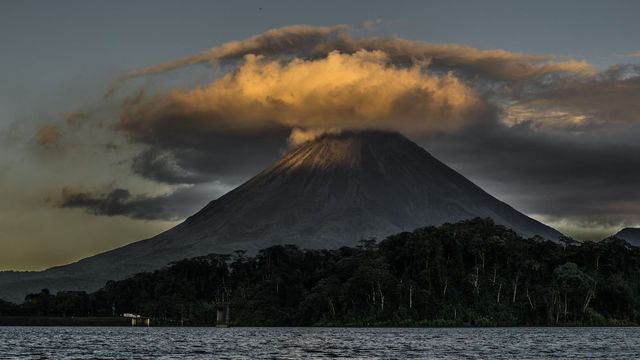
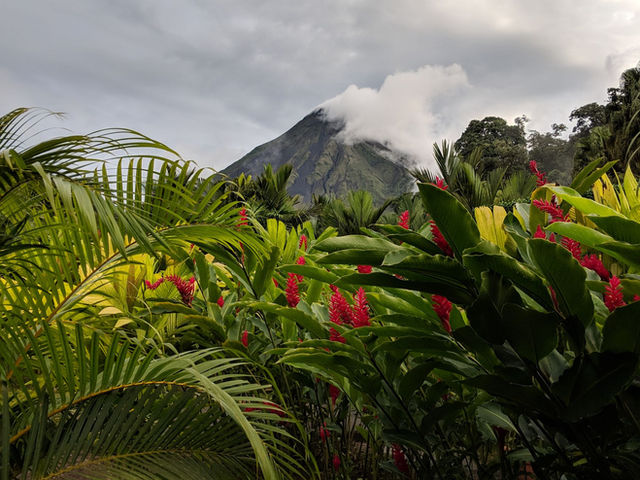
  • Arenal Volcano
  • Monteverde zip-lines
  • Manuel Antonio wildlife
  • Sloth spotting
Read more

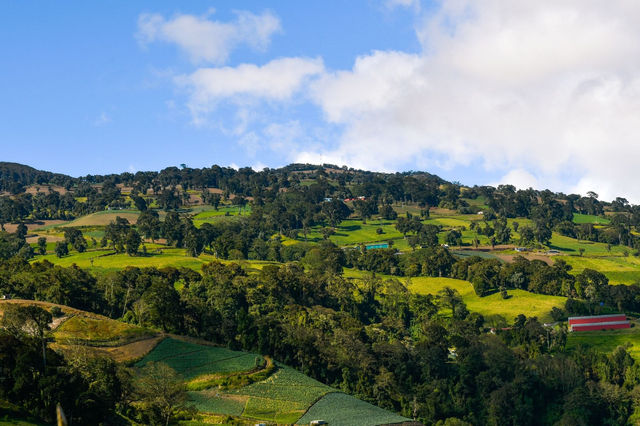
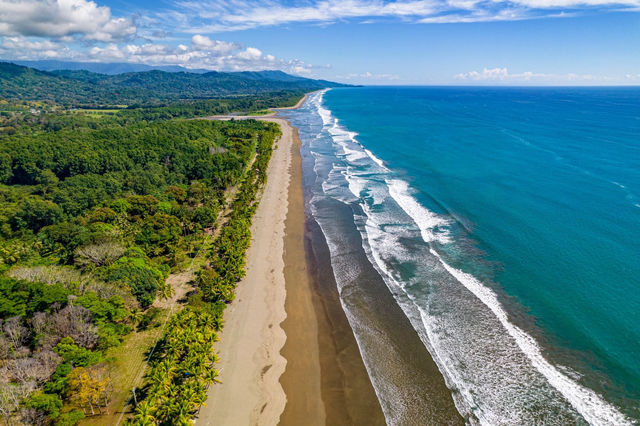
Costa Rica is the pioneer of eco-tourism and, for 2026, still its benchmark. This small Central American nation protects roughly a quarter of its land, packing rainforests, volcanoes and two coastlines into a country you can cross in a day.

The biodiversity is the headline: sloths, toucans, scarlet macaws and monkeys thrive in accessible, well-managed parks. Beyond the wildlife, the 'pura vida' ethos, a genuine philosophy of easy living, sets the whole mood.

For 2026, Costa Rica leads on regenerative, community-led tourism and soft adventure: zip-lining, volcano hikes and green-certified eco-lodges that give back to the ecosystems they showcase.

A pillar, not a footnote

Eat your way through Costa Rica

The single reason many travellers come back — the food culture worth reshaping a trip around, and the dishes to seek out region by region.

Costa Rica

Simple, sunlit cooking — rice and beans at dawn, a heap of tropical fruit, and world-class coffee.

Breakfast at a roadside soda and the day starts with gallo pinto — rice and black beans fried up with coriander, sweet pepper and a dash of tangy Salsa Lizano, eggs alongside, a wedge of fried plantain, and coffee poured through a cloth chorreador. It's homely, green-tasting and unhurried, the edible version of pura vida.

Costa Rican cooking leans on what grows a few fields away rather than on heat or spice. Lunch is the casado — 'married' rice, beans, salad, sweet plantain and a piece of chicken or fish on one generous plate. The Caribbean coast throws in coconut milk and Scotch bonnet for its rondón seafood stew; the markets tumble with mango, papaya, pejibaye and guanábana; and the highlands turn out coffee good enough that the rest of the meal has to keep up. On the Pacific side, lunch might be ceviche — corvina cured in lime with coriander and sweet pepper, eaten with a cold beer and your feet more or less in the sea. Wholesome, cheap and quietly excellent.

Dishes to seek out
  • gallo pinto (rice & black beans)
  • casado (rice
  • beans
  • plantain & protein)
  • ceviche
  • rondón (Caribbean seafood stew)
  • plátano maduro (fried sweet plantain)
  • tamal
  • tres leches cake
Things to do

Nature, culture & hidden gems

Editorial content coming soon

We're hand-picking the standout places, hidden gems and can't-miss activities in Costa Rica. Meanwhile, the cities above are a great starting point.

Plan your trip

Curated Costa Rica itineraries

Browse all Costa Rica trips →
  • View of Bird 3 Nights

    Costa Rica Adventure: Nature’s Playground

    Immerse yourself in the lush beauty and vibrant culture of Costa Rica, where adventure and serenity coexist in the heart of Central America.

    Economy

    View trip
When to go

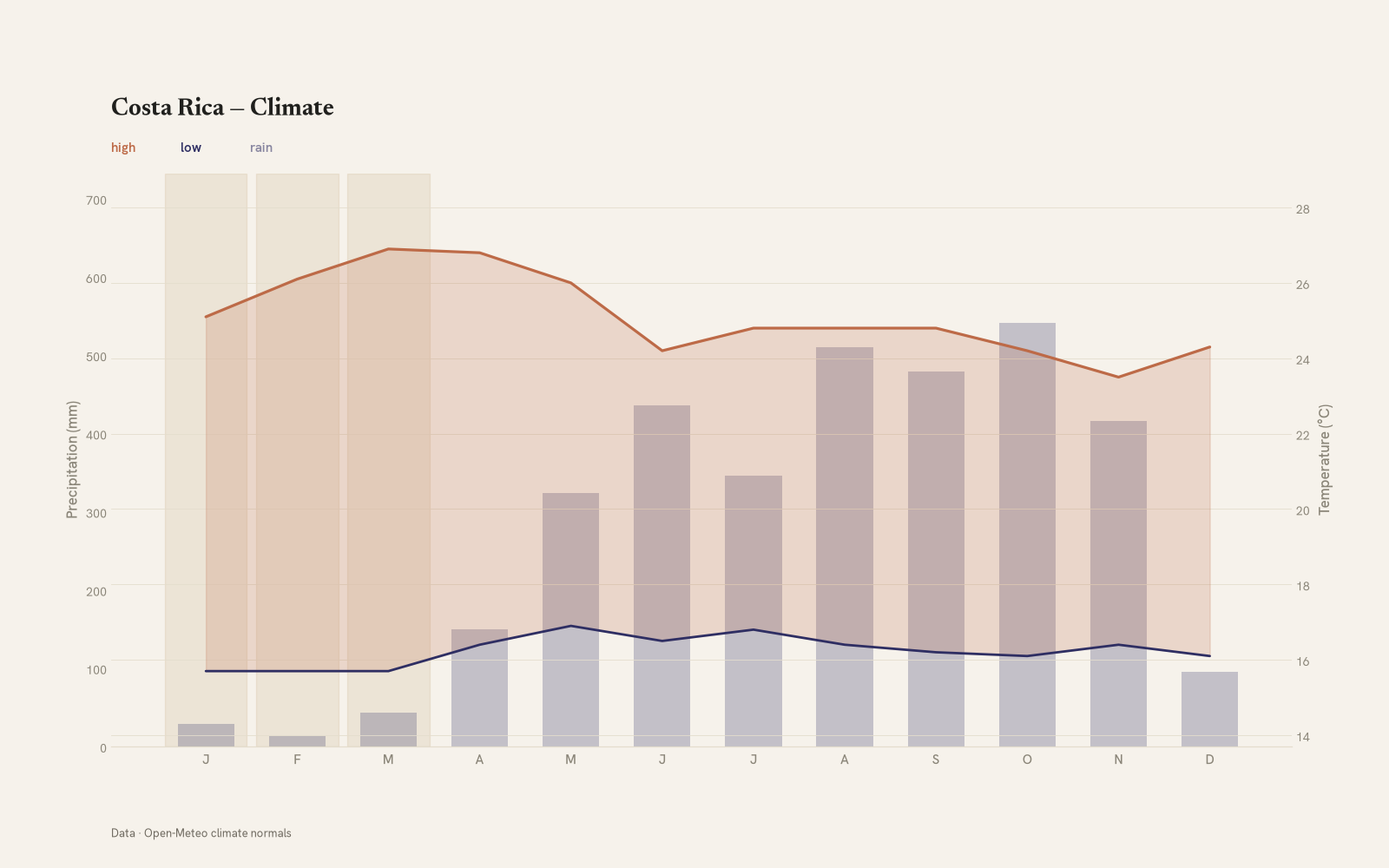
Weather & timing in Costa Rica RIGHT NOW 18° mostly clear

Best Jan–Mar · Shoulder Apr–May, Dec

  1. Jan / -4°
  2. Feb / -2°
  3. Mar 12° /
  4. Apr 18° /
  5. May 24° / 14°
  6. Jun 28° / 18°
  7. Jul 30° / 20°
  8. Aug 28° / 18°
  9. Sep 24° / 14°
  10. Oct 18° /
  11. Nov 12° /
  12. Dec / -2°

Best time to visit

December – April

Best for
  • Rainforest
  • Wildlife
  • Volcanoes
  • Surf
At a glance
Sunshine 7 hr/day (est.)
Rain days 8 days/mo (est.)
Wettest December · 60mm
Driest June · 10mm
Part of Central America →
By season
Spring (Mar–May)

What to expect — Daytime highs average about 18°C with overnight lows near 8°C, and it stays largely dry.

What's best — Mar is among the best time to visit — good weather with manageable crowds. Apr and May also work well.

Summer (Jun–Aug)

What to expect — Daytime highs average about 29°C with overnight lows near 19°C, and it stays largely dry.

What's best — Peak heat and the biggest crowds — many travellers prefer spring or autumn.

Autumn (Sep–Nov)

What to expect — Daytime highs average about 18°C with overnight lows near 8°C.

What's best — A quieter, less in-demand window than the shoulder months.

Winter (Dec–Feb)

What to expect — Daytime highs average about 7°C with overnight lows near -3°C.

What's best — Jan and Feb are among the best time to visit — good weather with manageable crowds. Dec also works well.

A little context

A little history

To read what you're looking at — the empires and eras that shaped Costa Rica's food, art and streets.

A green sliver between two oceans with extraordinary biodiversity packed into a small country
it abolished its army in 1948 and poured the savings into schools and national parks
a quarter of the land is now protected rainforest, making eco-tourism the national story
a stable, peaceful democracy that trades on 'pura vida' and its wildlife rather than ruins
Before you book

Know before you go

The practical back-matter — safety, drones and the essentials, in one place.

Safety

Low risk FCDO advice →

Official UK Foreign, Commonwealth & Development Office guidance is the definitive source — check it close to your travel dates.

Drone rules (sub-250g)

  • Costa Rica
    A sub-250g drone flown recreationally needs no DGAC registration; fly below 120 m, within sight and in daylight, keeping about 9 km from international airports — but the national parks, where most of the scenery is, are off-limits without a permit. ⚠ Drones are banned in every SINAC-run national park, wildlife refuge and reserve — Manuel Antonio, Monteverde, Corcovado, Tortuguero, Arenal — without a special authorisation aimed at researchers and rarely granted to visitors; fines reach around US$5,000 with confiscation. Rules checked: Jul 2026

National parks, protected sites and religious/heritage venues often have their own rules and permits — always check the specific site before you fly.

The essentials

Plug & voltage Type A/B · 120V
Daily budget Mid-range
Region Central America