← Cuba
CUBA · CITY

Camagüey

A colonial Cuban city of twisting lanes and hidden plazas, dotted with the great clay jars called tinajones.

  • City
  • November to April — the drier, cooler season; hot and humid year-round
  • ~approx 1–2 days
  • Labyrinth of Plazas
  • City of Clay Pots
  • Colonial Churches
  • Cuban Heartland

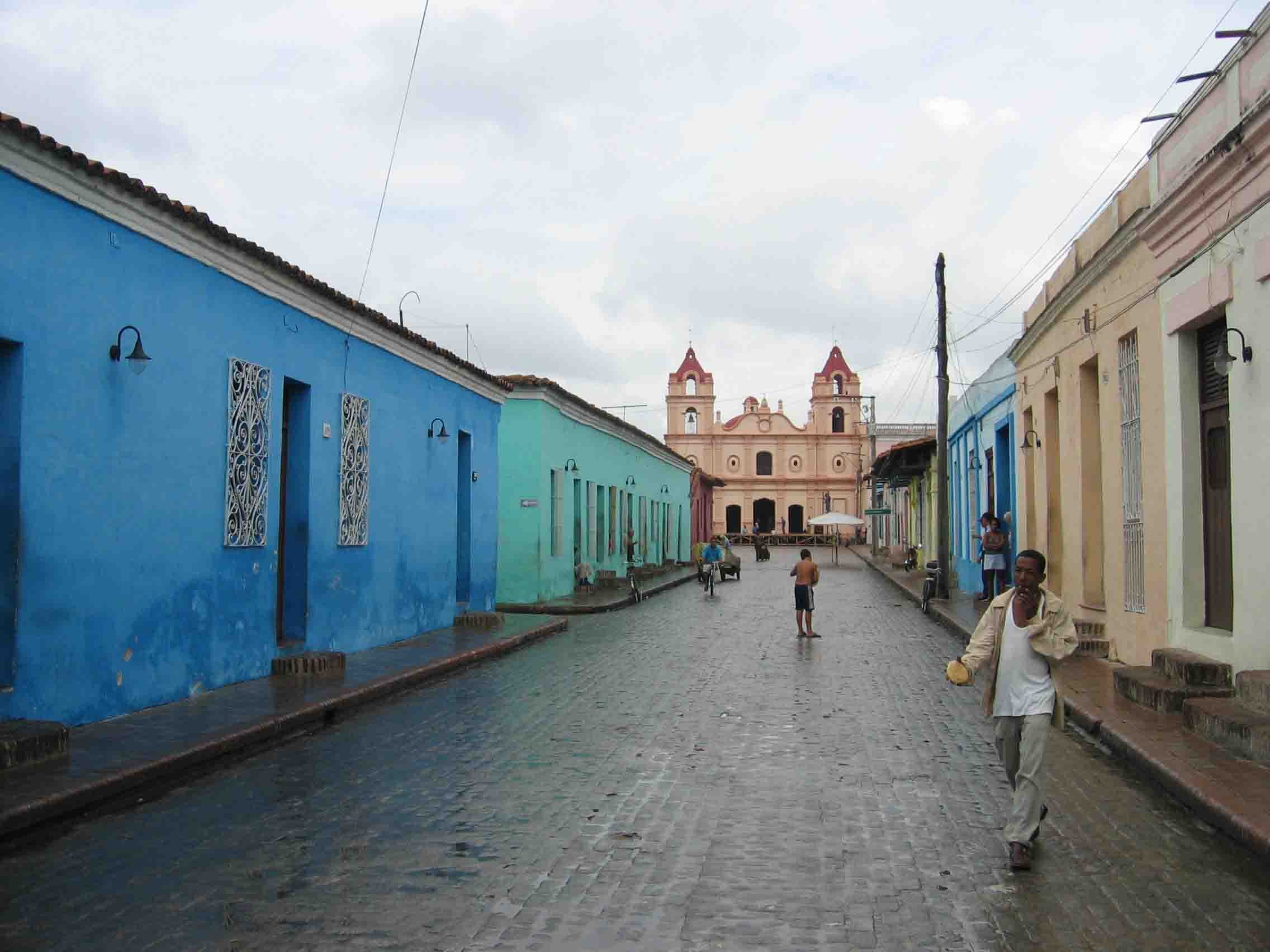
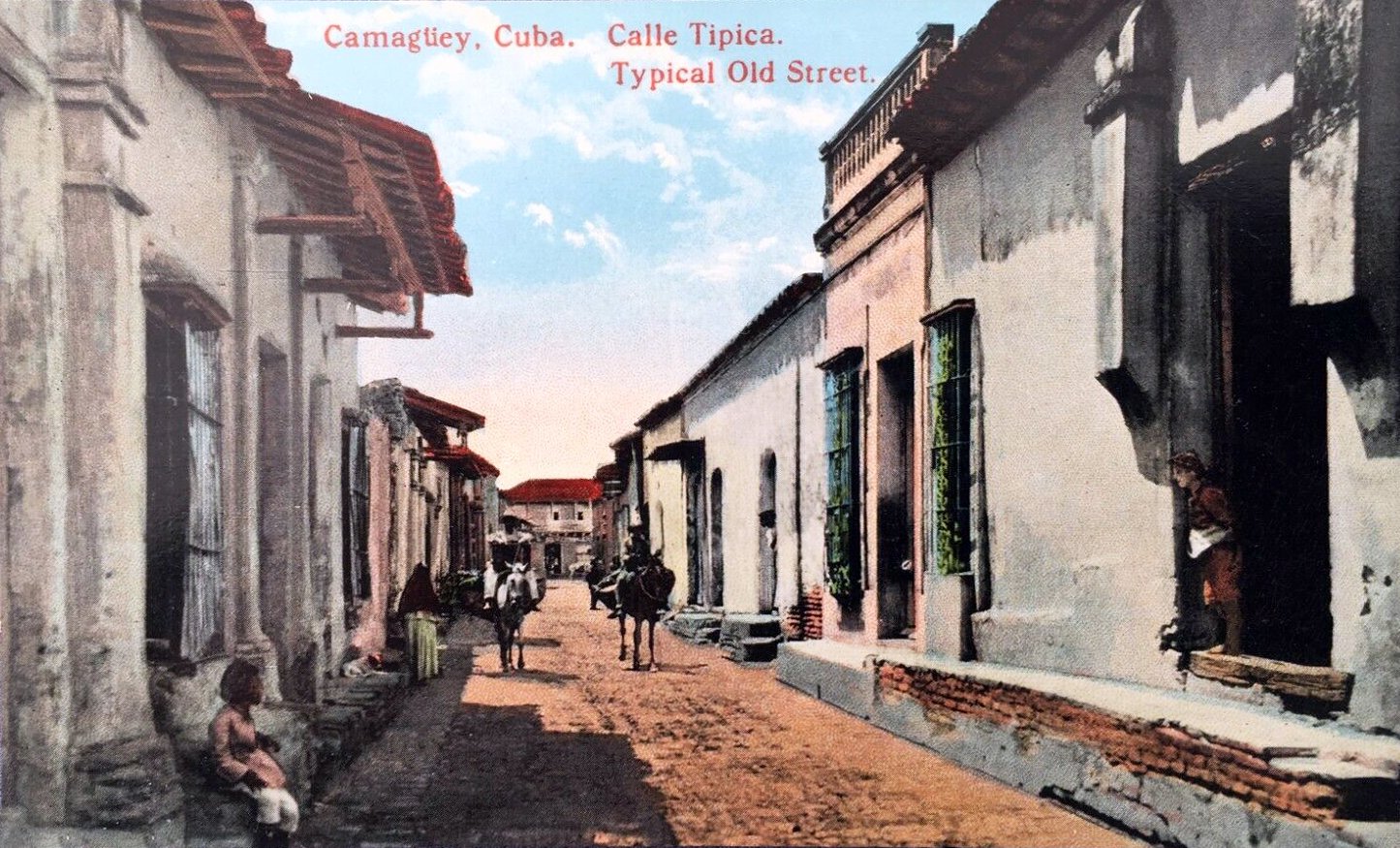
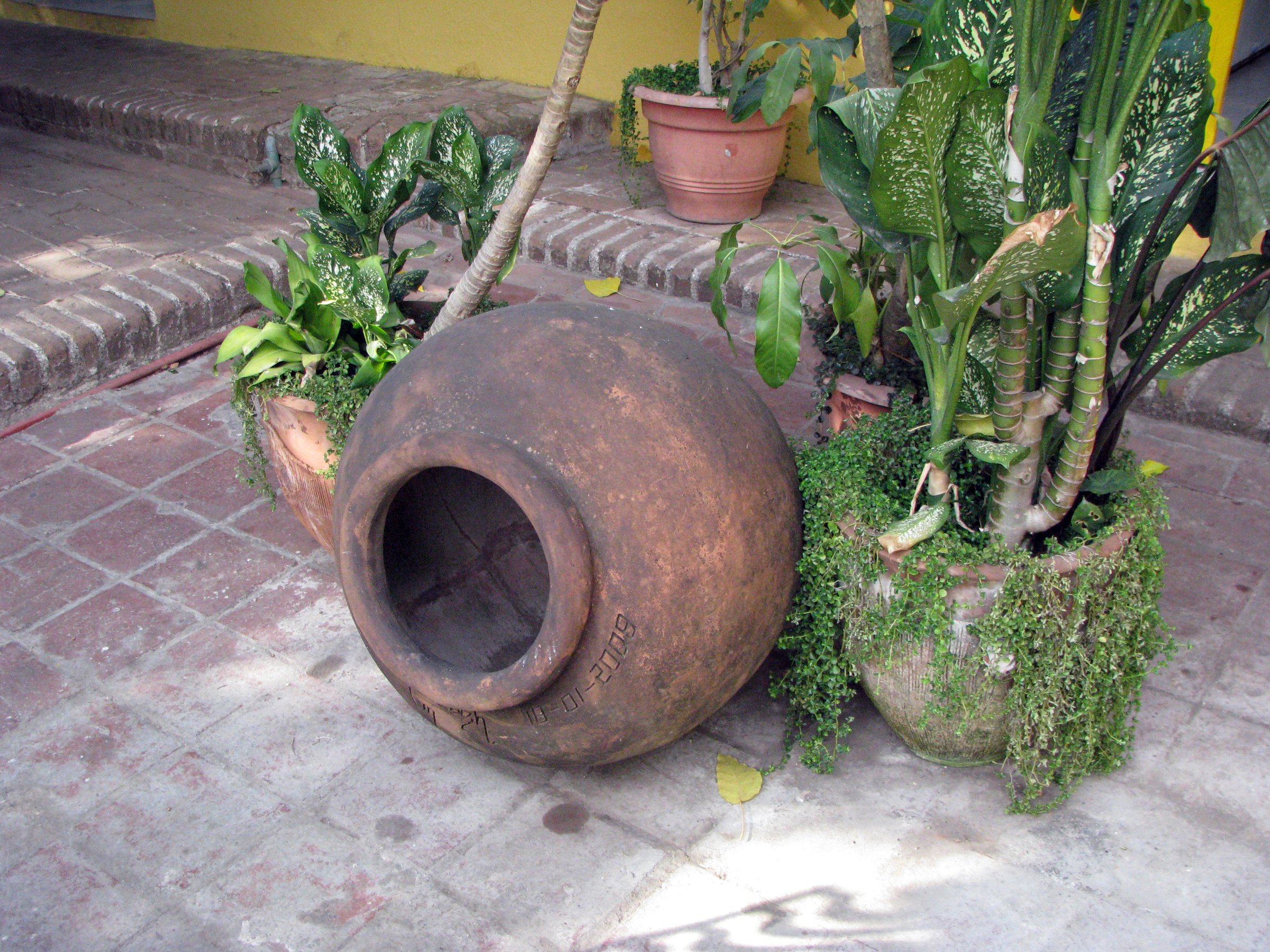
A street that curves and forks with no logic at all, a big-bellied clay tinajón catching rainwater in a courtyard, and a hidden plaza of pastel houses and life-size bronze figures where the city gathers in the evening cool.

Camagüey is Cuba's maze — a colonial city of tangled, crooked streets laid out to confuse pirates, dotted with clay water-pots and one lovely plaza after another, an artistic, church-filled heartland town far from the Havana tourist crush.

Type
city
Ideal length
~approx 1–2 days
Getting around
on foot in the old town; bici-taxis and horse carts
Neighbourhoods
3 areas
Best season / months
November to April — the drier, cooler season; hot and humid year-round
Language
Spanish (some English in tourist spots)
Currency
Cuban peso (CUP) — bring cash; a challenging money situation
Budget level
low — very affordable
Good for
  • History
  • Colonial architecture
  • Art and culture
  • Off-the-trail travellers
▸ Discover

About Camagüey

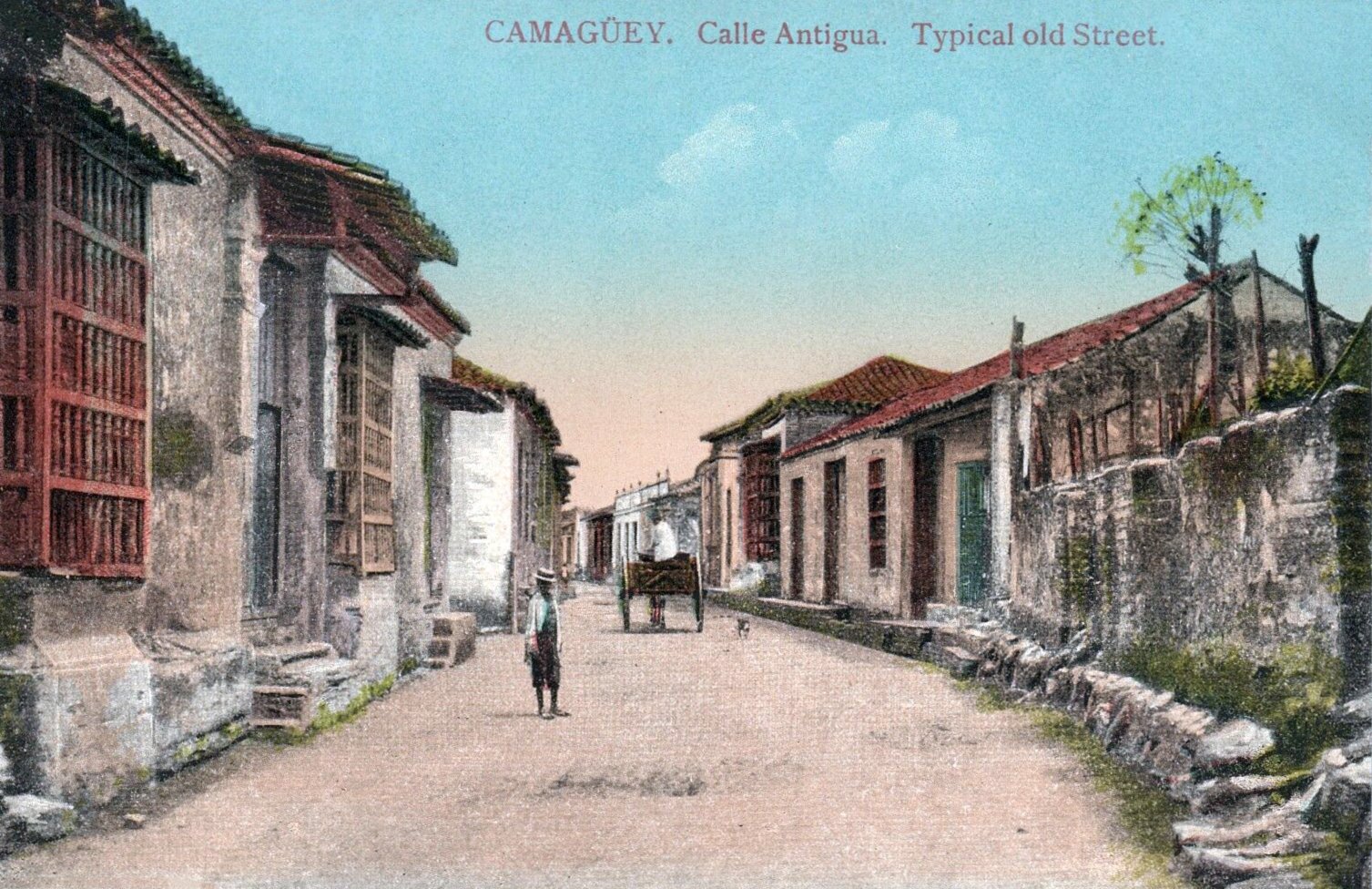
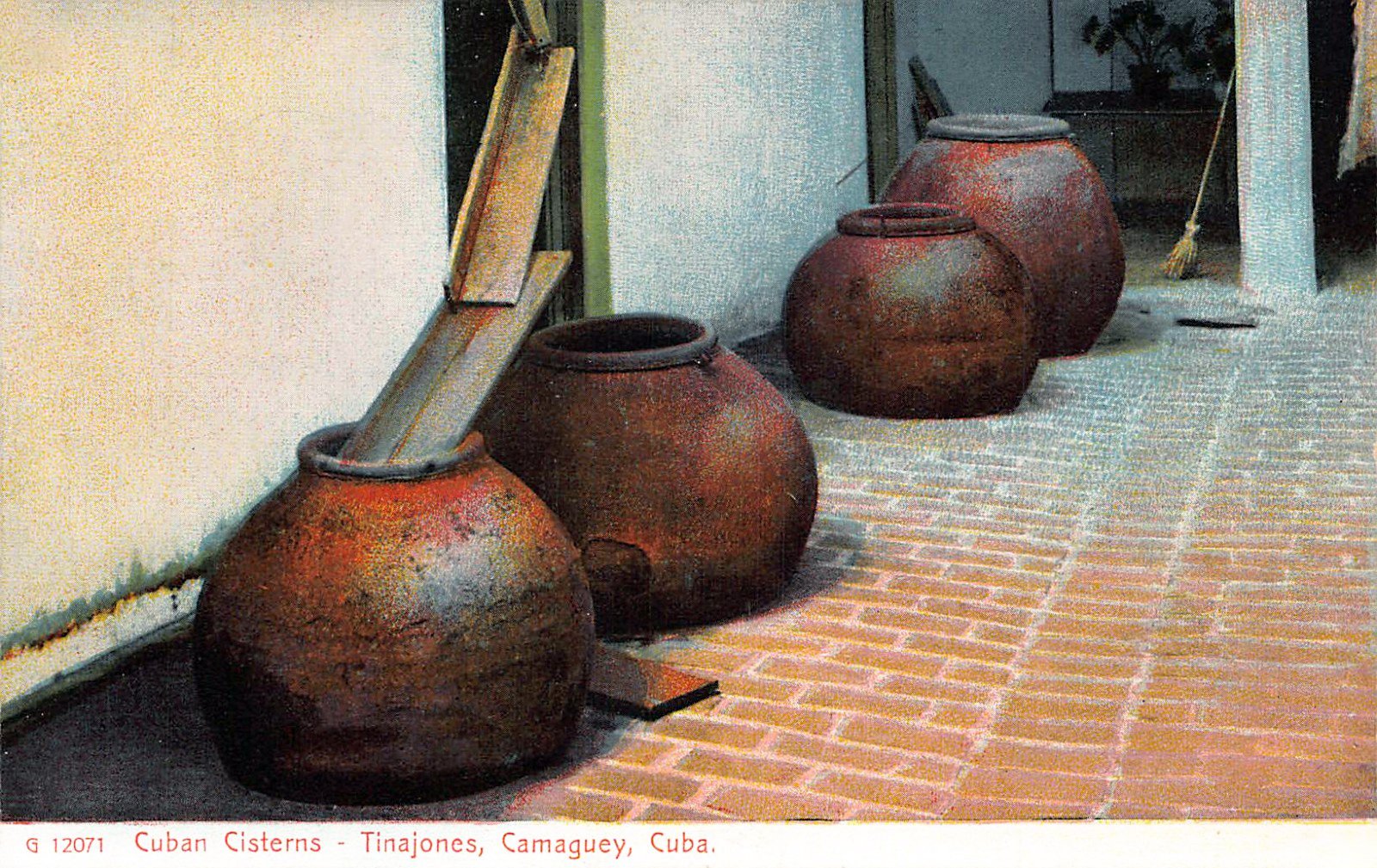
Camagüey lies inland in the flat cattle country of central Cuba, the island's third city. Founded early and repeatedly sacked by pirates, it was rebuilt as a deliberate labyrinth — a tangle of winding, irregular streets, forks and dead ends meant to disorient raiders — quite unlike Cuba's grid-planned colonial cities. That maze, studded with the city's signature tinajones (giant clay water jars) and opening onto a string of beautiful plazas and churches, earned it UNESCO status. It's also a city of art and ballet, with a strong creative streak. Off the main tourist trail, atmospheric and welcoming, it's a rewarding, authentic slice of Cuba.

Why go

Camagüey is one of Cuba's most distinctive and least-touristed cities — a UNESCO old town whose labyrinth of crooked streets, hidden plazas and colonial churches is unlike anywhere else on the island, dotted with the clay tinajones that are its emblem. It has lovely squares (San Juan de Dios, the sculpture-filled Plaza del Carmen), a strong art-and-ballet culture, and the warm, everyday life of provincial Cuba far from the Havana crowds. For genuine atmosphere, colonial beauty and a real sense of Cuban life, it's a rewarding stop between Havana and the east.

Don't miss

  • The maze of streets — the labyrinthine old town
  • Plaza San Juan de Dios — the loveliest colonial square
  • Plaza del Carmen — the sculpture-filled artists' plaza
  • The tinajones — the giant clay water pots
  • The colonial churches — the city's many spires

Signature experiences

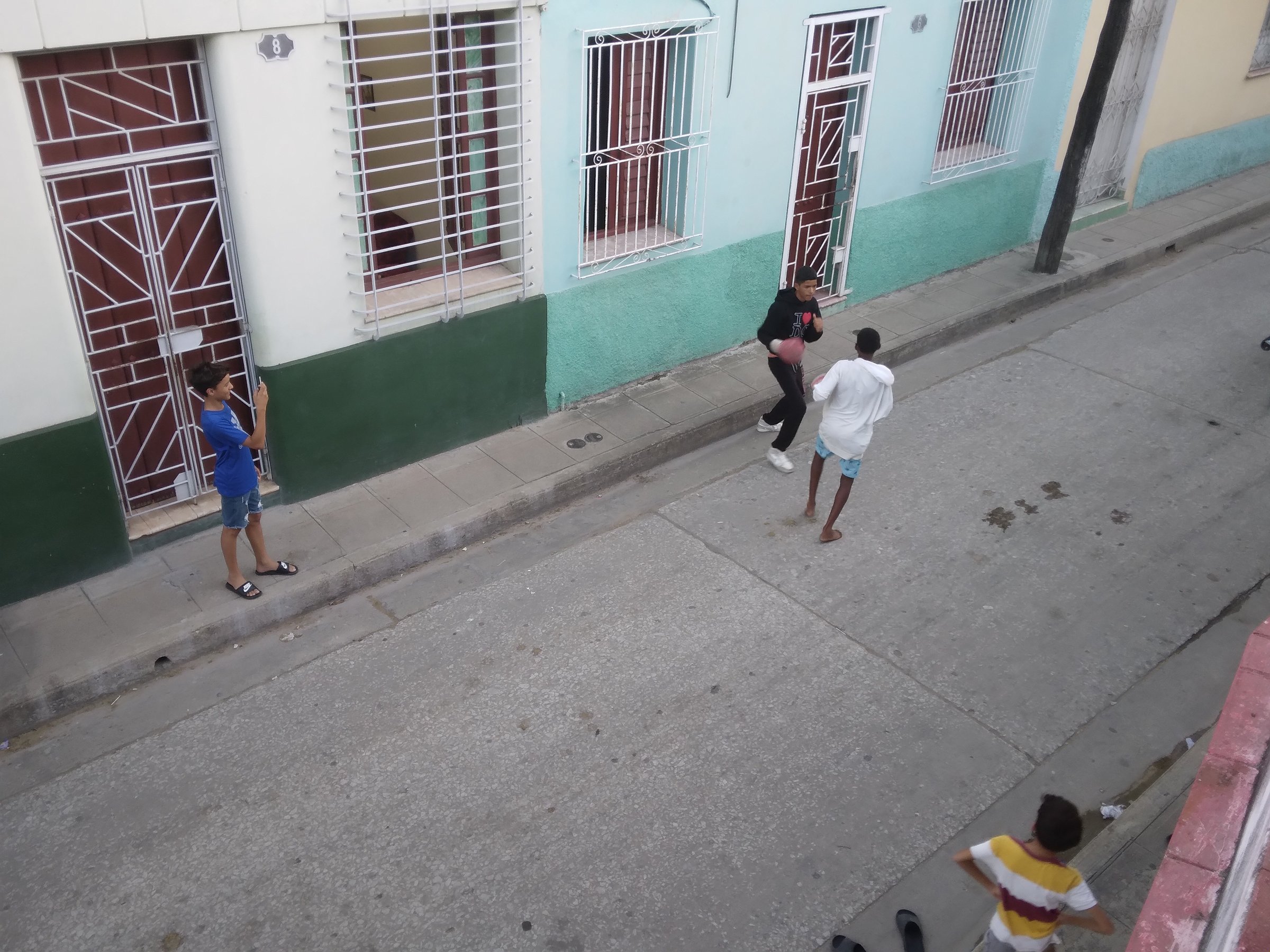
Getting lost in the maze — Camagüey's great pleasure is its labyrinth — streets that twist, fork and dead-end with no grid logic at all, built to disorient the pirates who once plagued the city, and utterly unlike Cuba's other colonial towns. There's no efficient route; the point is to wander, get pleasantly lost, and let the crooked streets deliver you to one hidden plaza or church after another. Watch for the tinajones — the big-bellied clay water jars, once catching rainwater in every courtyard, now the city's emblem. The maze itself is the experience. **The plazas and churches** — Camagüey's tangle opens onto some of Cuba's loveliest squares. Plaza San Juan de Dios, arcaded and pastel around its old church and hospital, is the most beautiful; the main Plaza Agramonte fronts the cathedral and honours the local independence hero; and the restored Plaza del Carmen is dotted with charming life-size bronze sculptures of ordinary Camagüeyans. Between them rise a dozen colonial church towers. Wandering plaza to plaza, church to church, is how the city's beauty unfolds. **Art, ballet and Cuban life** — Camagüey has a strong creative identity — it's home to a renowned ballet company and a lively arts scene, with galleries, workshops and cultural life woven through the old town. And beyond the monuments, it's a real, working Cuban city, warm and unhurried, where you see everyday life carry on far from the tourist crowds of Havana or Trinidad — bici-taxis and horse carts in the streets, music from doorways, and neighbours out in the evening cool. That authenticity is a big part of its appeal. **Cuban food and drink — with a caveat** — Camagüey eats Cuban — ropa vieja (shredded beef), congrí or moros y cristianos (rice and beans), roast pork, tostones and yuca, best at the private paladares (family restaurants), with a mojito, a daiquiri or Cuban rum, and strong Cuban coffee. Be aware, honestly, that Cuba faces real economic hardship and shortages, so menus can be limited and supplies unpredictable; paladares and casas particulares (family guesthouses) are the reliable, rewarding way to eat and stay. Enjoy the food and the warmth, and go with patience and cash.

Neighbourhoods

Camagüey neighbourhood by neighbourhood — the character of each and who it suits.

  • The Old-Town Maze and Plaza Agramonte

    The heart of the labyrinth — crooked streets and forks around the main square (Plaza Agramonte), with the cathedral, churches and the everyday city. The tangled, living core.

    Why go
    The maze, the main plaza and the cathedral, and getting lost.
    Best for
    Wanderingthe plazathe cathedrallocal life
    Known for
    Plaza Agramonte (Parque Agramonte) and the cathedral, the statue of independence hero Ignacio Agramonte, the winding streets and tinajones, and the shops and cafés.
  • Plaza San Juan de Dios and the Churches

    The most beautiful colonial square, San Juan de Dios, with its church and hospital and pastel arcaded houses, amid a cluster of the city's fine churches. The historic showpiece.

    Why go
    Plaza San Juan de Dios, the churches and the colonial architecture.
    Best for
    The finest plazachurchesphotography
    Known for
    Plaza San Juan de Dios and its church and old hospital, the pastel colonial houses and restaurants, and the nearby churches (La Soledad, La Merced) and their spires.
  • Plaza del Carmen and the Arts

    The restored, artsy square of Plaza del Carmen — pastel houses, a church, and famous life-size bronze sculptures of everyday Camagüeyans, in a city known for its art and ballet. The creative corner.

    Why go
    The sculptures, the pretty square and the art scene.
    Best for
    The sculpturescafésartevening strolls
    Known for
    Plaza del Carmen and its bronze figures and giant tinajones, the church, the restored pastel houses, and the wider art-and-ballet culture of the city.

Views & hidden gems

Best views

  • Plaza San Juan de Dios — the arcaded pastel square
  • The bronze sculptures of Plaza del Carmen
  • The tinajones (clay pots) in courtyards and squares
  • The church towers over the maze (some can be climbed)

Hidden gems

  • The many colonial churches and their spires (La Soledad, La Merced)
  • The Casa Natal de Ignacio Agramonte museum
  • The city's ballet and art workshops
  • A giant tinajón you can peer into (a local good-luck legend)
  • The winding streets themselves — get lost on purpose

Food & drink

Camagüey eats Cuban, best at the private paladares. The staples are ropa vieja (shredded stewed beef), roast pork (lechón), congrí or moros y cristianos (rice cooked with black beans), tostones and mariquitas (fried plantain), yuca con mojo, and, this being cattle country, more beef than usual. Drink a mojito, a daiquiri, Cuban rum or strong Cuban coffee. Honestly, Cuba's shortages mean menus and supplies can be limited — the paladares and casas particulares are the reliable, rewarding option. Eat where locals recommend, and be patient.

  • Ropa vieja — shredded beef stewed in tomato and peppers
  • Lechón / roast pork — the Cuban feast meat
  • Congrí / moros y cristianos — rice cooked with black beans
  • Tostones and yuca con mojo — fried plantain and cassava with garlic
  • Beef dishes — a Camagüey (cattle-country) strength
  • Mojito, daiquiri, rum and Cuban coffee — the local drinks
Dietary notes

Vegetarians manage with rice and beans, tostones, yuca, salads and eggs, though meat is central and, with shortages, options can be limited — casas and paladares are best, and ask ahead. Vegan is harder; plan around rice, beans and plantain. Halal and kosher are effectively unavailable. Gluten-free is manageable with rice, beans and plantain dishes (naturally wheat-free), but confirm. Bring snacks, as supplies can be unpredictable.

Camagüey in photos

▸ Where you'll stay

Where you'll stay in Camagüey

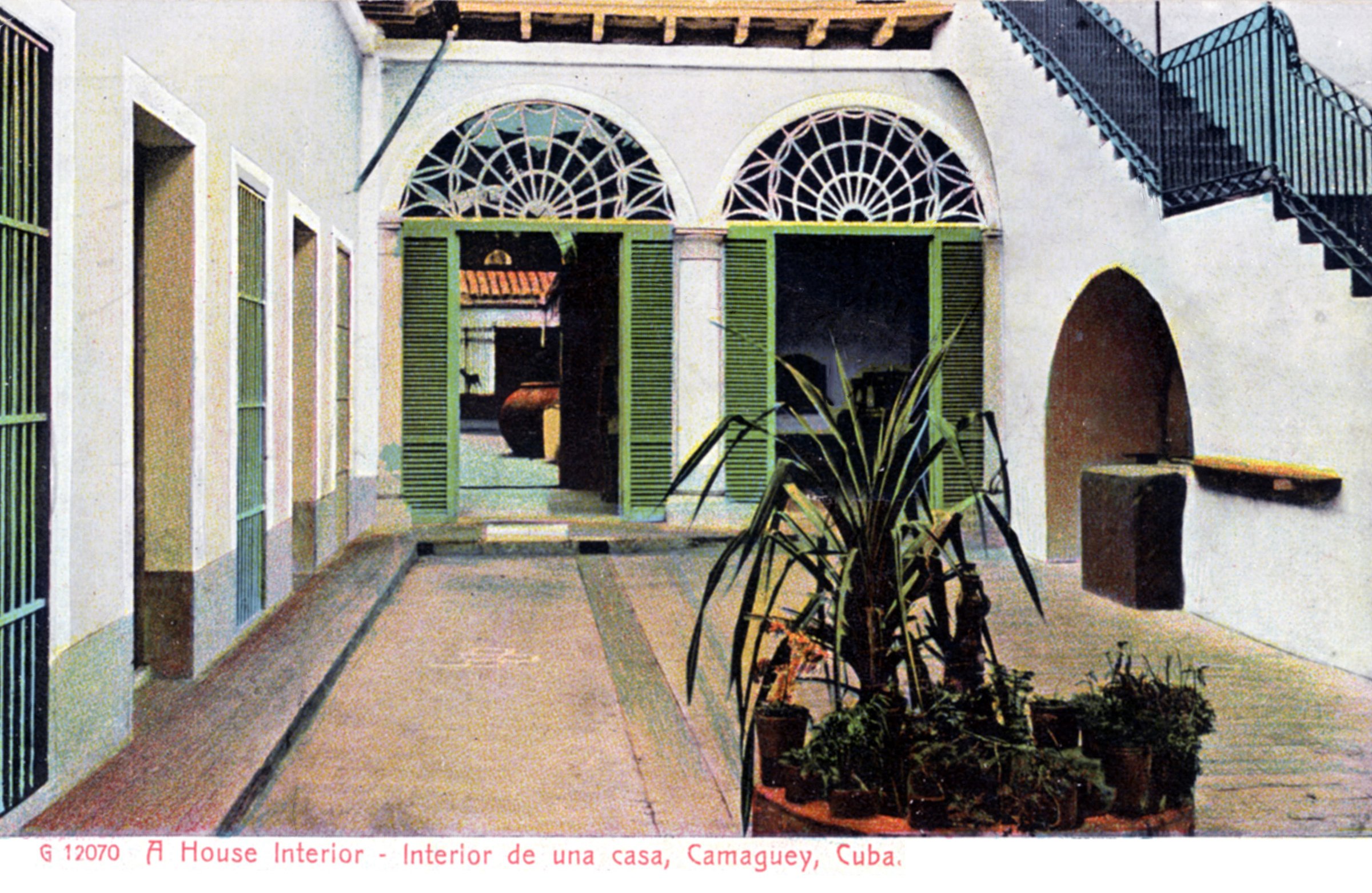
Stay in a casa particular (a family-run guesthouse) in the old town — this is the classic, rewarding way to stay in Cuba, often in a colonial house with a courtyard, and the hosts are a window into local life. There are a few small hotels too. Camagüey is very affordable but faces shortages, so a casa is the reliable, comfortable choice. The old town is the natural, walkable base; book ahead for festivals.

  • Budget
    Casas particulares in the old town family guesthouses, cheap and characterful.
  • Mid-range
    Better casas / small hotels comfortable colonial-house stays near the plazas.
  • Luxury
    The best boutique casas / hotels high-end restored houses, the top of a modest range.
Stay

Hotels & rentals around Camagüey

Pan, zoom and compare live prices — every stay in one map.

▸ Getting around

Getting around Camagüey

The old town is compact and walkable — the plazas, churches and maze are all on foot (embrace getting lost). Bici-taxis, horse carts and taxis cover longer hops; a car isn't needed in the old town.

The main plaza, San Juan de Dios and Plaza del Carmen are all a short (if winding) walk apart (~approx) — the whole old town crosses on foot in 15–20 minutes, maze permitting.

▸ Plan your days

Suggested itineraries

Ready-made day plans for Camagüey — from a single day to a long weekend.

One day

Spend the day wandering the labyrinth — start at Plaza Agramonte and the cathedral, then let the crooked streets lead you to Plaza San Juan de Dios (the loveliest square) and the churches, watching for the tinajones along the way. Have a paladar lunch of ropa vieja or roast pork, visit the Agramonte birthplace museum, and spend the late afternoon at Plaza del Carmen among its bronze figures. End with live music at a casa de la trova.

Two days

With an overnight, go deeper into the art and the everyday city. Take in the ballet or an art workshop, explore more churches and quiet streets, and enjoy the plazas at dawn and dusk. Camagüey pairs naturally with Trinidad, Sancti Spíritus or the beaches of the north coast on a central-Cuba route.

▸ What you'll do

Insider tips

  • Embrace the maze — get lost on purpose, and let the crooked streets deliver you to the plazas.
  • Stay in a casa particular and eat at paladares — the reliable, rewarding way to experience Cuba.
  • Bring plenty of cash in foreign currency; Cuba is cash-driven with shortages and unreliable cards.
  • Enjoy the art, ballet and music culture, and the uncrowded, authentic Cuban life.
Explore

Explore the area

© OpenFreeMap · OSM · terrain Mapterhorn
Do

Local attractions & tours

Skip-the-line tickets and small-group tours in Camagüey — compare across our partners.

We're still curating hand-picked tickets and tours for Camagüey. In the meantime, the map above and the nearby cities are a great place to start.

▸ Budget

What it costs in Camagüey

Backpacker
roughly €20–40 a day.
Mid-range
roughly €40–75 a day.
Luxury
€120 a day and up.
Cash vs card
Cuba is cash-driven and its money situation is difficult — bring plenty of cash in a strong foreign currency to change; foreign cards and ATMs are unreliable, and US cards generally don't work.
Tipping
Tipping is expected and appreciated — a little for casas, paladares, guides and musicians.
▸ When you'll go

When to visit Camagüey

November to April — the drier, cooler season; hot and humid year-round

Spring

What to expect — Hot and humid, the drier season easing toward the wetter summer; warm days. Warm and building to wet.

What's best — Still largely dry and warm early in the season, and the town quiet — a good window before the summer rains; it's hot and humid year-round.

Summer

What to expect — Hot, humid and wetter (the rainy season), with afternoon showers and the start of hurricane season; heavy heat. Steamy.

What's best — Lower crowds and the city's warm everyday life — but expect heat, humidity, rain and possible storms; the drier season is far more comfortable.

Autumn

What to expect — Hot and humid with the peak of hurricane season (around August–October) and more rain, easing late in the season. Warm and storm-risk.

What's best — Warm and quiet, with the rains and storm risk easing toward the drier months by late autumn — but watch the hurricane forecast; the dry season is better.

Winter

What to expect — The dry, slightly cooler season (November to April) — warm, sunny days and pleasant evenings, the best weather. Peak (still low-key) season.

What's best — The best weather for the maze and the plazas, warm dry days, and festivals — the ideal time; Camagüey stays far quieter than Havana even at peak.

▸ Know before you go

Know before you go

Honest swaps

Skip trying to navigate efficiently → embrace the maze and get pleasantly lost among the plazas.

Skip a hotel restaurant → eat and stay at paladares and casas particulares for the real, reliable Cuba.

Skip the Havana-only trip → Camagüey's labyrinth and plazas are a genuine, uncrowded contrast.

Skip arriving cash-light → Cuba is cash-driven with shortages; bring plenty of foreign currency.

Crowds & timing

Camagüey is far less touristed than Havana or Trinidad — an easy, uncrowded city; festivals are the busy exception.

The old town is best in the cooler morning and evening; the heat is heavy midday.

Local rules & etiquette

Cuba faces real shortages — bring cash, be patient with limited menus and supplies, and support the family-run casas and paladares.

Photograph people with permission, and be respectful of everyday life and hardship.

Dress light for the heat, but modestly inside the churches.

Money

Bring plenty of cash in a strong foreign currency — the money situation is difficult, cards and ATMs are unreliable, and US cards generally don't work.

Change money carefully and keep it secure; tip in cash.

After dark

The plazas, the casas de la trova (music houses) and paladares hold the evening life — live Cuban music, rum and warm-night atmosphere.

Camagüey is a gentle, provincial city rather than a party town — the evening is music, dinner and a plaza stroll.

The lit plazas and church squares after dark are lovely.

▸ Ready to book your trip?

Getting there

Camagüey's Ignacio Agramonte Airport (CMW) has some flights (including seasonal international ones); most travellers arrive by long-distance bus or car along the central highway between Havana and the east.

Book

Ready to book your trip?

Flights, airport transfers and car hire — search and compare without leaving the page.

▸ Trip extras
Book

More trip extras

Parking, holiday extras, and more — coming soon.

Coming soon

We're lining up parking, holiday extras and activities you'll be able to add to any trip from here.