Cyprus — hero
← All destinations Country

Cyprus

Where ancient civilisations meet sun-drenched shores. Cyprus rewards families and slow travellers alike with mythic history, soft adventure, and an unhurried Mediterranean pace.

  • Currency € Euro (€)
  • Language Greek, Turkish
  • Best time February – April & October – December
  • Visa Visa-free (up to 90 days; EU, non-Schengen)
Why visit

Why Cyprus

Where ancient civilisations meet sun-drenched shores. Cyprus rewards families and slow travellers alike with mythic history, soft adventure, and an unhurried Mediterranean pace.

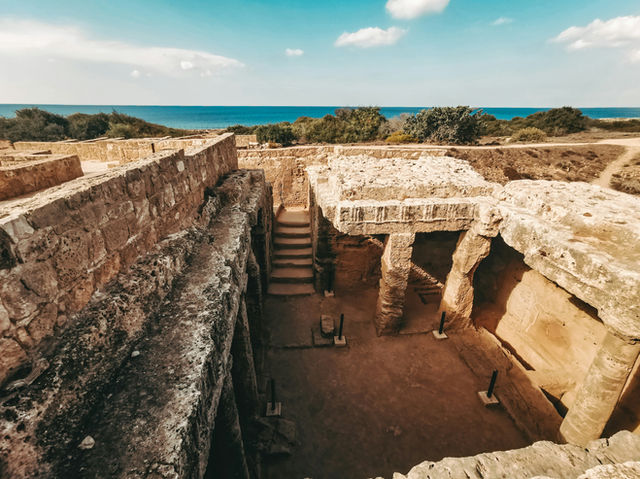
  • Paphos mosaics & Tombs of the Kings
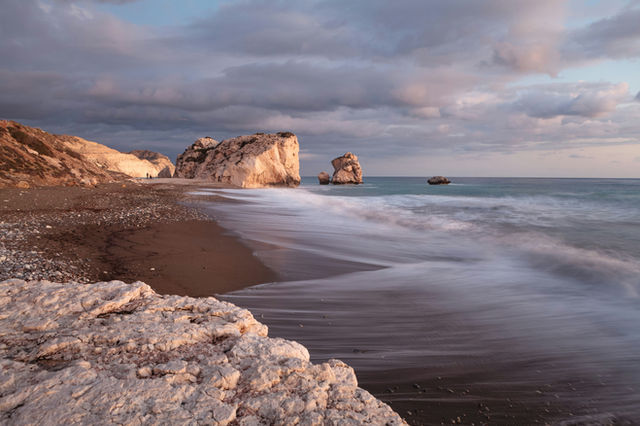
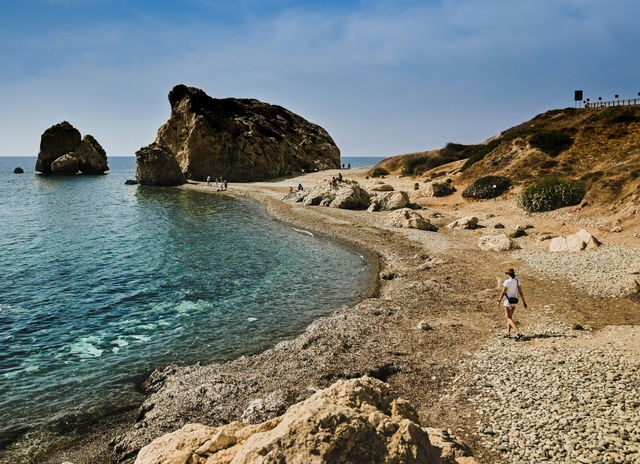
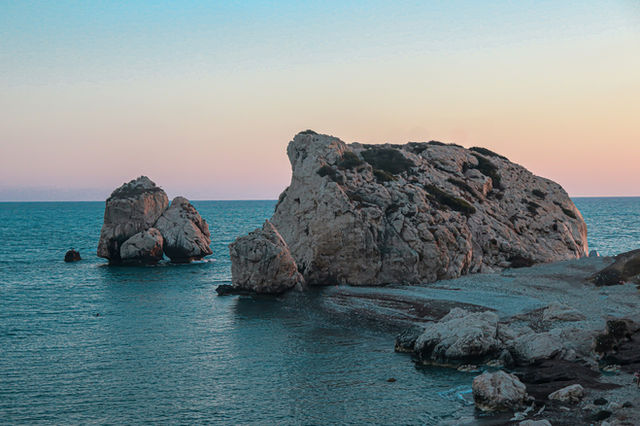
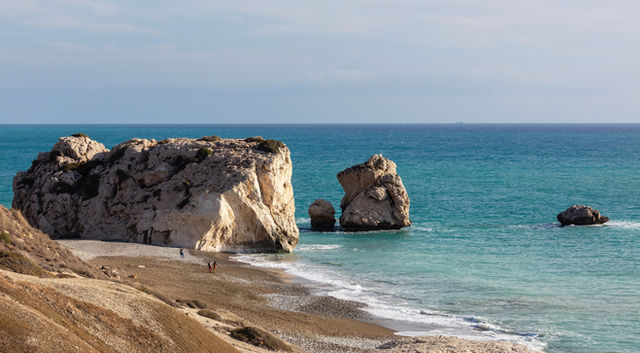
  • Aphrodite's Rock (Petra tou Romiou)
  • Troodos painted churches
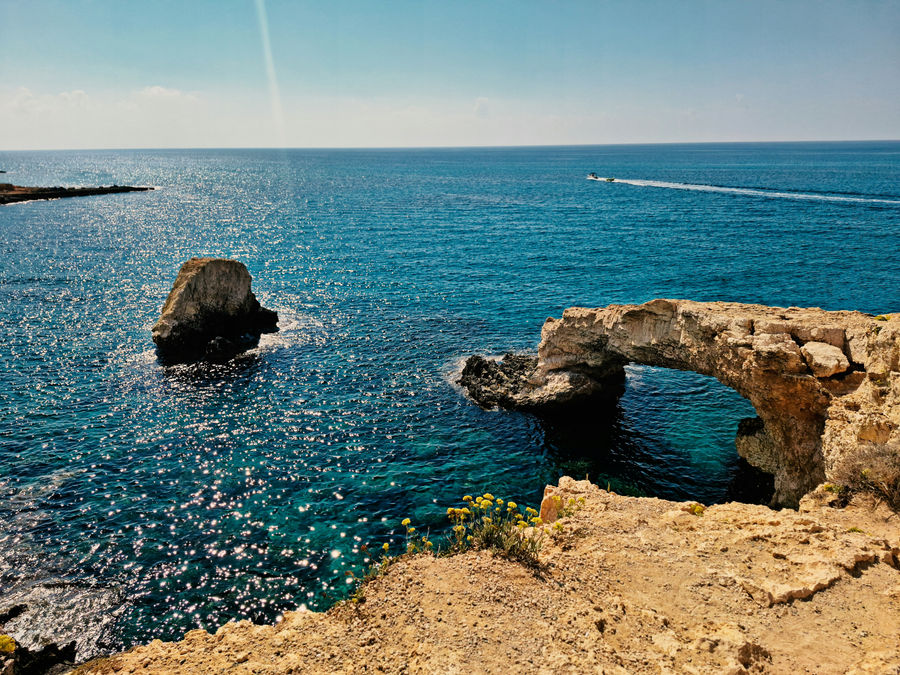
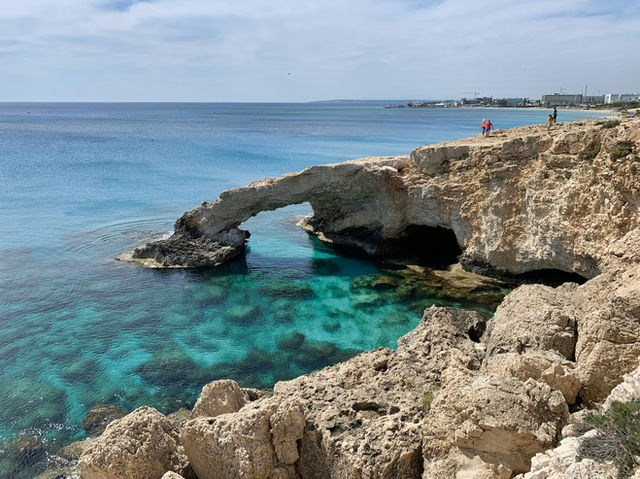
  • Ayia Napa & Nissi beaches
Read more

Cyprus punches far above its size. This sun-soaked island — birthplace of Aphrodite — layers Venetian castles, Byzantine monasteries and Bronze Age ruins across a landscape you can genuinely explore in a long weekend or an extended bleisure stay, thanks to fast coastal Wi-Fi and a year-round flying season from London.

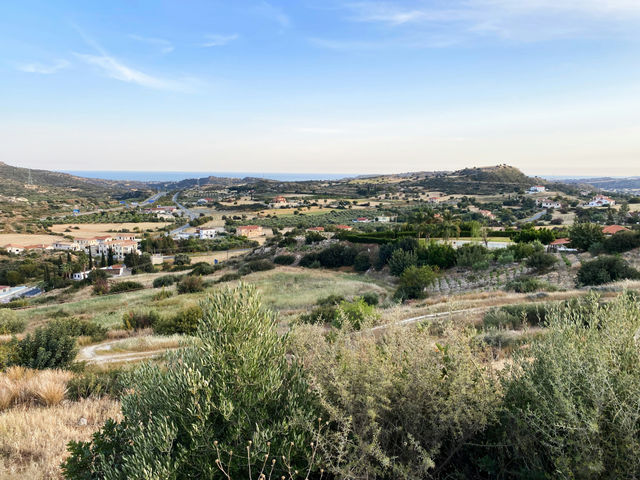
Beyond the beaches, the Troodos Mountains open up a cooler, quieter Cyprus: pine-shaded trails, vine-draped villages producing award-winning Commandaria wine, and family-friendly soft adventures from gorge walks to cycling routes. It is the kind of interior that makes Cyprus a compelling dupe destination for those who love Greece but crave fewer crowds.

Food is the island's quiet superpower — meze feasts, freshly caught sea bream and olive oil pressed from centuries-old groves root every meal in genuine community and place. Cyprus doesn't perform culture; it simply lives it.

A pillar, not a footnote

Eat your way through Cyprus

The single reason many travellers come back — the food culture worth reshaping a trip around, and the dishes to seek out region by region.

Cyprus

Grilled halloumi, spit-roast souvla and meze tables that stretch for hours — a Greek-Turkish-Levantine island kitchen.

Settle in for a Cypriot meze and clear your afternoon: the small plates keep coming — dips and olives, grilled halloumi squeaking hot off the coals, sheftalia caul-wrapped sausages, wine-braised afelia — until a dozen dishes crowd the table. This is a crossroads kitchen, Greek and Turkish and Levantine at once, and it revolves around fire and the island's own squeaky cheese.

The set-piece is souvla, big chunks of pork or lamb turned slowly over charcoal at Sunday gatherings, or kleftiko, lamb sealed in a clay oven with lemon and herbs until it falls from the bone. Sweet things lean old and simple — loukoumades in honey, grape-must shoushoukos — and to finish there's commandaria, an amber dessert wine from the hills near Limassol that may be the oldest named wine still made. A fiery zivania spirit sends you off.

Dishes to seek out
  • Halloumi (grilled sheep-and-goat cheese)
  • Meze (spread of small plates)
  • Souvla (charcoal spit-roast meat)
  • Sheftalia (caul-wrapped grilled sausage)
  • Kleftiko (slow-roasted lamb)
  • Afelia (wine-braised pork)
  • Commandaria (sweet dessert wine)
Things to do

Nature, culture & hidden gems

  • Nissi Beach

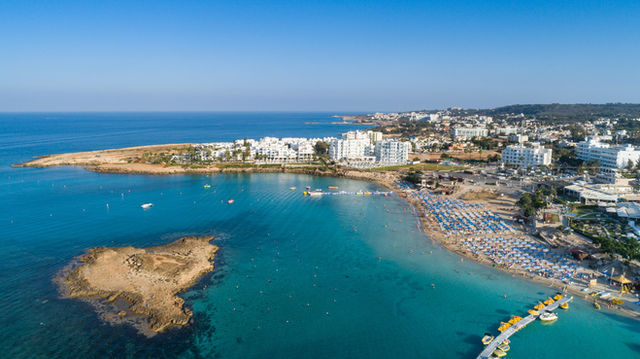
    White sand and a shallow sandbar out to a tiny islet, though summer days throb with beach-bar music.

  • Fig Tree Bay

    Wide golden sand and calm shallow water make this Protaras cove an easy day out with young kids.

  • Coral Bay

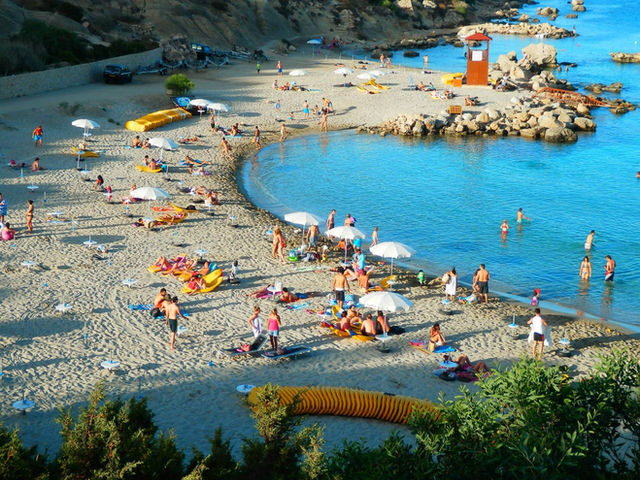
    A sheltered crescent of soft sand between limestone headlands, with calm water that stays shallow far out.

  • Konnos Bay

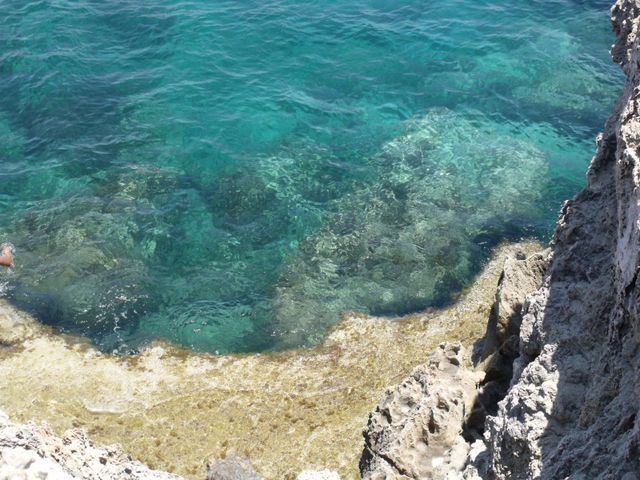
    A pine-backed cove of clear turquoise water, sheltered enough to watch fish dart over the rocks.

  • Lara Beach

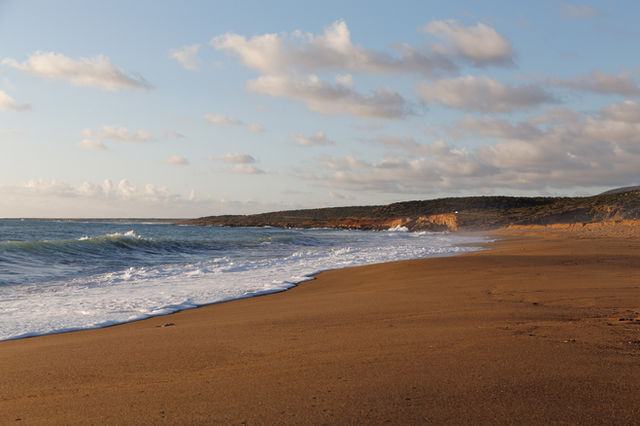
    Wild, undeveloped Akamas sand where sea turtles nest, reached only by a rough unpaved track.

  • Governor's Beach

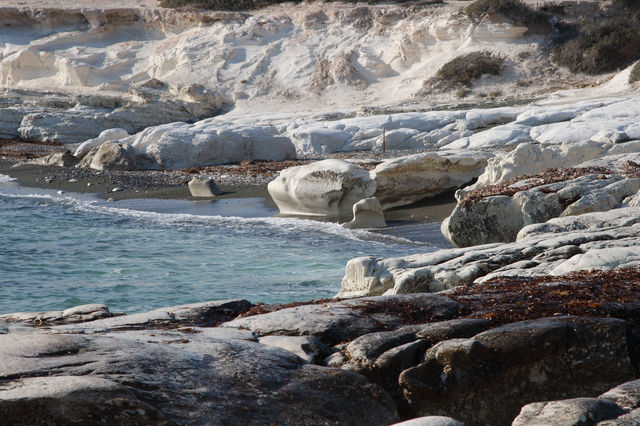
    Dark volcanic sand and small coves tucked beneath chalk-white cliffs, lined with fish tavernas.

  • Petra tou Romiou

    Pebbles and steep waves below the sea rock where legend says Aphrodite rose from the water.

Plan your trip

Curated Cyprus itineraries

Browse all Cyprus trips →
When to go

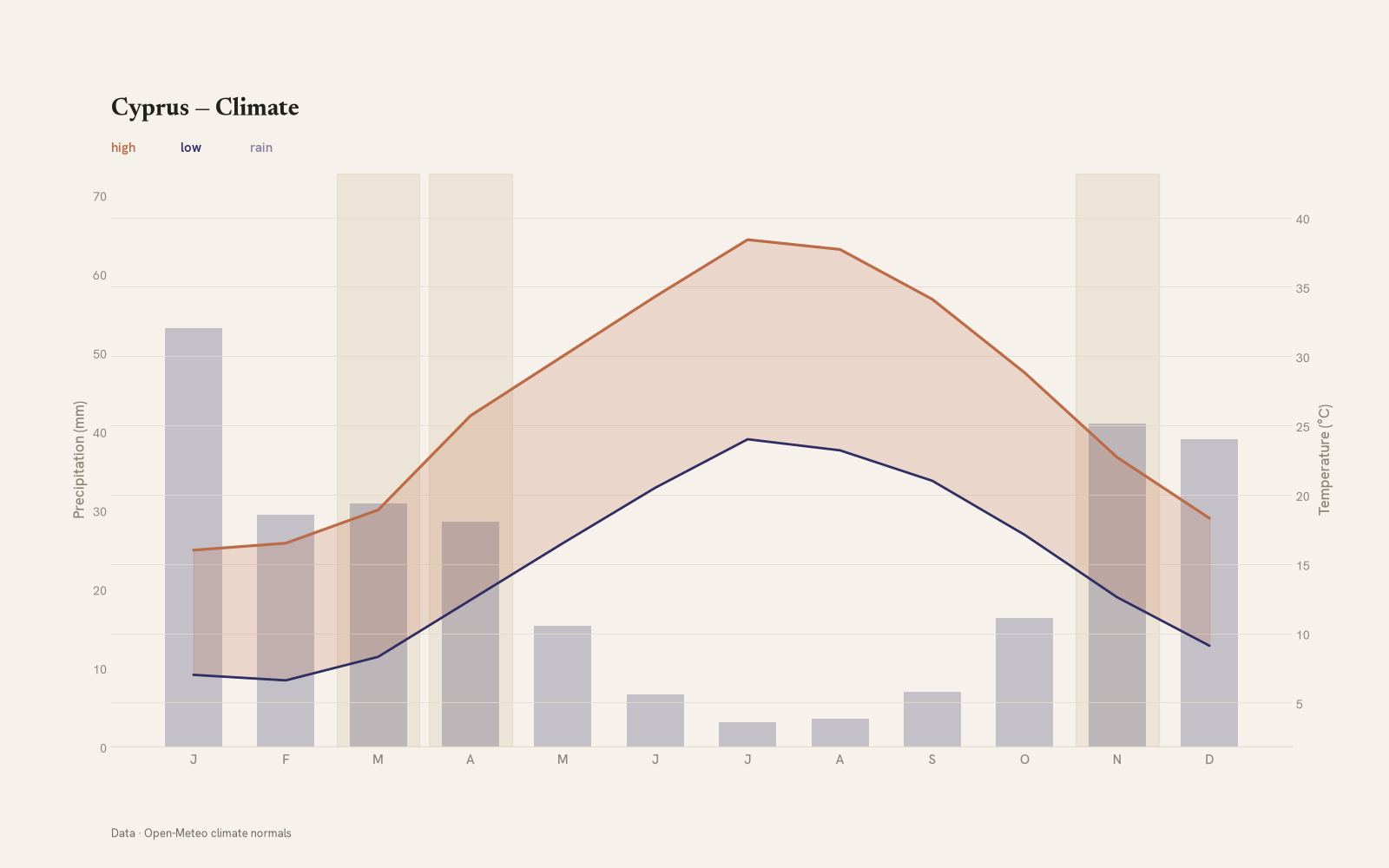
Weather & timing in Cyprus RIGHT NOW 38° clear

Best Mar–Apr, Nov · Shoulder Feb, Oct, Dec

  1. Jan / -4°
  2. Feb / -2°
  3. Mar 12° /
  4. Apr 18° /
  5. May 24° / 14°
  6. Jun 28° / 18°
  7. Jul 30° / 20°
  8. Aug 28° / 18°
  9. Sep 24° / 14°
  10. Oct 18° /
  11. Nov 12° /
  12. Dec / -2°

Best time to visit

February – April & October – December

Best for
  • Culture
  • Cuisine
  • Landscape
  • History
At a glance
Sunshine 7 hr/day (est.)
Rain days 8 days/mo (est.)
Wettest December · 60mm
Driest June · 10mm
Part of Mediterranean Europe →
By season
Spring (Mar–May)

What to expect — Daytime highs average about 18°C with overnight lows near 8°C, and it stays largely dry.

What's best — Mar and Apr are among the best time to visit — good weather with manageable crowds.

Summer (Jun–Aug)

What to expect — Daytime highs average about 29°C with overnight lows near 19°C, and it stays largely dry.

What's best — Peak heat and the biggest crowds — many travellers prefer spring or autumn.

Autumn (Sep–Nov)

What to expect — Daytime highs average about 18°C with overnight lows near 8°C.

What's best — Nov is among the best time to visit — good weather with manageable crowds. Oct also works well.

Winter (Dec–Feb)

What to expect — Daytime highs average about 7°C with overnight lows near -3°C.

What's best — Dec and Feb are comfortable, with thinner crowds.

A little context

A little history

To read what you're looking at — the empires and eras that shaped Cyprus's food, art and streets.

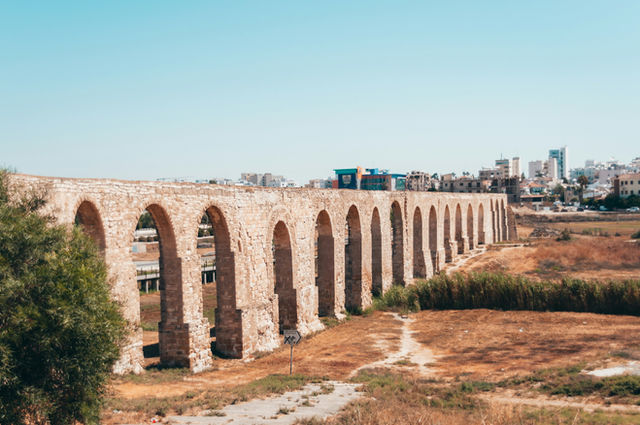
At the crossroads of Europe, Asia and Africa, ruled in turn by Mycenaeans, Phoenicians, Romans, Byzantines, Crusaders, Venetians and Ottomans
British rule from 1878 left English widely spoken and driving on the left
independent 1960; the island has been divided since the 1974 Turkish invasion, with a UN buffer line through Nicosia
EU member since 2004
Before you book

Know before you go

The practical back-matter — safety, drones and the essentials, in one place.

Safety

Low risk FCDO advice →

Official UK Foreign, Commonwealth & Development Office guidance is the definitive source — check it close to your travel dates.

Drone rules (sub-250g)

  • Cyprus
    The Republic of Cyprus follows EU/EASA rules. A sub-250g camera drone flies Open-category below 120m in sight, but because it has a camera the operator must be registered (in your EU home state, or here) and display the operator ID — only a camera-less toy is exempt. Check the DCA geo-zone map before every flight. ⚠ The island is dotted with no-fly zones: airports, military sites, the UN buffer line, the British Sovereign Base Areas, and archaeological and religious sites (filming ruins without permission risks fines). Remote-ID rules apply. This covers the Republic only, not the north. Rules checked: Jul 2026

National parks, protected sites and religious/heritage venues often have their own rules and permits — always check the specific site before you fly.

The essentials

Plug & voltage Type G · 240V
Daily budget Mid-range
Region Western Asia