





Estonia
Black rye bread, forest berries and curd from a soulful medieval capital — Baltic-Nordic cooking, fiercely seasonal.
Tear into a slice of must leib, the dark, faintly sour rye bread Estonians grow up on, and you've found the base note of the whole cuisine — served with butter, with soup, under a heap of brined kilu sprats. This is a forest-and-coast country that eats by the calendar: heavy, cured and preserved through the long winter, then bright with berries and dill in the brief green summer.
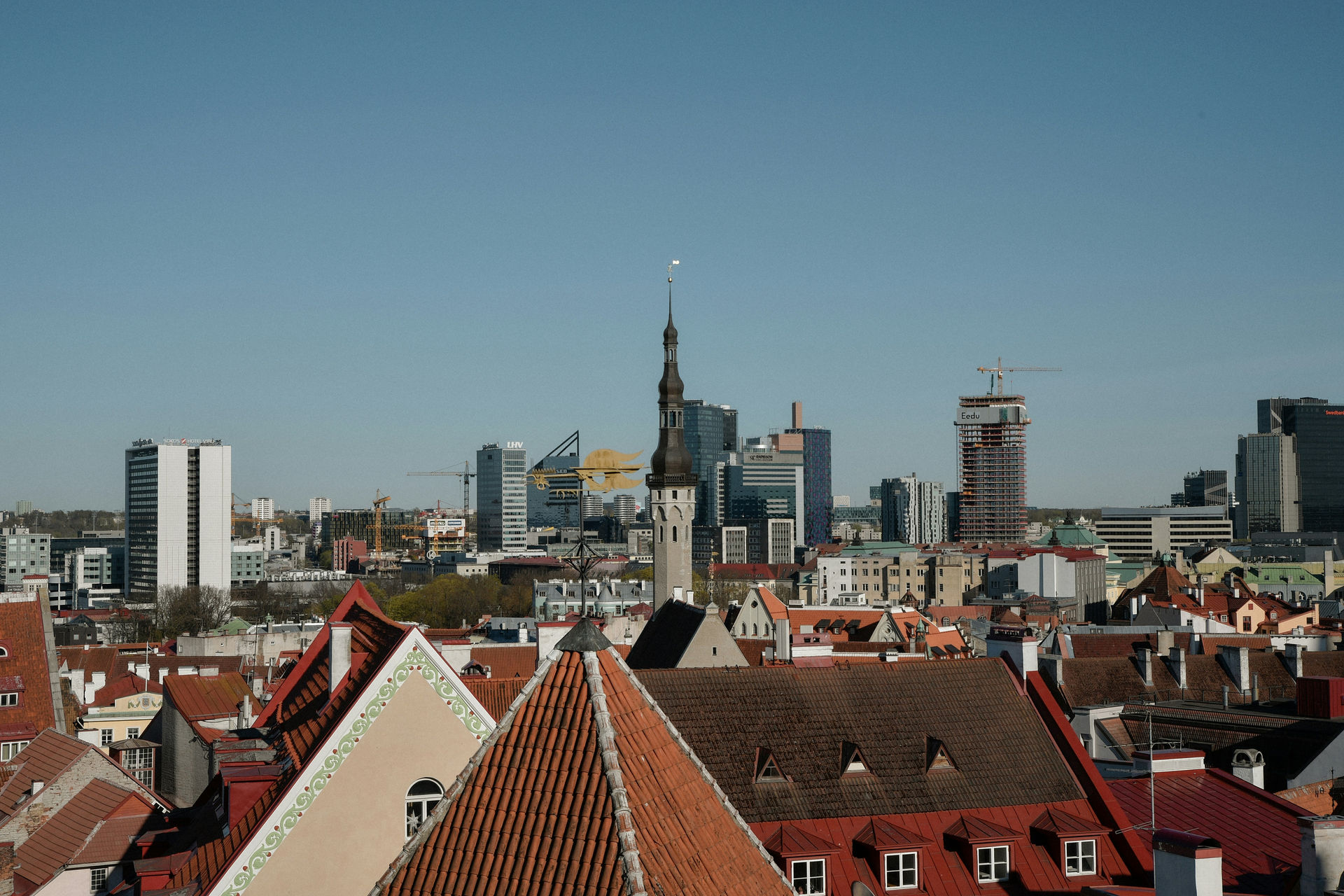
The old dishes are peasant-hearty — blood sausage and barley-flecked mulgikapsad at Christmas, jellied sült, sour cream on everything — while Tallinn's kitchens now forage the same woods for a lighter New Nordic plate of game, chanterelles and wild berries. Sweet-toothed Estonians reach for kohuke, a chocolate-glazed curd bar sold in every shop, and toast with Vana Tallinn, the dark herbal liqueur. Two cuisines, one pantry.
- Must leib (dark sourdough rye)
- Verivorst (blood sausage)
- Mulgikapsad (pork & barley sauerkraut)
- Kilu (brined Baltic sprats)
- Sült (jellied pork)
- Kohuke (glazed curd bar)
- Vana Tallinn (herbal liqueur)