Fiji — hero
← All destinations Country

Fiji

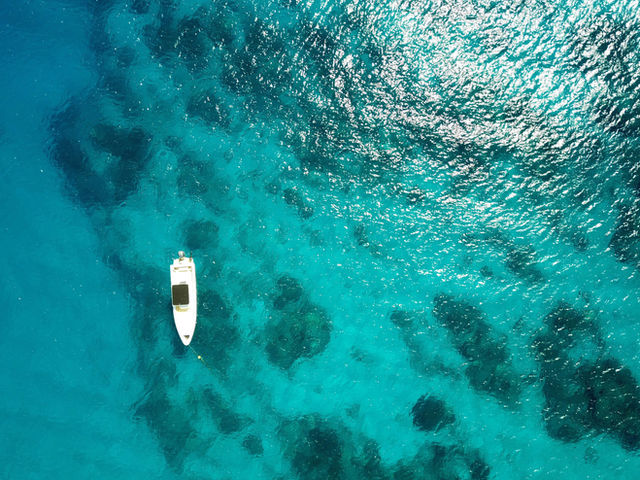
Fiji is rewriting the rules of paradise — where coral reef restoration, village-led culture, and soft ocean adventure combine into travel that gives back as much as it takes your breath away.

  • Currency $ Fijian Dollar (FJD)
  • Language English, Fijian, Fiji Hindi
  • Best time June – November
  • Visa Visa-free (up to 4 months on arrival)
Why visit

Why Fiji

Fiji is rewriting the rules of paradise — where coral reef restoration, village-led culture, and soft ocean adventure combine into travel that gives back as much as it takes your breath away.

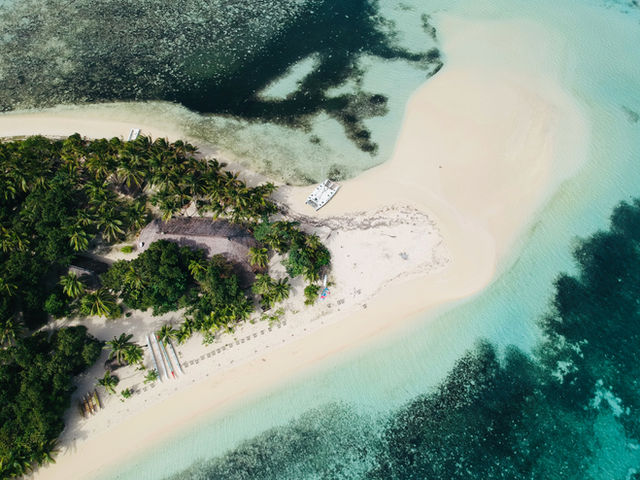
  • Island-hopping the Mamanuca and Yasawa chains
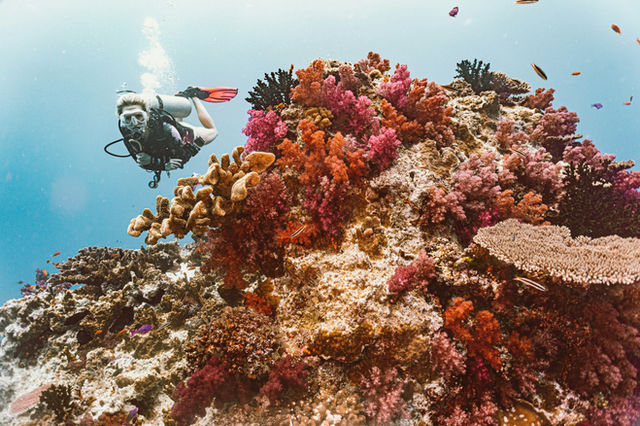
  • Soft-coral diving on the Rainbow Reef
  • The Coral Coast and Sabeto mud pools
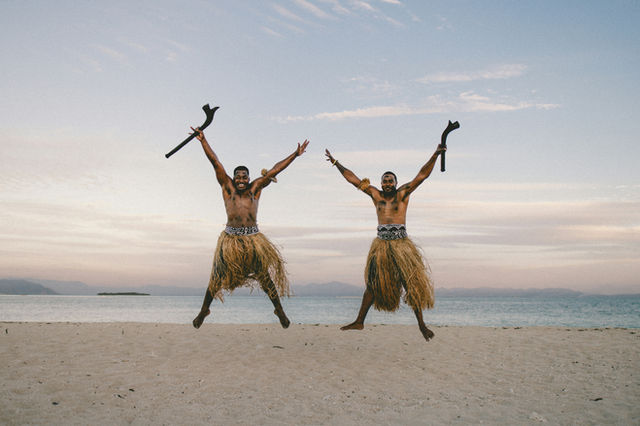
  • A village kava (sevusevu) ceremony and lovo feast
Read more

Fiji's regenerative credentials are the real draw for 2026. Village communities actively lead reef restoration and cultural immersion programmes, meaning every snorkel, every shared meal, every dawn visit to a traditional settlement directly funds the islands' long-term survival. Get to the marine parks before 9 AM and you'll have pristine coral gardens almost to yourself.

Beyond the reef, soft adventure spans highland interior trails and remote archipelago marine parks, while Nadi and Suva deliver surprisingly polished bleisure infrastructure — think MICE-ready venues wrapped in deep Pacific culture, ideal for London teams extending a conference into genuine island exploration.

Underpinning it all is a rich gastronomic and wellness culture — local sourcing, traditional Fijian flavours, and luxury spa experiences rooted in Pacific heritage — making this an archipelago that nourishes the traveller as much as it restores the ocean around them.

A pillar, not a footnote

Eat your way through Fiji

The single reason many travellers come back — the food culture worth reshaping a trip around, and the dishes to seek out region by region.

Fiji

Earth-oven feasts and coconut-cured fish, Indian curry and roti, all washed down with kava.

Fiji's kitchen splits along its two founding communities. Indigenous iTaukei cooking centres on the lovo, an underground stone oven where food wrapped in banana and taro leaves cooks for hours over hot rocks — the heart of every wedding and church feast. Coconut is the flavour backbone: cream and miti sauce dressing reef fish, taro leaves and root crops. The signature light dish is kokoda, raw fish cured in citrus and coconut milk, served in a coconut shell.

Then there's the other Fiji: a large Indo-Fijian population whose ancestors arrived as indentured labourers in the 1800s, bringing the goat curry, dhal and flaky roti you'll find in cheap, brilliant town curry houses. Binding the whole country together is kava — the earthy, mildly numbing root drink poured in the sevusevu ceremony that welcomes a visitor to a village. Present the root, share the bowl, and you're in.

Dishes to seek out
  • Kokoda (coconut-cured raw fish)
  • Lovo (earth-oven feast)
  • Palusami (taro leaves in coconut cream)
  • Dalo (taro)
  • Fiji-Indian curry and roti
  • Miti (coconut sauce)
  • Kava (yaqona)
Things to do

Nature, culture & hidden gems

Editorial content coming soon

We're hand-picking the standout places, hidden gems and can't-miss activities in Fiji. Meanwhile, the cities above are a great starting point.

Plan your trip

Curated Fiji itineraries

Browse all Fiji trips →
When to go

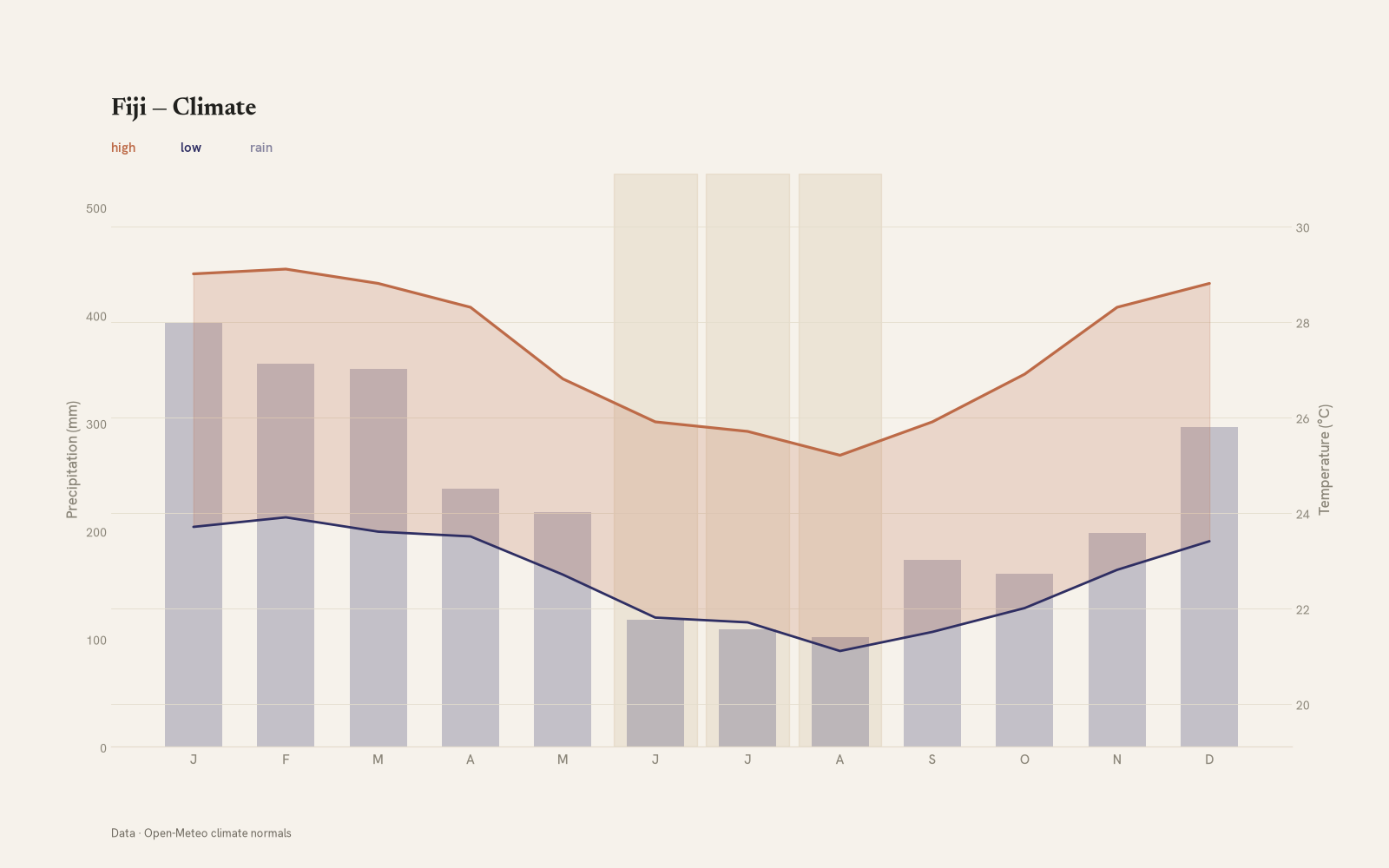
Weather & timing in Fiji RIGHT NOW 21° cloudy

Best Jun–Aug · Shoulder Sep–Nov

  1. Jan / -4°
  2. Feb / -2°
  3. Mar 12° /
  4. Apr 18° /
  5. May 24° / 14°
  6. Jun 28° / 18°
  7. Jul 30° / 20°
  8. Aug 28° / 18°
  9. Sep 24° / 14°
  10. Oct 18° /
  11. Nov 12° /
  12. Dec / -2°

Best time to visit

June – November

Best for
  • Beaches
  • Reefs
  • Island Hopping
  • Culture
At a glance
Sunshine 7 hr/day (est.)
Rain days 8 days/mo (est.)
Wettest December · 60mm
Driest June · 10mm
Part of Pacific Islands →
By season
Spring (Mar–May)

What to expect — Daytime highs average about 18°C with overnight lows near 8°C, and it stays largely dry.

What's best — A quieter, less in-demand window than the shoulder months.

Summer (Jun–Aug)

What to expect — Daytime highs average about 29°C with overnight lows near 19°C, and it stays largely dry.

What's best — Jun, Jul and Aug are among the best time to visit — good weather with manageable crowds.

Autumn (Sep–Nov)

What to expect — Daytime highs average about 18°C with overnight lows near 8°C.

What's best — Sep, Oct and Nov are comfortable, with thinner crowds.

Winter (Dec–Feb)

What to expect — Daytime highs average about 7°C with overnight lows near -3°C.

What's best — Cold and quiet; some mountain roads and sights run reduced hours.

A little context

A little history

To read what you're looking at — the empires and eras that shaped Fiji's food, art and streets.

Lapita seafarers settled Fiji around 3,500 years ago, seeding the iTaukei chiefly society still shaping village life
Ratu Cakobau ceded Fiji to Britain in the 1874 Deed of Cession
Britain shipped some 60,000 indentured Indian labourers between 1879 and 1916, permanently reshaping the demographics, religion and food
independent in 1970, with a run of coups rooted in the ethnic divide
Before you book

Know before you go

The practical back-matter — safety, drones and the essentials, in one place.

Safety

Low risk FCDO advice →

Official UK Foreign, Commonwealth & Development Office guidance is the definitive source — check it close to your travel dates.

Drone rules (sub-250g)

  • Fiji
    CAAF-regulated: all recreational operators, tourists included, must register via CAAF form OP 137 (by email in advance or at the airport); fly below 200ft in sight and 3–5km from aerodromes. ⚠ Even holiday flying needs CAAF registration under OP 137. No-fly over airports, police, military, hospitals, Parliament, national parks and gatherings, and above 200ft needs specific approval; many resorts and villages also require their own permission first. Rules checked: Jul 2026

National parks, protected sites and religious/heritage venues often have their own rules and permits — always check the specific site before you fly.

The essentials

Plug & voltage Type I · 240V
Daily budget Mid-range to expensive
Region Melanesia