Chamonix
- City
- January, February, and August
- ~approx 3–4 days
- Granite Peaks
- Glacial Tongues
- Alpine Taverns
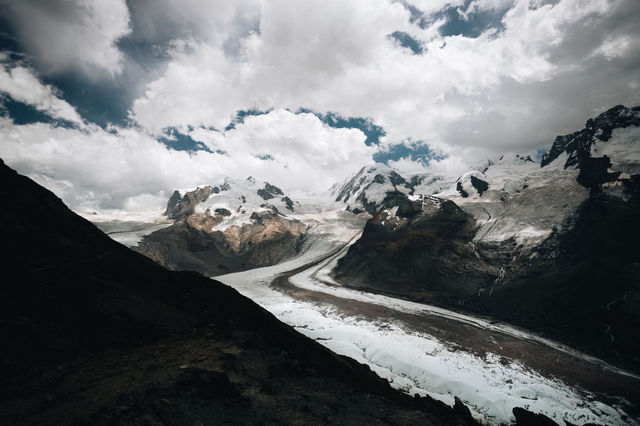
Glacial ice hangs precariously over the valley floor while technical climbers gear up in squares filled with the scent of woodsmoke and fondue.
A high-altitude outpost pinned beneath Europe's highest peak, Chamonix pairs serious mountaineering grit with casual ski-town life.
- Type
- city
- Ideal length
- ~approx 3–4 days
- Getting around
- walking + local buses
- Neighbourhoods
- 3 areas
- Best season / months
- January, February, and August
- Any traveller · Mountaineering · Snow · Nature
About Chamonix
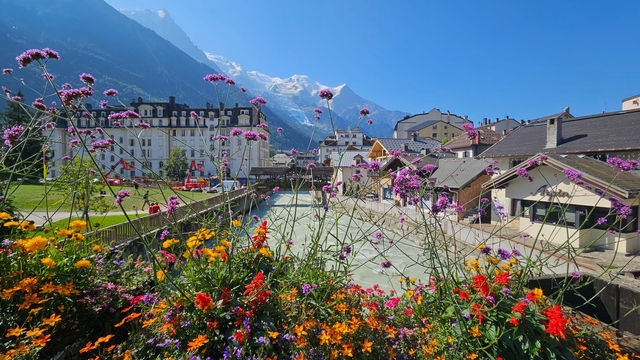
Chamonix maps out along a narrow valley carved by the Arve River, pressed flat between the sheer walls of the Mont Blanc massif to the south and the Aiguilles Rouges range to the north. The center clusters tightly around pedestrian lanes and stone bridges, prioritizing foot travel and electric valley buses over cars. The surrounding terrain rises vertically, accessed via a system of cable cars and cog railways that carry you straight from the town streets into high alpine territory.
Why go
It is the spiritual home of extreme mountaineering, offering mountain scenery and vertical access without requiring an elite expedition license to see it.
Don't miss
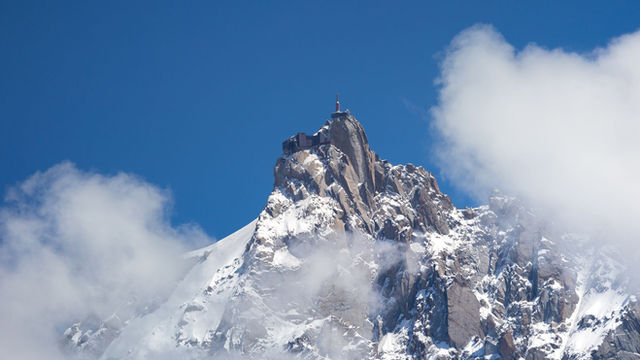
- Aiguille du Midi — ride the soaring cable car to granite spires
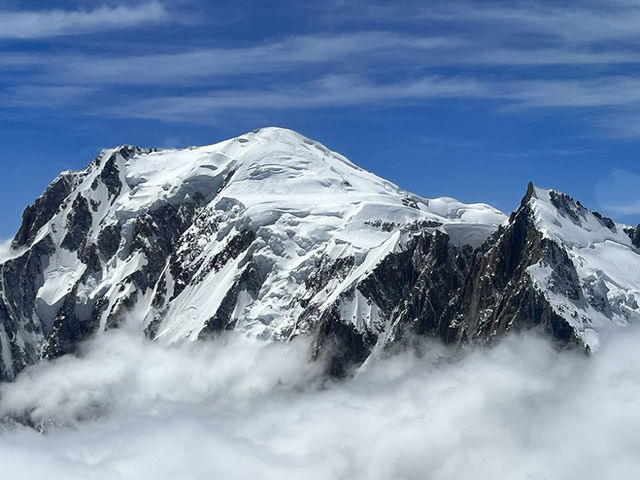
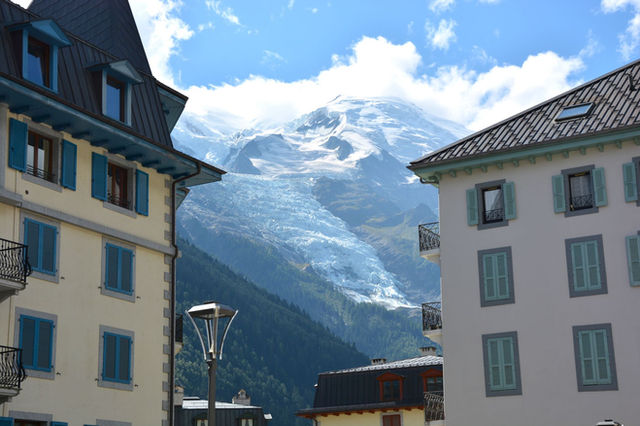
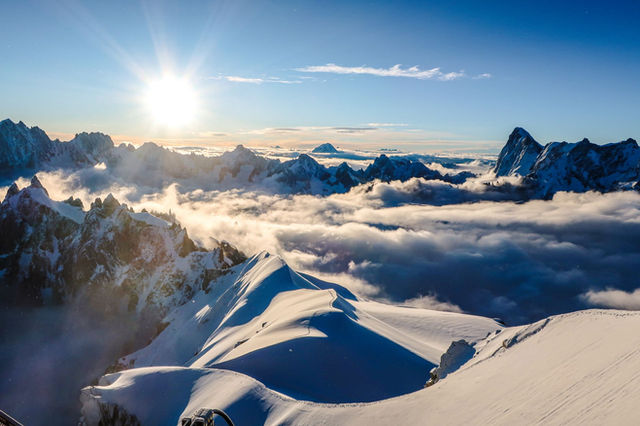
- Mont Blanc — view Europe's highest ice dome
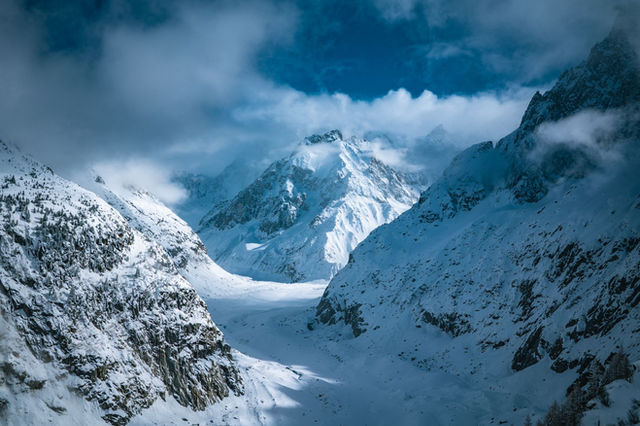
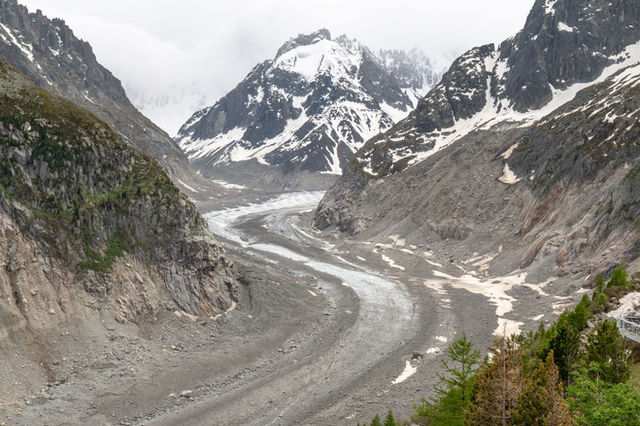
- Mer de Glace — explore the changing ice sea glacier
- Train du Montenvers — ride the red cog railway up mountain slopes
- Le Brévent — climb the sunny cable car for panorama views
Signature experiences
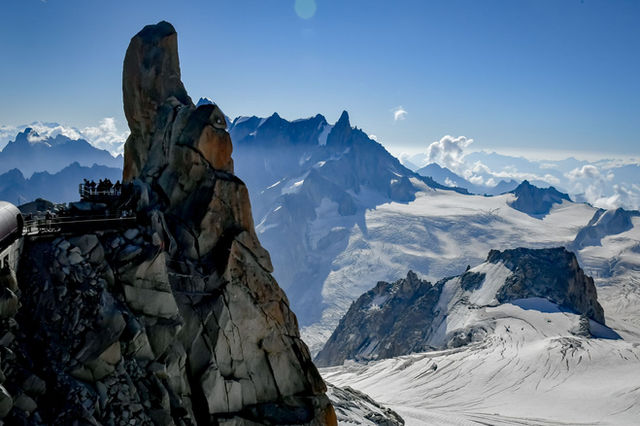
Riding into the granite skies — Board the soaring Aiguille du Midi cable car to ascend the vertical rock walls of the Mont Blanc massif. The final span crosses a deep abyss to drop you onto a high rock needle, where steel footbridges frame views of glaciers and the white dome of Mont Blanc.
Tracking glaciers on a red cog railway — Settle into the red carriages of the Train du Montenvers to climb through pine forests up the valley walls. The line finishes at an overlook facing the Mer de Glace glacier, where you can descend stone paths to walk through carved ice chambers.
Walking the sunny high balconies — Ride the cable car up to Le Brévent on the northern side of the valley to trace the Grand Balcon Sud trail. Walking this flat path gives you an unobstructed panorama of the jagged peaks opposite, far removed from the valley floor shadows.
Neighbourhoods
Chamonix neighbourhood by neighbourhood — the character of each and who it suits.
-
Chamonix-Centre
The dense retail spine of the valley hugs the river banks, packed with gear shops, historic mountain guiding offices, and outdoor bars. It carries an international mountaineering hum where technical climbers and weekend strollers share the same stone pavements.
-
Les Praz
Pushed slightly up-valley, this quieter residential sector trades the central blocks for traditional wooden chalets and open meadow views. It runs on a slower mountain pace, dominated by the jagged profiles of the surrounding peaks.
-
Argentière
Sitting near the upper head of the valley, this historic high village maintains an unpolished mountain identity favored by dedicated skiers and deep-snow chasers. Stone chalets and old barns frame a tight main street where the mountain feels immediate and raw.
Views & hidden gems
Best views
- Aiguille du Midi bridge — the steel walkway suspended between granite pinnacles framing the snowfields
- Lac Blanc — the alpine lake framing a perfect reflection of the Mont Blanc massif
- Le Brévent summit — the viewing platform offering a direct profile of the giant glaciers opposite
Hidden gems
- Cascade du Dard — a hidden waterfall tumbling through the woods near the tunnel entrance
- Gorges de la Diosaz — a wooden boardwalk path fixed to narrow river canyon walls down-valley
- Chalet du Chapeau trail — a quiet path leading to a rustic lookout facing the ice fall remains
Food & drink
The food scene celebrates heavy mountain sustenance, built on melted cheese, cured pork, and mountain potatoes. The pedestrian alleys branching off Avenue Michel Croz host the liveliest local taverns, steering clear of overpriced hotel dining rooms. Après-ski drinking culture is a major local sport, running on regional craft beers and shots of herbal Genépi poured in bars that stay packed long after the lifts close.
- Fondue Savoyarde — a pot of melted local cheeses cooked with white wine and garlic
- Tartiflette — a hearty potato bake topped with lardons and melted Reblochon cheese
- Farçon — a traditional potato cake flavored with bacon, prunes, and raisins
- Genépi — a strong alpine liqueur distilled from mountain herbs
- Raclette — a wheel of raw cheese melted over boiled potatoes and cured meats
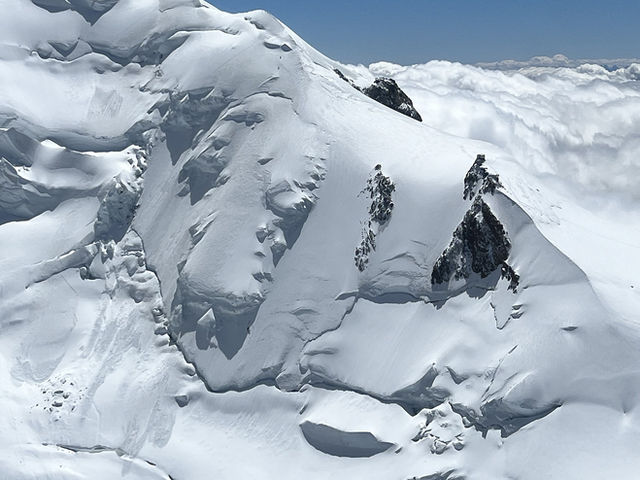
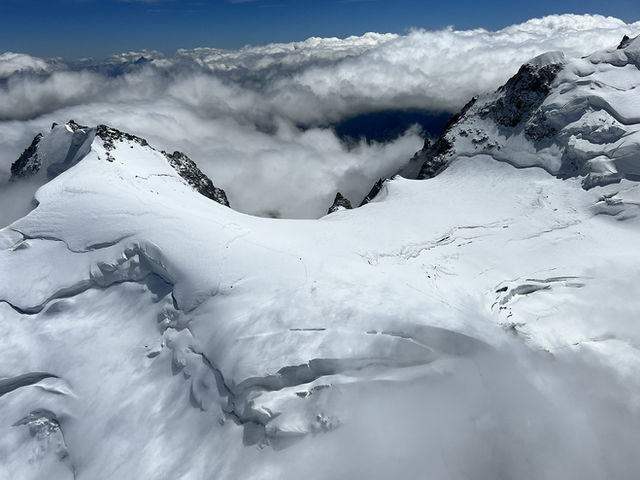
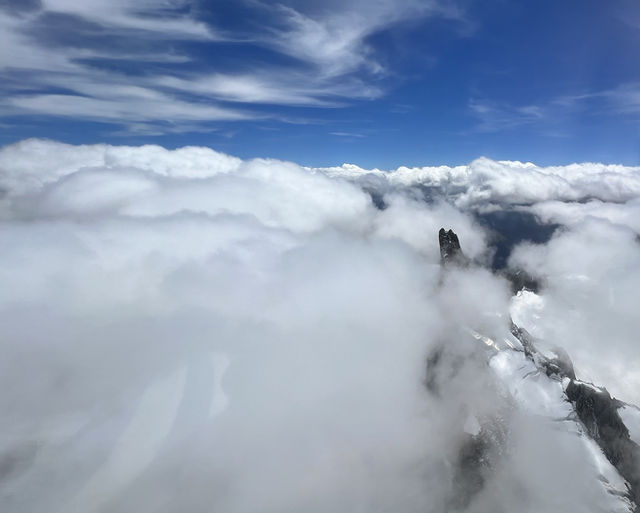
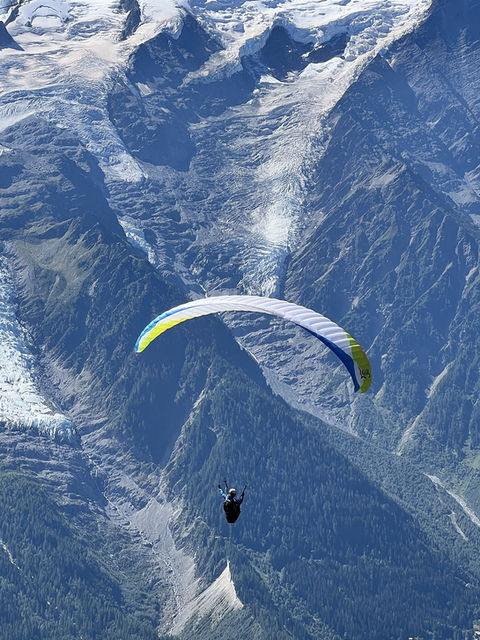
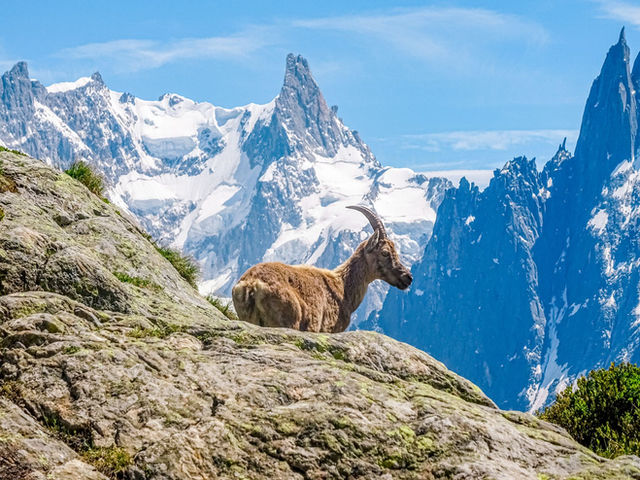
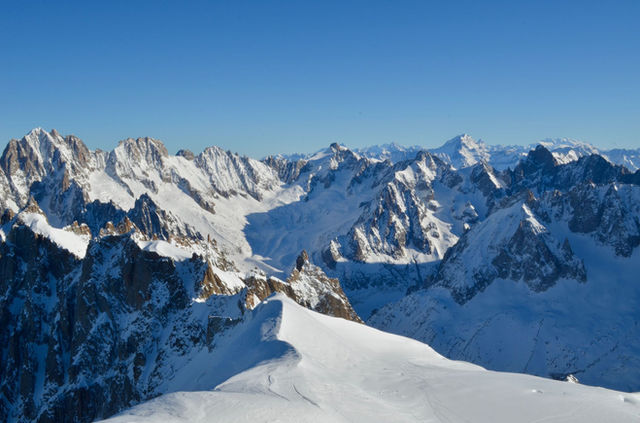
Chamonix in photos
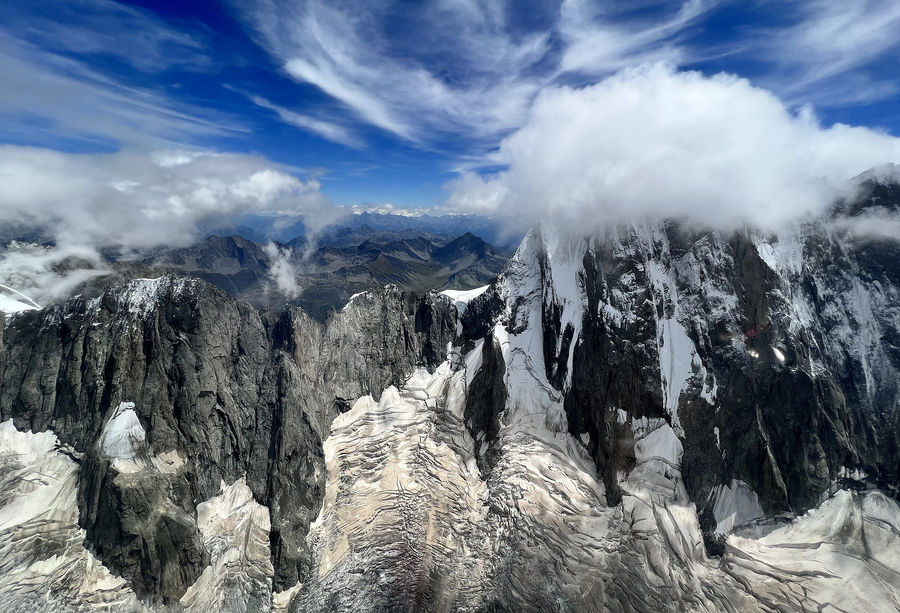
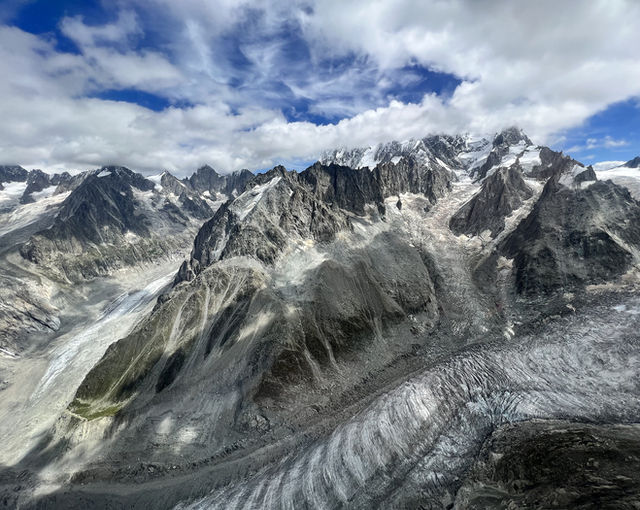
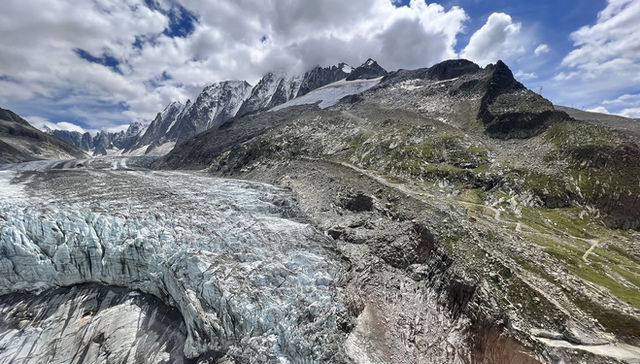
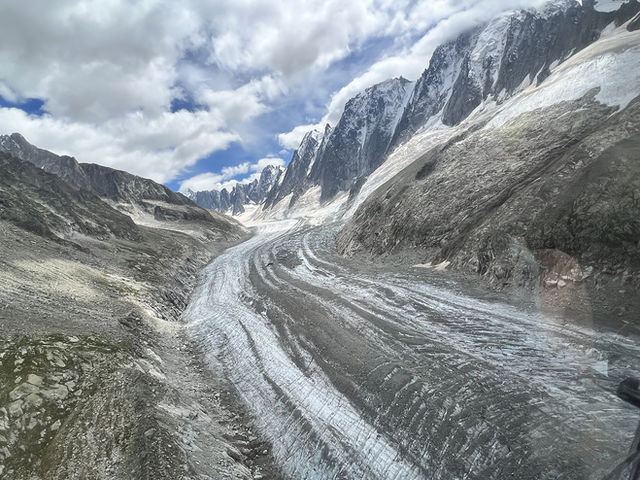
Where you'll stay in Chamonix
Base yourself in Chamonix-Centre if you want to walk out your door straight into morning bakeries, gear shops, and bars, though you will pay a premium and face late-night noise. Choose a spot up-valley in Les Praz or Argentière for traditional wooden chalets, easier car parking, and immediate access to the steepest ski lifts. Avoid staying far down-valley near Les Houches if you want to feel the immediate pedestrian energy of the main mountaineering hub, as you will rely heavily on transit schedules.
Hotels & rentals around Chamonix
Pan, zoom and compare live prices — every stay in one map.
Getting around Chamonix
The center is highly dense and walkable; you can cross the core on foot in ~approx 15 min. The local Chamonix Bus network and the Mont-Blanc Express train loop the valley floor frequently. A car is an absolute liability due to limited parking and snowy mountain tracks.
Ride the Mont-Blanc Express train to cross from Chamonix-Centre up to Argentière in ~approx 15 min, or follow the flat pedestrian valley path.
Insider tips
- The multi-day lift pass includes the Train du Montenvers and the Aiguille du Midi cable car, making it cheaper than buying separate excursion tickets.
- The valley shadow swallows Chamonix-Centre early in the afternoon during winter; head to the south-facing slopes of Le Brévent to catch the last rays of sun.
While you're there
-
 3 OCT Cultural & Traditions See the event →
Explore the area
Local attractions & tours
Skip-the-line tickets and small-group tours in Chamonix — compare across our partners.
We're still curating hand-picked tickets and tours for Chamonix. In the meantime, the map above and the nearby cities are a great place to start.
When to visit Chamonix
January, February, and August
Spring
What to expect — Snow retreats up the slopes, wildflowers reclaim the valley meadows, and the high cable cars close briefly for seasonal maintenance. Trails can be muddy from mountain snowmelt, but visitor numbers drop sharply.
What's best — Catching late-season ski runs in morning sun before drinking coffee on quiet town terraces.
Summer
What to expect — The valley fills with international trail runners and mountain climbers tackling high routes under clear skies. It gets intensely busy, and the main town lanes turn into a total human bottleneck; if you hate packed streets, swap August for a quieter June trip.
What's best — Hiking the high balcony trails when the mountain paths are clear of snow and daylight stretches late.
Autumn
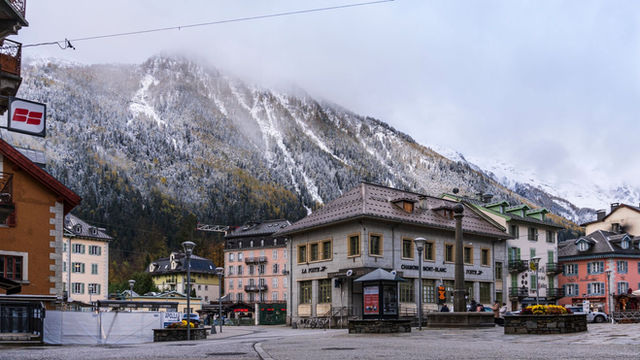
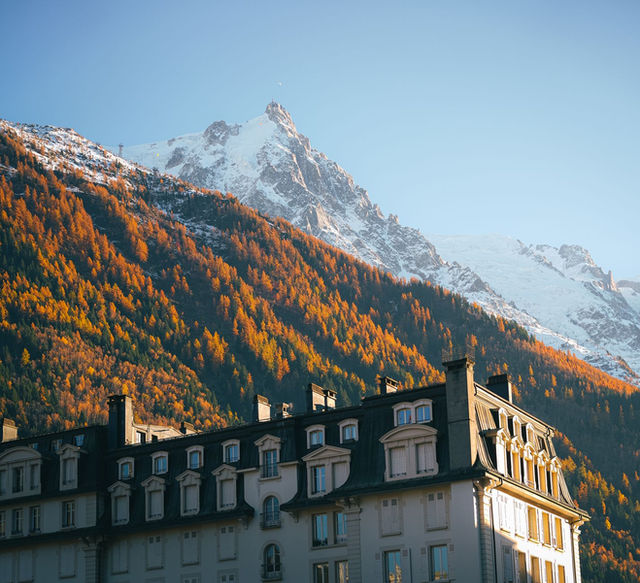
What to expect — The larches turn bright gold, a crisp chill settles into the valley mornings, and the first light dustings of winter snow coat the granite spires. Tourism drop-offs mean zero wait times at major cable cars.
What's best — Photography days along the high paths when the autumn light paints the massifs in deep amber tones.
Winter
What to expect — The valley goes into peak snow season, turning the town into an energetic hub of skiers and snowboarders. Lift lines can be long on powder mornings, and frozen ice can turn the pedestrian cobblestones slippery.
What's best — Cruising mountain trails and returning to wood-fired taverns filled with the scent of melted cheese.
Know before you go
Honest swaps
Skip the crowded terraces on Place Balmat → grab a sandwich from a local bakery and picnic on the riverbanks at Parc des Gaillands instead.
Skip the expensive scenic helicopter rides → ride the Aiguille du Midi cable car to stand right among the high peaks at a fraction of the cost.
Crowds & timing
Mid-morning brings massive queues to the Aiguille du Midi cable car station. Dodge the bottleneck by booking your boarding number online days ahead and taking the first departure of the morning, saving the valley walks for the afternoon rush.
Local rules & etiquette
The high alpine trails are strictly protected; leaving the marked tracks or dropping trash in the nature reserve will result in heavy fines. Pedestrian paths inside the center can become slicker than glass after an overnight freeze; leave smooth shoes at home.
Money
Cards are standard at all ticket windows and gear shops, but carry cash coins for small mountain huts. Avoid the unbranded ATMs near the main tourist parking garages to escape high transaction fees.
After dark
Nightlife splits neatly by style: Chamonix-Centre drives the noisy après-ski pub scene, Argentière runs on unpretentious local taverns, while Les Praz goes completely to bed early.
Getting there
Fly into Geneva Airport (GVA) across the Swiss border, then take a direct mountain shuttle bus straight to Chamonix Centre (~approx 60 min). Regional trains also arrive at Gare de Chamonix-Mont-Blanc in the center.
Ready to book your trip?
Flights, airport transfers and car hire — search and compare without leaving the page.
More trip extras
Parking, holiday extras, and more — coming soon.
We're lining up parking, holiday extras and activities you'll be able to add to any trip from here.