Colmar
- City
- May, June, and December
- ~approx 1–2 days
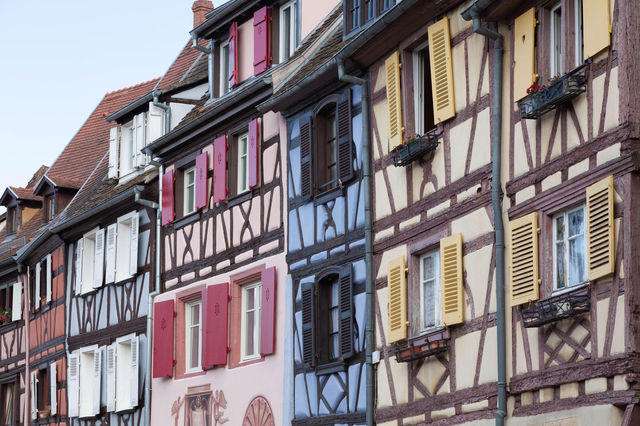
- Half-Timbered Lanes
- Canal Networks
- Crisp Gewurztraminer
Wisteria drops over green canal waters while the smell of baking tarts cuts through the crisp morning mountain air.
A fairytale town in the Alsatian plain, Colmar mixes German wood-frame aesthetics with French culinary precision.
- Type
- town
- Ideal length
- ~approx 1–2 days
- Getting around
- walking + local buses
- Neighbourhoods
- 2 districts
- Best season / months
- May, June, and December
- Any traveller · Architecture · Wine · History
About Colmar
Colmar sits flat against the base of the Vosges Mountains, shaped by the Lauch River cutting through its core. The town is built tight, defined by its preserved medieval center where half-timbered houses lean over narrow stone channels. It expands from the old merchant core into quieter residential blocks, keeping its historic sections completely walkable and entirely free from modern automotive rush.
Why go
It packs the ultimate concentration of Alsatian timber architecture and a world-class renaissance art collection into a dense, walkable town center.
Don't miss
- Musée Unterlinden — see the famous Isenheim Altarpiece
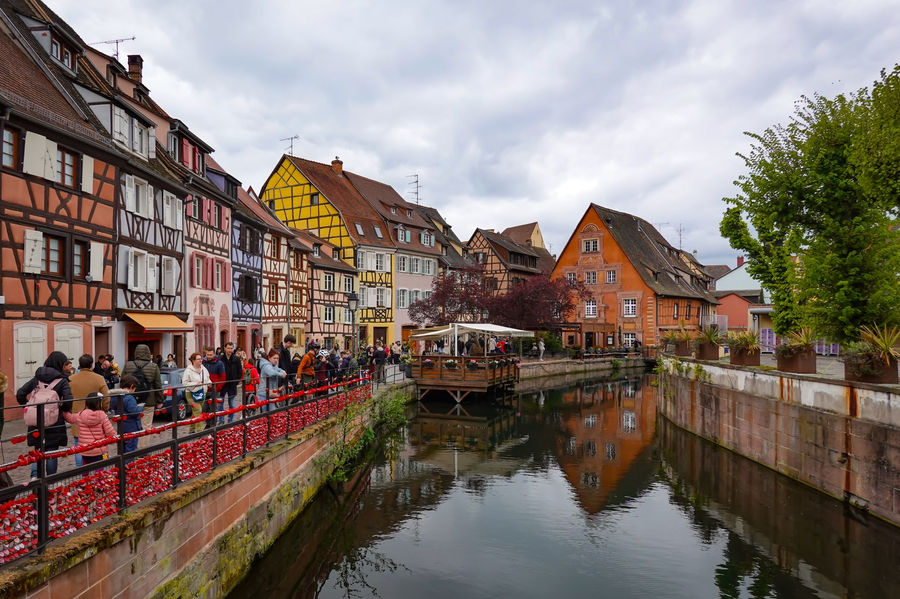
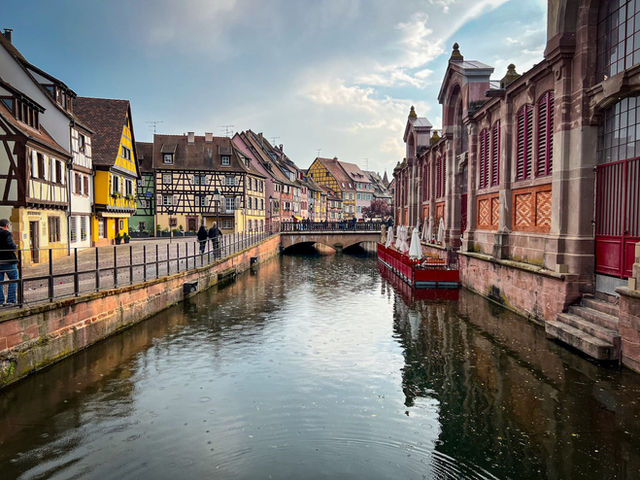
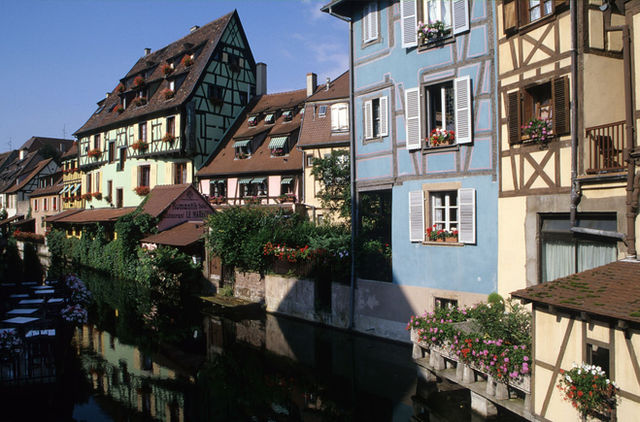
- La Petite Venise — walk the picturesque canal paths
- Maison Pfister — admire the ornate medieval wooden balcony
- Collégiale Saint-Martin — gaze at the gothic sandstone church
- Koïfhus — explore the historic old custom house
Signature experiences
Art days inside a gothic convent — Step through the stone cloister of the Musée Unterlinden to view its renaissance collections. The gallery anchors on the monumental Isenheim Altarpiece, letting you examine the vivid emotional details of the panels in quiet, vaulted rooms.
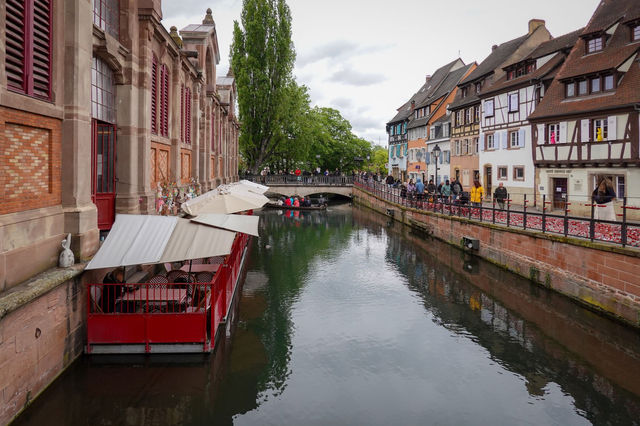
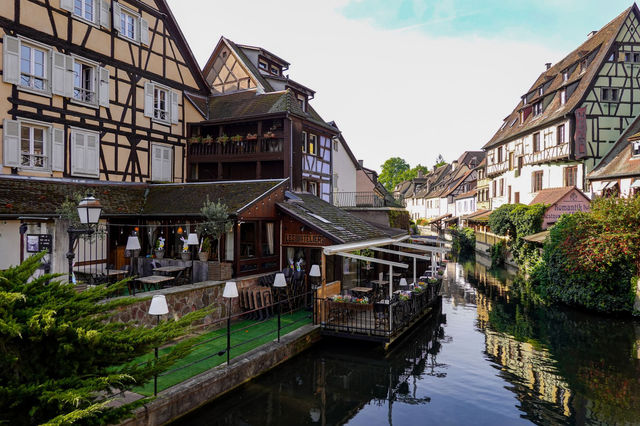
Canal pacing past timbered walls — Spend an afternoon following the stone quays of La Petite Venise, tracing where the old tanners and fishermen unloaded their cargo. Watch flat-bottomed boats navigate the shallow currents while standing on the low iron footbridges.
Wine grazing in old merchant halls — Squeeze through the stone arches of the Koïfhus, the town's fourteenth-century custom house. The surrounding squares host local wine counters where you can sample crisp white varieties grown on the nearby Vosges slopes.
Neighbourhoods
Colmar neighbourhood by neighbourhood — the character of each and who it suits.
-
Petite Venise
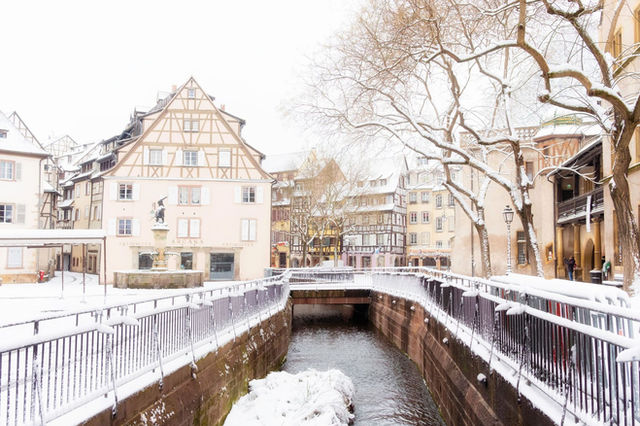
This historic river quarter is defined by rows of bright half-timbered houses reflecting off the slow-moving Lauch River. It holds an old-world merchant charm where willow trees drape over water locks and flat-bottomed boats glide under stone footbridges.
-
Vieux Colmar
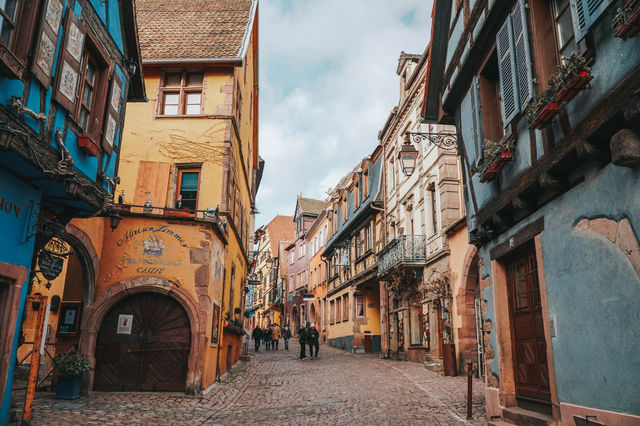
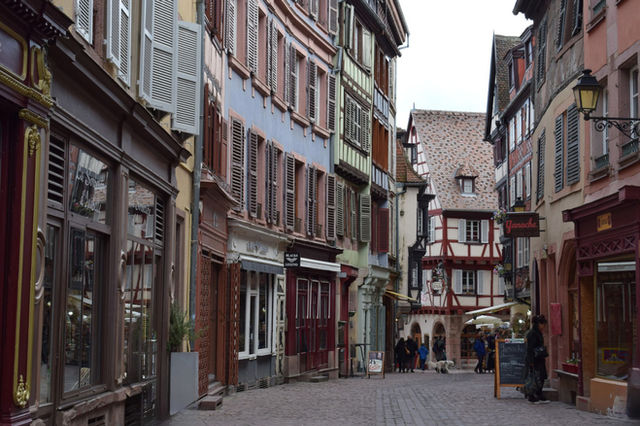
The dense civic heart of the town is a maze of cobblestone alleys, grand renaissance mansions, and wide tavern plazas. Maison Pfister famously inspired the architectural style of the fictional buildings portrayed in Howl's Moving Castle.
Views & hidden gems
Best views
- Pont de la Rue des Écoles — the classic bridge view framing the pastel houses of Petite Venise over the water
- Rue des Tanneurs lookouts — high timbered angles looking down the narrow canyon of old drying lofts
- Collégiale Saint-Martin square — the open plaza framing the multi-colored tile patterns on the church roof
Hidden gems
- Maison des Têtes courtyard — a quiet stone yard hidden inside a Renaissance building covered in sculpted heads
- Rue de l'Ours alley — a narrow backstreet that escapes the main shopping crush
- Ancien Corps de Guarde loggia — a small ornate balcony attached to the old police house
Food & drink
The food scene focuses on heavy, comforting Alsatian kitchen craft, driven by pork fat, cabbage, and rich pastry shells. The alleys surrounding Vieux Colmar and the lanes flanking the river host excellent independent taverns, avoiding the overpriced setups directly facing the main church doors. White wine is the undisputed baseline of the local drinking culture, with town cellars showcasing the deep aromatics of regional estates.
- Flammekueche — a thin dough base spread with cream, onions, and smoked bacon lardons
- Choucroute Alsacienne — fermented cabbage simmered with white wine and piled high with local pork cuts
- Gewurztraminer — the highly aromatic, spice-tinted local white wine poured throughout the town
- Kougelhopf — a tall, fluted yeast cake flavored with almonds and raisins
- Baekeoffe — a slow-cooked meat casserole layered with potatoes and local wine
Colmar in photos
Where you'll stay in Colmar
Base yourself inside Vieux Colmar if you want to walk out your door straight into historic squares and morning bakeries, though you will trade off car access and pay a premium for space. Choose a spot near Petite Venise for quiet canal views and easy afternoon strolls along the water. Avoid staying too far west near the outer commercial avenues by the autoroute, as these sterile strips lose all of the town's timbered charm.
Hotels & rentals around Colmar
Pan, zoom and compare live prices — every stay in one map.
Getting around Colmar
The center is completely walkable and dense; you can cross the entire old town on foot in ~approx 15 min. A network of local buses run by Trace handles longer trips to the outskirts, and a car is an absolute liability.
Walk straight through Rue des Tanneurs to move from Vieux Colmar down to Petite Venise in ~approx 5 min.
Insider tips
- The local covered market closes early on certain weekdays; check the local notices before planning an afternoon food run.
- Driving or parking inside the historic core is practically impossible due to pedestrian barriers; use the free peripheral car parks outside the old ring road.
While you're there
-
 3 OCT Cultural & Traditions See the event →
Explore the area
Local attractions & tours
Skip-the-line tickets and small-group tours in Colmar — compare across our partners.
We're still curating hand-picked tickets and tours for Colmar. In the meantime, the map above and the nearby cities are a great place to start.
When to visit Colmar
May, June, and December
Spring
What to expect — Geraniums return to window boxes, the canal paths fill with fresh leaves, and the air is crisp, though spring rain can turn the old cobblestones slick. Crowds remain thin before the summer vacation surge.
What's best — Exploring the open rooms of the Musée Unterlinden without wrestling with tour group queues.
Summer
What to expect — Sun bakes the narrow streets, and the town center turns into a dense pedestrian bottleneck of international travelers. If you hate crowded paths, skip August entirely and swap it for a quieter June visit.
What's best — Sitting out under the stone arcades late into the evening for wine tastings.
Autumn
What to expect — The hillsides of the Vosges turn deep orange, and the wine harvest fills regional cellars with fresh vintages. Evenings cool down quickly, shifting the public life indoors.
What's best — Squeezing into a cozy winstub to eat hot flammekueche when the crisp air matches the heavy cooking.
Winter
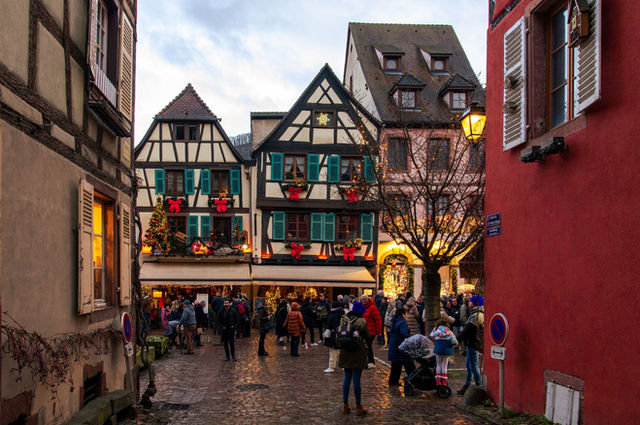
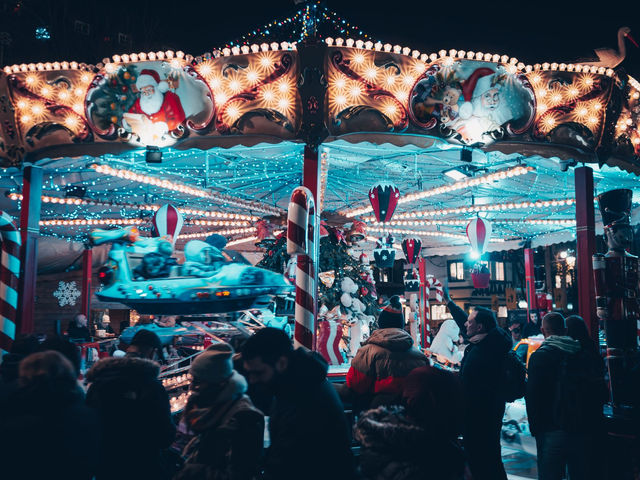
What to expect — The town goes into holiday overdrive during December for its massive Christmas markets, packing the lanes to absolute capacity. If you want a quiet experience, visit in late January when the decorations come down and the streets empty out.
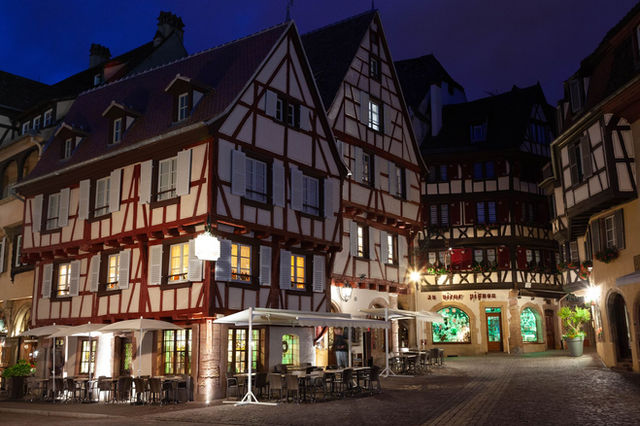
What's best — Seeing the timbered facades light up under winter night skies when the cold air carries the smell of woodsmoke.
Know before you go
Honest swaps
Skip the tourist restaurants right on Place de la Cathédrale → walk five minutes into the back alleys of the old tanners quarter to find an authentic local winstub.
Skip the motorized mini-train tour → explore the compact lanes entirely on foot to catch details the vehicles miss.
Crowds & timing
Midday brings a heavy wave of day-trippers from larger regional rail hubs. Dodge the worst of the bottleneck by heading to Petite Venise at dawn for clear photos, saving the indoor museum galleries for the peak afternoon rush.
Local rules & etiquette
The ancient cobblestones turn incredibly slick during sudden downpours; leave smooth leather soles at home. Keep voices down when exploring the narrow residential lanes of Petite Venise after dark, as sounds echo off the water.
Money
Card payment is standard almost everywhere, but keep coins handy for independent market stalls. Avoid the generic, unbranded ATMs standing right near the main tourist canal bridges to escape high transaction fees.
Getting there
Fly into EuroAirport Basel-Mulhouse-Freiburg (BSL), then catch the direct regional train to Gare de Colmar (~approx 45 min). The rail station sits a short walk west of the historic center.
Ready to book your trip?
Flights, airport transfers and car hire — search and compare without leaving the page.
More trip extras
Parking, holiday extras, and more — coming soon.
We're lining up parking, holiday extras and activities you'll be able to add to any trip from here.