Historic Site of Lyon
France's gastronomic capital — Roman ruins, Renaissance quarters and hidden 'traboule' passageways.
- City
- May, June, and September
- ~approx 3–4 days
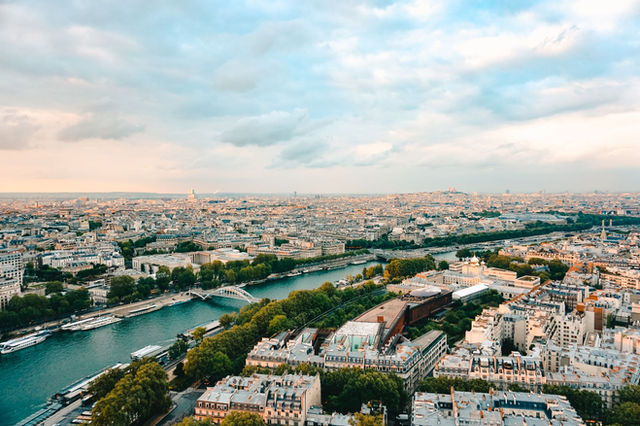
Photo by Diogo Nunes / Unsplash
- River Peninsulas
- Hidden Passageways
- Culinary Heavyweights
The smell of slow-simmered pork drifts out of low-ceilinged taverns while the golden facade of the hilltop basilica catches the late light over the rooftops.
A double-river metropolis built on silk-weaving history, Lyon traded Parisian flash for deep culinary gravity and steep secret stairways.
- Type
- City
- Ideal length
- ~approx 3–4 days
- Getting around
- metro + funicular
- Neighbourhoods
- 4 areas
- Best season / months
- May, June, and September
- Any traveller · Food · Architecture · History
About Historic Site of Lyon
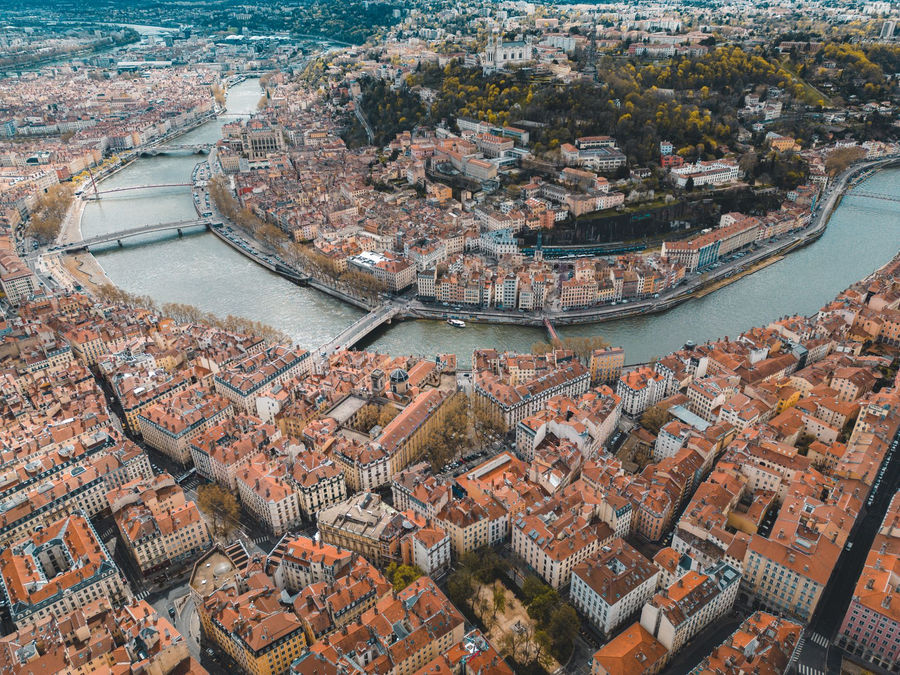
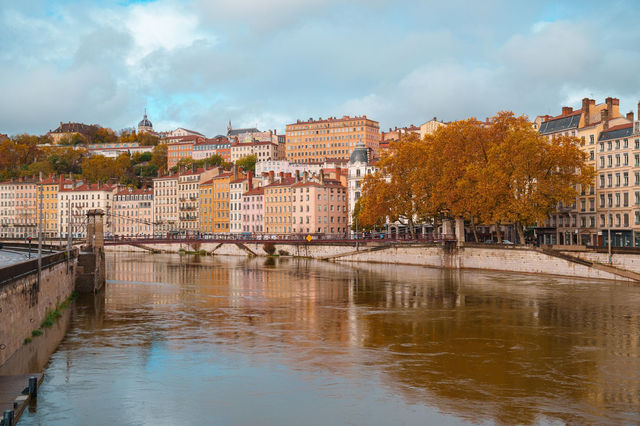
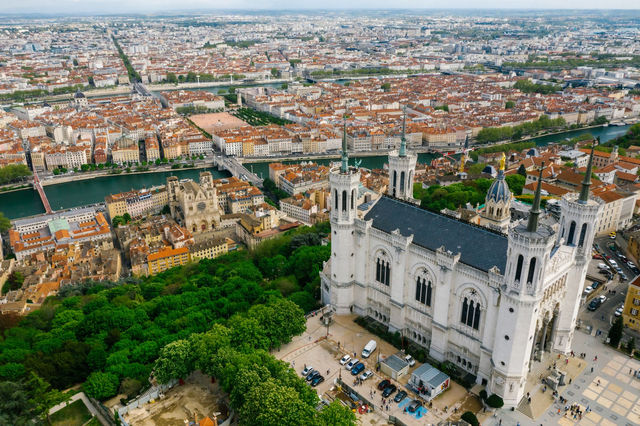
Lyon unfolds across two major rivers, the Rhône and the Saône, creating a distinct three-part geography. On the steep west bank of the Saône rises Fourvière hill and the medieval alleyways of Vieux Lyon. The flat peninsula between the waters—the Presqu'île—holds the civic squares, while the northern slopes of Croix-Rousse track the historic silk-weaving trade, all linked by an efficient underground metro and funicular rail system.
Why go
It is the undisputed culinary capital of France, offering architectural depth without the exhausting museum queues or haughtiness of Paris.
Don't miss
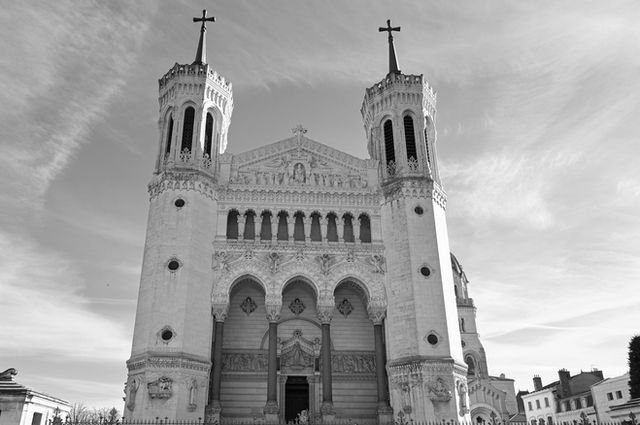
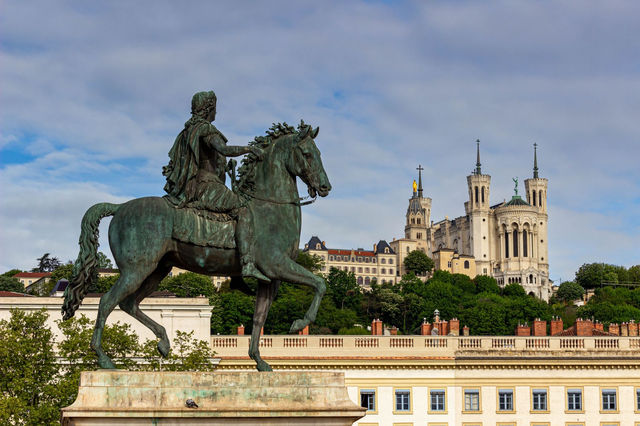
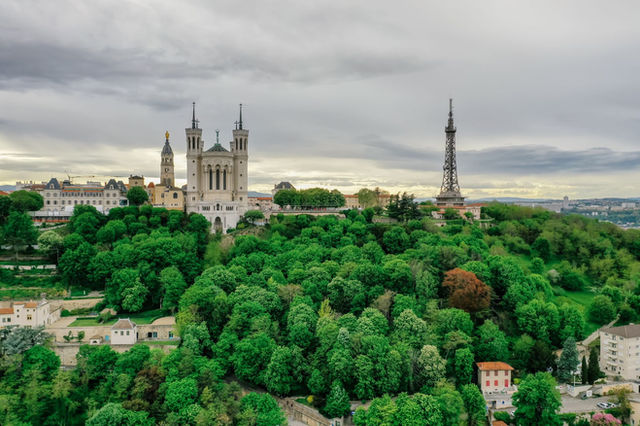
- Basilique Notre-Dame de Fourvière — climb the hill for panoramic views
- Traboules du Vieux Lyon — navigate the secret Renaissance passageways
- Les Halles de Lyon Paul Bocuse — graze through the premier indoor market
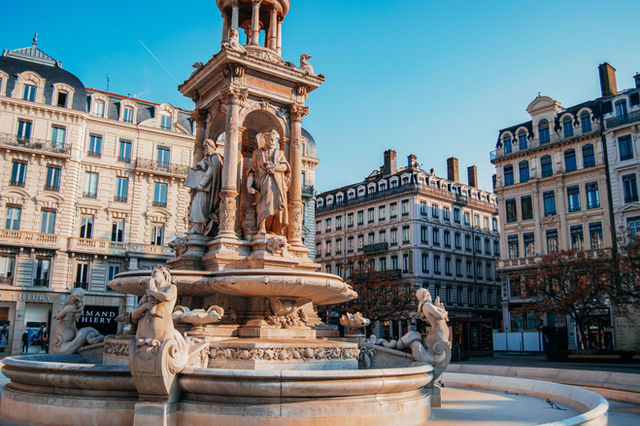
- Place Bellecour — walk the massive red-gravel square
- Parc de la Tête d'Or — escape into the vast park
Signature experiences
Navigating the secret Renaissance networks — Slip behind ordinary street doors in Vieux Lyon to trace the traboules, the hidden covered passageways built for silk merchants. These tunnels lead into quiet spiral-staircase courtyards before spitting you out onto parallel streets.
Dining inside traditional bouchons — Grab a table in the cramped, wood-paneled taverns known as bouchons around Presqu'île. These spaces bypass modern food trends, serving traditional offal, heavy sausages, and carafes of local wine directly on checkered tablecloths.
Hilltop climbs and panoramic vistas — Ride the ancient funicular rail up Fourvière hill to stand outside the Basilique Notre-Dame de Fourvière. The terrace looks straight down over the roofs of the old town, providing a clear map of the two rivers cutting through the city.
Market grazing along food stalls — Spend a morning exploring Les Halles de Lyon Paul Bocuse, the grand indoor food temple named after the city's legendary chef. Sidle up to cheese counters or oyster bars to sample regional products alongside resident food lovers.
Neighbourhoods
Historic Site of Lyon neighbourhood by neighbourhood — the character of each and who it suits.
-
Vieux Lyon
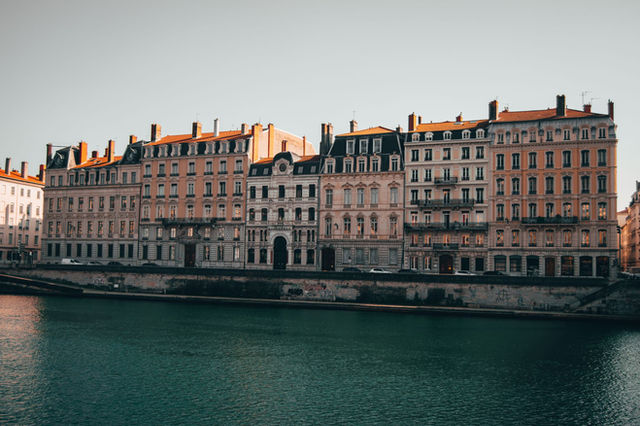
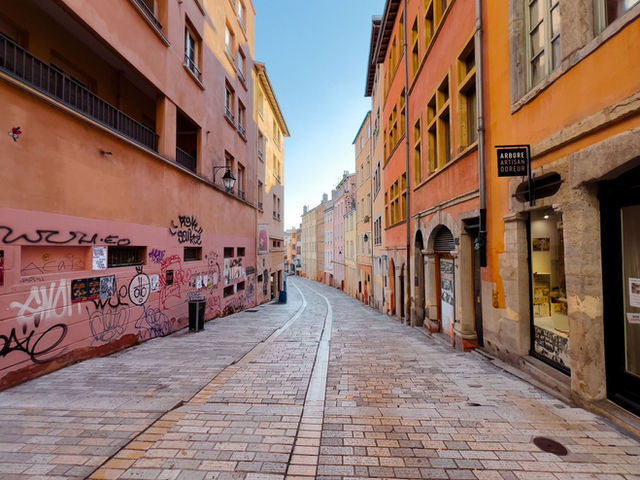
Sitting along the west bank of the Saône, this Renaissance district is a dense grid of cobblestones, narrow courtyards, and terracotta facades. It feels old and heavy, retaining the shadow of its merchant past beneath the cliffs.
-
Presqu'île
The flat peninsula between the two rivers serves as the urban engine of the city, lined with grand nineteenth-century buildings and massive pedestrian plazas. It switches between high-end shopping strips and lively terrace culture.
-
Croix-Rousse
Climbing the steep northern slopes, this neighborhood retains a proud, independent working-class identity born from the silk workers who once ran the looms here. High-ceilinged apartments now house coffee roasters, artist workshops, and daily street markets.
-
Confluence
Occupying the southern tip of the peninsula where the rivers collide, this former industrial port is a playground of striking modern architecture and glass facades. It offers an edgy, sharp contrast to the historic stone core.
Views & hidden gems
Best views
- Fourvière Terrace — the classic panorama overlooking the entire city skyline
- Jardin des Curiosités — a quiet park on the edge of the western cliffs framing the southern districts
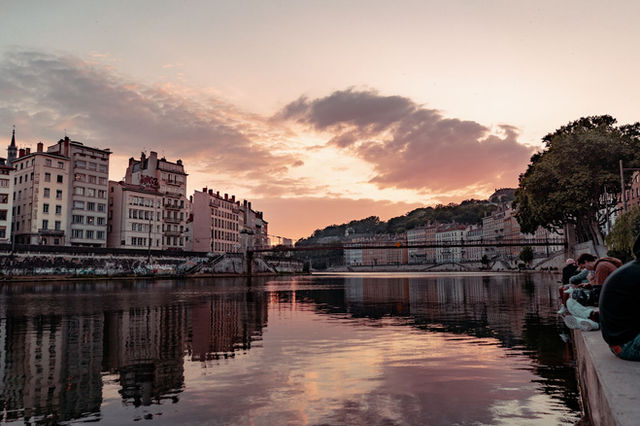
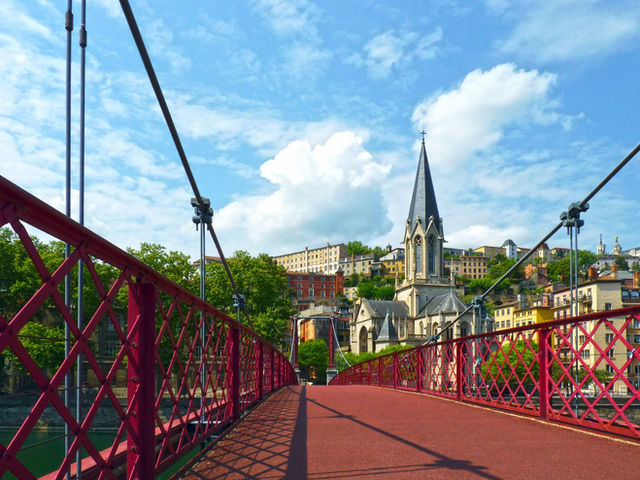
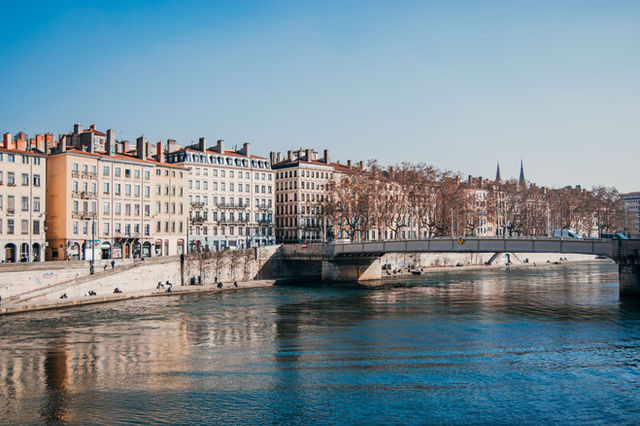
- Passerelle Saint-Georges — the footbridge across the Saône framing the old town waterfront
Hidden gems
- Cour des Voraces — a striking six-story staircase hidden inside a Croix-Rousse traboule
- Jardin Rosa Mir — a strange, quiet courtyard crafted entirely from stone and shells
- Institut Lumière winter garden — the historic birthplace of cinema tucked away in the Monplaisir quarter
Food & drink
Food here is serious business, rooted in heavy pork products, rich sauces, and fresh dairy from the surrounding countryside. The dense network of streets around Rue Mercière in Presqu'île hosts a high concentration of dining options, though the best independent culinary craft happens in the rising bistros of the seventh arrondissement. Drinking focuses heavily on wine, situated right between the vineyards of Beaujolais to the north and the deep syrahs of the Côtes du Rhône to the south.
- Quenelle de brochet — a light creamed pike dumpling baked in a rich crayfish sauce
- Saucisson de Lyon — a cured pork sausage often studded with pistachios or truffles
- Tarte aux pralines — a pastry tart filled with pink pralines
- Cervelle de canut — a fresh herbed cheese spread served with crusty bread
- Beaujolais — the fruity red wine poured throughout the city
Historic Site of Lyon in photos
Where you'll stay in Historic Site of Lyon
Stay in Vieux Lyon if you want historic character out your door, though you will battle daytime bottlenecks and narrow, dark ground floors. For central access, major transport nodes, and late-night dining options, look to Presqu'île near the Cordeliers metro line. If you prefer a village atmosphere with morning coffee culture and steep walks, base yourself up in Croix-Rousse. Avoid staying near Gare de la Part-Dieu unless business demands it, as the commercial skyscraper district loses all of Lyon's riverfront charm.
Hotels & rentals around Historic Site of Lyon
Pan, zoom and compare live prices — every stay in one map.
Getting around Historic Site of Lyon
The TCL network runs four metro lines, multiple tramways, and two funicular routes. The city center is highly walkable, though the hills require strong legs. A car is an absolute liability due to narrow one-way streets and scarce parking.
Ride Métro Line D to cross beneath the river from Vieux Lyon to Presqu'île in ~approx 5 min, or catch Métro Line C to head straight up the steep slope into Croix-Rousse.
Insider tips
- The local public transit ticket works across the metro, trams, buses, and the steep funicular lines up the hill, so do not buy a separate train ticket for the climb.
- Many traditional bouchons shut down on Sundays and Mondays; plan your weekend meals ahead to avoid falling into tourist traps.
While you're there
-
 3 OCT Cultural & Traditions See the event →
Explore the area
Local attractions & tours
Skip-the-line tickets and small-group tours in Historic Site of Lyon — compare across our partners.
We're still curating hand-picked tickets and tours for Historic Site of Lyon. In the meantime, the map above and the nearby cities are a great place to start.
Trips in Historic Site of Lyon
Day-by-day itineraries that take in Historic Site of Lyon — routes, timings and what to book.
-
 13 Nights
 The High-Speed Grand Tour: A 14-Day Car-Free Journey Across France
Experience a sweeping cultural journey through France entirely by rail, connecting the iconic avenues of Paris to the sun-drenched coast of the Riviera. This masterfully timed itinerary links world-class wine regions, historic river valleys, and Roman heritage without the need for a rental car.
Price on enquiry
View trip
When to visit Historic Site of Lyon
May, June, and September
Spring
What to expect — The terrace tables return to the plazas, park lawns turn green, and the river paths fill with runners. Morning air remains crisp, but you avoid the heavy summer tour crowds.
What's best — Walking the steep slopes of Croix-Rousse before the summer heat makes the climb exhausting.
Summer
What to expect — The valleys get hot and humid, trapping heat between the hills, prompting locals to leave for the coasts in August when some independent bakeries shut down. If you struggle with heat, swap July for a late September visit instead.
What's best — Drinking cold wine on the floating barge bars lined up along the Rhône banks late into the evening.
Autumn
What to expect — Golden light hits the stone facades, wine harvests bring fresh bottles to the taverns, and the markets fill with autumn mushrooms. Evenings turn chilly quite quickly.
What's best — Indulging in the heavy, rich stews of the local bouchons when the cooler weather actually justifies the calories.
Winter
What to expect — A damp, biting chill rolls off the rivers, and grey fog can obscure the hilltop views. The massive Festival of Lights in early December packs the city to capacity, requiring bookings months ahead.
What's best — Watching the old town squares transform under winter lighting and escaping into cozy, candlelit dining rooms.
Know before you go
Honest swaps
Skip the tourist-heavy restaurants on Rue Saint-Jean → head to the backstreets of the Presqu'île to find an authentic, certified bouchon.
Skip the expensive tourist boat cruise → use the local Vaporetto water bus to travel down the Saône for a cheap river view.
Crowds & timing
The main traboules in Vieux Lyon clog with tour groups by mid-morning. Push through the heavy doors early around breakfast time to experience the quiet resonance of the stone staircases in solitude.
Local rules & etiquette
When entering a traboule, remember these are active residential buildings; keep voices to a whisper and do not leave trash on the stairs. Certified bouchons display an official sticker of a puppet character named Gnafron to prove authenticity.
Money
Cards are standard even for small market items, but carry a little cash for small bakeries. Avoid the independent ATMs near the main tourist hubs to dodge bad exchange rates.
After dark
Nightlife splits neatly by style: the docks of Confluence host electronic music clubs inside old warehouses, the Presqu'île runs on late-night cocktail bars, and the slopes of Croix-Rousse favor quiet pubs.
Getting there
Fly into Lyon-Saint Exupéry Airport (LYS), then take the Rhônexpress train directly to Gare de Lyon-Part-Dieu (~approx 30 min). Long-distance trains arrive at either Gare de Lyon-Part-Dieu on the east side or Gare de Lyon-Perrache at the base of the peninsula.
Ready to book your trip?
Flights, airport transfers and car hire — search and compare without leaving the page.
More trip extras
Parking, holiday extras, and more — coming soon.
We're lining up parking, holiday extras and activities you'll be able to add to any trip from here.