Marseille
- City
- May, June, and September
- ~approx 3–4 days
- Salty Docks
- Gritty Alleys
- Heavy Pastis
The mistral wind whips across the old harbor while scooters roar past yellowing limestone facades caked in graffiti and sea salt.
A rebellious maritime metropolis carved into Mediterranean cliffs, Marseille balances salt-crusted history with fierce North African grit.
- Type
- city
- Ideal length
- ~approx 3–4 days
- Getting around
- metro + tram
- Neighbourhoods
- 4 areas
- Best season / months
- May, June, and September
- Any traveller · Food · Culture · Maritime
About Marseille
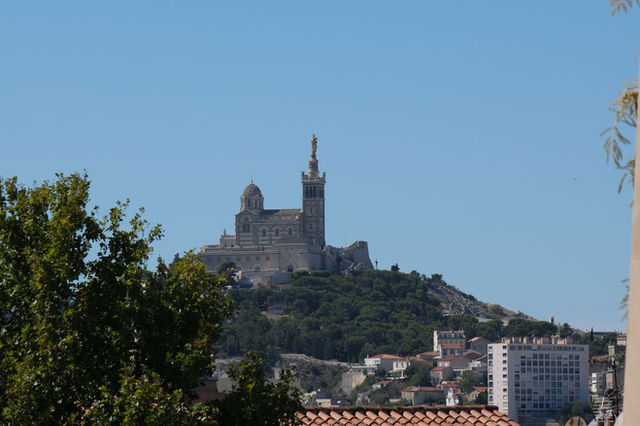
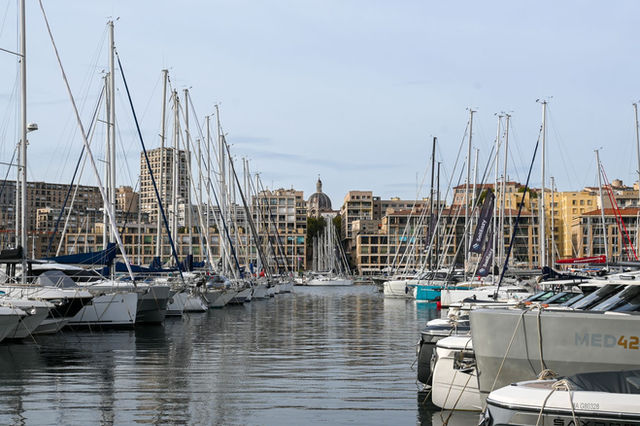
Marseille loops around the massive blue tongue of the Vieux-Port, its historical and emotional center. The city climbs steeply northward into the ancient, narrow steps of Le Panier, breaks eastward into the aromatic spice markets of Noailles, and scales the southern heights to the limestone pedestal of Notre-Dame de la Garde. An expansive underground metro and a modern coastal tram network knit these hard-edged quarters together, mapping out a layout that faces the sea while clinging tightly to its rugged, multi-layered hills.
Why go
It delivers raw, unfiltered Mediterranean reality, serving up deep maritime subcultures and world-class seafood without any of the sanitised Riviera glitter.
Don't miss
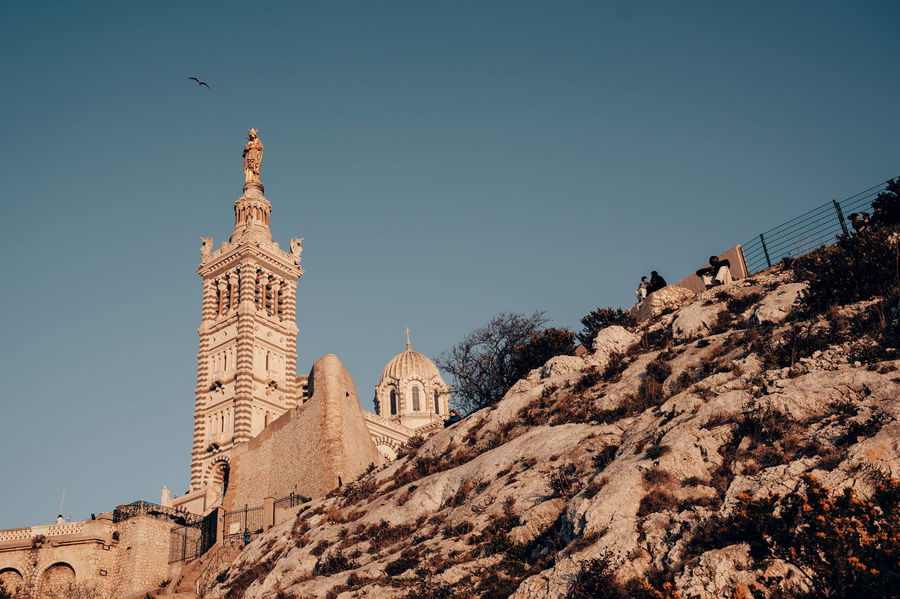
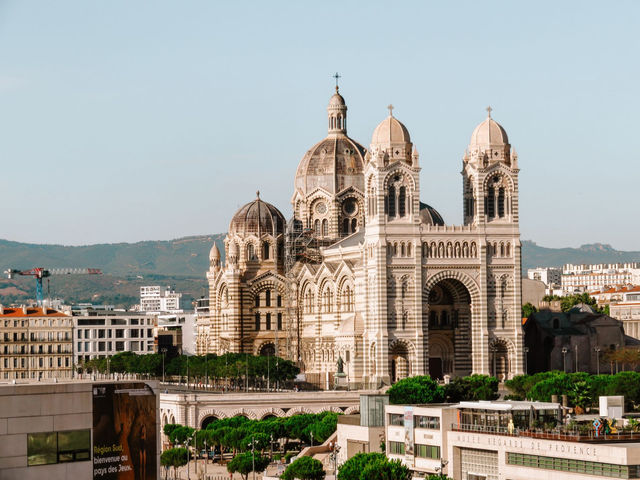
- Notre-Dame de la Garde — climb the hilltop basilica for panoramic views
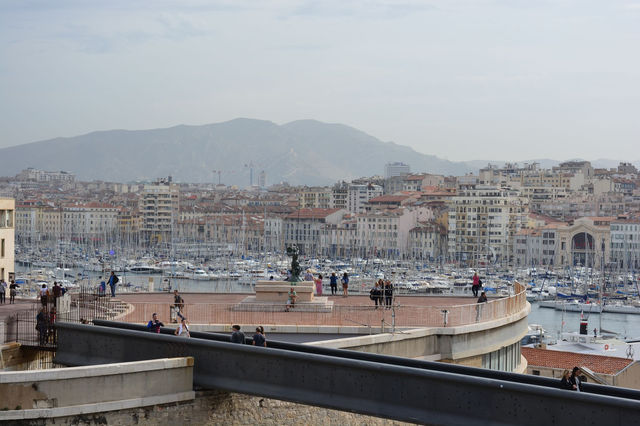
- Vieux-Port — watch fish markets trade on ancient docks
- Le Panier — navigate the oldest graffiti-lined stone stairways
- MuCEM — explore Mediterranean culture inside a lattice-concrete block
- Château d'If — ferry out to the iconic fortress prison
Signature experiences
Tracing fictional escapes on island ramparts — Board the local harbor ferry from the docks across the bay to land on the white limestone rock of Château d'If. The sixteenth-century fortress prison stood in for the grim dungeon cells in Alexandre Dumas' *The Count of Monte Cristo*, letting you track the fictional escape paths of Edmond Dantès through low stone arches and vaulted chambers.
Pastis and petanque in bohemian squares — Settle into an outdoor terrace chair on the wide plazas of Cours Julien as the late sun hits the walls. Order a traditional pastis, watching the yellow liqueur cloud up with cold water while old men argue over petanque games on the dirt tracks nearby.
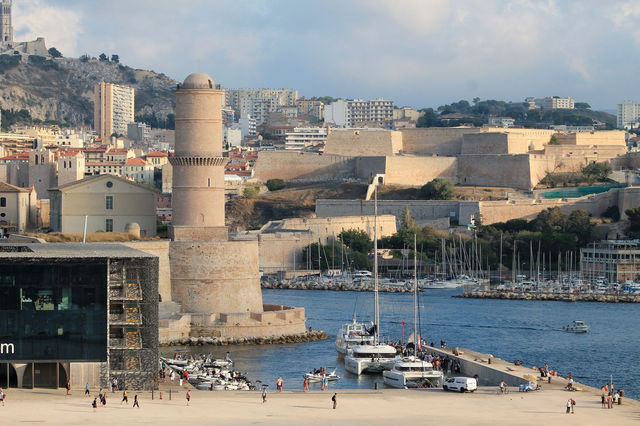
Waterfront pacing along eiffel-era ports — Walk the massive modern promenade flanking the Vieux-Port up to the lattice-concrete walls of MuCEM. The museum bridges old and new, connecting the seventeenth-century ramparts of Fort Saint-Jean to hyper-modern galleries via a high footbridge suspended over the sea.
Neighbourhoods
Marseille neighbourhood by neighbourhood — the character of each and who it suits.
-
Le Panier
The city's oldest quarter sits on a hill just north of the harbor, a dense grid of steep staircases, sun-faded ochre facades, and washing lines strung across alleys. It wears its rebellious past openly, covered in street art and smelling of local olive-oil soaps.
-
Noailles
Located just east of the port, this quarter operates as a sensory extension of North Africa. The daily street markets fill the narrow lanes with the heavy scent of roasting spices, flatbreads, and fresh mint leaves.
-
Cours Julien
Rising up the eastern hills, this bohemian district centers on wide plazas and graffiti-smothered pedestrian alleys. It is the creative heart of the city's youth, lined with independent bookshops, vintage clothing basements, and small music bars.
-
Malmousque
Tucked along the rocky southern coastline, this old fishing cove feels like a quiet village insulated from the urban grid. Smooth limestone rocks replace sandy beaches, where locals sunbathe right next to small concrete piers.
Views & hidden gems
Best views
- Notre-Dame de la Garde terrace — the absolute panorama framing the harbor bowl, the islands, and the mountain edge
- Pharo Palace lawns — the green headland providing a clear shot of boats entering the Vieux-Port channel
- Anse des Auffes bridge — the stone arches framing a photogenic fishing cove packed with colorful wooden boats
Hidden gems
- Le Vallon des Auffes pathways — the steep concrete stairs descending from the coastal highway straight into a hidden fishing harbor
- Tranchée de Malmousque — a narrow rocky sea inlet where locals swim between high concrete sea walls
- Grotte de l'Ours tracks — the quiet earthen footpaths weaving through coastal shrubs near the southern city limits
Food & drink
Marseille’s food scene runs on a double axis of deep maritime tradition and intense North African flavor. The alleys of Noailles around the Marché des Capucins function as the culinary stomach of the city, trading classic French menus for wood-fired flatbreads, couscous bowls, and deep-fried seafood cones. Down along the Vieux-Port and the coves of the Corniche Kennedy, fish soup reigns supreme, anchored by rigorous local rules on how local catch should be served.
- Bouillabaisse — a traditional multi-fish stew served with garlic rouille and croutons
- Pastis — the anise-flavored regional liqueur turned milky with ice water
- Pizza Marseillaise — a thin-crust, wood-fired pizza heavily topped with anchovies and herbed tomato sauce
- Panisse — fried chickpea flour cakes served hot in paper cones
- Navette de Marseille — a hard, orange-blossom biscuit shaped like a small boat
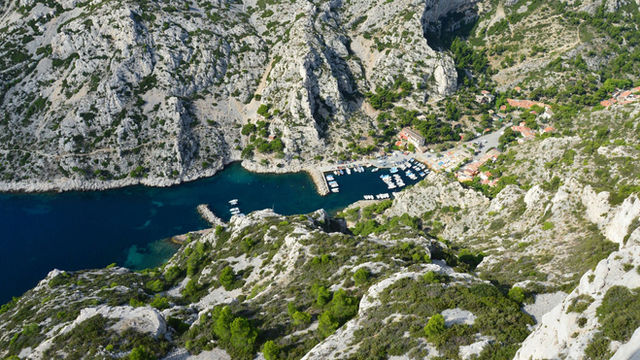
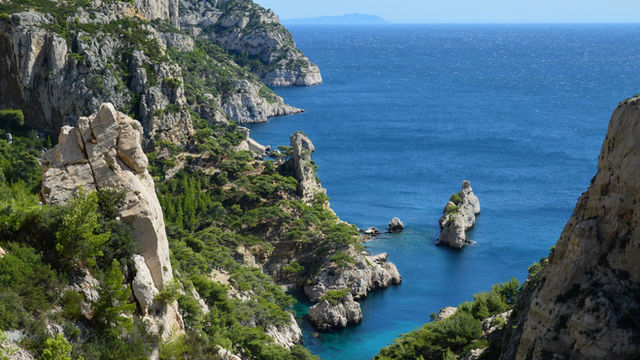
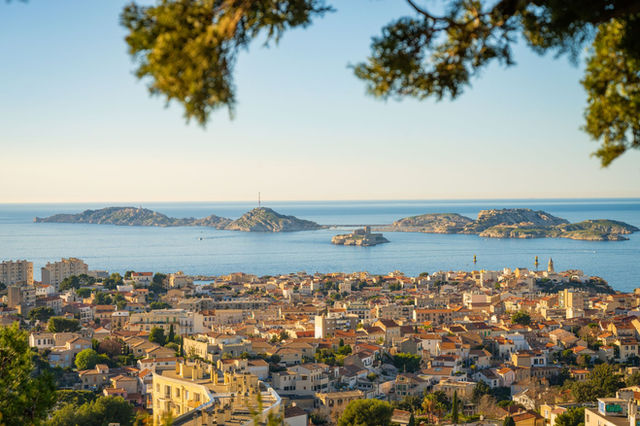
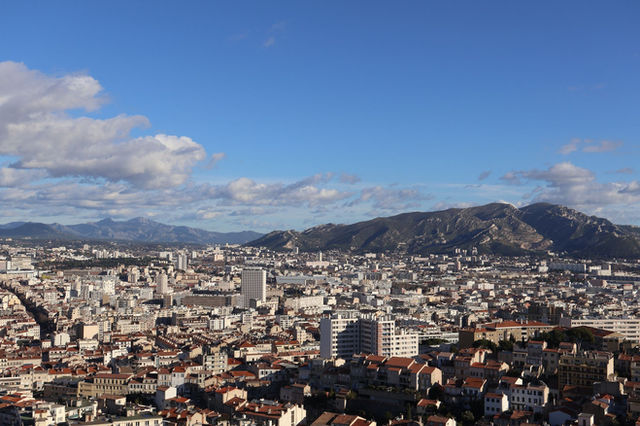
Marseille in photos
Where you'll stay in Marseille
Base yourself in Le Panier for walkable historic alleys and proximity to the port, though you will trade off quiet nights and drag bags up brutal stone steps. Look to Malmousque or the edges of the Corniche Kennedy for sea views and a slow village pace, keeping in mind you'll need the coastal bus to reach the urban core. Avoid staying near Gare Saint-Charles after dark unless a fast morning train is your absolute priority, as the surrounding blocks retain a gritty transit character.
Hotels & rentals around Marseille
Pan, zoom and compare live prices — every stay in one map.
Getting around Marseille
The RTM network runs two metro lines and multiple modern tramways. The historic core around the port is highly dense and walkable, while a car is an absolute liability due to aggressive driving culture, narrow one-way lanes, and scarce street parking.
Ride Métro Line 2 to cross from the markets of Noailles down toward the southern sectors in ~approx 5 min, or take Bus 83 to follow the coast to Malmousque.
Insider tips
- The small ferry boat crosses the mouth of the Vieux-Port from one quay to the other continuously, saving a long walk around the harbor basin.
- Marseille's old limestone stairways become extremely slick when a sudden storm hits; leave the smooth leather soles at home.
While you're there
-
 3 OCT Cultural & Traditions See the event →
Explore the area
Local attractions & tours
Skip-the-line tickets and small-group tours in Marseille — compare across our partners.
We're still curating hand-picked tickets and tours for Marseille. In the meantime, the map above and the nearby cities are a great place to start.
When to visit Marseille
May, June, and September
Spring
What to expect — The mistral wind blows hard and clear, scouring the skies to a bright blue, while the coastal paths remain uncrowded. Sea water is too cold for casual swimming, but outdoor café tables fill early.
What's best — Scaling the brutal hills up to Notre-Dame de la Garde before the summer glare turns the climb into an oven.
Summer
What to expect — Intense Mediterranean heat bakes the limestone buildings, and the port gets choked with international crowds and massive ferry queues. If you hate packed streets and sweaty metro cars, skip August entirely and swap it for a June visit.
What's best — Swimming off the rocks of Malmousque at twilight when the water stays warm and the city moves to the sea.
Autumn
What to expect — The air cools into golden afternoons, the summer vacation swarms vanish, and the sea breezes bring early autumn rainstorms by late October. Market stalls fill with regional harvests.
What's best — Exploring the open-air galleries of Cours Julien in relaxed, unhurried autumn light.
Winter
What to expect — A biting cold wind can whip through the open port basin, and some coastal island ferries pause their routes during storms. Rain can turn the steep steps of Le Panier treacherous.
What's best — Catching the raw, dramatic beauty of the coastal cliffs shared entirely with locals over heavy bowls of fish soup.
Know before you go
Honest swaps
Skip the overpriced bouillabaisse places lining the main Vieux-Port tourist strip → walk to the small fishing docks of Anse des Auffes to taste an authentic, slow-cooked version.
Skip the commercial open-top hop-on bus → ride the local coastal Bus 83 along the Corniche Kennedy for a cheap seaside journey with the same views.
Crowds & timing
When large Mediterranean cruise ships dock at the northern commercial piers, Le Panier turns into a human gridlock by mid-morning. Avoid the peak rush by touring the ancient lanes at breakfast, then head south to the rocky coves of Malmousque during the afternoon crunch.
Local rules & etiquette
Scooters treat the pedestrian alleys and sidewalks of Noailles as personal racetracks; stay alert and listen for sharp horn warnings. Do not leave bags unattended anywhere around the main harbor plazas, as opportunistic petty theft is common.
Money
Cards work at almost all registers, but carry cash coins for the vegetable sellers at the Marché des Capucins. Avoid using the independent, unbranded ATMs scattered near the ferry docks to escape high transaction fees.
After dark
Nightlife fractures cleanly: Cours Julien runs on alternative bars and street drinking, the Vieux-Port quays favor noisy brasseries, while the southern residential coast goes fully to sleep early.
Getting there
Fly into Marseille Provence Airport (MRS), then catch the direct airport shuttle bus to Gare de Marseille-Saint-Charles (~approx 30 min). The main rail station sits on a hill just northeast of the center, linked to the port via a monumental flight of stone steps.
Ready to book your trip?
Flights, airport transfers and car hire — search and compare without leaving the page.
More trip extras
Parking, holiday extras, and more — coming soon.
We're lining up parking, holiday extras and activities you'll be able to add to any trip from here.