Provins
A walled medieval fair town near Paris — ramparts, tunnels and a great keep from the age of the Champagne fairs.
- City
- May, June, and September
- ~approx 1 day
Jean-Pol GRANDMONT via Wikimedia Commons (CC BY 4.0)
- Fortified Walls
- Rose Petals
- Subterranean Tunnels
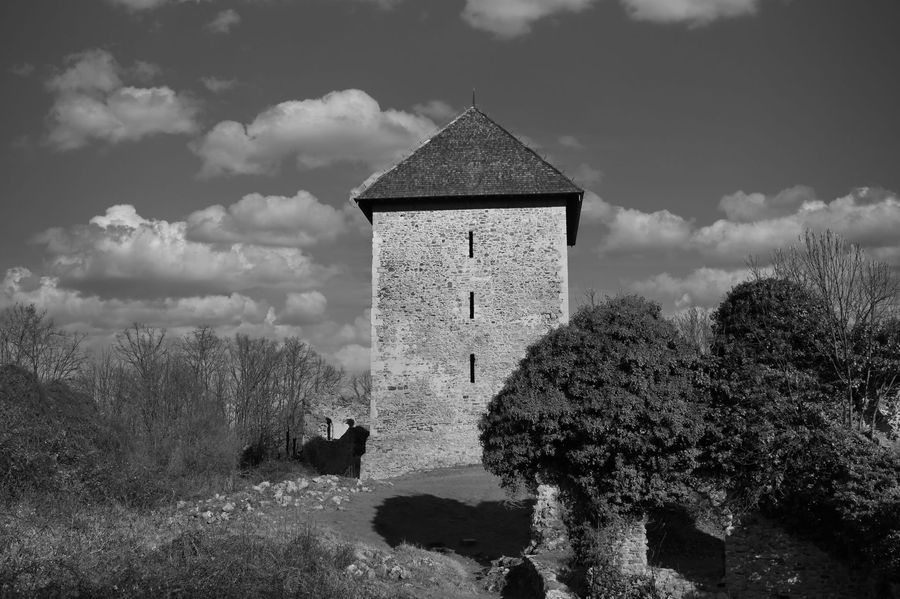
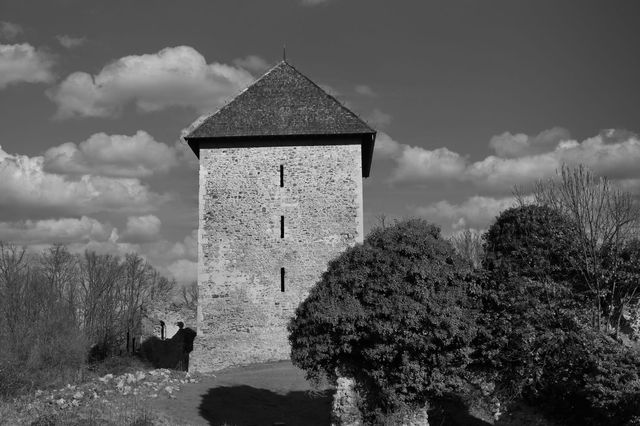
The shadow of Caesar's Tower stretches across timbered squares while the faint scent of rose-infused pastries drifts from low stone arches.
A fortified stronghold frozen in the century of champagne fairs, Provins drops you directly into a stone world of massive ramparts and deep underground vaults.
- Type
- town
- Ideal length
- ~approx 1 day
- Getting around
- walking + local buses
- Neighbourhoods
- 2 districts
- Best season / months
- May, June, and September
- Any traveller · History · Architecture · Heritage
About Provins
Provins separates sharply into two distinct levels shaped by medieval trade. The Ville Haute crowns the hilltop, completely encircled by towering stone ramparts and watchtowers that once protected wealthy merchants. Below, the Ville Basse unfolds along narrow river channels, operating as the practical hub where daily life moves past old churches and market spaces. Walking remains the only logical way to navigate between these two tiers.
Why go
It provides an intact medieval fortification system right outside Paris, completely free from modern architectural interference.
Don't miss
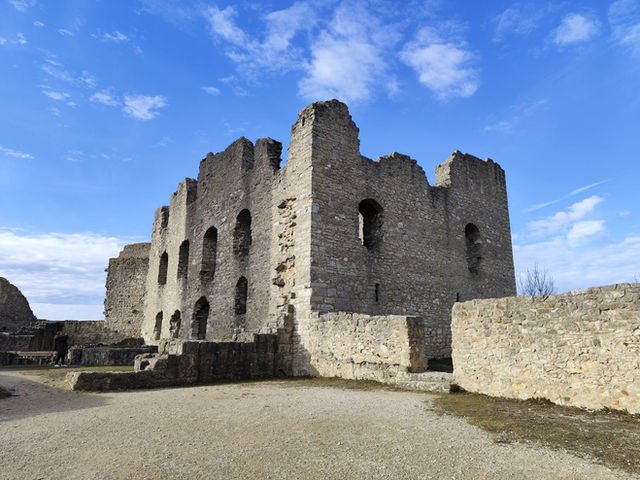
- Tour César — climb the imposing medieval watchtower
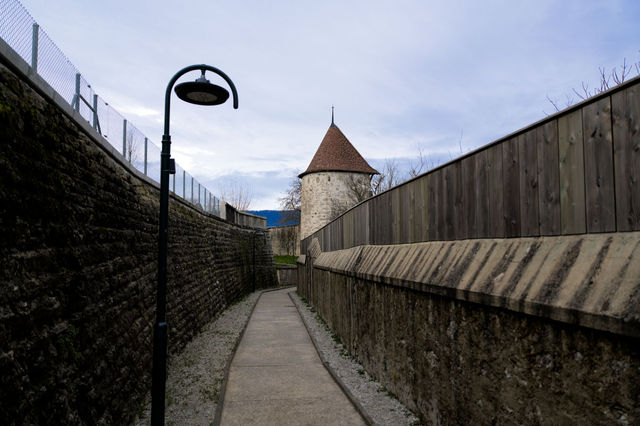
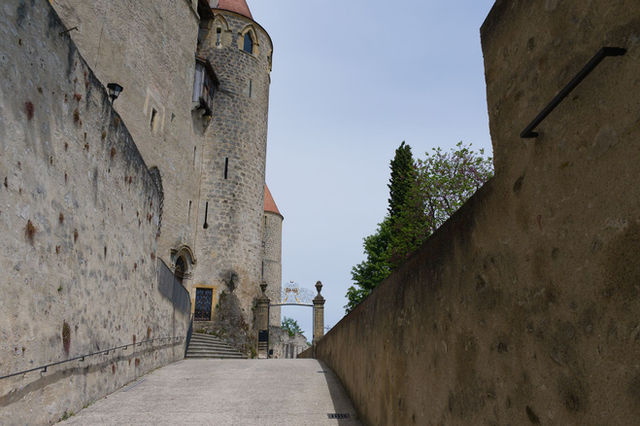
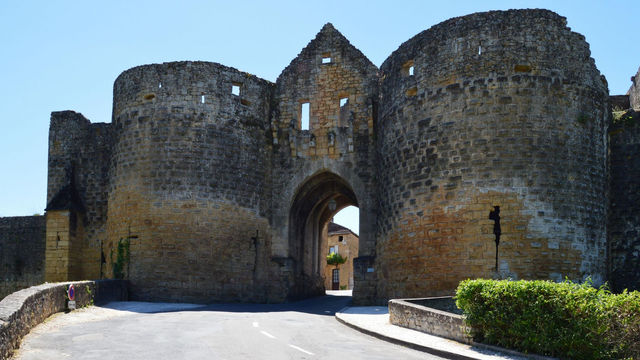
- Remparts de Provins — walk the monumental fortified stone walls
- Grange aux Dîmes — explore the historic merchant tithe barn
- Souterrains de Provins — navigate the ancient subterranean stone tunnels
- Collégiale Saint-Quiriace — view the massive unfinished domed church
Signature experiences
Tracing the merchant underground tunnels — Descend beneath the street level to map the Souterrains de Provins. This network of vaulted stone tunnels served as medieval warehouses, hidden sanctuaries, and texturing rooms for the regional cloth trade.
Walking the high fortified battlements — Head to the northern edge of the upper town to pace the Remparts de Provins. Walking between the massive towers gives you an honest perspective on medieval defensive engineering, looking out over the open fields of the Brie region.
Exploring the medieval trading hubs — Spend an afternoon around Place du Châtel to experience the core of the upper town. Stand beneath the stone frame of the old market cross before ducking into the Grange aux Dîmes to see how global merchants organized their wares during the great seasonal fairs.
Neighbourhoods
Provins neighbourhood by neighbourhood — the character of each and who it suits.
-
Ville Haute
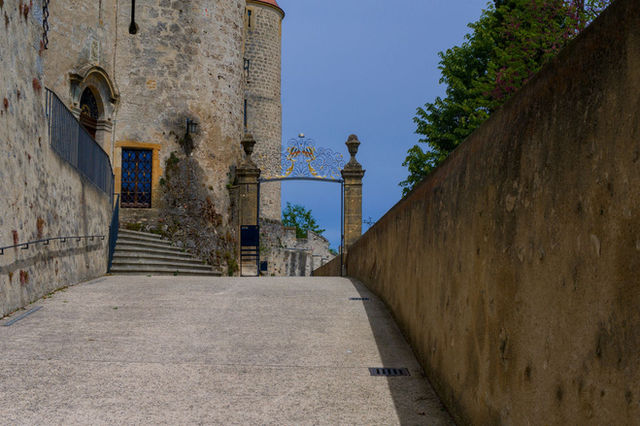
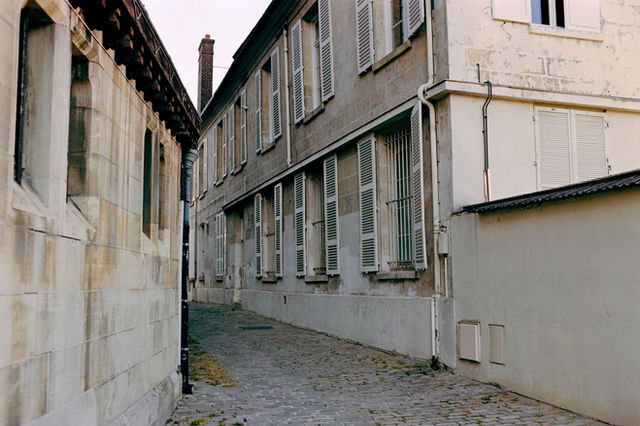
The upper town sits high on its rocky spur, a dense network of cobblestone lanes, timbered facades, and fortified gates. It retains a defensive atmosphere, dominated by limestone walls and wide plazas that hosted historic trading fairs.
-
Ville Basse
Sprawling across the valley floor, this lower district is shaped by narrow waterways and commercial tracks. It feels more grounded and local, balancing old stone structures with modern bakeries and open café terraces.
Views & hidden gems
Best views
- Tour César — the top gallery frames a panoramic view over the red roofs of the town and surrounding valleys
- Remparts de Provins — the western corner offers a clear view of the defensive ditches and stone towers
- Place du Châtel — the open square provides an evocative angle of the timbered houses against the sky
Hidden gems
- Caveau du Saint-Esprit — a vaulted medieval cellar tucked away below the upper streets
- Canal de la Voulzie paths — quiet earthen tracks following the small waterways in the lower town
- Rue des Beaux-Arts — a steep stone alley linking the two town levels that tourists often miss
Food & drink
The food scene here emphasizes the rich agricultural products of the surrounding region, heavy on soft cheeses and duck dishes. The narrow lanes of the Ville Basse offer authentic bistros, completely separated from the pricier tourist menus on the upper hill. The town's unique culinary signature relies entirely on the Provins rose, a fragrant flower brought back from the crusades that flavors jams, honey, and sweets.
- Brie de Provins — a soft, rich cow's milk cheese with a white rind
- Niflettes — small puff pastry tartlets filled with classic pastry cream
- Confit de pétales de rose — a fragrant sweet jam made from local rose petals
- Cidre de la Brie — crisp local apple cider poured in traditional taverns
Provins in photos
Where you'll stay in Provins
Choose the Ville Haute if you want the distinct feeling of waking up inside a medieval fortress, though you will trade off easy parking and face steep walks for morning groceries. Base yourself in the Ville Basse for direct access to the train station, lower prices, and casual evening cafés. Avoid staying near the commercial developments along the outer ring road, as these concrete areas lose all historical connection.
Hotels & rentals around Provins
Pan, zoom and compare live prices — every stay in one map.
Getting around Provins
The historic core is small enough to navigate entirely on foot; you can walk from the station to the top of the ramparts in ~approx 20 min. A small local bus network connects the station to the upper walled gates.
Walk up the steep path of Montée de la Citadelle to move from the lower town channels to the upper fortress gates in ~approx 10 min.
Insider tips
- The climb from the railway station to the upper town is a sustained uphill walk; use the local bus if carrying heavy luggage.
- Combined tickets for the main monuments are available at the tourism office and save money over individual entries.
While you're there
-
 3 OCT Cultural & Traditions See the event →
Explore the area
Local attractions & tours
Skip-the-line tickets and small-group tours in Provins — compare across our partners.
We're still curating hand-picked tickets and tours for Provins. In the meantime, the map above and the nearby cities are a great place to start.
When to visit Provins
May, June, and September
Spring
What to expect — Apple orchards bloom in the valley, and the stone lanes smell fresh after winter rain, though unexpected showers can turn the cobblestones slick. Most historical sites ramp up operations by late April.
What's best — Exploring the outdoor ramparts before the summer day-trip crowds arrive from Paris.
Summer
What to expect — The stone walls bake under the sun, and the town fills with heavy weekend crowds during medieval festival weekends. If you dislike packed streets, skip mid-June and swap it for a quiet weekday visit in July.
What's best — Sitting outside on the terraces of Ville Basse late into the evening under clear skies.
Autumn
What to expect — Mist rolls through the valley mornings, and the surrounding woods turn gold, creating a quiet atmosphere. Visitor numbers drop sharply once school resumes.
What's best — Pacing the quiet halls of Tour César in absolute peace, entirely shared with local residents.
Winter
What to expect — A damp chill settles into the limestone walls, and several historical sites reduce their schedules or close up. Rain makes the steep tracks between the town tiers difficult to navigate.
What's best — Witnessing the raw, stark lines of the fortifications against grey winter skies without a tour group in sight.
Know before you go
Honest swaps
Skip the crowded restaurants on Place du Châtel → grab a box of fresh niflettes from a bakery in the Ville Basse and eat them on the grassy banks of the canal.
Skip the tourist shuttle bus → lace up your sneakers and use the ancient stone staircases to climb between the town tiers for a better physical sense of the topography.
Crowds & timing
Summer weekends bring a massive wave of tourists arriving via the suburban rail line. Dodge the peak bottleneck by arriving early in the morning, focusing on the popular Souterrains de Provins before midday, and exploring the lower town channels during the afternoon rush.
Local rules & etiquette
The steep cobblestones connecting the Ville Haute to the Ville Basse turn incredibly slick during rain; leave smooth-soled footwear at home. Keep voices down when exploring the quiet residential lanes of the upper town after dark.
Money
Main historical venues take card, but carrying small coins is necessary for independent bakeries and market stalls. Avoid using the independent old-town ATMs near the main gates to escape unnecessary transaction fees.
Getting there
Fly into Paris Charles de Gaulle Airport (CDG), then take the suburban train or Transilien Line P from Paris Gare de l'Est directly to Gare de Provins (~approx 80 min). The station sits on the southern edge of the lower town.
Ready to book your trip?
Flights, airport transfers and car hire — search and compare without leaving the page.
More trip extras
Parking, holiday extras, and more — coming soon.
We're lining up parking, holiday extras and activities you'll be able to add to any trip from here.