Rouen
- City
- May, June, and September
- ~approx 2–3 days
- Half-Timbered Alleys
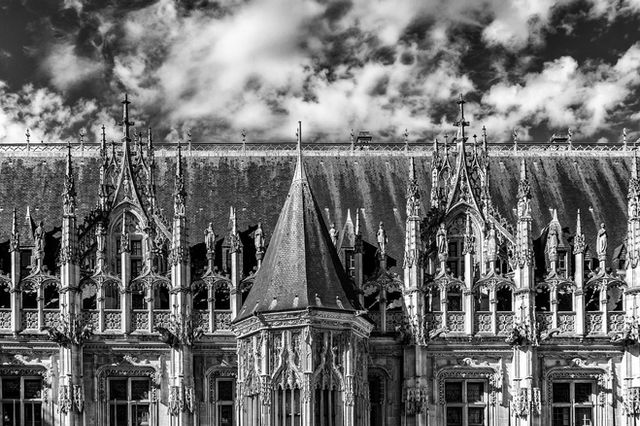
- Gothic Masonry
- Sharp Ciders
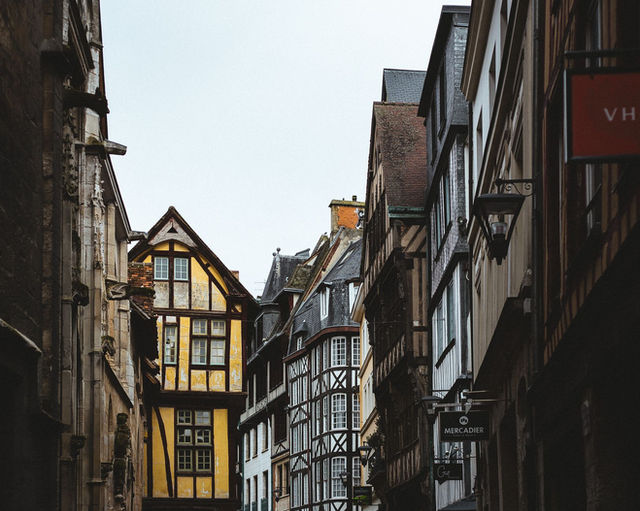
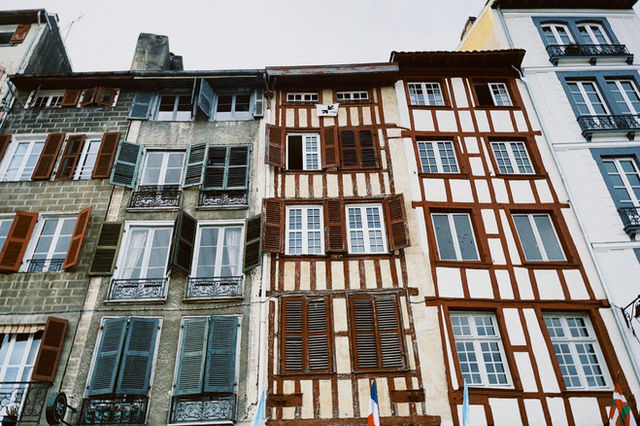
The stone facade of the cathedral catches the northern rain while bells chime through lanes packed with timbered facades.
A river city layered in timber and stone, Rouen pairs a gothic skyline with the dark history of its ancient market squares.
- Type
- city
- Ideal length
- ~approx 2–3 days
- Getting around
- metro + walking
- Neighbourhoods
- 3 areas
- Best season / months
- May, June, and September
- Any traveller · History · Architecture · Food
About Rouen
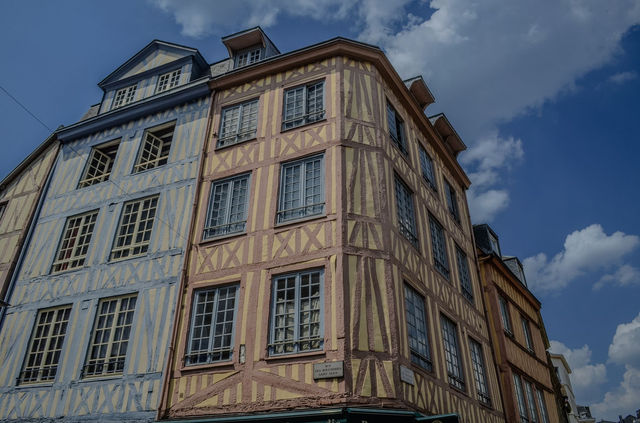
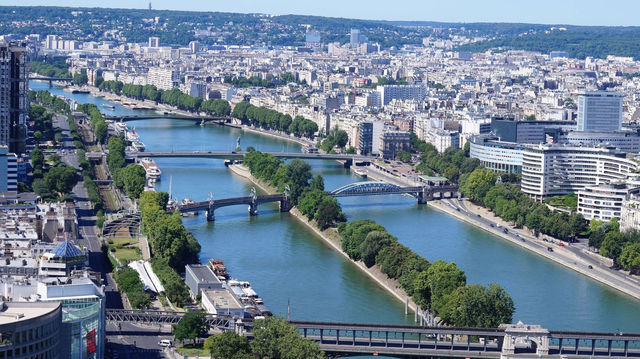
Rouen hugs both banks of the Seine River, though its heart belongs entirely to the Right Bank historic core. This center is a grid of thousands of timbered houses, gothic church spires, and alleys. The river cuts a sharp line separating this stone heritage from the residential blocks and tracks of the Left Bank, all connected by a metro system that ducks underground beneath the old quarters.
Why go
It provides the densest medieval streetscape in northern France, letting you walk through raw historical dramas without the pretense or costs of Paris.
Don't miss
- Cathédrale Notre-Dame de Rouen — admire the towering gothic spires
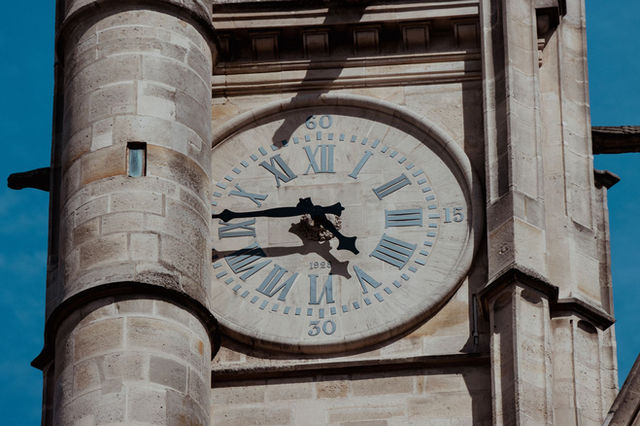
- Gros-Horloge — pass beneath the giant renaissance clock arch
- Place du Vieux-Marché — stand on the historic execution square
- Aître Saint-Maclou — explore the carved plague cemetery courtyard
- Musée des Beaux-Arts de Rouen — view the expansive impressionist art collection
Signature experiences
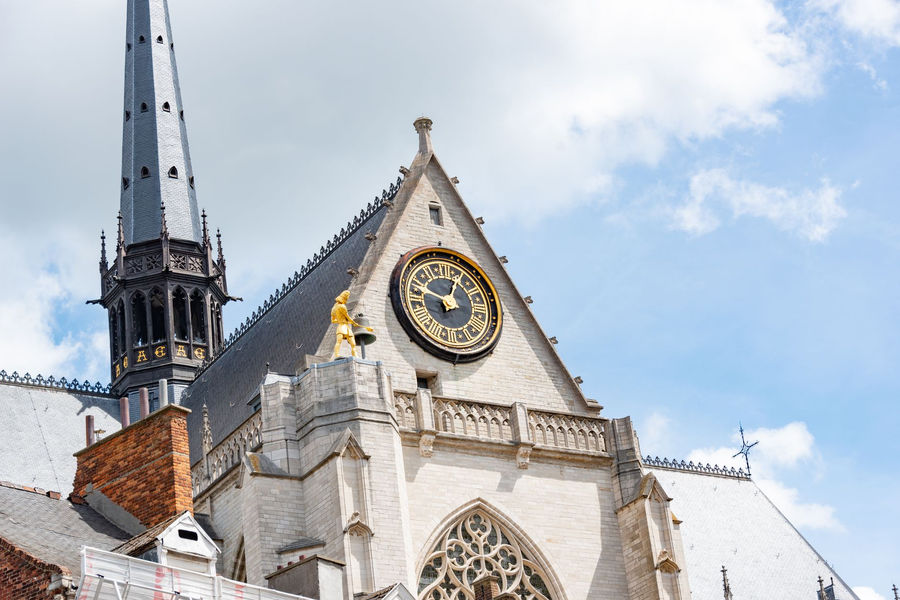
Tracking impressionist light on gothic facades — Stand on the stones of Place de la Cathédrale to watch the cloud cover hit the facade of Cathédrale Notre-Dame de Rouen. Claude Monet famously painted this front dozens of times to capture the shifting colors. Matching his viewpoints reveals how the light cuts across the limestone carvings.
Pacing the lanes of an execution square — Walk across the stones of Place du Vieux-Marché to view the roofline of the modern Église Sainte-Jeanne-d'Arc. The square marks the exact location where Joan of Arc was executed, creating a solemn space where timber houses frame a history that defined the nation.
Hunting macabre carvings in timber cloisters — Slip down a narrow passage near the eastern churches to find the courtyard of Aître Saint-Maclou. This cemetery cloister features wooden beams carved with skulls, bones, and tools, giving a blunt look at fourteenth-century survival.
Neighbourhoods
Rouen neighbourhood by neighbourhood — the character of each and who it suits.
-
Vieux Rouen
The historic core is a grid of timbered houses and stone churches. It runs on a quick commercial pulse, where pedestrian lanes open onto plazas and market squares.
-
Saint-Maclou
Located on the eastern side of the center, this quarter wraps around a gothic church. It holds a distinct antique-dealer edge, characterized by lanes, timber facades, and independent craft workshops.
-
Saint-Sever
Occupying the flat plains of the Left Bank, this district trades medieval timber for modern office blocks and commercial centers. It offers an unpolished residential look at everyday city life away from the tourist paths.
Views & hidden gems
Best views
- Colline Sainte-Catherine — the steep hill overlook framing the river curve and the city church spires
- Panorama de la Côte Sainte-Catherine — the wooden viewing platform looking directly down on the port docks
- Pont Boieldieu — the concrete bridge providing a clear shot of the cathedral spire cutting the sky
Hidden gems
- Rue Eau-de-Robec — a pedestrian lane lined with timber frames and a stream channel
- Hôtel de Bourgtheroulde courtyard — an stone courtyard covered in detailed stone reliefs
- Secq des Tournelles gallery — a collection of ironwork tucked inside a gothic church
Food & drink
The food culture centers on Norman ingredients, heavily reliant on butter, apples, cream, and cheese from the surrounding valley pastures. The pedestrian alleys branching off Rue de la République and the plazas of Boulingrin host excellent local bistros, completely bypassing the tourist menus flanking the main entrances. Drinking centers on ciders and shots of Calvados, poured in timber taverns that have stood for centuries.
- Canard à la Rouennaise — a traditional dish of pressed duck served in a sauce of wine and liver
- Sucre de Pomme de Rouen — a firm sweet candy bar flavored with apple essence
- Neufchâtel — a soft cheese with a rind shaped like a heart
- Cidre de Normandie — the carbonated apple cider poured into ceramic cups
- Tarte Normande — an apple tart baked with almond cream and brandy
Rouen in photos
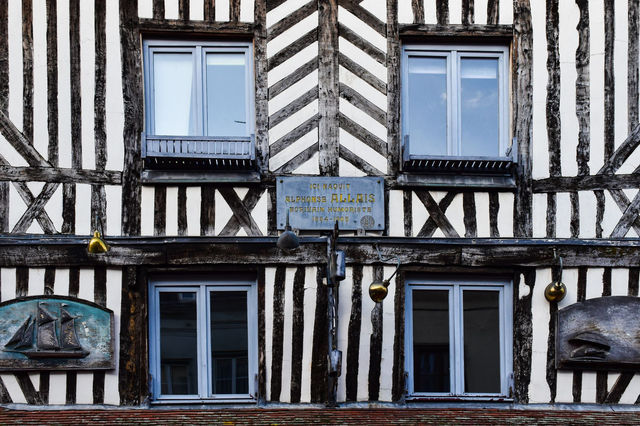
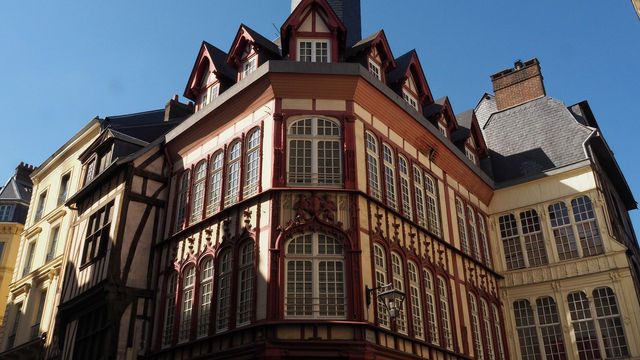
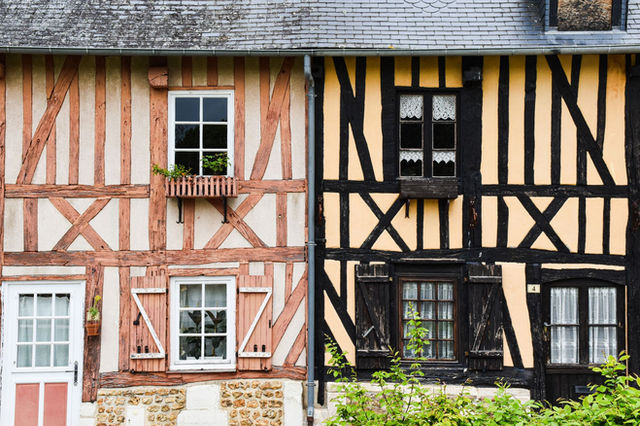
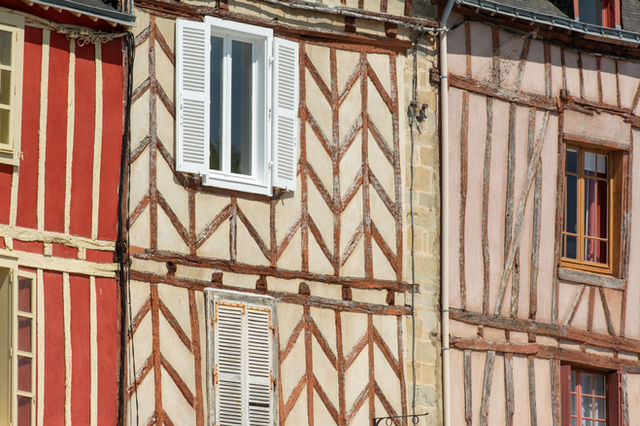
Where you'll stay in Rouen
Stay in Vieux Rouen if you want historic character out your door and quick walking access to the main sights, though you will tackle ground floors and listen to noise echoing off the timber frames. Choose a spot in Saint-Maclou if you prefer a vibe with coffee houses and quiet alleys. Avoid basing yourself on the Left Bank near Saint-Sever unless budget constraints dominate, as the modern concrete blocks lose all of the city's Normandy charm.
Hotels & rentals around Rouen
Pan, zoom and compare live prices — every stay in one map.
Getting around Rouen
The Astuce network runs a metro line that goes underground in the center, alongside multiple bus lines. The historic core is highly dense and walkable, while a car is an absolute liability due to traffic bollards and narrow lanes.
Walk straight south down Rue de la République for ~approx 10 min to move from the train station through Vieux Rouen to the river bridges.
Insider tips
- The local transit ticket works across both the metro lines and the bus lines, so do not buy separate passes.
- Many traditional bistros close completely on Mondays; plan your weekend meals early to avoid falling into tourist traps.
While you're there
-
 3 OCT Cultural & Traditions See the event →
Explore the area
Local attractions & tours
Skip-the-line tickets and small-group tours in Rouen — compare across our partners.
We're still curating hand-picked tickets and tours for Rouen. In the meantime, the map above and the nearby cities are a great place to start.
When to visit Rouen
May, June, and September
Spring
What to expect — Trees bloom along the river quays, tables return to the plazas, and the rush stays manageable. Frequent rain showers can turn the paths slick.
What's best — Exploring the cathedral plaza in clear air before summer coach crowds block the views.
Summer
What to expect — Sun hits the timber frames, and the main plazas fill with travelers. August can feel humid as heat traps between the valley walls; swap mid-summer for June if you want an active local life.
What's best — Watching the light projections cast against the cathedral stones late into the evening.
Autumn
What to expect — Orchard harvests fill the markets with fresh ciders, and the surrounding forests turn deep orange. Evenings cool down quickly, shifting the public life into cozy taverns.
What's best — Eating hot tarts and rich duck dishes when the weather matches the cooking.
Winter
What to expect — A biting damp cold rolls off the Seine, several small boutiques close early, and a quiet mood lends itself to the lanes. Rain or frost can make the cobblestones treacherous.
What's best — Witnessing the raw beauty of the medieval streets shared entirely with local residents over warm drinks.
Know before you go
Honest swaps
Skip the expensive cafes right on Place de la Cathédrale → walk three blocks east to Rue Eau-de-Robec to drink cider alongside local students.
Skip the commercial mini-train tour → explore the tight alleys of Vieux Rouen on foot to discover details the vehicles bypass.
Crowds & timing
The area around the Gros-Horloge turns into a pedestrian bottleneck by mid-morning. Avoid the peak crush by touring the central monuments early, saving the quiet tracks of Saint-Maclou for the afternoon rush.
Local rules & etiquette
The ancient timber and cobblestone alleys become extremely slick when a sudden shower hits; leave smooth leather soles at home. Keep voices down when entering the quiet courtyard of Aître Saint-Maclou, as the space functions as a place of reflection.
Money
Card payment is standard across almost all registers, but carry cash coins for small market stalls. Avoid using the generic unbranded ATMs standing near the station gates to dodge high transaction fees.
Getting there
Fly into Paris Charles de Gaulle Airport (CDG), then take the train from Paris Saint-Lazare station to Gare de Rouen-Rive-Droite (~approx 90 min). The station sits right on the northern edge of the center.
Ready to book your trip?
Flights, airport transfers and car hire — search and compare without leaving the page.
More trip extras
Parking, holiday extras, and more — coming soon.
We're lining up parking, holiday extras and activities you'll be able to add to any trip from here.