Strasbourg
The Franco-German capital of Europe — a canal-laced old town crowned by a soaring rose-sandstone cathedral.
- City
- May, June, and December
- ~approx 2–3 days
Jonathan Martz via Wikimedia Commons (CC BY-SA 3.0)
- Timbered Facades
- Winding Canals
- Crisp Riesling
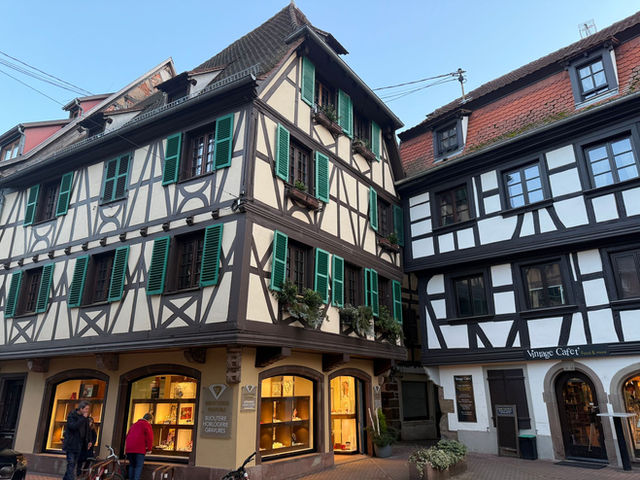
The smell of toasted cheese and woodsmoke cuts through the chill as boats drift past black-and-white timbered houses.
A river-island outpost where French polish clashes with Germanic heft, Strasbourg matches soaring pink sandstone against quiet canal locks.
- Type
- town
- Ideal length
- ~approx 2–3 days
- Getting around
- walking + trams
- Neighbourhoods
- 3 districts
- Best season / months
- May, June, and December
- Any traveller · Architecture · Food · Culture
About Strasbourg
Strasbourg centers on the Grande Île, a large island carved out by the Ill River and canal networks. This compact core holds the massive gothic cathedral and the ancient tanning houses of Petite France, keeping the historical center densely concentrated and mostly pedestrianized. To the east and south, the waterways open up into the grand imperial blocks of Neustadt and the student taverns of Krutenau, making navigation a simple matter of crossing a stone bridge.
Why go
It serves up a flawless blend of two European cultures, combining French culinary technique with German architectural scale.
Don't miss
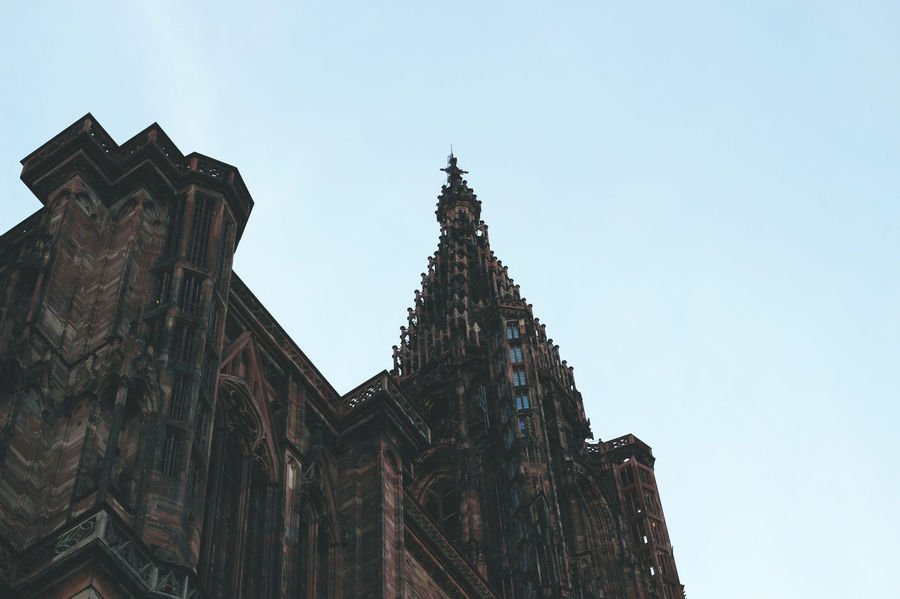
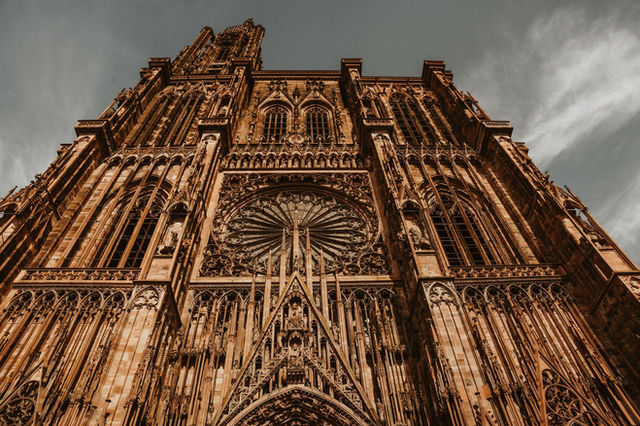
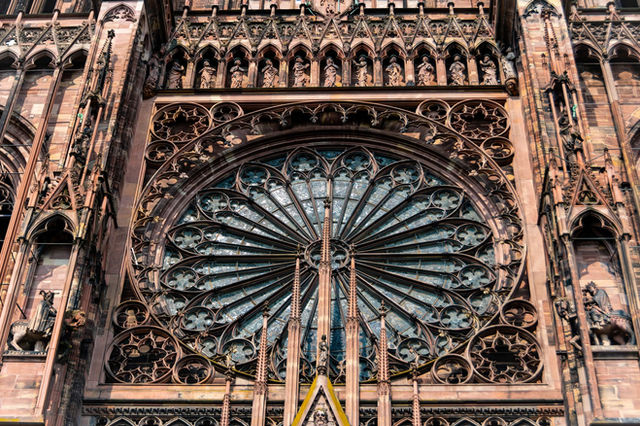
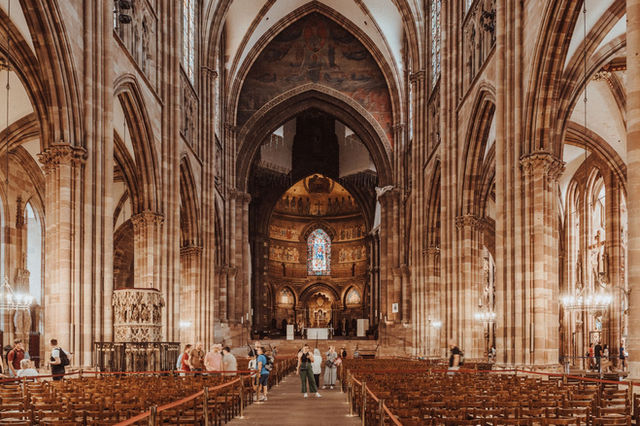
- Cathédrale Notre-Dame de Strasbourg — marvel at the single soaring spire
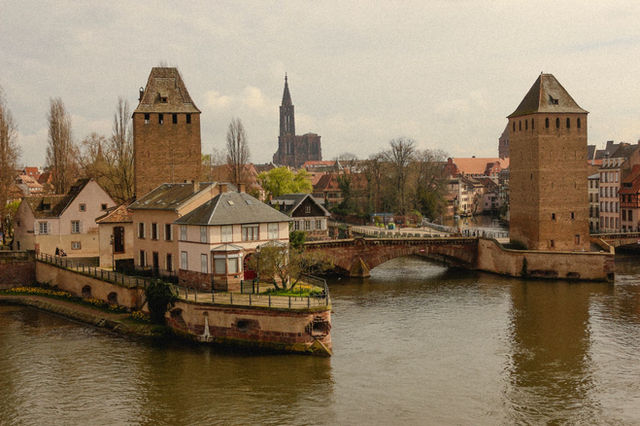
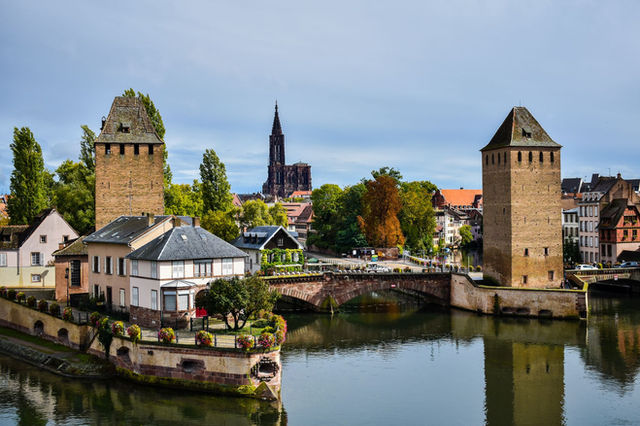
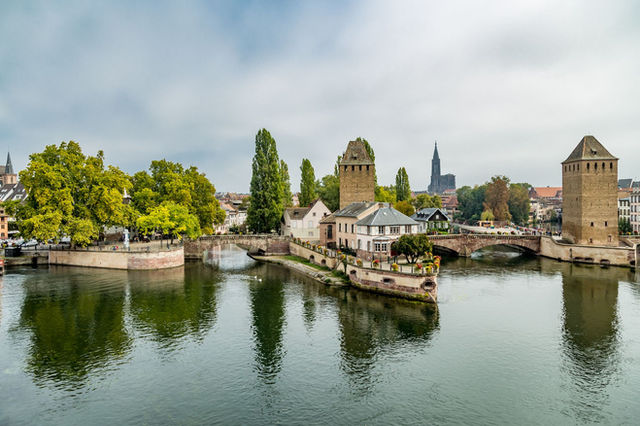
- Ponts Couverts — cross the three defensive bridges
- Barrage Vauban — climb the fortified river dam
- Palais Rohan — explore the grand palace
- Maison Kammerzell — admire the carved timber facade
Signature experiences
Climbing into the sandstone skies — Walk the steep steps of Cathédrale Notre-Dame de Strasbourg to reach the open viewing platform. The climb reveals the raw power of the pink sandstone, presenting a wide view across timbered roofs to the Black Forest.
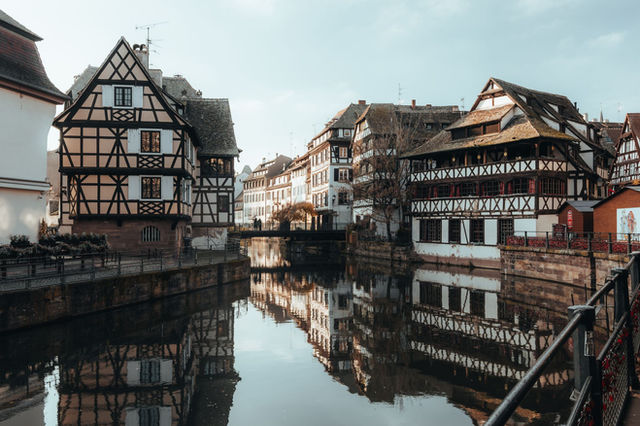
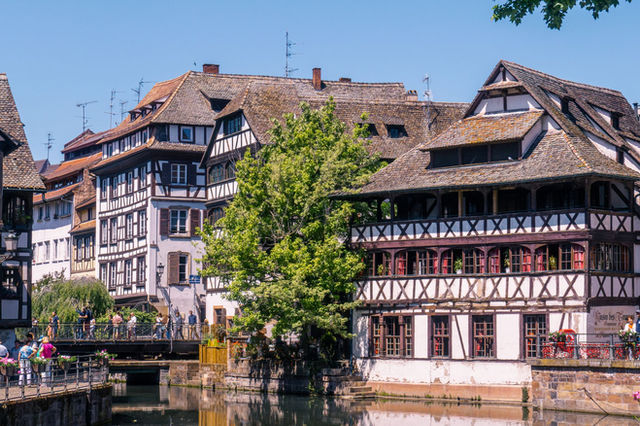
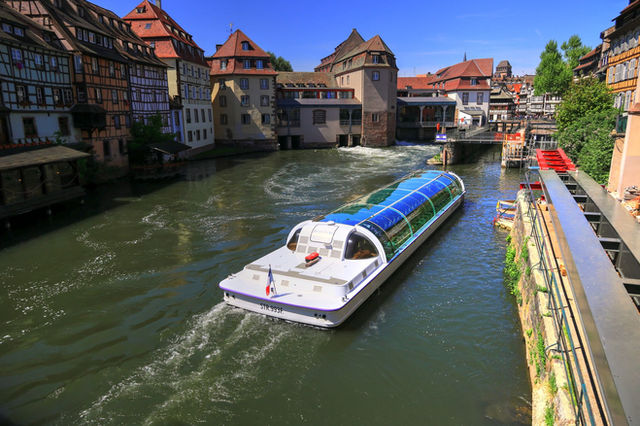
Navigating the historic tanners paths — Spend an afternoon exploring the lanes of Petite France, tracking where the river splits into four distinct channels. Watch canal barges negotiate the old locks while sitting on the stone edge of the waterways.
Wining and dining in traditional winstubs — Squeeze into a wood-paneled winstub, the traditional taverns found around the old quarters. Bypassing standard French bistro fare, these rooms focus on heavy platters of kraut and carafes of crisp local Riesling wine.
Chasing storks through public lawns — Walk south toward the park spaces to spot the white stork, the official civic symbol of the region. The large birds nest openly on chimneys and high branches, serving as a reminder of the valley's wildlife heritage.
Neighbourhoods
Strasbourg neighbourhood by neighbourhood — the character of each and who it suits.
-
Grande Île
The historic core is a dense maze of cobbled streets, massive squares, and soaring sandstone monuments. It feels grand yet intimate, packed with traditional shops and historic public buildings that have stood for centuries.
-
Petite France
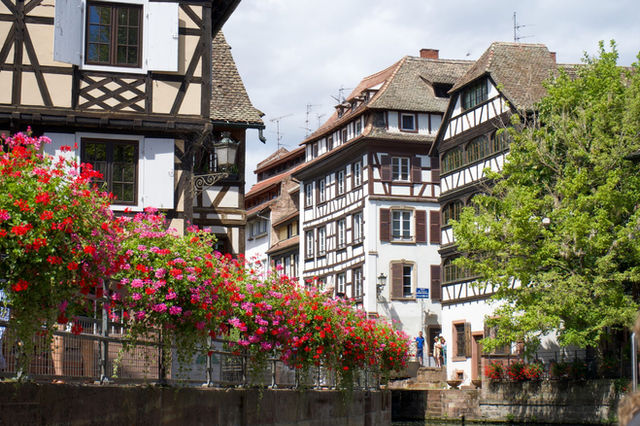
Located on the western tip of the island, this ancient leather-tanning quarter is defined by rushing canals, active lock gates, and timbered houses. It has a fairytale look that draws crowds during peak hours.
-
Krutenau
Lying just across the southern branch of the Ill River, this former fishermen's quarter holds a distinct student edge. Low-ceilinged bars, independent coffee spots, and casual food joints line its streets.
Views & hidden gems
Best views
- Barrage Vauban roof — the panoramic terrace framing the three Ponts Couverts and the cathedral spire
- Place du Marché-aux-Poissons — the riverbank spot for photographing passing canal boats against historic palaces
- Pont Saint-Guillaume — the bridge framing a classic view of the timbered church banks
Hidden gems
- Cour du Corbeau — a preserved Renaissance courtyard hidden behind a heavy timber gate
- Rue des Tonneliers — a narrow backstreet packed with tiny local wine bars
- Église Saint-Pierre-le-Jeune cloisters — a quiet, mossy courtyard tucked inside an old church layout
Food & drink
The food scene celebrates Alsatian identity, leaning heavily on pork, cabbage, and rich pastry crusts. The historic blocks of Grande Île and the student corners of Krutenau host excellent traditional taverns, steering clear of the flashy tourist traps right outside the cathedral entrance. White wine rules the glass, alongside a robust local brewing scene that produces some of the most famous beers in the country.
- Choucroute garnie — a massive plate of fermented cabbage cooked with white wine and loaded with sausages and pork
- Flammekueche — a thin pastry base topped with crème fraîche, onions, and smoked bacon lardons
- Riesling — the sharp, bone-dry local white wine poured from traditional green-stemmed glasses
- Kougelhopf — a tall, ribbed yeast cake studded with raisins and almonds
- Baeckeoffe — a slow-cooked casserole of meat marinated in white wine with potatoes
Strasbourg in photos
Where you'll stay in Strasbourg
Base yourself in Petite France if you want atmospheric canal views right outside your window, though you will pay a premium and dodge daytime tourist bottlenecks. For central convenience and easy walking access to the main sights, look to the northern sectors of Grande Île near the tram stops. If you prefer a casual vibe with independent bars and cheaper menus, look across the river in Krutenau. Avoid staying near the modern European Parliament district unless you enjoy sterile office buildings and a quiet weekend atmosphere.
Hotels & rentals around Strasbourg
Pan, zoom and compare live prices — every stay in one map.
Getting around Strasbourg
The historic core is small and easily crossed on foot; you can walk across the entire island in ~approx 20 min. A clean, efficient tram network run by CTS covers the outer districts. A car is a massive liability due to pedestrian zones and expensive underground parking.
Walk across the Pont Saint-Martin to connect Grande Île to Petite France in ~approx 5 min, or follow the river paths east to reach Krutenau.
Insider tips
- Security checkpoints screen visitors entering the Grande Île during the December market season, causing long pedestrian lines at the bridges.
- The astronomical clock inside the cathedral performs its main show at midday, requiring a separate ticket and an early arrival to secure a view.
While you're there
-
 3 OCT Cultural & Traditions See the event →
Explore the area
Local attractions & tours
Skip-the-line tickets and small-group tours in Strasbourg — compare across our partners.
We're still curating hand-picked tickets and tours for Strasbourg. In the meantime, the map above and the nearby cities are a great place to start.
When to visit Strasbourg
May, June, and December
Spring
What to expect — Magnolias bloom in the plazas, café tables expand across the pavements, and the river channels run high. The air stays brisk, but you miss the heavy summer tour crowds.
What's best — Walking the canal paths of Petite France in mild sunshine without fighting for space.
Summer
What to expect — The valley gets hot and sticky, trapping humidity between the historic blocks. Tour groups fill the main alleys, meaning long lines at the cathedral; swap August for a late September trip if you dislike dense crowds.
What's best — Drinking cold Alsatian beer on floating terrace barges along the Ill River late into the night.
Autumn
What to expect — Vineyards on the hills turn bright gold, and wine harvests bring fresh bottles to local cellars. Evenings get chilly quickly, shifting the social life indoors.
What's best — Tucking into heavy plates of choucroute garnie inside cozy winstubs when the crisp air matches the rich food.
Winter
What to expect — The town goes into holiday overdrive during December for the famous Christkindelsmärik, packing streets to capacity and driving up room rates. If you hate slow-moving crowds, visit in late January when the streets empty out entirely.
What's best — Experiencing the winter lighting and woodsmoke aroma that makes the timbered quarters feel like a medieval village.
Know before you go
Honest swaps
Skip the overpriced restaurants on Place de la Cathédrale → walk ten minutes south to Krutenau to find authentic taverns serving local food to residents.
Skip the crowded commercial boat tour → explore the river canals on foot along the public towpaths for a self-paced view of the old tanneries.
Crowds & timing
The cathedral square becomes a dense bottleneck by midday when tour buses arrive. Beat the rush by stepping into the navy early in the morning, then head to the wider spaces of Neustadt during the peak afternoon hours.
Local rules & etiquette
The old stone paths of Petite France turn into an absolute ice rink when it rains; leave the smooth leather soles at home. Cyclists dominate the flat lanes here; stepping onto a red-painted bike path without looking will result in a sharp lecture or a collision.
Money
Card payment is normal everywhere, but keep coins handy for the outdoor markets. Avoid using the independent, unbranded ATMs near the main historic locks to dodge high transaction fees.
After dark
The city quietens down early around the cathedral blocks, which shift to illumination viewing. For a late-night drinks scene, head straight to Krutenau where the student bars stay open past midnight.
Getting there
Fly into Strasbourg Airport (SXB), then take the frequent shuttle train directly to Gare de Strasbourg (~approx 10 min). Long-distance TGV trains from Paris arrive at the same main station, which sits just west of the old center.
Ready to book your trip?
Flights, airport transfers and car hire — search and compare without leaving the page.
More trip extras
Parking, holiday extras, and more — coming soon.
We're lining up parking, holiday extras and activities you'll be able to add to any trip from here.