Gabon — hero
← All destinations Country

Gabon

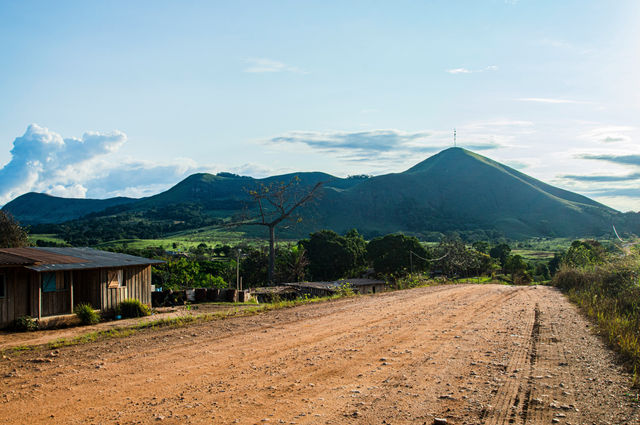
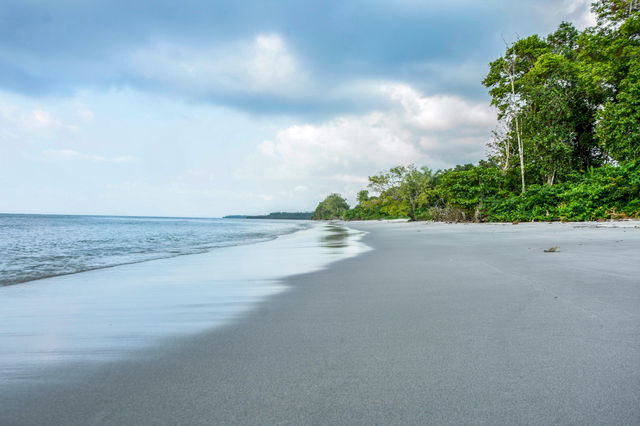
Africa's last great wilderness secret. Gabon's ancient rainforests, pristine Atlantic beaches and surfacing forest elephants make it the ultimate regenerative soft-adventure escape.

  • Currency Fr Central African Cfa Franc (Fr)
  • Language French
  • Best time June – September
  • Visa Visa required — official e-visa (~€70) or London High Commission; yellow-fever certificate mandatory
Why visit

Why Gabon

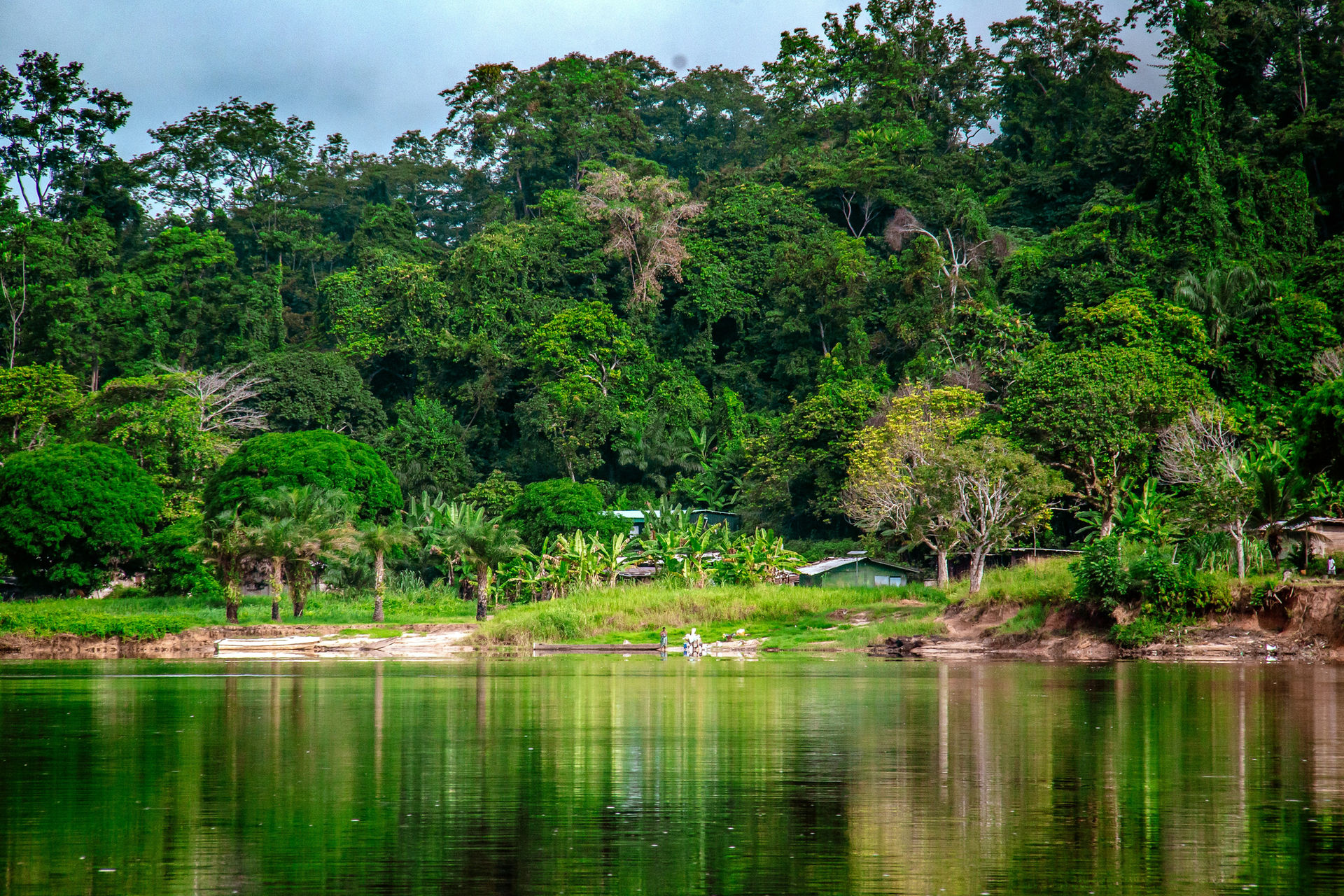
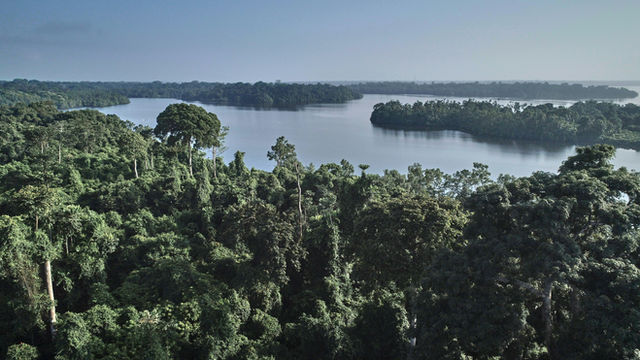
Africa's last great wilderness secret. Gabon's ancient rainforests, pristine Atlantic beaches and surfacing forest elephants make it the ultimate regenerative soft-adventure escape.

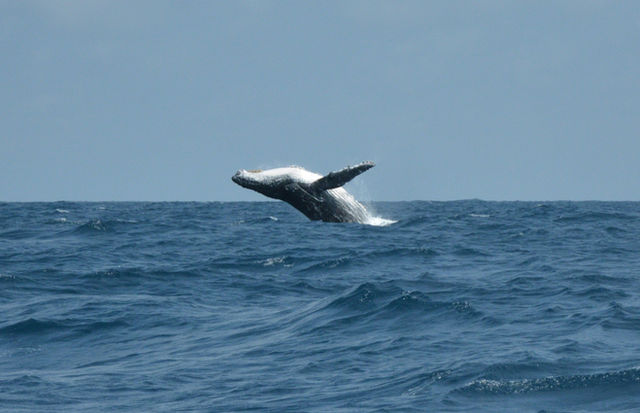
  • Loango National Park — forest elephants, hippos and gorillas on Atlantic beaches
  • Ivindo National Park — the thunderous Kongou and Mingouli waterfalls
  • Lopé National Park — savanna-forest mosaic with mandrills and rock engravings
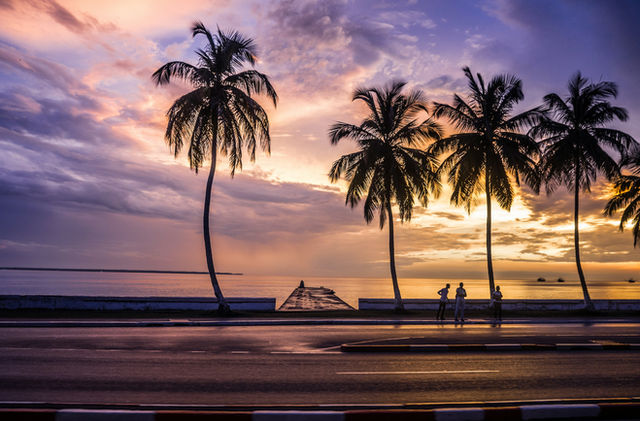
  • Libreville and Pointe Denis — the seafront capital and its nearby beach peninsula
Read more

Gabon protects more than 85% of its land under rainforest cover and has committed a remarkable share of its waters to marine national parks — making it one of Africa's most serious regenerative travel destinations. Loango National Park delivers the legendary spectacle of forest elephants and hippos wandering onto white-sand beaches, entirely crowd-free.

For soft adventure families and wildlife seekers, this is a genuine dupe destination — the drama of a classic African safari without the overtourism. Gorilla trekking in Lopé National Park, a UNESCO World Heritage Site, offers intimate encounters that feel genuinely transformative rather than transactional.

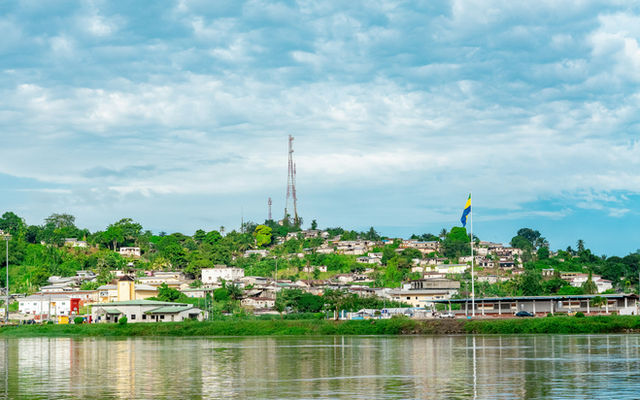
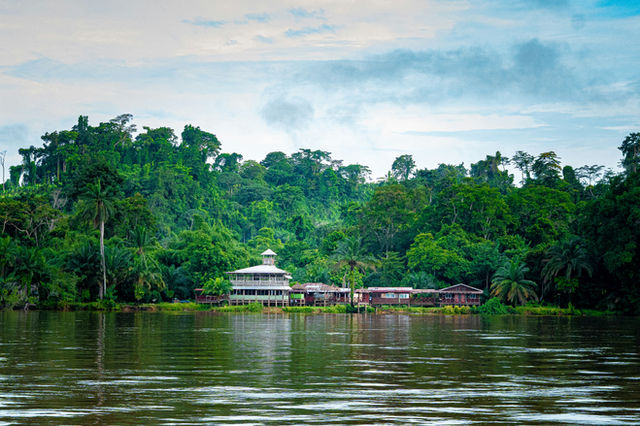
Libreville's improving connectivity and a growing network of community-led eco-lodges are quietly making Gabon accessible to curious travellers ready to go beyond the obvious. Come before the world catches on.

A pillar, not a footnote

Eat your way through Gabon

The single reason many travellers come back — the food culture worth reshaping a trip around, and the dishes to seek out region by region.

Gabon

Forest cooking with a secret: chicken in palm-nut nyembwe, and odika, the wild-mango 'native chocolate'.

Gabon is nearly all rainforest, and its cooking comes straight out of it. The national dish is poulet nyembwe — chicken simmered in nyembwe, the buttery pulp of the palm nut, thickened with ground seeds and eaten with rice, fufu or plantain. It's the soul of the table, and quite distinct from the peanut-heavy cooking further north.

The country's great oddity is odika, nicknamed 'native chocolate': a dark, glossy sauce ground from wild-mango kernels, saved for weddings and New Year and ladled over fish or wild boar. The rivers and coast bring capitaine and tilapia grilled over coals; cassava-leaf greens fill out the plate. Wash it down with cheap, cold Régab beer or a gourd of palm wine. Deep-forest food, quietly unlike anywhere else.

Dishes to seek out
  • Poulet nyembwe (chicken in palm-butter sauce)
  • Odika (wild-mango-kernel 'native chocolate' sauce)
  • Poisson nyembwe (fish in palm-nut sauce)
  • Feuilles de manioc (cassava-leaf greens)
  • Grilled capitaine (grilled river fish)
  • Fufu (pounded cassava staple)
  • Régab (national lager)
Things to do

Nature, culture & hidden gems

Editorial content coming soon

We're hand-picking the standout places, hidden gems and can't-miss activities in Gabon. Meanwhile, the cities above are a great starting point.

Plan your trip

Curated Gabon itineraries

Browse all Gabon trips →
When to go

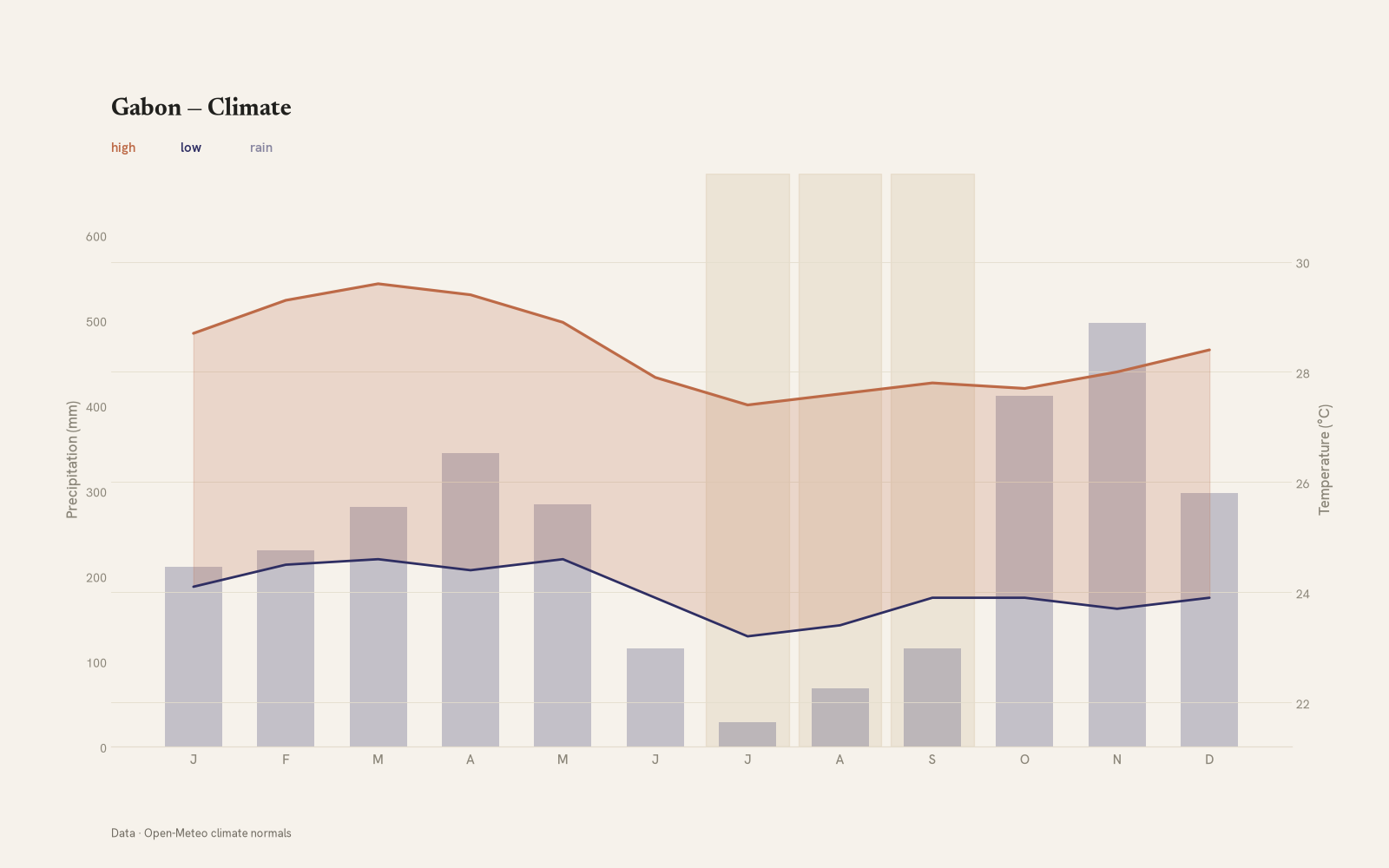
Weather & timing in Gabon RIGHT NOW 27° cloudy

Best Jul–Sep · Shoulder Jan–Feb, Jun

  1. Jan / -4°
  2. Feb / -2°
  3. Mar 12° /
  4. Apr 18° /
  5. May 24° / 14°
  6. Jun 28° / 18°
  7. Jul 30° / 20°
  8. Aug 28° / 18°
  9. Sep 24° / 14°
  10. Oct 18° /
  11. Nov 12° /
  12. Dec / -2°

Best time to visit

June – September

Best for
  • Culture
  • Cuisine
  • Landscape
  • History
At a glance
Sunshine 7 hr/day (est.)
Rain days 8 days/mo (est.)
Wettest December · 60mm
Driest June · 10mm
Part of West Africa →
By season
Spring (Mar–May)

What to expect — Daytime highs average about 18°C with overnight lows near 8°C, and it stays largely dry.

What's best — A quieter, less in-demand window than the shoulder months.

Summer (Jun–Aug)

What to expect — Daytime highs average about 29°C with overnight lows near 19°C, and it stays largely dry.

What's best — Jul and Aug are among the best time to visit — good weather with manageable crowds. Jun also works well.

Autumn (Sep–Nov)

What to expect — Daytime highs average about 18°C with overnight lows near 8°C.

What's best — Sep is among the best time to visit — good weather with manageable crowds.

Winter (Dec–Feb)

What to expect — Daytime highs average about 7°C with overnight lows near -3°C.

What's best — Jan and Feb are comfortable, with thinner crowds.

A little context

A little history

To read what you're looking at — the empires and eras that shaped Gabon's food, art and streets.

Bantu peoples — the coastal Myene and the later-migrating Fang — settled the forests before European contact, giving the ethnic mosaic and the Myene word 'nyembwe' — reached by Portuguese traders in 1472, who named the estuary 'Gabão', then colonised by France from 1839 and folded into French Equatorial Africa, leaving French, Catholicism and Libreville, founded by freed slaves — independent on 17 August 1960 — ruled for 55 years by the Bongo family on oil wealth until a military coup ended it in August 2023 — and, some 88% rainforest, remade since the 2000s into a globally significant ecotourism destination of gorillas, forest elephants and beach wildlife.
Before you book

Know before you go

The practical back-matter — safety, drones and the essentials, in one place.

Safety

Low risk FCDO advice →

Official UK Foreign, Commonwealth & Development Office guidance is the definitive source — check it close to your travel dates.

Drone rules (sub-250g)

  • Gabon
    There's a real framework: any drone must be identified with ANAC's register, a permit is needed for commercial work, and you can't fly near government sites or within about 8km of an airport — but there's no easy tourist self-service, so clear it with ANAC first. ⚠ Keep at least ~8km from airports and away from government and military sites; Gabon's 13 national parks (Loango, Ivindo, Lopé) are protected and need park or operator authorisation. Rules checked: Jul 2026

National parks, protected sites and religious/heritage venues often have their own rules and permits — always check the specific site before you fly.

The essentials

Plug & voltage Type C · 220V
Daily budget Expensive
Region Middle Africa