Guinea-Bissau — hero
← All destinations Country

Guinea-Bissau

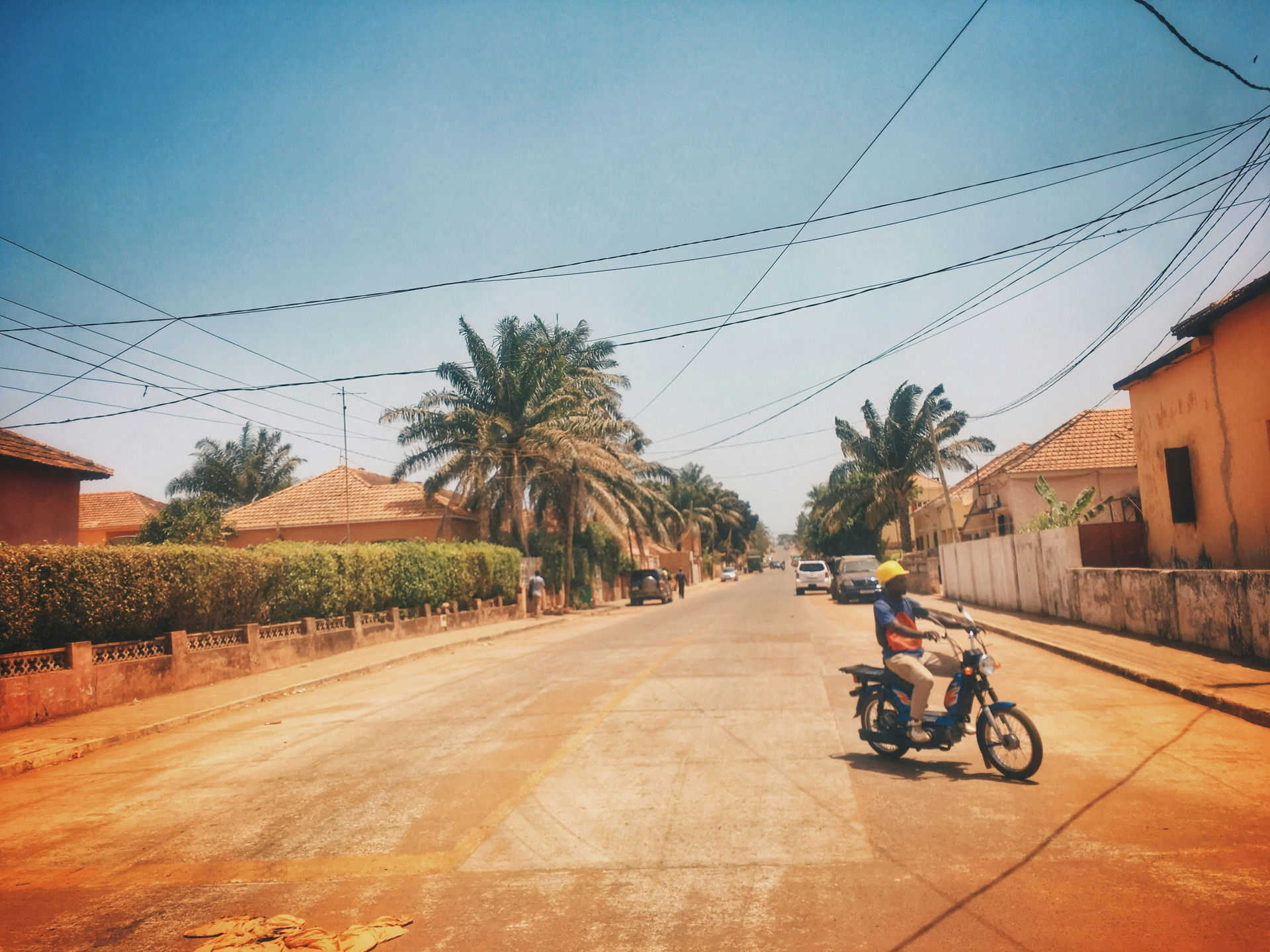
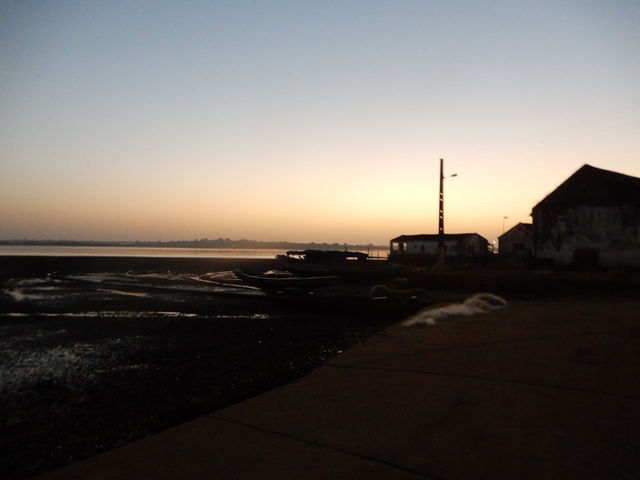
Saltwater secrets and frontier wonder await in the Bijagós Archipelago — where rare hippos roam tidal shores, green turtles nest undisturbed, and 88 islands keep their magic almost entirely to themselves.

  • Currency Fr West African Cfa Franc (Fr)
  • Language Portuguese, Upper Guinea Creole
  • Best time April – June & November – January
  • Visa Visa required in advance from a Guinea-Bissau embassy (no e-visa); yellow-fever certificate required
Why visit

Why Guinea-Bissau

Saltwater secrets and frontier wonder await in the Bijagós Archipelago — where rare hippos roam tidal shores, green turtles nest undisturbed, and 88 islands keep their magic almost entirely to themselves.

  • The Bijagós Archipelago (UNESCO biosphere) — beaches, saltwater hippos and turtles
  • Orango Islands National Park wildlife and island culture
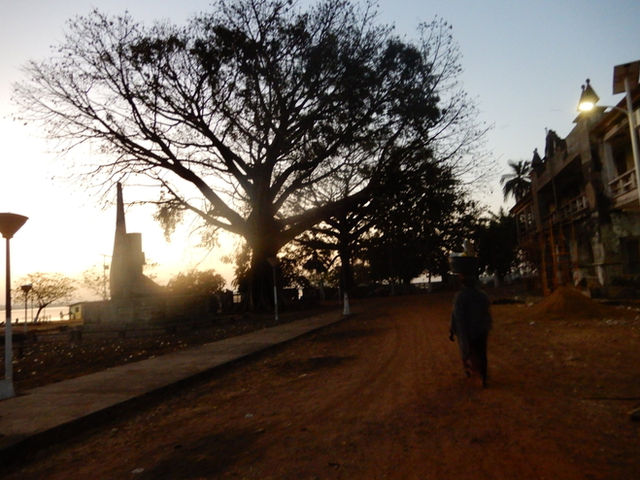
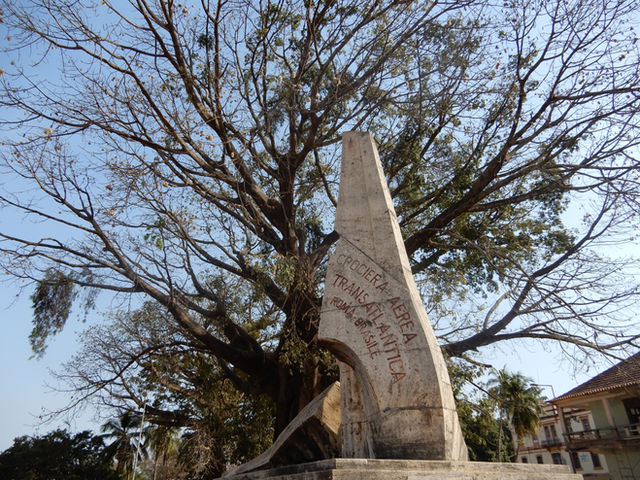
  • Bissau Velho — the colonial old quarter and Portuguese fortress
  • Cantanhez forest chimpanzees and mangrove birdlife
Read more

Guinea-Bissau is one of West Africa's most extraordinary and undiscovered marine destinations — a labyrinth of 88 islands, drowned mangroves and tidal channels where the Atlantic keeps its deepest secrets. The Bijagós Biosphere Reserve shelters saltwater-adapted hippopotamuses and hosts one of the Atlantic's most critical green sea turtle nesting colonies on the island of Poilão.

This is regenerative and community-led travel at its most compelling. Visitors join local eco-guards monitoring turtle nests, support mangrove restoration, and engage with Bijagós communities whose matriarchal culture is as rare and remarkable as the wildlife surrounding them.

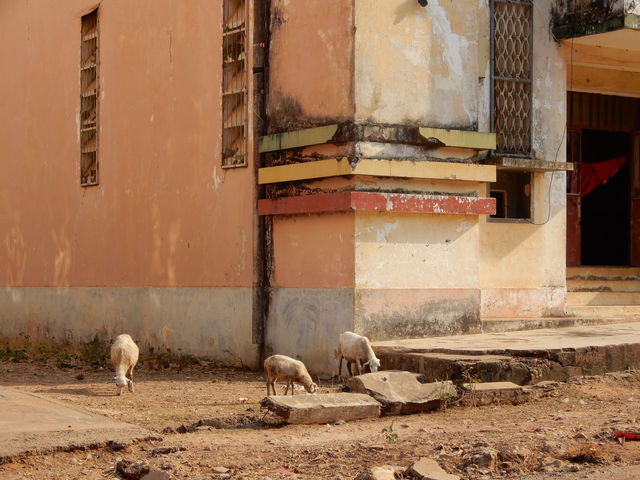
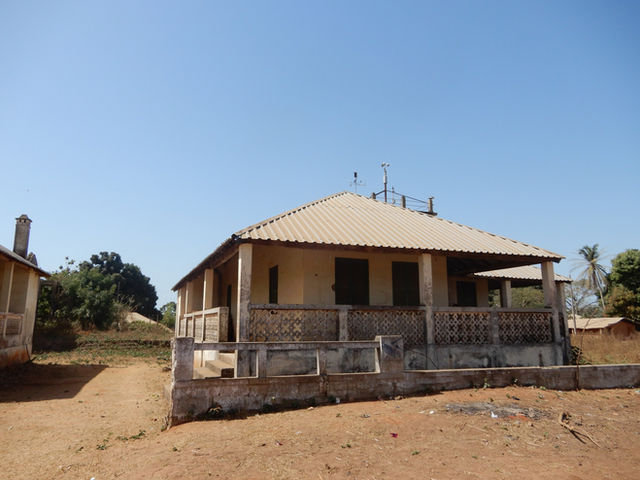
For the soft adventure traveller craving genuine frontier experience — canoe passages through mangrove forests, the faded colonial grandeur of Bolama, unhurried island rhythms — Guinea-Bissau delivers something increasingly precious: a world still largely untouched, on its own terms.

A pillar, not a footnote

Eat your way through Guinea-Bissau

The single reason many travellers come back — the food culture worth reshaping a trip around, and the dishes to seek out region by region.

Guinea-Bissau

Rice and fish, two great caldos of peanut and palm — and cashew in everything, right down to the wine.

Guinea-Bissau eats rice at nearly every meal, almost always with fish — the country has plenty of both. The two dishes to know are its caldos: caldo de mancarra, a spicy peanut-and-shrimp stew, and caldo de chabéu, a rich broth strained from palm fruit with smoked fish and root vegetables, both spooned over rice.

Cashew is the thread through everything — the country's great export crop, but also, fermented, its emblematic drink, the potent cana de caju. Palm oil and groundnut define the sauces; sweet green warga tea is brewed all day long; and out in the Bijagós islands the food turns to grilled mangrove oysters and island rice. A small Lusophone-Creole pocket cooking quite unlike its Francophone neighbours.

Dishes to seek out
  • Caldo de mancarra (spicy peanut-and-shrimp stew)
  • Caldo de chabéu (palm-fruit broth with fish)
  • Jollof rice (palm-oil tomato rice)
  • Arroz de peixe (rice cooked with fish)
  • Grilled mangrove oysters
  • Cana de caju (cashew wine)
  • Warga (sweet green tea)
Things to do

Nature, culture & hidden gems

Editorial content coming soon

We're hand-picking the standout places, hidden gems and can't-miss activities in Guinea-Bissau. Meanwhile, the cities above are a great starting point.

Plan your trip

Curated Guinea-Bissau itineraries

Browse all Guinea-Bissau trips →
When to go

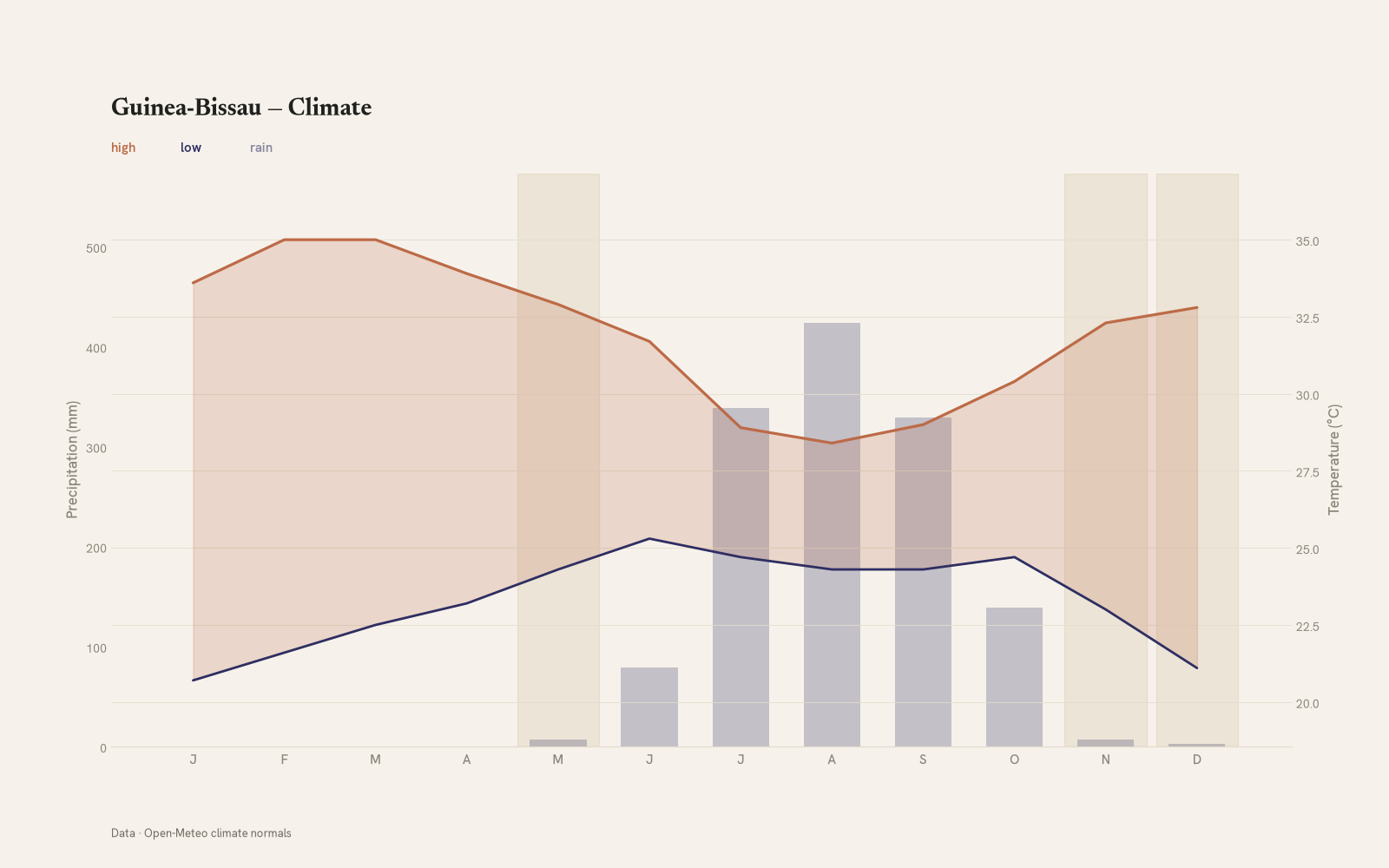
Weather & timing in Guinea-Bissau RIGHT NOW 30° mostly clear

Best May, Nov–Dec · Shoulder Jan, Apr, Jun

  1. Jan / -4°
  2. Feb / -2°
  3. Mar 12° /
  4. Apr 18° /
  5. May 24° / 14°
  6. Jun 28° / 18°
  7. Jul 30° / 20°
  8. Aug 28° / 18°
  9. Sep 24° / 14°
  10. Oct 18° /
  11. Nov 12° /
  12. Dec / -2°

Best time to visit

April – June & November – January

Best for
  • Culture
  • Cuisine
  • Landscape
  • History
At a glance
Sunshine 7 hr/day (est.)
Rain days 8 days/mo (est.)
Wettest December · 60mm
Driest June · 10mm
Part of West Africa →
By season
Spring (Mar–May)

What to expect — Daytime highs average about 18°C with overnight lows near 8°C, and it stays largely dry.

What's best — May is among the best time to visit — good weather with manageable crowds. Apr also works well.

Summer (Jun–Aug)

What to expect — Daytime highs average about 29°C with overnight lows near 19°C, and it stays largely dry.

What's best — Jun is comfortable, with thinner crowds.

Autumn (Sep–Nov)

What to expect — Daytime highs average about 18°C with overnight lows near 8°C.

What's best — Nov is among the best time to visit — good weather with manageable crowds.

Winter (Dec–Feb)

What to expect — Daytime highs average about 7°C with overnight lows near -3°C.

What's best — Dec is among the best time to visit — good weather with manageable crowds. Jan also works well.

A little context

A little history

To read what you're looking at — the empires and eras that shaped Guinea-Bissau's food, art and streets.

Part of the Mandinka kingdom of Kaabu, a successor to the Mali Empire, into the 19th century — leaving Mandinka and Fula roots and a griot heritage — held by Portugal from the 15th century as one of West Africa's earliest and longest slave-trading footholds, giving Portuguese-based Kriol as the lingua franca and a Lusophone culture unusual among French-speaking neighbours — freed after Amílcar Cabral's PAIGC war and the declaration of independence on 24 September 1973, with an early union with Cabo Verde that ended after the 1980 coup — long unstable through repeated coups — and defined economically and on the plate by cashew, with the Bijagós Archipelago, a UNESCO biosphere, its signature natural draw.
Before you book

Know before you go

The practical back-matter — safety, drones and the essentials, in one place.

Safety

Low risk FCDO advice →

Official UK Foreign, Commonwealth & Development Office guidance is the definitive source — check it close to your travel dates.

Drone rules (sub-250g)

  • Guinea-Bissau
    A gamble not worth taking: Guinea-Bissau has no drone law at all, so no registration and no permit — and customs may simply confiscate one on arrival, with no way to know in advance. Contact the civil aviation directorate before travelling with a drone. ⚠ No published zones, but assume bans around Bissau, government and military sites, the port and borders; the Bijagós Archipelago is a protected UNESCO biosphere where aerial activity needs local clearance. Rules checked: Jul 2026

National parks, protected sites and religious/heritage venues often have their own rules and permits — always check the specific site before you fly.

The essentials

Plug & voltage Type C · 220V
Daily budget Budget-friendly
Region Western Africa