← Iran
IRAN · CITY

Isfahan

Iran's architectural crown jewel: a city of turquoise domes, rose gardens and one of the world's great public squares.

  • City
  • 3–5 days
▸ Where you'll stay

Where you'll stay in Isfahan

<h4>Around Meidan Emam (the Square)</h4><p>Staying within walking distance of the UNESCO square is the obvious first choice and I think the right one — being able to visit at sunrise before the crowds arrive is a genuine privilege. The area has a range of mid-range family-friendly hotels in converted traditional houses (locally called <em>karvansara</em> or boutique guesthouses), and waking up with the blue-tiled domes visible from your window is something my family still talks about. Rates here run higher than elsewhere in Isfahan but remain very affordable by European standards.</p><h4>The Old Bazaar neighbourhood</h4><p>Just north of the square, the bazaar district is animated at all hours and places you in the middle of daily Isfahan life. Family-friendly mid-range hotels in this area tend to be good value, and the cobblestone lanes between coppersmith workshops and spice merchants give teenagers something genuinely engaging to explore. It is slightly noisier than the square area but thoroughly safe.</p><h4>Chahar Bagh Boulevard</h4><p>Isfahan's famous tree-lined boulevard — once the grandest promenade of the Safavid empire — runs north–south through the city and makes a good central base. Hotels along or near Chahar Bagh Abbasi street offer easy access to both the square and the river bridges, and the street itself is pleasant for an evening stroll. Options range from simple guesthouses to larger hotels.</p><h4>Riverside (Zayandeh-Rood)</h4><p>The river district near Si-o-Se Pol bridge is a quieter, residential-feeling area popular with Iranian families. Staying here suits families who want a slightly more local feel and don't mind a 15–20 minute walk or short taxi ride to the main UNESCO sites.</p><h4>How to choose</h4><p>If this is your first visit to Isfahan and you have teenagers with you, I would prioritise proximity to Meidan Emam above everything else — the ability to walk to the square at golden hour, before organised tours arrive, is the single best thing you can do in this city.</p>

Stay

Hotels & rentals around Isfahan

Pan, zoom and compare live prices — every stay in one map.

▸ Getting around

Getting around Isfahan

Metro/subway

Isfahan has a metro system with two operational lines (Line 1 north–south; Line 2 east–west), though the network is still expanding and currently does not directly connect all major tourist sites. The metro is clean, safe and very inexpensive by UK standards — useful for longer cross-city trips but not always the most convenient option for visiting the UNESCO sites around Meidan Emam, which are best reached on foot or by taxi from a central base.

Buses

The city bus network is extensive and local — signage is in Persian, which makes independent use challenging for first-time visitors. BRT (Bus Rapid Transit) lines on major corridors are faster and somewhat easier to navigate. For most families, buses are practical mainly for longer routes where the metro doesn't reach; taxis are more useful for sightseeing.

Taxis and ride-hailing

Taxis are the most practical option for families moving between sites, and they are very affordable by European standards. Agree a price before getting in (standard practice for tourist routes) or look for metered taxis in the city centre. The Snapp app (Iran's equivalent of Uber) works well in Isfahan and removes the need to negotiate fares — if you have a local SIM, download it on arrival in Iran. Always have your destination written in Persian script (your guesthouse can help) as English is not universally spoken.

Walking

The historic core of Isfahan — Meidan Emam, the Grand Bazaar, Chehel Sotoun, and the approaches to the river bridges — is genuinely walkable if you base yourself centrally. I walked most of the major sites in the square area, and the bazaar exploration is entirely pedestrian. Carry water, wear comfortable shoes and plan walks for early morning or late afternoon in summer.

▸ What you'll do

Insider tips

Meidan Emam (Naghsh-e Jahan Square) — UNESCO World Heritage Site

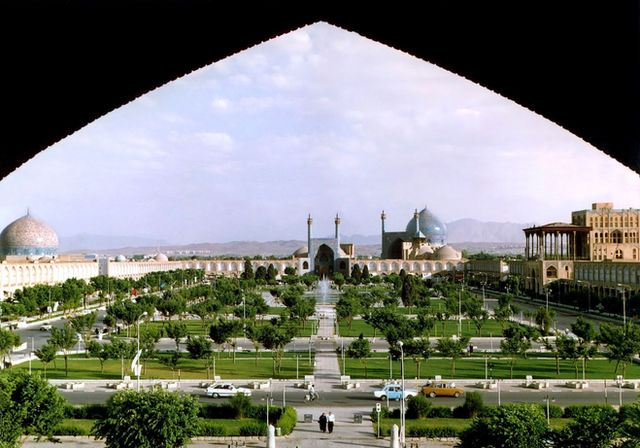
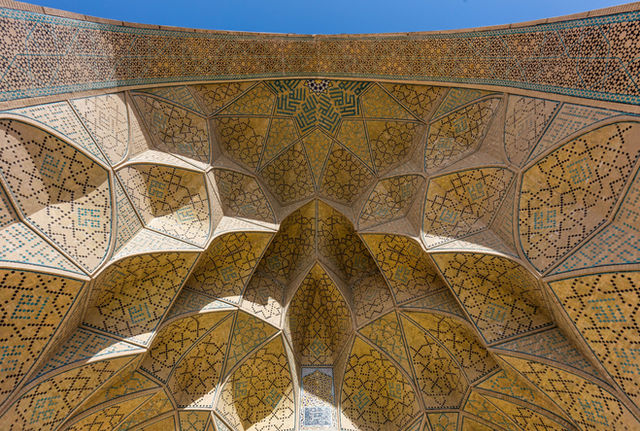
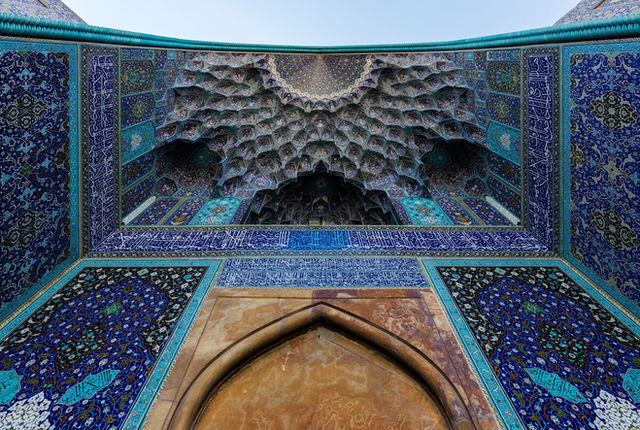
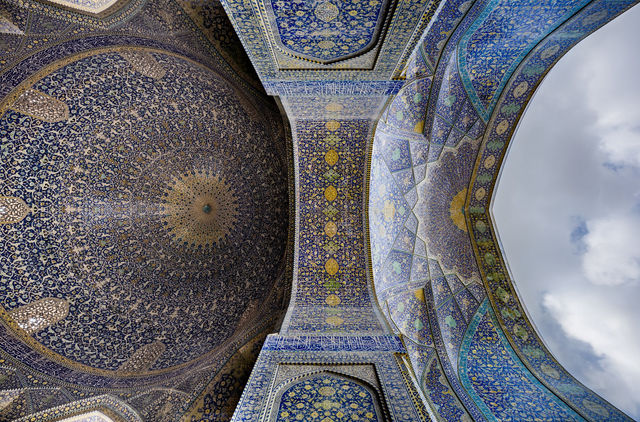
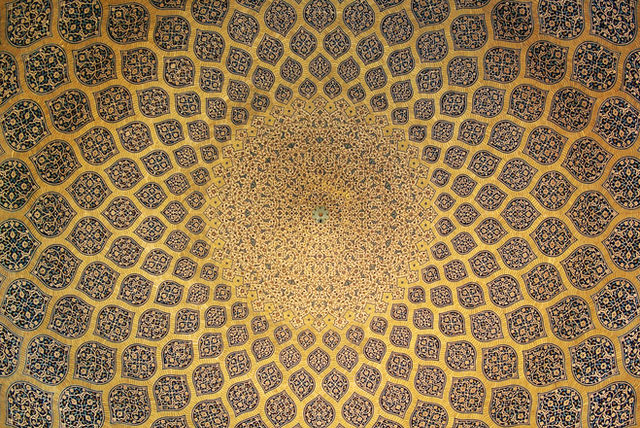
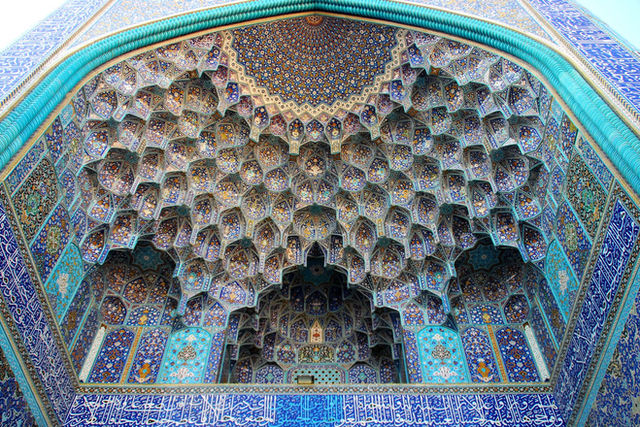
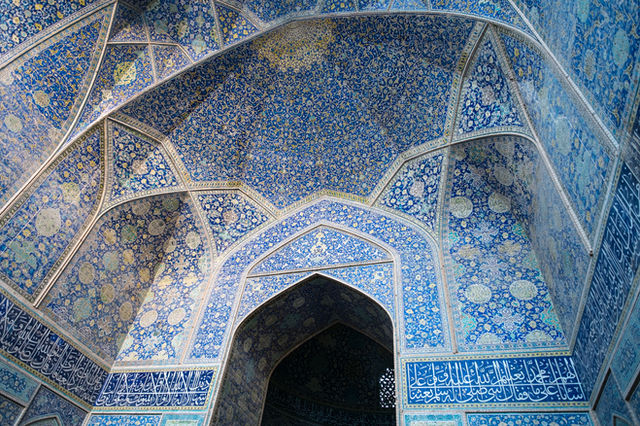
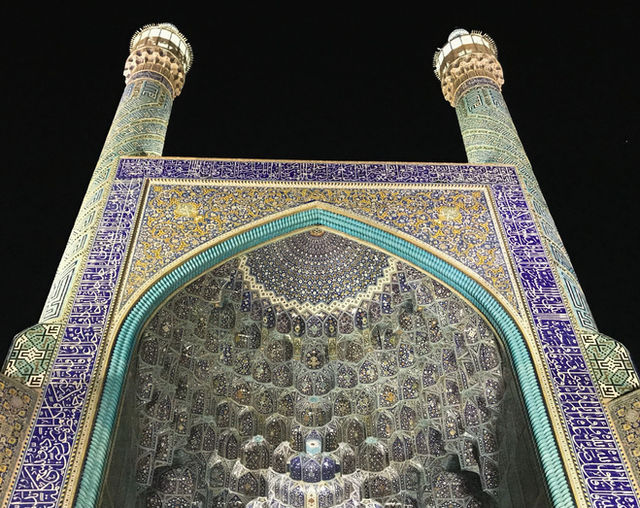
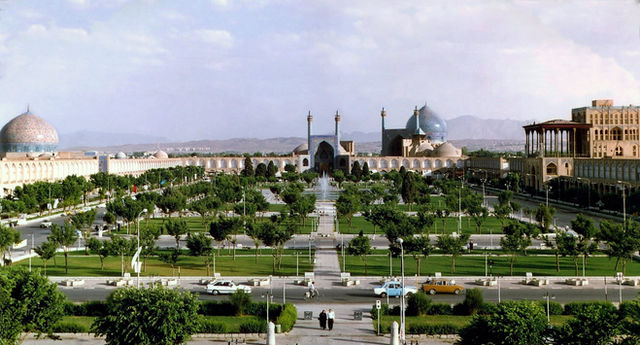
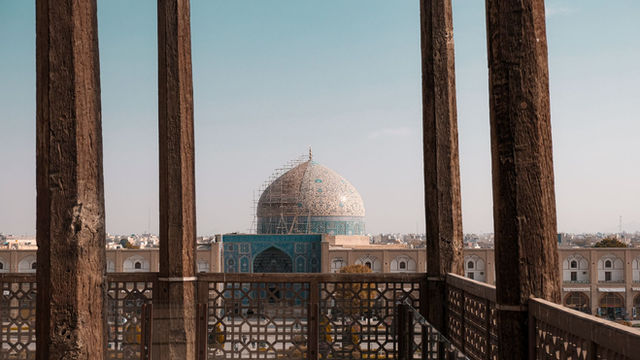
The square itself is free to enter at any hour, and I would visit it at three different times of day: early morning for empty grandeur, midday to see it in full sunlight with the tile-work blazing, and at dusk when local families spread picnic cloths on the grass and the whole space comes alive. The Imam Mosque (also called Shah Mosque) on the south side is the centrepiece — its entrance portal stands at a deliberately angled alignment to face Mecca, a detail teenagers with any interest in geometry or religion find genuinely fascinating. The Sheikh Lotfollah Mosque on the eastern side has no minarets and no courtyard (it was the private royal mosque) and contains arguably the finest tile-work I have ever seen: a dome of cream and ochre that shifts colour as the light changes through the day. Entrance to both mosques requires modest dress (scarves and long clothing; often provided at the door) and costs a small local admission fee.

Ali Qapu Palace

The six-storey gateway palace on the western side of the square offers the best elevated view over Meidan Emam — climb to the top terrace early to avoid queues. The music room on the upper floor, its walls carved with the shapes of Persian vessels to enhance acoustics, is a detail teenagers consistently find surprising and memorable. Admission is separate from the mosques and very affordable.

Isfahan Grand Bazaar

Walking north from the square into the historic bazaar is one of my favourite hours in any city in the world. The vaulted brick ceilings, the smell of spices and fresh-cut copper, the sound of hammers on metalwork — it engages every sense. Look for the coppersmith section and the carpet workshops where weavers work on large looms; most are happy for visitors to watch. Bargaining is expected and teenagers tend to enjoy it once they get the rhythm. Budget time to get (pleasantly) lost.

Si-o-Se Pol and Khaju Bridges

Both Safavid bridges over the Zayandeh-Rood are worth visiting at different times. Si-o-Se Pol (Bridge of 33 Arches, built 1602) is the longer and more famous — at evening, Isfahanis gather in its lower arcades to talk, sing and drink tea, creating a social scene unlike anything I have seen at a bridge anywhere else. Khaju Bridge (1650) is smaller and more ornate, with painted tiles and a central lock-gate system. Walking between them along the riverbank at dusk is a perfect family evening.

Vank Cathedral and the Armenian Quarter

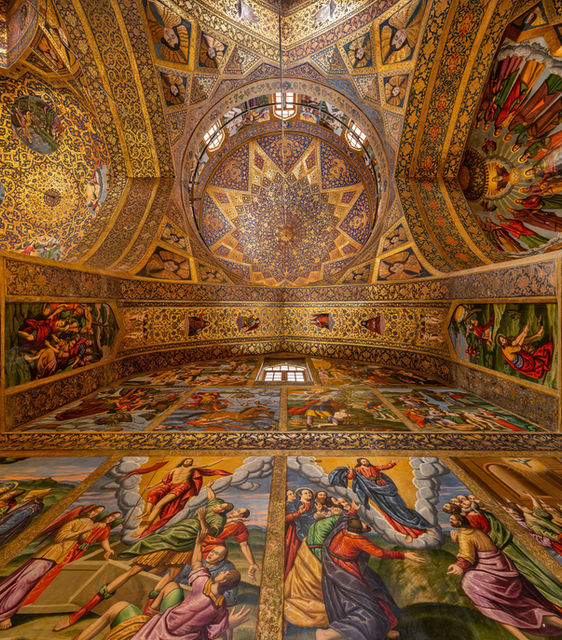
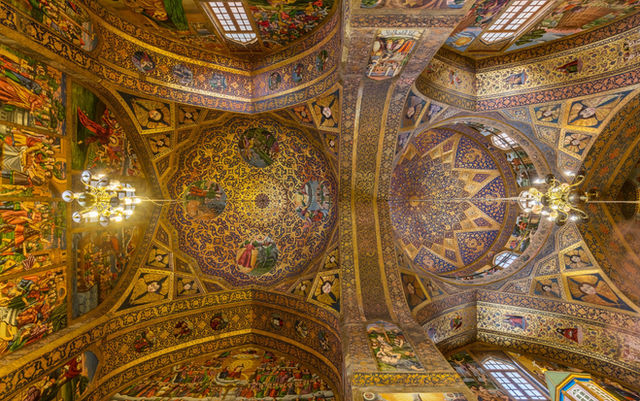
Isfahan's Armenian Christian community has been present since the early 17th century, when Shah Abbas relocated Armenian craftspeople here. The Vank Cathedral (Cathedral of All Saviours) is an extraordinary fusion of Armenian Christian iconography with Persian architectural decoration — its painted interior contains both biblical frescoes and ornate Safavid tilework. There is a small museum attached. For teenagers, the multi-faith coexistence story of Safavid Isfahan is a meaningful historical conversation-starter.

Chehel Sotoun Palace

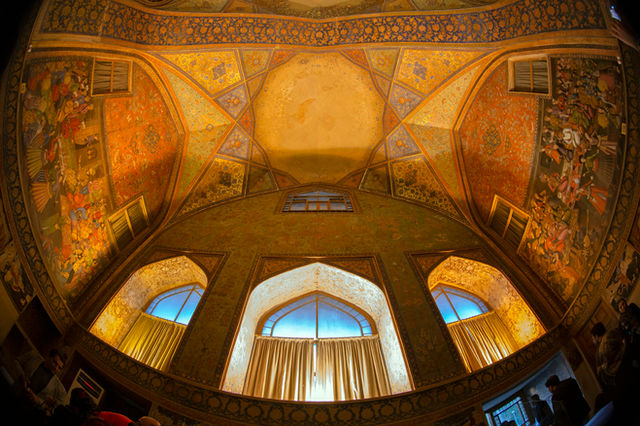
The Palace of Forty Columns (the name refers to the reflection of 20 columns in the formal pool that doubles the count) is set in a garden a short walk west of the square. Its grand iwan is decorated with enormous murals of Safavid court scenes — banquets, battles, ambassadorial receptions — painted with a directness and confidence that still feels vivid. This is a good complement to Ali Qapu: less crowded, more atmospheric garden setting.

Cooking classes and craft workshops

Several traditional workshops near the bazaar offer half-day experiences in Persian cooking, copper engraving, or miniature painting — search for locally-run options on arrival or via your guesthouse. These are genuinely excellent for families with teenagers who want to make something to take home, and they provide meaningful direct contact with local craft traditions that a building visit cannot replicate.

Frequently asked

How many days do I need in Isfahan?

Three full days is my minimum recommendation for a meaningful visit — one day for Meidan Emam and its three main monuments (Imam Mosque, Sheikh Lotfollah Mosque, Ali Qapu Palace), one day for the bazaar, Chehel Sotoun and an afternoon exploring on foot, and one day for the bridges, Vank Cathedral and slower exploration. Four to five days allows you to breathe and revisit favourite spots at different times of day, which I think is worthwhile.

Is the UNESCO site worth it for teenagers?

In my experience, yes — emphatically so. The scale of Meidan Emam (bigger than St Peter's Square and Red Square) tends to produce a genuine wow moment even in teenagers who are not normally architecture-enthusiasts. The geometry of the Sheikh Lotfollah Mosque dome, the polo-ground history of the square, and the acoustic ceiling of Ali Qapu Palace all give teenagers specific things to engage with rather than just a general instruction to appreciate beautiful old buildings. I would prime them with a five-minute overview of the Safavid Empire before visiting and let them connect the dots themselves.

Is Iran safe for UK families to visit?

This is the most important question and I will be honest: Iran is not a routine family holiday destination, and the UK FCDO currently advises against all but essential travel to certain parts of the country, with a general advisory to exercise a high degree of caution. Isfahan itself is considered safer than border regions and has a long history of receiving tourists safely. However, the political situation can change, consular support is limited, and UK-Iranian dual nationals face additional legal risks. You should read the current FCDO guidance carefully, arrange comprehensive travel insurance that covers Iran, register your trip with the FCDO, and keep itinerary copies with people at home. Many families do visit successfully — but it requires specific preparation that a standard European trip does not.

Do I need a visa to visit Iran as a UK national?

Yes. UK nationals must obtain a visa in advance; visa on arrival has not been consistently available for British passport holders and cannot be relied upon. The process involves applying through the Iranian embassy (currently the Iranian Interests Section via the Embassy of Oman in London handles UK applications) and typically takes several weeks. Start this process well ahead of your trip — ideally two to three months before departure. Your travel agent or a specialist Iran tour operator can advise on current visa procedures as they can change.

What should we wear visiting the mosque and sites?

All visitors to mosques and religious sites must dress modestly: for women and girls, a headscarf covering the hair and a long coat or loose clothing covering arms and legs; for men, long trousers and covered shoulders. Iran's public dress code also requires women to cover their hair in all public spaces, not just at religious sites. Pack lightweight long layers — a large linen scarf is ideal for women and easily stowed in a bag. Most sites provide covering garments at the door if needed, but bringing your own is more comfortable.

Can teenagers use social media and messaging apps in Iran?

Many popular apps and websites (Instagram, Twitter/X, YouTube, some VPNs) are blocked by Iran's national internet filter. WhatsApp and Telegram currently work without a VPN. If staying connected to these services matters to your family, research current VPN availability before travelling — the situation changes regularly. A local SIM card from the airport is very useful for data access and makes the Snapp taxi app work.

What is the best way to pay for things in Isfahan?

This is a genuine practical challenge for UK visitors: international debit and credit cards (Visa, Mastercard) do not work in Iran due to sanctions, and there are no international ATMs. You must bring all the cash you will need for your entire trip. The local currency is the Iranian rial (or toman — 10 rials = 1 toman, which is the everyday unit locals use). Euros and US dollars are easiest to exchange on arrival at the airport or via licensed exchange offices in the bazaar. Calculate your budget conservatively and bring more than you think you need, as you cannot access more once you are there.

Explore

Explore the area

Do

Local attractions & tours

Skip-the-line tickets and small-group tours in Isfahan — compare across our partners.

Not seeing offers? Try or — some destinations have thinner inventory on Tiqets.

▸ When you'll go

Best time to visit Isfahan

Seasons overview

Isfahan sits on a high semi-arid plateau at around 1,600 metres elevation, which moderates summer heat compared to Tehran or the Persian Gulf coast but creates cold winters. Spring (March–May) is the finest season: temperatures reach a pleasant 18–25°C, the rose gardens bloom and the river is often running. Nowruz (Persian New Year, late March) brings festivity but also domestic crowds, so book accommodation well ahead. Summer (June–August) is hot and dry — mid-30s to low 40s°C in July — though low humidity makes it more bearable than it sounds; early mornings at the square are still manageable and bazaars provide shade. Autumn (September–November) mirrors spring in quality: cooling temperatures, clear skies and lighter visitor numbers. Winter (December–February) brings cold nights (near or below freezing), occasional snow on surrounding hills, and a dramatically quieter city — the square at dawn in winter light is extraordinary, though some smaller sites keep reduced hours.

Best months for families

I recommend April, May, October or November as the sweet spots for a family visit. You get comfortable temperatures, full opening hours at all sites, and the social energy of the square at its best. Avoid the peak Nowruz week (late March) unless you have booked accommodation months in advance.

▸ Ready to book your trip?

Getting there

By air

The main gateway is Isfahan International Airport (IFN), located approximately 25 km south-east of the city centre. Direct scheduled flights from the UK do not currently operate — the typical routing from London is via Istanbul (IST) with Turkish Airlines, Dubai (DXB) with flydubai or Emirates, or Doha (DOH) with Qatar Airways; total journey time is typically 7–10 hours including connection. Fares from London vary considerably by season and airline; as a rough planning figure, expect return fares in the region of ~£550–£900 per adult from London. Note that UK nationals visiting Iran require a visa in advance and should check the current Foreign Commonwealth & Development Office (FCDO) travel advisory before booking, as advice can change. Always purchase comprehensive travel insurance that covers Iran specifically.

From Tehran by rail or road

If you are combining Isfahan with Tehran (a very natural pairing — most international flights into Iran land at Imam Khomeini International Airport, Tehran (IKA)), the journey between the two cities is around 450 km. The intercity train from Tehran to Isfahan is comfortable, scenic and takes approximately 6–7 hours; I find it an excellent way to see the landscape and arrive refreshed. Intercity buses are faster (~4–5 hours) and very cheap. Domestic flights on Iran Air or Mahan Air connect Tehran to Isfahan in about an hour, though the train is more pleasant if time allows.

Book

Ready to book your trip?

Flights, airport transfers and car hire — search and compare without leaving the page.

▸ Trip extras
Book

More trip extras

Parking, holiday extras, and more — coming soon.

Coming soon

We're lining up parking, holiday extras and activities you'll be able to add to any trip from here.