← Iran
IRAN · CITY

Yazd

One of Earth's oldest living cities, Yazd enchants with mud-brick alleyways, soaring wind towers and the eternal flame of Zoroastrianism.

  • City
  • 3–4 days
▸ Where you'll stay

Where you'll stay in Yazd

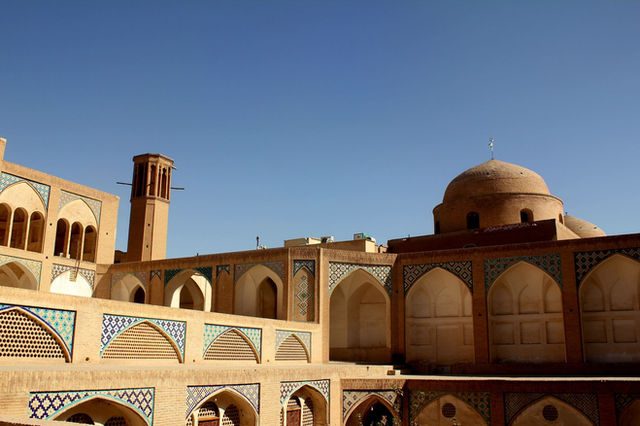
<h4>The Old City (Historic Centre)</h4><p>Staying inside the UNESCO-listed old quarter is, without question, the most rewarding choice. A number of restored traditional houses — known locally as <em>khaneh</em> — have been converted into guesthouses and boutique-style hotels, with wind towers, internal courtyards with pools, and the kind of atmosphere that no modern hotel can replicate. Family rooms are generally available in the larger properties. I always suggest families look for traditional courtyard guesthouses near the <strong>Amir Chakhmaq Complex</strong> or close to the old bazaar — you are within walking distance of almost everything.</p><h4>Fahadan District</h4><p>Fahadan is the oldest continuously inhabited neighbourhood within the old city, a tangle of narrow lanes with some of the most characterful accommodation options available. It is quieter than the immediate bazaar area and very safe for an evening wander. Family-friendly mid-range options here give you atmosphere without paying premium rates.</p><h4>Around Imam Khomeini Square</h4><p>The modern town centre around the main square and the roads leading toward the bazaar offers more conventional hotels with standard amenities, air conditioning you can rely upon, and easier car or taxi access. This is the better choice if anyone in the family needs a lift rather than stairs, or if you are travelling with young children who need the reliability of modern facilities. Mid-range options here are comfortable and well-priced.</p><h4>How to choose</h4><p>If your teenagers have any interest in history or architecture — and they will once they arrive — prioritise a traditional courtyard guesthouse in the old city even if it costs a little more. The experience of waking up in a mud-brick room around a courtyard fountain, under the shadow of a wind tower, is something they will genuinely remember. Save the modern hotels for cities where old-town options are scarcer.</p>

Stay

Hotels & rentals around Yazd

Pan, zoom and compare live prices — every stay in one map.

▸ Getting around

Getting around Yazd

Metro/subway

Yazd does not have a metro or tram system. The city is compact enough that the old quarter and most major sights are reachable on foot or by short taxi ride.

Buses

City buses operate on main routes and are very inexpensive, but routes and signage are in Farsi only, making them difficult to navigate independently for visitors. For most families, taxis are a more practical and still very affordable option within the city.

Taxis & ride-hailing

Standard taxis (both metered private taxis and shared savari taxis along fixed routes) are the primary way to get around Yazd. Fares within the city are genuinely low — a trip across town typically costs less than the equivalent of ~£1–2. Snapp, Iran's main ride-hailing app, operates in Yazd and is useful for avoiding fare negotiation; it requires an Iranian SIM card or local registration, which your guesthouse can often help arrange. Agree the fare before starting a journey in unlicensed taxis.

Walking

The historic old city is best experienced entirely on foot — it is not possible to navigate the narrow lanes by vehicle, and walking is the only way to appreciate the architecture, the wind towers and the spontaneous discoveries that make Yazd so special. The old quarter is compact enough that most sites are within a 20–30 minute walk of each other. Wear comfortable shoes and carry water; the desert air is very dry even in cooler months. The Towers of Silence require a 20-minute uphill walk on a rocky path — manageable for most families.

▸ What you'll do

Insider tips

Explore the UNESCO Historic City — the Old Quarter on Foot

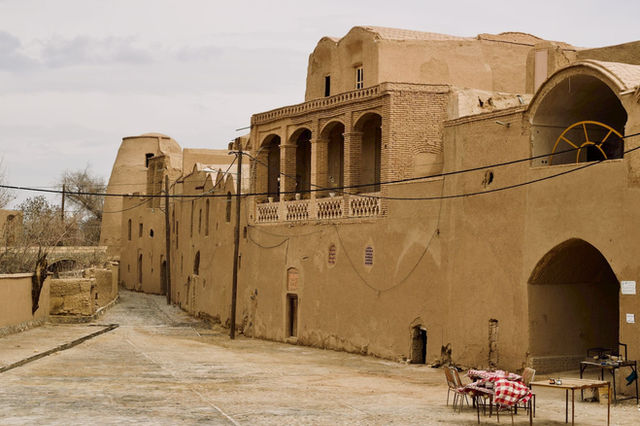
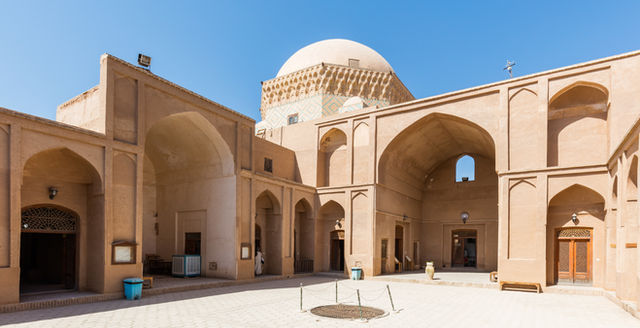
The entire old city of Yazd is the UNESCO site, and exploring it without a fixed plan is one of the most rewarding things I have done in Iran. The dense, organic street pattern of the Historic City of Yazd (inscribed 2017, site ID 1544) was designed over millennia to create shade, channel wind and confuse invaders — the same qualities make it magical to walk through today. Pick up a simple paper map from your guesthouse, head into the Fahadan district, and let the lanes take you where they will. There is no single ticket required; the city itself is the attraction.

The Amir Chakhmaq Complex

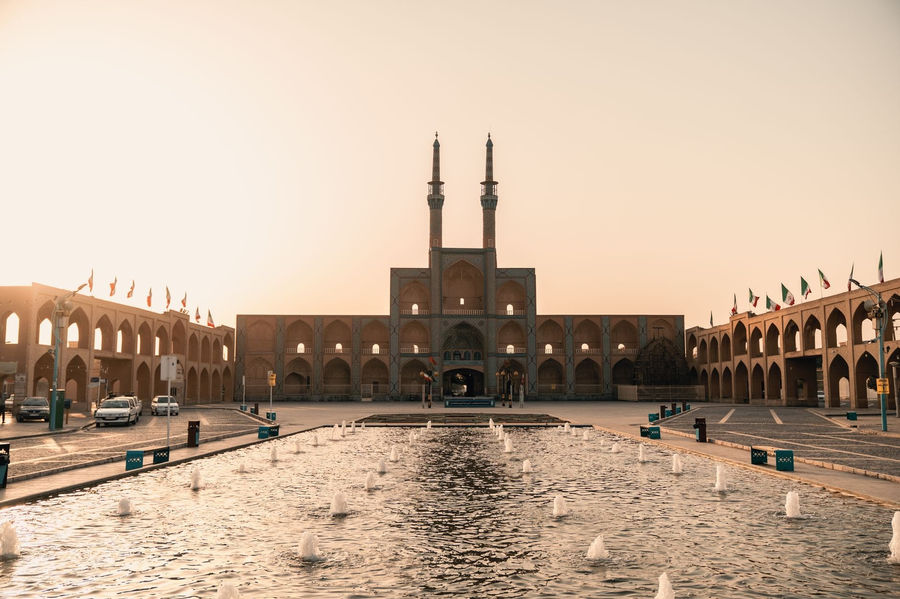
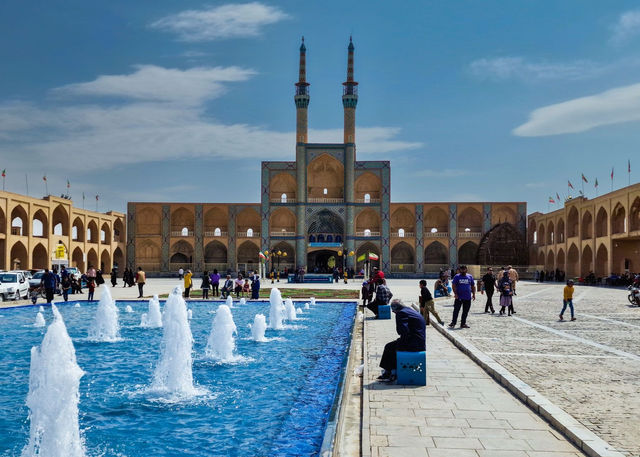
The stunning three-storey facade of Amir Chakhmaq is the defining image of Yazd — seventy-two arched recesses stacked in perfect symmetry, best seen at sunset or at night when it is illuminated. The attached bazaar and mosque make this a natural anchor for exploring the surrounding quarter. Teenagers generally find it immediately photogenic and are often surprised by how little it appears in mainstream travel imagery outside Iran.

Zoroastrian Fire Temple (Atashkadeh)

The sacred flame burning inside this temple has reportedly not been extinguished for more than 1,500 years — it was brought to Yazd from another fire temple in the 5th century CE. Non-Zoroastrians are welcome to enter and view the flame through a glass screen. I found it genuinely moving, and teenagers who engage with the history of the world's first monotheistic religion often leave with a very different frame on the origins of religious thought. Entry requires a small fee; respectful dress is essential.

Towers of Silence (Dakhma)

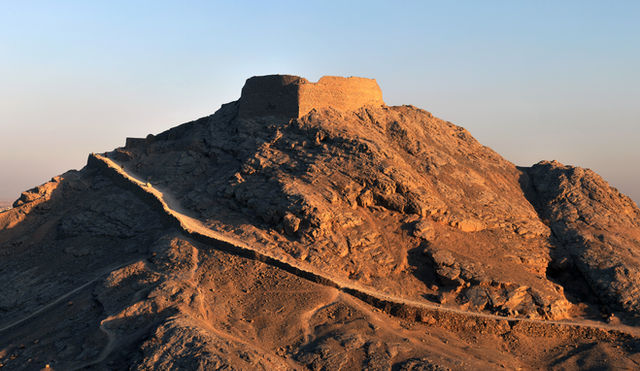
On the desert edge of Yazd, two ancient circular stone towers stand on twin hills — these are the dakhmas, where Zoroastrians traditionally left their dead to be returned to nature by birds of prey. The practice ended here in the 1960s, but the towers and the vast silence of the landscape remain deeply atmospheric. The walk up takes around 20 minutes and the views across the city and desert are outstanding. Teenagers find the historical and philosophical context genuinely engaging rather than morbid.

The Old Bazaar and Silk Weaving Workshops

Yazd has been famous for silk weaving since the medieval period, and workshops producing the distinctive termeh cloth are still active in the bazaar quarter. You can watch weavers at traditional looms and buy directly — quality pieces make meaningful souvenirs rather than tourist trinkets. The bazaar itself is quieter than Tehran or Isfahan's grand bazaars, which makes it easier to navigate with teenagers who might find very busy markets overwhelming.

Jame Mosque of Yazd

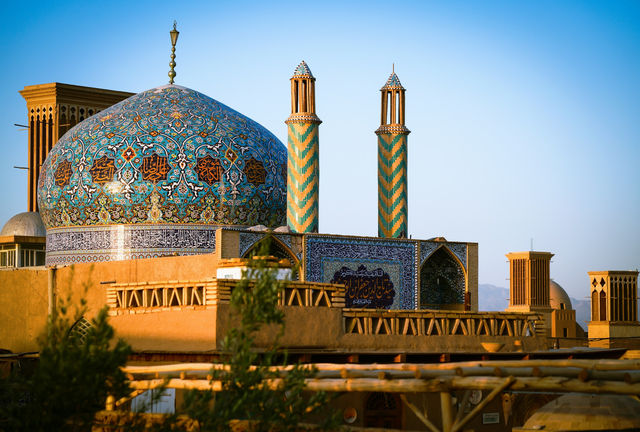
The twin minarets of the Jame Mosque are the tallest in Iran at 48 metres, and the tilework of the portal is among the finest examples of Persian mosaic tile work anywhere. Non-Muslim visitors are welcome outside prayer times; appropriate modest dress is required. The interior courtyard has remarkable acoustics and a tranquillity that is striking in contrast to the busy lanes outside.

Qanat Water Museum

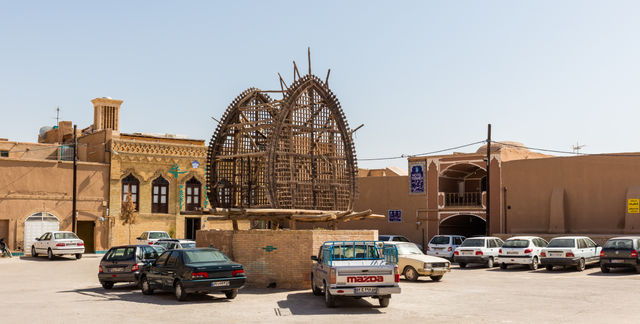
Yazd's survival in the desert was made possible by an ingenious underground irrigation system — qanats, hand-dug tunnels channelling groundwater from distant mountains under the desert. The museum at the Water Museum of Yazd explains this system brilliantly, with models and a real qanat section you can walk alongside. For science-curious teens this is genuinely fascinating engineering history; it also connects directly to the UNESCO designation and the city's survival story.

Frequently asked

How many days do I need in Yazd?

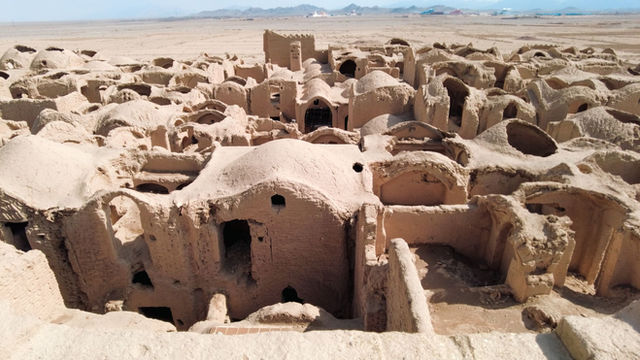
Three full days is the ideal minimum for a family visit — enough time to explore the old city thoroughly, visit the Fire Temple, Towers of Silence and major mosques, wander the bazaar without rushing, and still have an afternoon or two to simply sit in a courtyard and absorb the atmosphere. Four days allows a day trip to the nearby village of Kharanaq or the historical town of Meybod. Most families pair Yazd with Isfahan (3 hours away) and Shiraz (5 hours) on the classic central Iran circuit.

Is Yazd safe for families with teenagers?

In my experience, yes — Yazd is one of the more straightforward cities in Iran for family travel. It is smaller and quieter than Tehran, violent crime affecting visitors is extremely rare, and the local population is notably welcoming toward international tourists. The standard precautions for any unfamiliar city apply: stay aware of your surroundings, keep valuables out of sight, and follow your guesthouse's advice on any local sensitivities. Always check current Foreign Office travel advice for Iran before travelling, as the situation can change.

Is the UNESCO site worth visiting for teenagers?

Absolutely — and I say this knowing that not every UNESCO inscription translates into teen appeal. Yazd is different because the entire living city is the site, not a cordoned-off monument with information boards. Teenagers who are given the freedom to explore the old quarter on their own terms (with sensible boundaries) consistently find it one of the most memorable experiences of a family trip. The Zoroastrian fire temple, the Towers of Silence, the wind tower engineering story and the qanat water system all offer genuine intellectual substance. If you have a history-curious 14- to 17-year-old, Yazd will likely land harder than most European UNESCO sites.

Do I need to arrange a visa in advance?

Yes — UK citizens require a visa to enter Iran and cannot use a visa on arrival from the UK. Visa arrangements change frequently; the current process typically involves applying through an official channel before travel, and the process can take several weeks. Research current requirements through the Iranian embassy website and check the UK Foreign Office guidance at the time of booking. Travel insurance that explicitly covers Iran is equally essential — verify your policy before purchasing flights.

What is the best time of year to visit with children?

October is my top recommendation for families — the heat has broken, the skies are reliably clear, days are long and evenings are pleasant enough to sit outside. April runs it close. Both months avoid the extreme summer heat (which makes outdoor sightseeing very difficult with children) and the coolest winter nights. If school holidays constrain you to summer, plan all outdoor activity in the early morning and evening only, and budget for afternoon rest time.

Are there vegetarian or dietary-restricted food options?

Iran's cuisine is quite meat-heavy in traditional restaurants, but vegetarian dishes do exist — herb-filled rice dishes, lentil soups, egg dishes, and the abundant fresh bread, cheese and walnut combinations available at breakfast. Informing your guesthouse of dietary requirements in advance is the most reliable approach, as they can advise on suitable local options and sometimes arrange meals accordingly. Nut allergies require particular care given the prevalence of walnut, almond and pistachio in local sweets.

Can I use my UK bank cards or do I need cash?

International bank cards do not work in Iran due to financial sanctions — this is a practical reality that requires planning. You will need to bring sufficient cash (euros or US dollars are most easily exchanged in Iran, though check current guidance) and exchange at official bureaux de change or through your guesthouse. Budget carefully and bring more cash than you think you need, as ATM access for foreign cards is not available. Your guesthouse can advise on current exchange rates and reliable local exchange options.

Explore

Explore the area

Do

Local attractions & tours

Skip-the-line tickets and small-group tours in Yazd — compare across our partners.

Not seeing offers? Try or — some destinations have thinner inventory on Tiqets.

▸ When you'll go

Best time to visit Yazd

Seasons overview

Yazd sits in a high desert basin at around 1,200 metres elevation, which moderates the extremes somewhat but makes no mistake: this is an arid climate with significant heat in summer. Spring (March–May) is the finest season — temperatures hover between 15°C and 28°C, the air is clear, and the city comes alive after the cooler months. Nowruz (Persian New Year, late March) brings festive atmosphere across the city. Summer (June–August) is genuinely extreme: daytime temperatures regularly exceed 38–42°C and the sun is relentless. Afternoons become impossible for outdoor sightseeing; locals retreat indoors and the bazaars quiet down. Autumn (September–October) brings welcome relief — temperatures drop to a very pleasant 20–30°C range by October, and October is arguably the single best month to visit. Winter (November–February) is cold at night (near freezing) but often bright and sunny during the day, with highs around 12–15°C; the cold nights are braceable but manageable with layers.

Best months for families

I recommend October, November, March and April as the ideal windows for a family visit. October and April particularly hit a sweet spot of comfortable temperatures, long daylight hours, and manageable crowds. Avoid June through August if at all possible — touring the old city in that heat with children is punishing. If you must travel in summer, plan all outdoor activity before 10am and after 5pm.

▸ Ready to book your trip?

Getting there

By air

The closest airport is Shahid Sadooghi Airport (AZD), located approximately 10km from the city centre — around 20 minutes by taxi. There are no direct flights from the UK to Yazd; the standard routing from London is via Tehran (Imam Khomeini International Airport, IKA) or occasionally via Dubai or Istanbul with a connection to AZD. Iran Air, Mahan Air and some regional carriers operate Tehran–Yazd domestic routes; the flight takes about 1 hour 20 minutes. Expect to pay ~£5–15 for the Tehran–Yazd domestic leg when booked in Iran. Total journey from London typically runs 10–16 hours including connections, and long-haul fares from the UK to Tehran range from approximately £400–800 per person return depending on carrier and season — book well ahead and check current Foreign Office travel advice before travelling, as airline options change.

By train

Iran's rail network connects Yazd to Tehran (approximately 7–8 hours by overnight sleeper), Isfahan (around 3–4 hours), and Shiraz (around 5 hours). The overnight Tehran–Yazd sleeper is a genuinely pleasant way to travel as a family — bookable through Iranian rail booking sites or local agents. Fares are very low by UK standards. Yazd's railway station is south of the city centre, around 15 minutes by taxi.

By road

Long-distance buses connect Yazd to Isfahan (~4 hours), Shiraz (~5 hours) and Tehran (~7 hours), operated by carriers including Seir-o-Safar. Iran's intercity buses are comfortable, air-conditioned and remarkably affordable. Private taxis or hire cars with a driver are also available for longer intercity runs — useful for families wanting flexibility on the Isfahan–Yazd–Shiraz circuit, which is the classic cultural triangle of central Iran.

Book

Ready to book your trip?

Flights, airport transfers and car hire — search and compare without leaving the page.

▸ Trip extras
Book

More trip extras

Parking, holiday extras, and more — coming soon.

Coming soon

We're lining up parking, holiday extras and activities you'll be able to add to any trip from here.