Ireland — hero
← All destinations Country

Ireland

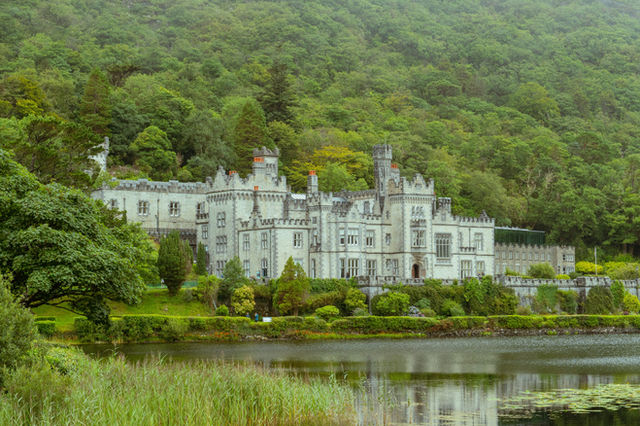
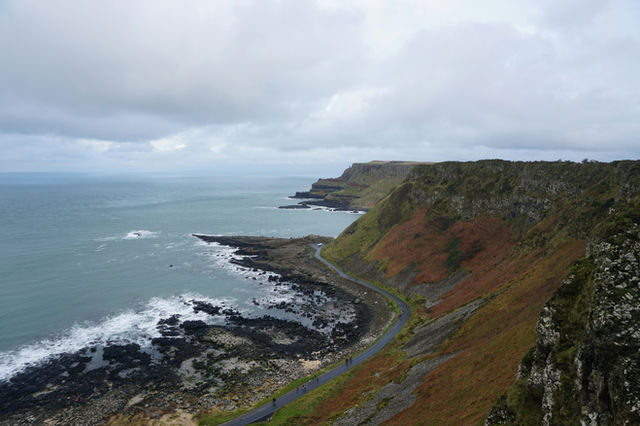
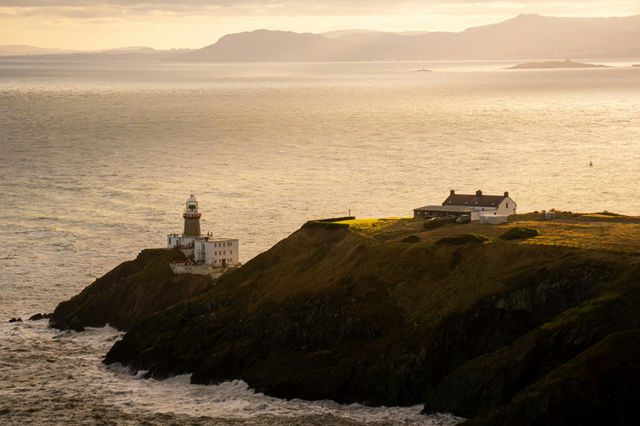
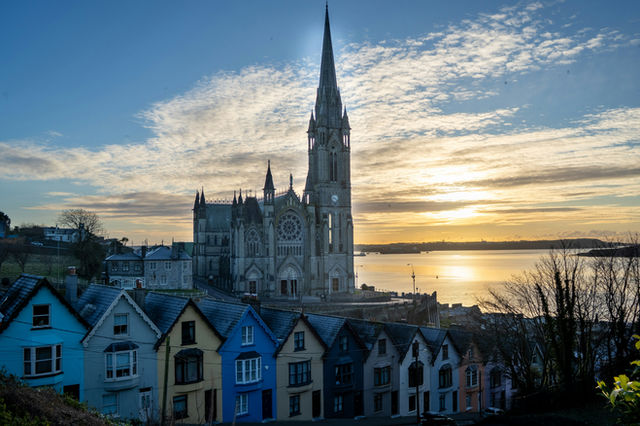
Where wild Atlantic coastlines meet warm céad míle fáilte. Ireland delivers soft adventure, soul-stirring landscapes, and genuine community connection — without the crowds of its Celtic neighbours.

  • Currency € Euro (€)
  • Language English, Irish
  • Best time April – September
  • Visa Visa-free; no limit (Common Travel Area)
Why visit

Why Ireland

Where wild Atlantic coastlines meet warm céad míle fáilte. Ireland delivers soft adventure, soul-stirring landscapes, and genuine community connection — without the crowds of its Celtic neighbours.

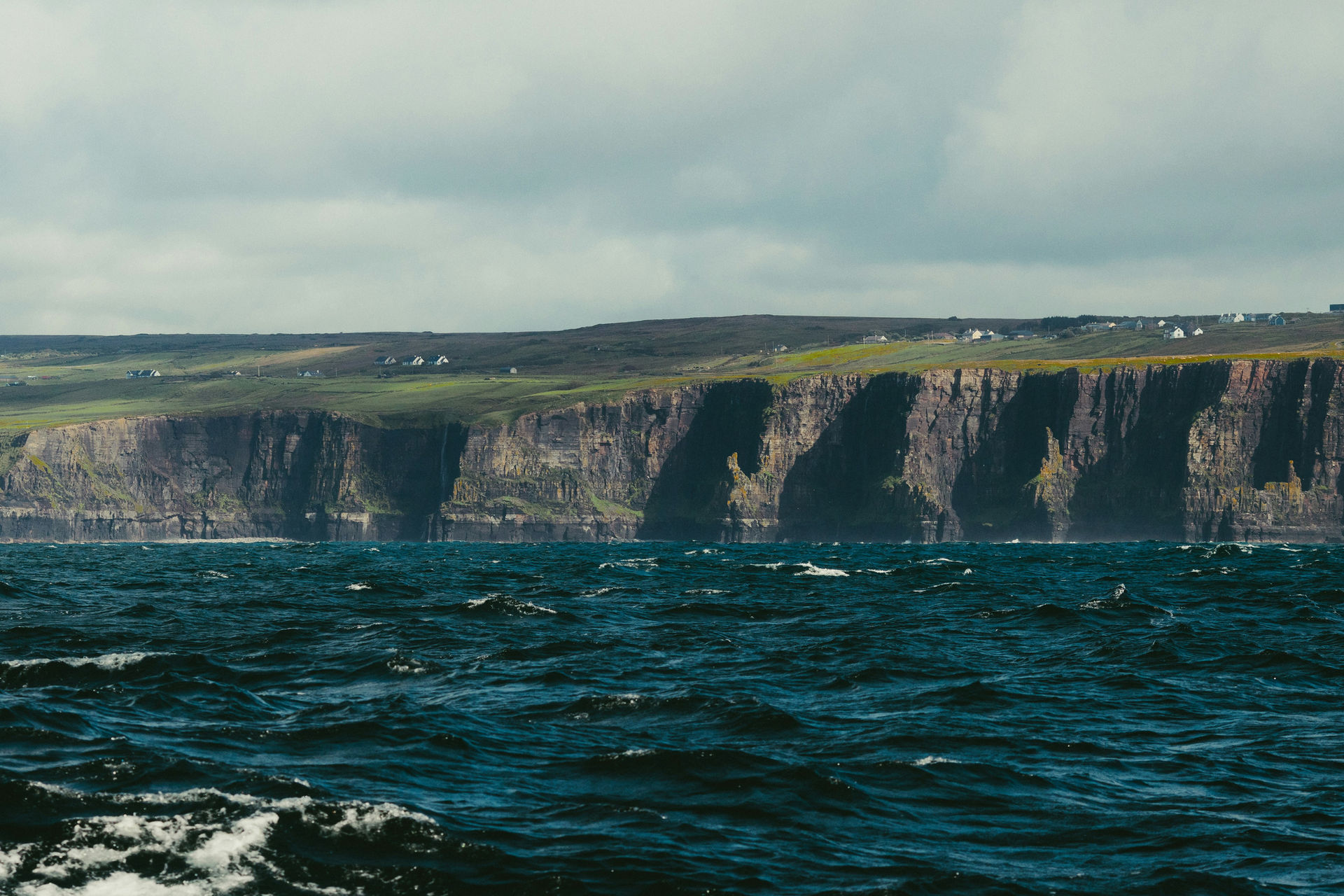
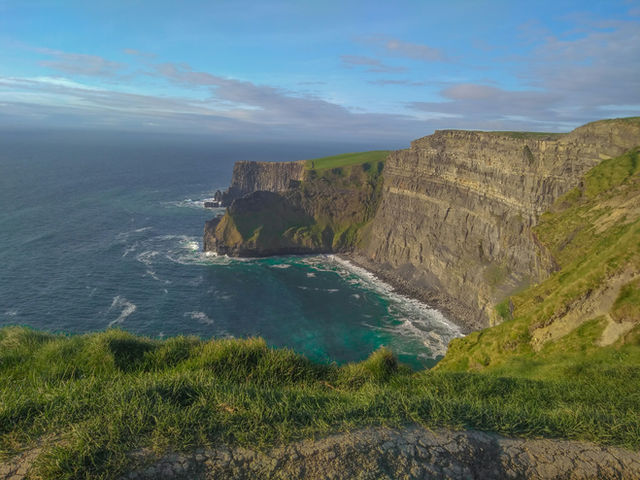
  • Cliffs of Moher
  • Ring of Kerry drive
  • Blarney Castle & stone
  • Book of Kells, Trinity College
Read more

Ireland rewards the experiential traveller immediately — ancient passage tombs older than the pyramids, storm-lashed Cliffs of Moher, and whiskey distilleries where the master distiller still knows your name. This is living history you can touch, taste, and walk through.

Beyond the postcard, Ireland is a rising dupe destination for families seeking Scotland's drama without the queues. The Wild Atlantic Way stretches over 2,500 km of rugged coastline, offering soft adventure — sea kayaking, cycling greenways, and cliff-path hiking — at a genuinely human pace.

Galway's festival culture, the Aran Islands' timeless quiet, and the warmth of a proper pub session make Ireland ideal for community-led, slow travel. Compact enough to explore deeply in a week, rich enough to pull you back every year.

A pillar, not a footnote

Eat your way through Ireland

The single reason many travellers come back — the food culture worth reshaping a trip around, and the dishes to seek out region by region.

Ireland

Buttermilk soda bread, oysters off the rocks, and a fried breakfast built to outlast the weather.

Push into a pub as the rain comes sideways and the day rearranges itself around a bowl of Irish stew — lamb, potato and onion gone soft and savoury — and a pint of Guinness settling to black in your hand. Ireland’s food grew out of a green, rain-fed island of grass and grazing: honest and hearty, built on beef and lamb, on potatoes turned a dozen ways, and on dairy so good the butter is practically its own food group.

Morning is an institution. A full Irish breakfast lands heavy — sausages, back bacon, both black and white pudding, a griddled potato farl — with dense brown soda bread, risen with buttermilk and bicarbonate rather than yeast, to wipe the plate clean. On the Atlantic coast the reward is cold-water plenty: oysters shucked to order, a thick seafood chowder, the day’s catch off a Cork trawler. And late at night the country’s newest classic arrives in a paper bag — the spice bag, salt-and-chilli chicken and chips under a slick of curry sauce.

Dishes to seek out
  • Irish stew (lamb
  • potato & onion)
  • brown soda bread (buttermilk-risen)
  • boxty (potato pancake)
  • full Irish breakfast
  • seafood chowder
  • oysters
  • spice bag (salt-chilli chicken & chips)
Things to do

Nature, culture & hidden gems

Editorial content coming soon

We're hand-picking the standout places, hidden gems and can't-miss activities in Ireland. Meanwhile, the cities above are a great starting point.

Plan your trip

Curated Ireland itineraries

Browse all Ireland trips →
When to go

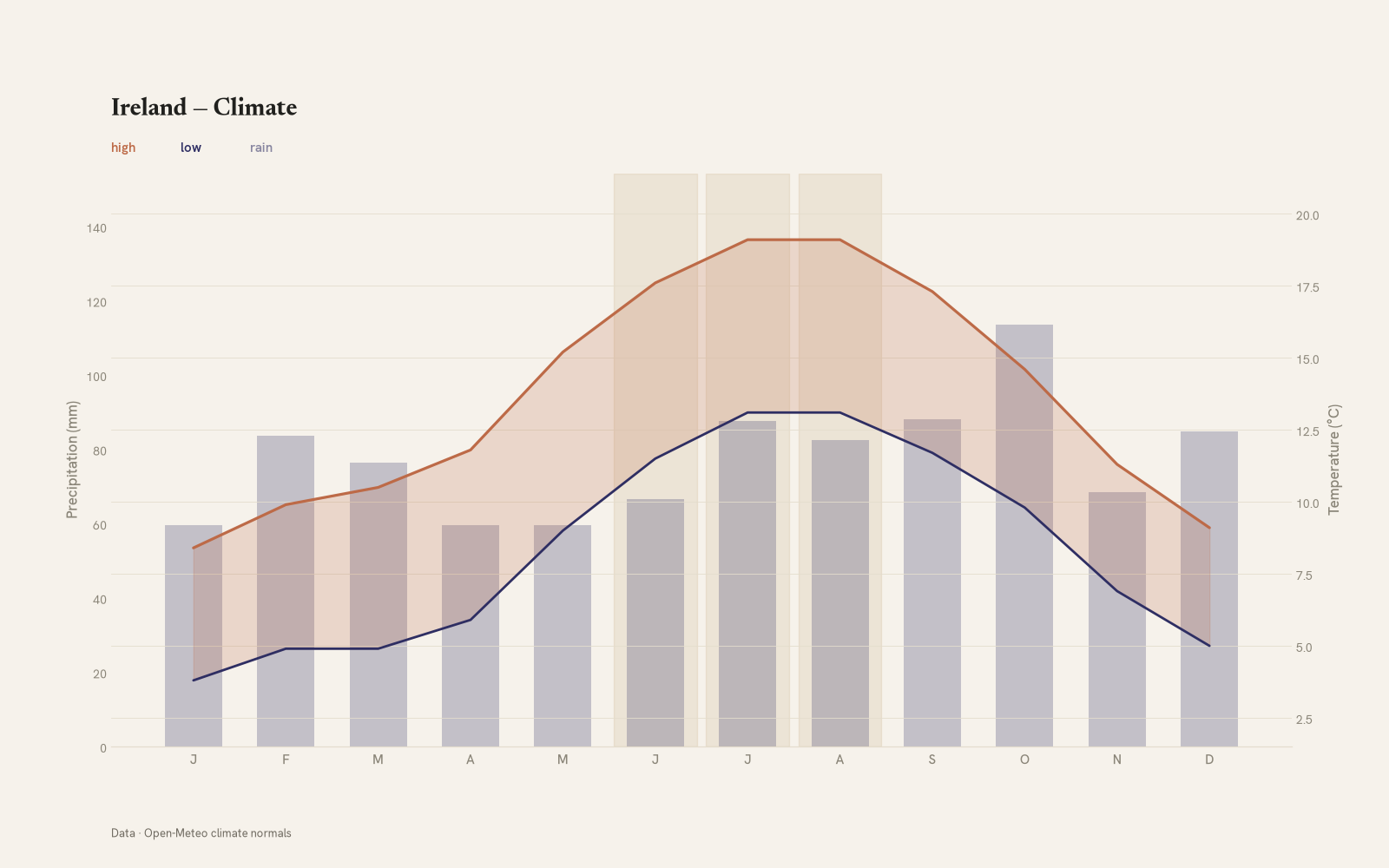
Weather & timing in Ireland RIGHT NOW 21° clear

Best Jun–Aug · Shoulder Apr–May, Sep

  1. Jan / -4°
  2. Feb / -2°
  3. Mar 12° /
  4. Apr 18° /
  5. May 24° / 14°
  6. Jun 28° / 18°
  7. Jul 30° / 20°
  8. Aug 28° / 18°
  9. Sep 24° / 14°
  10. Oct 18° /
  11. Nov 12° /
  12. Dec / -2°

Best time to visit

April – September

Best for
  • Cliffs
  • Guinness Trail
  • Music Sessions
  • Ring of Kerry
At a glance
Sunshine 7 hr/day (est.)
Rain days 8 days/mo (est.)
Wettest December · 60mm
Driest June · 10mm
Part of British Isles →
By season
Spring (Mar–May)

What to expect — Daytime highs average about 18°C with overnight lows near 8°C, and it stays largely dry.

What's best — Apr and May are comfortable, with thinner crowds.

Summer (Jun–Aug)

What to expect — Daytime highs average about 29°C with overnight lows near 19°C, and it stays largely dry.

What's best — Jun, Jul and Aug are among the best time to visit — good weather with manageable crowds.

Autumn (Sep–Nov)

What to expect — Daytime highs average about 18°C with overnight lows near 8°C.

What's best — Sep is comfortable, with thinner crowds.

Winter (Dec–Feb)

What to expect — Daytime highs average about 7°C with overnight lows near -3°C.

What's best — Cold and quiet; some mountain roads and sights run reduced hours.

A little context

A little history

To read what you're looking at — the empires and eras that shaped Ireland's food, art and streets.

Newgrange's passage tomb is older than the pyramids, and monasteries later made Ireland 'the land of saints and scholars'
Vikings founded Dublin and the Anglo-Normans arrived in 1169, layering the towns
the Great Famine (1845–52) halved the population and scattered the Irish across the world
the 1916 Rising led to independence in 1922 and the pub-and-song culture that travelled everywhere
Before you book

Know before you go

The practical back-matter — safety, drones and the essentials, in one place.

Safety

Low risk FCDO advice →

Official UK Foreign, Commonwealth & Development Office guidance is the definitive source — check it close to your travel dates.

Drone rules (sub-250g)

  • Ireland
    Register as an operator with the Irish Aviation Authority (€41, two years; an EU ID is valid) — required for any drone with a camera, so even a 249g model counts. Rural flying under the EU open-category rules (120m, in sight) is straightforward. ⚠ The Office of Public Works bans drones at all its heritage sites (Newgrange, the Rock of Cashel, Clonmacnoise, Kilmainham Gaol); the six national parks each require NPWS permission or close seasonally for nesting birds; Dublin sits under a 5km airport no-fly zone with Phoenix Park entirely off-limits. Rules checked: Jul 2026

National parks, protected sites and religious/heritage venues often have their own rules and permits — always check the specific site before you fly.

The essentials

Plug & voltage Type G · 230V
Daily budget Expensive (Dublin especially)
Region Northern Europe