Lebanon
The spiritual home of mezze — small plates arriving until the table runs out of room, not the kitchen.
A Lebanese meal does not really begin or end; it accumulates. First the cold mezze — hummus, tabbouleh bright with far more parsley than bulgur, smoky moutabal — then the hot, then the grill, each small plate landing until the table is a jigsaw and you have somehow eaten for three hours.
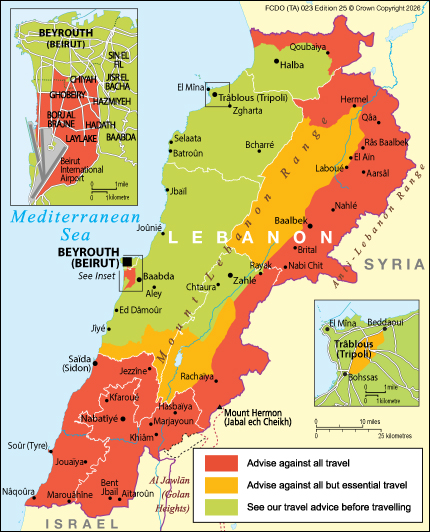
The larder is olive oil, lemon, garlic and the herb-and-sumac blend za'atar, baked onto morning flatbread as manoushe and eaten on the walk to work. The coast leans to seafood and delicate plates; the mountains and the Bekaa to charcoal — kafta, shish taouk under garlic toum — and Tripoli to sweets. Pour arak, the aniseed spirit that clouds like milk when you add water, or open a bottle from the Bekaa, where wine has been made since the Phoenicians. Then, for breakfast or dessert, warm knafeh — sweet cheese under crackling pastry, folded into a sesame bun.
- Mezze
- Hummus
- Tabbouleh (parsley & bulgur salad)
- Kibbeh (bulgur & minced-meat croquettes)
- Manoushe (za'atar flatbread)
- Shish taouk (grilled chicken skewers)
- Knafeh (sweet cheese pastry)