Liechtenstein — hero
← All destinations Country

Liechtenstein

A pocket-sized Alpine principality between Switzerland and Austria: castle-topped Vaduz, panoramic mountain trails and the epic Liechtenstein Trail. Big scenery, tiny country.

  • Currency Fr Swiss Franc (Fr)
  • Language German
  • Best time April – July & September – October
  • Visa Visa-free (up to 90 days; Schengen, via Switzerland/Austria)
Why visit

Why Liechtenstein

A pocket-sized Alpine principality between Switzerland and Austria: castle-topped Vaduz, panoramic mountain trails and the epic Liechtenstein Trail. Big scenery, tiny country.

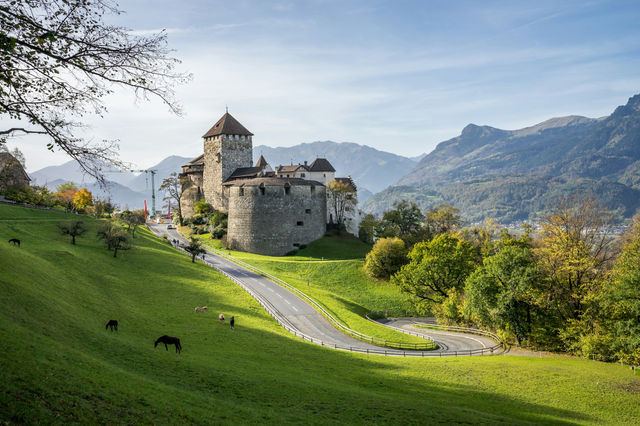
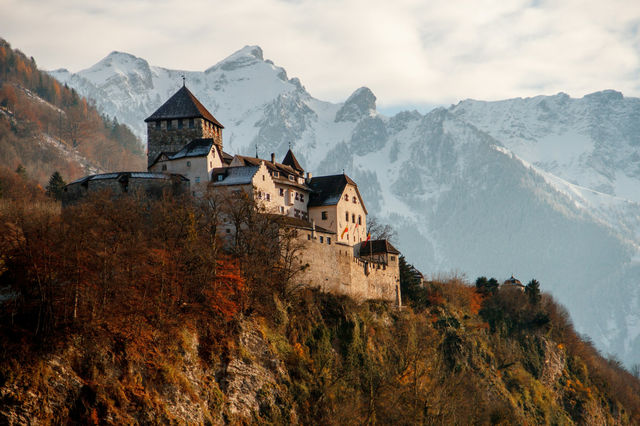
  • Hilltop Vaduz Castle and the Stamp Museum
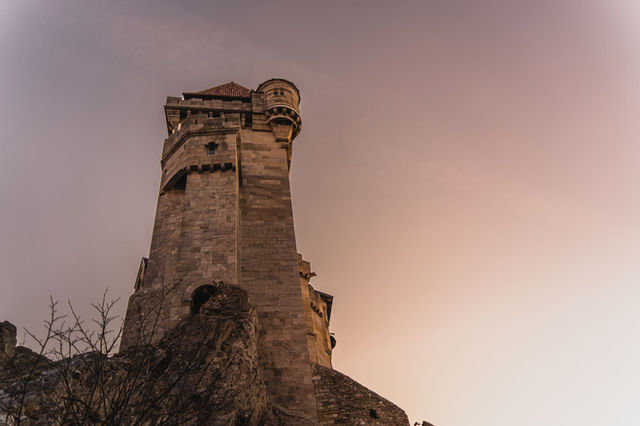
  • Gutenberg Castle at Balzers
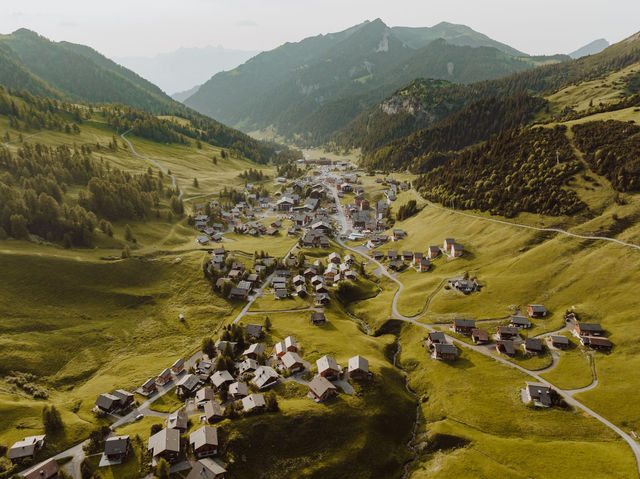
  • Malbun ski and hiking resort
  • The 75km Liechtenstein Trail
Read more

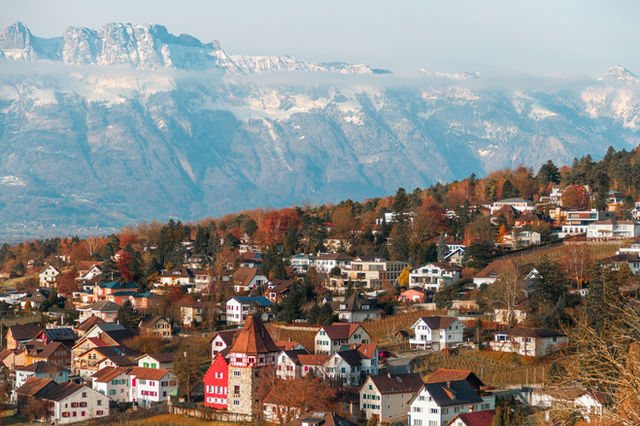
Liechtenstein is one of the world's smallest countries and one of its most charming, a fairytale Alpine principality wedged between Switzerland and Austria, crowned by a hilltop castle above the Rhine.

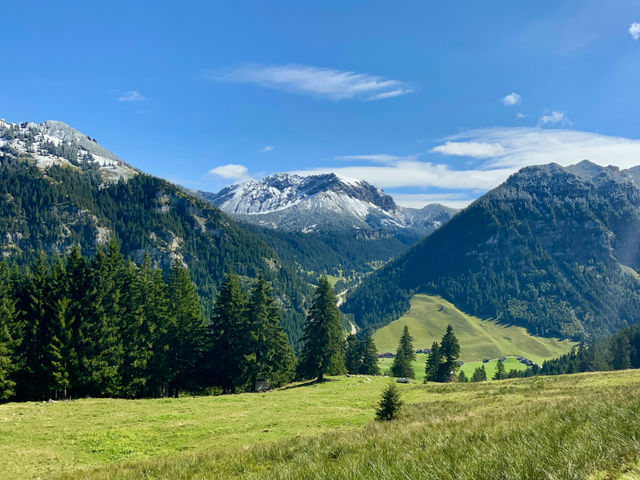
Despite its size, it delivers outsized soft adventure: the 75km Liechtenstein Trail links all its villages, while high mountain paths around Malbun reward hikers with panoramic views.

A prosperous, seamlessly connected microstate, it's a delightful slow-travel add-on to any Alpine trip, walkable, welcoming and easily explored in a couple of unforgettable days.

A pillar, not a footnote

Eat your way through Liechtenstein

The single reason many travellers come back — the food culture worth reshaping a trip around, and the dishes to seek out region by region.

Liechtenstein

Alpine cheese dumplings with apple sauce, cornmeal ribel, and the Prince's own Pinot Noir.

Liechtenstein has no cuisine to itself; it eats Alpine, shared across the Rhine valley with Switzerland, Austria and neighbouring Vorarlberg. The national dish is käsknöpfle — small soft egg-flour dumplings layered with grated mountain cheese and crisp fried onions, and, non-negotiably, a dish of apple sauce on the side. It's humble farmhouse comfort food that the principality now treats as a treasure, eaten most when the weather turns cold.

Old poverty food has become the good stuff: ribel, a cornmeal dish pan-roasted into crumbly grains and eaten with sour cheese or fruit, and hafalaab, a dumpling broth flecked with smoked bacon. Alpine dairy from cows summered on high pastures underpins it all. And the wine is genuinely princely — the reigning Prince works the Herawingert vineyard in Vaduz, one of the Rhine valley's best sites, for Pinot Noir and Chardonnay. Eat käsknöpfle in a Malbun mountain hut, and you've found the heart of it.

Dishes to seek out
  • Käsknöpfle (cheese dumplings with apple sauce)
  • Ribel (pan-roasted cornmeal)
  • Hafalaab (bacon dumpling broth)
  • Alpine cheese (Alpkäse)
  • Sauerkäse (sour curd cheese)
  • Kratzete (torn sweet pancake)
  • Blauburgunder (Pinot Noir)
Things to do

Nature, culture & hidden gems

Editorial content coming soon

We're hand-picking the standout places, hidden gems and can't-miss activities in Liechtenstein. Meanwhile, the cities above are a great starting point.

Plan your trip

Curated Liechtenstein itineraries

Browse all Liechtenstein trips →
When to go

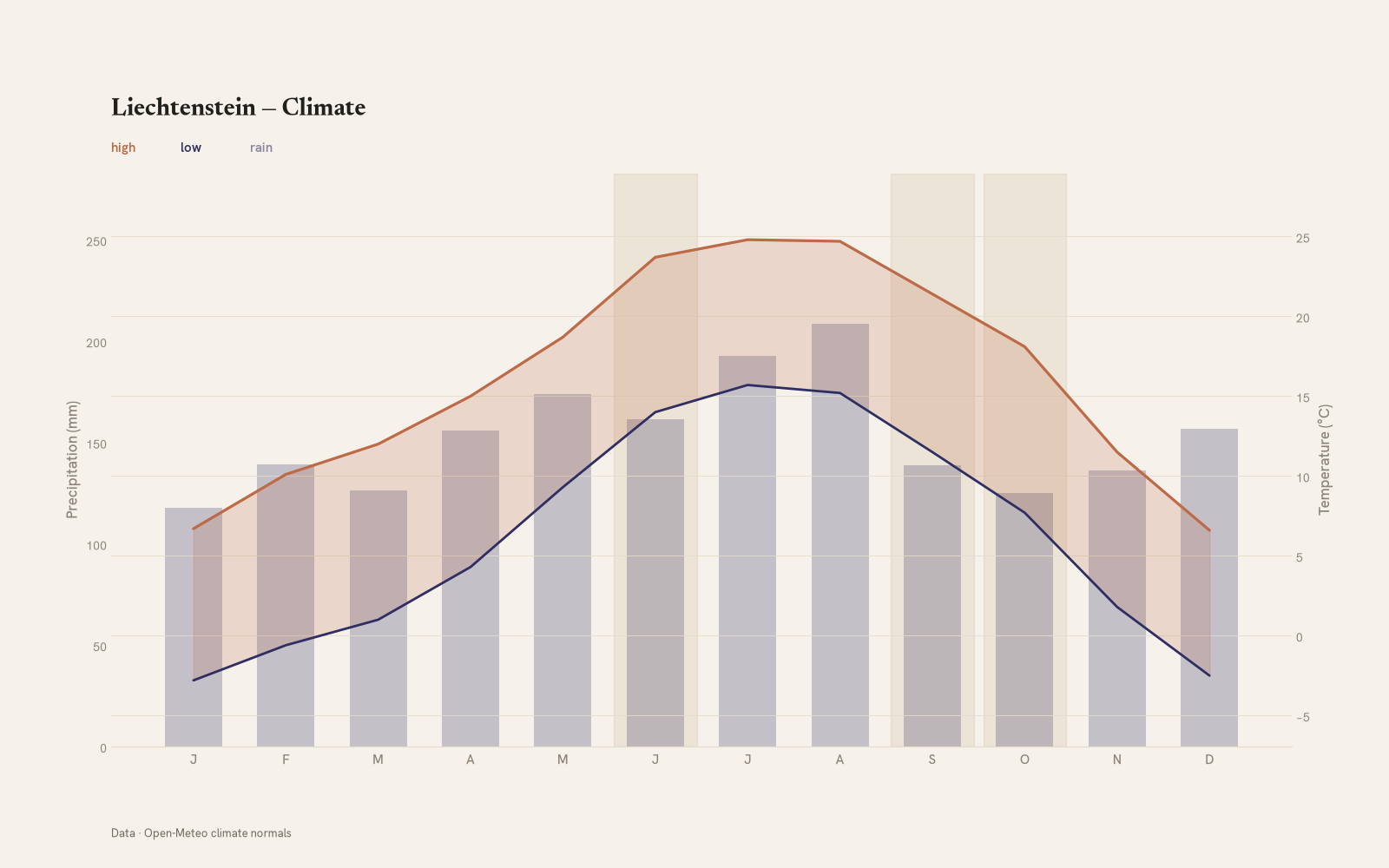
Weather & timing in Liechtenstein RIGHT NOW 34° clear

Best Jun, Sep–Oct · Shoulder Apr–May, Jul

  1. Jan / -4°
  2. Feb / -2°
  3. Mar 12° /
  4. Apr 18° /
  5. May 24° / 14°
  6. Jun 28° / 18°
  7. Jul 30° / 20°
  8. Aug 28° / 18°
  9. Sep 24° / 14°
  10. Oct 18° /
  11. Nov 12° /
  12. Dec / -2°

Best time to visit

April – July & September – October

Best for
  • Culture
  • Cuisine
  • Landscape
  • History
At a glance
Sunshine 7 hr/day (est.)
Rain days 8 days/mo (est.)
Wettest December · 60mm
Driest June · 10mm
Part of Alps →
By season
Spring (Mar–May)

What to expect — Daytime highs average about 18°C with overnight lows near 8°C, and it stays largely dry.

What's best — Apr and May are comfortable, with thinner crowds.

Summer (Jun–Aug)

What to expect — Daytime highs average about 29°C with overnight lows near 19°C, and it stays largely dry.

What's best — Jun is among the best time to visit — good weather with manageable crowds. Jul also works well.

Autumn (Sep–Nov)

What to expect — Daytime highs average about 18°C with overnight lows near 8°C.

What's best — Sep and Oct are among the best time to visit — good weather with manageable crowds.

Winter (Dec–Feb)

What to expect — Daytime highs average about 7°C with overnight lows near -3°C.

What's best — Cold and quiet; some mountain roads and sights run reduced hours.

A little context

A little history

To read what you're looking at — the empires and eras that shaped Liechtenstein's food, art and streets.

Created on 23 January 1719 when Emperor Charles VI united the lordships of Schellenberg and Vaduz into a principality named for the ruling House of Liechtenstein
the family bought the lands precisely because they answered only to the Emperor, which won them sovereign standing
after WWI it pivoted from Austria to Switzerland, and the 1923 customs union and Swiss franc still underpin the economy
a 2003 referendum gave the Prince rare, real political power
Before you book

Know before you go

The practical back-matter — safety, drones and the essentials, in one place.

Safety

Low risk FCDO advice →

Official UK Foreign, Commonwealth & Development Office guidance is the definitive source — check it close to your travel dates.

Drone rules (sub-250g)

  • Liechtenstein
    Legal but governed by Swiss aviation law (FOCA), which Liechtenstein applies: fly in sight, below 120m, and register plus insure — over-250g or camera drones need at least CHF 1 million liability cover. ⚠ The whole country is small and mountainous, so restricted zones bite quickly. A permanent no-fly covers the Government building, Parliament and Vaduz Castle, with restrictions around Balzers and the nearby Swiss airfield — check the Swiss FOCA drone map first. Rules checked: Jul 2026

National parks, protected sites and religious/heritage venues often have their own rules and permits — always check the specific site before you fly.

The essentials

Plug & voltage Type J · 230V
Daily budget Expensive
Region Western Europe