← Lithuania
LITHUANIA · CITY

Vilnius

One of Europe's largest and most beautiful baroque old towns — a maze of churches, courtyards and cobbled lanes.

  • City
  • May to September for warmth and long days; late spring and early autumn are ideal
  • ~approx 2 days

BigHead via Wikimedia Commons (CC BY-SA 4.0)

  • Baroque Old Town
  • Bohemian Užupis
  • Baltic Green
  • Layered History

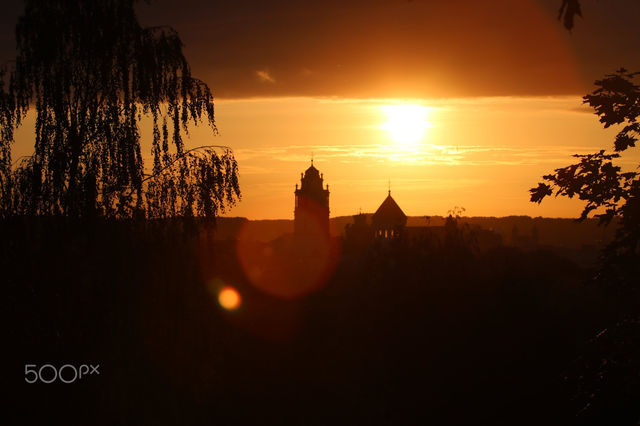
Baroque church towers layered against a hill-fort skyline, an artists' quarter with its own flag and constitution across a little river, and the smell of dark rye and cold beet soup drifting from a cellar tavern.

Vilnius has one of Europe's largest and loveliest baroque old towns, a warren of churches, courtyards and cobbled lanes, and beside it a self-declared artists' "republic" with its own tongue-in-cheek constitution. It is green, relaxed and refreshingly uncrowded — the Baltic capital that still feels like a secret.

Type
city
Ideal length
~approx 2 days
Getting around
a very walkable old town, plus buses and trolleybuses
Neighbourhoods
3 areas
Best season / months
May to September for warmth and long days; late spring and early autumn are ideal
Language
Lithuanian (Russian and Polish heard too)
Currency
euro (€)
Budget level
low to moderate — good value for a capital
Good for
  • History
  • Culture
  • Relaxed travel
  • City breaks
▸ Discover

About Vilnius

Vilnius sits inland in southeastern Lithuania, where two rivers meet, its old town spreading below a castle hill. It grew up as the capital of a once-vast Grand Duchy, and the result is one of the biggest baroque old towns in Europe — a dense, walkable weave of some forty churches, university courtyards and pastel façades. Across the little Vilnia river huddles Užupis, the bohemian breakaway quarter; parks and green hills ring the centre. It is compact, leafy and easy, and blessedly light on crowds.

Vilnius’s historic core is inscribed on the UNESCO World Heritage List (as “Vilnius Historic Centre”, 1994).

Why go

Vilnius offers a huge, atmospheric baroque old town without the crowds or prices of the better-known capitals — church after church, courtyard after courtyard, all walkable. It layers a rich and often heavy history, from the Grand Duchy to a once-great Jewish "Jerusalem of the North" to Soviet occupation, and lightens it with the whimsy of Užupis and a genuinely green, easygoing feel. It is affordable, welcoming and still under the radar.

Don't miss

  • The baroque Old Town — one of the largest in Europe
  • Gediminas Tower — the castle-hill remnant and city view
  • Vilnius Cathedral and its square — the civic heart
  • The Gates of Dawn — the revered Madonna over a city gate
  • Užupis — the bohemian self-declared artists' republic

Signature experiences

The baroque old town — Vilnius rewards aimless wandering more than a checklist — duck through archways into hidden university courtyards, into church after gilded church, and along cobbled lanes of pastel façades. The Gothic St Anne's, the university's St John's, and the revered Madonna in the Gates of Dawn are the highlights, but half the pleasure is what you stumble on. Climb Gediminas Tower on its hill for the whole layered city below. **Užupis, the republic across the river** — Cross the little bridge into Užupis and you enter a tongue-in-cheek "independent republic" declared by artists — its constitution, posted on a wall, guarantees the right to be happy and the right of a cat not to love its owner. It is playful and genuine at once: studios, galleries, riverside cafés and the Angel of Užupis presiding over it all. **A city of heavy history** — Vilnius carries its past openly. It was once a great centre of Jewish life, the "Jerusalem of the North", before the war destroyed it; the old ghetto sites and the memory remain. The Soviet occupation left its own scars, told starkly at the Museum of Occupations. It is a city that rewards knowing its story, which deepens every walk. **Green and easygoing** — For a capital, Vilnius is remarkably green and unhurried — hills and parks around the centre, the rivers, and a relaxed café-and-tavern culture. It is a place to eat cold pink beet soup on a terrace, drink good Lithuanian beer in a cellar, and take the city at a stroll.

Neighbourhoods

Vilnius neighbourhood by neighbourhood — the character of each and who it suits.

  • The Old Town

    One of Europe's largest baroque old towns — a dense, hilly weave of churches, university courtyards, pastel façades and cobbled lanes, remarkably intact and uncrowded.

    Why go
    The single greatest concentration of baroque architecture in the Baltics.
    Best for
    First-time sightseeingchurchescourtyards
    Known for
    Vilnius Cathedral and its bell tower, the university's courtyards and St John's Church, the Gothic St Anne's Church, the Gates of Dawn and its Madonna, and the main street of Pilies gatvė.
  • Castle Hill and the Cathedral Square

    The green hill and open square at the old town's edge — the remnant tower of the medieval upper castle above, and the ceremonial cathedral square below.

    Why go
    The city view from the tower and the civic heart below.
    Best for
    Viewshistorythe cathedral
    Known for
    Gediminas Tower and its panorama, Cathedral Square and the belfry, the Palace of the Grand Dukes, and the funicular or path up the hill.
  • Užupis

    The bohemian quarter across the Vilnia river — a self-declared artists' "republic" with its own flag, anthem and cheeky constitution, full of studios, cafés and street art.

    Why go
    The whimsy, the art, and a relaxed riverside wander.
    Best for
    Artcafésquirky corners
    Known for
    The Užupis Constitution posted on a wall in many languages, the Angel of Užupis statue, the artists' studios and galleries, and the riverside cafés and swings.

Views & hidden gems

Best views

  • Gediminas Tower — the whole baroque city and the hills beyond
  • The Hill of Three Crosses — a classic panorama over the old town
  • The University's courtyards and St John's bell tower — a climbable viewpoint over the old town
  • Užupis and the Vilnia river — the bohemian quarter and its swings

Hidden gems

  • The Užupis Constitution wall — the cheeky charter in dozens of languages
  • The Literatų gatvė — a lane of small artworks honouring writers
  • The Bernardine Gardens — a tranquil park below Castle Hill
  • The MO Museum — a sharp modern-art museum in a striking new building
  • A cellar tavern for cepelinai — the potato "zeppelin" dumplings where locals eat

Food & drink

Lithuanian food is hearty, potato-heavy and made for cold winters, and Vilnius does it cheaply and well. The national dish is cepelinai — big potato dumplings stuffed with meat, named for their zeppelin shape and served with bacon and sour cream. In summer, the shocking-pink cold beet soup šaltibarščiai is everywhere. Dark rye bread, kugelis potato pudding and stuffed kibinai pastries fill the tables; the drinks are good Lithuanian beer and midus, the old honey mead.

  • Cepelinai — meat-stuffed potato dumplings with bacon and sour cream
  • Šaltibarščiai — a cold, bright-pink beetroot-and-kefir summer soup
  • Kugelis — a baked grated-potato pudding, often with bacon
  • Kibinai — savoury stuffed pastries, a Karaite speciality
  • Rye bread — dense, dark Lithuanian rye, in everything
  • Midus — traditional honey mead, or a good Lithuanian craft beer
Dietary notes

Vegetarians manage with the cold beet soup, cheese and mushroom versions of the dumplings, and a growing modern-veggie scene, though many classics hide meat, so ask. Vegan options are increasing in the centre and Užupis. Halal and kosher food are limited despite the deep Jewish history, and best arranged ahead. Gluten-free is understood in newer places, harder around the potato-and-rye traditional food.

▸ Photos

Vilnius in photos

▸ Where you'll stay

Where you'll stay in Vilnius

The Old Town is the natural base — walkable to everything, atmospheric and, unusually for a European capital, still calm at night. Anywhere in the compact centre works; the streets near the cathedral and Pilies gatvė are the most convenient, and Užupis just across the river offers a quirkier, arty stay a short walk in. Prices are gentle for a capital, and the whole core is easily covered on foot.

  • Budget
    The Old Town / near the station hostels and budget hotels, central and cheap, walkable to the sights.
  • Mid-range
    Central Old Town boutique hotels in historic buildings, steps from the cathedral and Pilies gatvė.
  • Luxury
    By the cathedral / Castle Hill grander hotels in restored buildings, the most central address.
Stay

Hotels & rentals around Vilnius

Pan, zoom and compare live prices — every stay in one map.

▸ Getting around

Getting around Vilnius

The old town is compact and entirely walkable — a car is a liability in the cobbled, hilly lanes. Buses and trolleybuses cover the wider city and the airport cheaply; tap a card or buy a ticket. Castle Hill has a short funicular. Everything central is on foot.

The old town, Cathedral Square and Užupis are all a short walk apart (~approx) — Užupis is just across a footbridge from the old town's eastern edge. The stations are a ten-minute walk south.

▸ Plan your days

Suggested itineraries

Ready-made day plans for Vilnius — from a single day to a long weekend.

One day

Start at Cathedral Square and climb Gediminas Tower for the city view, then wander the old town — the university courtyards and St John's, Gothic St Anne's, and the Gates of Dawn with its Madonna, following Pilies gatvė between them. Cross into Užupis in the afternoon for the constitution wall, the Angel and the riverside cafés, and end with cepelinai in a cellar tavern.

Two days

Give day two to art and history. Visit the MO Museum for modern Lithuanian art and the Museum of Occupations for the Soviet story in the morning, walk the Hill of Three Crosses for the panorama, and spend the afternoon in the Bernardine Gardens and the old Jewish-quarter memory sites before a last old-town dinner.

▸ What you'll do

Insider tips

  • Vilnius rewards wandering over ticking off sights — leave time to get lost in the courtyards and lanes.
  • Climb Gediminas Tower or the Hill of Three Crosses early for the clearest view over the old town.
  • The old town is compact and walkable — you won't need transport within it, though the hills mean comfortable shoes.
  • Read up a little on the city's Jewish and Soviet history before you go; it deepens every walk and the museums that tell it.
Explore

Explore the area

© OpenFreeMap · OSM · terrain Mapterhorn
Do

Local attractions & tours

Skip-the-line tickets and small-group tours in Vilnius — compare across our partners.

We're still curating hand-picked tickets and tours for Vilnius. In the meantime, the map above and the nearby cities are a great place to start.

▸ Budget

What it costs in Vilnius

Backpacker
roughly €30–50 a day as a rough guide.
Mid-range
roughly €70–120 a day as a rough guide.
Luxury
from around €230 a day.
Cash vs card
Lithuania uses the euro, and cards and contactless are near-universal; keep a little cash for markets and small taverns.
Tipping
Around 10% is usual in sit-down restaurants if service isn't added; round up for cafés and taxis.
▸ When you'll go

When to visit Vilnius

May to September for warmth and long days; late spring and early autumn are ideal

Spring

What to expect — Cold and grey early, warming into fresh, green weeks by May, with the parks and hills coming alive and the days lengthening fast. Some rain, few crowds.

What's best — Mild walking weather, blossom and green hills, long light by late spring, and a quiet, uncrowded old town.

Summer

What to expect — Mild to warm, very long days, and the liveliest season, with terraces, festivals and the rivers and parks in full use. Occasional showers.

What's best — The long midsummer light, warm terrace evenings, the Užupis and street festivals, and the greenest, most relaxed version of the city.

Autumn

What to expect — Cooling, crisp and often golden, with the summer visitors gone and the light soft on the baroque façades. Damp and shortening days later.

What's best — Comfortable walking, autumn colour in the parks and on the hills, cosy cellar taverns, and the harvest on the plates.

Winter

What to expect — Cold, dark and often snowy, with very short days and hard frost. December brings a pretty Christmas market to Cathedral Square; deep winter is quiet.

What's best — Snow on the baroque roofs, the Cathedral Square Christmas market, cosy taverns and hot mead, and the lowest prices and thinnest crowds.

▸ Know before you go

Know before you go

Honest swaps

Skip a rushed church checklist → wander the courtyards and lanes and let the old town reveal itself; that's how Vilnius is best seen.

Skip the tourist-menu restaurants on the main square → eat cepelinai in a cellar tavern where locals do.

Skip only doing the old town → cross into Užupis for the art, the swings and the constitution wall.

Skip a taxi up Castle Hill → the walk or the little funicular is quick and the view is the reward.

Crowds & timing

Vilnius is one of the least crowded European capitals — but Gediminas Tower and the Gates of Dawn are busiest midday; go early for the calm.

Summer festival weekends and the December market are the busier times; otherwise the city is uncrowded year-round.

Local rules & etiquette

The Gates of Dawn chapel is a place of active devotion — enter quietly, dress modestly, and mind photography.

Cover shoulders and knees for the churches, and keep quiet inside.

Lithuanians can be reserved at first but warm with a little effort; a few words of Lithuanian go a long way.

Money

Lithuania is on the euro; cards work everywhere, but carry a little cash for taverns and markets.

Use bank ATMs and decline dynamic currency conversion.

After dark

Užupis and the old town have the cosy cellar bars, craft-beer spots and cafés, relaxed rather than raucous.

The centre has the mainstream bars and a modest club scene; this is a gentle nightlife city.

A cellar tavern with beer and mead is the classic Vilnius evening.

▸ Ready to book your trip?

Getting there

Vilnius Airport (VNO) sits just south of the city, a short bus, train or taxi from the centre (~approx 15–20 min). Vilnius's central train and bus stations, side by side just south of the old town, connect the city across Lithuania and the Baltics.

Book

Ready to book your trip?

Flights, airport transfers and car hire — search and compare without leaving the page.

▸ Trip extras
Book

More trip extras

Parking, holiday extras, and more — coming soon.

Coming soon

We're lining up parking, holiday extras and activities you'll be able to add to any trip from here.