← Luxembourg
LUXEMBOURG · CITY

Luxembourg City

A dramatic capital perched over deep green gorges, honeycombed with a labyrinth of rock-cut casemate tunnels.

  • City
  • May to September for warmth; December for the Christmas market
  • ~approx 1 day

Unknown prior to 1867 via Wikimedia Commons (Public domain)

  • Fortress on a Cliff
  • Casemate Tunnels
  • Green Ravines
  • Free Transport

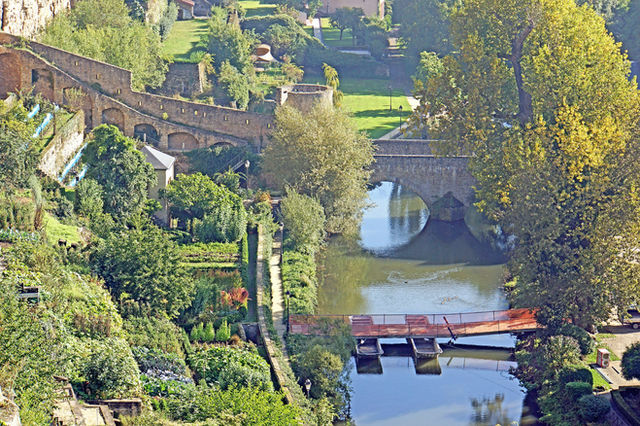
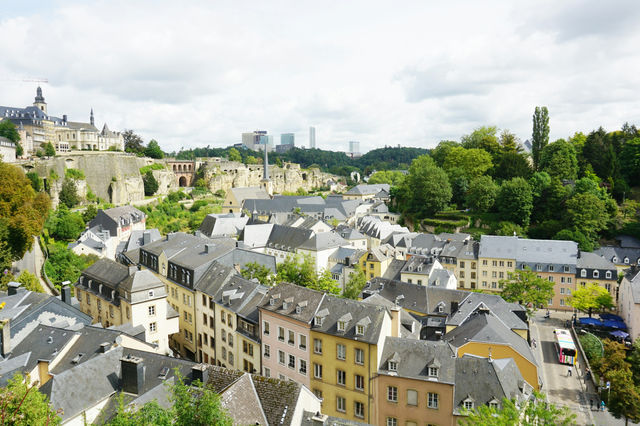
A cliff-top old town looking down into a green gorge of stone bridges and toy-like houses, tunnels bored through the rock where cannons once pointed, and a tram that costs nothing to ride.

Luxembourg City is a dramatic little capital built on cliffs above two river gorges — an old fortress town of ramparts and rock-cut tunnels, wrapped around deep green ravines, with a gleaming EU quarter on the plateau above. Tiny, wealthy and surprisingly scenic, it also made all its public transport free.

Type
city
Ideal length
~approx 1 day
Getting around
a walkable centre with lifts; all public transport is free
Neighbourhoods
3 areas
Best season / months
May to September for warmth; December for the Christmas market
Language
Luxembourgish, French and German (English widely used)
Currency
euro (€)
Budget level
high — a wealthy, pricey city
Good for
  • History
  • Architecture
  • Short breaks
  • Walking
▸ Discover

About Luxembourg City

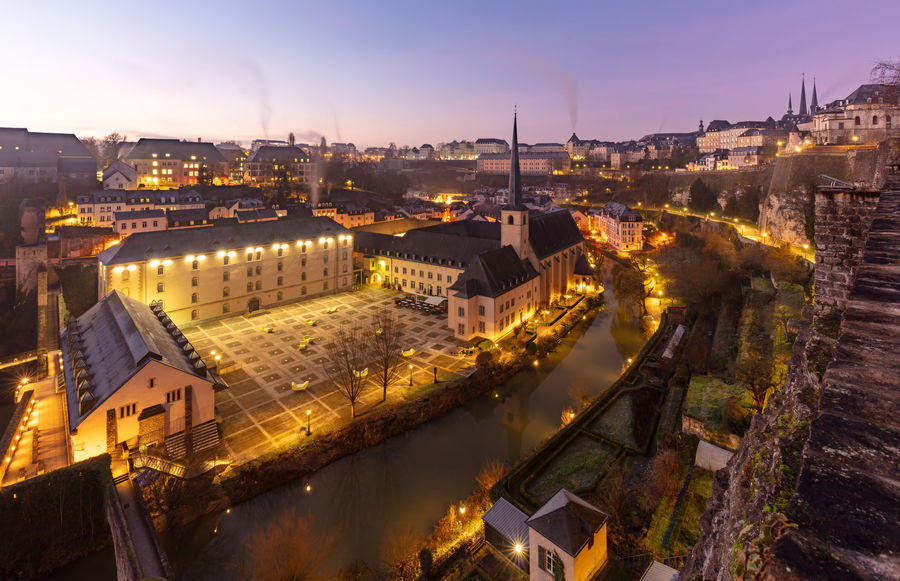
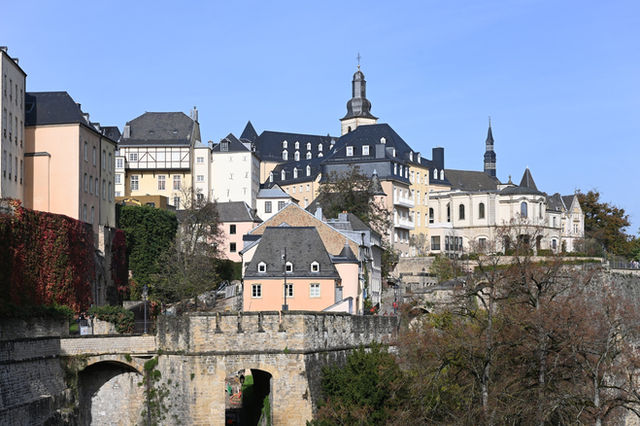
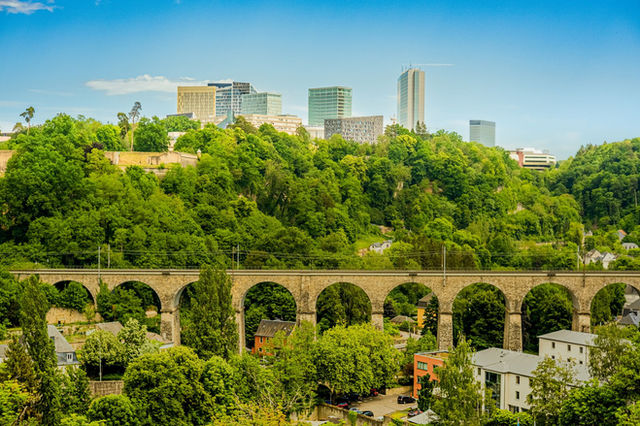
Luxembourg City perches on a rocky promontory in the south of the tiny Grand Duchy, where the Alzette and Pétrusse rivers have cut deep gorges through the sandstone. The historic upper town sits on the plateau, ringed by the fortifications that once made this "the Gibraltar of the North"; far below, the old lower districts of the Grund and Clausen nestle in the green valley by the river. Across a gorge on another plateau rises the modern Kirchberg, home to the EU institutions. Lifts and bridges connect the levels; the whole compact city is walkable, and getting around is free.

Why go

Luxembourg City is a genuinely spectacular small capital — its setting on cliffs above green gorges is dramatic, its old fortifications and rock-cut casemate tunnels are a UNESCO-listed marvel, and its mix of medieval old town, valley villages and glassy EU quarter is unusual and compact. It is safe, clean, easy, and famously made all public transport free. An easy add to a trip through the region, it packs more drama into a small space than you expect.

Don't miss

  • The Bock casemates — the tunnels bored through the fortress rock
  • The Corniche — the clifftop "balcony" over the gorge
  • The Grund — the lower town in the green valley
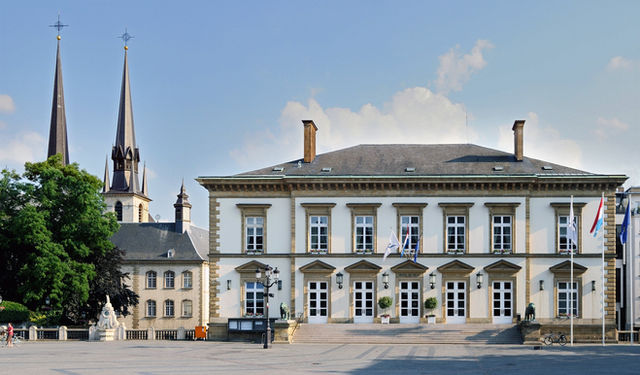
  • The old town and Grand Ducal Palace — the historic upper city
  • The green ravines and their bridges — the city's dramatic setting

Signature experiences

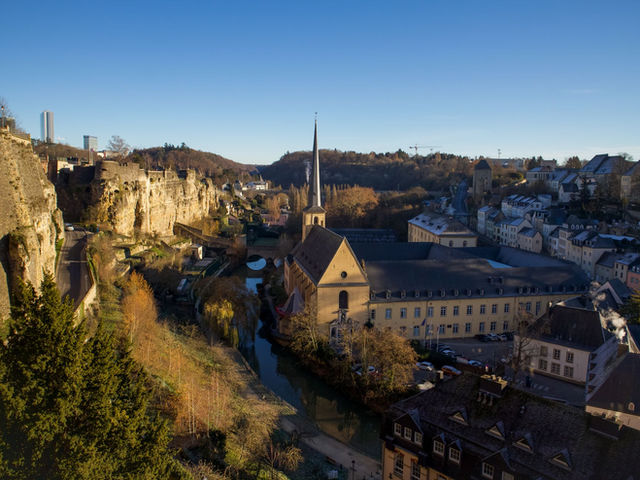
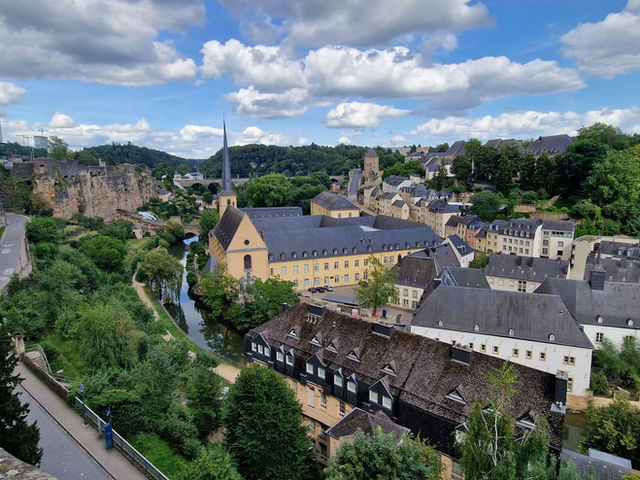
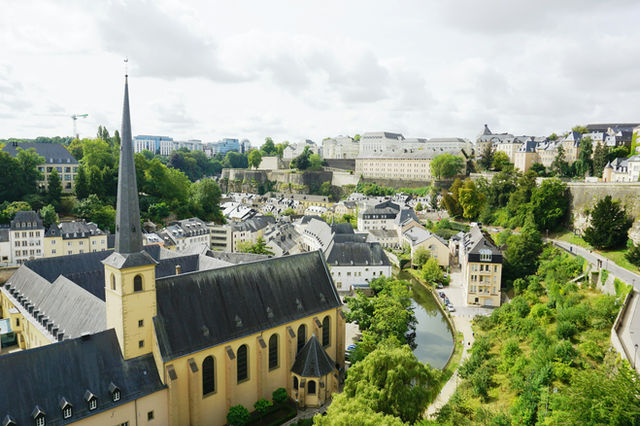
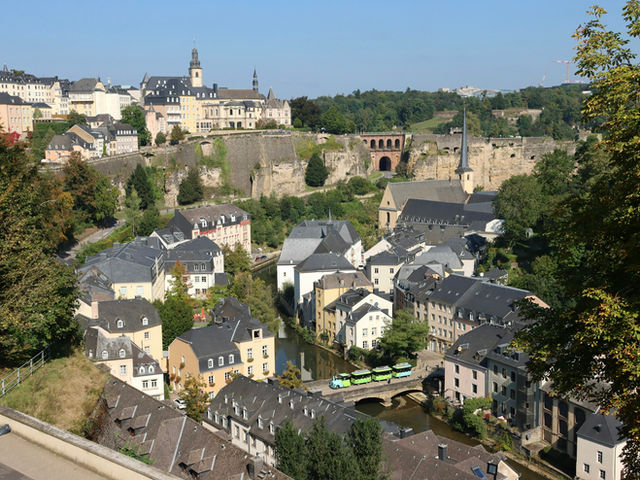
The casemates and the fortress — Luxembourg was one of Europe's mightiest fortresses, and the most extraordinary survival is the casemates — a network of tunnels and gun galleries bored right through the sandstone cliffs of the Bock, where the city was founded. Walk them for the views out of the rock and the sense of the old stronghold, then follow the ramparts along the clifftops. It is why the old town and fortifications made the World Heritage list. **The Corniche and the gorges** — Called "the most beautiful balcony in Europe", the Corniche is a clifftop promenade along the old ramparts, looking down into the green gorge of the Alzette — the toy-like houses of the Grund, the stone bridges, the river. The city's whole drama is in that view, and the walk along it is the essential Luxembourg experience, best in the late afternoon light. **Down into the valley** — The old lower districts, the Grund and Clausen, sit in the green gorge far below the plateau, and dropping down to them — by a panoramic glass lift, or the winding stairs and ramparts — is a highlight. Down there, old houses line the Alzette, the fortress walls rise above, and Clausen's converted brewery buildings hold the city's best nightlife. The contrast between the grand upper town and the intimate valley is the city's charm. **A capital that made transport free** — Luxembourg made headlines by making all its public transport — trams, buses and trains across the whole country — free to ride, and it genuinely shapes a visit: hop the tram from the station up to Kirchberg, or a bus to the outskirts, at no cost. The gleaming Kirchberg plateau, with its EU institutions, concert hall and modern-art museum, is a striking counterpoint to the old town, and an easy free ride away.

Neighbourhoods

Luxembourg City neighbourhood by neighbourhood — the character of each and who it suits.

  • The Upper Town (Ville Haute)

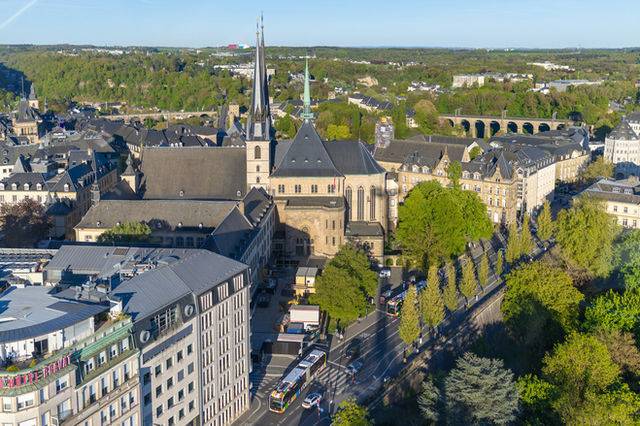
    The historic heart on the plateau — the old fortress town of squares, the palace, the cathedral and the smart streets, ringed by ramparts and clifftop walks.

    Why go
    The single densest run of Luxembourg's landmarks, all on the plateau.
    Best for
    First-time sightseeingthe palaceclifftop views
    Known for
    The Grand Ducal Palace, the Notre-Dame Cathedral, the Place d'Armes and the Corniche clifftop walk, and the Bock promontory where the city was founded.
  • The Bock and the Casemates

    The rocky spur where the fortress began — honeycombed with rock-cut tunnels and gun galleries, the dramatic heart of the old fortifications.

    Why go
    The casemate tunnels and the views into the gorge.
    Best for
    The tunnelsthe rampartsviews
    Known for
    The Bock casemate tunnels bored through the cliff, the fortress ruins, the views down to the Grund, and the archaeological crypt of the city's founding.
  • The Grund and the Valley

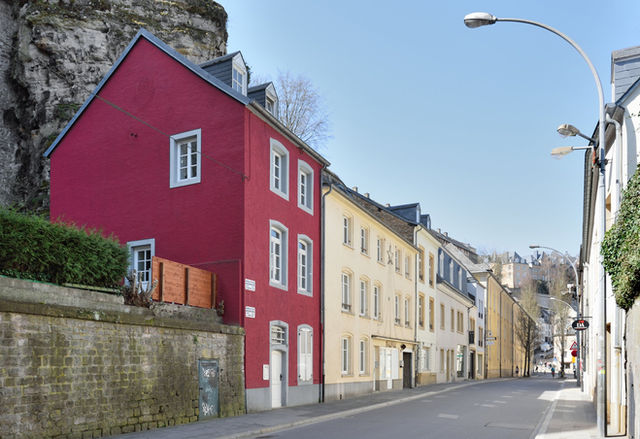
    The old lower districts in the green gorge below the plateau — the Grund, Clausen and Pfaffenthal, valley villages of old houses along the Alzette, reached by lift and stair.

    Why go
    The valley setting, the riverside walk, and the nightlife.
    Best for
    Riverside walksbarsthe fortress-from-below view
    Known for
    The Grund's old houses and the Alzette river, the Clausen brewery-and-bars district, the panoramic glass lift down from the plateau, and the walks along the ramparts from below.

Views & hidden gems

Best views

  • The Corniche — the "most beautiful balcony", over the Grund and the gorge
  • The Bock promontory — the ramparts and the valley below
  • The glass panoramic lift (Pfaffenthal) — the gorge and the old town
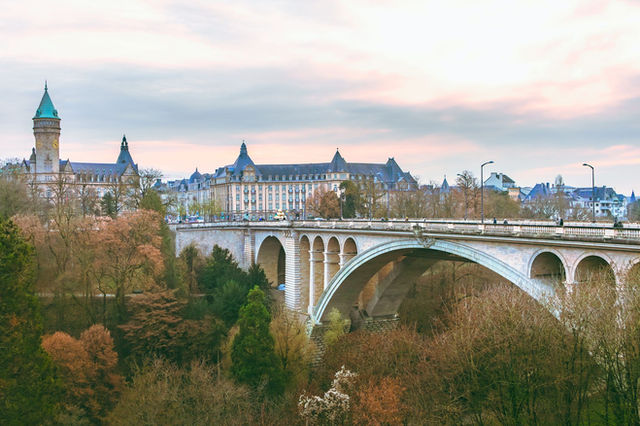
  • The Adolphe Bridge and the Pétrusse valley park

Hidden gems

  • The Pétrusse casemates and the valley park walk below the bridges
  • The Chemin de la Corniche at dusk, when the gorge lights up
  • The MUDAM modern-art museum in an old fort on Kirchberg
  • The Neumünster Abbey cultural centre down in the Grund
  • Riding the free tram end to end for a cheap city tour

Food & drink

Luxembourg's food reflects its position between France and Germany — hearty and rich, French in finesse and German in portion. The national dish is Judd mat Gaardebounen, smoked pork collar with broad beans; potato fritters (Gromperekichelcher) and bean soup (Bouneschlupp) are the comfort classics. The country makes surprisingly good wine on the Moselle just east — crisp Rieslings and sparkling Crémant — and the pastries and café culture are excellent. It is all pricey, in line with the wealthy little Duchy.

  • Judd mat Gaardebounen — smoked pork collar with broad beans, the national dish
  • Gromperekichelcher — crisp fried potato fritters, a market and festival staple
  • Bouneschlupp — a hearty green-bean soup
  • F'rell am Rèisleck — trout in a Riesling sauce
  • Quetschentaart — a plum tart, the local sweet
  • Moselle Riesling and Crémant — the country's crisp wines and sparkling
Dietary notes

Vegetarians and vegans manage with the potato fritters, soups, the strong café-and-bakery culture and the international restaurants of a cosmopolitan capital, though the classics are meat-heavy. Halal and kosher food are found in this diverse city, though limited — plan ahead for kosher. Gluten-free is understood in newer places. The multinational, well-off city caters reliably to most needs.

▸ Photos

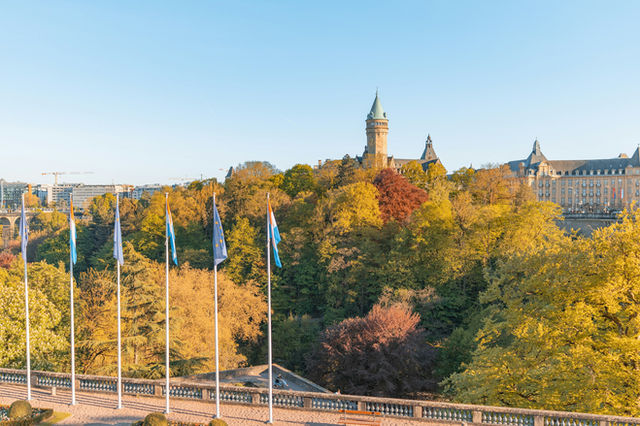
Luxembourg City in photos

▸ Where you'll stay

Where you'll stay in Luxembourg City

The upper town puts you among the sights and the clifftop walks, central and convenient, at the top of the price range in an expensive city. The station district (Gare) below has more mid-range and budget hotels, a short tram ride or walk from the old town. The Grund and the valley offer atmospheric, quieter stays down in the gorge. The city is small and, with free transport, everywhere is easy to reach.

  • Budget
    The Gare (station) district budget hotels near the station, free tram to the old town.
  • Mid-range
    The upper town / centre comfortable hotels near the sights and the Corniche.
  • Luxury
    The Ville Haute / by the palace grand hotels in the historic heart, steps from the ramparts.
Stay

Hotels & rentals around Luxembourg City

Pan, zoom and compare live prices — every stay in one map.

▸ Getting around

Getting around Luxembourg City

The centre is compact and walkable, and all public transport — trams, buses and trains — is free nationwide. Panoramic lifts and stairs connect the plateau with the valley districts; the tram links the station, old town and Kirchberg. A car is unnecessary. Everything is easy and, on public transport, free.

The upper town, the Bock and the Corniche are all a short walk apart (~approx). The Grund and valley are reached by lift, stairs or bus from the plateau; Kirchberg is a free tram ride across the gorge.

▸ Plan your days

Suggested itineraries

Ready-made day plans for Luxembourg City — from a single day to a long weekend.

One day

Start in the upper town at the Grand Ducal Palace and Notre-Dame Cathedral, then explore the Bock casemates and walk the Corniche for the view over the gorge. Take the lift or the ramparts down into the Grund for a riverside wander and lunch, ride the free tram up to Kirchberg for the modern quarter and the MUDAM museum, and end with dinner and drinks back in the valley.

▸ What you'll do

Insider tips

  • All public transport is free — use the tram and buses freely, and the panoramic lifts to move between the plateau and the valley.
  • Wear proper shoes for the steep, low casemate tunnels and the stairs down to the Grund.
  • Walk the Corniche in the late-afternoon light for the best view over the gorge.
  • It's an expensive city — lean on the free transport, the free outdoor sights and the bakeries to keep costs down.
Explore

Explore the area

© OpenFreeMap · OSM · terrain Mapterhorn
Do

Local attractions & tours

Skip-the-line tickets and small-group tours in Luxembourg City — compare across our partners.

We're still curating hand-picked tickets and tours for Luxembourg City. In the meantime, the map above and the nearby cities are a great place to start.

▸ Budget

What it costs in Luxembourg City

Backpacker
roughly €70–100 a day.
Mid-range
roughly €150–230 a day.
Luxury
€400 a day and up.
Cash vs card
Cards and contactless are near-universal; public transport is free, so you need little cash — keep a little for a bakery or market.
Tipping
Around 10% is usual in sit-down restaurants if service isn't added; rounding up is plenty elsewhere.
▸ When you'll go

When to visit Luxembourg City

May to September for warmth; December for the Christmas market

Spring

What to expect — Cool and changeable early, warming into pleasant, green weeks, the gorges and valley parks fresh and leafy. Some rain, lengthening days.

What's best — Mild walking weather, the green ravines at their freshest, the Corniche and valley walks at their best, and lighter crowds.

Summer

What to expect — Warm and generally comfortable, long days, and the liveliest season, with café terraces, valley walks and festivals. Occasional showers.

What's best — Long light for the clifftop and gorge walks, the Grund's terraces and nightlife, festivals and open-air events, and warm evenings in the valley. The best time to visit.

Autumn

What to expect — Cooling, crisp and often golden, the ravines turning colour, the summer visitors gone. Damp and shortening days later.

What's best — Autumn colour in the gorges, comfortable walking, the Moselle wine harvest nearby, and quieter sights.

Winter

What to expect — Cold, grey and often damp, with short days, but December brings a pretty Christmas market to the squares. Deep winter is quiet.

What's best — The Christmas markets on the old-town squares, festive lights over the gorges, cosy cafés, and a quiet, easy-to-navigate city with free transport in the cold.

▸ Know before you go

Know before you go

Honest swaps

Skip a taxi anywhere → all public transport is free, so ride the tram and buses for nothing.

Skip only the upper town → drop into the Grund and the valley for the city's most atmospheric side and the best fortress views.

Skip the pricey tourist cafés on the main squares → the bakeries and valley spots do better for less in an expensive city.

Skip rushing through on the way elsewhere → the casemates and the Corniche reward at least a full day.

Crowds & timing

The Bock casemates and the Corniche are busiest midday; go early or late for the light and the calm.

The Christmas market fills the squares in December; otherwise the small capital is rarely overcrowded.

Local rules & etiquette

The casemate tunnels are steep, low and can be slippery — wear proper shoes and mind your head.

The city is trilingual and cosmopolitan; a greeting in French or German (or English) is fine, and Luxembourgish is a bonus.

The Grand Ducal Palace is a working royal residence — admire from outside except during summer tours.

Money

Public transport is free and the city is card-friendly, so you need little cash — carry a little for a bakery or market.

Use bank ATMs and decline dynamic currency conversion.

After dark

The Grund and Clausen in the valley hold the best nightlife — bars in old brewery buildings and along the river.

The upper town has smart restaurants and wine bars, quieter after dark.

A valley evening in the Grund, with the floodlit fortress above, is the classic Luxembourg night.

▸ Ready to book your trip?

Getting there

Luxembourg Airport (LUX) lies just east of the city, linked to the centre by a free bus and tram (~approx 20 min). Luxembourg's central station, south of the old town, connects the city by train across the region and country — all of it free to ride within the country.

Book

Ready to book your trip?

Flights, airport transfers and car hire — search and compare without leaving the page.

▸ Trip extras
Book

More trip extras

Parking, holiday extras, and more — coming soon.

Coming soon

We're lining up parking, holiday extras and activities you'll be able to add to any trip from here.