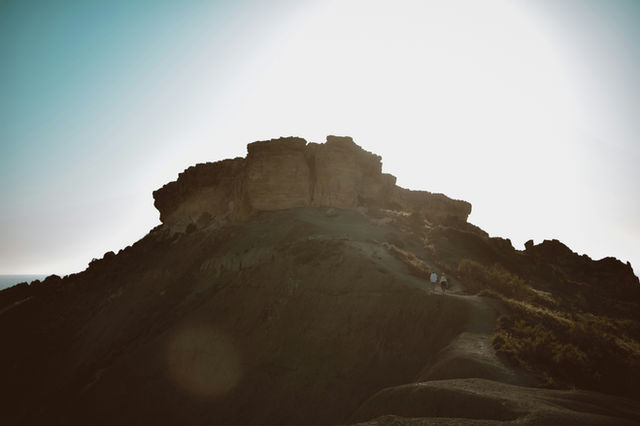
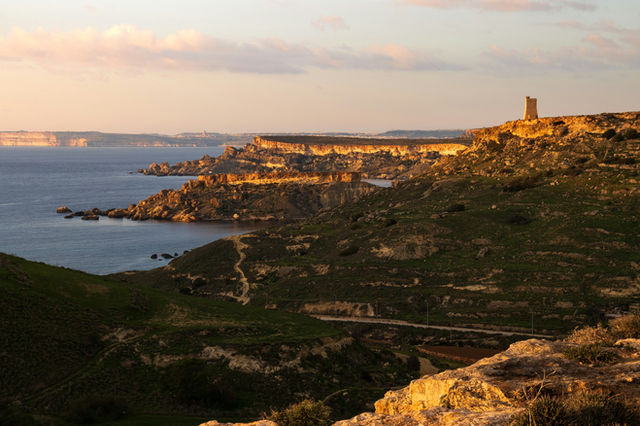
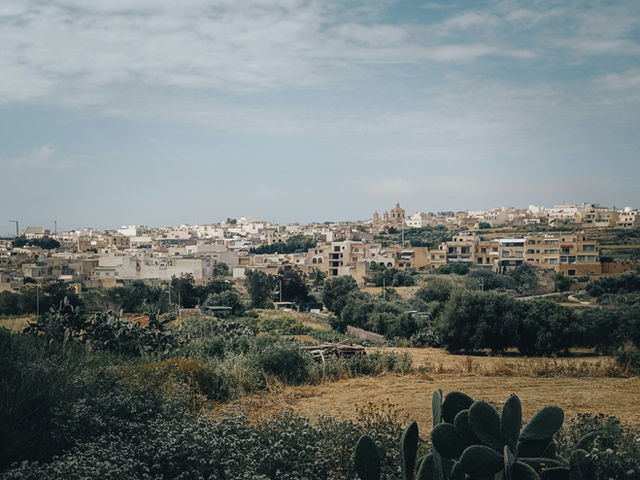
Malta — hero
← All destinations Country

Malta

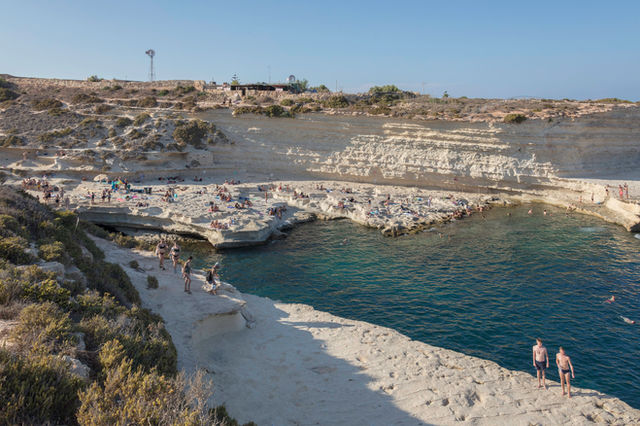
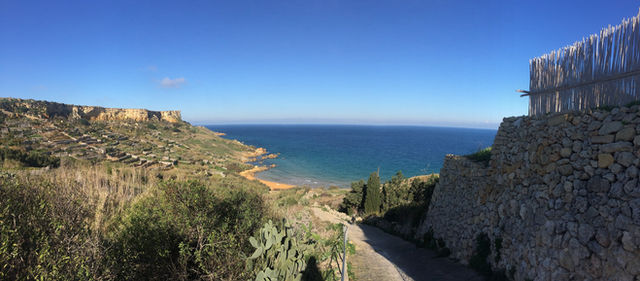
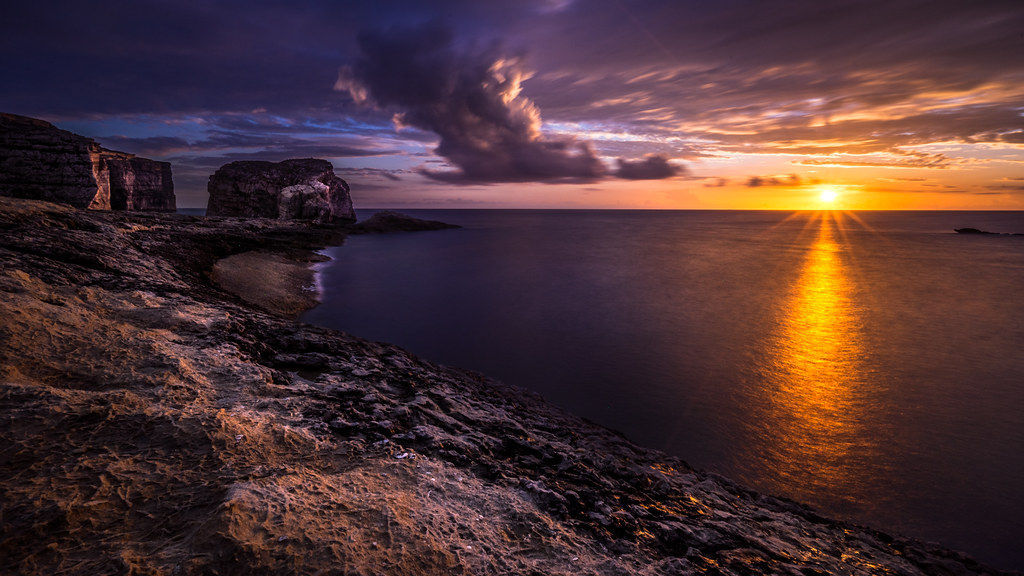
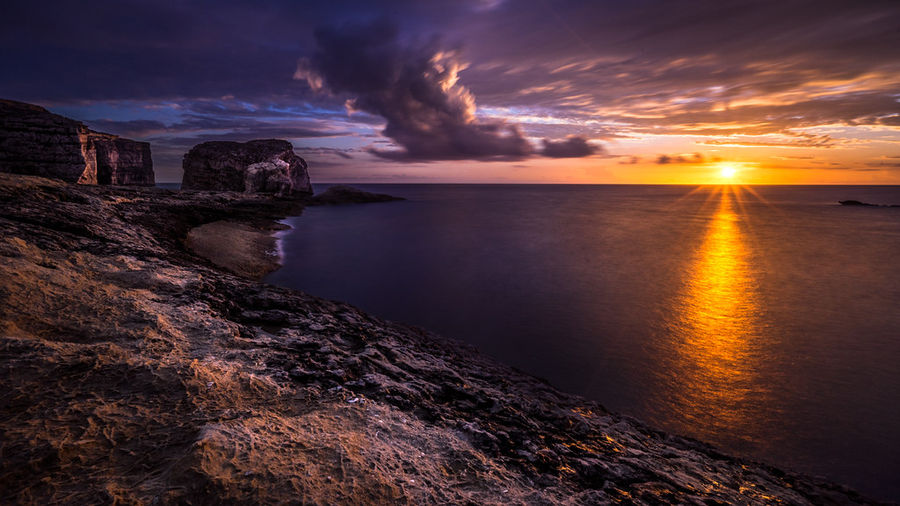
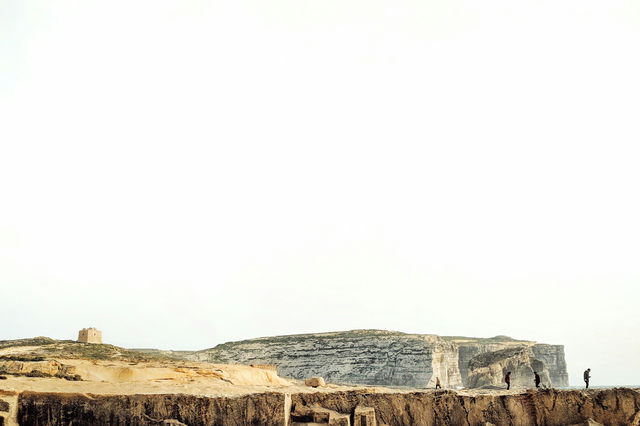
A sun-soaked Mediterranean archipelago where 7,000 years of history meet honey-coloured cliffs, hidden lagoons and some of Europe's warmest, most walkable winters.

  • Currency € Euro (€)
  • Language English, Maltese
  • Best time April – June, September – November
  • Visa Visa-free (up to 90 days; Schengen)
Why visit

Why Malta

A sun-soaked Mediterranean archipelago where 7,000 years of history meet honey-coloured cliffs, hidden lagoons and some of Europe's warmest, most walkable winters.

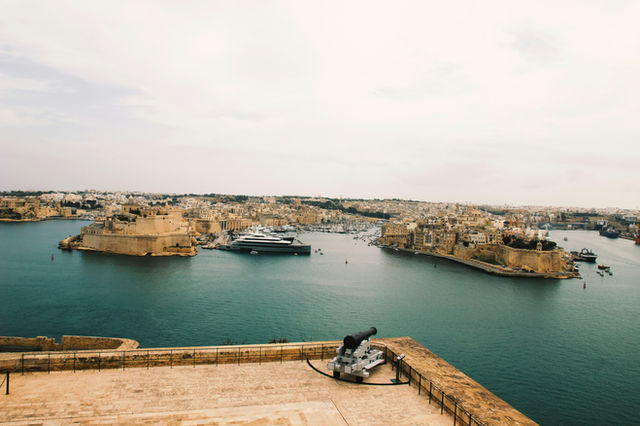
  • Baroque capital Valletta
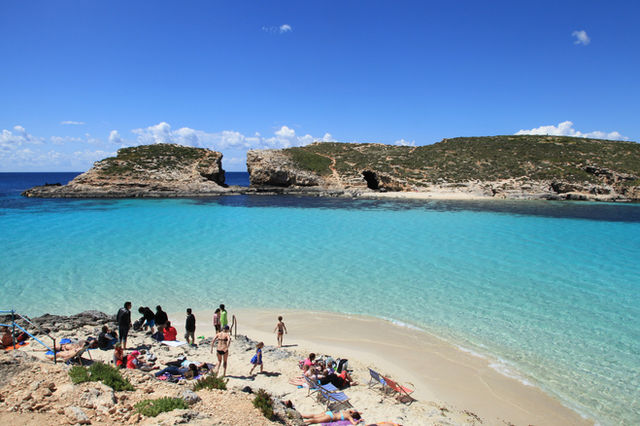
  • Blue Lagoon on Comino
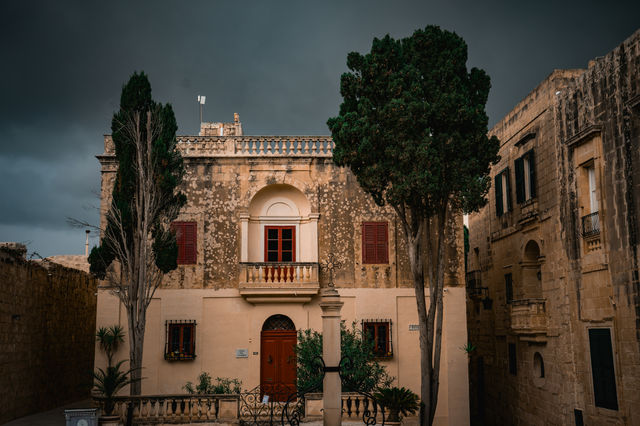
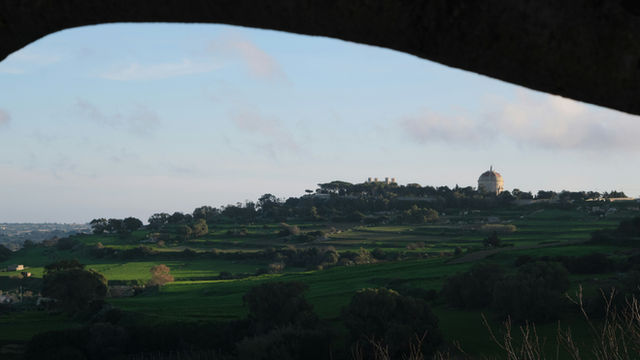
  • Walled 'Silent City' of Mdina
  • Ġgantija temples & the Hypogeum
Read more

Compact, sun-drenched and improbably deep in history, Malta packs three inhabited islands, prehistoric temples and a UNESCO-listed capital into a space you can cross in under an hour. English is an official language, which makes it one of the Mediterranean's easiest reads for a London family.

The draw for 2026 is year-round warmth and seamless connectivity. Mild winters and reliable Wi-Fi turn Valletta and Sliema into natural bleisure bases, while the Blue Lagoon, sea caves and coastal walks deliver soft adventure without the crowds of pricier rivals.

Think of Malta as a clever 'dupe' for the bigger Mediterranean names: gilded Baroque churches, fortified cities, fresh seafood and diving among the best in Europe, all at a friendlier pace and price.

A pillar, not a footnote

Eat your way through Malta

The single reason many travellers come back — the food culture worth reshaping a trip around, and the dishes to seek out region by region.

Malta

Rabbit stew as the national feast and ricotta pastizzi on every corner — a Sicilian-Arab-British island kitchen.

Duck into any Maltese bar and hand over small change for a pastizz, a hot diamond of flaky pastry oozing ricotta or mushy peas — the island's everyday street food, eaten standing up with a bittersweet Kinnie, the local orange-and-herb soda. Malta's cooking is Sicilian and North African and faintly British all at once, worked from bread, tomatoes, capers, broad beans and sheep's cheese.

The great sit-down ritual is the fenkata, a rabbit feast that became an act of Maltese identity when islanders defied their rulers' hunting rules: fenek marinated overnight in wine and bay, served first as spaghetti in the rich sauce, then as stew. Around it circle ġbejniet cheeselets, peppery and fresh; crusty ftira bread, its making UNESCO-listed; and in autumn a lampuki pie of dorado and vegetables. A Cisk lager or an island red sees you through.

Dishes to seek out
  • Fenkata (rabbit feast — stewed & in pasta)
  • Pastizzi (ricotta or pea pastries)
  • Ftira (Maltese bread)
  • Ġbejniet (sheep's-milk cheeselets)
  • Lampuki pie (seasonal dorado pie)
  • Bragioli (beef olives)
  • Kinnie (bitter-orange soda)
Things to do

Nature, culture & hidden gems

Plan your trip

Curated Malta itineraries

Browse all Malta trips →
When to go

Weather & timing in Malta RIGHT NOW 34° mostly clear

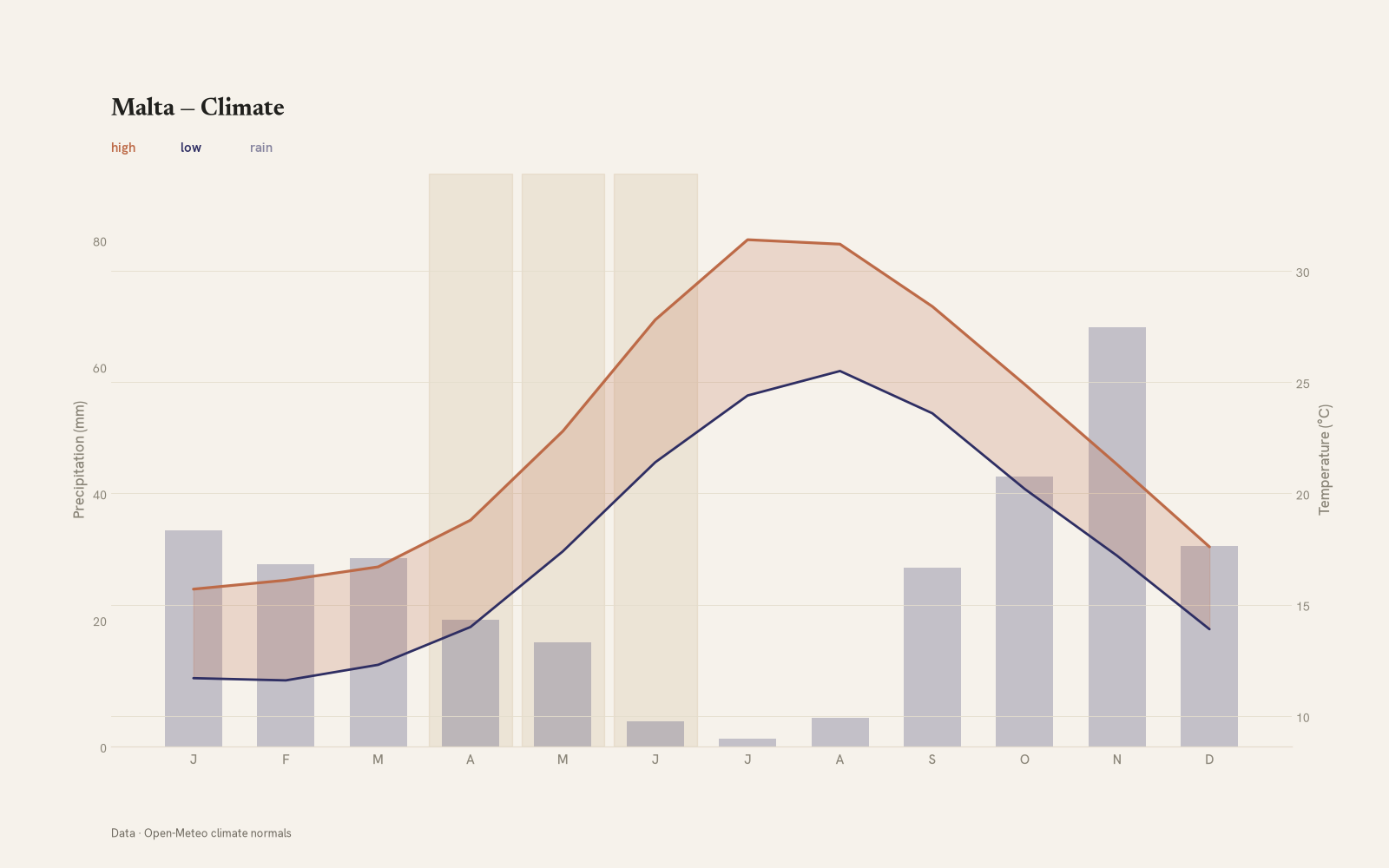
Best Apr–Jun · Shoulder Oct–Dec

  1. Jan / -4°
  2. Feb / -2°
  3. Mar 12° /
  4. Apr 18° /
  5. May 24° / 14°
  6. Jun 28° / 18°
  7. Jul 30° / 20°
  8. Aug 28° / 18°
  9. Sep 24° / 14°
  10. Oct 18° /
  11. Nov 12° /
  12. Dec / -2°

Best time to visit

April – June, September – November

Best for
  • Culture
  • Cuisine
  • Landscape
  • History
At a glance
Sunshine 7 hr/day (est.)
Rain days 8 days/mo (est.)
Wettest December · 60mm
Driest June · 10mm
Part of Mediterranean Europe →
By season
Spring (Mar–May)

What to expect — Daytime highs average about 18°C with overnight lows near 8°C, and it stays largely dry.

What's best — Apr and May are among the best time to visit — good weather with manageable crowds.

Summer (Jun–Aug)

What to expect — Daytime highs average about 29°C with overnight lows near 19°C, and it stays largely dry.

What's best — Jun is among the best time to visit — good weather with manageable crowds.

Autumn (Sep–Nov)

What to expect — Daytime highs average about 18°C with overnight lows near 8°C.

What's best — Oct and Nov are comfortable, with thinner crowds.

Winter (Dec–Feb)

What to expect — Daytime highs average about 7°C with overnight lows near -3°C.

What's best — Dec is comfortable, with thinner crowds.

A little context

A little history

To read what you're looking at — the empires and eras that shaped Malta's food, art and streets.

The Knights of St John, gifted the island in 1530, built the fortified capital Valletta and repelled the great Ottoman siege of 1565
a British colony and naval base for over 150 years, leaving English, red phone boxes and driving on the left
its megalithic temples predate the pyramids
independent 1964, a republic since 1974, EU member since 2004
Before you book

Know before you go

The practical back-matter — safety, drones and the essentials, in one place.

Safety

Low risk FCDO advice →

Official UK Foreign, Commonwealth & Development Office guidance is the definitive source — check it close to your travel dates.

Drone rules (sub-250g)

  • Malta
    Malta is EU/EASA under Transport Malta. A sub-250g camera drone isn't exempt: register as an operator, hold third-party insurance and get the A1/A3 certificate, then fly below 120m in sight. Register at tmcad.idronect.com. ⚠ The whole island is controlled airspace and Transport Malta says every flight must be individually authorised. The airport zone blankets much of the main island, and heritage areas like Valletta add restrictions — many spots are off-limits without specific clearance. Rules checked: Jul 2026

National parks, protected sites and religious/heritage venues often have their own rules and permits — always check the specific site before you fly.

The essentials

Plug & voltage Type G · 230V
Daily budget Mid-range
Region Southern Europe