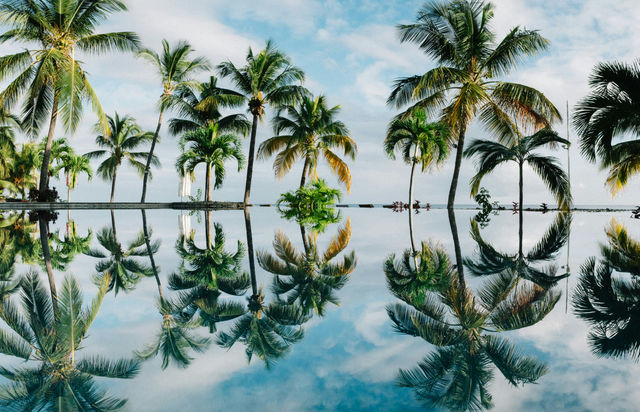
Mauritius — hero
← All destinations Country

Mauritius

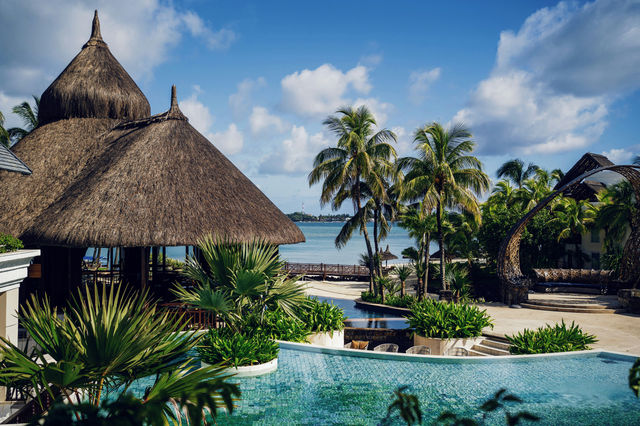
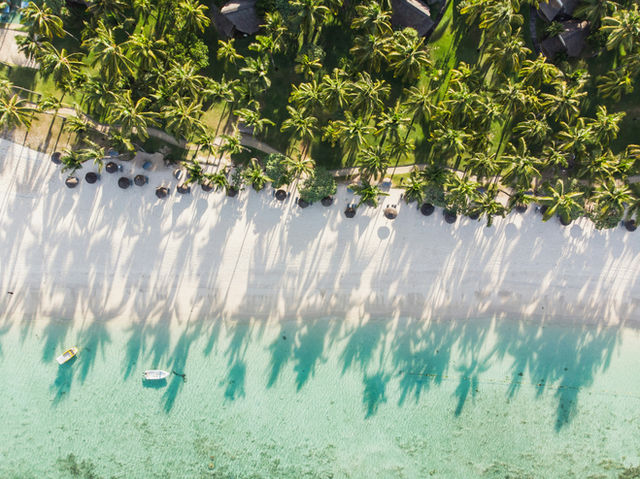
Turquoise lagoons, lush volcanic peaks and a joyfully multicultural soul. Mauritius blends barefoot luxury with genuine island adventure and world-class food.

  • Currency ₨ Mauritian Rupee (MUR)
  • Language English, French, Mauritian Creole
  • Best time May – December
  • Visa Visa-free (up to 60 days)
Why visit

Why Mauritius

Turquoise lagoons, lush volcanic peaks and a joyfully multicultural soul. Mauritius blends barefoot luxury with genuine island adventure and world-class food.

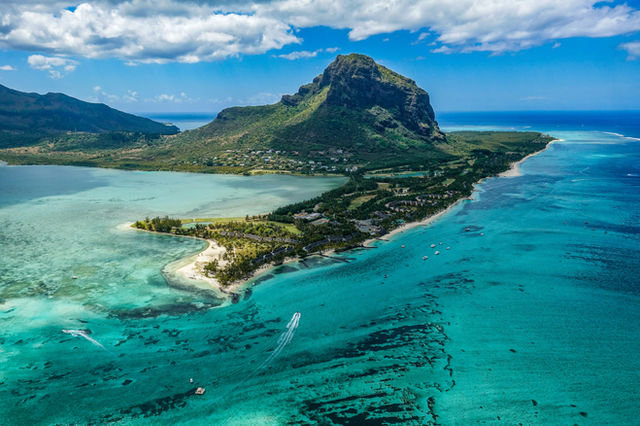
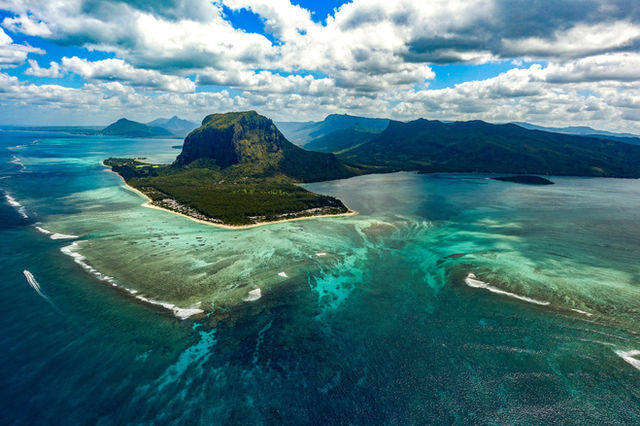
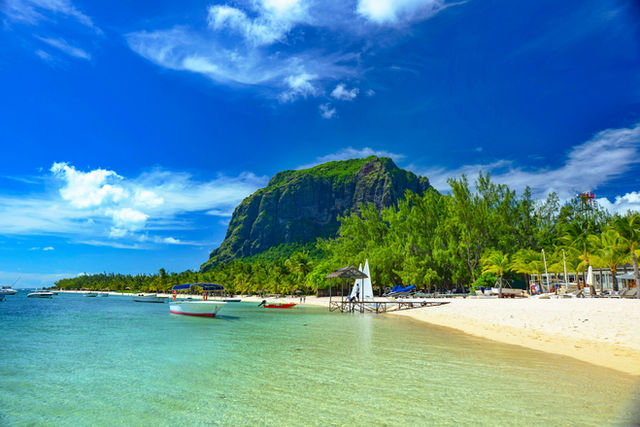
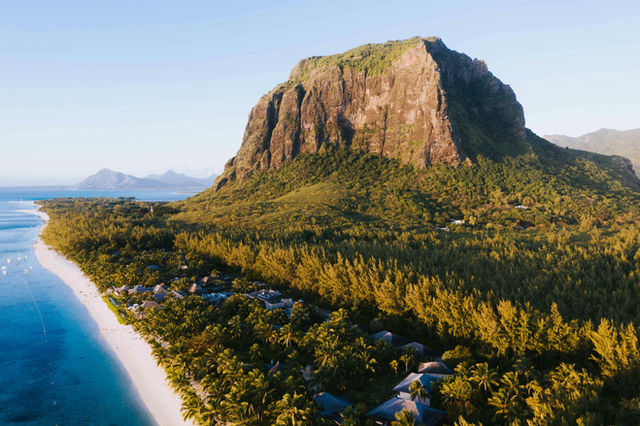
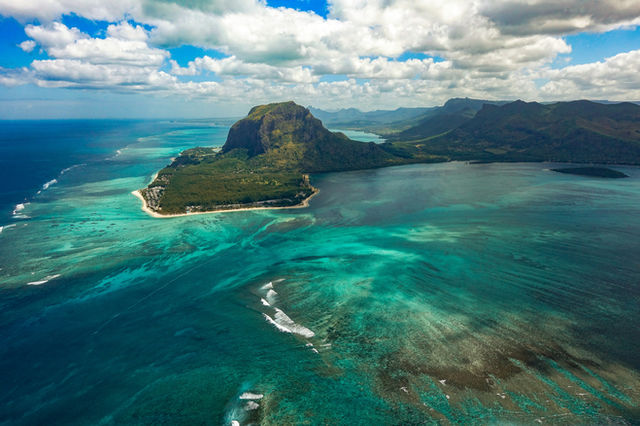
  • Le Morne peninsula & lagoon
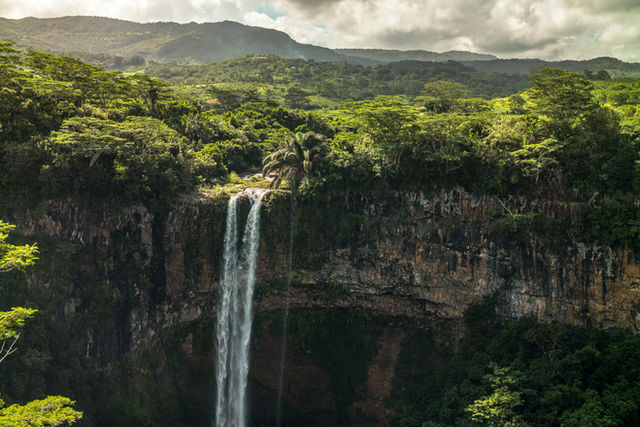
  • Chamarel Coloured Earths & waterfall
  • Black River Gorges hikes
  • Port Louis central market
Read more

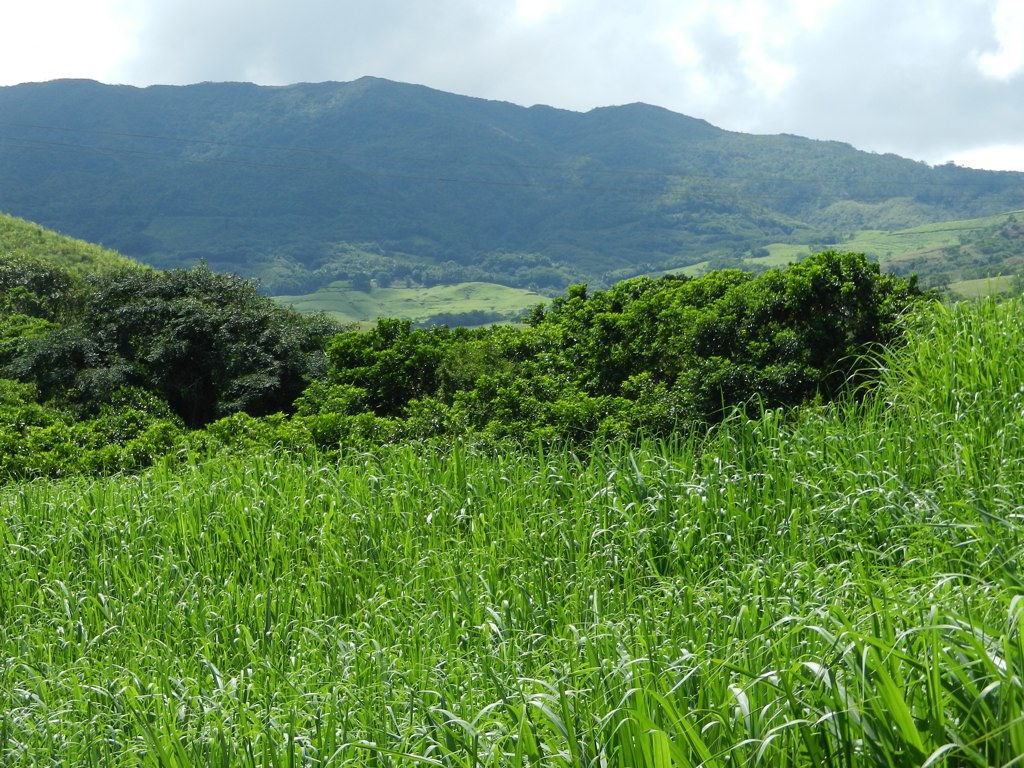
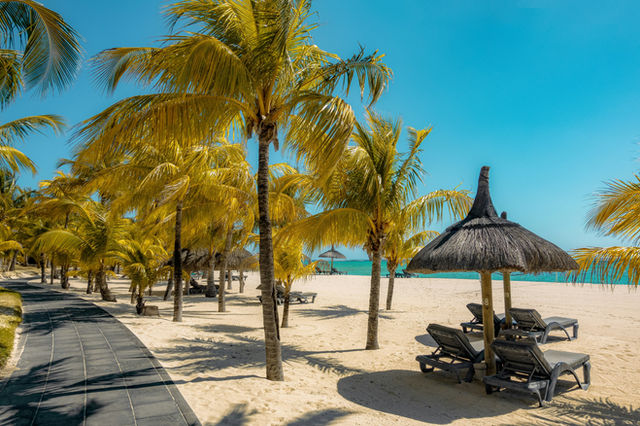
Mauritius is far more than a postcard beach. Ringed by one of the world's largest coral reefs, this Indian Ocean island wraps powder-white lagoons around a dramatic volcanic interior of jagged peaks, waterfalls and emerald sugar-cane fields, offering beach bliss and real adventure in equal measure.

Its true magic is cultural. A vibrant fusion of Indian, African, Chinese, Creole and French influences gives Mauritius an extraordinary food scene and a warm, welcoming spirit found nowhere else, best savoured in its bustling markets and roadside street-food stalls.

With reliable connectivity, safe surroundings and a growing appetite for bleisure, Mauritius is ideal for families blending remote work with reef snorkelling, hiking and lazy lagoon days. Barefoot luxury, layered with genuine substance.

A pillar, not a footnote

Eat your way through Mauritius

The single reason many travellers come back — the food culture worth reshaping a trip around, and the dishes to seek out region by region.

Mauritius

Dholl puri from a street cart, tomato rougaille and octopus curry — Creole, Indian and Chinese island kitchens.

Join the queue at a Mauritian street cart for dholl puri — a soft flatbread stuffed with ground split peas, folded around bean curry, tomato rougaille and fierce chilli — and you're eating the island's true national dish, the thing locals call their fish and chips. On one small island in the Indian Ocean, Indian, Chinese, French and African kitchens sit side by side, and the street food is where they meet.

From the Indian side come gateaux piments, crunchy split-pea and chilli fritters, and biryani heavy with saffron and potato; from the Chinese, mine frite stir-fried noodles and steamed boulettes in broth; from the Creole kitchen, tomato-braised octopus and vindaye in tangy mustard. The lagoon supplies the seafood, and the cane fields supply the drink — cheap, good rum, poured over ice or with coconut water. Cool off with an alouda, a milky basil-seed cooler from the market.

Dishes to seek out
  • Dholl puri (split-pea flatbread)
  • Gateaux piments (chilli fritters)
  • Rougaille (tomato-braised stew)
  • Mine frite (fried noodles)
  • Vindaye (mustard-marinated fish)
  • Boulettes (steamed dumplings)
  • Alouda (basil-seed milk drink)
Things to do

Nature, culture & hidden gems

Editorial content coming soon

We're hand-picking the standout places, hidden gems and can't-miss activities in Mauritius. Meanwhile, the cities above are a great starting point.

Plan your trip

Curated Mauritius itineraries

Browse all Mauritius trips →
When to go

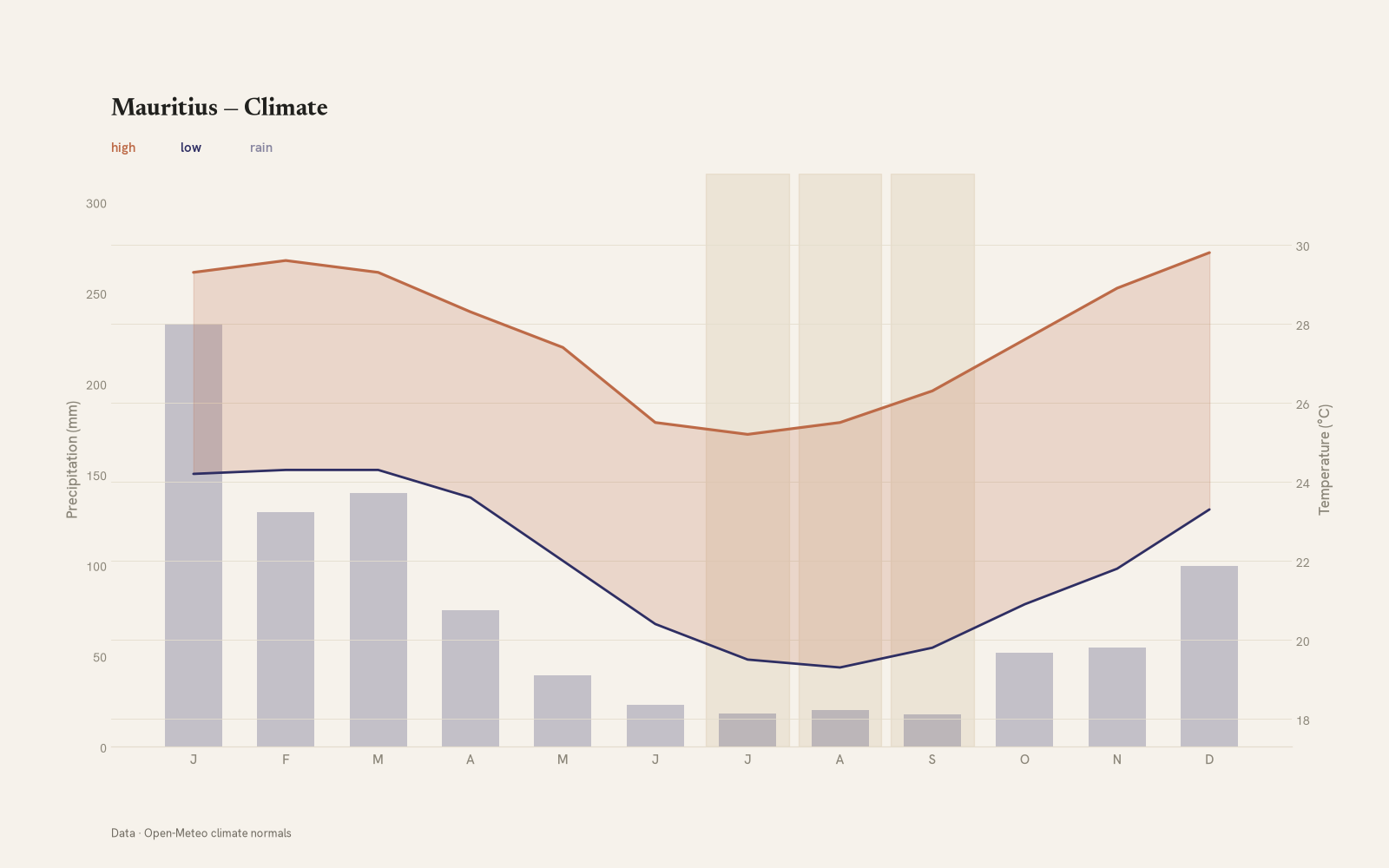
Weather & timing in Mauritius RIGHT NOW 25° drizzle

Best Jul–Sep · Shoulder May–Jun, Oct

  1. Jan / -4°
  2. Feb / -2°
  3. Mar 12° /
  4. Apr 18° /
  5. May 24° / 14°
  6. Jun 28° / 18°
  7. Jul 30° / 20°
  8. Aug 28° / 18°
  9. Sep 24° / 14°
  10. Oct 18° /
  11. Nov 12° /
  12. Dec / -2°

Best time to visit

May – December

Best for
  • Beaches
  • Reefs
  • Sugar Heritage
  • Rum
At a glance
Sunshine 7 hr/day (est.)
Rain days 8 days/mo (est.)
Wettest December · 60mm
Driest June · 10mm
Part of East Africa →
By season
Spring (Mar–May)

What to expect — Daytime highs average about 18°C with overnight lows near 8°C, and it stays largely dry.

What's best — May is comfortable, with thinner crowds.

Summer (Jun–Aug)

What to expect — Daytime highs average about 29°C with overnight lows near 19°C, and it stays largely dry.

What's best — Jul and Aug are among the best time to visit — good weather with manageable crowds. Jun also works well.

Autumn (Sep–Nov)

What to expect — Daytime highs average about 18°C with overnight lows near 8°C.

What's best — Sep is among the best time to visit — good weather with manageable crowds. Oct also works well.

Winter (Dec–Feb)

What to expect — Daytime highs average about 7°C with overnight lows near -3°C.

What's best — Cold and quiet; some mountain roads and sights run reduced hours.

A little context

A little history

To read what you're looking at — the empires and eras that shaped Mauritius's food, art and streets.

Uninhabited until the Dutch, who hunted the endemic dodo to extinction by the 1600s
the French, then the British from 1810, built a sugar economy on enslaved African and, later, indentured Indian labour — the roots of today's mixed population
independent in 1968, a republic since 1992; sugar and beach tourism drive the economy
Before you book

Know before you go

The practical back-matter — safety, drones and the essentials, in one place.

Safety

Low risk FCDO advice →

Official UK Foreign, Commonwealth & Development Office guidance is the definitive source — check it close to your travel dates.

Drone rules (sub-250g)

  • Mauritius
    Effectively off-limits on a short holiday. The DCA requires any camera drone — including sub-250g — to be registered and each flight pre-authorised, registration reportedly takes months, and flying is banned on all public beaches and public areas; only private property with the owner's written consent is allowed. ⚠ A no-fly zone extends far around the airport, and public beaches (Flic-en-Flac, Trou aux Biches, Le Morne) are all prohibited. Penalties since January 2025 reach up to about Rs 1,000,000 and a year's imprisonment. Rules checked: Jul 2026

National parks, protected sites and religious/heritage venues often have their own rules and permits — always check the specific site before you fly.

The essentials

Plug & voltage Type C/G · 230V
Daily budget Mid-range
Region Eastern Africa