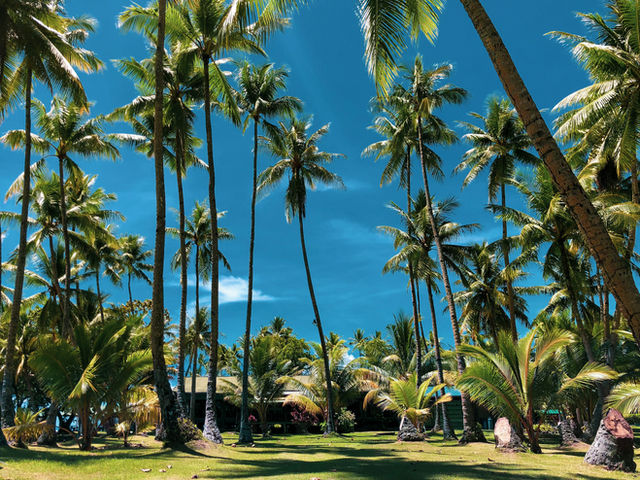
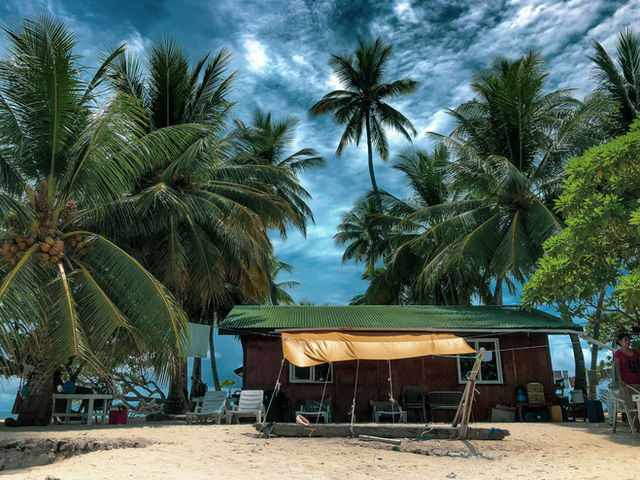
Micronesia — hero
← All destinations Country

Micronesia

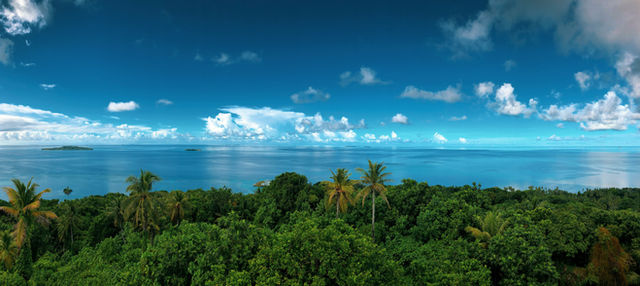
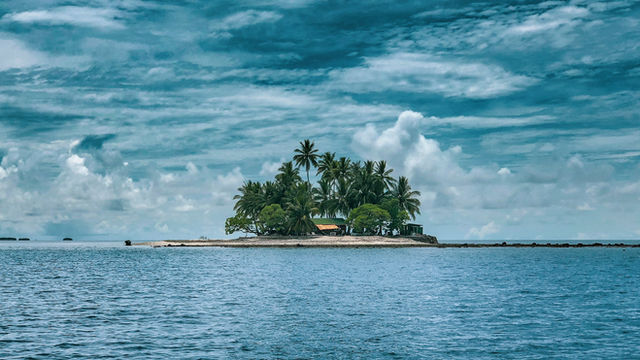
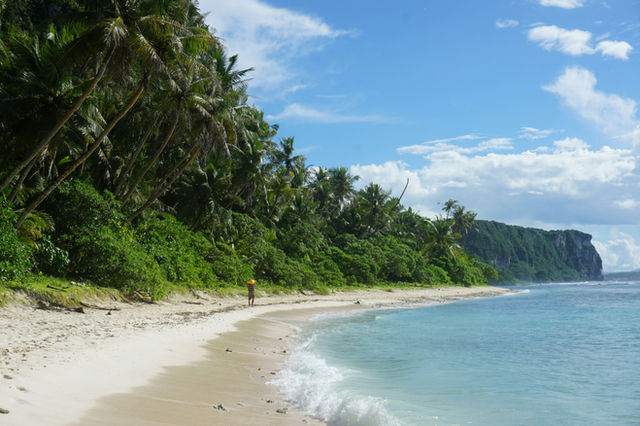
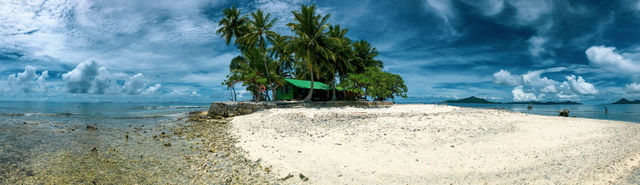
Ancient stone cities, world-class diving and untouched Pacific islands. The Federated States of Micronesia is a true ocean frontier.

  • Currency $ US Dollar ($)
  • Language English
  • Best time December – April
  • Visa Visa-free (up to 30 days on arrival)
Why visit

Why Micronesia

Ancient stone cities, world-class diving and untouched Pacific islands. The Federated States of Micronesia is a true ocean frontier.

  • Chuuk (Truk) Lagoon wreck diving
  • Nan Madol basalt ruins (UNESCO)
  • Yap's stone-money culture and manta rays
  • Pristine Kosrae reefs and rainforest
Read more

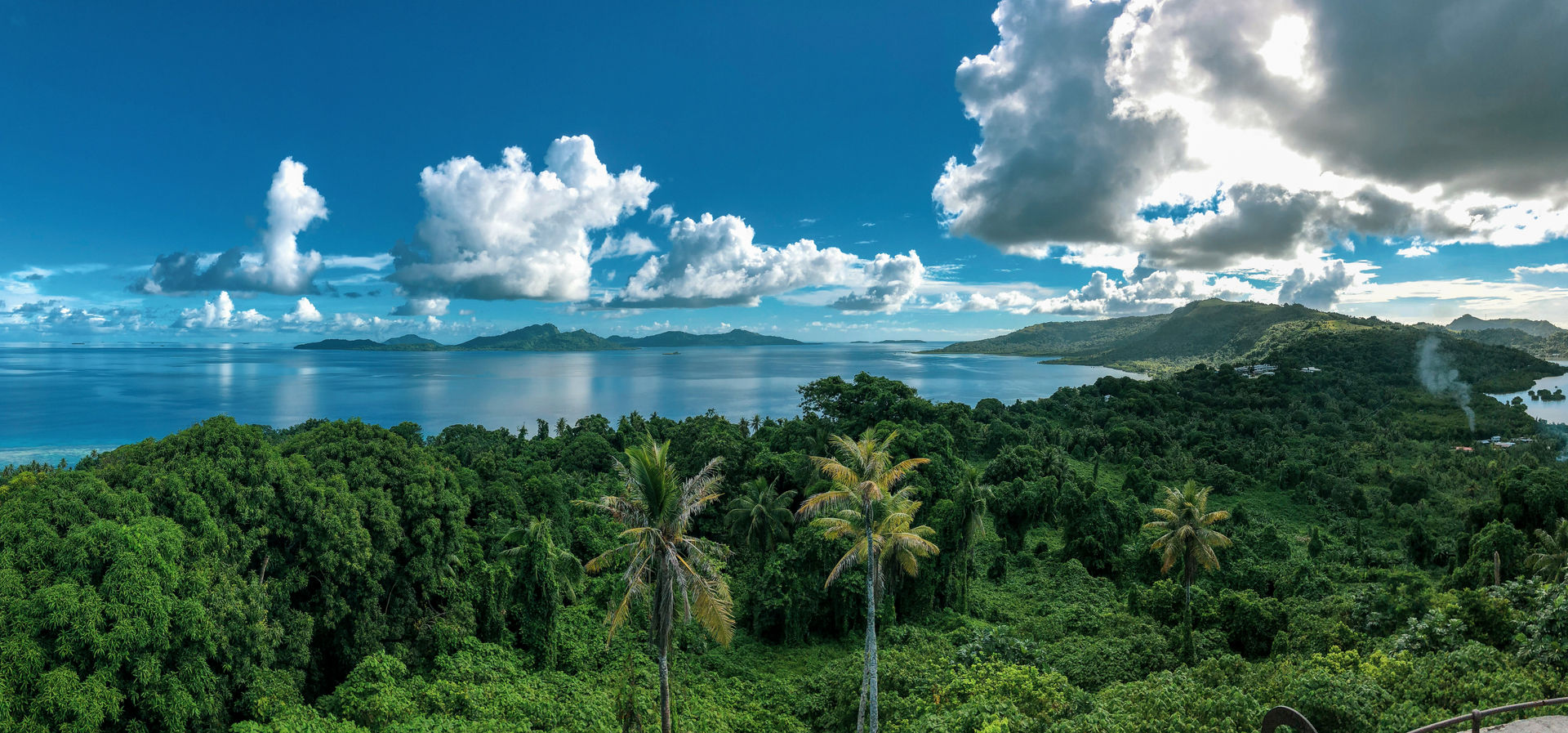
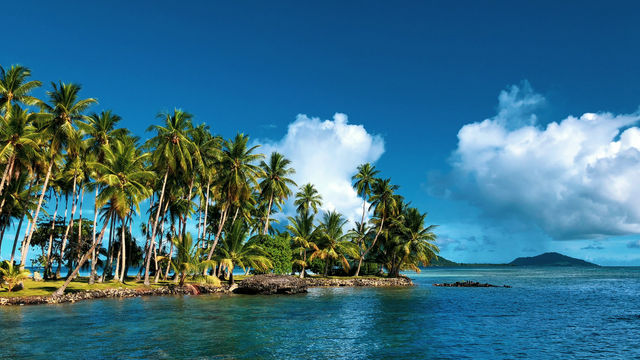
The Federated States of Micronesia spread across a huge stretch of the western Pacific — four island states, each with its own culture, and some of the most pristine reefs and lagoons on the planet.

This is a dream for diving and soft adventure: Chuuk's legendary WWII wreck lagoon, Palau-rivalling reefs, and the mysterious stone city of Nan Madol rising from the sea.

Travel here is regenerative and community-led, with island communities as stewards of their reefs and heritage — an authentic, uncrowded Pacific experience far from the tourist trail.

A pillar, not a footnote

Eat your way through Micronesia

The single reason many travellers come back — the food culture worth reshaping a trip around, and the dishes to seek out region by region.

Micronesia

Pounded breadfruit and reef-fish sashimi, Pohnpei pepper and giant feast yams across four island cultures.

The Federated States of Micronesia are really four island cultures on one passport — stone-money Yap, lagoon-ringed Chuuk, Nan Madol's Pohnpei and green Kosrae — but the table shares a base of taro, breadfruit, yam and coconut, and endless reef fish. The everyday staple is pounded breadfruit, hot fruit worked to a creamy paste with coconut milk; the everyday luxury is reef-fish sashimi, sliced thin with soy and wasabi, a habit left by Japanese rule.

Feasting is the real institution: pigs, prestige yams (Pohnpei grows giant ceremonial ones and has over a hundred words for the varieties) and sakau, the islands' muddy kava, are presented at funerals and title-givings after days of preparation. Pohnpei's volcanic soil grows a prized black pepper that scents chicken and fish. Eat at a village feast or a Kolonia market, and finish the night pounding sakau on basalt at a roadside nahs.

Dishes to seek out
  • Pounded breadfruit (with coconut milk)
  • Reef-fish sashimi
  • Chicken kelaguen (lime-and-coconut chicken)
  • Pohnpei pepper dishes
  • Mangrove crab
  • Palusami (taro leaves in coconut)
  • Sakau (Pohnpei kava)
Things to do

Nature, culture & hidden gems

Editorial content coming soon

We're hand-picking the standout places, hidden gems and can't-miss activities in Micronesia. Meanwhile, the cities above are a great starting point.

Plan your trip

Curated Micronesia itineraries

Browse all Micronesia trips →
When to go

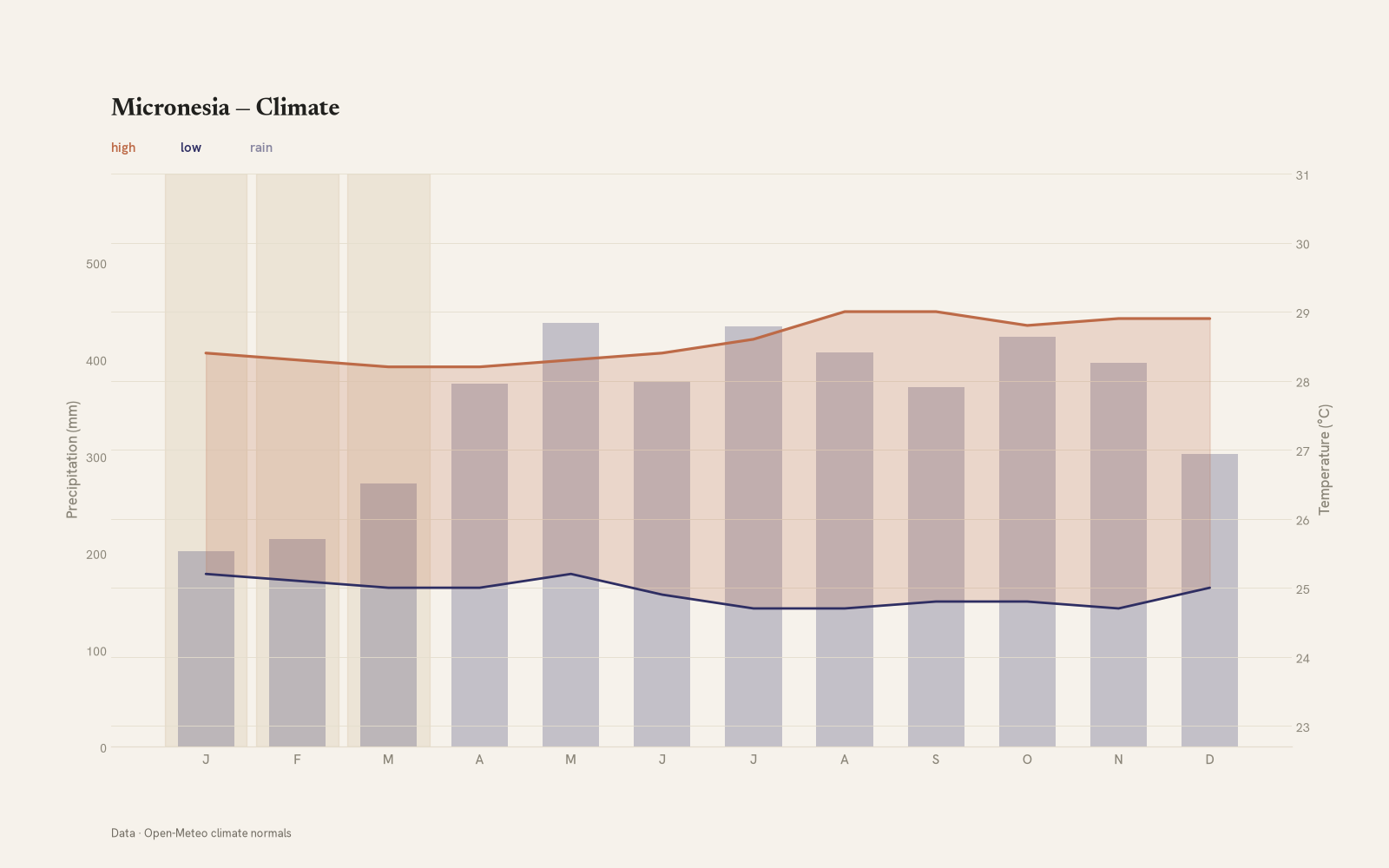
Weather & timing in Micronesia RIGHT NOW 27° cloudy

Best Jan–Mar · Shoulder Apr, Jun, Dec

  1. Jan / -4°
  2. Feb / -2°
  3. Mar 12° /
  4. Apr 18° /
  5. May 24° / 14°
  6. Jun 28° / 18°
  7. Jul 30° / 20°
  8. Aug 28° / 18°
  9. Sep 24° / 14°
  10. Oct 18° /
  11. Nov 12° /
  12. Dec / -2°

Best time to visit

December – April

Best for
  • Culture
  • Cuisine
  • Landscape
  • History
At a glance
Sunshine 7 hr/day (est.)
Rain days 8 days/mo (est.)
Wettest December · 60mm
Driest June · 10mm
Part of Pacific Islands →
By season
Spring (Mar–May)

What to expect — Daytime highs average about 18°C with overnight lows near 8°C, and it stays largely dry.

What's best — Mar is among the best time to visit — good weather with manageable crowds. Apr also works well.

Summer (Jun–Aug)

What to expect — Daytime highs average about 29°C with overnight lows near 19°C, and it stays largely dry.

What's best — Jun is comfortable, with thinner crowds.

Autumn (Sep–Nov)

What to expect — Daytime highs average about 18°C with overnight lows near 8°C.

What's best — A quieter, less in-demand window than the shoulder months.

Winter (Dec–Feb)

What to expect — Daytime highs average about 7°C with overnight lows near -3°C.

What's best — Jan and Feb are among the best time to visit — good weather with manageable crowds. Dec also works well.

A little context

A little history

To read what you're looking at — the empires and eras that shaped Micronesia's food, art and streets.

Nan Madol, a 1,000-year-old city of basalt islets off Pohnpei, was the Saudeleur seat and became FSM's first UNESCO site in 2016
Yap's giant carved stone-money discs still underpin ceremonial exchange
Spanish, German and Japanese colonial rule layered on Catholicism, plantations and the sashimi-and-soy food culture
in WWII, Chuuk (Truk) Lagoon was Japan's main Pacific naval base until a 1944 US assault sank the fleet
FSM entered a Compact of Free Association with the US in 1986
Before you book

Know before you go

The practical back-matter — safety, drones and the essentials, in one place.

Safety

Low risk FCDO advice →

Official UK Foreign, Commonwealth & Development Office guidance is the definitive source — check it close to your travel dates.

Drone rules (sub-250g)

  • Micronesia
    FSM has no published drone-specific rules — the Division of Civil Aviation lists no UAV regime — but absence of rules isn't permission: seek written permission before flying and expect discretion at customs. ⚠ Chuuk Lagoon is a war grave and protected underwater heritage site, and Nan Madol is a sacred UNESCO site on customary land — do not fly at either without explicit local consent. Land is largely customary throughout FSM, so landowner permission matters as much as any rule. Rules checked: Jul 2026

National parks, protected sites and religious/heritage venues often have their own rules and permits — always check the specific site before you fly.

The essentials

Plug & voltage Type A/B · 120V
Daily budget Mid-range to expensive
Region Micronesia