Marrakech
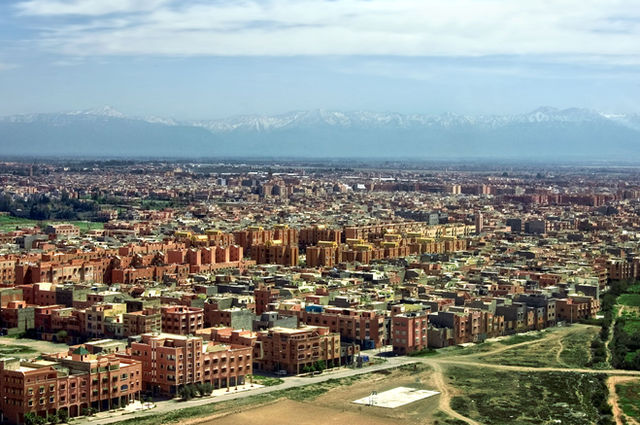
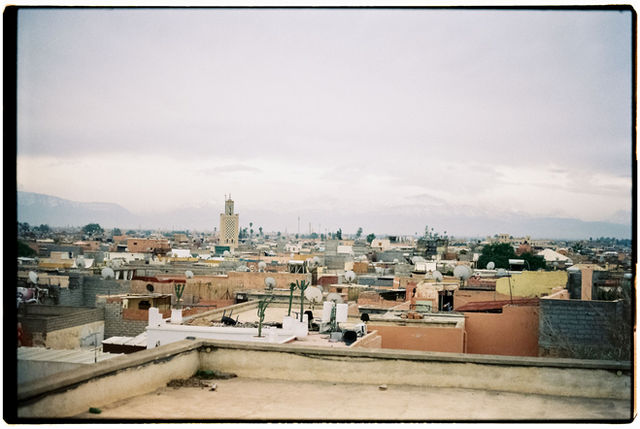
Morocco's ochre-walled imperial city — djemaa el-fna storytellers, hammam steam, mint tea rituals, rooftop riads and the Atlas Mountains rising beyond the palms.
- City
- March – May, September – November
- RAK
- 3–4 days
About Marrakech
Why go
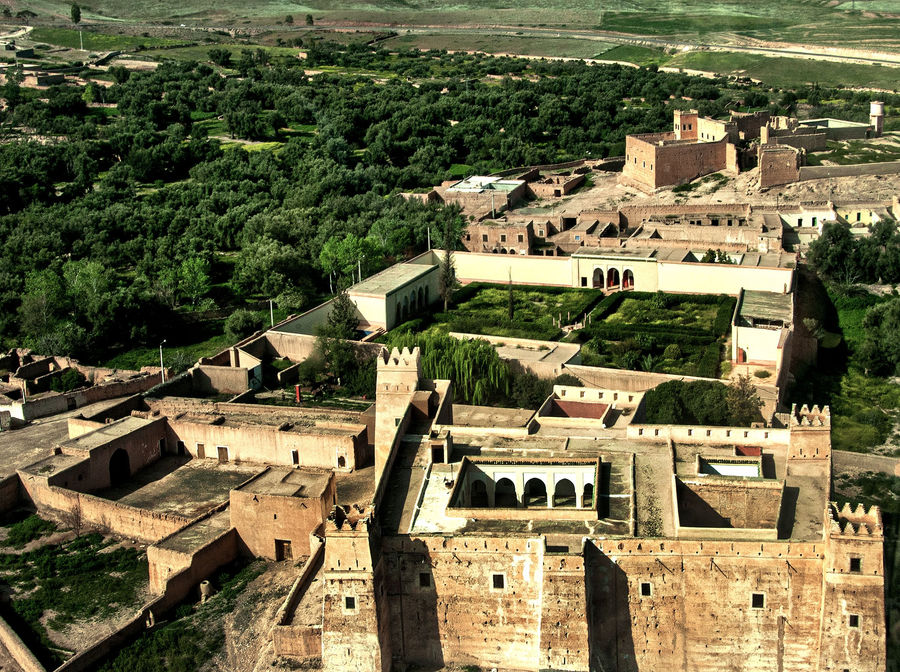
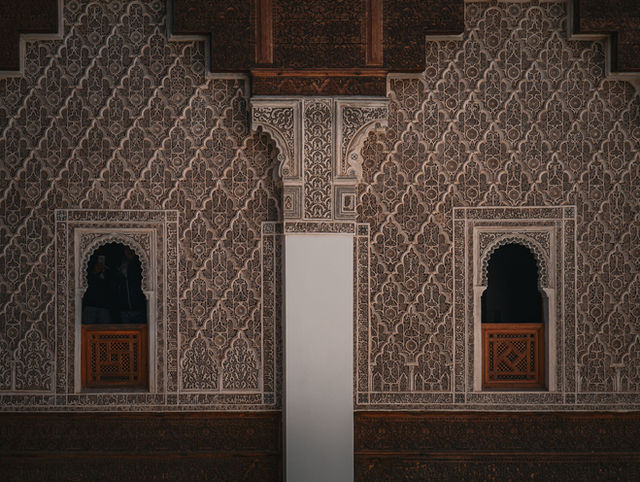
Marrakech offers complete sensory disorientation in the best possible way — arriving in the medina from a European city involves an immediate, total recalibration of what a city looks and sounds and smells like. The Bahia Palace, the Saadian Tombs, the Medersa Ben Youssef (a 14th-century Koranic school with stunning geometric tilework), the Musée de Marrakech and the Jardins Majorelle (Yves Saint Laurent's extraordinary garden and studio, now a museum) provide days of cultural depth. The medina's riads — many of them restored by European owners into small, design-focused boutique hotels with rooftop terraces and plunge pools — provide some of the most pleasurable small-hotel experiences in the world. The Atlas Mountains are close enough (30 minutes to the foothills) to add a day of hiking or snowshoeing in season; the Ourika Valley and its waterfalls are a classic half-day excursion. Marrakech also has a growing contemporary art and design scene in the Guéliz district (the modern ville nouvelle).
Highlights
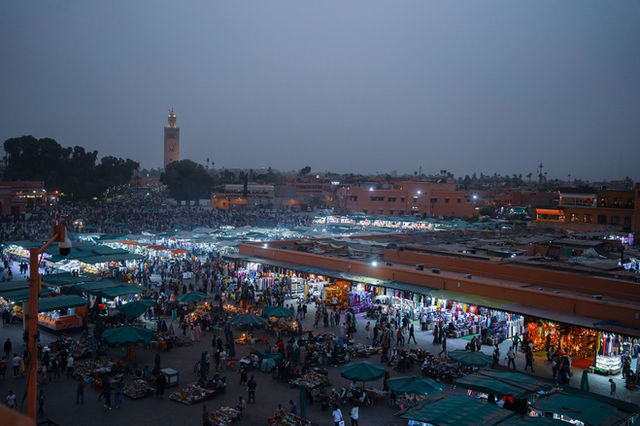
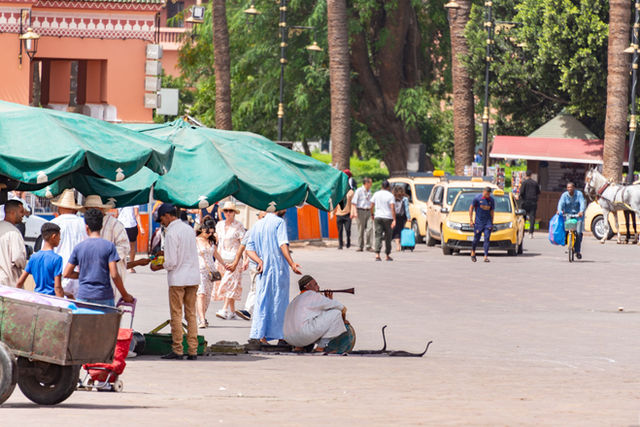
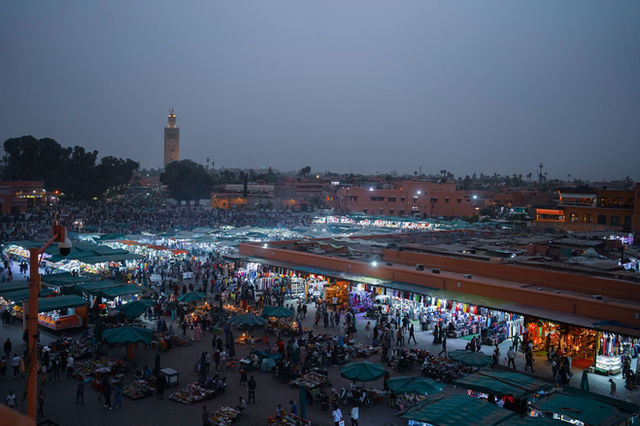
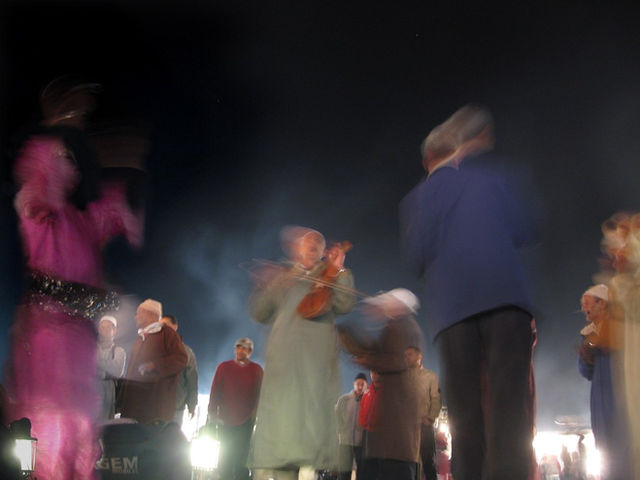
- Djemaa el-Fna square at dusk — snake charmers, storytellers
- Majorelle Garden (Yves Saint Laurent) and Museum
- Bahia Palace Andalusian courtyards
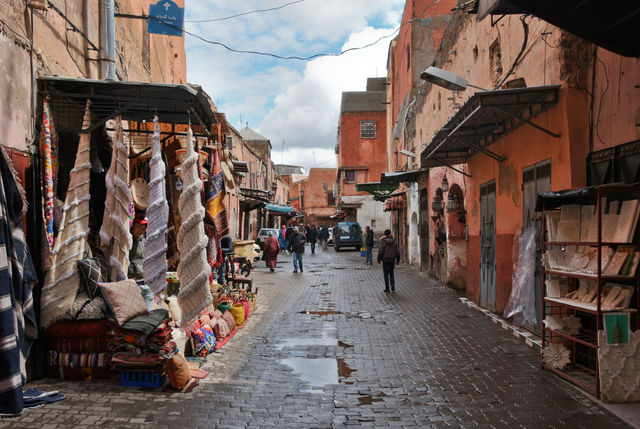
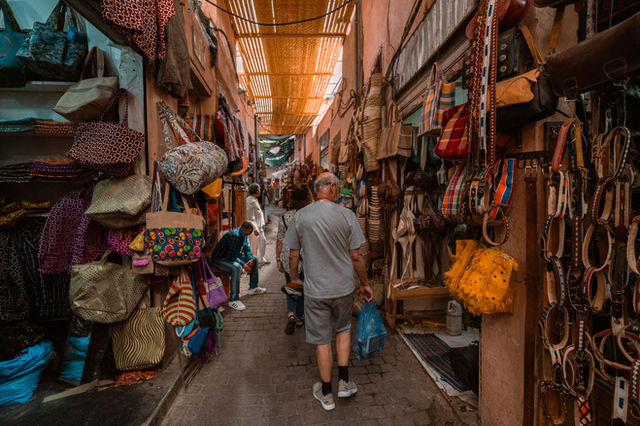
- Medina souk labyrinth — spices, lanterns, leather
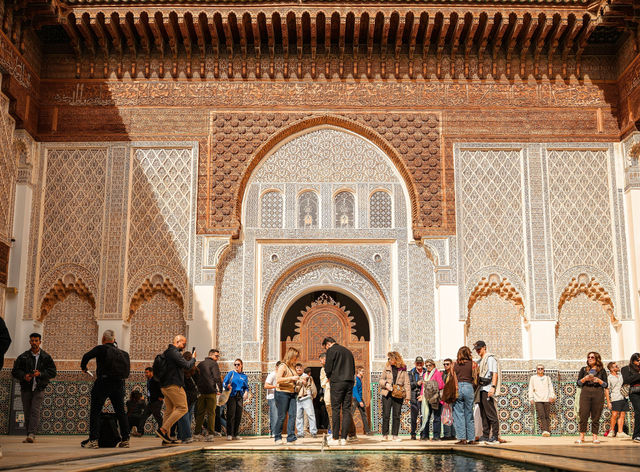
- Ben Youssef Madrasa geometric tilework
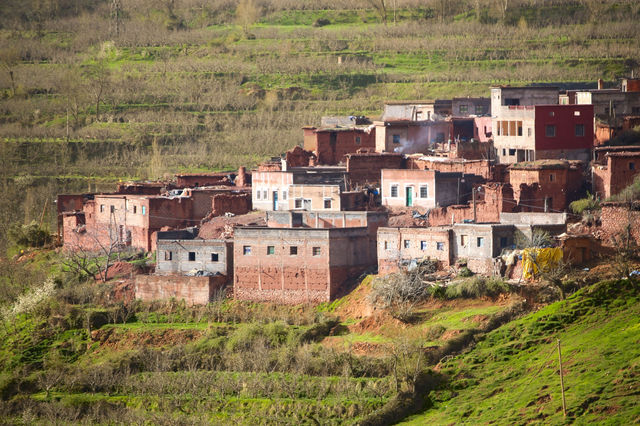
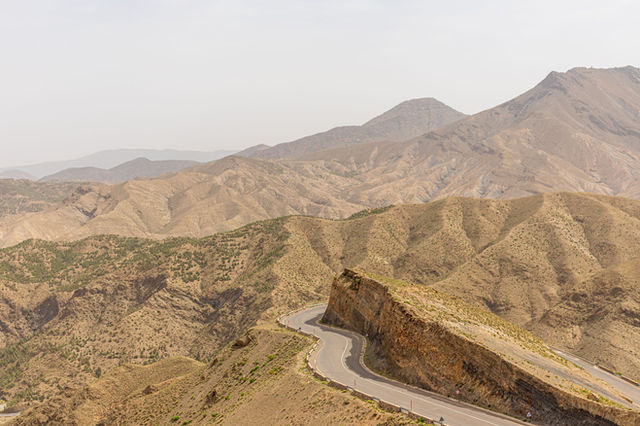
- Atlas Mountains day trip
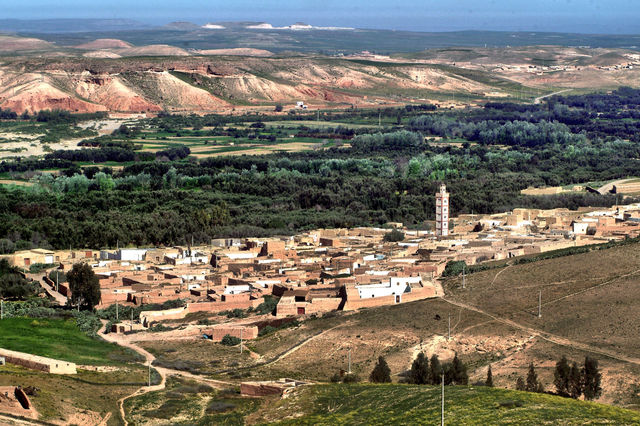
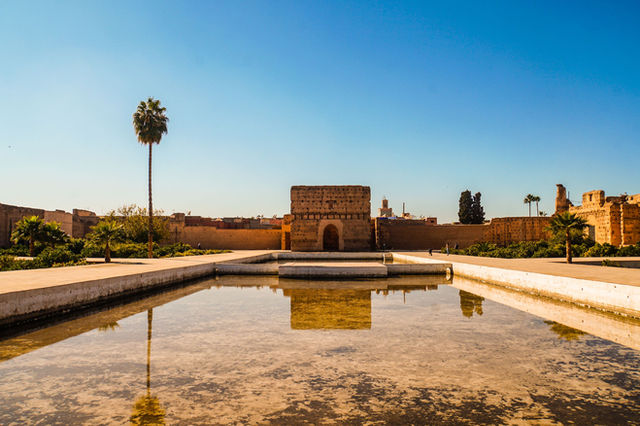
Marrakech in photos
Neighbourhoods
Neighbourhood-by-neighbourhood guides to Marrakech are on the way.
Where you'll stay in Marrakech
Live map of hotels and villas around Marrakech — powered by Stay22. Pan, zoom and compare live prices to pick your base.
Hotels & rentals around Marrakech
Pan, zoom and compare live prices — every stay in one map.
Getting around Marrakech
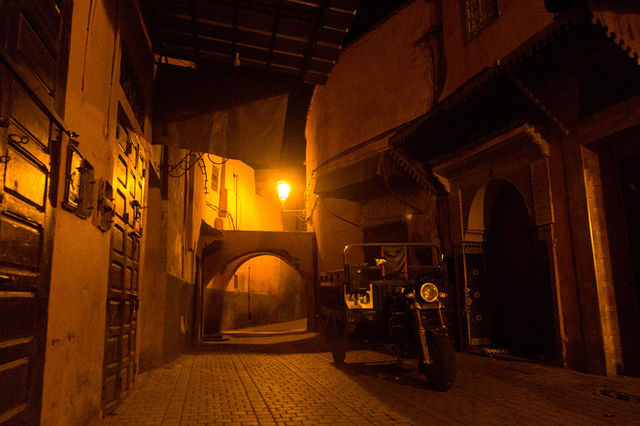
Within the medina, walking is the only practical option — the streets are too narrow for cars in much of the souk area, and getting lost is not only inevitable but one of the pleasures of the place (though the medina is not dangerous, and major landmarks are closer than they feel when you are turned around in the lanes). The Djemaa el-Fna provides a constant orienting landmark. Horse-drawn carriages (caleches) are available around the square and the ramparts for tourist rides. Taxis (petit taxis — small red Fiat-style cars, metered, for up to 3 passengers) cover the city efficiently between the medina and the Guéliz nouvelle ville; always ensure the meter is running. Rideshare apps (InDriver, Yassir) operate in Marrakech and provide transparent pricing. For day trips: organised excursions to the Atlas foothills, Essaouira or the Ourika Valley are available through riad receptions or tour operators; self-drive (hired car) is straightforward outside the medina but parking inside it is impossible.
Marrakech's public transport is limited relative to European cities. Within the medina: walking only — the narrow, vehicle-free lanes mean no buses or trams penetrate the historic centre. Petit taxis (small red cars, metered, 3 passengers maximum) connect the medina to the Guéliz nouvelle ville, the train station and the airport suburbs; negotiate or insist on the meter. The city bus network (ALSA) covers routes between major districts and is extremely cheap but slow and can be crowded. There is currently no metro or tram. Long-distance: the Marrakech railway station (Avenue Mohammed VI) connects to Casablanca (3h by standard train; the Al-Boraq high-speed eventually); CTM and Supratours coaches depart from near the train station to Agadir, Fès, Casablanca, Essaouira and Ouarzazate. Shared taxis (grands taxis) operate from specific ranks to regional destinations at fixed per-seat rates — an authentic but slower alternative to coaches.
Insider tips
The Saadian Tombs — a complex of ornate royal tombs sealed in the 16th century and only rediscovered in 1917 — are one of the city's most beautiful spaces and routinely have shorter queues than the Bahia Palace or Medersa (go first thing in the morning). The tanneries (particularly the Chouara tannery in Fès, but also those in Marrakech) are best viewed from the rooftop terraces of the leather shops overlooking them — the views are offered freely in exchange for the shop visit; you do not have to buy anything. For the Djemaa el-Fna at its most extraordinary, go at 21:00 when the density of stalls, musicians and crowds peaks and the sky is dark enough to see the smoke rising through the light. The best Moroccan food in Marrakech is served not at tourist restaurants but at hole-in-the-wall places in the Mellah (old Jewish quarter) and around the smaller neighbourhood squares — ask your riad for recommendations. The Jardins Majorelle (Yves Saint Laurent's garden) requires advance booking in peak season; the cobalt-blue Berber Museum inside it is excellent and is included in the ticket. For hammam: the Hammam el-Bacha (a public hammam, one of the city's most beautiful) offers genuine local bathing at a fraction of tourist-spa prices — men and women have separate sessions.
Frequently asked
While you're there
Explore the area
Local attractions & tours
Skip-the-line tickets and small-group tours in Marrakech — compare across our partners.
Not seeing offers? Try or — some destinations have thinner inventory on Tiqets.
Day cruises, catamarans and multi-hour excursions — we're wiring up Viator next.
Not seeing offers? Try or — some destinations have thinner inventory on Viator.
Small-group and local-host experiences — GetYourGuide is on the way.
Not seeing offers? Try or — some destinations have thinner inventory on GetYourGuide.
Best time to visit Marrakech
March – May, September – November
Marrakech has a hot semi-arid climate — hot summers, mild winters, very low rainfall. June, July and August are extremely hot: 36–40°C is typical, with some days exceeding 42°C and very low humidity making the heat dry and intense. This is bearable in the morning and early evening, but midday sightseeing in the souks can be genuinely difficult. The ideal months are October–April: March–April is warm (20–26°C) and the rose gardens around the foothills are in bloom; October–November is similar in comfort. December–February is the coolest period (10–18°C, occasionally cold at night in the mountains), perfectly comfortable for walking and sightseeing. The peak tourist months are March–May and October–November, when European schools have half-term and the weather is most appealing. Ramadan (date varies — approximately March in coming years) affects opening hours, food availability during daylight and the general atmosphere; post-Iftar evenings during Ramadan are actually among the most atmospheric times to be in the medina.
Getting there
Marrakech Menara Airport (RAK) is 6km southwest of the medina, served by Royal Air Maroc, easyJet, Ryanair, British Airways and others with frequent direct flights from London Gatwick, Stansted and Heathrow (typically 3h15–3h30). Taxis from the airport to the medina are abundant; negotiate the fixed rate (approximately 100–120 MAD) before getting in, or use an app-hailed taxi. Airport buses (Bus 19 via the city centre to Djemaa el-Fna) are very cheap but slow. There is no train service to the airport. Marrakech is connected to Casablanca by frequent train (ONCF, about 3h) and by the Al-Boraq high-speed service (launched in 2018, currently Tangier–Casablanca with extension to Marrakech planned). Domestic coach services (CTM, Supratours) connect Marrakech to other Moroccan cities including Agadir, Ouarzazate and Fès.
- Agadir Al Massira Airport (AGA)
Ready to book your trip?
Flights, airport transfers and car hire to RAK — search and compare without leaving the page.
More trip extras
Parking, holiday extras, and more — coming soon.
We're lining up parking, holiday extras and activities you'll be able to add to any trip from here.